
Shin splints can turn a good run into a miserable hobble. That sharp, aching pain along the tibia isn’t just frustrating—it sidelines runners, hikers, and fitness enthusiasts for weeks. While rest and ice are the standard prescriptions, targeted compression offers a proactive way to manage the discomfort and keep moving. The right pair of calf sleeves provides graduated pressure that helps stabilize the muscles and soft tissue surrounding the shin, reducing vibration and micro-tearing during impact.
I’m Min — the co-founder and writer behind Gadgets Feed. I’ve spent countless hours analyzing the biomechanics of lower-leg compression, dissecting material blends, and cross-referencing gradation zones to identify which sleeves actually deliver on their promises for shin splint relief.
This guide breaks down the top-rated models based on compression technology, fabric durability, and real-world user feedback to help you find the best calf sleeves for shin splints that match your activity level and recovery needs.
How To Choose The Best Calf Sleeves For Shin Splints
Not all calf sleeves are built the same. Some prioritize heat retention for recovery, while others focus on lightweight breathability for performance. The key is matching the sleeve’s construction to the type and location of your shin splint pain—anterior (front) or posterior (medial).
Compression Gradation and Target Zones
Look for sleeves that use graduated compression, meaning the pressure is tightest at the ankle and gradually decreases up the calf. This design promotes blood flow and reduces fluid buildup. For shin splints, sleeves with a built-in foam strip or reinforced panel along the tibia provide extra stabilization against the bone, which helps prevent the soft tissue from pulling away during high-impact activity.
Material, Breathability, and Durability
Neoprene retains heat and offers firm, non-slip support—ideal for recovery sessions or cold-weather runs. Nylon-spandex blends (like those used in performance sleeves) are lighter, wick moisture better, and dry faster, making them better for long runs or hot conditions. The trade-off is that thinner materials may wear out faster around the ankle cuff where friction is highest. Check for reinforced stitching and anti-microbial treatments if you plan to wear them for multiple hours daily.
Sizing and Fit Precision
Circumference is the only measurement that matters. Measure the widest part of your calf, and cross-reference that number with the brand’s size chart. Sleeves that are too loose will slide down and bunch at the ankle, creating pressure points. Sleeves that are too tight can restrict circulation and cause numbness. Many premium options offer multiple sizes rather than a generic one-size-fits-all approach, which is critical for achieving the therapeutic compression level needed to address shin splints effectively.
Quick Comparison
On smaller screens, swipe sideways to see the full table.
| Model | Category | Best For | Key Spec | Amazon |
|---|---|---|---|---|
| OS1st CS6 | Premium | Maximum stabilization | Compression Zone Technology | Amazon |
| Incrediwear Calf Sleeve | Premium | Anti-inflammatory therapy | Semiconductor-infused fabric | Amazon |
| CEP Core Run 5.0 | Premium | Long-distance running | Breathable 4-way stretch | Amazon |
| 2XU Compression Calf Guards | Mid-Range | Graduated compression | MCS targeted compression | Amazon |
| Shock Doctor SVR Recovery | Mid-Range | Multi-sport recovery | Moisture-wicking ventilated | Amazon |
| Pro-Tec Athletics Wrap | Mid-Range | Directional shin wrap | 3mm neoprene + EVA strip | Amazon |
| TYNOR Calf Compression | Budget | Adjustable daily wear | 4-way stretch nylon/spandex | Amazon |
In‑Depth Reviews
1. OS1st Calf Compression Sleeves CS6
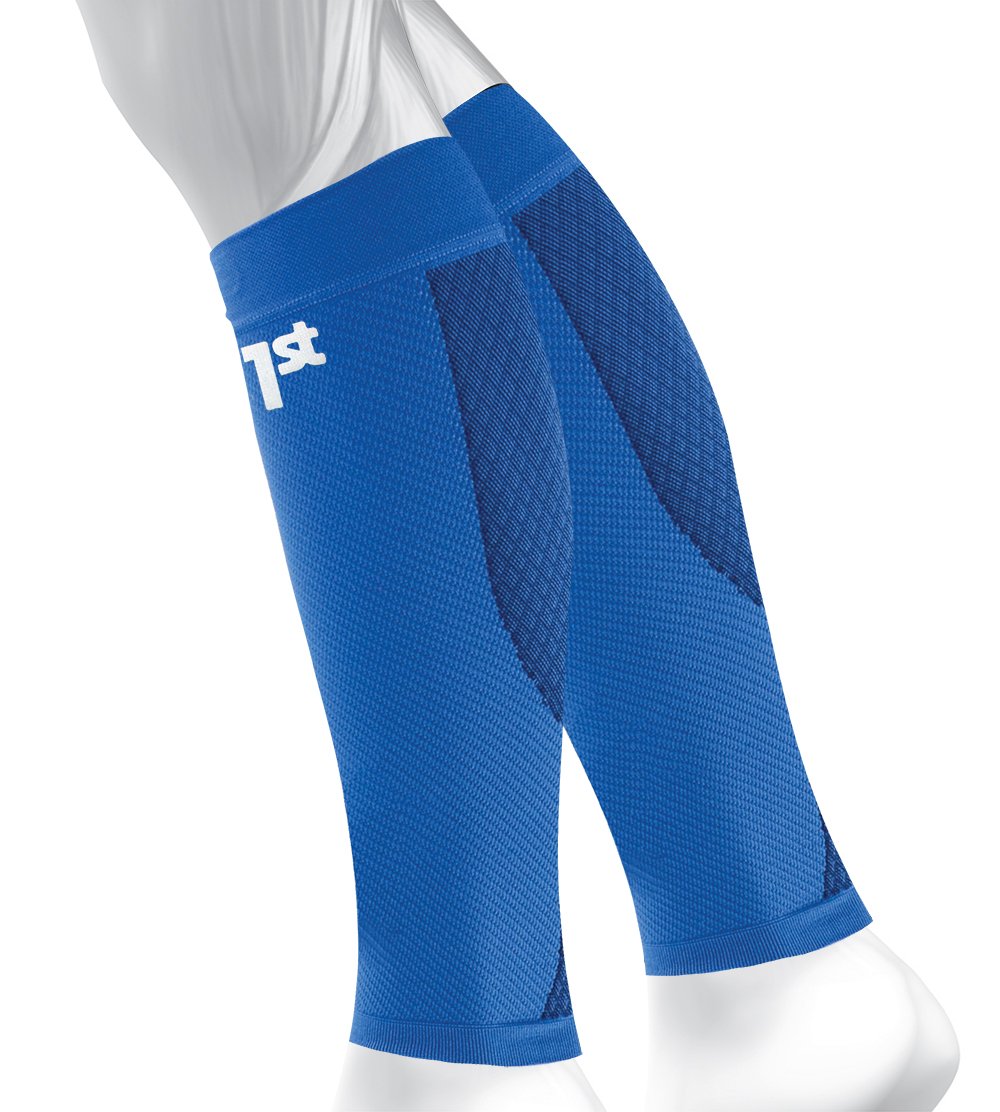
The OS1st CS6 stands out because it uses patented Compression Zone Technology, which creates targeted pressure zones that follow the anatomical curves of your calf rather than applying blanket compression. This design reduces impact vibration traveling through the muscle and stabilizes the Achilles tendon—two major contributors to shin splint development during high-mileage runs. The 76% micro-nylon and 24% Lycra spandex blend delivers medical-grade graduated compression that won’t lose its snap after repeated washes.
Users report chronic calf pulling and shin vibration disappearing after three weeks of consistent use, which tracks with the physics of reducing micro-tearing at the tibial attachment. The reflective logos add a safety layer for low-light running, and the moisture-wicking fabric keeps sweat from pooling under the sleeve during long sessions. It fits true to size, but the unisex sizing runs slightly snug in the calf for wider builds.
The only real downside is the price point, which sits at the top of the market. However, the construction quality—reinforced cuffs, odor-resistant fabric, and durable seams—justifies the investment for anyone dealing with recurring shin splints who needs a reliable daily driver.
Why it’s great
- Compression Zone Technology targets the exact areas where shin splints form
- Reflective elements improve visibility for early morning or evening runners
- Medical-grade compression maintains elasticity over months of use
Good to know
- Premium-tier pricing may feel steep for casual or occasional users
- Compression level may feel too firm for those with mild sensitivity to tight wear
2. Incrediwear Calf Sleeve

Incrediwear takes a different approach by embedding semiconductor elements directly into the fabric, which the company claims generates ionic energy that naturally reduces inflammation at the cellular level. While the science sounds futuristic, the real-world result is a sleeve that provides consistent, comfortable compression without relying on aggressive squeeze pressure. The fabric is soft and pliable, making it one of the easiest sleeves to put on and take off—a major plus for post-workout recovery when your calf muscles are already tender.
Orthopedic doctors have recommended this model for patients recovering from calf strains, and users confirm it helps manage shin splint symptoms without the bulk of thicker neoprene wraps. The sizing comes in S/M and L based on calf circumference, and the thin construction fits easily under work pants or jeans for all-day wear. It does not have a foam insert or directional stabilizer, so it works better as a recovery and prevention tool rather than a corrective brace for acute pain.
The durability is solid—many users report the sleeves holding their shape and compression level after six months of washing. It lacks the graduated compression zones of the OS1st, so if you need precise gradation for severe shin splints, you may want a more structured option. For general calf fatigue and mild shin discomfort, this is a premium-feeling pick that delivers on comfort.
Why it’s great
- Semiconductor-infused fabric offers a unique anti-inflammatory benefit beyond standard compression
- Soft, non-bulky material allows discreet wear under regular clothing all day
- Doctor-recommended for calf recovery and shin splint relief
Good to know
- No graduated compression zones for targeted stabilization of the tibia
- Higher price point without the reinforced structure of a wrap-style design
3. CEP Core Run Calf Sleeves 5.0
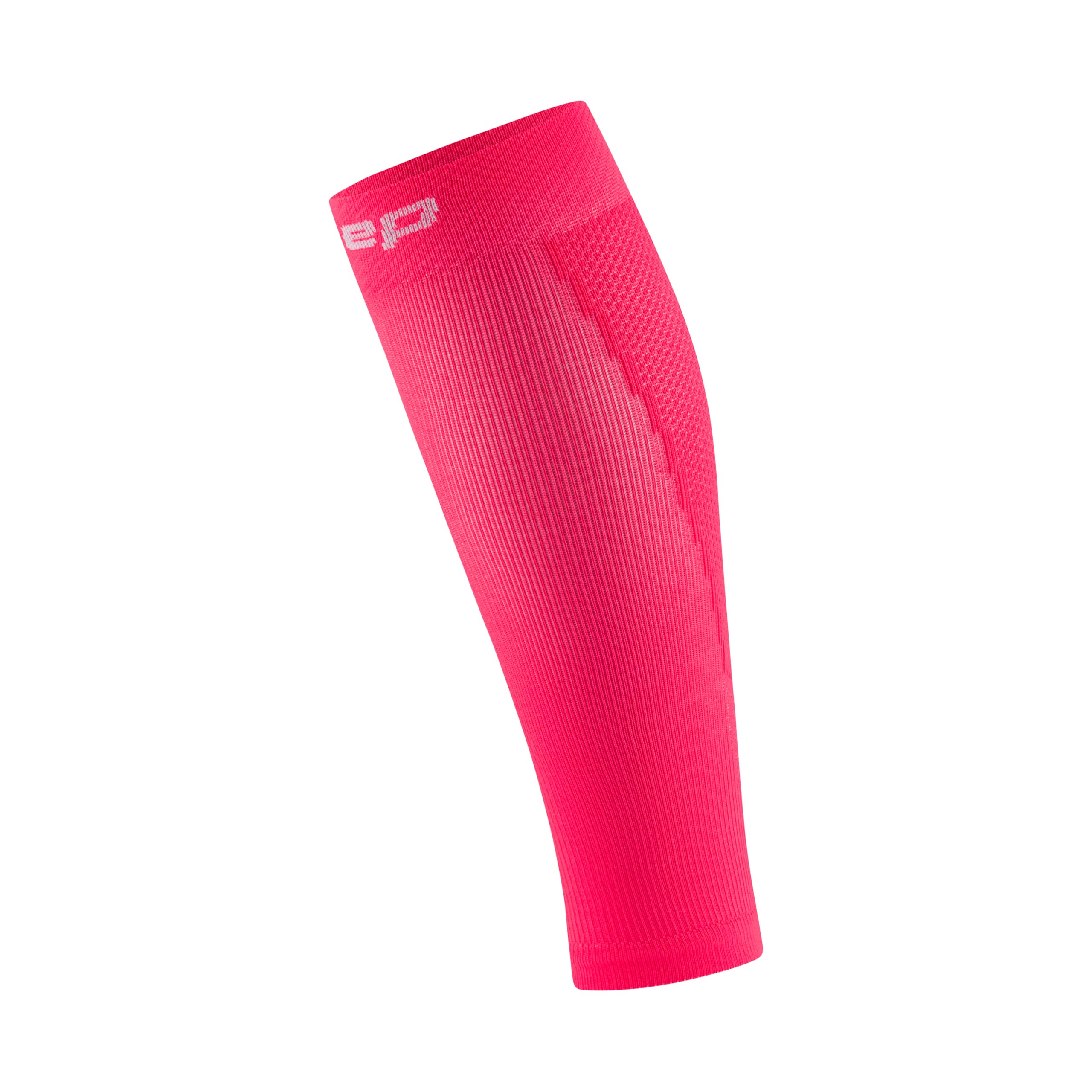
CEP’s Core Run 5.0 is built with a women’s-specific anatomical fit that accounts for the narrower ankle and wider calf shape typical in female runners. The 4-way stretch fabric provides a secure, non-slip grip at the ankle cuff while allowing full range of motion through the calf. This prevents the sleeve from bunching or sliding down during a half-marathon or 12-hour shift, which is a common complaint with generic unisex sleeves. The compression level is moderate but consistent, reducing calf vibration during impact without feeling restrictive.
Users report that the sleeves help prevent cramping after mile three of a long run, and they hold up remarkably well through repeated washing cycles—a critical factor given the premium price. The breathable knit structure allows air to circulate, which keeps the skin dry even during sweaty summer runs. The main caveat is that the sizing is specifically calibrated for women, so men may find the calf circumference runs slightly narrow in the larger sizes.
If you are a female runner dealing with anterior shin splints during distance training, this model offers the best balance of compression, moisture management, and stay-put reliability. It does not have a foam insert or directional wrap, so it is more of a preventive sleeve than a corrective brace for existing shin splint pain.
Why it’s great
- Women’s-specific anatomical cut eliminates bunching and sliding during long runs
- 4-way stretch fabric provides consistent compression without cutting off circulation
- Durable construction that holds compression level after multiple machine washes
Good to know
- Women’s-specific fit may not accommodate wider male calves comfortably
- No directional support strip for direct tibial stabilization
4. 2XU Compression Calf Guards

2XU uses its proprietary MCS (Muscle Containment Stamping) technology to target the medial gastrocnemius, soleus, and surrounding fascia with graduated compression. The 360-degree knit construction applies consistent pressure around the lower leg, which reduces muscle oscillation during foot strike and minimizes the shearing force that aggravates shin splints. The fabric blend of 80% nylon and 20% elastane feels lightweight and cool, and the UPF 50+ rating adds sun protection for outdoor runners who log serious miles in direct UV exposure.
Users frequently note that these sleeves help with calf and Achilles problems, and that they provide enough support to run without the fear of re-injuring a strained calf. The moisture-wicking properties are excellent—sweat evaporates quickly rather than saturating the fabric. A common concern is that the compression level diminishes faster than expected after several washes, especially in the lower ankle band where friction is highest. Hand washing and air drying are strongly recommended to extend the life of the elastic fibers.
For runners who prioritize breathability and a barely-there feel, the 2XU calf guards are a strong contender. The lack of a foam strip or directional wrap means they are better suited for prevention and recovery than for active management of an acute shin splint flare-up.
Why it’s great
- MCS technology targets key calf muscles to reduce vibration during impact
- UPF 50+ fabric protects legs during long outdoor runs in direct sunlight
- Lightweight, moisture-wicking construction stays cool in hot conditions
Good to know
- Compression may lose elasticity faster than thicker neoprene alternatives
- No targeted stabilization for the anterior tibialis or shin bone
5. Shock Doctor SVR Recovery Compression Calf Sleeve

Shock Doctor’s SVR Recovery sleeve is designed for multi-sport athletes who need a versatile compression option that works across running, cycling, basketball, and football. The ventilated knit construction allows maximum airflow, making it one of the coolest sleeves to wear during high-intensity training. The premium 4-way stretch moisture-wicking fabric delivers a snug fit without restricting movement, and the compression level is moderate—enough to reduce muscle fatigue and soreness without feeling like a medical-grade sleeve.
Users consistently report that these sleeves help avoid shin splints during running and provide noticeable support for aggravated calves. The pull-on design makes them easy to get into even when your muscles are tight post-workout. However, there is a durability concern: several users experienced de-threading at the narrow ankle cuff after around eight cold washes with air drying. The fit and feel are excellent initially, but the long-term structural integrity is not as robust as some of the higher-priced competitors.
If you are looking for an entry-level or mid-range sleeve that provides solid shin splint prevention without the premium investment, the Shock Doctor SVR delivers good performance. Just plan to buy a single pair first to test the durability within the return window before committing to multiple pairs.
Why it’s great
- Ventilated knit design keeps legs cool during intense cardio sessions
- Moderate compression reduces muscle fatigue without feeling restrictive
- Easy pull-on construction works well for post-injury recovery use
Good to know
- Ankle cuff stitching may fray or de-thread after repeated washing cycles
- Compression level is not graduated, so less effective for severe shin splints
6. Pro-Tec Athletics Shin Splints Compression Wrap
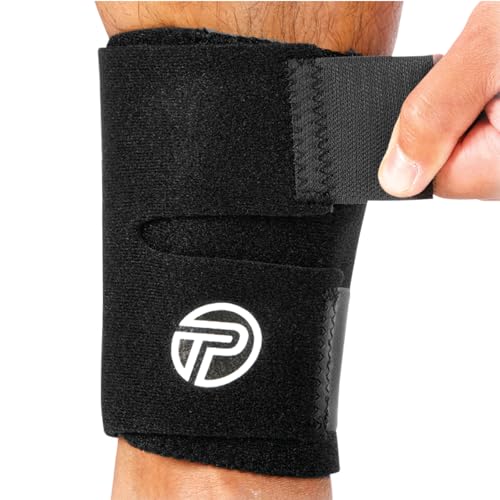
Unlike the pull-on sleeve design, the Pro-Tec wrap uses a hook-and-loop closure system with a contoured EVA foam strip that provides directional support toward the shin bone. This design is specifically engineered to stabilize the soft tissue against the tibia, reducing the tearing motion that causes Medial Tibial Stress Syndrome. The 3mm neoprene material retains heat, which increases blood flow to the area and can accelerate recovery, but it also means less breathability compared to knit sleeves.
Athletes and police cadets dealing with severe shin splints report immediate relief and the ability to continue running without the sharp pain returning. The adjustable nature of the wrap means you can position the foam strip exactly where you need it, making it effective for both anterior and medial shin splints. The main trade-off is that the neoprene can cause sweating and skin irritation, especially for users with latex sensitivity. A barrier cream or thin sock underneath can mitigate this.
This is not a sleeve you can wear discreetly under work pants, but for active treatment of existing shin splints, the directional compression is far more effective than standard pull-on sleeves. It requires manual adjustment and can slip if not wrapped tight enough, so it works best during dedicated training sessions rather than all-day wear.
Why it’s great
- Directional EVA foam strip provides targeted stabilization directly against the shin bone
- Adjustable hook-and-loop closure allows customized pressure for medial or anterior pain
- Heat-retaining neoprene increases blood flow for faster recovery
Good to know
- Neoprene material can cause heat buildup and skin irritation for sensitive users
- Wrap design may slip during high-intensity activity if not secured tightly
7. TYNOR Calf & Shin Compression Sleeves
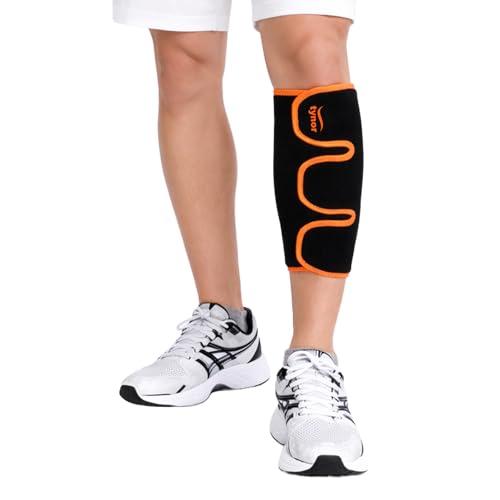
TYNOR offers an adjustable compression sleeve made from a breathable nylon-spandex blend that uses a four-way stretch material to accommodate different leg shapes. The low-profile design fits under clothing without adding bulk, and the pull-on construction combined with the stretch fabric allows for a customizable fit that stays in place during activity. Runners report that the grip strength is good and the sleeve does not slide down during a full marathon, providing proper shin support without being too tight.
The primary advantage of the TYNOR sleeve is the price point—it delivers adequate compression and moisture management for a fraction of the cost of premium competitors. The airy knit fabric prevents excessive sweating, making it comfortable for all-day wear. However, the compression is less graduated than medical-grade options, and it lacks the directional support strip found on the Pro-Tec wrap. It works best as a general-purpose calf support for mild shin splints or as an entry-level option to test whether compression therapy helps your specific condition.
Some users note that the one-size-fits-all approach may not provide the precise fit needed for severe shin splint cases. If you have very large or very slim calves, the adjustable material may not offer enough targeted pressure. For casual runners or those with mild discomfort, the TYNOR sleeve is a budget-friendly starting point that still delivers noticeable relief.
Why it’s great
- Breathable nylon-spandex blend prevents overheating during long workouts
- Adjustable four-way stretch provides a customizable fit for different calf sizes
- Low-profile design can be worn discreetly under pants or tights all day
Good to know
- One-size-fits-all design may not offer enough graduated compression for severe cases
- No directional support strip for targeted stabilization of the tibia
FAQ
How tight should calf sleeves be for shin splints?
Can I wear calf sleeves for shin splints all day?
Why do my calf sleeves slide down during a run?
Are calf sleeves better than compression socks for shin splints?
Final Thoughts: The Verdict
For most users, the best calf sleeves for shin splints winner is the OS1st Calf Compression Sleeves CS6 because its Compression Zone Technology provides targeted stabilization exactly where shin splints develop, combined with medical-grade graduated compression that holds up over time. If you want a more comfortable anti-inflammatory option for general calf fatigue, grab the Incrediwear Calf Sleeve. And for acute shin splint pain that requires directional support, nothing beats the Pro-Tec Athletics Shin Splints Compression Wrap.