
The camera-and-battery trade-off is the single most frustrating compromise in modern smartphones. You can have a 200MP sensor that drinks power, or a 20,000mAh cell that weighs down your pocket — the trick is finding a device that balances computational photography with real-world endurance without forcing you to carry a power bank everywhere. This guide cuts through the marketing noise to surface the handsets that genuinely deliver both crisp frames and all-day runtimes.
I’m Min — the co-founder and writer behind Gadgets Feed. I’ve spent hundreds of hours analyzing sensor sizes, pixel binning algorithms, battery chemistries, and charging curves to separate the phones that actually deliver on their camera and battery promises from those that fudge the specs.
Every phone here was evaluated on its ability to capture usable, detailed images — especially in low light — while still lasting a full day of mixed usage on a single charge. This is your definitive playbook for finding the truest best camera and battery life phone in a market flooded with half-measures.
How To Choose The Best Camera And Battery Life Phone
Choosing a phone that excels at photography without dying by mid-afternoon requires looking past headline specs. Two phones with the same megapixel count can produce wildly different results, and battery longevity depends as much on software optimization as it does on capacity. Here are the three factors that matter most.
Sensor Hardware vs. Computational Processing
A large sensor with physically bigger pixels (around 1.2µm or larger) captures more light per pixel, giving you cleaner night shots and less noise. But a smaller sensor with clever pixel binning — like a 64MP sensor that bins to 16 1.6µm-equivalent pixels — can nearly match the light gathering of a larger sensor. The real winner combines a big sensor with strong HDR and night-mode algorithms, so look for phones that openly publish their sensor model and pixel size, not just the megapixel count.
Battery Capacity, Efficiency, and Charging
A 5,000mAh battery in a phone running a power-hungry Snapdragon 8 Gen 3 will often die faster than a 4,500mAh cell paired with an efficient mid-range chip like the Dimensity 7050. Beyond raw capacity, check the charging curve: 33W fast charging is a baseline, but 65W and above means you can recover 50% in under 15 minutes. If you’re always on the move, fast charging matters more than an extra 500mAh of capacity.
Software and Update Commitment
Camera quality improves over time through software updates — manufacturers like Google and Samsung ship years of Pixel Drops and One UI updates that refine night mode, portrait processing, and battery optimization. A phone that promises at least four years of updates will age far better than one abandoned after a year, even if their hardware specs look similar out of the box.
Quick Comparison
On smaller screens, swipe sideways to see the full table.
| Model | Category | Best For | Key Spec | Amazon |
|---|---|---|---|---|
| Google Pixel 10 | Premium | Best-in-class point-and-shoot camera | 5x optical telephoto, 4970mAh | Amazon |
| OnePlus 15R | Premium | Unmatched battery endurance | 7400mAh, 80W charging | Amazon |
| Samsung Galaxy S25 FE | Premium | Galaxy AI and long update support | 50MP main, 4900mAh | Amazon |
| Nothing Phone (3) | Premium | Unique design with all-50MP system | 4× 50MP cameras, 5150mAh | Amazon |
| Nothing Phone (2) | Premium | Clean OS and two-day battery | 50MP dual camera, 4700mAh | Amazon |
| Google Pixel 10a | Mid-Range | Best value camera and battery | Camera Coach, 4300mAh | Amazon |
| XIAOMI Redmi Note 15 Pro+ | Mid-Range | High-res 200MP main sensor | 200MP OIS, 6500mAh | Amazon |
| Samsung Galaxy A37 5G | Mid-Range | Reliable Samsung camera and battery | 50MP HDR, 5000mAh | Amazon |
| FOSSIBOT F113 | Mid-Range | Extreme battery and night vision | 20000mAh, 50m night vision | Amazon |
| Ulefone Armor 25T Pro | Mid-Range | Rugged durability with thermal cam | Thermal cam, 6500mAh | Amazon |
| MMY 32+1TB Rugged Armor | Budget | Lowest-cost huge battery phone | 108MP camera, 22000mAh | Amazon |
In‑Depth Reviews
1. Google Pixel 10

The Google Pixel 10 is the gold standard for mobile photography in 2025. Its triple rear camera system — anchored by a new 5x telephoto lens supporting up to 20x Super Res Zoom — delivers exceptional detail and color accuracy, especially in low-light scenarios thanks to Night Sight. The 4970mAh battery paired with the Tensor G5 chip means the phone sips power efficiently: you can expect a full 24 hours of mixed use, and in testing, it reached 30 hours with moderate usage.
Pixel’s software advantage is enormous. Camera Coach offers real-time framing and exposure suggestions, and the 7-year Pixel Drop commitment means each quarter you get improved HDR processing and additional battery optimization features. The 6.3-inch Actua display with 3,000-nit peak brightness remains readable under direct sun, and the 422 PPI density makes every photo look sharp when reviewing them in the field.
Where the Pixel 10 stumbles is only in raw charging speed — it lacks the 80W+ charging found on competitors, so a full top-off takes about 80 minutes. It also ships without a charger in the box, which adds an extra cost if you don’t already own a compatible USB-C adapter. But for pure photo quality and worry-free endurance, this is the phone to beat.
Why it’s great
- Superb triple camera with 5x optical telephoto
- Efficient Tensor G5 chip delivers all-day battery
- 7 years of guaranteed software and feature updates
Good to know
- No charger included in the box
- Charging tops out at standard speeds (not ultra-fast)
2. OnePlus 15R

The OnePlus 15R redefines endurance with a monstrous 7,400mAh battery — the largest capacity in any mainstream smartphone available today. In real-world use, that translates to roughly 7-8 days of light usage and a full day of heavy gaming or 4K video recording. The 80W SUPERVOOC charging refills the massive cell from 0% to 90% in about 45 minutes, meaning a 15-minute plug-in during lunch gives you enough juice for the rest of the day.
Its 165Hz 1.5K AMOLED display is exceptionally smooth, and the Snapdragon 8 Gen 5 processor keeps camera processing snappy. The camera system here is competent but not class-leading: in good light, photos are crisp with accurate colors, but in low light, the lack of a dedicated telephoto and smaller sensor means it lags behind the Pixel and Galaxy competitors. It also lacks an SD card slot, so choose your storage tier carefully.
For creators who spend all day away from an outlet — field workers, travelers, or streaming viewers — the 15R’s battery endurance is a genuine superpower. If you need a phone that simply refuses to die, this is the pick.
Why it’s great
- Industry-leading 7400mAh battery with 80W fast charging
- Silky smooth 165Hz AMOLED display
- Lightning-fast Snapdragon 8 Gen 5 processor
Good to know
- Camera quality is good but not top-tier in low light
- No microSD expansion slot for storage
3. Samsung Galaxy S25 FE
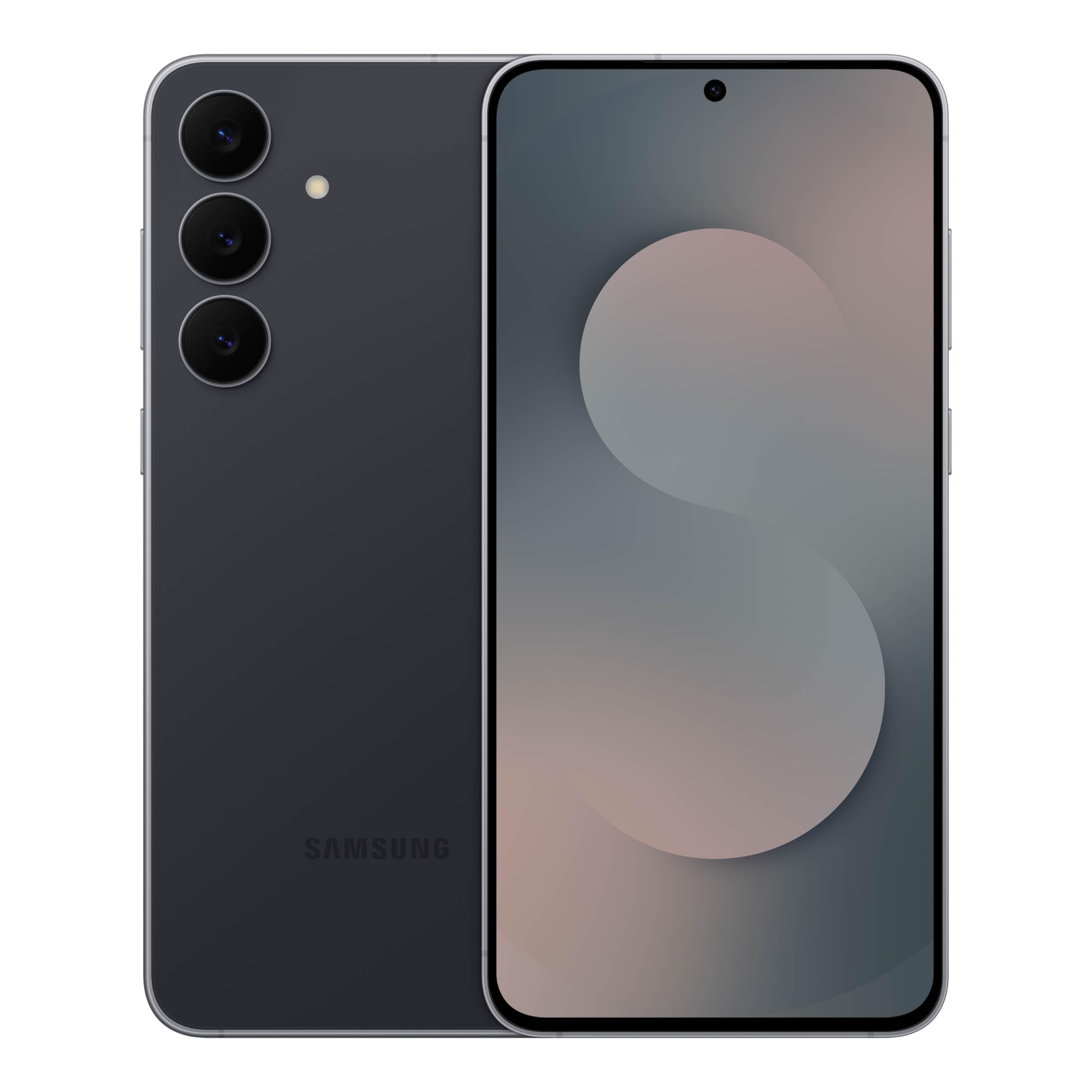
The Galaxy S25 FE delivers a near-flagship camera experience at a mid-premium price point. Its 50MP main sensor with ProVisual Engine captures sharp, well-exposed photos in most conditions, while Generative Edit lets you move, resize, or remove objects right in the gallery — with Samsung’s AI filling in the background convincingly. The 12MP front camera with AI enhancement ensures selfies look natural rather than over-processed.
The 4,900mAh battery lasts a full day of mixed usage, and Super Fast Charging 2.0 brings it back to 100% in about an hour. The 6.7-inch display with Gorilla Glass Victus+ is durable, and the Armor Aluminum frame adds extra drop protection. Samsung also promises 6 OS upgrades and 6 years of security patches, making this a future-proof choice.
The downside is the Exynos 1480 chipset, which in some geo-specific variants can run slightly warmer under sustained gaming loads, and the telephoto camera is a 2x optical rather than a 5x like the Pixel. But for the price, you get an excellent all-rounder with premium-level software support.
Why it’s great
- Versatile 50MP main camera with AI editing tools
- Long 6-year software and security update commitment
- Fast charging and sturdy Armor Aluminum build
Good to know
- Exynos chip can run warm under heavy gaming
- Only 2x optical zoom, not a periscope telephoto
4. Nothing Phone (3)

The Nothing Phone (3) stands out with its bold design and a quad 50MP camera system — main, periscope, ultrawide, and front-facing — ensuring consistent detail across every lens. The main sensor with OIS captures clean low-light shots, and the 2x Super-Res Zoom preserves sharpness surprisingly well. The Glyph Interface adds a playful dimension to notifications and charging status.
Its 5,150mAh battery comfortably lasts a full day, and the Snapdragon 8s Gen4 chip is power-efficient enough that moderate users often see 30+ hours of run time. The 6.67-inch 1.5K AMOLED with 4,500 nits peak brightness is one of the brightest on the market, making HDR content pop. The phone also includes IP68 water resistance and a responsive in-display fingerprint sensor.
Where it falls short is accessory availability — finding tempered glass screen protectors and slim cases for the unique Glyph backlighting is harder than for mainstream phones. The camera tune requires a post-launch software update to reach its full potential, so early adopters may notice some inconsistency before the refinements land.
Why it’s great
- Consistent 50MP across all four camera lenses
- Extremely bright 4500-nit AMOLED display
- Unique Glyph Interface with interactive lighting
Good to know
- Limited availability of cases and screen protectors
- Camera processing needs post-launch updates for best results
5. Nothing Phone (2)

The Nothing Phone (2) remains a compelling choice for its clean, bloatware-free Android experience and exceptional battery life. The 4,700mAh cell, combined with the efficient Snapdragon 8+ Gen1 chip and LTPO display that scales from 1Hz to 120Hz, consistently delivers two full days of moderate usage. Charging from 0% to 100% takes just 55 minutes, and it supports 15W Qi wireless charging plus 5W reverse wireless charging for accessories.
Its dual 50MP main and 50MP ultrawide cameras produce photos with natural color science and good dynamic range. The new 32MP front sensor captures detailed selfies even in challenging light. The Glyph Composer lets you create custom ringtone sequences, and the minimalist design turns heads. The 6.7-inch LTPO OLED with 1,600 nits peak brightness is vibrant and power-sipping.
The main drawbacks are the lack of a dedicated telephoto lens, meaning zoomed shots rely on digital crop, and limited IP53 water resistance — far less protective than the IP68 rating on competitors. Nothing’s US repair support is also a weak point, with no local authorized service centers for screen or battery replacements.
Why it’s great
- Consistent two-day battery life with LTPO efficiency
- Clean, bloatware-free Nothing OS 2.0
- Fast 55-minute full charge with wireless support
Good to know
- No dedicated telephoto zoom lens
- IP53 water resistance only (not fully waterproof)
6. Google Pixel 10a

The Google Pixel 10a brings flagship camera intelligence to the mid-range segment. It doesn’t have a telephoto lens, but its single main sensor — supported by Google’s computational photography — captures low-light photos that often rival phones costing twice as much. Camera Coach provides real-time framing and exposure advice, making it easy for anyone to snap professional-looking images.
The 4,300mAh battery delivers a solid 30+ hours of moderate use, thanks to the efficient Tensor chip and clean Android software without bloatware. The 6.1-inch Actua display with 3,000-nit peak brightness is bright enough for outdoor use, and the Corning Gorilla Glass 7i provides good scratch protection. IP68 water and dust resistance is a premium find at this price point.
You’ll have to live with a single rear camera — no ultrawide or telephoto — which limits creative flexibility. The 4300mAh capacity is modest compared to rivals shoving 5000mAh+ batteries, so heavy users may need a mid-day top-up. But for pure photo quality-per-dollar, the Pixel 10a is unmatched.
Why it’s great
- Exceptional computational camera with Camera Coach
- Clean Google software with 7 years of updates
- IP68 water and dust resistance at a mid-range price
Good to know
- Single main camera only — no ultrawide or telephoto
- 4300mAh battery is smaller than many competitors
7. XIAOMI Redmi Note 15 Pro+
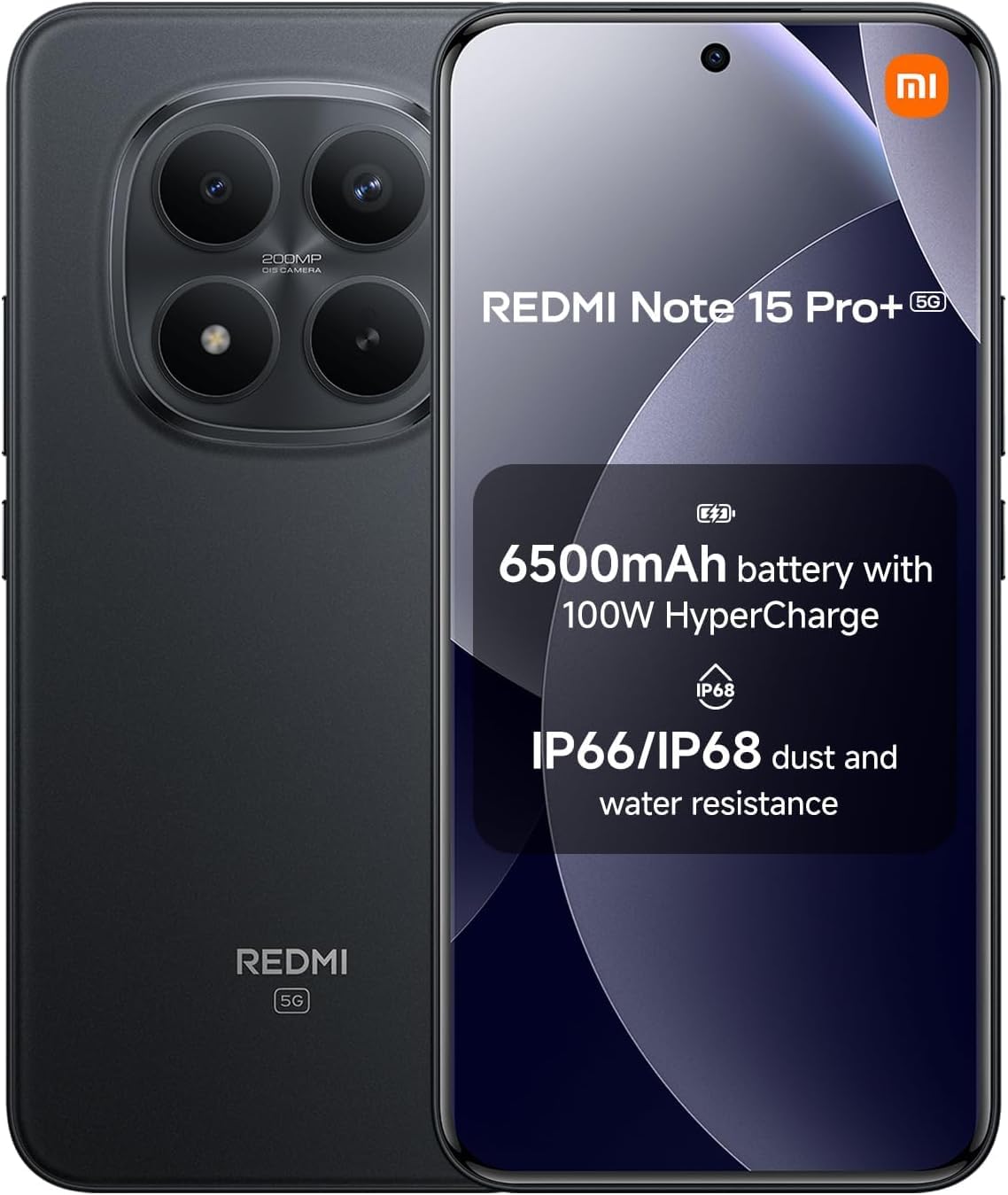
The XIAOMI Redmi Note 15 Pro+ 5G packs a massive 200MP main sensor with Optical Image Stabilization (OIS), giving you the raw resolution to crop deep into photos while retaining detail. Pixel binning 16-in-1 creates 2.24µm effective pixels for excellent low-light performance, and the 1/1.4-inch sensor size is among the largest at this price tier. The 8MP ultrawide and 32MP front camera round out a versatile system.
The 6,500mAh battery is enormous, and with the efficient Snapdragon 7s Gen4 chip, it easily lasts two days of moderate use. The 100W charger included in the box can refill the entire battery in under 40 minutes. The 6.83-inch CrystalRes AMOLED display with 3200 nits peak brightness and 447 PPI is stunning for reviewing photos and watching HDR content. The IR blaster is a rare but useful bonus for controlling home appliances.
The catch is carrier compatibility: this phone is not supported by AT&T or Cricket in the US — it works best on T-Mobile and its MVNOs. It also lacks a microSD slot, so you’ll need to choose the 512GB variant if you store lots of media locally.
Why it’s great
- 200MP OIS main camera with large 1/1.4-inch sensor
- Massive 6500mAh battery with 100W fast charging
- Stunning 6.83-inch AMOLED with 3200 nits brightness
Good to know
- Does not work on AT&T or Cricket networks
- No microSD card slot for expandable storage
8. Samsung Galaxy A37 5G
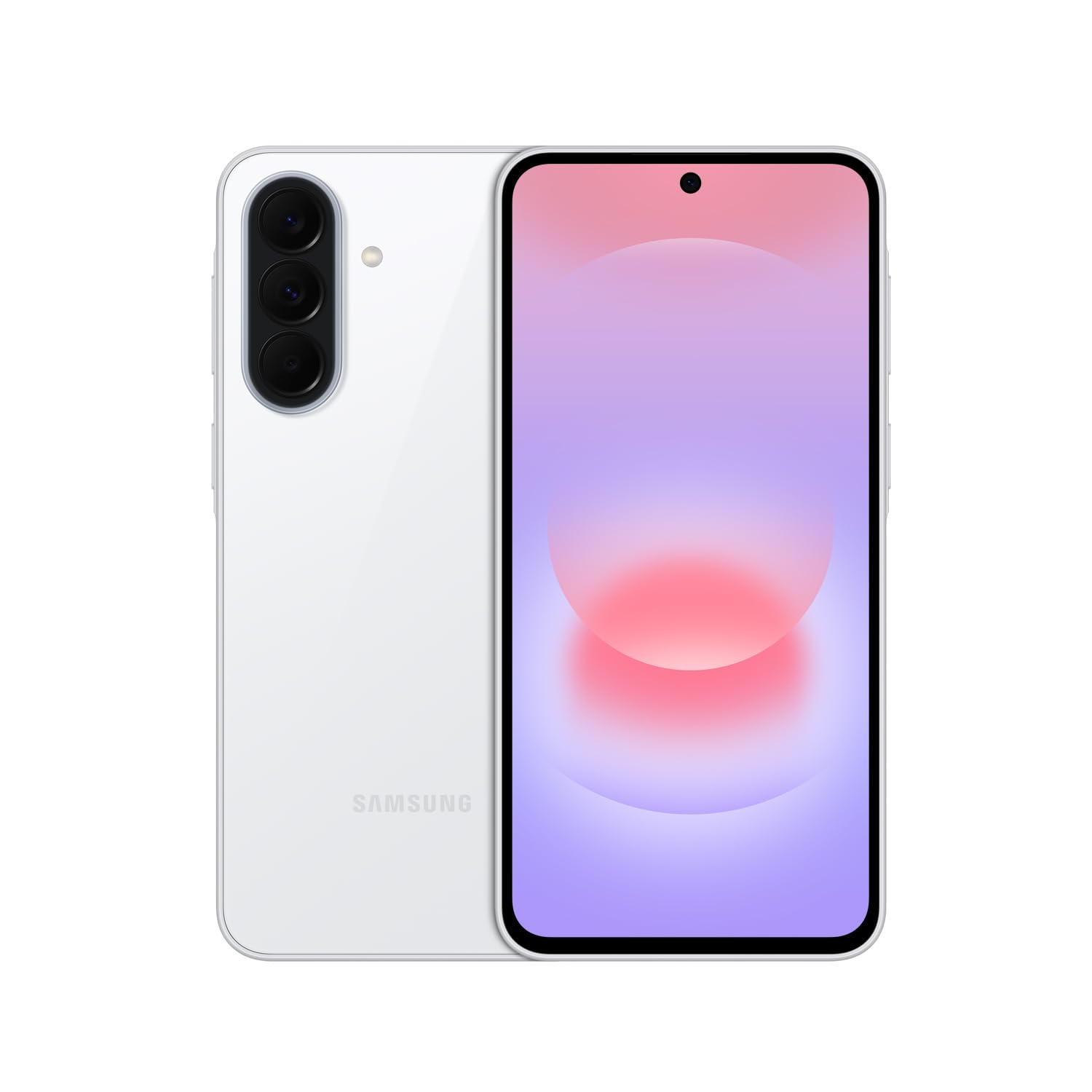
The Galaxy A37 5G offers a dependable camera and battery package in a familiar Samsung ecosystem. Its 50MP HDR main camera with Nightography handles low-light shots automatically without manual settings, producing clean, well-exposed images. The 6.7-inch Super AMOLED display offers vivid colors and deep blacks, perfect for viewing captured photos and videos on the go.
The 5,000mAh battery delivers all-day endurance for most users, and Super Fast Charging 2.0 gets you back to full quickly. Samsung’s 6 OS upgrades and 6-year security update commitment means this phone will stay secure and feature-rich long after many mid-range phones are abandoned. The IP68 water resistance adds peace of mind for outdoor shooting.
The phone uses an Exynos 1480 processor that is adequate for daily tasks and light gaming, but power users may notice a slight lag in heavy multitasking. The triple-lens camera system lacks a dedicated ultrawide — the third lens is a depth sensor. Still, for the price, it delivers excellent everyday reliability.
Why it’s great
- Bright 6.7-inch Super AMOLED display with good color
- Long 6-year software and security update support
- Reliable all-day battery with fast charging
Good to know
- Exynos processor can feel sluggish under heavy multitasking
- Third lens is a depth sensor, not a dedicated ultrawide
9. FOSSIBOT F113
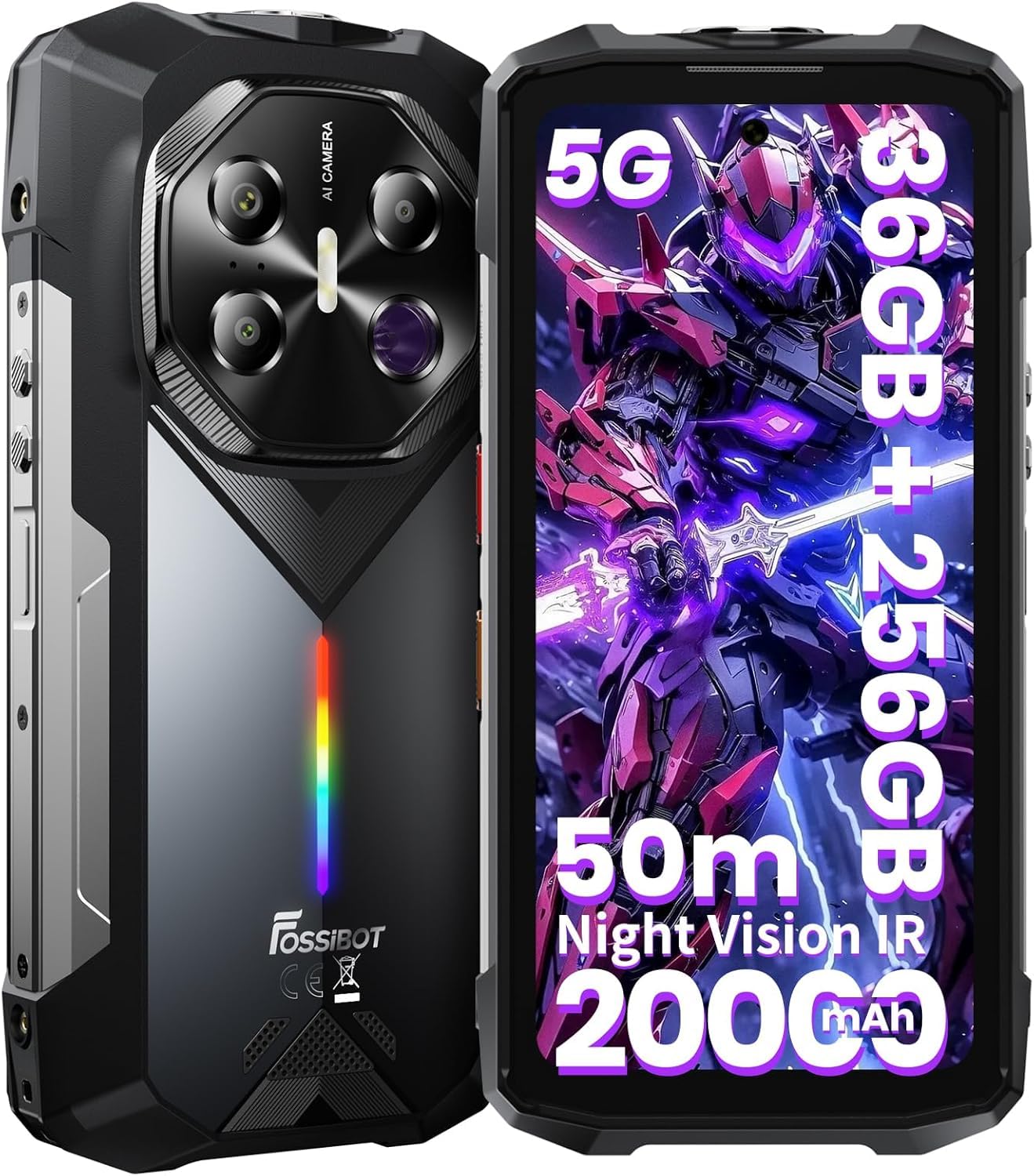
The FOSSIBOT F113 is built for extreme outdoor use with a staggering 20,000mAh battery — enough for 175 hours of talk time or up to three weeks on standby. Its 64MP laser night vision camera captures clear images up to 50 meters in complete darkness, making it useful for camping, security, and wildlife observation. The 50MP+32MP AI main camera handles daily shots competently.
The MediaTek Dimensity 7050 processor with 36GB of RAM (12GB physical + 24GB virtual) ensures smooth multitasking, and the 6.78-inch FHD+ display with 120Hz refresh rate makes scrolling feel fluid. The phone is IP68/IP69K rated and MIL-STD-810H certified, meaning it survives drops, dust, and submersion. The 18W OTG feature lets it act as a power bank for other devices.
The trade-offs are the phone’s substantial weight (over 300g) and bulk, making it less pocket-friendly. It does not support AT&T or Cricket networks in the US, and the camera processing lacks the computational polish of more expensive phones, though the night vision capability is genuinely unique. It comes with a 2-year official warranty for added confidence.
Why it’s great
- Huge 20000mAh battery with 33W charging and power bank OTG
- 50-meter laser night vision camera for total darkness shooting
- Rugged IP68/IP69K waterproof and drop-resistant build
Good to know
- Very heavy and bulky physical footprint
- No AT&T or Cricket carrier support
10. Ulefone Armor 25T Pro
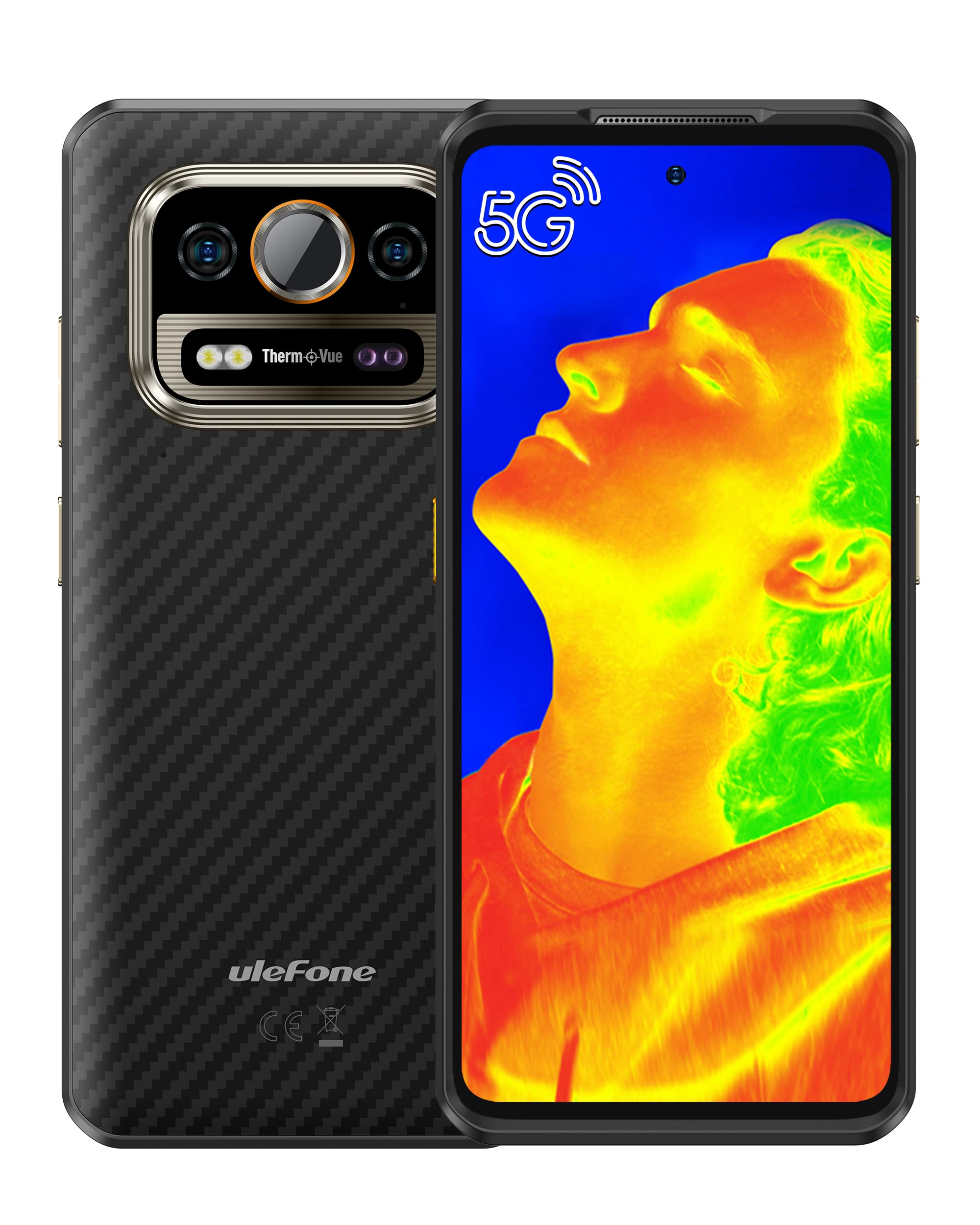
The Ulefone Armor 25T Pro is a uniquely equipped rugged phone that includes a 160×120 resolution ThermoVue thermal imaging sensor with a 25Hz refresh rate. The 64MP night vision camera with dual infrared LEDs and the upgraded NightElf Ultra 3.0 algorithm captures detailed images in total darkness, while the 50MP Samsung ISOCELL GN1 main sensor with 1.2µm pixels delivers solid daylight photos.
The 6,500mAh battery lasts 2 to 3 days of moderate use, and supports 33W wired, 30W wireless charging, and reverse wireless charging. The 6.78-inch FHD+ display with 120Hz refresh rate and Corning Gorilla Glass Victus provides excellent durability and smooth visuals. IP68/IP69K plus MIL-STD-810H certification means it survives dust, extreme temperatures, and drops from 2 meters. The bundled 33W charger and custom key for quick-launching apps are thoughtful touches.
This phone is bulky and heavy (326g), and its camera image processing doesn’t match the computational polish of mainstream flagships. The thermal camera is a specialized tool — useful for electricians or HVAC inspectors, but overkill for everyday users. As with many rugged phones, carrier support is best on T-Mobile; AT&T and Cricket are not supported.
Why it’s great
- Integrated 160×120 thermal imager with 25Hz refresh rate
- Large 6500mAh battery with both wired and wireless charging
- Industrial-grade IP68/IP69K/MIL-STD-810H durability
Good to know
- Heavy and bulky at 326g
- Camera processing not as polished as mainstream flagships
11. MMY 32+1TB Rugged Armor
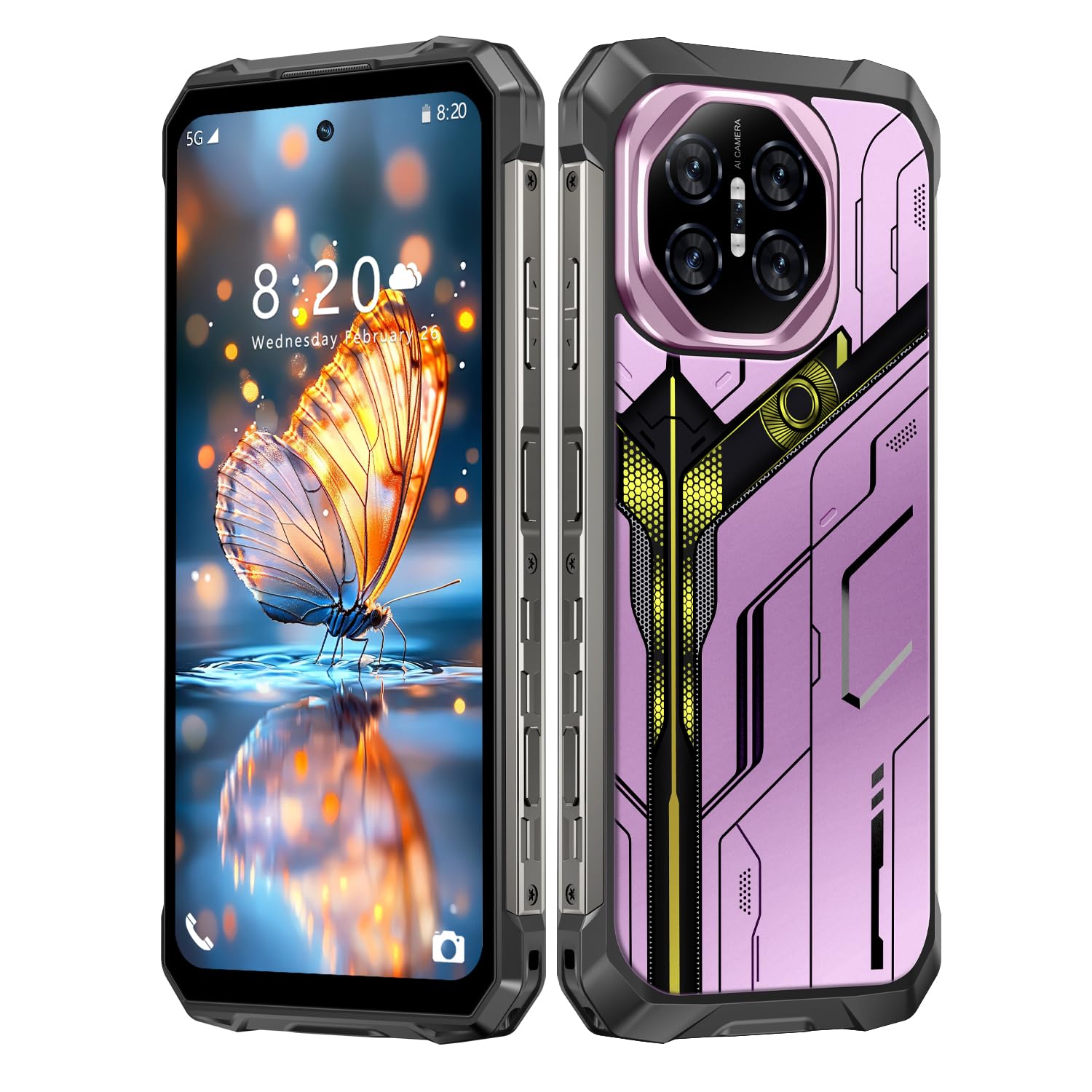
The MMY 32+1TB Rugged Armor phone is the budget champion for those who prioritize raw battery capacity above all else. Its 22,000mAh battery is among the largest available, theoretically providing multiple days of heavy use. The 108MP main camera and 68MP front camera are surprisingly high-resolution for the price point, with dedicated underwater and night vision photography modes enabled by the IP68 waterproofing.
The 6.99-inch HD+ display with 1440×3040 resolution is large for media consumption, and the Snapdragon 8s Gen4 chip with 32GB RAM + 1TB storage handles multitasking and app switching well. Face ID and fingerprint unlock are included, along with dual-SIM 5G support, NFC for payments, and an infrared blaster for controlling home appliances. The included accessories (case, earphones, screen protector) add value.
The trade-offs are significant: the phone is heavy and bulky, the display is HD+ rather than FHD+, and the camera processing is basic — expect serviceable daylight shots but limited low-light quality. The brand lacks the software update track record of larger manufacturers, so long-term support is uncertain. It’s best suited for users on a strict budget who need extreme battery life and don’t mind compromises in polish.
Why it’s great
- Massive 22000mAh battery for multi-day use
- High-resolution 108MP main and 68MP front cameras
- IP68 waterproof with underwater photography mode
Good to know
- Extremely heavy and bulky physical design
- Basic camera processing with limited low-light quality
FAQ
Does a higher megapixel camera always mean better photos?
Can I swap the battery in a modern camera-and-battery phone?
Why do some phones advertise 50MP but only shoot 12MP photos by default?
How important is optical image stabilization for battery life?
Will wireless charging drain my battery faster than wired charging?
Final Thoughts: The Verdict
For most users, the best camera and battery life phone winner is the Google Pixel 10 because it combines the best computational camera system with efficient, reliable battery endurance and seven years of updates. If you want unmatched battery endurance, grab the OnePlus 15R with its 7,400mAh battery. And for the best value camera-and-battery package on a budget, nothing beats the Google Pixel 10a.