
Our readers keep the lights on and my morning glass full of iced black tea. As an Amazon Associate, I earn from qualifying purchases.
Specs are compiled from manufacturer listings and verified buyer reviews and can change over time — please confirm the key details on the product page before buying.
Product photography is a different game than portraits or landscapes. You are not chasing a moment — you are building a perfectly controlled, repeatable image of a bottle, a watch, or a pair of shoes, often inches away from the lens. The winning camera must nail fine detail, render colors accurately, and support tethered shooting or consistent focus stacking without workflow friction.
I’m Min — the founder and writer behind Gadgets Feed. This guide is built by comparing the manufacturers’ published specifications and the patterns across verified customer reviews, so you get each pick’s real strengths and trade-offs instead of marketing spin.
You need a camera for product photography that keeps tiny details sharp, whether you shoot for an Etsy shop, an Amazon listing, or a full catalog. That depends on three things: resolution (how many pixels you get), sensor size (how much light the camera captures), and autofocus behavior at close range (how precisely it locks onto small objects).
Our Picks at a Glance


How To Choose The Best Camera For Product Photography
Product photography rewards a camera that integrates smoothly into your shooting workflow. The body matters less than how its sensor, autofocus, and screen work together at close range on a tabletop.
Resolution and sensor size
A full-frame sensor (the same size as old 35mm film) captures more light, which means cleaner color and less noise at the low ISOs you will use on a tripod. Higher megapixel counts let you crop into a label or a stitch detail without losing sharpness — useful when a product fills only part of the frame.
Autofocus and close-focus distance
At macro distances, even a tiny nudge changes focus. Look for phase-detection autofocus (fast, contrast-sensing points that lock on quickly) and a lens that focuses close enough to fill the frame with a small object. A tilting touchscreen helps you tap exactly where you want focus without bending over the camera.
Quick Comparison
| Model | Best For | Resolution | Autofocus Points | Video | Amazon |
|---|---|---|---|---|---|
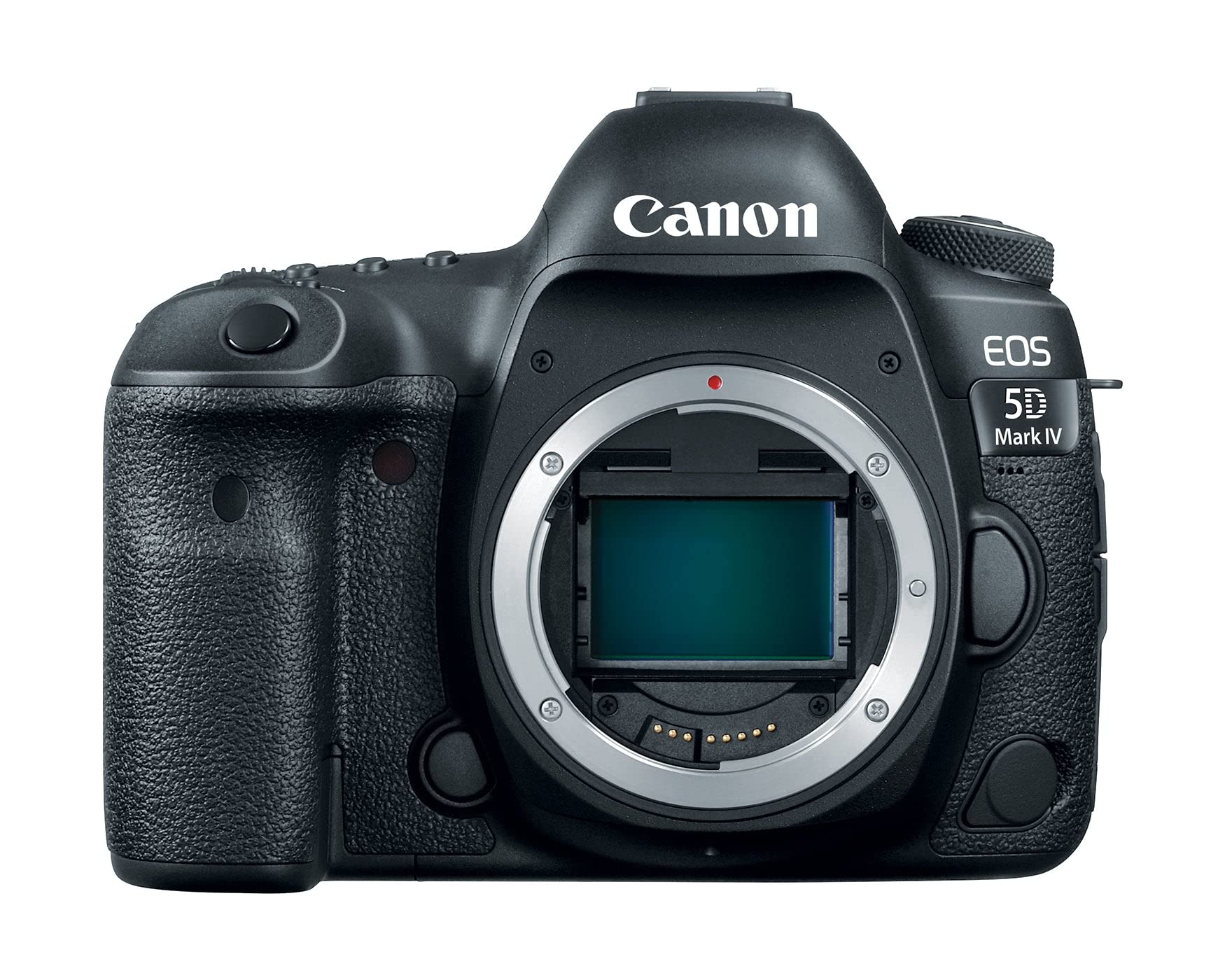
| Canon EOS 5D Mark IV★ Best Overall | Reliable studio workhorse | 30.4 MP | 61 | 4K | Amazon |
| Sony Alpha a7 IIIMost Versatile | Fast, low-light hybrid | 24.2 MP | 693 | 4K | Amazon |
| Nikon Z 7IIHigh Resolution | Ultra-high detail | 45.7 MP | 493 | 4K UHD 60p | Amazon |
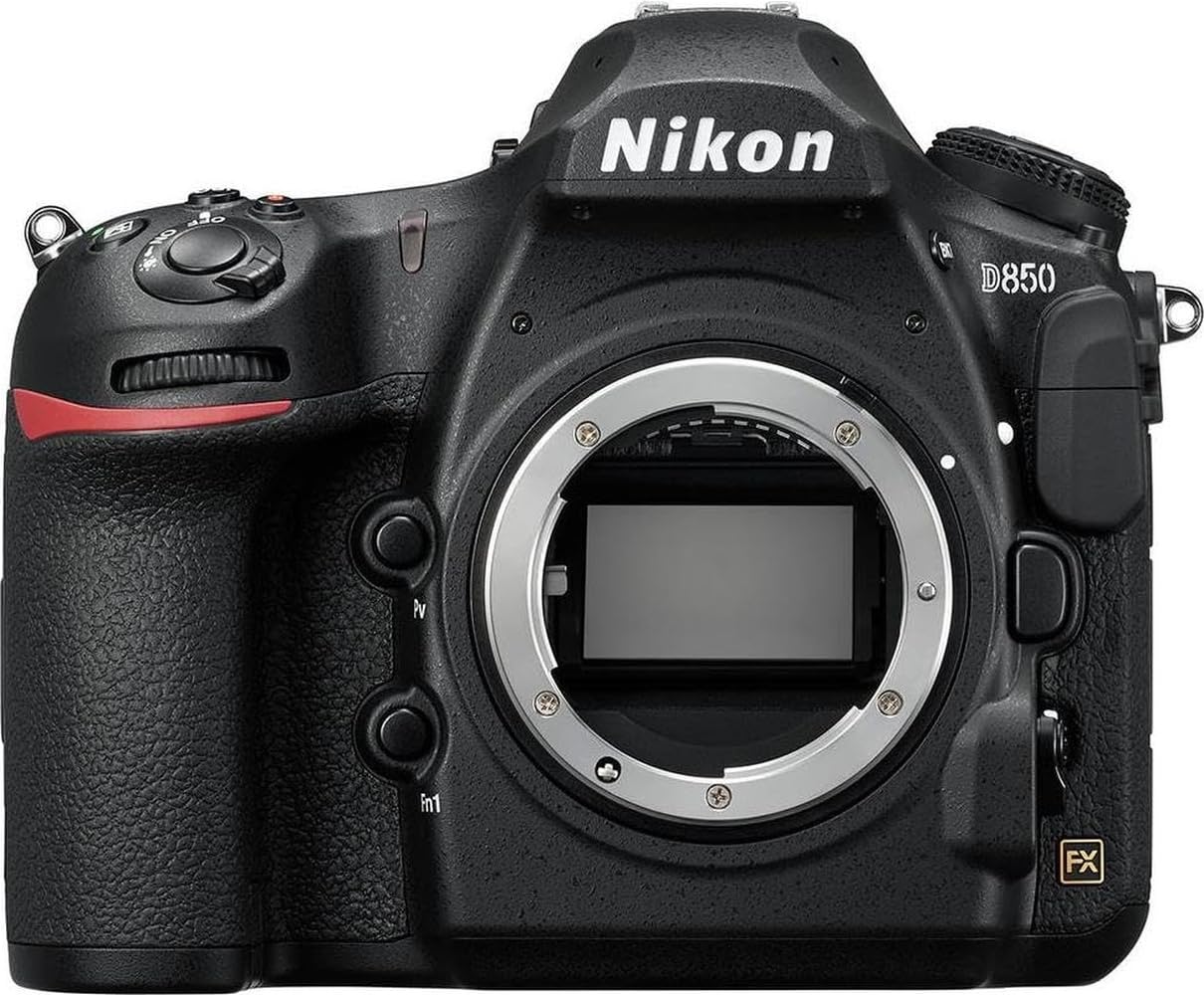
| Nikon D850 | DSLR resolution king | 45.7 MP | 153 | 4K | Amazon |
| Sony Alpha 7 IV | Versatile all-rounder | 33 MP | 693 | 4K 60p | Amazon |
| Canon EOS R6 Mark II | Blazing burst and AF | 24.2 MP | — | 4K 60p | Amazon |
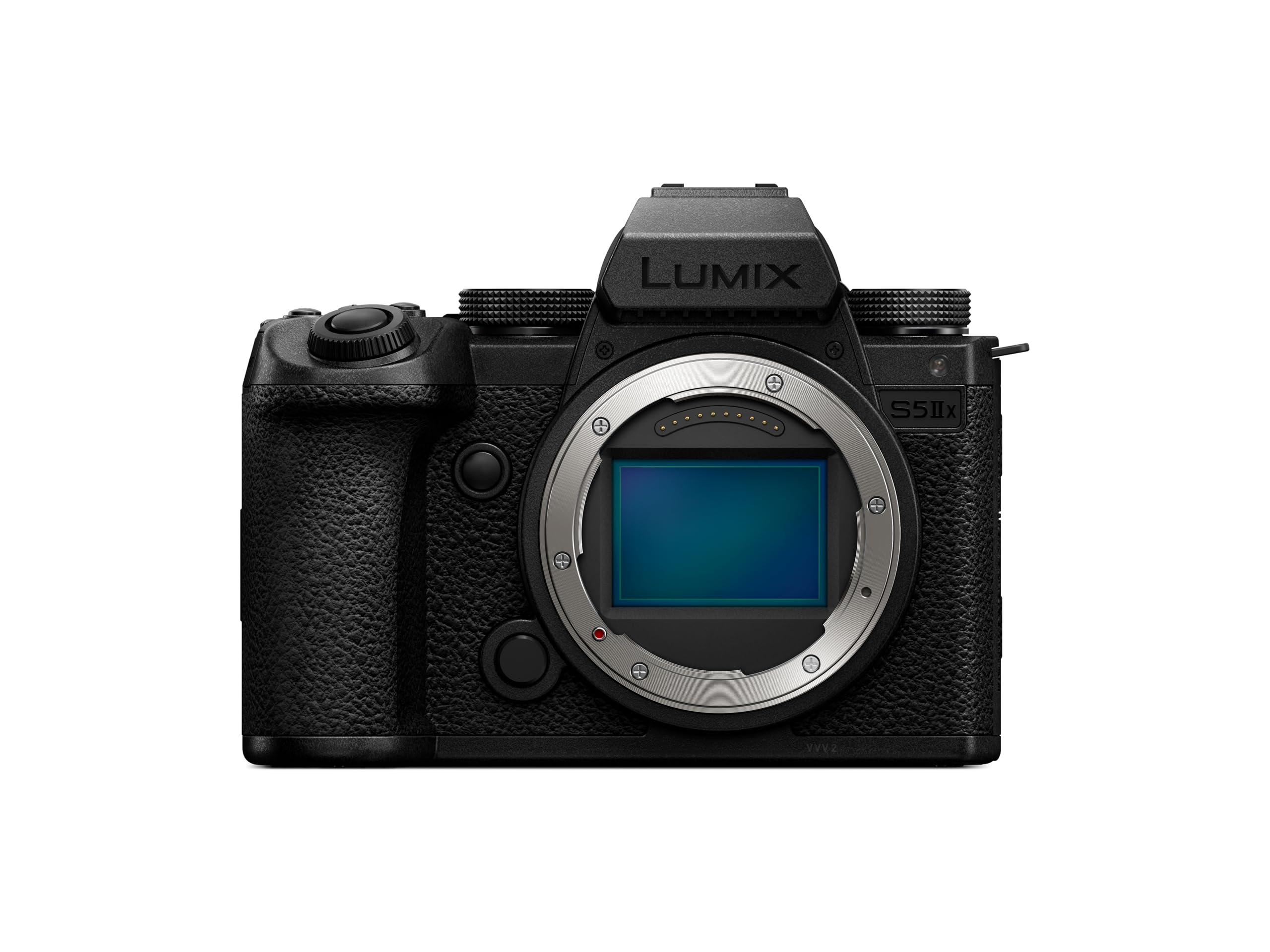
| Panasonic LUMIX S5IIX | Photo-video hybrid | 24.2 MP | 779 | 5.8K Pro-Res | Amazon |
| Panasonic LUMIX S1RII | 8K top-tier detail | 44.3 MP | 399 | 8K | Amazon |
| Fujifilm X-T5 | Compact high-res kit | 40.2 MP | 153 | — | Amazon |
| Fujifilm X100VI | Fixed-lens portability | 40.2 MP | 1 | — | Amazon |
| OM SYSTEM E-M10 Mark IV | Budget macro starter | 20 MP | 121 | 4K | Amazon |
In‑Depth Reviews
1. Canon EOS 5D Mark IV
Our pick — over 4.5★ from 850+ verified ratings; the strongest balance of quality and price.
A studio staple that delivers clean detail even when a label needs a heavy crop.
Owners consistently call this a workhorse that produces clean images even at ISO 12,800, which matters when a dark product sits on a black backdrop. The 30.4 megapixel full-frame CMOS sensor gives you room to crop into a small logo without the shot falling apart, and the DIGIC 6+ Image Processor keeps everything snappy.
Its 61 autofocus points and Dual Pixel CMOS AF make it easy to tap the exact spot on a shiny bottle or a textured fabric, while the touchscreen speeds up menu navigation on set. The 4K Motion JPEG video at 30 or 24 fps covers those times a client asks for a quick spin video alongside the stills.
Owners note the dynamic range improved over earlier models, though it still trails a specific Nikon body in that one area; low-light and high-ISO performance get strong praise. The flip side is the fixed LCD — it does not tilt out for overhead top-down shots, so you will want an external monitor or a right-angle setup.
Studio Strengths
- Fast, sensitive autofocus with flawless tracking in servo mode
- Touchscreen interface speeds up focus-point selection
- Built-in Wi-Fi for quick file transfer to your phone
Workflow Limits
- Fixed LCD screen cannot flip out for high-angle shots
- Wants a high-speed CF card to use the full burst rate
Studio pick: This is the body for reliability and clean, cropable detail, holding a 4.7-star rating across 800+ owners.
Think twice if: Your product shots are mostly top-down overhead angles where a tilting screen would save your back.
2. Sony Alpha a7 III
The mirrorless all-rounder whose autofocus leaves DSLRs of its era behind.
The 693 phase-detection autofocus points cover 93% of the frame, locking focus instantly on small products—an 11.4x gap over the Canon 5D Mark IV’s 61 points. The 24.2MP back-illuminated full-frame sensor captures excellent low-light shots, which helps when you shoot without harsh studio strobes.
Buyers call the picture quality stunning and note the kit lens outperforms what they expected from a starter zoom. The 10fps continuous shooting with AE/AF tracking means a hand-model moving a product through the frame stays sharp, and the 14-bit uncompressed RAW gives you latitude to fix white balance in post.
One trade-off: the menu system is complex, and owners recommend a UHS-II card to handle the 4K video. Battery life gets mixed feedback, though some report roughly 710 photos per charge. The 28-70mm kit lens is a fine starting point, but serious product shooters will want a dedicated macro prime.
For a hybrid shooter who wants one body for product stills, lifestyle shots, and the occasional video, this is the crowd-pleaser — a 4.5-star reputation across nearly a thousand owners confirms it.
What wins people over: The autofocus speed and accuracy, plus the low-light muscle that makes it forgiving on a tabletop setup.
The catch: Learning the menu takes real time, and the kit lens only gets you so far for true macro work.
Reach for this if: You shoot products in natural light or mixed lighting and want a body that handles motion and low light without breaking focus.
Look elsewhere if: You need to fill the frame with tiny jewelry pieces and do not plan to buy a dedicated macro lens.
3. Nikon Z 7II
A 45.7MP mirrorless that lets you crop into a product shot and still print huge.
Resolution is the story here — 45.7 megapixels of detail, with owners noting crops of 75% remain printable. That is the kind of headroom you want when a label occupies a small corner of the frame and the client asks for a tight crop. The 493 phase-detection autofocus points keep subject acquisition fast and precise.
The dual card slots take CFexpress/XQD and UHS-II SD, giving you instant backup during a paid shoot. The tilting 2-axis touchscreen helps with overhead product angles, and the built-in intervalometer with exposure smoothing makes timelapse work flicker-free. Owners praise the lighter weight versus a comparable DSLR.
Owners note the battery life is not stellar, so an extra pack is worth packing. The 4K UHD 60p video is a bonus, and USB-C constant power means a tethered studio setup never runs dry. This body rewards deliberate, tripod-based product work over fast handheld shooting.
Detail Power
- 45.7MP resolution that survives heavy crops
- Dual card slots for shoot-day backup
- Built-in timelapse with exposure smoothing
Practical Notes
- Battery life runs short on long shoots
- Dual slots run at mismatched speeds
Detail hunter: This is the body for catalog work where every thread, pore, and pixel needs to survive a tight crop, holding a 4.7-star rating.
Not for: Shooters who want one lightweight body with all-day battery in a single charge.
4. Nikon D850
The DSLR that owners bluntly call the best body of its kind ever made.
The D850 delivers maximum sharpness for your product shots, thanks to a 45.7MP back-illuminated full-frame sensor (a large sensor that captures more light) with no optical low-pass filter (a filter that softens images to prevent color patterns). This means virtually no risk of moiré — the wavy color artifact that ruins fabric and screen shots. Buyers report the 45.7MP sensor delivers stunning contrast and detail, making it a standout for product shots.
You can tap the tilting touchscreen to pick focus points for focus stacking (combining multiple shots at different focus distances into one sharp image). The focus shift shooting mode automates this: it fires a sequence of shots at different focus distances so you can merge them into one tack-sharp image in post. Its 153 autofocus points are industry-leading, and 4K and 8K timelapse movies add a video layer.
This is not a casual camera. Owners warn it needs high-speed SD cards, quality glass, and real patience with a complex menu system; RAW files are large and demand storage. The XQD slot is fast but there is only one, and the body is heavy. Value opinions split — some call it worth the price, others an expensive purchase.
Sharpest tool: Focus shift shooting plus 45.7MP makes this the product photographer’s manual for macro-adjacent work, earning a 4.7-star score.
Heavy lift: Expect large files, a steep menu learning curve, and a battery that drains fast in live view.
Pick this for: Catalog-grade detail and in-camera focus stacking, if you already live in the Nikon ecosystem.
Skip it for: Beginners or anyone who wants a compact, menu-light body for quick tabletop shots.
5. Sony Alpha 7 IV

A 33MP full-frame body that upgrades your detail without mastering a new menu.
The 33MP Exmor R back-illuminated CMOS sensor sits a step above the a7 III’s 24.2MP, giving you more cropping headroom for product shots. The BIONZ XR processing engine powers 4K 60p video with full pixel readout, so a quick product video looks clean. Buyers call the autofocus remarkably accurate and the menu system a genuine improvement over older Sony bodies.
The 693 autofocus points — matching the a7 III — keep up with hand-held product demos, and the dual card slots accept CFexpress Type A and SDXC cards for flexible storage. Owners love the crisp RAW quality and high-ISO noise reduction. The S-Cinetone color profile gives video a pleasing, film-like look straight out of camera.
Not everything is perfect: some owners mention occasional overheating, and the battery life draws complaints from those shooting long sessions. The flip screen helps with low-angle product shots, and the bigger grip is comfortable for extended handheld work.
Modern Muscle
- Remarkably accurate autofocus with strong subject tracking
- Improved menu system over older Sony bodies
- Dual slots for CFexpress Type A and SDXC
Watch Out
- Occasional overheating reports in long sessions
- Battery life is not a strong point
Best all-rounder: This is the body that balances resolution, video, and autofocus for a product photographer who also shoots lifestyle content, at 4.7 stars.
Consider another: If you run all-day studio marathons and cannot risk thermal shutdown.
6. Canon EOS R6 Mark II

A 40fps full-frame body that never misses the split second of a moving product.
The headline here is speed — up to 40 fps with the electronic shutter, so a hand-model flipping a watch or a drone rotating on a turntable gets captured perfectly sharp. The 24.2 megapixel sensor is lower than some rivals, but owners say the images stay crisp and the low-light performance is outstanding, up to ISO 102400 in one account.
The Dual Pixel CMOS AF II detects heads, faces, and eyes, plus animals, cars, and even trains — more than you need for products, but it also tracks the moving subject you are shooting. The 6K oversampled uncropped 4K at 60 fps gives video that is sharper than the resolution suggests. A 3-inch vari-angle touchscreen (1.62 million dots) tilts for overhead shots.
Buyers rave about the focus tracking and intuitive menus, calling it one of Canon’s best. The real downsides: battery life is modest — a few hundred shots per charge in one report — and the body alone needs an EF-to-RF adapter to use older Canon glass. Owners recommend an external flash for studio work.
Speed demon: The 40fps burst and relentless subject tracking make this the pick for dynamic product shots and video, rated 4.7 stars.
The catch: Pack spare batteries and budget for an adapter if you own EF lenses.
Choose this for: Fast-moving product demos, lifestyle video, and low-light studio setups where speed and AF win.
Not ideal for: Shots that demand 45MP of cropping headroom or all-day single-battery shoots.
7. Panasonic LUMIX S5IIX
A full-frame hybrid that shoots 5.8K Pro-Res video and stills with equal confidence.
If your product work leans into video — spinning bottles, lifestyle clips, or real-estate walkthroughs — the S5IIX is built for it. It records 5.8K Pro-Res internally and 4K RAW over HDMI, plus wireless and wired IP streaming for live product launches. The 14+ stop V-Log/V-Gamut capture delivers a wide dynamic range for grading in post.
The 779 autofocus points with Phase Hybrid AF keep subjects locked even in adverse lighting, and the small fan plus heat sink allows unlimited recording without overheating. Owners praise the in-body image stabilization as strong enough for smooth walking shots. The 24.2MP stills are excellent for product work.
The trade-offs are real: the body weighs roughly 740g, the L-mount lens selection is smaller than Canon or Sony, and 24MP is the ceiling if you want to crop aggressively. Owners still call it the best value full-frame hybrid, with battery life that lasts full shoots.
Video Powerhouse
- 5.8K Pro-Res and RAW over HDMI for pro workflows
- Unlimited recording with fan-cooled heat sink
- Incredible in-body stabilization
Compromises
- Heavier body around 740g
- Smaller L-mount lens ecosystem
Hybrid pick: Choose this when product video is half the job and you want cinematic quality without external recorders, at 4.7 stars.
Look past it: If you need to crop into tiny details or want the widest lens selection possible.
8. Panasonic LUMIX S1RII

A 44.3MP full-frame body that captures lifelike detail and LUMIX’s first-ever 8K video.
The 44.3MP sensor captures lifelike detail that makes product textures pop, ideal for landscapes and artworks. The handheld high-resolution mode expands creative possibilities when a tripod is not an option, and the wide dynamic range holds rich detail in shadows and highlights.
The Phase Hybrid AF with advanced AI boosts human recognition and keeps focus even when multiple subjects cross paths, which helps when a hand-model moves through a product shot. Owners praise the super-fast autofocus and say image quality improved noticeably over earlier LUMIX bodies. The 399 autofocus points handle the tracking.
Early reports included overheating in video mode — one owner said it shut down within two minutes — but a v1.3 firmware update reportedly fixed it, with faster AF and an MP4 lite codec added. Some owners note weaker low-light autofocus and a lack of dedicated accessories compared with Sony or Canon. One unit arrived with a loose dust seal, so check yours on delivery.
Flagship detail: The 8K recording and 44.3MP stills put this among the most future-proof bodies here, rated 4.2 stars.
Firmware note: Update to v1.3 immediately to resolve early overheating reports and open up faster AF.
This suits: A pro who wants 8K video plus 44.3MP stills in one L-mount body and is comfortable on the firmware curve.
Hold off if: You need reliable low-light autofocus or a mature accessory ecosystem from the start.
9. Fujifilm X-T5

A 40.2MP APS-C body with a weather-resistant kit lens that brings back the fun.
The 40.2MP X-Trans CMOS 5 HR BSI sensor delivers resolution that rivals full-frame bodies for product detail, and the XF16-50mm F2.8-4.8 R LM WR kit lens is bright and weather-resistant. Owners say the camera is compact, easy to use, and reminds them of the SLRs they loved years ago — the fun of shooting without the complexity.
The 7 stops of internal body image stabilization (IBIS) keep handheld shots steady, and the 160MP pixel shift multi-shot mode can capture extreme detail for archival work. The 15 fps mechanical shutter and 1/180,000 max electronic shutter speed handle fast motion. Owners praise the sharp, detailed image quality and beautiful colors with great film simulations.
The consensus is excellent image quality, but one owner rated it 3 stars, calling the package too expensive for the average user despite the 4.5/5 image quality. Battery life is rated around 3 hours, so a spare pack helps. The 153 autofocus points use a hybrid system that works well in most conditions.
Compact Detail
- 40.2MP resolution with beautiful color science
- 7 stops of IBIS for steady handheld shots
- Weather-resistant kit lens
Cost Reality
- Some owners call the kit price high for what you get
- Battery lasts about 3 hours per charge
Compact creator: This is the grab-and-go kit for product shots on location, with 40.2MP of detail and a portable kit lens, rated 4.2 stars.
Not for: Budget-conscious buyers who find the package price hard to justify against full-frame rivals.
10. Fujifilm X100VI

A fixed-lens street camera whose 23mm f/2 optic and film simulations make lifestyle product shots irresistible.
The X100VI packs a 40.2MP X-Trans CMOS 5 HR sensor behind a fixed 23mm lens (equivalent to 35mm in full-frame terms), and owners convert from full-frame systems over the lens quality and out-of-camera JPEGs. The 20 film simulation modes, including REALA ACE, deliver colors that need almost no editing — a huge time saver for social media product posts.
Up to 6.0 stops of in-body image stabilization and a 4-stop internal ND filter let you shoot wide open in bright light. The 1.4x and 2x digital teleconverter extends reach, though it crops the sensor. Owners describe the build as solid and the hybrid viewfinder as a creative companion, not a full-frame replacement.
The autofocus gets mixed feedback — improved over prior models but it sometimes struggles. Battery life draws complaints, and there is no weather sealing, so a UV filter is recommended for protection. The fixed lens means no zoom and no macro focus, so close-up product detail shots are limited.
Color machine: The film simulations and sharp 23mm f/2 lens make this the fastest path to sale-ready lifestyle product photos, rated 4.5 stars.
Know the limits: A fixed lens with no macro means small-product close-ups are not this camera’s job.
Best for: Etsy sellers and social sellers photographing larger products, apparel, and flat lays with gorgeous out-of-camera color.
Wrong fit: Jewelry or tiny-component shooters who need macro focus and interchangeable lenses.
11. OM SYSTEM Olympus E-M10 Mark IV

A featherweight Micro Four Thirds body that amazes beginners with its macro reach.
The E-M10 Mark IV is the budget-friendly entry point that still delivers serious macro capability — a beginner owner was genuinely amazed by what the close-focusing kit lens could capture. The 20MP Live MOS sensor and 121 contrast-detection autofocus points make it easy to nail focus on small products, and the 5-axis in-body image stabilization offers 4.5 shutter speed steps of compensation for steady handheld shots.
The flip-down monitor and dedicated selfie mode are a nice bonus, while the 16 Art Filters (31 types) including Instant Film give your product shots a nostalgic, stylized look straight out of camera. Owners praise the compact, well-made body that fits in handbags and jackets, and the pop-up flash helps in a pinch. The 4:3 aspect ratio suits tabletop compositions.
Owners warn the kit lens sharpness is inferior to the pricier OM SYSTEM 12-45mm f/4 PRO, and the tiny kit lens cap is easy to lose. The functionality draws mixed feedback, with some owners reporting the camera stopped working — a rare but real reliability concern. The rear touchscreen needs a screen protector due to frequent contact.
Beginner-Friendly
- Compact and lightweight with impressive macro reach
- 5-axis IBIS with 4.5 stops of compensation
- 16 art filters for stylized out-of-camera shots
Reality Check
- Kit lens sharpness trails the pricier PRO lens
- Occasional reliability complaints reported
Start here: This is the smart entry-level buy for a beginner product photographer who wants macro capability and DSLR-like quality without the bulk, rated 4.5 stars.
Move up if: You need sharper kit-lens optics or you shoot all day and cannot afford an occasional reliability surprise.
Understanding the Specs
Megapixels and sensor size
Megapixels tell you how much detail the sensor can resolve, which translates directly to how much you can crop into a product label or texture. A full-frame sensor (35mm-sized) captures more light than a smaller APS-C or Micro Four Thirds chip, giving you cleaner color and less noise at the low ISO settings you use on a tripod. More megapixels is not always better — it means larger files and slower processing, so match resolution to how hard you actually crop.
Autofocus points and close-focus
Autofocus points are the sensors the camera uses to lock focus; more points usually mean better coverage across the frame, so a product sitting off-center snaps into focus quickly. For product work, the close-focus distance of your lens matters more than raw AF speed — a lens that focuses close lets you fill the frame with a small object. A tilting touchscreen helps you tap the exact spot you want in focus without bending over the camera.
FAQ
How many megapixels do I really need for product photography?
Is full-frame necessary for shooting products?
Does autofocus point count actually matter for still product shots?
What is focus stacking and do I need it?
Do I need 4K or 8K video for product photography?
Can the Fujifilm X100VI work for product photography?
Is the Canon EOS 5D Mark IV still worth buying for product work?
How important is in-body image stabilization for product photography?
Final Thoughts: The Verdict
The smartest buy for most product photographers is the Canon EOS 5D Mark IV because its 30.4MP full-frame sensor, fast 61-point autofocus, and proven reliability make it the studio standard at a 4.7-star rating. If you want the fastest autofocus and hybrid video muscle in a mirrorless body, the Sony Alpha a7 III is the crowd favorite. And for maximum cropping headroom, the Nikon Z 7II delivers 45.7MP that survives even heavy crops — the detail is what wins people over across its owner base.
How We Picked
We do not accept paid placement. Every pick is matched to a real buyer and a real use-case; we do not hands-on test units.
Sources & Methodology
Specifications: manufacturer listings and product documentation. Review insights: verified customer reviews, as of August 2026. Pricing: not shown on this page (it changes often); check the current price via the retailer link.
As an Amazon Associate, Gadgets Feed earns from qualifying purchases. This does not affect which products we feature.