
Capturing a hummingbird’s wingbeat, a balloon’s pop, or a golf swing’s impact requires more than just a fast shutter — it demands a camera engineered to split seconds into dozens or hundreds of individual frames. The difference between a blurry mess and a breathtaking, frame-by-frame reveal comes down to one specification: frame rate, measured in frames per second (fps), and the processor speed required to move that data without overheating or dropping quality.
I’m Min — the co-founder and writer behind Gadgets Feed. I’ve spent countless hours analyzing slow-motion camera specs, decoding how sensor readout speed, bit depth, and codec choices affect the final playback quality across dozens of models from Sony, Nikon, DJI, and GoPro.
Whether you need 120fps for smooth sports analysis or 960fps for liquid-like detail, this guide cuts through the noise to help you find the best camera for slow motion that matches your creative ambitions.
How To Choose The Best Camera For Slow Motion
Choosing the right slow-motion camera means matching your desired playback speed with the resolution you can tolerate losing. A camera that records 120fps at 4K is very different from one that only hits 120fps at 1080p, and the quality of that slow-motion footage depends heavily on the sensor’s readout speed and the processor’s ability to compress massive data streams without overheating.
Frame Rate and Resolution Trade-offs
Slow motion is achieved by recording at a higher frame rate than the standard 24 or 30fps and then playing it back slower. The fundamental trade-off is that as frame rate increases, resolution often drops. A camera that can do 4K at 120fps is considered premium, while one that only offers 1080p at 240fps is still extremely useful. Pay attention to what resolution the high frame rate mode locks into — a 960fps mode at 1080p is far more usable than one capped at 720p.
Sensor Size and Low Light
High frame rate recording requires very fast shutter speeds to avoid motion blur, which reduces the amount of light hitting the sensor. A larger sensor (like a 1-inch or APS-C) gathers more light than a tiny phone sensor, resulting in cleaner, less noisy slow-motion footage indoors or during twilight. For serious low-light slow-mo, prioritize cameras with 1-inch sensors or larger.
Processor and Heat Management
Recording 120fps or higher generates a tremendous amount of data and heat. Cameras with dedicated processors and active cooling (like internal fans or large heat sinks) can record longer clips without thermal shutdown. This is critical for event coverage where you need to capture multiple slow-motion sequences in a row over several minutes.
Quick Comparison
On smaller screens, swipe sideways to see the full table.
| Model | Category | Best For | Key Spec | Amazon |
|---|---|---|---|---|
| GoPro Mission 1 PRO | Action Camera | Extreme Slow-Mo in Action | 960fps at 1080p | Amazon |
| Sony Alpha FX3 | Cinema Camera | Professional Slow-Mo Cinematic | 4K 120fps 10-bit 4:2:2 | Amazon |
| DJI Osmo Pocket 3 | Vlog Camera | Portable Stabilized Slow-Mo | 4K 120fps w/ 3-Axis Gimbal | Amazon |
| Nikon Z6 III | Mirrorless Camera | Hybrid Full-Frame Slow-Mo | 4K 120p / Full HD 240p | Amazon |
| Sony Alpha 6700 | Mirrorless Camera | Tracking Fast Action in Slow-Mo | 4K 120p 4:2:2 10-bit | Amazon |
| Canon EOS R10 Kit | Mirrorless Camera | Entry-Level Hybrid Slow-Mo | Full HD 120p Slow Motion | Amazon |
| Nikon D850 | DSLR Camera | High-Res Still + Slow-Mo Video | 1080p 120fps | Amazon |
| Sony RX100 IV | Compact Camera | Pocketable 960fps High-Frame | 960fps HFR (40x Slow) | Amazon |
| Xtra Muse | Pocket Camera | Budget-Friendly 4K Slow-Mo | 4K 120fps w/ Gimbal | Amazon |
In‑Depth Reviews
1. GoPro Mission 1 PRO
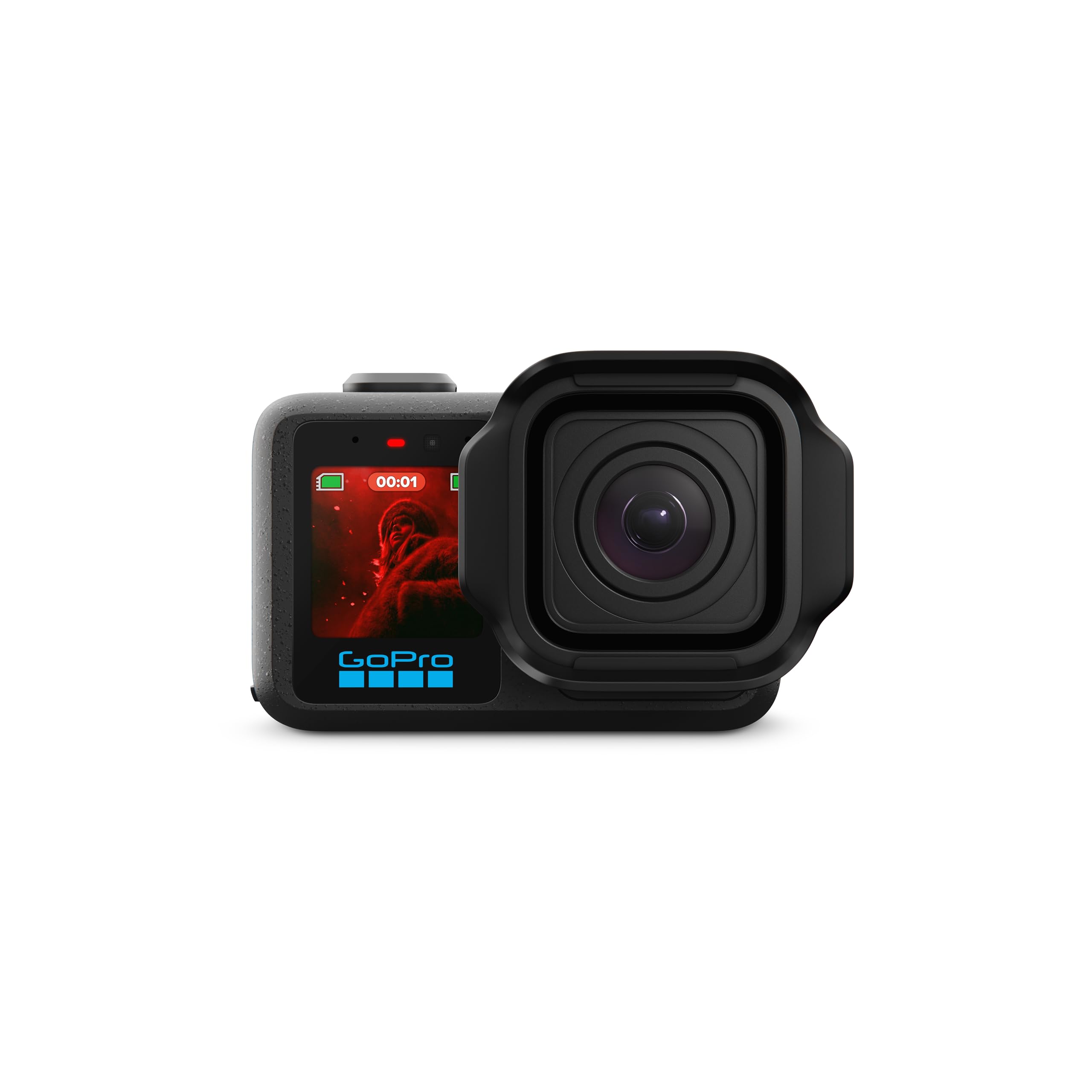
The GoPro Mission 1 PRO redefines the action camera category with a bona fide 1-inch sensor and the ability to burst at 960fps at 1080p — a spec previously reserved for much larger, dedicated high-speed cameras. This is a compact, rugged body that can be mounted to a helmet or a tripod, yet delivers frame rates that let you slow down an explosion or a water droplet to a smooth, dreamy crawl. The 4K 240fps mode is also fantastic, producing massive files with double the bitrate for maximum post-production flexibility.
Low-light performance is dramatically improved over previous GoPros, thanks to that larger sensor and the advanced GP-Log 2 color profile that grades beautifully in post. The 2150mAh Enduro 2 battery delivers over 3 hours of 4K30 recording, and the active thermal management prevents shutdown during extended high-fps recording sessions. Just be aware that the 960fps burst is limited to 10 seconds at 8-bit, while the 4K 240fps is 10-bit and unlimited, making the latter far more useful for most projects.
For action sports creators and adventure filmmakers who need the absolute highest frame rates from a durable, waterproof chassis, this is the only compact camera that hits these numbers. The trade-off is the premium price compared to other action cams, but the raw slow-motion capability is unmatched in this form factor. A fast V30 A2 microSD card (minimum 256GB) is non-negotiable to handle the data rate.
Why it’s great
- Unmatched 960fps slow-motion in a rugged, waterproof action camera body
- 4K 240fps 10-bit for professional-level slow-mo with unlimited recording
Good to know
- 960fps burst mode limited to 10 seconds at 8-bit
- Requires fast, large-capacity microSD card and may present setting complexity for beginners
2. Sony Alpha FX3

The Sony Alpha FX3 is a dedicated cinema camera squeezed into a compact, cage-free body designed for serious filmmakers. Its full-frame sensor delivers over 15 stops of dynamic range with S-Cinetone color science, and it records 4K 120p 10-bit 4:2:2 with full pixel readout — meaning no line-skipping or pixel-binning artifacts. For slow-motion work, this translates to buttery-smooth footage that holds up to heavy color grading and effects work.
The inclusion of a built-in cooling fan is a game-changer for slow-motion production. It allows uninterrupted 4K 60p recording and sustained high-fps bursts without thermal throttling, a common limitation on smaller mirrorless bodies. The autofocus system, inherited from Sony’s Alpha series, uses 627 phase-detection points with real-time tracking, ensuring that a fast-moving subject stays sharp even when you’re filming at 120fps.
This is a premium tool for professional videographers, content houses, and advanced enthusiasts who need reliable, broadcast-quality slow-motion in a rig that’s easy to gimbal-mount. The main drawbacks are the high entry price, expensive CFexpress Type A media, and relatively weak still-photo capabilities. If slow-motion video is your primary output and you demand the best, the FX3 delivers.
Why it’s great
- Full-frame 4K 120p 10-bit 4:2:2 with S-Cinetone color for cinematic slow-mo
- Internal cooling fan allows unlimited high-fps recording without overheating
Good to know
- Premium price point with expensive proprietary media (CFexpress Type A)
- Still photo performance is secondary; rolling shutter can be noticeable with fast pans
3. DJI Osmo Pocket 3
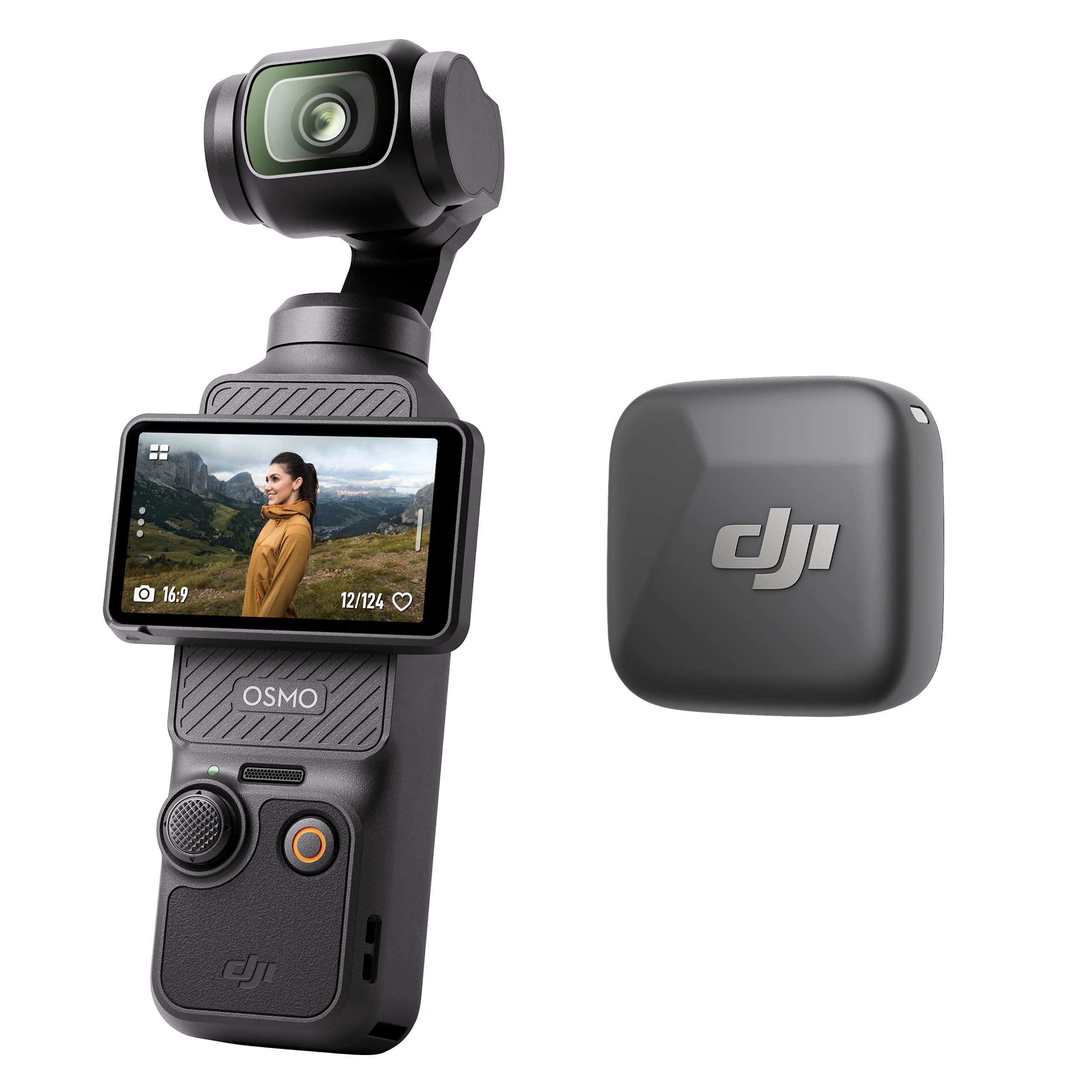
The DJI Osmo Pocket 3 packs a 1-inch CMOS sensor and 4K 120fps recording into a body that literally fits in a jacket pocket, while its integrated 3-axis mechanical gimbal delivers gimbal-smooth slow-motion footage without any post-production stabilization. This combination is ideal for vloggers, creators, and travelers who want to capture smooth running, spinning, or dancing sequences at 120fps without carrying a separate gimbal rig.
The 2-inch rotatable touchscreen makes framing easy in both horizontal and vertical orientations, and the ActiveTrack 6.0 system keeps subjects locked in the center of the frame even during fast movement. The included DJI Mic Mini transmitter elevates audio quality dramatically, which is crucial because slow-motion footage is often paired with clear ambient or voiceover audio. The D-Log M 10-bit color profile also allows for professional-grade color grading in post.
Battery life is solid, extending beyond two hours, and the USB-C PD charging allows quick top-ups between takes. The main trade-off versus larger cameras is the fixed 20mm equivalent lens, which limits perspective control and wide-angle slow-mo. For pure portability and built-in stabilization at 4K 120fps, this is the best option available.
Why it’s great
- Integrated 3-axis gimbal provides gimbal-smooth 4K 120fps without extra gear
- Ultra-compact design with 1-inch sensor and 10-bit D-Log M color
Good to know
- Fixed 20mm lens limits zoom and perspective flexibility
- Battery is internal and cannot be swapped without stopping recording
4. Nikon Z6 III

The Nikon Z6 III is a full-frame mirrorless camera that handles hybrid stills and video with equal authority, offering 4K 120p and Full HD 240p slow-motion modes. The 4K 120p footage is oversampled from a 6K sensor readout, delivering extremely sharp, detailed slow-motion output. For filmmakers who need even higher temporal resolution, the 240p mode at 1080p produces a 10x slow-down from 24fps standard playback.
The camera’s 4000-nit EVF is the brightest in its class, making it easy to frame slow-motion action in direct sunlight. The autofocus system is 20% faster than the Z6 II, with detection down to -10EV, which is crucial when you’re tracking a subject at 120fps in low light. The dual memory card slot (CFexpress Type B + SD UHS-II) ensures you can record long slow-motion clips without running out of space.
While the Z6 III offers excellent value for a full-frame body at this price, its battery life is about two hours of active video recording, which may require spares for all-day shoots. The menus are deep and powerful but less intuitive than Sony’s for first-time users. For photographers and videographers who want one camera to do both, the Z6 III is a top-tier choice.
Why it’s great
- Oversampled 4K 120p from 6K sensor for maximum detail in slow-motion
- Full HD 240p for extreme slow-downs with excellent dynamic range
Good to know
- Video battery life averages about two hours; extra batteries recommended
- Menu system is powerful but complex for new users
5. Sony Alpha 6700

The Sony Alpha 6700 is an APS-C mirrorless camera that brings AI-based subject recognition to the slow-motion world, enabling rock-solid autofocus tracking on people, animals, birds, and even cars at 4K 120p in 10-bit 4:2:2. The 26MP back-illuminated sensor combined with the BIONZ XR processor delivers 6K oversampled 4K video at 60p, while the high frame rate mode does 4K 120p with full pixel readout for maximum sharpness.
The dedicated AI processor makes a tangible difference when filming fast-moving subjects in slow motion. It maintains focus on a runner’s eye or a bird’s head even as they move unpredictably through the frame, something that older contrast-detection systems struggle with. The camera also includes S-Log3 and S-Cinetone color profiles, allowing for professional-grade color grading in slow-motion projects. The 759-point phase-detection AF system covers nearly the entire sensor area.
Where the a6700 falls short is in its single UHS-II SD card slot, which limits backup and can bottleneck at the highest data rates in 4K 120p All-Intra mode. The lack of a full-size HDMI port is also a minor annoyance for external monitor users. For hybrid shooters who need reliable autofocus in slow-motion scenarios, this is the best APS-C option on the market.
Why it’s great
- AI-based autofocus tracks fast-moving subjects reliably in 4K 120p
- 6K oversampled 4K video with 10-bit 4:2:2 and S-Cinetone color
Good to know
- Single SD card slot is a limitation for professional backup needs
- Overheating after extended 4K 60p recording in hot environments
6. Canon EOS R10 Kit
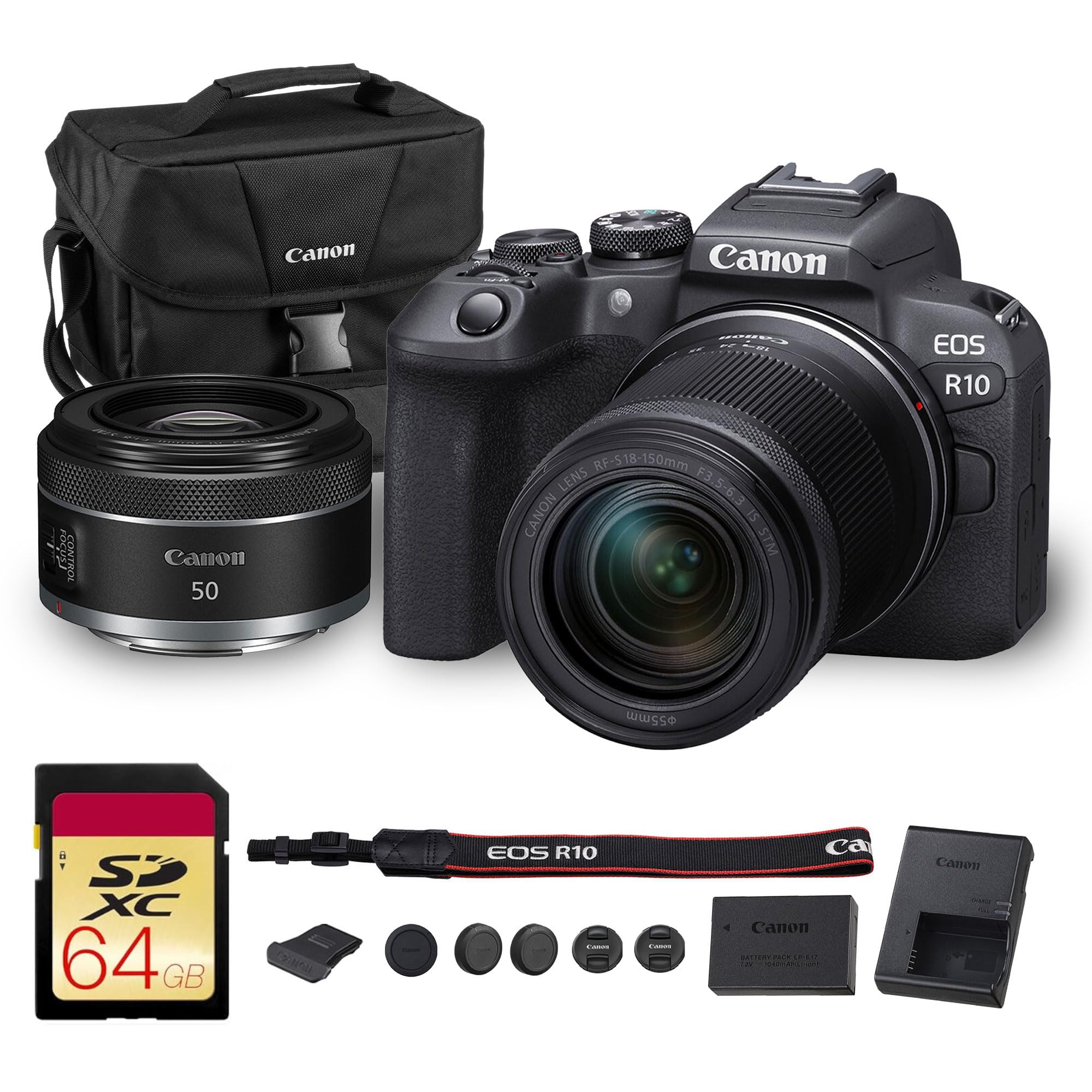
The Canon EOS R10 kit is an excellent entry point into slow-motion filmmaking, offering 4K UHD video oversampled from 6K at 30p, with a Full HD 120p slow-motion mode for users who want to dip their toes into high-frame-rate capture. The included RF-S 18-150mm zoom lens covers a versatile wide-to-telephoto range, making it easy to frame everything from landscapes to close-up action. The Canon RF 50mm f/1.8 STM prime lens is also included, adding a fast aperture for low-light slow-motion work.
The Dual Pixel CMOS AF II system provides intelligent subject detection that tracks people, animals, and vehicles, ensuring your slow-motion subject stays crisp. The 120fps mode at 1080p is clean and usable, though it lacks the resolution of 4K slow-motion found on higher-tier cameras. The R10 is lightweight and compact enough for travel, with a comfortable grip that makes extended handheld shooting feasible.
This kit is best for beginners and enthusiast photographers who want to experiment with slow-motion without jumping to a high-cost cine camera. The bundled lenses provide great value, but the R10 lacks in-body image stabilization (IBIS), meaning you’ll need stabilized lenses or a tripod for smooth slow-mo. The shoulder bag included in the kit has a noticeable plastic smell that some users report.
Why it’s great
- Excellent value with two lenses (18-150mm zoom + 50mm f/1.8 prime) included
- Dual Pixel AF II with subject detection for reliable focus in slow motion
Good to know
- Slow-motion limited to Full HD 120p, no 4K high frame rate
- No in-body stabilization; requires lens IS or tripod for smooth footage
7. Nikon D850

The Nikon D850 is a legendary full-frame DSLR that remains a favorite for its extraordinary 45.7-megapixel stills, but it also includes a capable 1080p 120fps slow-motion video mode. While it doesn’t offer 4K slow-motion, the full-frame sensor produces exceptionally clean, detailed 1080p footage with beautiful dynamic range. The back-side illuminated (BSI) sensor design delivers excellent low-light performance, which translates to less noise in high-frame-rate recordings.
The D850’s 153-point autofocus system is industry-leading for stills, but its video autofocus is contrast-detect and significantly slower than modern mirrorless systems. Manual focus with peaking is the recommended approach for slow-motion work. The tilting touchscreen makes framing easier at odd angles, and the battery life is exceptional, allowing extended recording sessions without swapping packs.
This camera is best for photographers who need a top-tier stills camera and occasionally want to capture 120fps slow-motion b-roll. The XQD card slot is very fast but only one is provided, and the lack of 4K high frame rate is a limitation for dedicated slow-motion shooters. For those already invested in F-mount glass, the D850 remains a rock-solid full-frame workhorse.
Why it’s great
- 45.7MP full-frame stills with 1080p 120fps slow-motion video capability
- Exceptional low-light performance and dynamic range from BSI sensor
Good to know
- Max slow-motion is 1080p 120fps; no 4K high frame rate
- Video autofocus is contrast-detect and lags behind mirrorless systems
8. Sony RX100 IV

The Sony RX100 IV is a pocketable compact camera that was a pioneer in bringing high-frame-rate recording to a portable form factor. Its 1-inch stacked CMOS sensor enables a High Frame Rate (HFR) mode capable of up to 960fps at reduced resolutions, effectively producing 40x slow-motion playback. This makes it possible to capture bullet impacts, splashes, and other split-second events in smooth detail from a camera that fits in a shirt pocket.
Beyond the extreme slow-motion party trick, the RX100 IV offers solid 4K video with direct pixel readout and no pixel binning, plus a bright f/1.8-2.8 ZEISS Vario-Sonnar T* lens with 24-70mm equivalent zoom. The built-in retractable XGA OLED viewfinder is a rarity in compact cameras and helps with framing in bright light. The anti-distortion shutter can shoot at up to 1/32000 second, freezing the fastest action.
The trade-offs are significant: 4K video is limited to 5-minute clips due to thermal constraints, the HFR mode introduces noise at higher frame rates, and the menu system is the notoriously complex Sony layout that requires time to learn. Battery life is also poor, necessitating spare NP-BX1 batteries for extended shoots. For the slow-motion enthusiast who prioritizes portability above all else, this is still a unique tool.
Why it’s great
- Pocketable body with true 960fps high-frame-rate capability for extreme slow-mo
- Bright f/1.8-2.8 ZEISS lens and retractable OLED viewfinder in a compact package
Good to know
- 4K video limited to 5-minute clips due to overheating
- HFR mode introduces noise at higher speeds; menu system is complex
9. Xtra Muse with Mini Tripod Combo
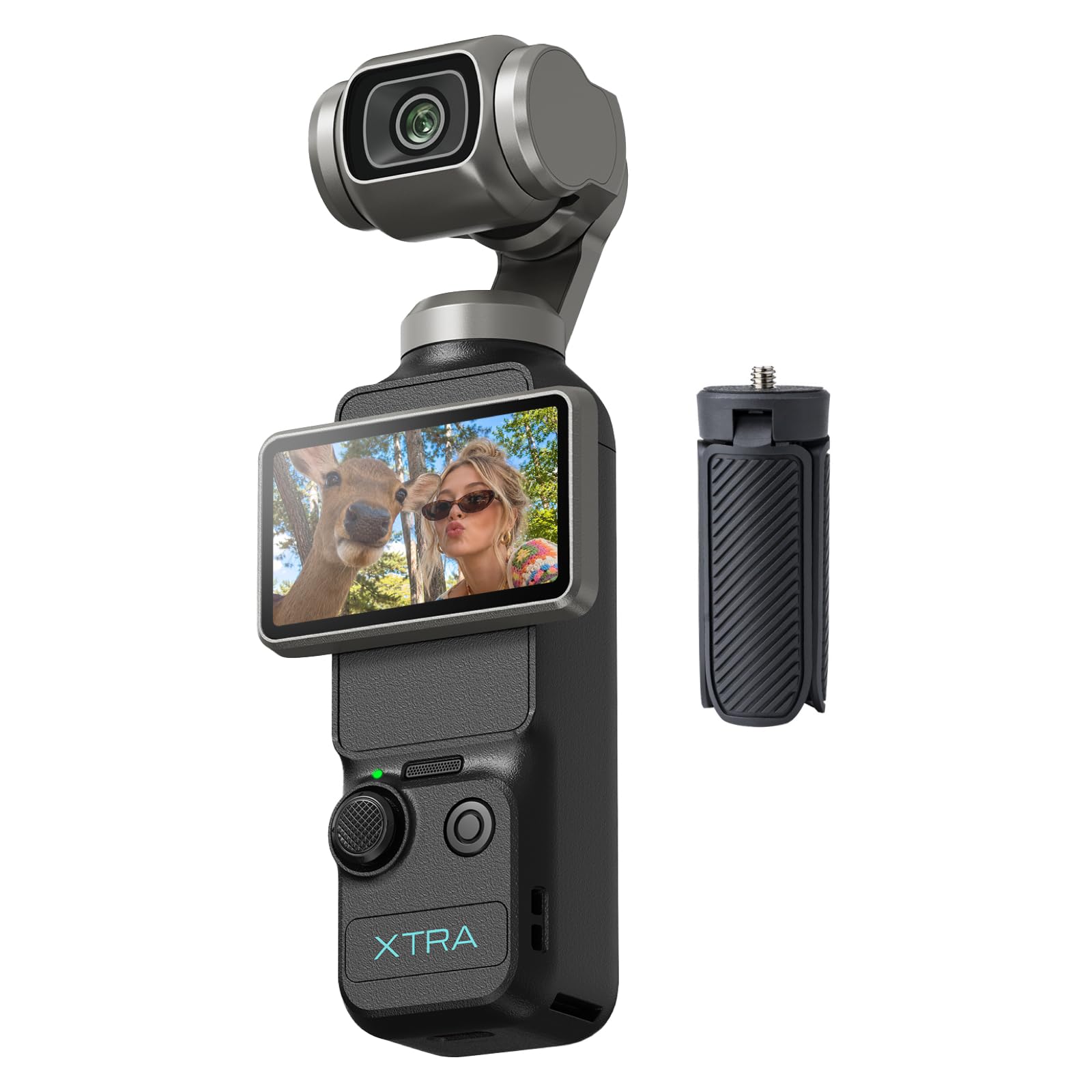
The Xtra Muse is a budget-friendly pocket camera that directly competes with the DJI Pocket series, offering a 1-inch CMOS sensor and 4K 120fps recording with a built-in 3-axis gimbal stabilizer. For a fraction of the price of premium competitors, it delivers smooth, stabilized slow-motion footage with face and object tracking, making it a surprisingly capable option for beginner vloggers and action capture.
The 2-inch touchscreen supports both horizontal and vertical shooting, and the Master Follow mode keeps a subject centered even during dynamic movement. The 10-bit X-Log color mode allows for color grading in post, capturing up to one billion colors for sunrise, sunset, and other high-contrast scenes. The included mini tripod, carrying bag, and wrist strap provide everything you need to start shooting immediately.
While the Xtra Muse offers incredible value and stabilization, the image quality does not quite match the DJI Osmo Pocket 3 in fine detail or dynamic range, and the app ecosystem is less polished. The battery lasts just over two hours, which is acceptable but not class-leading. For anyone wanting to experiment with 4K 120fps slow-motion on a tight budget, this is the most accessible entry point available.
Why it’s great
- Budget-friendly 4K 120fps with built-in 3-axis gimbal stabilization
- 10-bit X-Log color and face/object tracking in a compact form factor
Good to know
- Image quality and dynamic range lag behind the DJI Pocket 3
- App ecosystem and firmware support are less robust than DJI’s offering
FAQ
What frame rate do I need for professional slow motion?
Does a larger sensor matter for slow motion?
Final Thoughts: The Verdict
For most users, the best camera for slow motion winner is the DJI Osmo Pocket 3 because it combines 4K 120fps, built-in 3-axis gimbal stabilization, and a 1-inch sensor in an ultra-portable body that fits any kit bag. If you need the absolute highest frame rates in a rugged body, grab the GoPro Mission 1 PRO for its unmatched 960fps bursts. And for professional cinematic slow-motion with full-frame latitude, nothing beats the Sony Alpha FX3.