
Stop-motion animation demands a camera that offers precise manual control, reliable tethered shooting, and a sensor capable of resolving fine detail without introducing noise over long exposures. Unlike video or still photography, the frame-by-frame workflow places unique pressure on your gear — the camera must deliver consistent color and exposure across hundreds or thousands of individual captures.
I’m Min — the co-founder and writer behind Gadgets Feed. I’ve spent countless hours analyzing sensor resolution, dynamic range, and connectivity protocols to separate the cameras truly suited for frame-by-frame animation from those that merely claim to be.
Whether you are building a professional studio or setting up a home rig, this guide dissects the best camera for stop motion across a range of budgets and feature sets.
How To Choose The Best Camera For Stop Motion
Stop motion is a punishing workflow that exposes every weakness in a camera’s design. Before you commit, prioritize these four factors above all else. Each directly determines whether your animation process will be smooth or endlessly frustrating.
Tethered Shooting and Remote Capture
The ability to control your camera from a computer is the single most important feature. Software like Dragonframe requires USB tethering that reliably triggers the shutter and transfers files without dropped frames. Cameras with robust USB control, like the Nikon D850 and Canon EOS 5D Mark IV, offer dedicated applications that give you live view, focus peaking, and frame capture directly on your monitor. Without this, you will spend more time touching the camera and potentially shifting your scene.
Manual Focus and Lens Compatibility
Autofocus has no place in stop motion. Every frame must be locked to the exact same focal plane. You need a camera with a physical manual focus ring and a lens mount that gives you access to quality prime lenses. The Micro Four Thirds mount on the Blackmagic Pocket Cinema Camera 4K is ideal for using compact manual cinema lenses, while the EF mount on the Canon 5D Mark IV opens up decades of affordable glass. A camera that forces you into kit zooms with focus-by-wire is a liability.
Sensor Resolution and Dynamic Range
Higher resolution gives you the freedom to crop, reframe, and stabilize shots in post without degrading the image. The Nikon D850’s 45.7-megapixel sensor delivers exceptional detail, but it also demands fast storage and a powerful computer. Dynamic range is equally important — a camera like the Sony A7 IV with 15 stops of range preserves shadow and highlight detail across complex lighting setups. Avoid cameras that produce heavy banding or noise when you push shadows in post.
Build Durability and Heat Management
Stop motion sessions can run for hours, and some cameras overheat when the live view sensor is active for extended periods. The Canon EOS R6 Mark II and Blackmagic Pocket Cinema Camera series are designed for long recording times with active cooling or efficient heat dissipation. A camera that shuts down mid-session is a non-starter. Also look for weather sealing if your rig is set up in a dusty or humid environment.
Quick Comparison
On smaller screens, swipe sideways to see the full table.
| Model | Category | Best For | Key Spec | Amazon |
|---|---|---|---|---|
| Nikon D850 | Premium DSLR | Maximum resolution for cropping and reframing | 45.7 MP full-frame BSI sensor | Amazon |
| Sony A7 IV | Premium Mirrorless | Hybrid stop motion and video production | 33 MP full-frame with 4K 60p 10-bit 4:2:2 | Amazon |
| Canon EOS R6 Mark II | Premium Mirrorless | Reliable long-session tethered work | 24.2 MP full-frame with 6K oversampled 4K60p | Amazon |
| Canon EOS 5D Mark IV | Premium DSLR | Professional-grade build with Dual Pixel AF | 30.4 MP full-frame CMOS sensor | Amazon |
| Sony A7 III | Mid-range Mirrorless | Best value full-frame tethered shooting | 24.2 MP BSI full-frame with 15-stop DR | Amazon |
| Blackmagic Pocket Cinema Camera 6K G2 | Premium Cinema | Raw video capture with superb image quality | 6K Super 35 sensor, 13 stops DR | Amazon |
| Blackmagic Pocket Cinema Camera 4K | Mid-range Cinema | Entry-level cinema quality with Blackmagic RAW | 4/3” sensor, 4096 x 2160 native | Amazon |
| Nikon D7100 | Budget DSLR | Affordable manual-focused stop motion start | 24.1 MP DX-format, 51-point AF | Amazon |
| DJI RS 4 Pro | Gimbal Stabilizer | Adding motion to stop-motion puppet rigs | 4.5 kg payload, 3-axis stabilization | Amazon |
In‑Depth Reviews
1. Nikon D850 FX-Format Digital SLR Camera Body

The Nikon D850 is the definitive choice for stop motion when resolution is the priority. Its 45.7-megapixel back-side illuminated full-frame sensor delivers images that allow you to crop, pan, and zoom in post without visible pixelation. The tilting touchscreen makes framing at awkward angles straightforward, and the focus shift shooting mode is a hidden gem for depth-of-field test sequences. The 153-point autofocus system is overkill for stop motion, but the manual focus implementation via the lens’s physical ring gives you precise control for locking focus per scene.
Tethered shooting on the D850 works reliably with Nikon’s Camera Control Pro 2 software, giving you live view, focus peaking, and shutter release from your computer. The EN-EL15 battery lasts well over 1,000 shots per charge when not using live view continuously, but if you keep the sensor active for hours, you will want a second battery or an AC adapter. The XQD card slot is fast but proprietary — budget for a compatible reader and cards if you buy new storage.
The body is built like a tank. Weather sealing protects against dust and moisture, and the magnesium alloy frame can handle the rigors of a studio environment. One drawback for pure stop-motion work: the video autofocus is mediocre during live view, but since you will be shooting stills frame-by-frame, this is irrelevant. The D850 demands a powerful computer and fast storage, but the resulting image quality is unmatched in this class.
Why it’s great
- Highest resolution sensor in this guide, perfect for cropping
- Excellent dynamic range for complex lighting setups
- Rock-solid build with extensive weather sealing
Good to know
- XQD cards are expensive and require a separate reader
- Video autofocus is poor, but irrelevant for stills-based stop motion
- Heavier body compared to mirrorless alternatives
2. Sony Alpha 7 IV Full-frame Mirrorless Interchangeable Lens Camera

The Sony A7 IV is a superb choice for stop-motion artists who also shoot video content. Its 33-megapixel full-frame sensor offers a sweet spot between resolution and manageable file sizes, making it less demanding on computer storage than the D850 while still providing ample detail for cropping. The real-time Eye AF is unnecessary for puppets, but the manual focus aids — focus peaking and magnification — are excellent and work well in live view via USB tethered to Sony’s Imaging Edge software.
In-body image stabilization is not critical for stop motion on a tripod, but it adds flexibility if you ever shoot handheld B-roll. The battery life is exceptional for a mirrorless camera; Sony rates it at over 600 shots, and real-world use with careful power management can push past 1,000. Dual card slots (one CFexpress Type A, one SD UHS-II) give you backup redundancy during long capture sessions. The articulating screen is useful for low-angle puppet shots.
The S-Cinetone color profile is a nice addition if you plan to incorporate video clips into your animation workflow. The lack of a built-in flash is irrelevant for studio stop motion. The 4K 60p recording with 10-bit 4:2:2 color depth is excellent for video reference or final output, but note that the camera crops the sensor slightly at 60fps. Overall, this is one of the most versatile cameras here, equally at home in a stop-motion studio or a video production.
Why it’s great
- Excellent hybrid performance for stills and video
- Long battery life for extended tethered sessions
- Effective IBIS adds versatility for other shooting styles
Good to know
- CFexpress cards add cost
- No built-in flash, though rarely needed in stop motion
- Slight sensor crop in 4K 60p mode
3. Canon EOS R6 Mark II Mirrorless Camera (Body Only)

The Canon EOS R6 Mark II is engineered for reliability during continuous operation, making it one of the most practical choices for stop motion. Its 24.2-megapixel sensor produces clean, noise-free files even at higher ISO settings, which matters when you need to stop down the aperture for depth of field in low-light puppet sets. The Dual Pixel CMOS AF II is incredibly fast for initial focus, though you will lock to manual once the first frame is set. The most valuable feature here is the camera’s ability to record up to 6 hours of continuous Full HD video without overheating — a direct indicator of how well it handles extended live view sessions during frame capture.
The vari-angle touchscreen is perfect for framing shots from a tripod at any angle, and the electronic viewfinder with 120 fps refresh rate makes for a smooth preview. USB-C connectivity at 10 Gbps ensures fast file transfers when you offload images to your editing workstation. The 8-stop in-body image stabilization is not a priority for stop motion but proves useful for any handheld reference footage. The weather-sealed body gives you confidence in less controlled studio environments.
The 40fps electronic shutter is overkill for stop motion but does let you quickly test short sequences. One concern: the buffer depth with raw files can fill quickly during continuous bursts, but since you capture one frame at a time for animation, this is a non-issue. The lack of a built-in flash is fine for studio setups. The R6 Mark II excels as a rugged, heat-resistant body that will not interrupt your workflow mid-scene.
Why it’s great
- Excellent heat management for extended live view sessions
- Fast USB-C transfers at 10 Gbps
- Weather-sealed, durable build
Good to know
- 24.2 MP is lower resolution than some competitors in this range
- No built-in flash
- Buffer can fill during rapid bursts, though irrelevant for stop motion
4. Canon EOS 5D Mark IV Digital SLR Camera (Body Only)
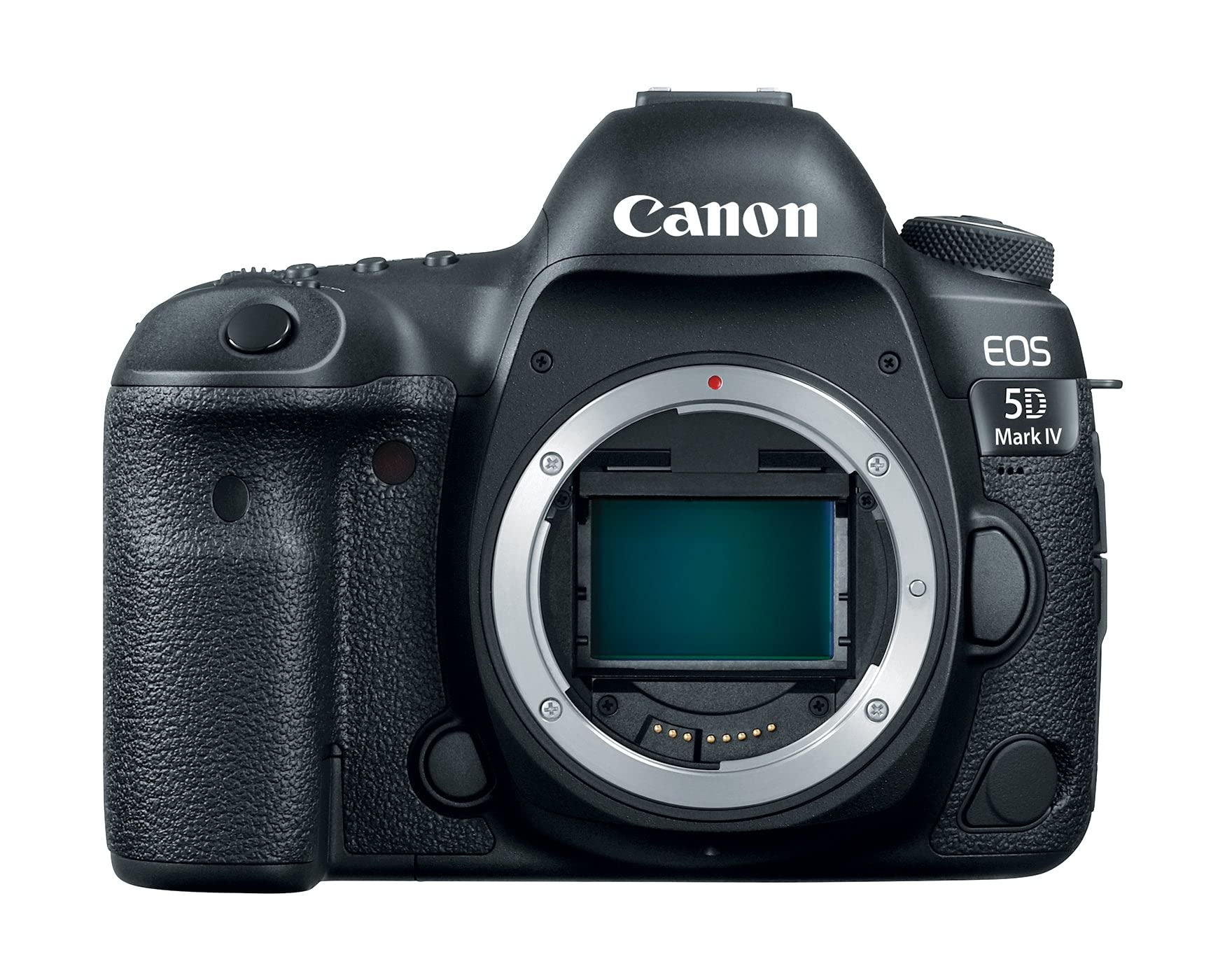
The Canon EOS 5D Mark IV is a workhorse DSLR that has proven its reliability in countless studios. Its 30.4-megapixel full-frame sensor provides a strong balance of resolution and file manageability, and the DIGIC 6+ processor produces clean images with excellent dynamic range — a crucial trait for handling the contrast between brightly lit puppet sets and shadowed backgrounds. The 61-point autofocus system includes 41 cross-type points for fast initial lock, though you will rely on manual focus through the optical viewfinder or live view for frame-by-frame consistency.
Tethered shooting via the USB interface works solidly with Canon’s EOS Utility software, giving you live view with focus peaking and remote shutter control. The built-in Wi-Fi and NFC are useful for quick file transfers to a mobile device for client previews. The 4K Motion JPEG video at 30fps is a capable addition if you need to capture reference clips, though the file sizes are large. The touchscreen LCD is responsive and makes selecting focus points in live view intuitive.
The body is heavy and built to last, with a magnesium alloy frame and extensive weather sealing. The battery life is exceptional — a single LP-E6N charge can easily cover a full day of tethered capture. The primary limitation is the 4K video implementation, which uses Motion JPEG and produces enormous files with a 1.1x crop, but for stop motion this is irrelevant. The 5D Mark IV remains a trusted, no-surprise tool for professionals who value reliability above flashy features.
Why it’s great
- Proven reliability in professional studio environments
- Excellent dynamic range for complex lighting
- Long battery life for all-day tethered sessions
Good to know
- Heavier than mirrorless alternatives
- 4K video uses Motion JPEG with large file sizes
- Older Dual Pixel AF generation compared to newer R-series
5. Sony a7 III Full-Frame Mirrorless Interchangeable-Lens Camera with 28-70mm Lens

The Sony a7 III is the entry-level full-frame champion and a strong contender for stop motion on a tighter budget. Its 24.2-megapixel back-illuminated sensor delivers 15 stops of dynamic range, which matches cameras costing significantly more. The 693 phase-detection AF points cover 93 percent of the frame, making initial focus acquisition fast, though you will switch to manual once your first frame is set. The bundled 28-70mm f/3.5-5.6 kit lens is functional for starting out, but swapping to a sharp prime lens improves detail noticeably.
Tethered shooting via the USB micro-B port works with Sony’s Imaging Edge Remote application, providing live view control and shutter release from your computer. Battery life is outstanding for a mirrorless camera — the NP-FZ100 battery is rated for 710 shots per charge and will last through a full day of stop-motion capture. The 5-axis in-body stabilization is not critical for tripod work but eliminates any micro-shake if you ever need to shoot handheld reference clips. The silent electronic shutter is ideal for avoiding mechanical vibration during frame capture.
The a7 III lacks the high-resolution sensor of the D850 or A7 IV, but for most stop-motion projects, 24 megapixels is plenty. The menu system is famously complex, though you will set it once and rarely change it during animation. The kit lens has a variable aperture, which complicates consistent exposure when zooming, so budget for a fixed focal length prime. Overall, the a7 III is the most cost-effective full-frame entry point for stop motion.
Why it’s great
- Excellent value for full-frame dynamic range
- Outstanding battery life for a mirrorless camera
- Silent electronic shutter prevents frame vibration
Good to know
- Complex menu system requires initial setup time
- Kit lens has variable aperture, affecting exposure consistency
- 24 MP limits heavy cropping compared to higher resolution options
6. Blackmagic Design Pocket Cinema Camera 6K G2

The Blackmagic Pocket Cinema Camera 6K G2 is a dedicated cinema camera that brings professional raw capture to stop motion. The Super 35 sensor records at a native 6144 x 3456 resolution with 13 stops of dynamic range, giving you extraordinary flexibility in color grading and post-production. The active Canon EF/EF-S lens mount opens up a massive library of affordable cinema and stills lenses, all controllable via a physical manual ring that works directly with focus pullers — perfect for frame-by-frame precision.
The adjustable tilt 5-inch LCD is bright and large enough to use as your primary monitor during capture, potentially eliminating the need for an external display. Multiple recording options include SD UHS-II, CFast 2.0, and external SSD via USB-C, ensuring you never run out of storage during a long session. The included DaVinci Resolve Studio activation key gives you a full professional grading suite, which is a significant value add. The dual native ISO up to 25,600 keeps noise low in dim puppet sets.
The battery life is the main weakness — the included NP-F570 battery lasts around 60 minutes under load. You will need a V-lock battery plate or an AC adapter for any serious work. The camera also lacks in-body stabilization, though this is irrelevant on a tripod. There is no continuous autofocus, which is a bonus for stop motion. The 6K G2 is the most expensive option here, but it delivers the purest cinema workflow for animators who grade their work frame-by-frame.
Why it’s great
- 6K raw capture with 13 stops of dynamic range
- Built-in DaVinci Resolve Studio license included
- Large 5-inch tilt screen replaces external monitor
Good to know
- Poor battery life — external power solution required for extended sessions
- No IBIS, but irrelevant when tripod-mounted
- Heavy raw files require fast storage and a powerful computer
7. Blackmagic Design Pocket Cinema Camera 4K

The Blackmagic Pocket Cinema Camera 4K offers the most affordable path to a professional raw cinema workflow for stop motion. Its 4/3-inch sensor captures a native 4096 x 2160 resolution with 13 stops of dynamic range, and the active Micro Four Thirds mount gives you access to a wide variety of compact, manual-focus lenses. The ability to record 12-bit Blackmagic RAW files means you have immense latitude for color correction, which is critical when matching frames shot hours apart under slightly changing light.
The 5-inch LCD is large and bright, and the included DaVinci Resolve Studio license is a massive cost saving. Recording to SD UHS-II, CFast 2.0, or external SSD via USB-C gives you flexible storage options. The dual native ISO up to 25,600 helps maintain clean shadows in low-light sets. The camera ergonomics improve significantly with the included handgrip, but you will likely rig it on a tripod or cage for stop motion anyway.
The same battery limitation applies as on the 6K G2 — the included LP-E6 battery lasts only 30 minutes in practice, so budget for an external power solution. There is no continuous autofocus, no IBIS, and the screen is difficult to see in direct sunlight (around 250 nits). For pure stop motion, none of these are deal-breakers. The BMPCC 4K delivers cinema-quality raw at a fraction of the cost of its larger sensor sibling, making it a smart choice for animators who value post-production flexibility.
Why it’s great
- Cheapest entry to raw cinema capture for stop motion
- 13 stops of dynamic range for extensive color grading
- DaVinci Resolve Studio included at no extra cost
Good to know
- Very short battery life — external power mandatory for serious work
- Screen is dim and difficult to read in direct light
- No IBIS or continuous autofocus (not relevant for stop motion)
8. Nikon D7100 24.1 MP DX-Format Digital SLR (Body Only)

The Nikon D7100 is the budget-friendly entry point for stop motion that still delivers professional-grade image quality. Its 24.1-megapixel DX-format sensor lacks an optical low-pass filter, which means you get sharper, more detailed images than many other APS-C cameras in its class. The 51-point autofocus system with 15 cross-type sensors is fast for initial setup, though you will engage manual focus for consistency frame-to-frame. The build quality is outstanding for a mid-range DSLR — user reviews report it surviving drops onto concrete and continuing to work without issue.
You can shoot up to 6 frames per second for continuous bursts, but for stop motion you will capture one frame at a time. The 1080p 60fps video capability is adequate for reference clips. The native ISO range of 100-6400 is sufficient for most controlled studio environments. The optical viewfinder is bright and clear, though for stop motion you will work primarily in live view on a monitor. The D7100 supports tethered shooting via Nikon’s Camera Control Pro 2 software, giving you remote capture and live view control.
The main limitations are the smaller APS-C sensor and the 1.5x crop factor, which changes your lens field of view. The buffer is shallow — only a few raw frames before it fills — but this is irrelevant when shooting one frame per minute. The battery life is moderate; live view drains it faster than optical viewfinder use. The D7100 lacks the resolution and dynamic range of full-frame options, but it is a rugged, capable camera for starting your stop-motion journey without a huge investment.
Why it’s great
- Exceptional build quality for its price tier
- No low-pass filter for sharper images
- Affordable entry with full manual control
Good to know
- APS-C sensor has smaller dynamic range than full-frame options
- 1.5x crop factor changes lens behavior
- Small buffer and shorter battery life in live view
9. DJI RS 4 Pro Combo, 3-Axis Gimbal Stabilizer
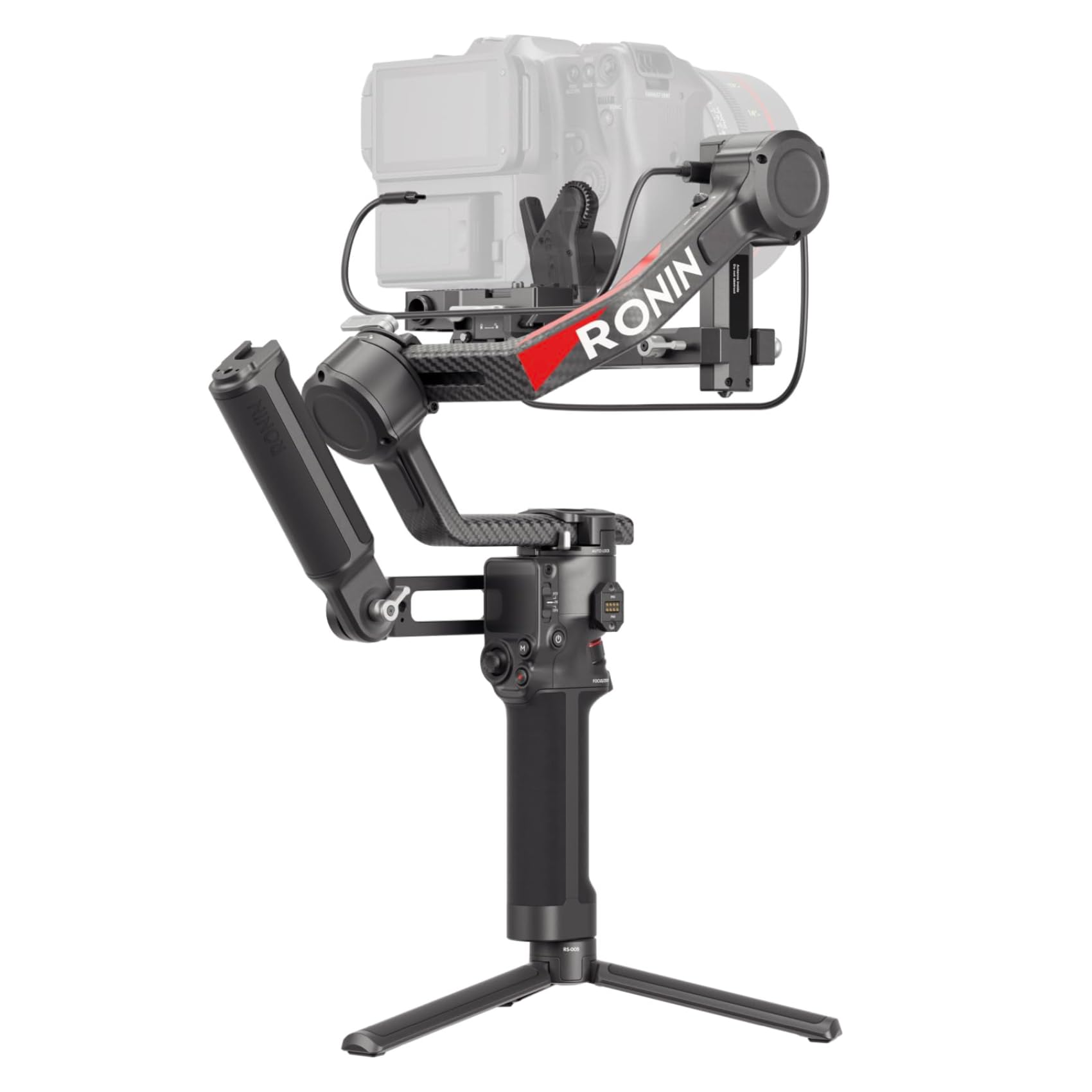
The DJI RS 4 Pro is not a camera, but it is an essential tool for adding dynamic motion to your stop-motion puppet rigs. This 3-axis gimbal stabilizer supports a payload of up to 4.5 kilograms (10 pounds), which is enough to handle most mirrorless and even some compact cinema cameras like the Blackmagic Pocket 4K. The carbon fiber axis arms and increased motor torque deliver smooth, repeatable motion paths that you can program via the DJI Ronin app, allowing you to create consistent camera moves across hundreds of frames.
The native vertical shooting capability is useful for social media content, and the remote dual focus and zoom motor control via the new joystick mode enables precise focus pulls during motion sequences. The Focus Pro LiDAR attachment (sold separately) provides accurate autofocus for compatible lenses, though for stop motion you will likely pre-set your focus manually. The battery runtime extends to 29 hours with the optional BG70 grip, making it viable for all-day studio sessions. The Image Transmitter included in the Combo package allows remote monitoring from your computer.
The RS 4 Pro has a steep learning curve and requires careful balancing before each setup. Some users report mechanical defects on arrival, though DJI’s support generally handles replacements. The gimbal is bulky and heavy, which adds complexity to your rig. If your stop-motion project involves only static tabletop shots, you do not need a gimbal. But for animators who want to create parallax, tracking shots, or reveal movements, the RS 4 Pro is the most capable tool in this class.
Why it’s great
- High 4.5 kg payload capacity supports full camera rigs
- Programmable motion paths for repeatable camera moves
- Excellent 29-hour battery life with optional grip
Good to know
- Steep learning curve to set up and balance correctly
- Bulky and heavy — adds complexity to any rig
- Not needed for static tabletop stop-motion setups
FAQ
Can I use a webcam or smartphone for stop motion instead of a dedicated camera?
Is mirrorless or DSLR better for stop motion?
How important is the ability to shoot raw for stop motion?
Final Thoughts: The Verdict
For most users, the best camera for stop motion winner is the Nikon D850 because its 45.7-megapixel sensor delivers the highest resolution for cropping and reframing in post, tethered shooting is rock-solid, and the build quality survives demanding studio environments. If you want a hybrid that handles both stop motion and video production, grab the Sony A7 IV. And for pure cinema raw quality with maximum grading flexibility, nothing beats the Blackmagic Pocket Cinema Camera 6K G2.