
Our readers keep the lights on and my morning glass full of iced black tea. As an Amazon Associate, I earn from qualifying purchases.
Specs are compiled from manufacturer listings and verified buyer reviews and can change over time — please confirm the key details on the product page before buying.
Lens filters serve two core purposes: protecting your glass and controlling incoming light. A quality filter blocks UV haze, cuts glare from water or glass, and shields your lens from scratches. A poor filter can soften images, introduce color casts, or cause ghosting and flares.
I’m Min — the founder and writer behind Gadgets Feed. This guide is built by comparing the manufacturers’ published specifications and the patterns across verified customer reviews, so you get each pick’s real strengths and trade-offs instead of marketing spin.
The perfect filter should be nearly invisible to your images, so we’ve picked the camera lens filters that deliver the clearest optics, toughest coatings, and best value for every budget.
Our Picks at a Glance


How To Choose The Best Camera Lens Filters
Before you look at brands or coatings, you must know your lens thread size, usually marked with a “Φ” or “ø” symbol followed by a number in millimeters. That number, like Φ77 or ø58, tells you exactly which filter diameter to buy.
Match the Filter Type to Your Goal
UV filters are for everyday protection and cutting haze. Circular polarizers (CPL) deepen blue skies and remove glare from water and glass. Neutral density (ND) filters block light so you can use slower shutter speeds or wider apertures in bright conditions. Some photographers keep a UV filter on permanently as a cheap shield for an expensive lens.
Coating Quality Changes Everything
Cheap filters can introduce reflections and reduce sharpness. High-end filters use multiple anti-reflective layers, sometimes up to 28, to keep transmission above 99% so your images stay crisp. Water and oil-resistant coatings also make cleaning smudges and fingerprints far easier.
Quick Comparison
| Model | Best For | Type | Coatings | Weight | Amazon |
|---|---|---|---|---|---|
| K&F CONCEPT 77mm MC UV★ Best Overall | Ultra-clear lens shield | UV | 28-Layer | 81 g | Amazon |
| Amazon Basics 58mm CPLBest Value | Budget glare control | CPL | 16-Layer | 20.68 g | Amazon |
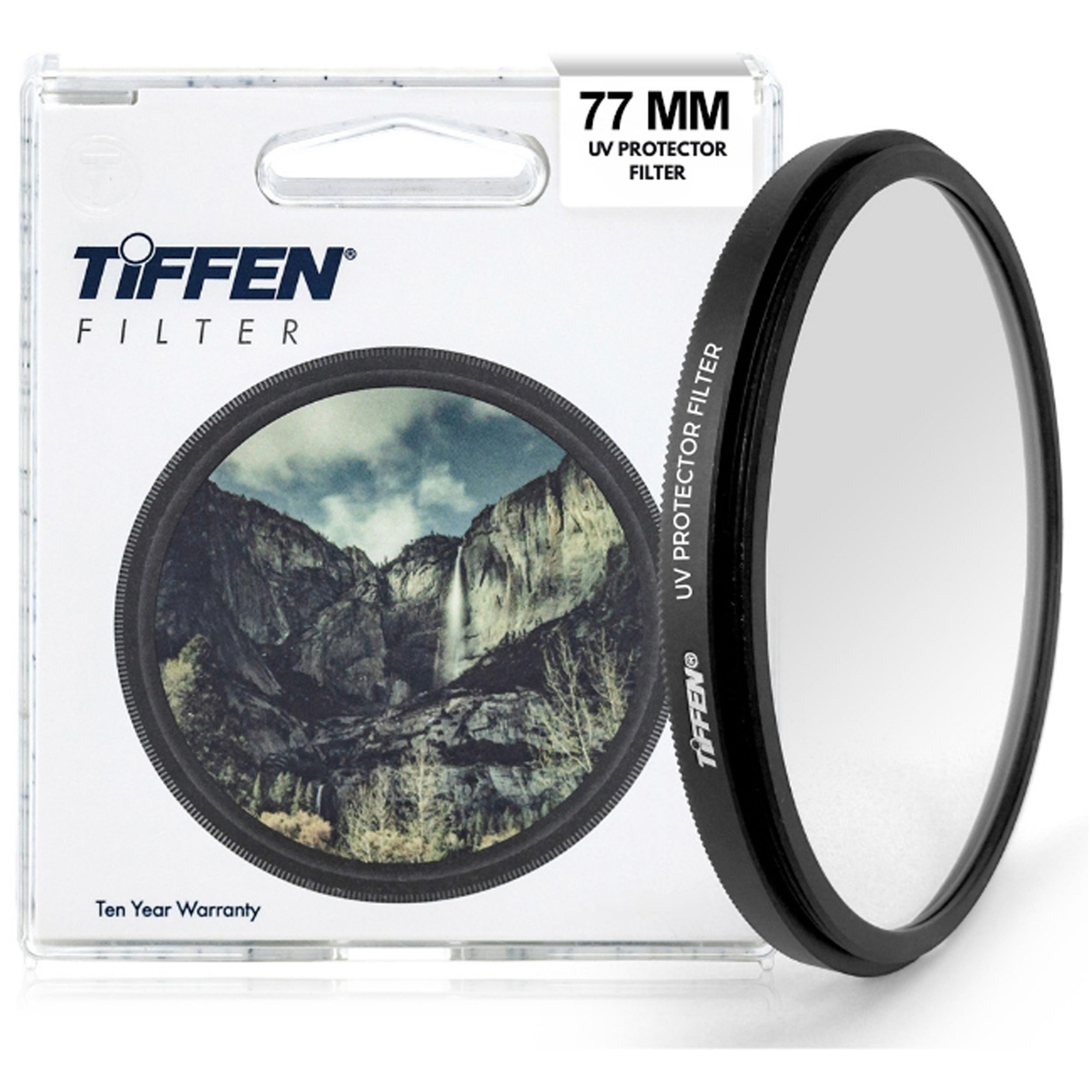
| Tiffen 77mm UV ProtectorTop Performer | Entry-level lens armor | UV | None | 30 g | Amazon |
| NEEWER 58mm UV/CPL/ND Kit | All-in-one starter set | UV/CPL/ND | Multi | — | Amazon |
| HOYA 67mm NXT Plus UV | Pro-grade UV clarity | UV | 10-Layer | — | Amazon |
| K&F CONCEPT 95mm MCUV | Big telephoto protection | UV | 28-Layer | 60 g | Amazon |
| Breakthrough X2 67mm CPL | Rugged field polarizer | CPL | MRC8 + nanotec | 4 oz | Amazon |
| Breakthrough X4 82mm CPL | Color-neutral polarizer | CPL | MRC16 + nano | — | Amazon |
In‑Depth Reviews
1. K&F CONCEPT 77mm MC UV Protection Filter
Our pick — over 4.5★ from 800+ verified ratings; the strongest balance of quality and price.
A screw-on UV shield that guards your front element without affecting image clarity.
The K&F CONCEPT starts with a 28 multi-layer coating that delivers 99.6% light transmission, meaning practically no brightness or contrast is lost between your lens and the scene. Owners rave about its clarity, with the quality and image quality being the two most-discussed positives by a wide margin.
Its 3.3mm ultra-slim frame uses double-side polishing so you get no vignetting even on wide-angle glass, and the tempered Japanese AGC glass is shockproof, waterproof, and scratch-resistant. At 81 g it feels substantial, yet buyers consistently note it’s lightweight in practice and a great value compared to pricier B+W or Hoya filters.
The ribbed edges give a firm grip for twisting on and off, though a few owners mention those same ribs can catch on a lens cap or fingers during removal. As buyers report: “Premium build, slim frame, no vignette at 18mm; 28-layer coatings repel water/oil/fingerprints; zero sharpness/contrast/color loss at f/1.8.”
What Wins Owners Over
- Nearly invisible optically — no sharpness, contrast, or color shift
- Slim 3.3mm frame avoids vignetting on wide lenses
- Repels water, oil, and fingerprints thanks to 28 layers
Where to Be Careful
- Ribbed edges can catch on lens caps during removal
- Avoid over-tightening the twist-on mount
Reach for this if: you want one high-clarity UV filter that protects a 77mm lens and never degrades your images.
Keep it in mind: it’s heavier than featherweight options like the Amazon Basics at 81 g, so it adds a touch more bulk to a bag.
2. Amazon Basics Circular Polarizer 58mm
An affordable polarizer that boosts color saturation and cuts reflections for minimal cost.
Its value for money is the overwhelming reason owners pick this over pricier glass, and it earns that reputation by deepening blue skies and stripping reflections off water and glass for a fraction of the usual cost. On an older camera body, the before-and-after is dramatic — colors pop and reflections simply vanish.
Weighing just 20.68 g, it’s dramatically lighter than the 81 g K&F CONCEPT UV above, making it nearly weightless on a 58mm lens. The 16 multi-layer coatings cut internal reflections, and the plastic enclosure keeps the price down while still delivering effective polarization with no color shift for most users.
Be realistic about its limits, though. A few photographers note it can soften images slightly, and serious shooters warn about ghosting on long telephoto work. It’s a fantastic learning tool for a student or hobbyist, but not the first choice for a freelancer delivering paid work.
Bottom Line: The best possible introduction to polarizers — the color payoff is immense at a price that makes experimentation painless.
The honest caveat: budget optics mean occasional softness, so keep it for hobby shots rather than critical paid sessions.
3. Tiffen 77mm UV Protector Filter
A trusted UV protector that keeps lenses safe without adding any color cast.
Tiffen is a household name in cinema and photography, and this 77mm protector lives up to that reputation with premium optical glass that guards against scratches, dust, moisture, and impacts. Its value for money tops the list of what owners praise most, followed closely by its functionality with Canon bodies and protection for pricey glass.
You can mount this on a wide-angle lens without dark corners, because the slim aluminum ring keeps the profile low and weighs just 30 g. It is color-neutral, so it won’t shift exposure, contrast, or color balance during continuous use. Owners confirm it delivers crisp pictures without affecting image quality, and it’s especially useful at high altitude where UV rays are strong.
It comes with no coating, which is unusual in this lineup, so it relies on raw glass quality rather than anti-reflective layers. A few owners mention the glass ring can work loose over time, and indoors with an ultra-wide lens in dim light near strong sources, you might catch minor reflections.
Why It Earns Its Spot
- Reliable scratch and impact protection for valuable lenses
- Clear, color-neutral performance with no exposure shift
- Slim aluminum ring prevents vignetting on wide glass
Worth Knowing
- No multi-layer coating to fight reflections
- Some units may have a loose glass ring over time
The confident pick: a proven, crowd-favorite UV shield you can leave on permanently without image penalty.
Think twice if: you shoot into bright light regularly and want maximum anti-reflection layers on your protective glass.
4. NEEWER 58mm UV/CPL/ND4 Filter Kit
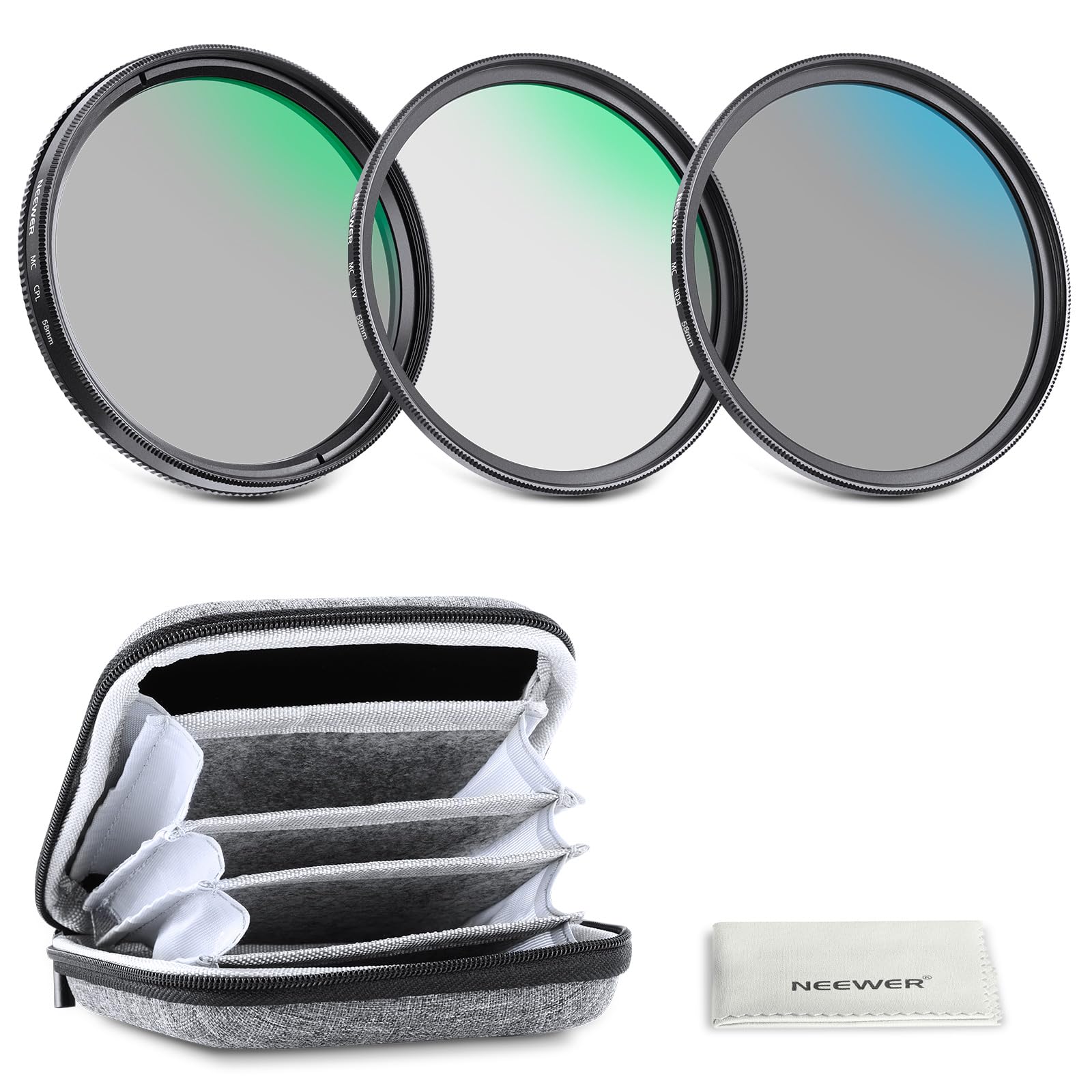
A three-filter kit in a hard case, covering UV, CPL, and ND needs for 58mm lenses.
This kit bundles a UV filter for daily protection, a CPL for cutting reflections on water and glass, and an ND4 that reduces light by 2 stops for motion blur on cloudy days. Fit and optical performance are the two most-praised aspects, with owners loving how the solid threads mount securely to lenses.
The hard shell case has individual slots for each filter so they don’t knock against each other, plus a cleaning cloth rides along, and its compact size slips into any camera bag. Aluminum alloy frames keep everything lightweight while multiple nanometer coatings deliver accurate color and minimal reflection.
It’s designed for any 58mm lens, from Sony to Canon to Nikon to Fujifilm, and the ND filter proves surprisingly useful in shade. Just be aware the optical quality is good but not top-tier — a few owners note minor flaring in harsh light, and the ND film can be finicky for field polarization adjustments.
The Verdict: The smartest way for a 58mm shooter to try UV, polarizer, and ND effects without buying three separate filters.
The trade-off: each individual filter is good rather than pro-grade, so demanding shooters may still want a flagship polarizer later.
5. HOYA 67mm NXT Plus UV Filter
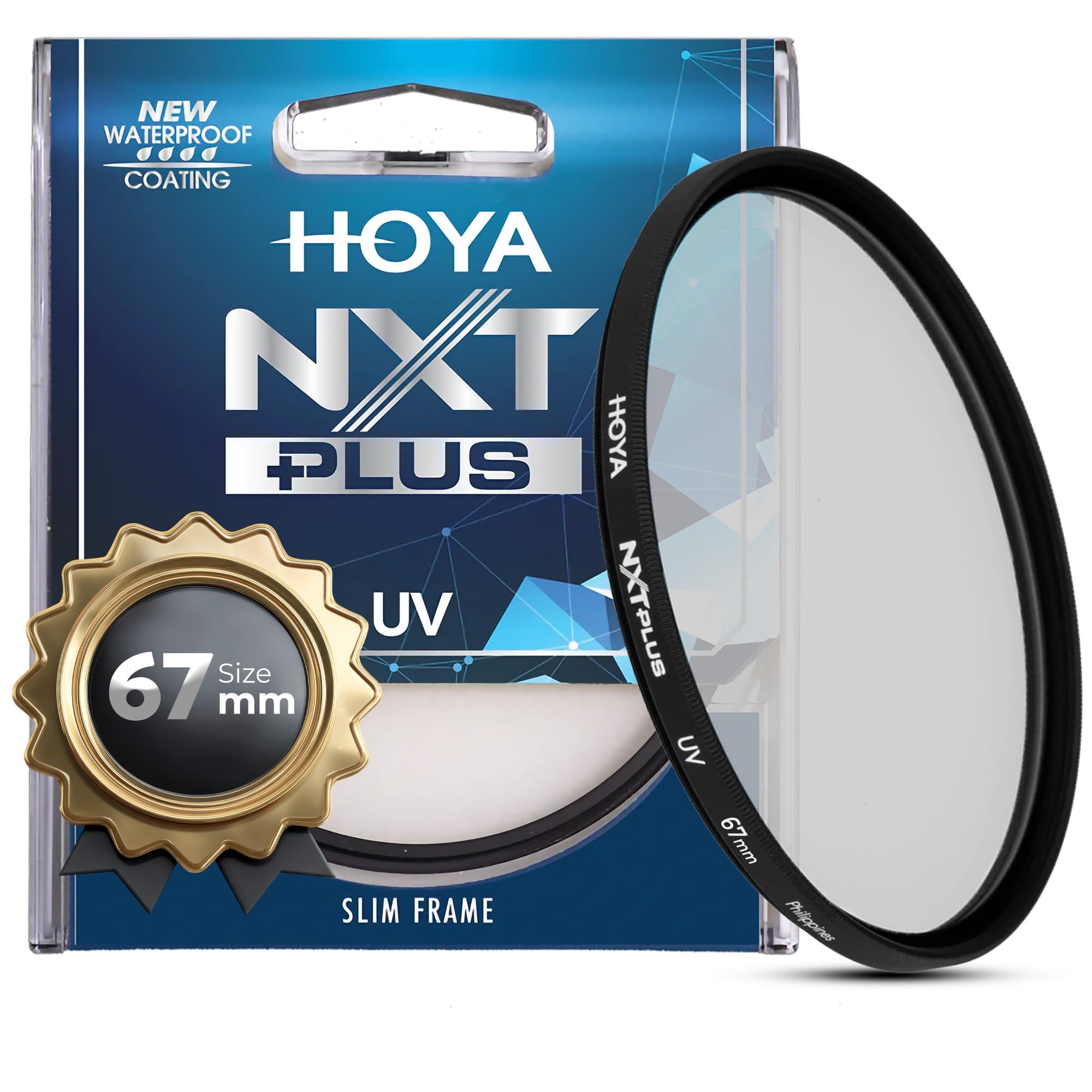
Japanese-made glass with multi-layer coatings for crisp images and durable scratch resistance.
You get crisp, clear shots because this HOYA NXT Plus filter uses Schott B270 clear glass and 10 layers of HMC anti-reflective coating (a coating that cuts reflections) to reach 98% light transmission. HOYA has been making optical glass since 1941, and quality is the dominant reason owners choose it. They confirm the optics stay crisp without affecting image quality.
The low-profile aluminum frame is built for wide-angle lenses where a thick ring would cause vignetting, and its top-coat repels smudges, dust, and fingerprints so cleaning is quick. Owners specifically praise how well it fits snugly on the lens and how easily it wipes clean — both are recurring positives.
It’s pricier than entry-level UVs, but the balance between cost and optical performance is exactly what customers note they appreciate most.
What You’re Paying For
- 10-layer HMC coating with 98% light transmission
- Waterproof top-coat that shrugs off smudges
- Slim profile prevents vignetting on wide lenses
The Honest Side
- Costs noticeably more than budget UV filters
- You’re paying partly for the HOYA brand name
Choose this for: a 67mm lens you want protected by proven Japanese optics that won’t soften a single frame.
Look elsewhere if: your budget says any clear, well-coated UV will do the job.
6. K&F CONCEPT 95mm Ultra-Low Reflectivity MCUV
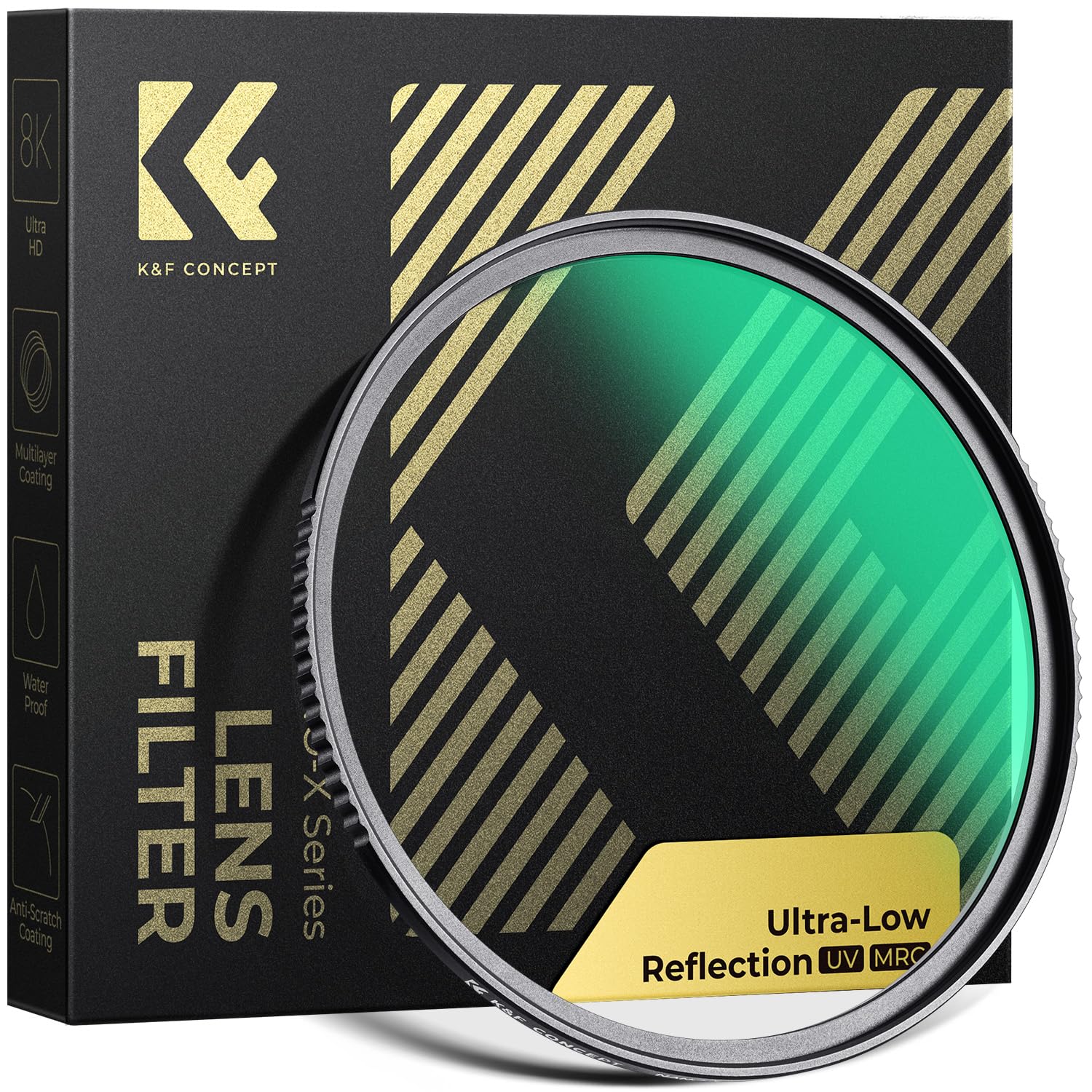
A giant 95mm shield that keeps big telephoto shots flare-free and color-true.
Built for the serious bird-and-wildlife crowd, this 95mm MCUV pushes reflectivity down to 0.1% and transmission past 99.8%, numbers that translate to clearer, more contrasty images with less lens reflection. Image quality is the trait owners mention most, and they consistently report zero sharpness or color loss even on heavy zoom glass.
You can shoot in dusty or damp conditions without worry, because the 28 double-sided coatings resist water, oil, dust, and scratches. The imported optical AGC glass keeps results crisp, and the lightweight aluminum-magnesium alloy frame holds up to field abuse. Owners fitting it on a 150-600mm zoom appreciate how well the threads grip and how easy the filter is to install and remove.
Unlike some premium filters that ship in a fabric pouch, this one comes in a hard case, which owners explicitly call out as the right way to keep a new filter free of dust. It’s lighter than you’d expect at 60 g, and while it’s not the cheapest UV on this list, buyers repeatedly call it well worth the money for protecting a big expensive lens.
The Straight Read: For large 95mm lenses, this delivers flagship-level anti-reflection and protection at a price far below the big names.
Only if: your kit actually uses 95mm threads — double-check that diameter mark before ordering.
7. Breakthrough Photography X2 67mm CPL

A rugged, weather-sealed polarizer that’s already saved a two-grand lens from a drop.
The X2 CPL pairs critically sharp Japanese AGC glass with MRC8 coating — a layer structurally harder than the glass itself — plus a nanotec finish that beads off water and dirt instead of absorbing them. Performance is what owners rave about most, with the knurled ring rotating smoothly for easy polarization adjustments from behind the viewfinder.
Its weather-sealed X2 traction frame is built for harsh fieldwork, and the filter has twice absorbed a drop that shattered the filter but left the -plus lens perfectly intact. Because the MRC8 layer is scratch-resistant and the frame is easy to grip, it’s genuinely built for the kind of outdoor shooting that destroys lesser filters.
The catch: a few owners find it gets stuck on lens threads often, sometimes needing a filter wrench to break free, which is annoying if you switch filters frequently. Still, with a 25-year Ironclad Guarantee and a serial number laser-engraved on the frame, this is a “buy once, keep forever” field tool.
Built Tough, Works Beautifully
- Weather-sealed frame survives harsh outdoor conditions
- MRC8 and nanotec coatings repel water, dirt, and scratches
- 25-year guarantee with engraved serial number
Know Before You Buy
- Reported to stick on threads, may need a filter wrench
- Premium price territory for a single polarizer
Best for: outdoor and landscape shooters who need a polarizer that survives dust, rain, and the occasional knock.
Keep in mind: if you change filters often, the thread-sticking tendency could slow you down.
8. Breakthrough Photography X4 82mm CPL

The color-neutral polarizer that kills the yellow cast other CPLs can’t avoid.
The X4 is built around SCHOTT Superwhite B270 glass made in Germany, with an advanced film that controls transmission into the infrared spectrum to avoid the yellow cast that plagues typical polarizers. Owners call its color neutrality and improved saturation the standout qualities, delivering warm, lively images without apparent colorcast.
Its 16-layer MRC plus nanotec coatings make it the most advanced polarizer in this lineup, and the quality is the single most-discussed aspect by far. Landscape and car photographers love how it deepens color, cuts glass shine, and reveals interiors through windows, and the frame markings make switching horizontal and vertical polarization easy.
Be honest about its price territory — it’s the most expensive filter here, and a head-to-head comparison against a cheaper polarizer found equal sharpness and polarization, with the X4 winning on color neutrality and grip. A few owners also note it’s thin and can be hard to remove without a rubber band, so factor that into daily use.
Why It’s the Flagship
- Most color-neutral CPL — no yellow cast on your images
- 16-layer MRC plus nanotec coating for clarity and easy cleaning
- German Schott B270 glass with 25-year support
Before You Splurge
- Premium price that some owners say is hard to justify
- Thin profile can make removal tricky without a grip aid
Pick this if: color accuracy is everything in your work and you want the most neutral polarizer money can buy for an 82mm lens.
Think twice if: you’re happy with a very good polarizer and would rather spend the difference on another lens.
Understanding the Specs
Light Transmission and Reflectivity
This pair of numbers tells you how invisible the filter is. A high transmission rate like 99.6% or 99.8% means the filter barely dims your image, while low reflectivity like 0.1% means it won’t bounce stray light back into the lens and create ghosts or flares. Budget filters often skip these high-end coatings, which is why they can soften images or add glare.
Thread Size and Filter Type
Your lens thread size, marked with a Φ or ø symbol in millimeters, is non-negotiable — a 77mm filter won’t fit a 58mm lens. Beyond that, UV filters protect and cut haze, CPL filters rotate to remove reflections and deepen skies, and ND filters block light for slow shutter speeds. Knowing which job you need done tells you which type to buy.
FAQ
How do I find my camera lens filter thread size?
Is a UV filter worth it just for lens protection?
What is the difference between a UV and a CPL filter?
Will a filter reduce my image sharpness?
What does an ND filter actually do?
Can I stack filters on top of each other?
What causes vignetting and how do I avoid it?
Is an expensive polarizer really better than a cheap one?
Final Thoughts: The Verdict
For most buyers, the camera lens filters winner is the K&F CONCEPT 77mm MC UV because it pairs 28-layer coatings with a slim frame at a price that beats the big names. If you want to cut glare and make colors pop on a 58mm lens, grab the Amazon Basics CPL. And for a rugged polarizer that survives the field with a 25-year guarantee, the Breakthrough X2 is the one to reach for.
How We Picked
We do not accept paid placement. Every pick is matched to a real buyer and a real use-case; we do not hands-on test units.
Sources & Methodology
Specifications: manufacturer listings and product documentation. Review insights: verified customer reviews, as of September 2026. Pricing: not shown on this page (it changes often); check the current price via the retailer link.
As an Amazon Associate, Gadgets Feed earns from qualifying purchases. This does not affect which products we feature.