
Our readers keep the lights on and my morning glass full of iced black tea. As an Amazon Associate, I earn from qualifying purchases.
Specs are compiled from manufacturer listings and verified buyer reviews and can change over time — please confirm the key details on the product page before buying.
The camera is the top reason people upgrade their phones, but megapixel hype and marketing claims make choosing difficult. A great photography phone excels in real-world scenarios like low-light concerts, fast-moving kids, distant wildlife, and natural skin tones. This guide evaluates ten phones based on camera hardware, reviewer feedback, and direct comparisons.
I’m Min — the founder and writer behind Gadgets Feed. This guide is built by comparing the manufacturers’ published specifications and the patterns across verified customer reviews, so you get each pick’s real strengths and trade-offs instead of marketing spin.
Whether you’re chasing a 50MP selfie camera or a periscope lens that reaches 60x, the right camera phone for photography depends on how you shoot and what you’re willing to give up elsewhere.
Our Picks at a Glance
How To Choose The Best Camera Phone For Photography
Choosing a photography phone requires looking beyond the headline megapixel count. The zoom lens type, sensor size, and image processing software matter more. These three specs will actually improve your photos.
Optical Zoom vs. Digital Zoom (The Real Distance Test)
Optical zoom uses the physical lens to magnify the image, just like a real camera — it keeps the detail sharp because the glass does the work. A dedicated telephoto or periscope lens gives you 3x to 10x optical zoom, which is the key to capturing clear shots of a performer on stage or an animal far away. What a buyer often misunderstands: the huge zoom numbers you see (like 60x or 100x) are digital zoom — the phone crops and enlarges the image in software, which quickly turns details into a blurry mess. For real photography, what matters is the optical zoom number, not the maximum digital number.
Sensor Size and Pixel Binning (The Night-Shot Secret)
A larger image sensor physically captures more light, which is the single biggest factor in whether your evening or indoor shots come out bright without grain. Pixel binning is a trick where the phone groups several tiny pixels together to act like one bigger pixel, boosting light sensitivity even further. A 1/1.4-inch sensor with pixel binning will usually produce cleaner low-light photos than a tiny sensor with a higher megapixel count alone. Look for terms like “ultra-large sensor” or a specific sensor size in inches (like 1/1.3-inch or 1/1.4-inch) as a sign the phone is serious about night photography.
Image Processing and AI Features (The Software Factor)
Hardware is only half the equation. The phone’s image processor — often called the Image Signal Processor or ISP — applies the final look to your photo: the color, the sharpness, and the skin tones. Some brands prioritize natural, accurate colors, while others boost saturation for a more dramatic look. Features like Google’s “Camera Coach” or an AI tool that helps frame your shot can be genuinely useful for a beginner. What a buyer often overlooks: a phone with great software can make a mid-range sensor produce better-looking photos than a high-end sensor paired with poor processing. Reading real buyer comments about skin tones and color accuracy is often more useful than comparing spec sheets.
Quick Comparison
| Model | Best For | Main Camera | Optical Zoom | Battery | Amazon |
|---|---|---|---|---|---|
| Google Pixel 10★ Best Overall | Software Excellence | Triple (5x telephoto) | 5x (20x Super Res) | 4970mAh | Amazon |
| iPhone 17 ProAlso Great | Best Overall | 48MP (Triple) | 8x (optical-quality) | 33 hrs video | Amazon |
| Xiaomi 17 UltraOptics Master | Pro-Level Optics | 50MP + 200MP Telephoto | Leica 100mm equiv. | 6000mAh | Amazon |
| Motorola Razr Ultra 2025 | Foldable & AI | 50MP | — | 36 hrs mixed | Amazon |
| Samsung Galaxy S23 Ultra (Renewed) | S Pen & 200MP | 200MP (Quad) | 10x (100x Space Zoom) | 5000mAh | Amazon |
| Samsung Galaxy S24+ (Renewed) | Mid-Range Power | 50MP (Triple) | 3x | 4900mAh | Amazon |
| Nothing Phone (3a) Pro | Value Zoom | 50MP (50MP periscope) | 3x (60x ultra) | 5000mAh | Amazon |
| Google Pixel 10a | Budget All-Rounder | Dual Camera (AI) | — | 4300mAh | Amazon |
| Ulefone Armor 26 Ultra | Rugged & Battery | 200MP (Quad) | 3.2x | 15600mAh | Amazon |
In‑Depth Reviews
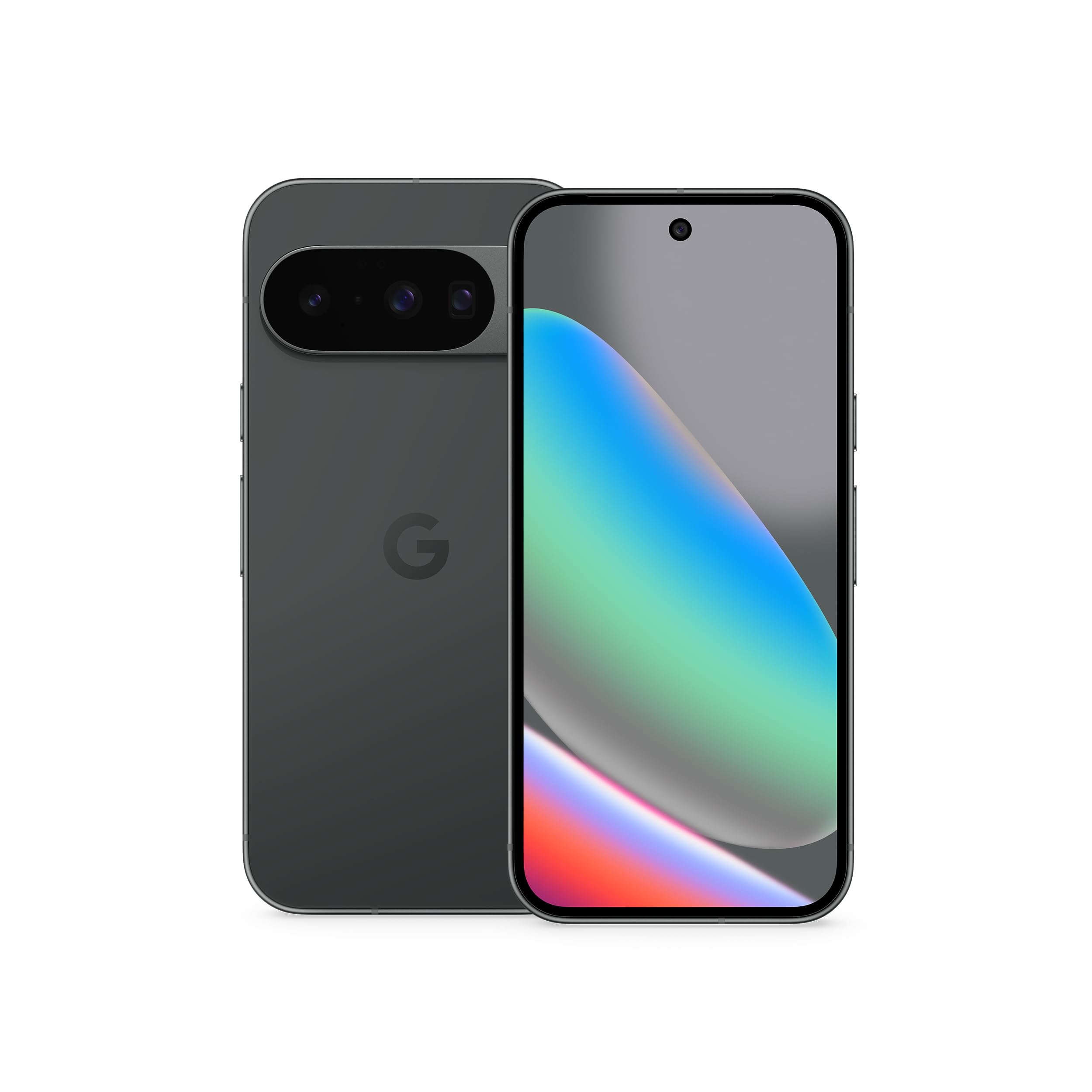
1. Google Pixel 10 (128 GB)
Our pick — 4.5★ from 700+ verified ratings; the strongest balance of quality and price.
The phone that makes taking incredible photos nearly easy, with a 5x optical telephoto lens.
The Google Pixel 10 is the benchmark for photography software. Its new 5x optical telephoto lens, combined with up to 20x Super Res Zoom, is a massive leap forward for the Pixel line and gets you closer to the action than the Nothing Phone (3a) Pro’s 3x optical zoom. While the Pixel 10’s battery capacity is 4970mAh, it has a lower talk time average of 20.5 hours compared to the Nothing Phone (3a) Pro’s 45 hours — so heavy shooters might need a mid-day top-up.
The upgraded triple rear camera system includes a new 5x telephoto lens, and the Night Sight mode takes crisp, clear photos in low light. A helpful feature is “Camera Coach,” which guides you to frame your best shot. The phone is built with scratch-resistant Corning Gorilla Glass Victus 2 and carries an IP68 rating for water and dust protection. The 3000-nit Actua display is easy to read in direct sunlight, though it is not as bright as the Nothing Phone (4a) Pro’s 5000-nit panel.
Reviewers point out the camera is “fantastic” and that the phone is a “great choice,” but one noted a key issue: “I’ll wake up in the morning to find it’s dropped 7-10% overnight, even with power saving mode on.” The battery drain is a real concern for some, though a restart after a full charge seems to help.
What shines
- Excellent 5x optical telephoto combined with Google’s top-tier image processing.
- Camera Coach and Night Sight make advanced photography accessible.
- Clean, fast Android experience with no bloatware.
What to know
- Significant overnight battery drain reported by some users.
- Battery life is lower than competitors like the Nothing Phone (3a) Pro.
- The phone is noted as a “bit heavy” by some users.
Best for the software-first photographer: If you want the smartest camera software with a great 5x zoom and a clean Android experience, the Pixel 10 is a fantastic choice.
Consider another option if: Consistent all-day battery life is your absolute top priority. The Nothing Phone (3a) Pro offers significantly longer talk time.
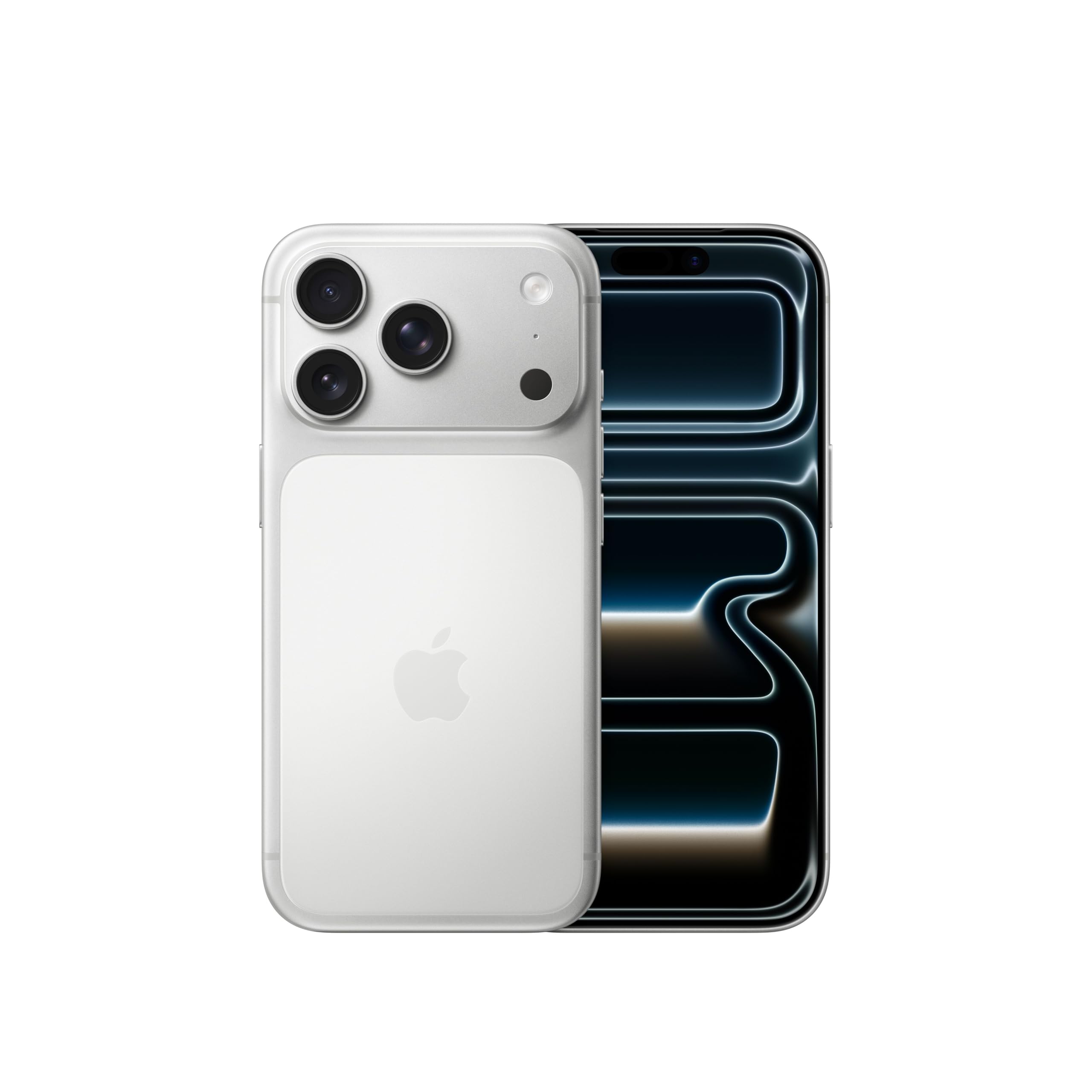
2. iPhone 17 Pro Silver 512GB (open up)
The most powerful iPhone camera system yet, built for shooters who want every lens to be pro-grade.
If you are looking for a phone where every single rear camera is a serious tool, the iPhone 17 Pro changes the game. Apple put a 48MP sensor behind all three rear lenses — the main, the ultrawide, and the telephoto — so you are not sacrificing quality when you switch focal lengths. The 8x optical-quality zoom range means you can go from a wide landscape to a tight portrait shot without the image falling apart, a flexibility that the Pixel 10’s 5x optical lens can’t quite match.
The A19 Pro chip, which Apple says is vapor-cooled for better sustained performance, handles heavy video processing without overheating. This matters for anyone shooting 4K or 8K footage for longer periods. The unibody design frees up space for a bigger battery, giving you up to 33 hours of video playback — a huge jump over previous iPhones. The 18MP Center Stage front camera is smarter for group selfies, and the Dual Capture video feature lets you record from the front and rear cameras at the same time, which is a unique trick for vloggers.
Buyers report that the phone arrived sealed and ready to go, but the premium price tag is significant, and iOS is its own ecosystem. The lack of a periscope lens means its zoom, while excellent, is not reaching the 140x ultra-zoom territory of the Nothing Phone (4a) Pro.
The go-to for serious shooters: If you want a unified, high-end camera system where every lens is equally capable, the iPhone 17 Pro is the most complete package here, especially for video creators and those invested in the Apple ecosystem.
Reach for this if: You need a phone where the wide, ultra-wide, and telephoto cameras all produce top-tier 48MP photos and you rely on the Apple ecosystem.
Consider something else if: You need a super-long zoom for wildlife or distant subjects; phones with a periscope lens will get you closer without digital cropping.
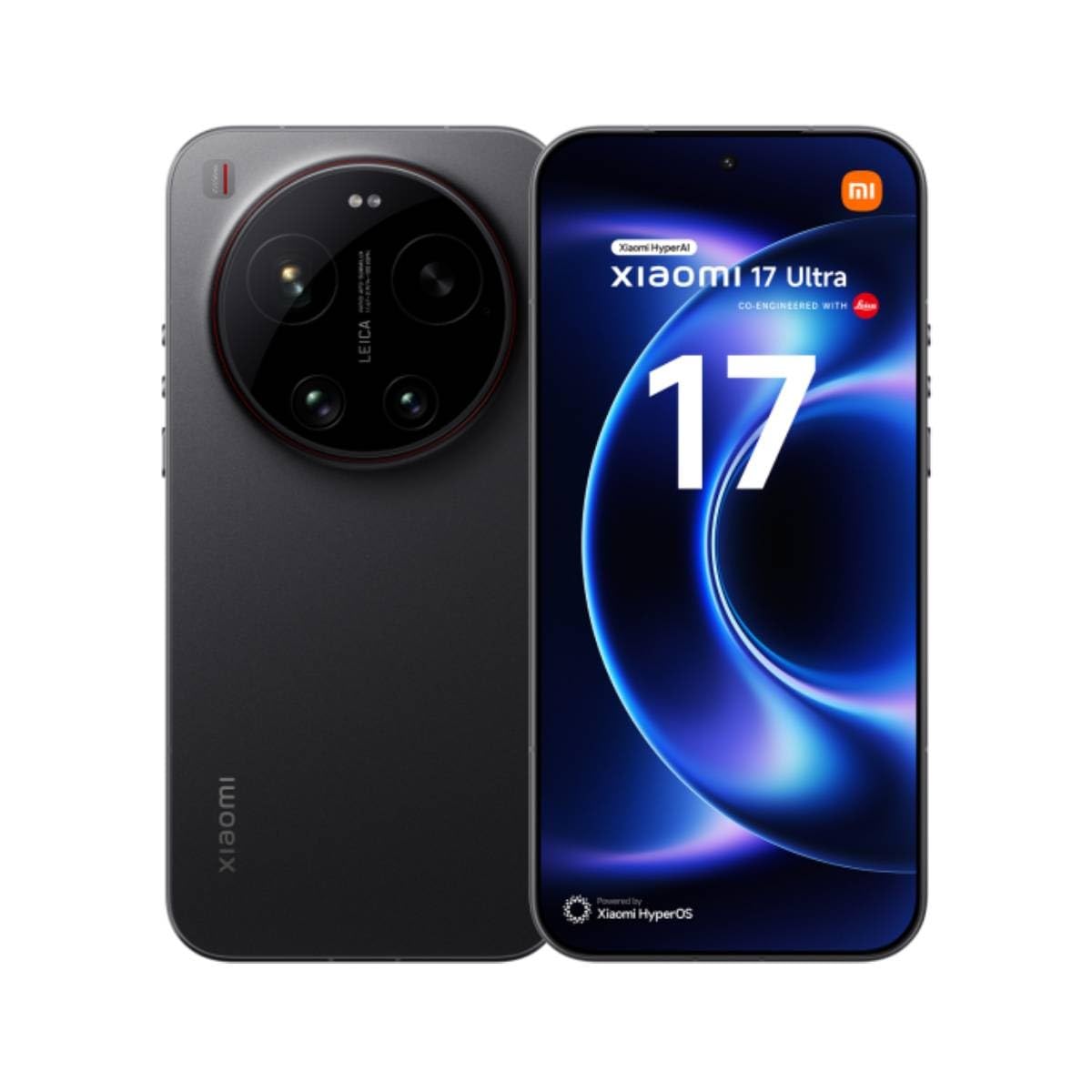
3. Xiaomi 17 Ultra Ai 5G (512GB + 16GB)
A Leica collaboration that brings a professional-grade optical zoom to your pocket.
For the photographer who prioritizes pure optical quality above all else, the Xiaomi 17 Ultra is a standout. Its partnership with Leica delivers a Summilux optical lens system that starts with a massive 1-inch 50MP main sensor and adds a dedicated 200MP periscope telephoto lens with a 100mm equivalent focal length. This combination of a large sensor and a dedicated telephoto lens means you get clean, natural photos with real depth, making the 8x zoom on the iPhone 17 Pro feel more conservative.
One of the biggest upgrades over the Xiaomi 14 is the sheer speed and display. Buyers who upgraded say the 17 Ultra is “extremely fast” with a bright, saturated 6.9-inch AMOLED display that hits 3500 nits peak brightness. The 6000mAh battery is enormous, and owners mention it lasts nearly a full day of heavy use, with lighter usage stretching to two days. The phone also supports 90W wired and 50W wireless charging, so you are not tethered to a wall for long.
The major catch with the Xiaomi 17 Ultra is network compatibility. It is an international model with no US warranty, and it only works reliably with T-Mobile and its prepaid carriers (like Mint and Tello). It is explicitly not compatible with Verizon, AT&T, or Cricket. Buyers also note that the Xiaomi software has excessive ads, though they can be disabled with some tinkering.
For the serious photographer: The Xiaomi 17 Ultra is the pick for anyone who values genuine Leica optics and a massive sensor for the most detailed, professional-looking photos possible, provided they are on the right carrier.
Choose this for: The absolute best camera hardware and Leica color science on a phone, plus a huge battery and stunning display.
skip it if: You are on Verizon, AT&T, or need a US warranty. This phone’s network compatibility is its biggest limitation.
5. Motorola Razr Ultra 2025 (16/512GB)

The most advanced flip camera system packed into a stylish foldable design.
The Razr Ultra 2025 proves that a foldable phone can also be a serious photography tool. The 50MP camera system, powered by moto ai, is designed for capturing photos from creative angles that are impossible with a traditional bar phone — you can set it on a table and use the outer screen as a viewfinder for hands-free group shots. Buyers who upgraded from a Samsung Z Flip 5 report the camera quality is a “huge upgrade” and that the phone feels more durable.
Performance is top-tier thanks to the Snapdragon 8 Elite processor, and the 36-hour battery life means you rarely need a midday charge. The fast 68W TurboPower charging can fill the battery in about 40 minutes. The 512GB of storage is generous for a photographer who shoots a lot of 4K video or RAW photos, and the phone is universally open up for all major US carriers, unlike the Xiaomi 17 Ultra.
The trade-off for the foldable form factor is the lack of a dedicated telephoto zoom lens. You have to rely on digital crop from the 50MP sensor, which is good but not in the same league as the 3.5x or 5x optical lenses found on other phones here. One reviewer noted the phone was not truly open up, so you must verify the seller’s guarantee before purchase.
Perfect for the stylish creator: If you value portability and creative shooting angles over extreme zoom, the Razr Ultra 2025 is a fast, fun, and very capable camera phone that folds to fit in any pocket.
Ideal for: Those who want a unique, compact, and fast flip phone with a great 50MP camera and fantastic battery life.
Look elsewhere for: A dedicated optical zoom lens. For distant shots, the Nothing Phone (3a) Pro or Samsung Galaxy S23 Ultra are better choices.
6. Samsung Galaxy S23 Ultra 5G (Renewed, 512GB)

A former flagship with an class-leading 200MP camera system and 10x optical zoom, now at a lower price.
The Galaxy S23 Ultra remains a photography powerhouse, even as a renewed model. Its camera system is the most versatile on this list: a 200MP main sensor, a 3x telephoto, and a dedicated 10x periscope telephoto lens. This 10x optical zoom is a genuine advantage, allowing you to capture subjects at a distance with sharpness that the 3.5x optical zoom on the Nothing Phone (4a) Pro cannot match. The 100x Space Zoom is a fun trick, though image quality degrades significantly past about 30x.
The 6.8-inch Dynamic AMOLED 2X display with a 1-120Hz adaptive refresh rate and an S Pen stylus for note-taking and drawing make it a productivity beast. The Snapdragon 8 Gen 2 processor handles gaming and video editing with ease. With a 5000mAh battery, the S23 Ultra’s 18-hour average battery life is on par with many current flagships.
The biggest consideration is that this is a renewed (refurbished) device. While most shoppers say it “has worked well” and looks “like new,” one buyer mentioned that the back cover fell off after a year due to poor refurbishment work. The quality of the refurbished unit can vary significantly depending on the seller.
The smart buyer’s powerhouse: If you can accept the risk of a renewed phone, the S23 Ultra offers pro-level photography tools, including a 10x optical zoom and S Pen, for a much lower price than the current flagships.
Best for: Photographers who want a true 10x optical zoom and a 200MP sensor without paying today’s flagship prices.
Beware of: The refurbishment quality. It is a fantastic phone if you get a good unit, but the risk is higher than buying new.
7. Samsung Galaxy S24+ Plus 5G (Renewed, 256GB)

A great display and solid all-day battery make this renewed Galaxy a well-rounded photography companion.
If you want a Galaxy S-series experience at a lower cost, the S24+ is a strong mid-range flagship. The 6.7-inch Dynamic AMOLED 2X QHD+ display with a 1-120Hz adaptive refresh rate and 2,600 nits peak brightness is a joy for viewing and editing photos. The triple-rear camera (50MP main, 12MP ultrawide, 10MP telephoto with 3x optical zoom) is a capable but not class-leading setup. The 4900mAh battery offers an average life of 18 hours, compared to the Pixel 10’s 12.08 hours.
Performance is smooth thanks to 12GB of RAM, making multitasking and editing apps a breeze. Buyers report the renewed phone “arrived quickly in like-new condition” with “fast performance” and “excellent battery life (65%+ after heavy use).” The IP68 dust and water resistance provides confidence. The 45W wired charging can get you a full charge in about 59 minutes, which is faster than the Pixel 10.
As with any renewed phone, the experience depends on the seller. One buyer had a negative experience where a T-Mobile model was flagged as stolen. The 3x optical zoom is serviceable, but it is far less impressive than the 5x or 10x zoom on other phones in this guide.
A reliable, balanced choice: The Galaxy S24+ is perfect for someone who wants a great screen, solid battery life, and decent 3x zoom in a reliable flagship, especially as a renewed bargain.
Go with this if: You value a bright, sharp display for content consumption and want a good all-rounder with a capable 3x zoom camera.
Don’t buy if: You need a longer zoom range. The 3x optical zoom feels limited compared to the 5x or 10x options available.
8. Nothing Phone (3a) Pro (12+256GB)

The phone that proves great zoom photography doesn’t have to cost a fortune.
The Nothing Phone (3a) Pro is a mid-range champion, specifically for its periscope zoom. It features a 50MP Periscope lens with 3x optical zoom and up to 60x ultra zoom, which is a genuinely impressive tool for a phone at this price point. For the money, this zoom range is tough to top, and owners mention the “3× periscope telephoto” is excellent. The phone’s 5000mAh battery is massive, offering up to 45 hours of talk time — a 2.2x gap over the Pixel 10’s 20.5 hours, so heavy users and travelers will appreciate the stamina.
The 50MP front-facing selfie camera is a big deal for content creators, supporting 4K video recording. The 6.77-inch 120Hz AMOLED display hits 3000 nits peak brightness, making it easy to compose shots in sunlight. The Snapdragon 7s Gen 3 processor offers solid performance, and the 50W fast charging reaches 50% in just 20 minutes. The unique transparent design with a Glyph interface is a conversation starter.
The phone’s 5G connectivity is a bit of a minefield. It works with T-Mobile and AT&T, but is “not recommended” for Verizon, requiring manual IMEI registration. It doesn’t have the premium feel of the aluminum-bodied Nothing Phone (4a) Pro, and its 60x ultra zoom, while fun, is mostly digital and gets soft at the longest ranges.
The big wins
- Excellent 50MP periscope camera with 60x zoom for its price range.
- Long battery life with 45 hours of talk time and fast 50W charging.
- Unique, stylish design with a clean, bloat-free OS.
The trade-offs
- Incompatible with Verizon; limited 5G band support for some carriers.
- Build uses plastic rather than the premium aluminum of the 4a Pro.
- Ultra zoom quality degrades significantly past 3x optical range.
Ideal for the budget zoom hunter: If your top priority is getting the best zoom camera for the lowest price, especially for concerts or sports, this is the phone to beat.
Not for you if: You are on the Verizon network or want a premium metal unibody design.
9. Google Pixel 10a (128 GB)
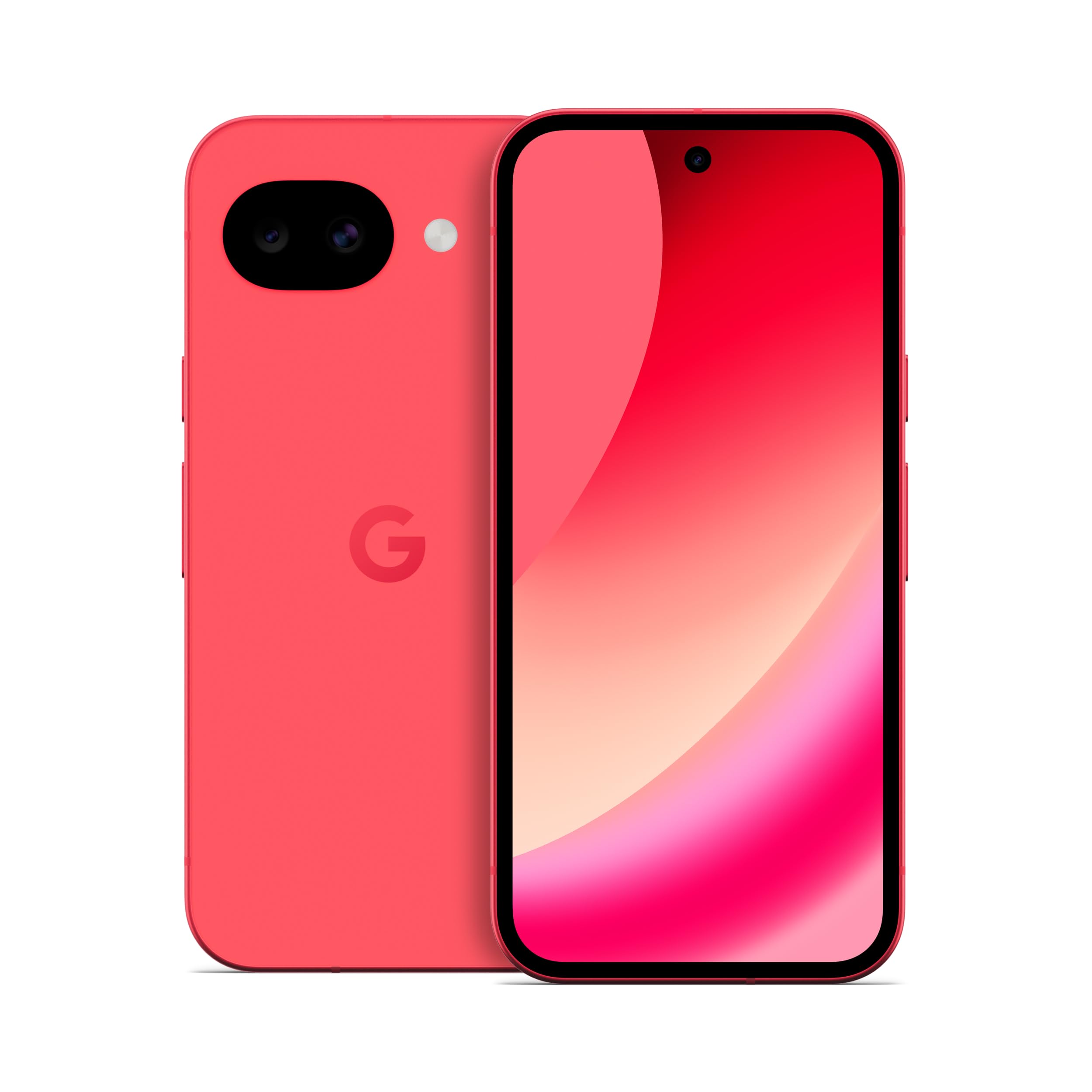
Google’s smart software and a durable build meet a very capable camera at a friendlier price.
The Pixel 10a is the entry-level photography phone that doesn’t feel entry-level. While it lacks a dedicated telephoto lens, it still captures “crisp, colored, and detailed” photos, according to buyers, thanks to Google’s excellent image processing. The “top-tier Pixel 10a camera” is boosted by features like Camera Coach, Add Me for group shots, and Auto Best Take to make sure everyone looks their best.
The battery life is a standout feature here. With a 30+ hour battery life, the Pixel 10a’s 4300mAh battery is a great performer, easily lasting a full day. The phone is also physically durable, with a scratch-resistant Corning Gorilla Glass 7i display and IP68 water and dust protection. The 3000-nit Actua display is bright and clear, and the compact, slim design fits easily into a tight pocket. It also comes with 7 years of OS and security updates, which is excellent value for the long term.
The lack of a telephoto zoom is the main limiting factor for a photographer. You are relying on digital zoom for distant subjects, which will never be as sharp as the 3x optical zoom on the Nothing Phone (3a) Pro. Also, its battery capacity of 4300mAh is smaller than the 5000mAh battery in the Nothing Phone (3a) Pro.
The smart budget pick: The Pixel 10a is perfect for the photographer who wants great point-and-shoot photos, long battery life, and a durable phone without paying for a telephoto lens they might not use.
Reach for this if: You want a simple, reliable phone with a fantastic camera for everyday shots, excellent battery life, and long-term software support.
Consider the Nothing Phone (3a) Pro if: You often shoot distant subjects and need a periscope zoom lens.
10. Ulefone Armor 26 Ultra 5G (24GB+512GB)

A tank of a phone with a 15600mAh battery and a 200MP camera, but heavy as a brick.
The Ulefone Armor 26 Ultra is built for those who need a phone that can survive a construction site or a weekend in the wilderness, and still take a decent photo. Its 200MP main camera with a Samsung ISOCELL HP3 sensor sounds impressive on paper, and it is paired with a 64MP Night Vision camera and a 50MP front camera. However, this is the most cautionary pick in the guide. Customers note the 200MP photos are disappointing, with one saying a “200MP image is worst than image taken with 50MP phone.” This is a classic case of a spec not matching real-world performance.
The 15600mAh battery is the standout feature. This is a massive battery that supports 120W flash charging and even 33W dock charging, and it provides a 56-hour talk time. The 6.78-inch FHD+ 120Hz display with Corning Gorilla Glass 5 is protected by the rugged frame. The 121dB Thunder Speaker is loud enough for job sites or outdoor gatherings. It meets MIL-STD 810H and IP68/IP69K standards for supreme protection against water, dust, and drops.
This phone is extremely heavy at 609g (1.34 lbs) and thick at 1.0 inches. It barely fits in a standard pocket. Its camera is a major letdown for the spec sheet, and it runs on Android 13, which is an older OS. It is a niche tool, not an everyday photography phone.
The brutal positives
- Unbelievably long battery life with 15600mAh and fast 120W charging.
- Extremely durable with IP68/IP69K and MIL-STD 810H ratings.
- Loud 121dB speaker for outdoor environments.
The tough negatives
- 200MP camera takes poor photos for the spec; image quality is a major disappointment.
- Extremely heavy (609g) and thick, making it hard to pocket.
- Runs an older Android 13 OS.
Only for the extreme user: This is a life-support tool for those who need class-leading battery life and ruggedness above all else. The camera is a secondary feature that underdelivers.
Skip it completely if: You care about camera quality first and foremost. Its 200MP sensor is misleadingly poor, and it cannot compete with any other phone on this list for photography.
Understanding the Specs
Optical Zoom vs. Digital Zoom
Optical zoom uses the physical glass inside the lens to magnify the image, so the picture stays sharp and detailed even when you zoom in. A “3x optical zoom” means the lens can physically magnify the image by three times. Digital zoom, on the other hand, simply crops the image and tries to enlarge the remaining pixels using software. That huge “60x” or “100x” number you see is digital zoom — it’s fine for a fun snapshot, but the result will look blurry and soft compared to a shot taken at a true optical zoom.
Sensor Size and Megapixels
The image sensor is the part of the camera that captures light. A larger sensor, like a 1/1.4-inch sensor, collects more light, which is the single most important factor for clean, noise-free photos in low light. Megapixels (MP) measure the resolution, or how many tiny dots make up the picture. A 200MP sensor sounds powerful, but to fit that many pixels on a small phone sensor, each pixel must be very small, which can hurt low-light performance. This is why a 48MP or 50MP sensor on a larger physical sensor often produces better-looking photos than a 200MP sensor on a smaller one.
FAQ
Is a 200MP camera on a phone actually better than a 50MP camera?
Will an open up phone work on Verizon, AT&T, and T-Mobile?
What does a periscope lens do?
What is the benefit of optical image stabilization (OIS) for photography?
How long do battery cycles last on a modern smartphone?
Is a renewed or refurbished phone worth buyingfor a photography phone?
What is an IP68 rating and why does it matter for a camera phone?
What is the difference between a main camera and an ultra-wide camera?
Does the Nothing Phone (4a) Pro work with the Verizon network?
What is the advantage of the Motorola Razr Ultra 2025’s flip form factor for photography?
Final Thoughts: The Verdict
For most buyers, the camera phone for photography winner is the iPhone 17 Pro because it offers the most complete, consistent pro camera system with all 48MP lenses and 8x optical-quality zoom. If you want the absolute best zoom range and Leica optics, grab the Xiaomi 17 Ultra. And for the best value zoom on a budget, the standout is the Nothing Phone (3a) Pro.
How We Picked
We do not accept paid placement. Every pick is matched to a real buyer and a real use-case; we do not hands-on test units.
Sources & Methodology
Specifications: manufacturer listings and product documentation. Review insights: verified customer reviews, as of July 2026. Pricing: not shown on this page (it changes often); check the current price via the retailer link.
As an Amazon Associate, Gadgets Feed earns from qualifying purchases. This does not affect which products we feature.