
The line between a flagship camera phone and a mid-range contender has never been thinner. You no longer need to spend a thousand dollars to get a primary sensor with optical image stabilization, a dedicated telephoto lens, or computational photography that rivals a point-and-shoot. For the buyer targeting the sub-$500 bracket, the choice is no longer about finding a phone that “takes okay pictures” — it’s about finding the specific sensor, image processing chipset, and lens combination that delivers the real-world photo quality you need.
I’m Min — the co-founder and writer behind Gadgets Feed. After spending dozens of hours dissecting sample images, comparing sensor sizes, and analyzing the real-world low-light performance and zoom capabilities of the current batch of contenders, I’ve ranked them by which cameras actually earn their keep.
Whether you’re after a periscope zoom for concert photography or a reliable point-and-shoot with great AI editing, here is everything you need in a best camera phone under $500.
How To Choose The Best Camera Phone Under $500
Between the raw hardware and the software that processes the image, the sub-$500 camera phone market is more nuanced than its price suggests. Before you buy, understand what actually improves your photos: the sensor behind the lens, the stabilization that keeps your frames steady, and the zoom that gets you closer without turning the image to mush.
Sensor Size vs. Megapixels
A 200MP sensor sounds like it will out-shoot every other phone on the shelf, but pixel count alone is a trap. The physical sensor size (usually expressed as a fraction like 1/1.4”) dictates how much light each pixel catches. A larger sensor paired with 50MP pixels that bin into 2.24µm super-pixels — as you see in the best mid-range cameras — will consistently outperform a tiny sensor crammed with 200MP of tiny, noise-prone pixels. Prioritize sensor size and pixel-binning quality over a raw megapixel number.
The Stabilization Factor (OIS)
Optical Image Stabilization physically moves the lens module to counteract your hand shake. In a phone at this price point, OIS is the single biggest differentiator for low-light and evening photography — it lets the camera use slower shutter speeds without blurring the frame. If you shoot indoors, at dusk, or from a moving car, you want OIS on the primary sensor; without it, even a great sensor will produce blurry frames when the light drops.
Optical Zoom vs. Digital Crop
A true optical zoom lens — like a 3x periscope or telephoto lens — lets you reach distant subjects without losing detail. A digital zoom is just a crop and upscale of the main sensor, which introduces noise and artifacts. In the sub-$500 class, only a handful of phones include a dedicated telephoto or periscope module. If you frequently shoot at concerts, sports events, or wildlife, that optical reach is a necessity; otherwise, a high-quality main sensor with decent Super Res Zoom (using multi-frame stitching) may be enough.
Computational Photography & AI Processing
The chipset and software that process the raw data from the camera are as critical as the sensor itself. Google’s Tensor chip and Samsung’s Image Signal Processor using AI scene optimization can dramatically improve dynamic range, skin tones, and noise reduction. A phone with a mid-range sensor and a top-tier computational pipeline (like the Pixel or Galaxy A-series) will often beat a phone with a better sensor and a weak ISP. Always check recent samples before buying.
Quick Comparison
On smaller screens, swipe sideways to see the full table.
| Model | Category | Best For | Key Spec | Amazon |
|---|---|---|---|---|
| Google Pixel 9a | Premium Mid-Range | Best overall camera + AI | 50MP main w/ OIS, 30hr battery | Amazon |
| Nothing Phone (3a) Pro | Premium Mid-Range | Periscope zoom reach | 50MP periscope, 60x zoom | Amazon |
| Motorola Edge 2025 | Premium Mid-Range | Durable build + fast charging | 50MP OIS, 5200mAh battery | Amazon |
| Samsung Galaxy S23+ (Renewed) | Premium Flagship | Versatile triple camera system | 50MP+12MP+10MP, 3x optical | Amazon |
| Samsung Galaxy A56 5G | Mid-Range | Balanced Samsung experience | 50MP main, 6.7″ AMOLED | Amazon |
| Google Pixel 7 | Mid-Range | Clean Android + great photos | Google Tensor G2, 50MP | Amazon |
| XIAOMI Redmi Note 14 Pro+ | Mid-Range | 200MP sensor + fast charging | 200MP OIS, 120W HyperCharge | Amazon |
| BLU Bold N4 5G | Mid-Range | 512GB storage + dual display | 50MP triple, 66W charging | Amazon |
| MMY 16PROMA X | Budget Rugged | Extreme battery + night vision | 108MP, 22000mAh, IP68 | Amazon |
In‑Depth Reviews
1. Google Pixel 9a

The Google Pixel 9a punches well above its weight class, largely because Google dedicated its top-tier computational photography pipeline to this device. The 50MP primary sensor with OIS captures images with the same TrueLens Engine and AI-driven HDR+ processing found in the flagship Pixel 9 series. Photos come through with natural skin tones, excellent highlight recovery, and minimal noise — often indistinguishable from phones costing twice as much. The built-in Gemini AI assistant also lets you use tools like Add Me and Best Take to fix group shots without any manual editing.
The 6.3-inch Actua display provides a sharp 120Hz refresh rate that makes composing shots fluid, and the 5100mAh battery easily delivers the advertised 30-plus hours of mixed use. This is also the most durable Pixel A-series phone yet, with an IP68 rating against water and dust and a scratch-resistant display. The camera app itself is snappy, with minimal shutter lag — a huge advantage when trying to capture moving subjects like kids or pets.
Where the Pixel 9a falls short is in zoom reach — you get a capable digital zoom, but no dedicated telephoto lens. For most users, the 50MP main sensor combined with Google’s Super Res Zoom produces clean results up to about 5x. The 13MP ultrawide lens is solid but not class-leading. If your photography rarely requires optical zoom, this phone delivers the best all-around image quality in the price bracket.
Why it’s great
- Best-in-class computational photography with natural color science
- Fast and fluid 120Hz display with reliable on-screen fingerprint scanner
- Seven years of guaranteed OS and security updates
Good to know
- No dedicated telephoto lens — digital zoom quality degrades past 5x
- Charging tops out at relatively modest wattage compared to Xiaomi rivals
2. Nothing Phone (3a) Pro

The Nothing Phone (3a) Pro is a unique beast in the sub-$500 space because it brings a 50MP periscope telephoto lens with 3x optical zoom and 60x ultra zoom — hardware you would expect only from a + flagship. At 3x, images are crisp, detailed, and stabilized by OIS, making it ideal for concert photography, sports, or architectural details. The 60x digital zoom is obviously limited by physics (motion artifacts appear at full stretch), but having real optical reach available in this price range is a huge differentiator.
The 6.77-inch flexible AMOLED display hits a peak of 3,000 nits, which means you can see your frame composition clearly even in harsh direct sunlight — a practical advantage for outdoor shooting. The 50MP front-facing selfie camera is also a rarity at this price, producing social-ready images with professional-grade skin tones. Under the hood, the Snapdragon 7s Gen 3 chipset provides a clean, responsive experience with Nothing OS 3.0, including Deep ChatGPT integration and the physical Essential Key for quick voice memos and screen captures.
The main caveat: the phone’s camera software tends to show motion artifacts on the digital zoom side at extremes, and the gesture navigation system takes a few days to master. Battery life is a strong suit — the 5000mAh cell supports up to two days of moderate use with 50W fast charging. If your top priority is optical zoom reach, the Nothing Phone (3a) Pro is the clear choice here.
Why it’s great
- True periscope 3x optical zoom is unmatched at this price point
- 3000-nit peak brightness for outdoor visibility
- 50MP selfie camera with 4K video capture
Good to know
- 60x digital zoom produces motion artifacts beyond 10x
- Limited carrier compatibility — Verizon requires manual IMEI registration
3. Motorola Edge 2025

The Motorola Edge 2025 returns to the mid-range with a well-rounded camera package that prioritizes durability and charging speed. Its 50MP primary sensor with OIS delivers reliable shots in good light, and the dedicated moto ai processing helps balance exposure and color in mixed conditions. While it doesn’t have the computational mastery of the Pixel, it produces natural-looking images with accurate white balance and minimal over-sharpening — a hallmark of Motorola’s camera tuning in recent years.
The 6.7-inch Super HD (1220p) display with Dolby Atmos sound makes it a fantastic media consumption device as well, and the 5200mAh battery represents one of the largest capacities in this roundup. The killer feature is the 68W TurboPower charging — the phone goes from depleted to a full day of use in just six minutes, according to Motorola’s claims. The build quality is also military-grade certified with IP68/IP69 water and dust resistance, which is exceptional in this price segment.
Where it loses ground is in camera versatility: there is no dedicated telephoto lens, and zoomed-in shots soften noticeably at 5x. The MediaTek Dimensity 7400 chip is sufficient for everyday use but not optimized for heavy gaming or video editing. For a buyer who needs a robust, all-day phone with fast charging and a solid primary camera, the Edge 2025 is a strong contender.
Why it’s great
- Massive 5200mAh battery with blistering 68W charging speed
- Military-grade durability with IP68/IP69 rating
- Beautiful 1220p resolution display with Dolby Atmos
Good to know
- Camera performance lacks dedicated optical zoom
- No microSD slot for expandable storage
4. Samsung Galaxy S23+ (Renewed)

The Samsung Galaxy S23+ renewed unit brings true flagship camera hardware into the sub-$500 conversation. Its triple-lens rear array includes a 50MP main sensor with OIS, a 12MP ultrawide, and a 10MP telephoto with 3x optical zoom. This versatility means you can shoot wide landscapes, standard portraits, and mid-range zoomed subjects without any loss of detail. The Snapdragon 8 Gen 2 for Galaxy is still one of the fastest mobile chips available, ensuring zero shutter lag and real-time HDR processing for burst shots.
The 6.6-inch Dynamic AMOLED 2X display with an adaptive 48-120Hz refresh rate is a visual treat, while the 4700mAh battery — combined with 45W wired charging — provides a full day of heavy use. Build quality is vintage Samsung flagship: Gorilla Glass Victus 2 front and back, an Armor Aluminum frame, and IP68 water resistance. The phone feels dense and premium in hand, and the camera software includes Expert RAW mode for manual shooters who want to fine-tune their exposure.
The main risk with a renewed unit is variability in cosmetic condition and battery health — though all the listings in our research came from reputable third-party sellers with no-questions-asked returns. The S23+ is also noticeably heavier than the mid-range options due to its metal construction. If you can accept a refurbished device, this is the most capable camera system available under $500.
Why it’s great
- Flagship three-lens setup with true 3x optical zoom
- Blazing Snapdragon 8 Gen 2 performance for zero-lag shooting
- Premium 120Hz AMOLED display with Vision Booster
Good to know
- Renewed condition — cosmetic wear possible; battery health varies
- Heavier build compared to newer mid-range phones
5. Samsung Galaxy A56 5G

The Samsung Galaxy A56 5G is the most balanced mid-range option from Samsung in 2025, featuring a 50MP main camera with OIS and a 12MP ultrawide lens for versatile shot composition. Samsung’s Awesome Intelligence suite includes AI photo editing tools like Best Face and Auto Trim, which intelligently fix expressions and crop out useless frames from videos. The image processing pipeline tends to saturate colors slightly — characteristic of Samsung’s tuning — which many users prefer for social media uploads without manual editing.
The 6.7-inch Super AMOLED display is one of the largest and sharpest in the sub-$500 segment, with FHD+ resolution and a smooth 120Hz refresh rate. The 5000mAh battery with 45W Super Fast Charging 2.0 will get you through a full day of heavy camera use and recharge quickly. Samsung also offers six years of OS and security updates, making this a solid long-term investment if you plan to keep it for years.
Where the A56 falls short vs. the Pixel 9a is in low-light performance — the sensor and ISP don’t handle extreme shadows as cleanly. It also lacks a dedicated telephoto lens, relying on digital zoom up to 10x that loses fine detail. For daylight and well-lit indoor shots, the A56 is a very capable phone camera, and the light, slim design (compared to the A54) makes it easy to carry everywhere.
Why it’s great
- Large 6.7-inch AMOLED display with 120Hz refresh rate
- Solid AI photo editing features for casual shooters
- Six years of OS and security updates
Good to know
- Low-light noise is higher than Pixel 9a or S23+
- Digital zoom only — no optical telephoto lens
6. Google Pixel 7

The Google Pixel 7 may be a year older than the Pixel 9a, but it still produces stunning photos thanks to the Tensor G2 chip and Google’s unrivaled computational photography. The 50MP main sensor and 12MP ultrawide capture images with the same HDR+ and Night Sight algorithms that made the Pixel series famous — natural dynamic range, accurate skin tones, and clean detail even in low light. The 8x Super Res Zoom using multi-frame alignment often beats dedicated 2x telephoto lenses from other mid-range phones.
The 6.3-inch FHD+ OLED display runs at 90Hz — not as smooth as the 120Hz on newer models, but still fluid for scrolling and media consumption. The 5000mAh battery adaptively lasts over 24 hours, with Extreme Battery Saver pushing to 72 hours. The package also includes IP68 water resistance and Gorilla Glass Victus for everyday durability. For users coming from a Samsung or OnePlus, the clean, bloat-free Android experience is a major relief.
The drawbacks are noteworthy: the fingerprint sensor is unreliable for many users (face unlock is the more consistent alternative), and the Tensor G2 chip runs hot under sustained gaming loads, causing throttling. Camera fans will also miss the dedicated macro mode found on the Pixel 9a. That said, at its current street price, the Pixel 7 is a top-tier photography bargain.
Why it’s great
- Excellent computational photography with Night Sight and Magic Eraser
- Smooth 90Hz display and clean stock Android experience
- 8x Super Res Zoom effective for subjects up to moderate distance
Good to know
- Fingerprint sensor reliability is inconsistent
- Tensor G2 runs hot during extended gaming sessions
7. XIAOMI Redmi Note 14 Pro+

The Redmi Note 14 Pro+ goes all-in on raw hardware with a 200MP main sensor that uses 16-in-1 pixel binning to produce large 2.24µm pixels for better light capture. In well-lit conditions, the 200MP mode captures fine detail that can be cropped significantly. The 8MP ultrawide and 2MP macro lenses are more basic, but the main sensor does the heavy lifting. The portrait mode and night mode are surprisingly good for a phone in this price band, thanks to OIS that steadies the large sensor.
The 6.67-inch CrystalRes AMOLED display offers 1.5K resolution (2712 x 1220) at up to 120Hz with 3000 nits peak brightness — making it excellent for HDR photography and outdoor composition. The 5110mAh battery is among the largest here, and the 120W HyperCharge is the fastest charging speed in this comparison — reaching 100% in roughly 22 minutes. The Snapdragon 7s Gen 3 provides smooth general performance with LiquidCool technology for sustained gaming.
The major limitation is carrier compatibility. This model is primarily designed for T-Mobile and its MVNOs in the US; it does not support Verizon or AT&T fully. The dual SIM slot does not accept a microSD, limiting expandable storage to the built-in 256GB. For T-Mobile users in the US or international GSM carrier users, this phone offers the most sensor resolution and fastest charging in the class.
Why it’s great
- 200MP sensor with 2.24µm binning for cropping flexibility
- 120W HyperCharge refuels the 5110mAh battery in ~22 minutes
- Brilliant 1.5K AMOLED display with 3000-nit peak brightness
Good to know
- US carrier compatibility limited to T-Mobile and GSM networks
- No microSD slot — storage expansion not possible
8. BLU Bold N4 5G

The BLU Bold N4 5G is an unconventional option that brings 512GB of internal storage — a rarity at the sub- price point. The primary camera is a 50MP sensor that delivers clean, bright images in good light with 4K video recording capability. The 16MP front-facing selfie camera is sharp enough for video calls and social media posts. The secondary rear display (1.74”) can show quick selfie previews, messages, and music controls, which is a novel way to frame shots without opening the camera app.
The main 6.78-inch curved AMOLED display runs at 120Hz, providing a fluid experience, and the 5000mAh battery with 66W fast charging (0–100% in about 20 minutes) is genuinely impressive. The phone also includes a case, charger, and wired headphones in the box — a complete package that most competitors don’t offer. The Snapdragon-based chipset handles day-to-day multitasking smoothly, and side-mounted fingerprint reader works reliably.
The software situation is the weakest link: the phone comes with Android 15 but bloatware (including a third-party “Moment App”) and the manufacturer’s poor track record on post-launch updates are concerns. The curved display attracts fingerprints and makes screen protector fitment difficult. For a buyer who prioritizes huge storage over bleeding-edge software support, the BLU Bold N4 5G is a potentially interesting choice.
Why it’s great
- Massive 512GB storage at a low price point
- In-box case, charger, and headphones — unusual completeness
- 66W fast charging for quick top-ups
Good to know
- Heavy bloatware and questionable long-term software support
- Curved AMOLED display is prone to fingerprints and screen protector issues
9. MMY 16PROMA X
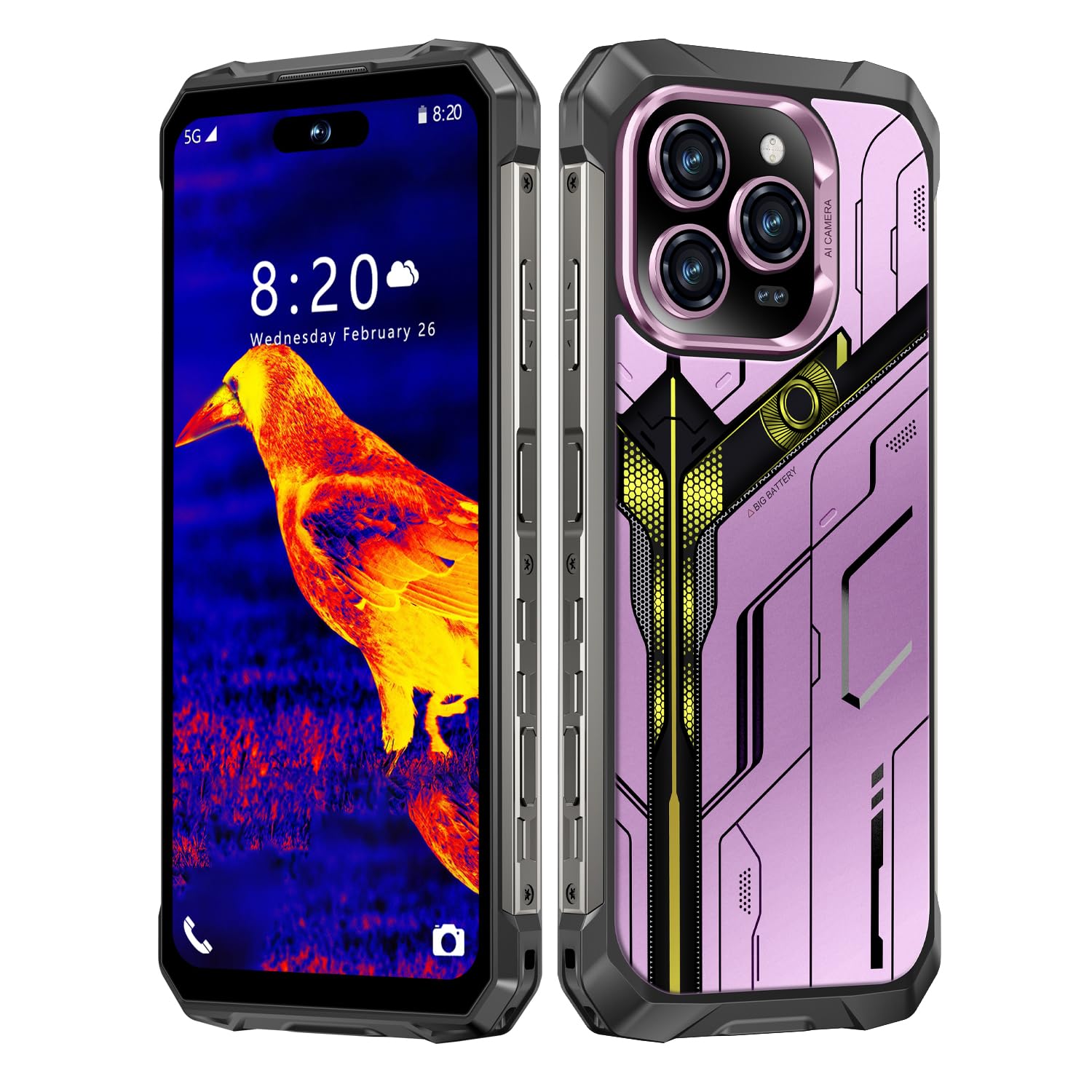
The MMY 16PROMA X is built for a very specific buyer: the outdoor adventurer who needs a phone to survive drops, dust, and submersion while still taking usable photos. Its headline feature is a 22000mAh battery — roughly four times the capacity of a standard phone — which can last through multi-day camping trips. The 108MP main camera and 68MP front camera are paired with night vision mode and underwater photography support, allowing you to capture shots in conditions where other phones would fail.
The 6.99-inch HD+ display at 1440×3040 resolution is large and bright enough for outdoor visibility, though the pixel density is lower than the AMOLED panels on the premium picks. The IP68 rating covers full dust protection and water submersion up to 1.5 meters for 30 minutes. The Snapdragon 8s Gen 4 chip paired with 32GB RAM and 1TB storage is a bizarre specification sheet that doesn’t quite align with the device’s real-world performance, but it’s likely sufficient for maps, GPS, and communication apps.
The biggest trade-off is weight and ergonomics — a 22000mAh battery makes this phone genuinely heavy and difficult to pocket. The camera performance, while competent in good light and useful for night vision, does not compete with the computational photography of a Pixel or Galaxy. This phone is a niche tool for fieldwork, hiking, or industrial use where battery endurance and durability trump imaging finesse.
Why it’s great
- Unmatched 22000mAh battery for multi-day off-grid use
- IP68 water/dust proofing and night vision camera
- Enormous 1TB storage capacity for offline media
Good to know
- Extremely heavy and bulky due to large battery
- Camera quality lags behind mid-range competitors in normal conditions
FAQ
Is a 200MP camera phone actually better than a 50MP one at this price?
Should I buy a renewed flagship phone or a new mid-range for the best camera?
Final Thoughts: The Verdict
For most users, the best camera phone under $500 winner is the Google Pixel 9a because it combines the industry’s best computational photography with long-term software support and a clean Android experience. If you want dedicated optical zoom for distant subjects, grab the Nothing Phone (3a) Pro. And for maximum versatility across three focal lengths, nothing beats the renewed Samsung Galaxy S23+.