
Waking up with a bruised hip or a cold back is the fastest way to ruin a trip into the backcountry. A sleeping pad that fails to insulate, deflates mid-night, or lacks the thickness to keep your spine aligned will turn any adventure into a misery of tossing and turning. Choosing the right camping mattress is the single most impactful gear decision you will make for your sleep quality outdoors.
I’m Min — the co-founder and writer behind Gadgets Feed. I have spent hundreds of hours researching foam densities, R-values, valve mechanisms, and packed weights to build this guide from technical spec sheets and verified owners’ real-world experiences.
Whether you are a car camper chasing hotel-level comfort or an ultralight backpacker counting every gram, this breakdown of the best camping mattress options will help you match the right pad to your sleep style and terrain.
How To Choose The Best Camping Mattress
A camping mattress is not just a cushion — it is your insulation layer, your pressure-point reliever, and the foundation of your recovery after a long hike. Three specs define the difference between a terrible night and a great one: thickness, R-value, and packed weight. Thickness determines if your hips or shoulders will touch the cold ground. R-value tells you how much heat the pad reflects back to your body. Packed weight decides whether the pad stays in your car or goes on your back.
Thickness and Foam Type
Pads under two inches thick force side sleepers to feel every rock underneath. A four-inch pad with open-cell foam or a foam-air hybrid cradles the body and prevents “bottoming out.” Self-inflating foam pads offer plush, quiet support but pack larger, while air-only pads compress smaller but require inflation effort and risk puncture.
R-Value and Seasonal Use
An R-value of 4.5 or higher is the safe zone for three-season use. Pads rated above 8 are intended for winter camping on frozen ground. If you camp only in summer, an R-value around 2 to 3 may be sufficient, but a higher rating never hurts — it simply keeps you warmer when the temperature drops unexpectedly.
Weight and Packability
For car campers and rooftop-tent users, weight is almost irrelevant — prioritize thickness and comfort. For backpackers, every ounce counts. Ultralight pads like the Therm-a-Rest NeoAir Xlite NXT weigh around 13 ounces and roll smaller than a water bottle. Hybrid foam pads weigh four to six pounds and roll to the size of a sleeping bag, making them unsuitable for long backpacking trips.
Valve Design and Inflation Speed
A good valve makes the difference between a 30-second setup and a breathless five-minute ordeal. Look for high-volume one-way valves that allow rapid inflation with a pump sack or a built-in electric pump. Deflation is equally important — pads with a dedicated deflate port or a reverse pump mode pack down much faster and with less frustration.
Quick Comparison
On smaller screens, swipe sideways to see the full table.
| Model | Category | Best For | Key Spec | Amazon |
|---|---|---|---|---|
| Hikenture 4″ Self-Inflating (Built-in Pump) | Mid-Range | Quick electric setup | 90-second electric pump, 9.5 R-value | Amazon |
| Exped MegaMat Medium Wide | Premium | Car & tent hybrid comfort | 4″ foam core, 8.1 R-value, 4.6 lbs | Amazon |
| Therm-a-Rest MondoKing 3D | Premium | Ultimate car camping luxury | 4.25″ thick, 7.0 R-value, 5.5 lbs | Amazon |
| Big Agnes Rapide Super Light | Premium | Backpacking with plushness | 4.25″ outer chambers, 4.8 R-value, 1.4 lbs | Amazon |
| Sea to Summit Camp Plus | Mid-Range | Budget family camp sets | 2.6″ foam, 4.3 R-value, 3.2 lbs | Amazon |
| Hikenture 4″ Self-Inflating (Manual) | Value | Budget premium comfort | 4″ memory foam, 9.5 R-value, 6.5 lbs | Amazon |
| Therm-a-Rest NeoAir Xlite NXT | Premium | Ultralight thru-hiking | 3″ baffled air, 4.5 R-value, 13 oz | Amazon |
In‑Depth Reviews
1. Hikenture 4″ Self-Inflating Sleeping Pad (Built-in Pump)
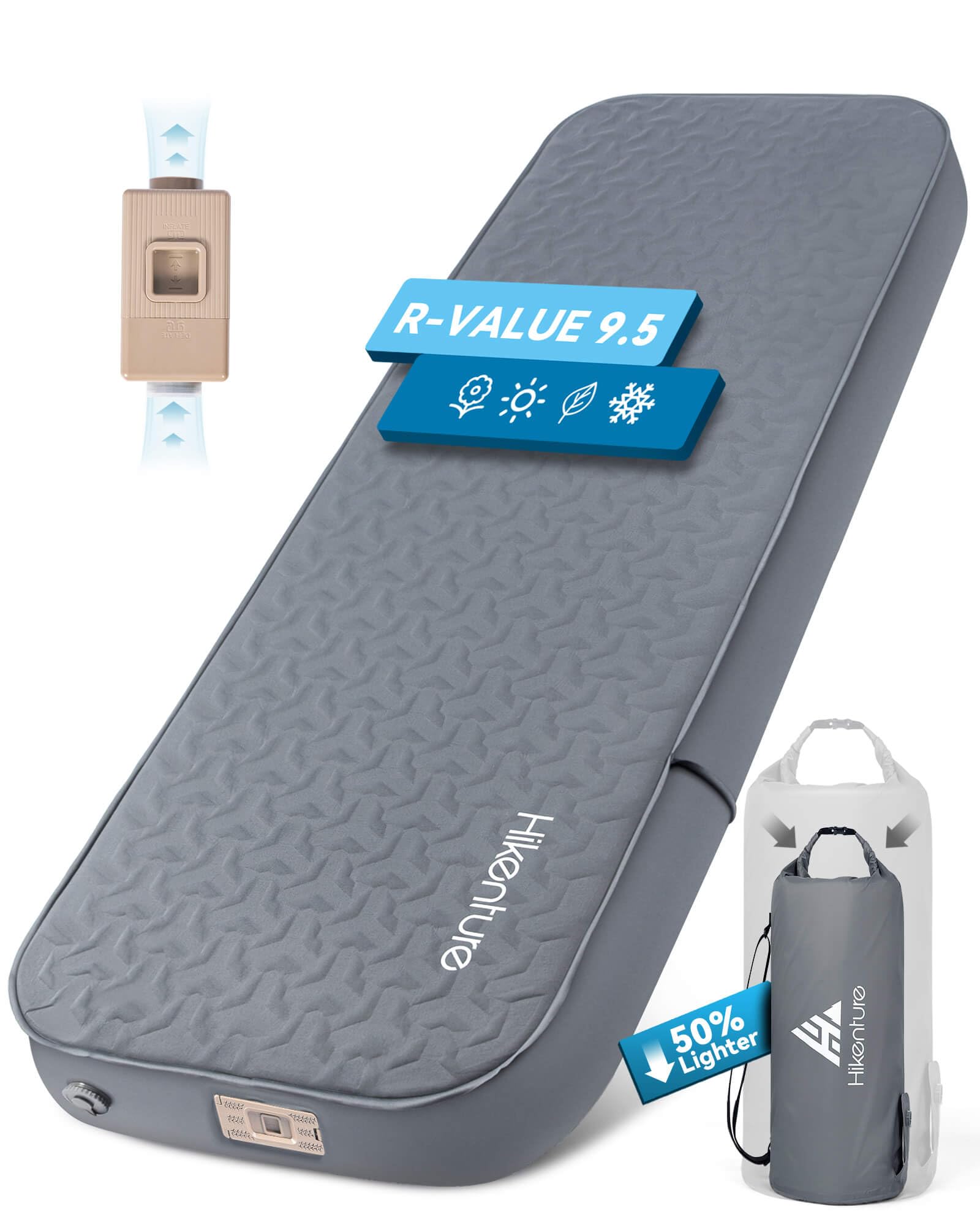
This Hikenture pad is the closest thing to a hotel bed that packs into a tent. The built-in electric pump inflates the 4-inch thick foam-air hybrid to your desired firmness in 90 seconds — no huffing, no pump sack. The stretch-knit fabric surface is whisper-quiet, so you can roll over at 2 a.m. without waking your tent mate. At 5.4 pounds, it is too heavy for backpacking but perfect for car camping, rooftop tents, or RV use.
The 9.5 R-value is overkill for summer but makes this a true four-season mattress. Owners report zero deflation overnight and exceptional warmth even on frozen ground. The reverse pump mode also sucks the air out for fast pack-down, though the included carry bag is snug. The Y-structure foam channels reduce bulk by about 50% compared to traditional self-inflating pads, making it easier to stow.
A few users noted that the bottom fabric is relatively thin — pets with claws can puncture it. The included patch kit helps, but a ground sheet is recommended if you camp with dogs. For anyone who prioritizes quick setup and deep sleep at the campsite, this pad delivers premium performance at a mid-range price.
Why it’s great
- Built-in pump inflates in 90 seconds with no manual effort
- 4-inch thickness cradles side sleepers without bottoming out
- 9.5 R-value provides serious warmth for year-round camping
Good to know
- Too heavy and bulky for backpacking trips
- Bottom fabric can tear easily if pets or sharp objects are involved
2. Exped MegaMat Medium Wide
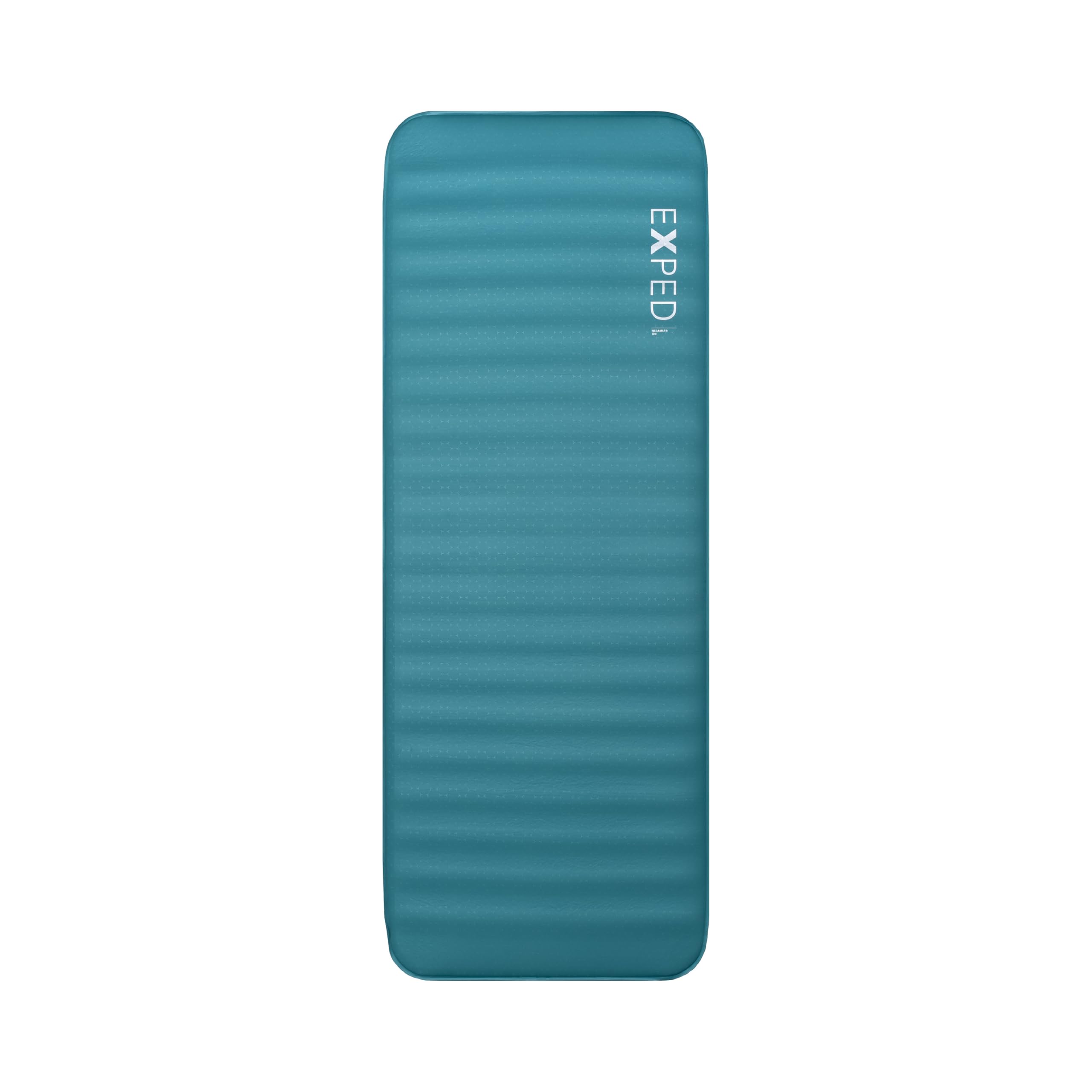
The Exped MegaMat is engineered for the person who refuses to compromise sleep quality, whether in a tent or an SUV. Its 4-inch open-cell foam core combined with air-core-channeled insulation creates a stable, motion-free platform. The 3D vertical sidewalls eliminate the tapering that makes most pads feel narrow — you get the full 25.6-inch width from head to toe.
With an 8.1 R-value, this pad shrugs off the coldest ground, and the 100% recycled 4-way stretch tricot polyester surface feels soft and quiet. The included Top-Up Pump lets you dial in firmness from plush to firm. Owners report that the pad holds air pressure for an entire week-long trip without needing a top-up. The welded side handle makes carrying and rolling up significantly easier than most foam pads.
At 4.6 pounds, this is car-camping territory, not backpacking gear. The self-inflation process is slower on the first use — the foam needs a few hours to fully expand. Some users found the duo version too short and swapped for the extra-long/wide size. A cheap full-size fitted sheet fits perfectly over the surface, protecting the fabric and adding a hotel feel.
Why it’s great
- No motion transfer — sleep partners stay undisturbed
- 4-inch thickness with vertical sidewalls maximizes usable surface area
- Firmness is adjustable and holds steady for a week or more
Good to know
- Too heavy and bulky for backpacking
- Self-inflation is slow on the very first use
3. Therm-a-Rest MondoKing 3D

Therm-a-Rest’s MondoKing 3D is the thickest, widest pad in this lineup at 4.25 inches tall and 30 inches wide. The StrataCore construction alternates ridges of foam and air to deliver a 7.0 R-value that keeps you warm in extreme cold. The stretch-knit fabric layer is soft against the skin and eliminates the crinkle noise that plagues many air-only pads.
The TwinLock valve system uses separate ports for inflation and deflation, making setup and breakdown unusually efficient. Self-inflation takes under ten minutes, and the included pump sack speeds things up. Owners weighing 300 pounds report sleeping better on this pad than on their home mattress — that is the highest compliment a camping pad can receive. The 3D vertical sidewalls prevent you from rolling off and maximize the useable area.
At 5.5 pounds, this pad is strictly for car camping, rooftop tents, or glamping. The packed size of 26 x 10.3 inches is large but manageable. A small number of units have shipped with faulty one-way valves that leak air during inflation — while not widespread, it is worth testing the pad immediately upon arrival. The XX-Large size fits tall people and sprawlers perfectly.
Why it’s great
- 4.25-inch thickness prevents any ground feel even for heavy sleepers
- 30-inch width provides spacious room for side sleepers
- StrataCore offers excellent cold-weather insulation without bottoming out
Good to know
- Heavy and bulky — strictly for vehicle-based camping
- Occasional valve defects require immediate testing
4. Big Agnes Rapide Super Light Insulated Sleeping Pad

The Big Agnes Rapide Super Light strikes an impressive balance between backpacking weight and sleeping comfort. At just 1.4 pounds, it is light enough for multi-day hikes, yet it offers 4.25-inch outer chambers that keep you centered on the pad. The offset I-Beam construction reduces weight while preventing the “bounce” sensation typical of cheaper air pads.
Two layers of heat-reflective film push the R-value to 4.8, warm enough for three-season use and even light shoulder-season trips. The quilted top surface is noticeably quieter than older NeoAir models and provides a cushioned, pillowy feel. The high-volume Pumphouse inflation sack fills the pad in about four minutes without introducing moisture from your breath. Owners using it for Grand Canyon backpacking and bikepacking report excellent durability and no overnight air loss.
The Wide Regular version measures 25 x 72 inches, offering ample width for side sleepers. The packed size is slightly larger than the Therm-a-Rest NeoAir Xlite NXT, but it still fits inside most backpacking packs. Some users wish the built-in micro-adjustment valve was more sensitive for fine-tuning firmness, but overall, this is a top-tier choice for anyone who needs a packable pad that still feels thick and stable.
Why it’s great
- Light enough for backpacking but thick enough for real comfort
- Quiet surface — no crinkle noise during the night
- Pumphouse inflation sack is fast and prevents moisture buildup
Good to know
- Packed size is a bit larger than some ultralight competitors
- Micro-adjustment valve could be more precise
5. Sea to Summit Camp Plus Self-Inflating Foam Mat
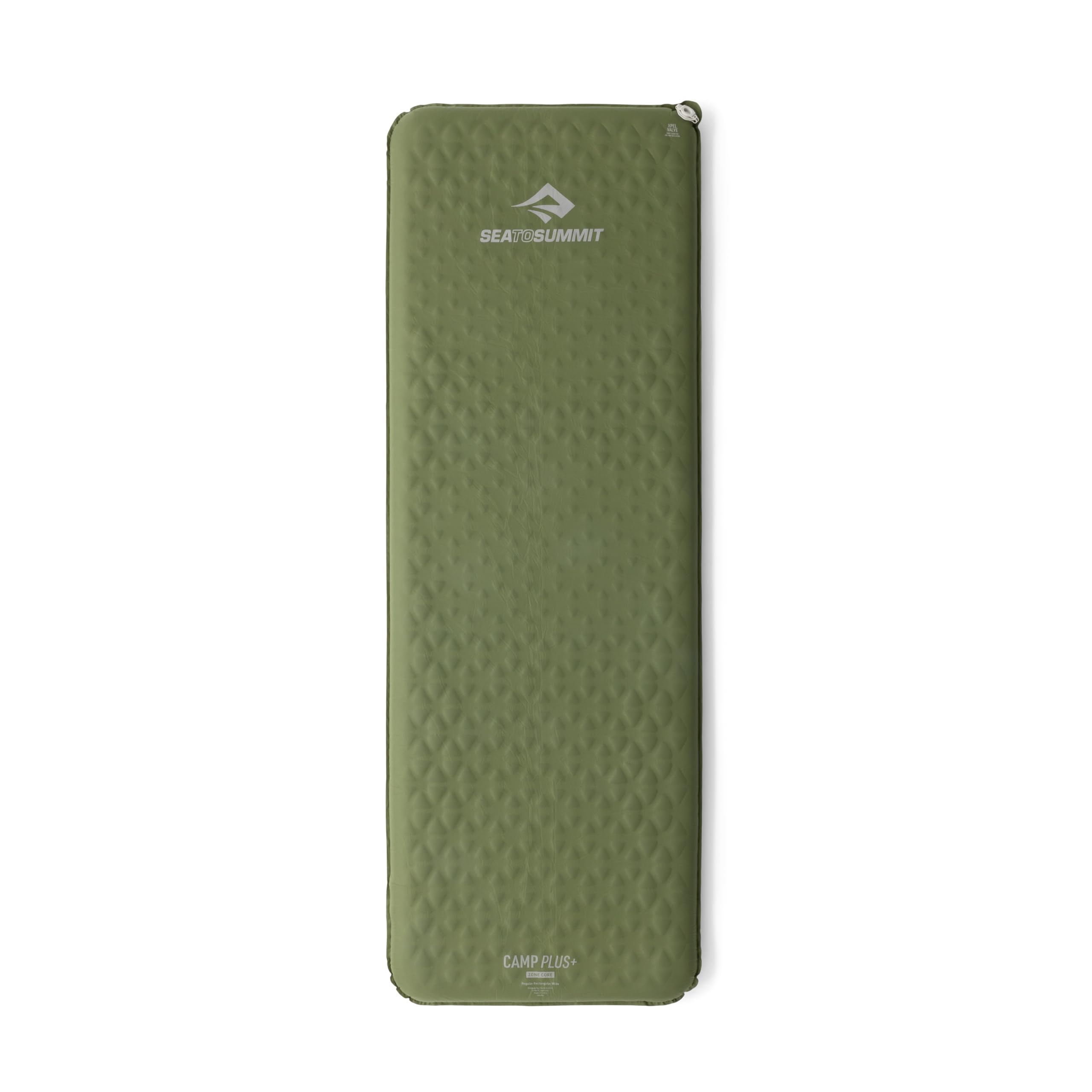
The Sea to Summit Camp Plus is a reliable, well-constructed foam pad that hits a sweet spot for family campers and car campers on a budget. At 2.6 inches thick with a 4.3 R-value, it provides comfortable insulation for three-season use. The body-mapped air zone construction places foam where you need warmth and air where you can save weight, keeping the packed size reasonable at 13 x 7.5 inches.
The XPel valve system allows one-way deflation and fine-tuning of firmness. Owners report that the pad feels like memory foam — supportive without being overly stiff. The rectangular shape gives you room to stretch out fully, unlike mummy-shaped pads that constrict leg movement. Several families own multiples of this pad for their kids, citing durability after years of use on rocky desert ground in Death Valley.
This pad is not designed for backpacking. At 3.2 pounds, it is too heavy for that role, and the self-inflation process is slow on the first use — it can take a day for the foam to fully expand. Some users note that the pad does not compress back to its original size, taking up an extra liter of space in the stuff sack. For car camping and base camping, however, it delivers excellent value and reliable warmth.
Why it’s great
- Comfortable memory-foam feel at a budget-friendly price point
- Durable 75D polyester fabric withstands rough terrain
- Rectangular shape offers full-length stretch for tall sleepers
Good to know
- Too heavy and bulky for backpacking
- Slow self-inflation on first use — requires patience
6. Hikenture 4″ Self-Inflating Sleeping Pad (Manual)

This manual version of the Hikenture pad shares the same 4-inch thickness and 9.5 R-value as the electric pump model but trades the built-in pump for a lower price and reduced weight — though at 6.5 pounds, it is actually heavier. The trade-off is worth it if you prefer the simplicity of self-inflation and do not mind using the included pump sack for the final few bags of air.
The polyester surface is soft and produces very little noise during sleep. Owners rave about its ability to stay fully inflated for months of use, with no leaks or sagging. The 28-inch width offers generous space for broad shoulders, and the memory foam layer provides enough support for 6-foot-3 sleepers. The patented 2-way valve makes inflation and deflation straightforward, and the valve’s anti-backflow design prevents air from sneaking back in during deflation.
A small number of units arrived with a tear near the valve, but the company’s customer service replaced the pad without requiring a return. The packed size is relatively compact for a 4-inch pad, though it still takes up a fair bit of trunk space. For budget-conscious campers who want premium warmth and thickness, this pad delivers the highest R-value-per-dollar ratio in the lineup.
Why it’s great
- 9.5 R-value is among the highest available at this price point
- 4-inch memory foam layer cradles all sleeping positions
- Stays inflated for months with no air loss
Good to know
- Heavier than the electric pump version despite no motor
- Occasional quality control issues near the valve area
7. Therm-a-Rest NeoAir Xlite NXT

The NeoAir Xlite NXT is the gold standard for ultralight backpacking. At just 13 ounces in the Regular size, it rolls up to the volume of a one-liter water bottle. The 3-inch thick baffled air construction provides surprisingly stable support — a 180-pound side sleeper will not bottom out. The Triangular Core Matrix and ThermaCapture reflective layer give it a 4.5 R-value, warm enough for three-season and even light winter use.
The infamous “crinkle noise” of earlier NeoAir models has been dramatically reduced in the NXT version. Owners describe it as a faint wrinkling sound during initial movement that fades as the pad settles. The WingLock valve allows fast, easy inflation and lightning-fast deflation. Many frequent flyers even use this pad to improve lie-flat sleep in business class seats on long-haul flights, which speaks to its compact size and comfort.
The 30D ripstop nylon fabric is light but requires care — a ground sheet is strongly recommended. A small percentage of units have shipped with non-functioning valves, which is unacceptable at this premium price. The pump sack works adequately but takes a few cycles to fully inflate the pad. For thru-hikers and gram-counting backpackers, this pad is the ultimate tool for saving weight without sacrificing sleep quality.
Why it’s great
- Incredibly lightweight — 13 ounces for a 3-inch thick pad
- Packs smaller than any foam or hybrid pad
- Warm enough for three-season and most winter conditions
Good to know
- Fragile fabric requires careful site selection and a ground sheet
- Valve defects are rare but disappointing given the premium price
FAQ
What is the most important spec for winter camping?
Can I use a camping mattress for backpacking?
How do I repair a puncture in my camping mattress?
What is the difference between a sleeping pad and an air mattress?
Final Thoughts: The Verdict
For most users, the best camping mattress winner is the Hikenture 4-inch Self-Inflating Pad with Built-in Pump because it delivers hotel-level comfort and rapid electric inflation at a price that undercuts premium competitors by a wide margin. If you want ultralight weight for backpacking, grab the Therm-a-Rest NeoAir Xlite NXT. And for car camping luxury where packed size does not matter, nothing beats the plush support of the Therm-a-Rest MondoKing 3D.