
Carrots are among the most rewarding crops in a home garden, but achieving that perfect straight, sweet, and crunchy root requires more than just good soil. The wrong fertilizer produces forked, hairy, or bitter carrots — a common frustration that drives many growers to switch blends mid-season. The difference between a mediocre harvest and a bountiful one often comes down to a single variable: the nitrogen-to-phosphorus ratio in the bag you pour.
I’m Min — the co-founder and writer behind Gadgets Feed. I’ve spent countless hours analyzing technical specifications, NPK ratios, solubility rates, and organic certification data across dozens of fertilizer products to determine which ones actually deliver the dense, flavorful roots home gardeners crave.
After sorting through hundreds of customer performance reports and cross-referencing nutrient profiles against carrot-specific growth requirements, I have assembled the definitive ranking of the best carrot fertilizer options available today to help you avoid misshapen roots and maximize your yield.
How To Choose The Best Carrot Fertilizer
Selecting a fertilizer for carrots is different than feeding tomatoes or leafy greens. Carrots are root vegetables that store nutrients underground, so the nutrient balance you apply directly influences the shape, texture, and sugar content of the edible root. Prioritize products with lower nitrogen and higher phosphorus and potassium to direct energy downward rather than into leafy tops.
Understand NPK Ratios for Root Crops
The three numbers on a fertilizer bag — nitrogen (N), phosphorus (P), and potassium (K) — tell you exactly what the product will do. For carrots, excessive nitrogen causes lush green tops at the expense of root size and leads to forked or hairy roots. Look for a ratio where phosphorus (the middle number) is significantly higher than nitrogen. Blends like 2-8-4, 4-12-0, or 5-7-3 are ideal because phosphorus fuels root enlargement and sugar production.
Granular vs. Water-Soluble Formats
Granular fertilizers release nutrients slowly as soil microbes break them down, making them suitable for pre-planting soil preparation. Water-soluble powders dissolve instantly and are best for side-dressing during the growing season when carrots need a quick phosphorus boost. Some premium blends combine both formats to deliver immediate availability and sustained feeding over 8–10 weeks.
Organic Certifications and Secondary Nutrients
Carrots absorb trace minerals directly from the soil, so organic fertilizers that include calcium, magnesium, or kelp extract improve root density and natural sweetness. Calcium prevents blossom end rot in the root tip, while mycorrhizal fungi expand the root system’s ability to pull water and micronutrients. Always check whether the product is OMRI-listed if you need to maintain organic garden certification.
Quick Comparison
On smaller screens, swipe sideways to see the full table.
| Model | Category | Best For | Key Spec | Amazon |
|---|---|---|---|---|
| FoxFarm Happy Frog 5-7-3 | Organic Granules | Balanced root & fruit growth | 5-7-3 NPK + Calcium | Amazon |
| Espoma Garden-Tone 3-4-4 | Organic Granules | Monthly feeding all season | 3-4-4 NPK + Bio-tone | Amazon |
| Espoma Bone Meal 4-12-0 | Organic Granules | High-phosphorus root booster | 4-12-0 NPK | Amazon |
| Big A Carrot Fertilizer | Water-Soluble Powder | Root vegetables specifically | Kelp-infused formula | Amazon |
| HollandBasics Power Bloom 2-8-4 | Powder | Blooming and root development | 2-8-4 NPK, 2 kg | Amazon |
| Greenway Monopotassium Phosphate 0-52-34 | Water-Soluble Powder | Maximum phosphorus boost | 0-52-34 NPK | Amazon |
| Down To Earth Fish Bone Meal 4-12-0 | Organic Granules | Large-scale soil prep | 4-12-0 NPK, 25 lb | Amazon |
In‑Depth Reviews
1. FoxFarm Happy Frog Tomato & Vegetable Fertilizer 5-7-3

The FoxFarm Happy Frog blend delivers a carefully balanced 5-7-3 NPK ratio that places phosphorus ahead of nitrogen — exactly what carrot roots need to swell without forcing excessive top growth. The 4-pound bag includes added calcium specifically to prevent blossom end rot in the root tip, a common issue in sandy or acidic soils where carrots develop blackened cores. Mycorrhizal fungi are also mixed into the granules, which colonize the root zone and expand water and nutrient uptake efficiency by up to 40 percent in loose garden beds.
Gardeners report seeing baby carrot formation within days of application, and the granular format makes it simple to work into the top 3 inches of soil before seeding. The formula is completely organic with no chemical odor, so it is comfortable to handle without gloves during spring bed prep. Reviews consistently highlight its effectiveness across not just carrots but also beets, radishes, and parsnips, making it a versatile staple for any root-vegetable patch.
One trade-off is the bag size: at 4 pounds, it covers roughly 60 square feet when applied at the recommended rate, so large raised beds may require two bags per season. The price per pound sits in the mid-range for organic granular fertilizers, but the inclusion of both calcium and mycorrhizae at this price point represents strong overall value for the dedicated home grower.
Why it’s great
- Calcium content prevents root tip rot in carrots
- Mycorrhizal fungi boost nutrient absorption
- Pleasant, chemical-free smell during application
Good to know
- 4-pound bag covers a limited area for large gardens
- Higher per-pound cost than generic granular blends
2. Espoma Organic Garden-Tone 3-4-4 (Pack of 2)

Espoma’s Garden-Tone 3-4-4 is designed specifically for both cool and warm season vegetables, making it one of the most flexible fertilizers for a carrot rotation that includes spring and fall plantings. The 3-4-4 ratio keeps nitrogen moderate while delivering enough phosphorus and potassium to support dense root formation and natural sugar development. The exclusive Bio-tone formula includes beneficial microbes that break down organic matter directly around the root zone, creating a slow-release feeding cycle that lasts roughly one month per application.
This two-pack provides 8 pounds total at a cost that falls into the budget-friendly tier per pound — significantly cheaper than boutique blends while still maintaining OMRI-listed organic integrity. Gardeners appreciate that it does not burn plants even when accidentally over-applied, a crucial safety net for beginners who are still calibrating their feeding schedule. The granular texture mixes easily into raised beds and containers without clumping.
The primary drawback is the noticeable earthy smell that some users find strong for the first few days after application, especially in enclosed raised beds or greenhouses. Additionally, the 3-4-4 ratio is slightly less phosphorus-dominant than what carrot specialists might prefer, so pairing it with a standalone bone meal supplement mid-season can push root size even further.
Why it’s great
- Two-bag pack offers excellent per-pound value
- Will not burn roots if over-applied
- Approved for organic vegetable production
Good to know
- Moderate 3-4-4 ratio may need phosphorus supplement for peak carrots
- Distinct organic smell during first days after application
3. Espoma Organic Bone Meal Fertilizer 4-12-0 (Pack of 2)

When carrots need a dedicated phosphorus punch without any extra nitrogen, Espoma’s Bone Meal 4-12-0 delivers the highest phosphorus concentration in this roundup. The 4-12-0 ratio is nearly zero-nitrogen, which means all the plant’s energy is channeled into root expansion rather than leaf production. This is the ideal mid-season side-dress for carrots that have already established their green tops but need a size and sweetness boost before harvest.
The two-pack provides 8 pounds of steamed bone meal, a natural source of both phosphorus and calcium that breaks down slowly over 6 to 8 weeks. Gardeners growing garlic and onions alongside carrots report outstanding results when working bone meal into the planting furrow before seeding. The granules are fine enough to mix evenly with soil but do not dissolve instantly, so the feeding effect is sustained rather than transient.
Bone meal can attract dogs or wildlife if left on the soil surface, so it should always be mixed into the top 2 inches of soil immediately after application. The all-natural ingredient list is OMRI-listed, but the smell is distinctly earthy and may be noticeable for a few hours after working the soil.
Why it’s great
- Zero-waste nitrogen directs all energy to root growth
- High calcium content supports cell wall structure in roots
- Excellent value with 8 pounds total in the two-pack
Good to know
- Must be mixed into soil to avoid attracting animals
- Slow-release format takes 2-3 weeks before peak availability
4. Big A Carrot Fertilizer and Root Vegetable Fertilizer

Big A Carrot Fertilizer is one of the few products marketed specifically for root vegetables, and its formula leans heavily on kelp extract as a source of natural growth hormones and trace minerals. The water-soluble granules dissolve rapidly in water, making this the quickest-acting option for growers who want to see results within the first two weeks after application. This format is especially useful for container-grown carrots where soil volume is limited and nutrients must be replenished frequently.
The 13.5-ounce bag is small compared to the granular competitors, but the concentrated powder format means a little goes a long way — one pound treats up to 200 linear feet of row when mixed at the recommended dilution. Gardeners report noticeable improvements in carrot sweetness and straightness, with fewer forked roots compared to seasons using general-purpose vegetable fertilizers. The addition of calcium and magnesium in the blend addresses common micronutrient deficiencies in depleted garden beds.
The main concern raised by experienced growers is the package size relative to the price point. The bag is compact and may feel underwhelming when first opened, though the actual coverage is reasonable for a small-to-medium garden. Its optimal use is as a supplemental feed every 10-14 days rather than a single pre-plant application.
Why it’s great
- Kelp extract promotes natural sweetness and root vigor
- Highly soluble for rapid nutrient availability
- Includes calcium and magnesium for comprehensive feeding
Good to know
- Small bag size surprises buyers accustomed to granular weight
- Requires frequent reapplication for sustained results
5. HollandBasics 2-8-4 Power Bloom Fertilizer 2kg
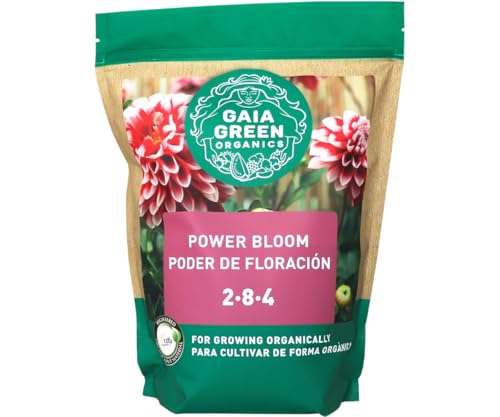
The HollandBasics Power Bloom 2-8-4 is formulated with a wide phosphorus-to-nitrogen gap that carrot roots respond to aggressively. The 2-8-4 NPK ratio provides just enough nitrogen to maintain healthy green tops while flooding the root zone with phosphorus for dense, sugar-packed storage roots. This is a multi-ingredient powder blend from Gaia Green’s product line, known in horticulture circles for its consistent quality and variable nutrient release rates that feed plants over several weeks.
The 2-kilogram bag (roughly 4.4 pounds) is packaged as a fine powder that can be top-dressed and watered in or mixed directly into potting media before planting. It is designed for a wide range of flowering and fruiting crops, but its high phosphorus content makes it particularly effective for root vegetables when applied at the seedling stage. Gardeners who have used both FoxFarm and this Gaia Green blend often report that the Power Bloom produces noticeably thicker carrot shoulders and deeper orange coloration.
Because this is a concentrated powder, precise measurement is important to avoid over-application that could temporarily lock out other nutrients. It is not OMRI-listed in its Canadian packaging format, so certified organic growers should verify their local standards before purchase.
Why it’s great
- Extremely wide 2-8-4 ratio targets root mass development
- Variable release rates provide sustained feeding
- Fine powder mixes easily into any soil medium
Good to know
- Requires careful measurement to prevent nutrient lockout
- Not all packaging carries OMRI organic certification
6. Greenway Biotech Monopotassium Phosphate 0-52-34

Greenway Biotech’s Monopotassium Phosphate 0-52-34 is not a general-purpose fertilizer — it is a pure, water-soluble salt that delivers the highest phosphorus concentration in this entire guide. With 52 percent phosphorus and 34 percent potassium and zero nitrogen, this is a targeted bloom and root booster designed for growers who want complete control over their feeding regimen. For carrot cultivation, it is used as a mid-season supplement to trigger rapid root bulking after the foliage is fully established.
The 1-pound bag dissolves completely in water with no sediment, making it suitable for drip irrigation systems and hydroponic setups where precision is critical. A half-teaspoon per gallon of water provides a potent phosphorus dose that can be applied weekly. Gardeners using this product on root crops report that carrots develop noticeably thicker girth and deeper sweetness compared to seasons using only granular organic blends. It is also highly effective for bulb crops like onions and garlic.
The extreme concentration means this product can easily burn plants if measured carelessly — beginners must follow dilution instructions exactly. It is a synthetic chemical salt, not an organic product, so it will not contribute to long-term soil biology improvement. Use it as a targeted tool rather than a standalone feeding plan.
Why it’s great
- Industry-leading phosphorus content for maximum root response
- 100% water-soluble with zero sediment
- Extremely cost-effective — a little goes a long way
Good to know
- Must be measured precisely to avoid root burn
- Synthetic formula does not improve soil microbiome
7. Down To Earth Fish Bone Meal 4-12-0, 25 lb
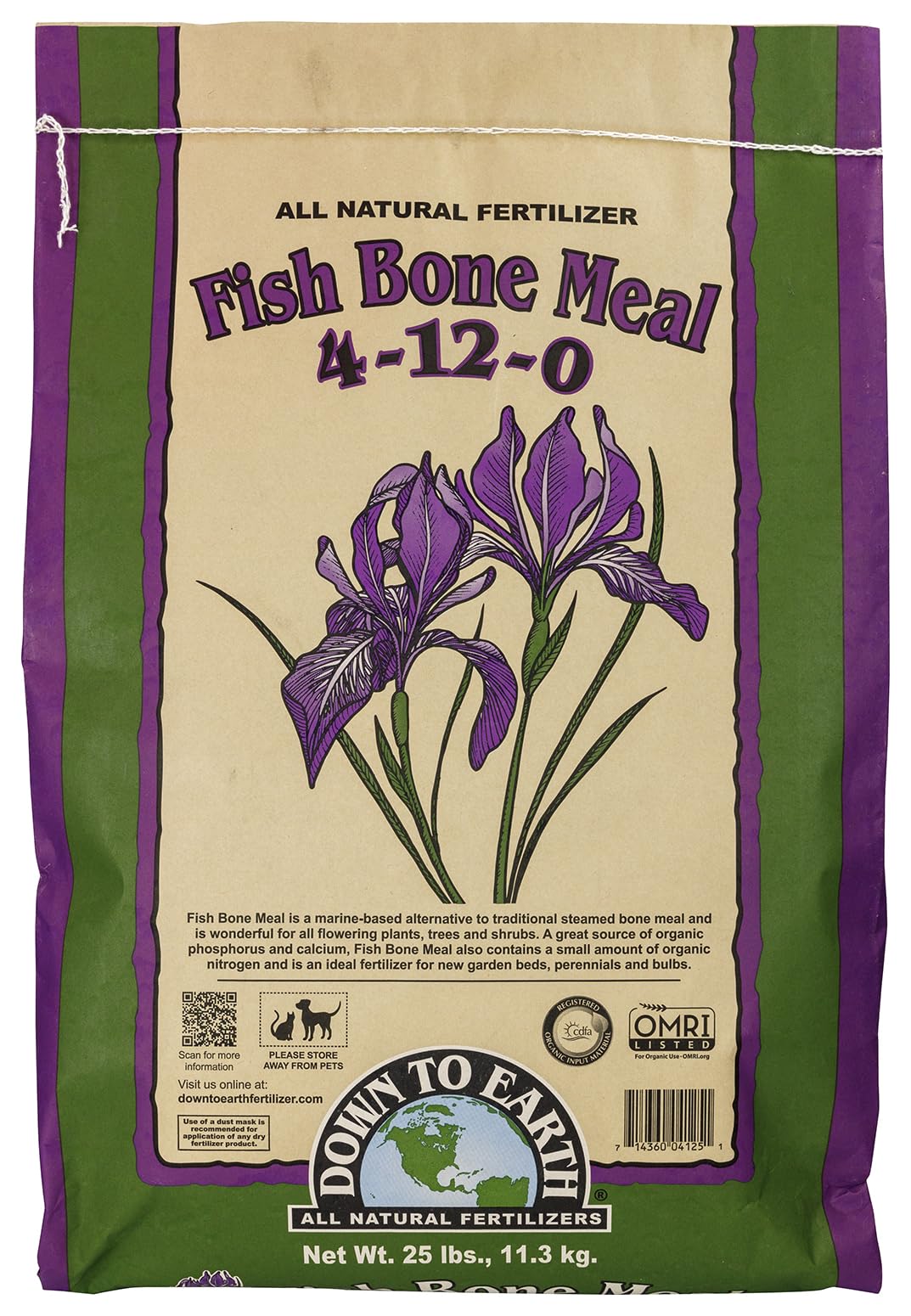
Down To Earth Fish Bone Meal 4-12-0 is the premium bulk option for serious gardeners who maintain large carrot beds season after season. At 25 pounds, this bag provides enough phosphorus-rich organic matter to amend an entire 200-square-foot garden at the recommended application rate. The 4-12-0 ratio is identical to the Espoma bone meal, but the fish-based source adds trace marine minerals not found in standard steamed bone meal, including selenium and iodine that can subtly enhance root flavor profiles.
The granule texture is consistent and easy to broadcast by hand or with a spreader. Gardeners who have used this product for multiple seasons report cumulative soil improvement — each year the carrot roots grow straighter and the beds require less supplemental calcium because the fish bone meal builds a lasting phosphorus and calcium reserve in the soil profile.
The fish smell is noticeable during application, particularly on humid days, so applying it on a breezy day and working it into the soil immediately is recommended. The upfront cost is higher than smaller bags, but the per-pound cost is the lowest of any premium organic option listed here.
Why it’s great
- Bulk 25-pound bag offers lowest per-pound cost in premium tier
- Fish-based formula adds trace marine minerals
- OMRI-listed for certified organic gardens
Good to know
- Strong fish odor requires outdoor handling and immediate soil incorporation
- Bag size may be excessive for small container gardens
FAQ
Can I use a high-nitrogen lawn fertilizer on my carrot patch?
What NPK ratio is ideal for growing sweet carrots?
Should I mix bone meal into the soil before planting carrots?
Is water-soluble or granular fertilizer better for container carrots?
Final Thoughts: The Verdict
For most home gardeners, the best carrot fertilizer winner is the FoxFarm Happy Frog Tomato & Vegetable 5-7-3 because it combines the ideal phosphorus-strong NPK ratio with calcium and mycorrhizal fungi in an easy-to-use organic granule format that prevents common root flaws. If you want a budget-friendly option that still delivers reliable results, grab the Espoma Garden-Tone 3-4-4 two-pack. And for large-scale growers committed to soil-building over multiple seasons, nothing beats the Down To Earth Fish Bone Meal 4-12-0 in the 25-pound bag.