
Our readers keep the lights on and my morning glass full of iced black tea. As an Amazon Associate, I earn from qualifying purchases.
Specs are compiled from manufacturer listings and verified buyer reviews and can change over time — please confirm the key details on the product page before buying.
Reception is the one phone spec you cannot fix after you buy. No case, no app, and no settings toggle will add a missing LTE or 5G band, so the phone you pick has to already speak your carrier’s language. The short answer: check the band list against your network first, then choose the handset that fits how you actually use a phone. Everything below is built around that one rule.
I’m Min — the founder and writer behind Gadgets Feed. This guide is built by comparing the manufacturers’ published specifications and the patterns across verified customer reviews, so you get each pick’s real strengths and trade-offs instead of marketing spin.
Carrier support is the hinge everything swings on here, and the picks are grouped so you can match one to your network before you look at cameras or screens. Below, every model is checked on the band support that decides whether a cell phone for reception actually holds a call in a weak-signal spot.
Our Picks at a Glance
How To Choose The Best Cell Phone For Reception
The phone with the best reception is not the one with the most impressive camera or the biggest battery. It is the one that supports the bands your carrier actually broadcasts on, in the place you use it most. Get the band list wrong and the camera, battery, and screen never get a chance to matter.
Start with your carrier, not the phone
Each US network runs on its own set of radio bands — the specific frequency slices a phone’s modem must be able to hear. A handset built and certified for T-Mobile can be a poor fit on Verizon or AT&T even when the listing says “open up.” open up means no carrier contract lock; it does not mean the radio covers every network. Several picks here spell this out plainly, and those notes are the first thing worth reading.
The practical step is boring but decisive: ask your carrier to check the phone’s IMEI (the phone’s unique hardware ID) before you activate. That IMEI check tells you whether the handset will register on their network at all.
Know what “5G” and “LTE” really mean for you
LTE is the older, widely available data standard; 5G is the newer one, and it is not automatically better in a weak spot. A 4G-only phone with full band support on your carrier can hold a steadier call than a 5G model missing a key band. Some budget handsets here are 4G-only on purpose, and that is fine if your network and your needs line up with it.
Look at the modem, the Wi-Fi standard, and the SIM tray
Your signal depends on the modem — the radio chipset that handles your cellular connection — and the listed chipset tells you how current it is. Wi-Fi 6E (a newer, less crowded Wi-Fi band) and the Bluetooth version number matter because they decide how cleanly the phone hands off between networks and accessories. Dual-SIM (two active lines in one phone) matters if you split work and personal lines or travel: two active lines can mean two chances at a usable signal in a marginal area. A dedicated microSD slot means adding storage does not cost you a SIM slot.
Quick Comparison
| Model | Best For | Carrier Fit | Cellular | Battery | Amazon |
|---|---|---|---|---|---|
| Samsung Galaxy S26 Ultra 5G★ Best Overall | T-Mobile users who want the top screen | T-Mobile (US); international networks | 5G | 5000 mAh | Amazon |
| Blackview Wave 7CBudget Champion | Cheap backup or first smartphone | GSM only (T-Mobile, Mint, Metro) | 4G | 5000 mAh | Amazon |
| NUU B40 5GMost Versatile | Two-line users who want a rear screen | T-Mobile, Mint, Metro | 5G | 5000 mAh | Amazon |
| TCL NXTPAPER 70 Pro | Readers and eye-comfort buyers | open up, 5G | 5G | 5200 mAh | Amazon |
| Apple iPhone 16e (Renewed) | Buyers who want one phone for every US carrier | GSM & CDMA (AT&T, T-Mobile, Verizon) | 5G (Sub-6) | 4005 mAh | Amazon |
| Nothing Phone (4a) Pro | AT&T or T-Mobile users who want the zoom | AT&T & T-Mobile | 5G | — | Amazon |
| Samsung Galaxy A37 5G | US buyers who want a warranty-backed Samsung | US Version, open up | 5G | 5000 mAh | Amazon |
| Motorola Razr 2025 | Foldable fans on any major carrier | Verizon, AT&T, T-Mobile, prepaid | 5G | 4500 mAh | Amazon |
| Nothing Phone (3) | Heavy users on AT&T or T-Mobile | AT&T & T-Mobile (Verizon limited) | 5G | 5150 mAh | Amazon |
| OnePlus 15 | Long-haul battery and connectivity | Dual-SIM open up | 5G | 7300 mAh | Amazon |
| Google Pixel 11 Pro | Carrier-hoppers who want an all-network Pixel | Google Fi, Verizon, T-Mobile, AT&T | 5G | 4850 mAh | Amazon |
In‑Depth Reviews
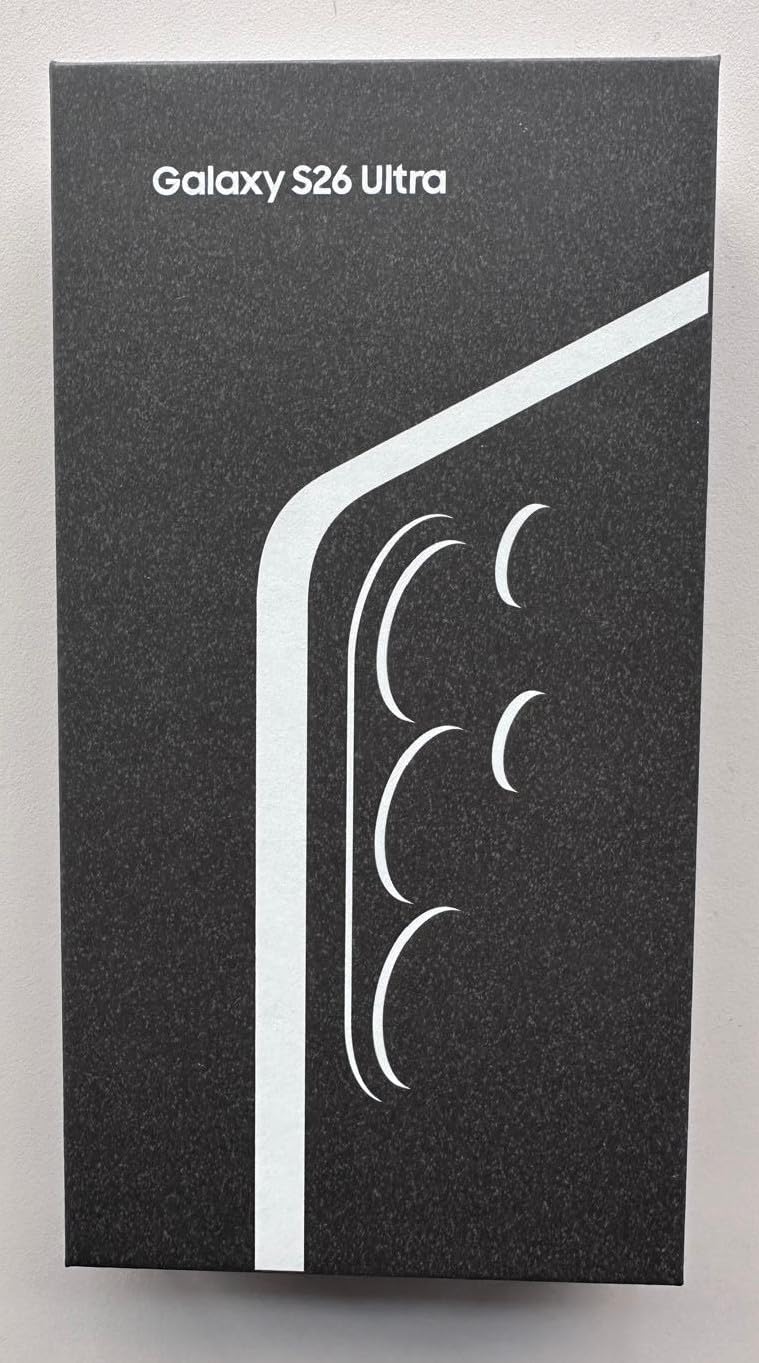
1. Samsung Galaxy S26 Ultra 5G (GSM, International Version) SM-S948B 512GB
Our pick — 4.5+★ from 200+ verified ratings; the strongest balance of quality and price.
A T-Mobile lifeline with a screen and modem to match.
If T-Mobile is your network, this is the strongest receiver on the list — the listing says so plainly: the phone works only with T-Mobile in the US and is not tune for Verizon and AT&T. That carrier restriction decides the purchase before any other spec matters. On any international network it is factory open up and free to roam. It also carries the highest rating of any pick here, at 4.5+ stars from 200+ owners.
You get a strong radio inside a flagship package. The 6.9-inch Dynamic AMOLED 2X panel runs at 3120 x 1440 (Quad HD+, meaning roughly 1440 lines of vertical detail) and refreshes at 120 Hz — that higher refresh rate is why scrolling and maps feel fluid rather than jumpy. A Qualcomm Snapdragon 8 Elite Gen 5 (SM8850) chipset does the processing, and Wi-Fi 802.11a/b/g/n/ac/ax/be plus Bluetooth v6.0 cover the newer wireless standards, so handoffs between Wi-Fi and cellular stay current. Inside you get 512GB of storage and 12GB of RAM; compare that to the 4GB in the Blackview Wave 7C and the memory gap is three times over.
Cameras are stacked: a 200MP + 50MP + 50MP + 10MP rear array and a 12MP front lens. The 5000 mAh battery and 214 g weight are the honest trade-off — this is a dense phone, and heavy days will have you reaching for a charger. The camera-hungry buyer will notice the front lens is a 12MP unit against the TCL’s 32MP selfie camera, so selfie shooters should weigh that.
Where this pick earns its keep
- Certified for T-Mobile in the US — no IMEI surprises if that is your carrier
- Quad HD+ 120 Hz AMOLED panel with 16M colour depth
- 512GB storage and 12GB RAM for years of headroom
- 200MP main sensor in a four-lens rear array
What you give up
- Not tune for Verizon or AT&T — a hard stop on those networks
- 214 g is a heavy phone to hold one-handed
- 12MP front camera trails the TCL’s 32MP selfie lens
Buy it for: T-Mobile subscribers who want the best screen, modem, and camera stack in one device.
Think again if: you are on Verizon or AT&T — the manufacturer’s own note calls this not tune for them.
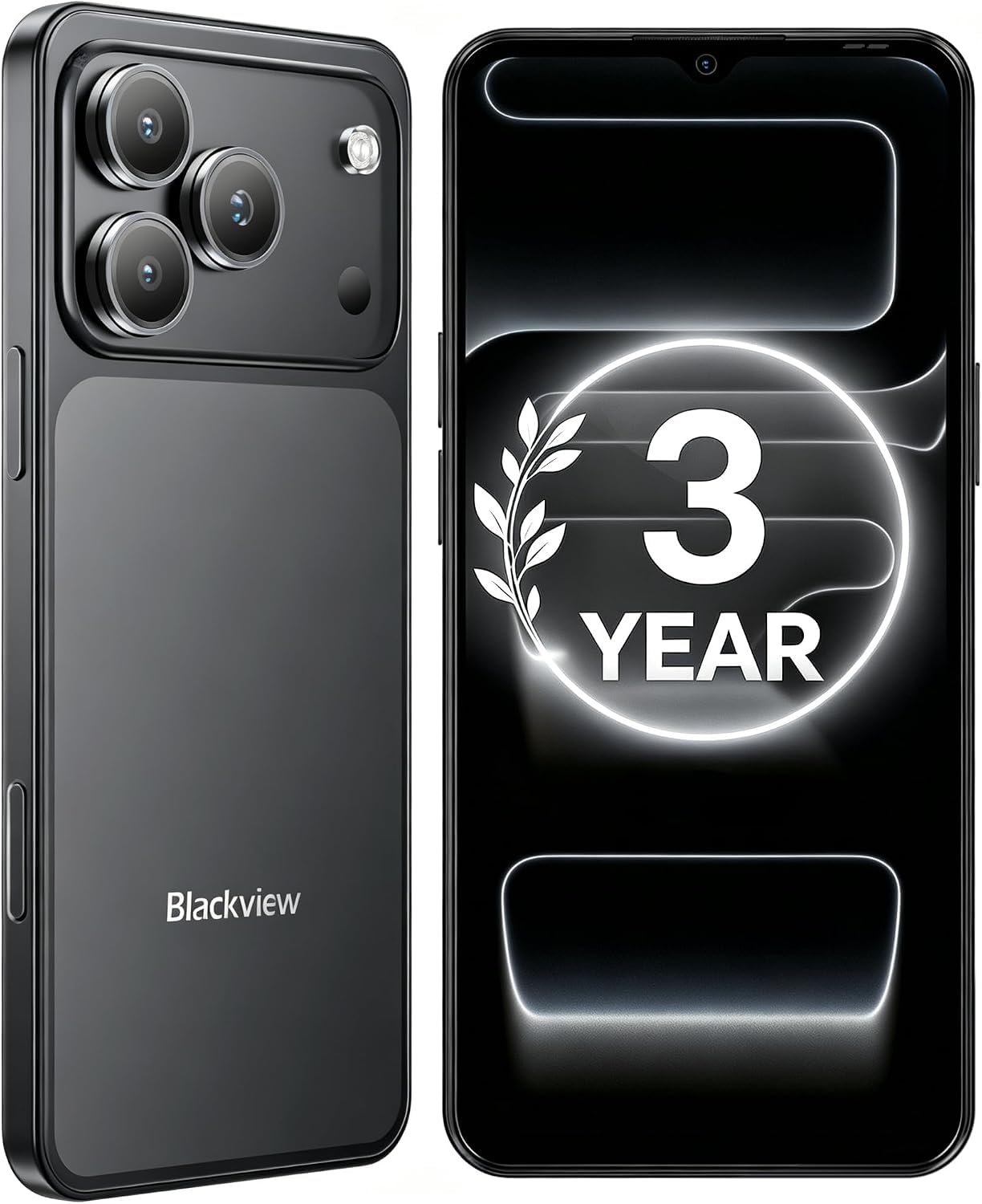
2. Blackview Wave 7C open up Android 16 4G Cell Phone, 128GB, Dual SIM
Four hundred and counting, a 4G workhorse that keeps the call clear on GSM networks.
This one is refreshingly direct about what it can and cannot do: it is GSM-only (the network type used by T-Mobile, Mint, and Metro), and it will not work on AT&T, Verizon, or CDMA carriers. There is no 5G. If your carrier is on that GSM list and your daily phone use is calls, maps, messaging and the odd video, that is the entire reception story — the phone connects where it is certified and stays out of your way.
The value case is what wins people over. What buyers praise most is exactly how basic and dependable it is as a daily device, and the second theme is value for money — the screen draws repeated favourable comments in that context. What you get is a 6.56-inch HD+ IPS display with Reading, Night Light and Dark modes, a 5000 mAh battery, and 128GB of storage that takes a microSD card up to 1TB if you need more. Cameras are a 32MP rear and a 13MP front with 1080p video.
The catch is speed and network ceiling. Charging is 10W, which is slow compared with the TCL’s 33W — the same gap shows up at 33W versus 10W in apples-to-apples terms. The 4GB of physical RAM (plus up to 12GB of virtual RAM borrowed from storage) is fine for everyday apps, and the listing says so plainly. This is a backup phone or a first smartphone, and it is honest about that.
Where it shines: A three-year manufacturer warranty, a 24-hour email support channel, and a local repair center in America back a device that costs less than most handsets’ accessories. Dual Nano-SIM slots plus a dedicated microSD slot let you run two lines without losing expansion, and IP54 keeps light dust and splashes off — just don’t submerge it.
The honest limit: No 5G and no AT&T, Verizon, or CDMA support means this phone is the right answer only for GSM-carrier buyers. Slow 10W charging also means an overnight routine rather than a quick top-up.
Pick this one when: you are on T-Mobile, Mint, or Metro and want a dependable backup or first phone with a real three-year warranty.
Look elsewhere when: your line is AT&T, Verizon, or CDMA — the listing says outright it will not work there.
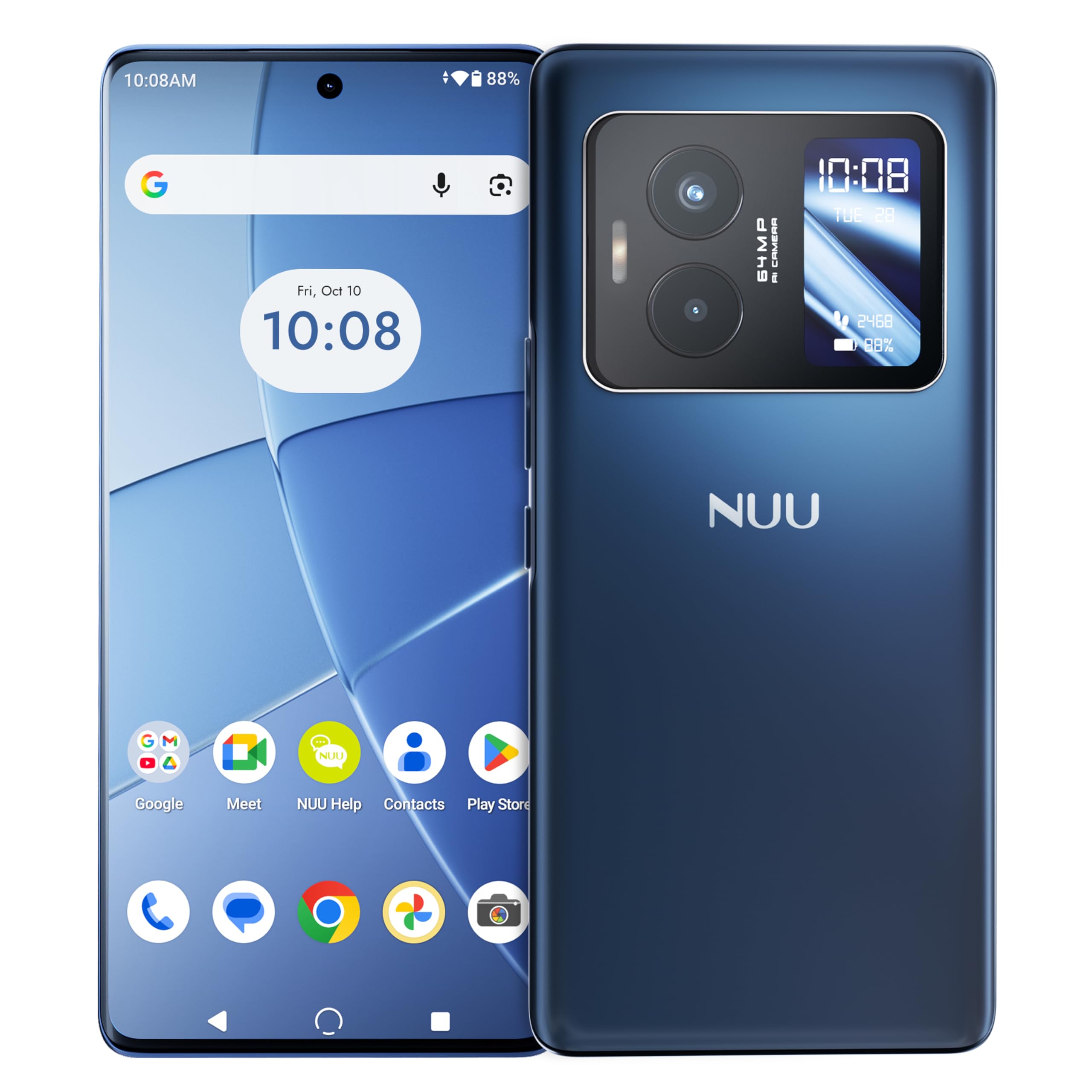
3. NUU B40 5G Cell Phone open up, T-Mobile, 8GB+256GB
A rear screen that shows alerts without waking the main display.
Two lines, one phone, and a 1.6-inch Vista Display on the back that flashes alerts without you open up the front. That rear panel is the defining feature here — for a commuter juggling work and personal lines on T-Mobile, Mint, or Metro, it is one less reason to wake the main screen. The 6.7-inch FHD+ AMOLED panel at 393 pixels per inch and 120 Hz refresh rate covers the entertainment side with room to spare.
What wins people over is the build and finish — quality draws the most favourable comments by a wide margin, and value for money sits second. The 8GB of RAM and 256GB of storage put this well above the Blackview’s 4GB and 128GB. The 64MP rear camera is double the Blackview’s 32MP sensor, and the 16MP front lens keeps video calls clear on that 5G connection.
The honest note is that functionality reports split — most find it works great, while a smaller share hit a problem. Battery life draws a similarly mixed picture despite the 5000 mAh cell. Neither is a reason to walk away; both are reasons to buy from a seller with a clean return path. The Android 15 build and 5000 mAh battery are a sensible pairing for a busy week.
The everyday win: Dual SIM plus T-Mobile/Mint/Metro certification means you can split work and personal lines and still keep a fallback if one line is weak. The 120 Hz AMOLED display is genuinely the star of the back-and-forth — smooth, dense, and readable in sunlight.
The trade-off to weigh: Reports on raw functionality land mixed, so plan to test the phone thoroughly inside the return window. Battery behaviour also splits between all-day and charge-often.
Reach for this if: you run two T-Mobile-family lines and want a rear-screen phone that keeps alerts off the main display.
Look elsewhere if: you need a Verizon or AT&T line — it is certified for T-Mobile, Mint, and Metro only.
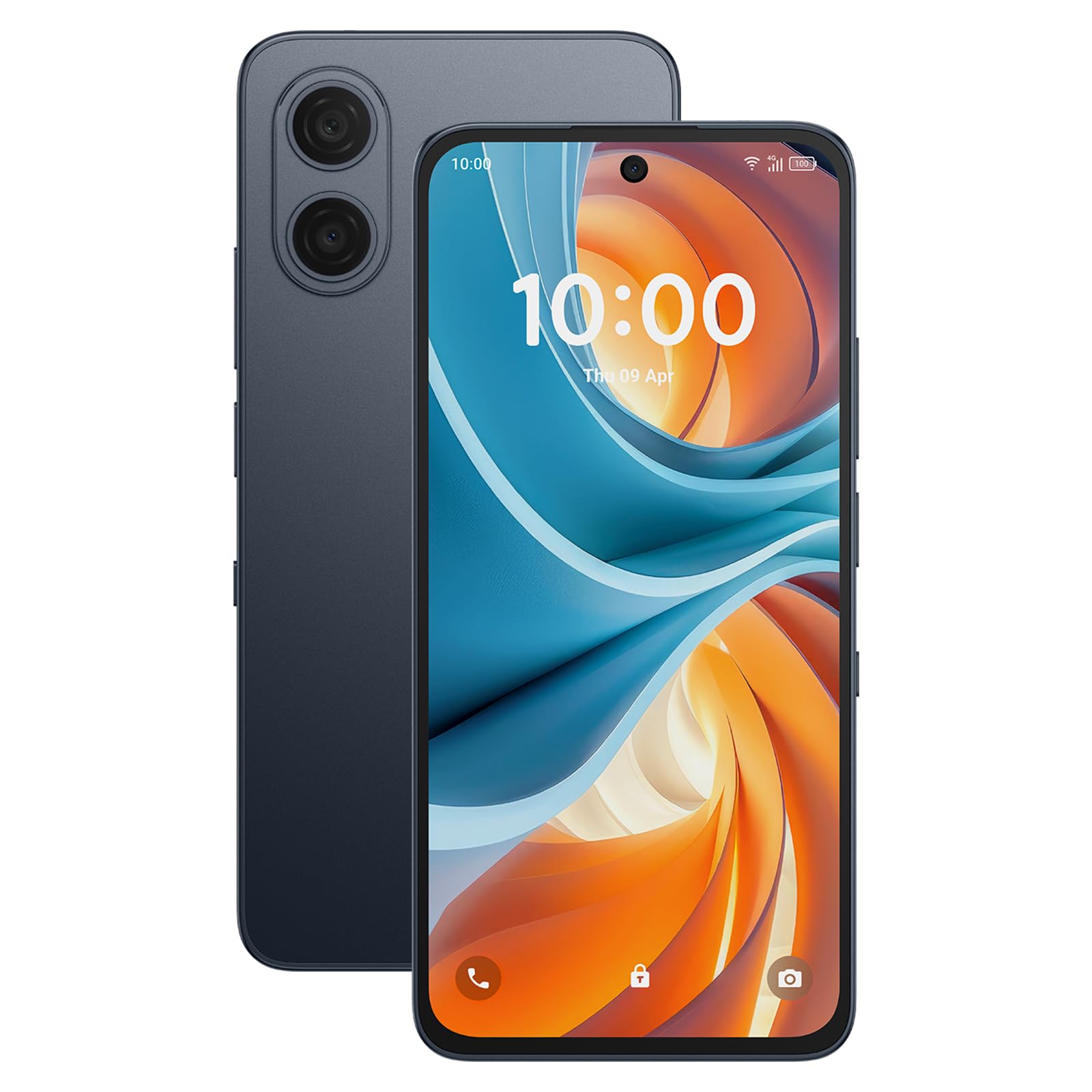
4. TCL NXTPAPER 70 Pro open up Android Phone, 6.9″ 120Hz, 8+512GB
An anti-glare reading phone with a screen tuned for long sessions.
If you read more than you scroll, this is the pick. The 6.9-inch FHD+ 120 Hz NXTPAPER 4.0 display is built around anti-glare, flicker-free visuals with hardware-level blue light reduced to 3.41 percent. Four display modes — Standard, Color Paper, Ink Paper, and Max Ink — switch via the NXTPAPER Key, so an ebook at night and a map in daylight are two taps apart. The 5G modem and Wi-Fi 6E cover the connectivity side.
What earns the most praise is overall quality, with screen quality a strong second, then performance and value for money. The 5200 mAh battery and 33W charging give you a usable weekday — the manufacturer says the cell reaches 50 percent from zero in roughly 38 minutes, and reverse charging can share power with another device. That 33W is more than triple the Blackview Wave 7C’s 10W. Storage is 512GB, four times the Wave 7C’s 128GB, with 8GB of RAM alongside.
Cameras run a 50MP main, 8MP ultra-wide, and 32MP front — that front lens is 32MP against the Samsung S26 Ultra’s 12MP, and it decides which phone wins the selfie round. Battery reports split between fantastic and fast-draining, so light users will be fine and heavy 5G streamers should expect a dinner-time top-up. IP68 water and dust resistance rounds out the durable build.
What makes this a keeper
- NXTPAPER 4.0 panel with anti-glare coating and four reading modes
- IP68 water and dust resistance for real-world durability
- 33W charging and reverse charging for topping up another device
- 32MP front camera and 512GB of storage
Weigh before you buy
- Battery feedback splits between all-day and fast-draining
- LCD panel under the NXTPAPER layer rather than AMOLED
- Optional T-Pen and stand case are sold separately
The match: students, remote workers, and bedtime readers who want a glare-free screen with genuine reading modes.
The mismatch: buyers who want an AMOLED panel — this is an LCD behind the NXTPAPER layer.
5. Apple iPhone 16e, 128GB, Black — open up (Renewed)

One phone, every major US carrier — the safest reception bet on the list.
For pure carrier flexibility, nothing else here matches it: open up for both GSM and CDMA, working with AT&T, T-Mobile, Verizon, Straight Talk, and others. GSM and CDMA support means you can swap SIMs or eSIMs between AT&T, T-Mobile, and Verizon without re-buying a phone. The catch the listing spells out is that it has no mmWave 5G, no MagSafe, and uses dual eSIM only, so there is no physical SIM card slot.
The screen stays readable outdoors: a 6.1-inch Super Retina XDR OLED at 2532 x 1170 pixels and 460 pixels per inch, with 800 nits of peak brightness in high-brightness mode and 1200 nits at peak (a nit is a unit of screen brightness). An Apple A18 six-core chipset handles the modem and processing side, with 8GB of RAM and 128GB of storage. Connectivity runs Sub-6 GHz 5G (the longer-range 5G layer), LTE, Wi-Fi 6, Bluetooth 5.3, NFC (tap-to-pay), USB-C, and 7.5W wireless charging.
On quality this is among the most consistent phones in the guide, with reliability and battery life drawing steady praise; the 4005 mAh cell (milliamp-hours, a measure of battery capacity) covers about 12 hours per the spec. The honest trade-off for a renewed unit is cosmetic — some units arrive with minor blemishes even though most report none — so buy from a seller with a clear condition description. The 48MP rear and 12MP front cameras keep pace with a modern flagship.
Why it belongs here: Sub-6 GHz 5G with dual eSIM means you can switch between AT&T, T-Mobile, and Verizon without hunting for a different handset. The A18 chipset and 460 pixels per inch panel are current, not a compromise.
What to plan around: No mmWave, no MagSafe, and no physical SIM slot narrow your flexibility if you rely on a physical SIM. Renewed stock can show minor cosmetic marks — check condition before you commit.
Worth it for: people who may change carriers and want one phone that covers all three big US networks.
Skip the fit if: you need mmWave 5G, MagSafe, or a physical SIM slot — this model has none of those.
6. Nothing Phone (4a) Pro Cell Phone, Android 16 (Black, 8+128GB)
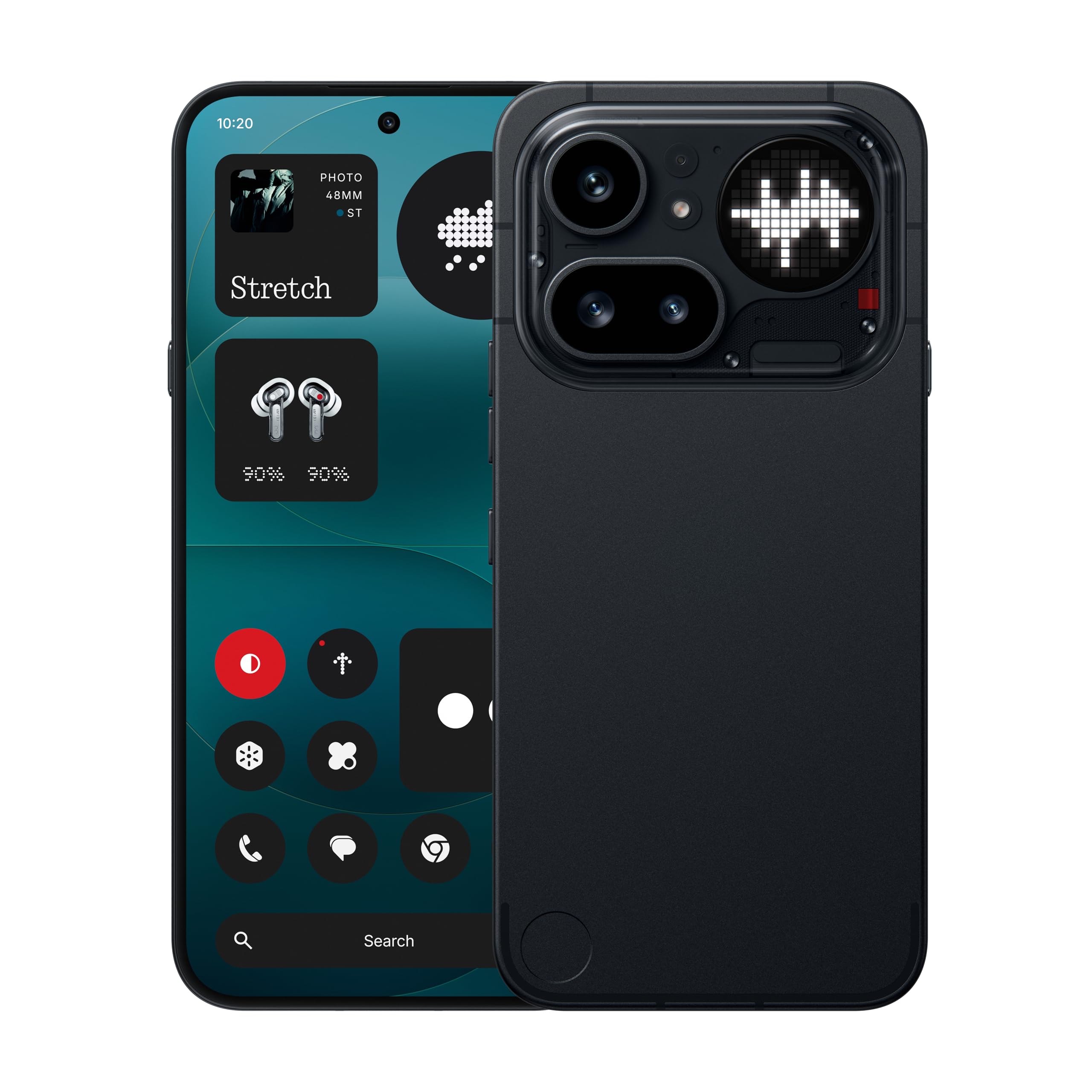
A distance shooter with a periscope lens and a transparent body.
AT&T and T-Mobile are both certified here, with voLTE and voNR supported — the coverage list runs through LTE bands 2/4/5/12/48/66 and 5G bands n2/n5/n48/n66/n77 for AT&T, plus LTE 2/4/12/17/25/41/66/71 and 5G n2/n12/n25/n41/n66/n74 for T-Mobile. That band detail is the most useful part of the listing for a reception-focused buyer. It is the fanciest camera phone in the collection for the money.
A 50MP Sony main sensor with OIS (optical image stabilization, which steadies your hand), a 50MP periscope telephoto lens at 3.5x optical zoom and up to 140x ultra zoom, and an 8MP ultra-wide cover the shooting side. The Glyph Matrix on the back is 137 individually controllable mini-LEDs acting as a secondary display for notifications, timers, and battery status. The aluminum unibody is 7.9mm thin with IP65 dust and water resistance.
Reception here is the honest divider — connectivity draws mixed reports, so test real-world signal during the return window. What earns the strongest praise is how premium the phone feels, and design draws consistent favourable comments. The 45-hour average battery life gives you long gaps between charges, and the listed charge time is 64 minutes. This is the pick for someone who wants a zoom camera first and treats cellular as a supporting act.
The standout: A 50MP periscope lens with 3.5x optical zoom is a rarity at this price, and the 137-LED Glyph Matrix is a genuinely different way to see notifications without open up.
The caveat: Connectivity feedback is mixed, so coverage in your specific area should be the deciding factor — check it against the band list above before buying.
Right call for: AT&T or T-Mobile users who prioritize a periscope zoom and distinct design.
Wrong call for: Verizon subscribers, who are not listed as supported here.
7. Samsung Galaxy A37 5G (2026), open up, 256GB, AMOLED
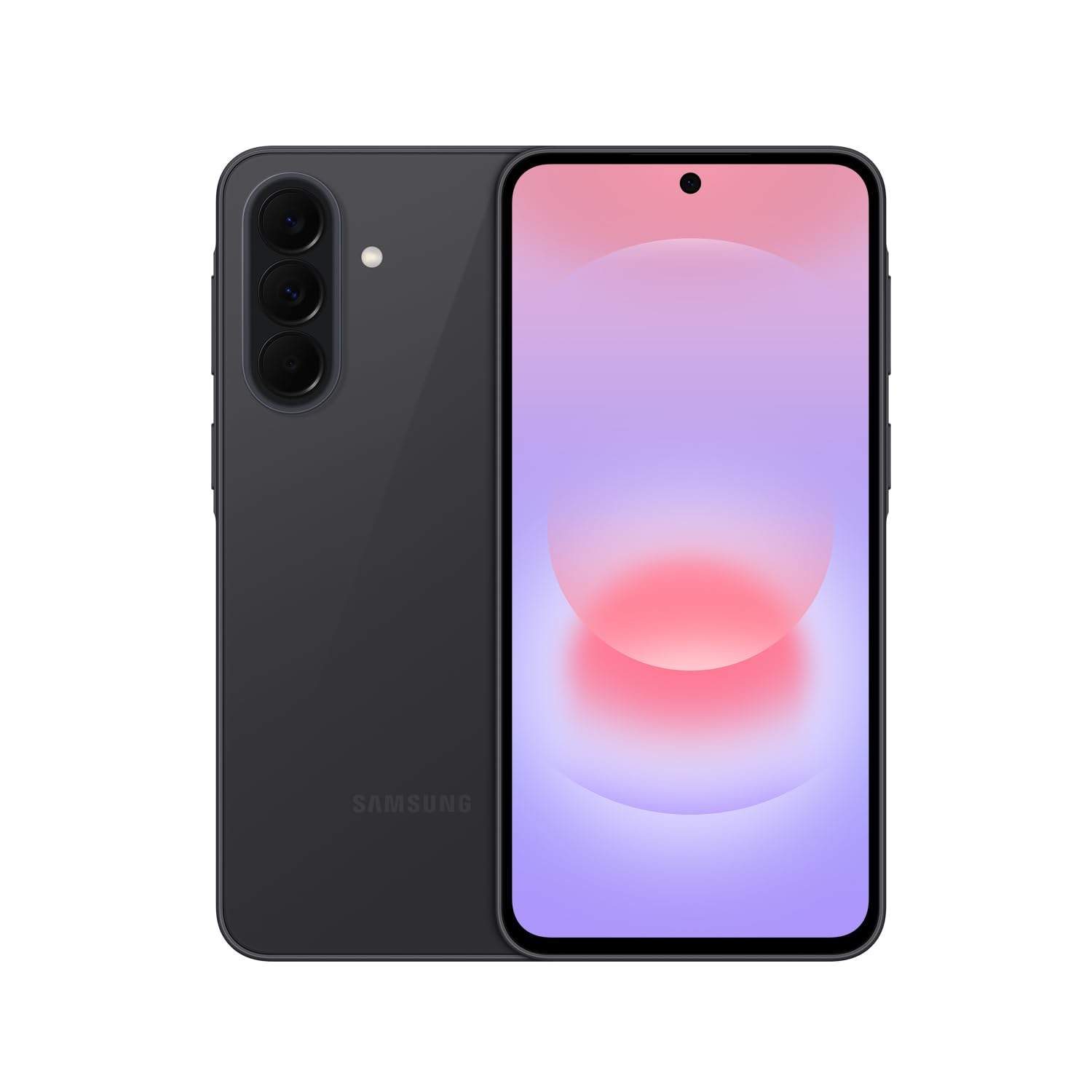
A US-version Samsung with a real warranty behind the signal.
US Version, US one-year warranty, and the reassurance of a Samsung sold for the domestic market. If you want a 5G phone that will not create an activation headache, this is the safer structural route — the connectivity aspect draws steady favourable notes. The 6.7-inch Super AMOLED display and IP68 water and dust resistance make for a durable daily device.
The Exynos 1480 chipset handles performance, and the 50MP HDR main camera plus a studio-grade front lens cover the camera side, which is the second-most-praised aspect of this phone after overall quality. The 5000 mAh battery is quoted for 27 hours of talk time. Six OS updates and six years of security updates are the long-game value; this phone is meant to be kept, not replaced.
The honest split is performance — most find everything runs fast, while a smaller share hit slow spots. Battery life draws the same mixed picture, with some reporting it does not stretch past 24 hours of mixed use. Neither is disqualifying at this rating; both mean a heavier user should size their expectations. Super Fast Charging 2.0 helps when the day runs long.
Ticks that build trust
- US Version with a US one-year warranty
- 6 OS updates and 6 years of security updates
- IP68 water and dust resistance and a 6.7-inch Super AMOLED panel
- 27-hour talk time from the 5000 mAh battery
Where it may disappoint
- Performance splits between fast and lagging
- Mixed battery reports on the heaviest days
Best fit: US buyers who want Samsung support and long software updates over bleeding-edge specs.
Consider another pick if: you are a heavy gamer — performance feedback swings both ways here.
8. Motorola Razr 2025, open up, 8/256GB, 50MP Camera

A compact flip phone certified for every major US carrier.
Universal open up here means what it should: compatible with Verizon, AT&T, T-Mobile, and other prepaid carriers without a re-buy. For a foldable, that is a rare combination of portability and carrier flexibility. The 3.6-inch external display lets you use your favorite apps without flipping the phone open, which is genuinely useful for quick call checks on the go.
What wins people over is how this phone feels and looks — quality, then appearance and compact size, lead the favourable comments. It runs a 6.9-inch LTPO main display at 413 pixels per inch with Pantone-validated colour, a 50MP camera system, and a 4500 mAh battery with 30W TurboPower charging. The titanium hinge plate is a durability upgrade over prior flips.
Screen durability and camera quality are where reports split, and the honest advice is to handle this phone more gently than a slab device. A few units have shown display issues, and the internal screen is the fragile part of any flip. If you are hard on phones, this is a fit note rather than a dealbreaker. Remember that battery life claims are approximate and depend on network strength.
What it nails: True universal carrier support plus a 3.6-inch cover screen and a titanium hinge plate — a foldable you can actually use the same way as your old phone.
The honest caveat: The main internal screen is the part to protect, and the battery life claim is approximate and network-dependent. Handle it with more care than a standard phone.
Choose this if: you want a compact flip that works on any major carrier and you treat your phone carefully.
Choose a slab if: you want the most sturdy display possible — foldable screens want more care.
9. Nothing Phone (3), 5G open up, 512GB, Snapdragon 8s Gen4

Four 50MP lenses bolted to a 512GB body with a Snapdragon brain.
Both AT&T and T-Mobile are fully supported here with voLTE, voNR, 3G, 4G, and 5G — the listed AT&T bands cover LTE 2/4/5/12/17/26/30/48/66 and 5G n2/n5/n30/n48/n66/n77, and T-Mobile runs LTE 2/4/12/17/25/41/66/71 and 5G n2/n12/n25/n41/n66/n71. Verizon is a different story: the listing says to reach out to Verizon to whitelist the IMEI, and it does not recommend using this phone on that network.
The hardware is a genuine step up. The Snapdragon 8s Gen 4 chipset, built on 4nm process with a full-core 3.2GHz CPU, pairs with LPDDR5X RAM and UFS 4.0 storage and 512GB of space. All four cameras are 50MP — main, periscope, ultra-wide, and front — with Ultra XDR 4K video and Night Mode. The 6.67-inch 1.5K AMOLED panel refreshes at 120 Hz, reaches 4500 nits, and runs 460 pixels per inch for 1.07 billion colours.
What earns the loudest praise is functionality, followed by battery life from the 5150 mAh cell and the 33.43-hour quoted talk time. Performance draws mixed notes — most users find it does everything well, while a smaller group reports it stops working. The Glyph Interface and ESSENTIAL KEY round out the package as a genuinely different interaction model.
Best for: AT&T and T-Mobile power users who want a flagship camera stack without picking up the priciest phone on the page. The 4500-nit display and 1000Hz touch response are the kind of spec that shows up in daily smoothness, not just spec sheets.
Watch for: Verizon support requires a whitelist call, and performance feedback is split. If your network is Verizon, the safer pick is elsewhere in this list.
Suits: AT&T or T-Mobile buyers who want four 50MP cameras, 512GB, and a Snapdragon 8s Gen 4.
Does not suit: Verizon subscribers — the listing itself steers you away.
10. OnePlus 15, 16GB RAM + 512GB Storage, Dual-SIM, open up
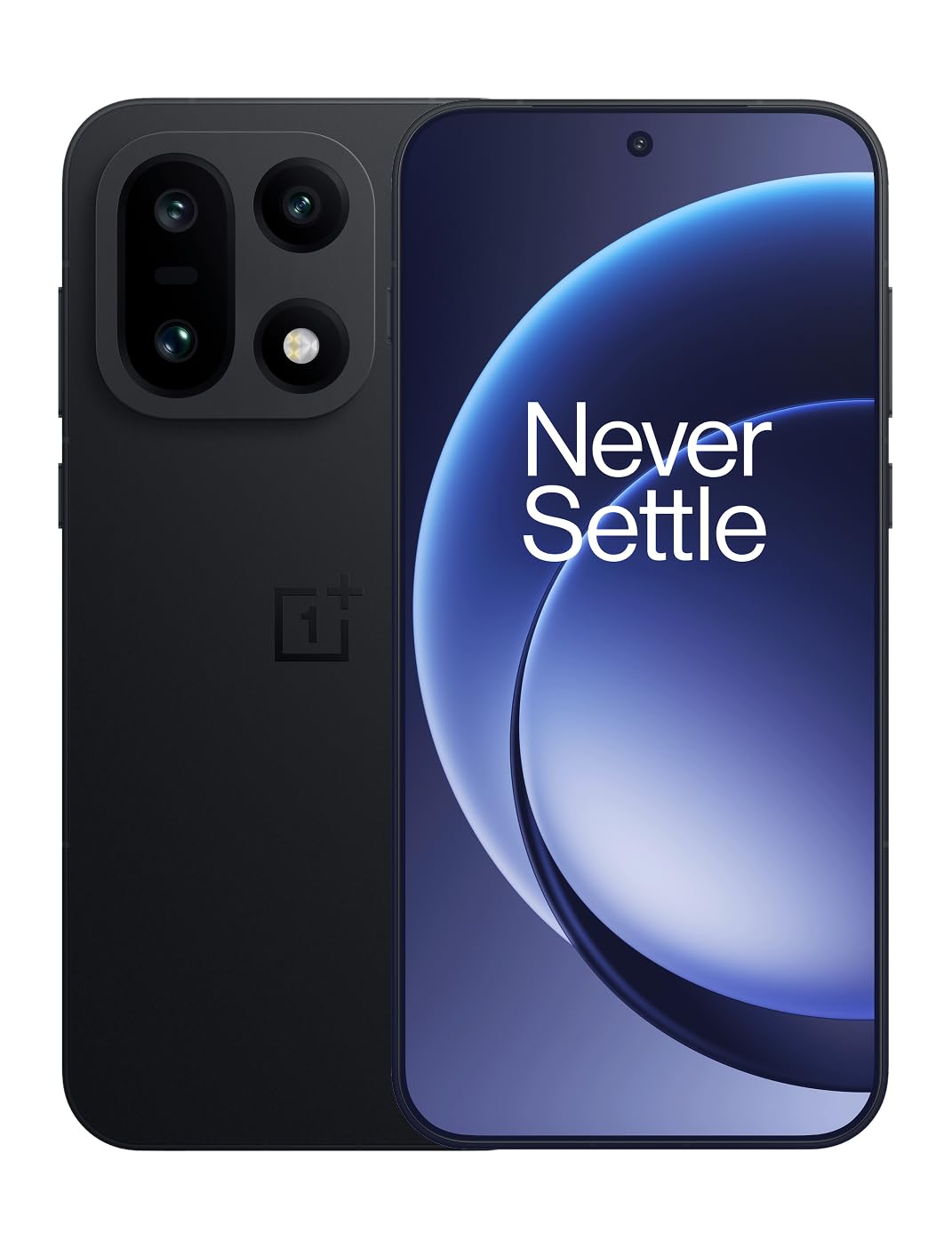
A 7,300 mAh battery and a dedicated Wi-Fi chip for connectivity that stays on.
The Tri-Chip System is the reception angle that matters here: Snapdragon 8 Elite Gen 5 paired with a dedicated Wi-Fi chip and CPU scheduler for faster performance and steadier connectivity. That dedicated Wi-Fi chip means one less job shared with the processor — useful for anyone flipping between Wi-Fi and cellular all day. The 7,300 mAh battery is the largest on this list.
The 6.78-inch 165 Hz AMOLED panel is the smoothest display here, and it packs 450 pixels per inch. A triple 50MP camera system covers wide, ultra-wide, and telephoto. Dual-SIM support keeps work and personal lines apart.
What wins people over is overall phone quality, then the battery, which performs impressively — the manufacturer’s spec puts a full charge from 10 percent to 100 percent in 30 minutes. Value for money and speed draw steady praise too. Performance splits both ways, and camera quality is similarly mixed. The 165 Hz display and fast charging make a strong everyday case.
Reasons this earns a spot
- 7,300 mAh battery with a 10-to-100 percent charge quoted at 30 minutes
- Dedicated Wi-Fi chip alongside the Snapdragon 8 Elite Gen 5
- 165 Hz 6.78-inch AMOLED panel with 450 pixels per inch
- 16GB RAM and 512GB storage
Things to know
- Camera and performance feedback both split
- 165 Hz draws more power than a 60 Hz panel
For the battery-first buyer: anyone who wants the biggest cell in this guide plus a dedicated Wi-Fi chip for smoother handoffs.
Look elsewhere for: camera-first buyers — the triple 50MP setup draws mixed notes.
11. Google Pixel 11 Pro, open up, 1TB, Obsidian
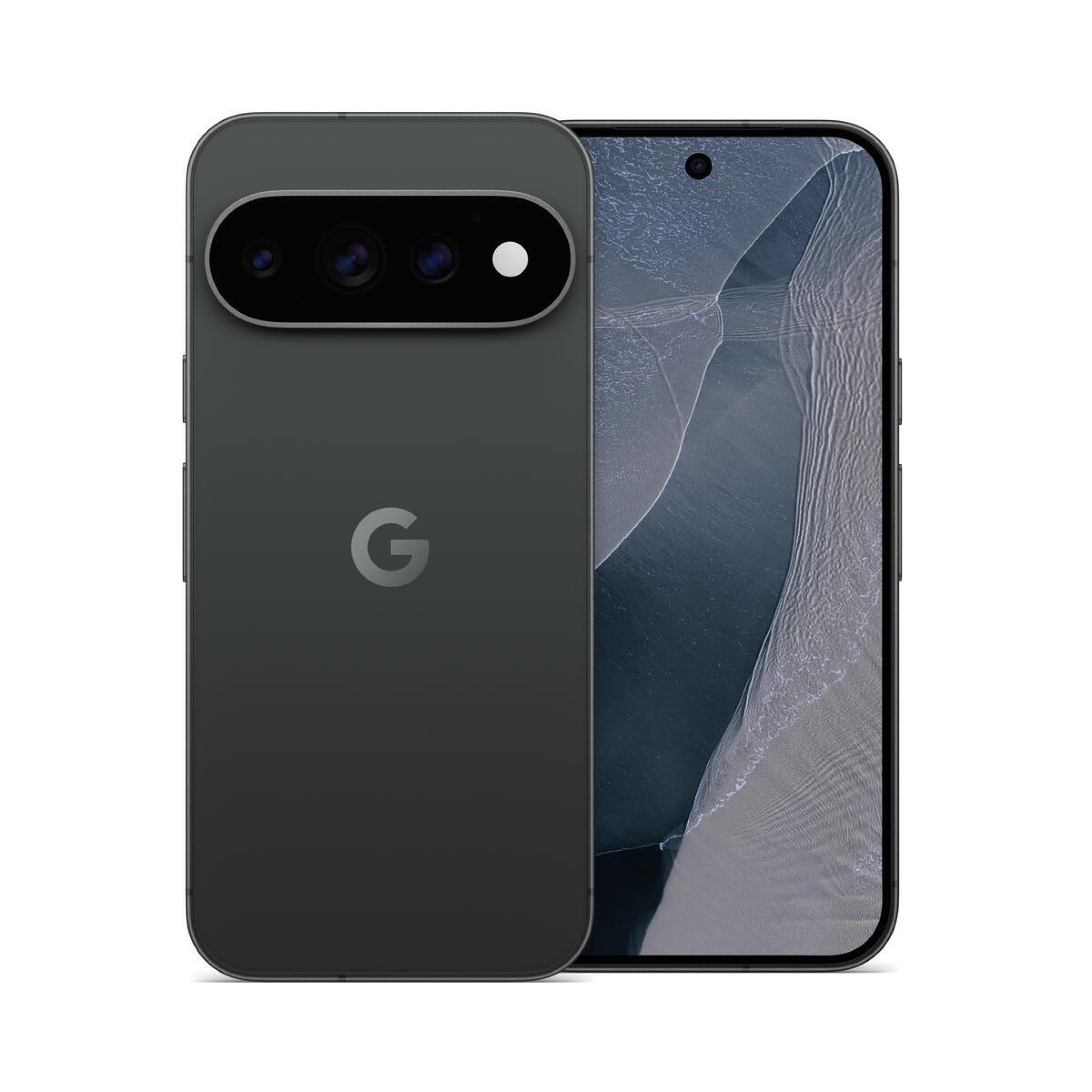
Carrier freedom, a bright display, and Google’s cleanest Android build.
Works with Google Fi, Verizon, T-Mobile, AT&T, and other major carriers — that is the reception story and it is a strong one for anyone who might change networks. The G6 Tensor chip and Titan M3 security chip handle the processing and protection side, and 5G plus Wi-Fi 6E plus Bluetooth v6.0 cover the connectivity stack. A single open up purchase covers the big three without re-buying.
The 6.3-inch Super Actua display and larger telephoto sensor that captures 30 percent more light — the manufacturer’s claim — round out the camera package alongside a 120x ProZoom. Battery life is quoted at 30+ hours with wireless charging; the 4850 mAh cell is the listed capacity. The Obsidian finish and available two sizes make this the largest-storage phone in the guide at 1TB.
What sellers get right is quality and the camera, both of which draw steady praise, and speed over previous Pixel models is another repeated theme. Performance and battery life feedback are both mixed — most users find it fast, while a smaller share hit slow patches. The 120x zoom and Gemini integration are the standout features for a long-term owner.
The premium argument: All-carrier support plus 1TB storage and a 120x ProZoom make this the most future-proof phone here for someone who stays on the same network long-term.
The premium caveat: Performance and battery feedback are mixed,so the 30+ hour battery claim should be tested against your own daily use before you rely on it. It is also the priciest device in the guide, so the value case rests on storage and carrier flexibility.
Worth the step up: buyers who want a single open up phone that works on every major US carrier plus 1TB of storage.
Pause if: you are price-sensitive or want a guaranteed all-day battery — the 30+ hour figure merits a real-world test.
Understanding the Specs
Band support and carrier certification
Bands are the radio frequencies your carrier transmits on, and a phone only hears the ones its modem supports. A listing that says “GSM only — T-Mobile, Mint, Metro” is telling you plainly which networks the radio is tuned for. Certification like “US Version” or “factory open up for international networks” is what separates a phone that activates cleanly from one that needs troubleshooting. Before you buy, check the band list against your carrier — or ask the carrier to verify the IMEI (the phone’s unique hardware ID). Running that IMEI check before you buy prevents most activation and reception problems.
Modem generation, Wi-Fi standard, and 5G vs LTE
The modem is the radio chipset that handles cellular, and it is often bundled with the processing chipset — a Qualcomm Snapdragon 8 Elite Gen 5 or an Apple A18 will carry a newer modem than a budget 4G platform. Wi-Fi numbers like Wi-Fi 6E matter because your phone hands off between Wi-Fi and cellular constantly; a current standard keeps those switches cleaner. And 5G is not automatically better than LTE (4G) in a weak-signal area — a 4G phone on the right bands can hold a call where a 5G phone missing a band cannot. Match the standard to your actual coverage, not the marketing label.
FAQ
Will an open up phone work on any US carrier?
How do I check if a phone will get reception on my network before buying?
Is a 5G phone better than a 4G phone for reception?
Will a phone certified for T-Mobile work on Verizon or AT&T?
Does dual SIM improve reception?
How long does a phone keep receiving security updates?
What does mmWave 5G mean, and do I need it?
Can a heavy case or metal cover hurt my signal?
Which phone here is the safest bet if I might change carriers?
Do Wi-Fi 6E and Bluetooth v6.0 matter for phone calls?
Final Thoughts: The Verdict
For most T-Mobile buyers, the cell phone for reception winner is the Samsung Galaxy S26 Ultra 5G — the listing certifies it for T-Mobile, and the Quad HD+ 120 Hz AMOLED panel and Snapdragon 8 Elite Gen 5 back it up. If you might switch between AT&T, T-Mobile, and Verizon, grab the Apple iPhone 16e, which is open up for both GSM and CDMA (the two main US network types). And for a budget workhorse on GSM networks, the Blackview Wave 7C is the one to reach for, with a three-year warranty behind it.
The one honest nudge: sort by carrier first and everything else second. A 200MP camera cannot place a call on a band the modem does not support, and a 7,300 mAh battery cannot compensate for a radio that misses your carrier’s frequencies. Confirm support, verify the IMEI, then choose the features you actually want.
How We Picked
We do not accept paid placement. Every pick is matched to a real buyer and a real use-case; we do not hands-on test units.
Sources & Methodology
Specifications: manufacturer listings and product documentation. Review insights: verified customer reviews, as of November 2026. Pricing: not shown on this page (it changes often); check the current price via the retailer link.
As an Amazon Associate, Gadgets Feed earns from qualifying purchases. This does not affect which products we feature.