
The market for unlocked budget phones has shifted dramatically, and today there are genuinely capable devices that handle daily communication, streaming, and photography without breaking the bank—if you know exactly which specs matter.
I’m Min — the co-founder and writer behind Gadgets Feed. I’ve spent the last several weeks analyzing benchmark scores, real-world test reports, and the cellular band compatibility charts for the most compelling unlocked phones that sit right at this price ceiling.
The seven devices reviewed here represent the strongest contenders for the cell phone under 100 category, each validated against strict criteria for display quality, processor capability, and battery endurance.
How To Choose The Best Cell Phone Under 100
Choosing a smartphone in this price bracket requires deliberate trade-offs. You need to balance carrier compatibility, storage space, and battery life against the occasional software bloatware found on carrier-locked or cheap refurbished devices. Start with your carrier, then work down the specs list in order of importance.
Carrier Compatibility: GSM vs. CDMA
Most unlocked phones for under a hundred dollars are GSM-only, meaning they work reliably on T-Mobile, AT&T, and their MVNOs like Mint Mobile and Cricket Wireless. If you use Verizon, Spectrum Mobile, or Xfinity Mobile, you need a phone that explicitly lists CDMA or “Verizon-compatible” in its LTE band support. Check the specific 4G LTE bands your carrier uses—B2, B4, B5, B12, B13, B66—before purchasing, because one missing band can mean no service in your area.
Performance Floor: RAM and Processor
At this price, 3GB of RAM is the absolute minimum for Android 13 or 14 to run without constant app reloads and lag. Devices with 4GB of physical RAM plus virtual RAM expansion (such as the UMIDIGI G9T or the NUU N30) offer noticeably smoother multitasking. Processors like the MediaTek Helio G81, Unisoc T606, or the Snapdragon 680 are the typical chipsets found here; they handle calls, texting, social media, and light web browsing but will struggle with graphically intense games or heavy video editing.
Display Refresh Rate vs. Resolution
A 90Hz refresh rate is the most impactful upgrade you can get on a sub- device. It makes scrolling, app navigation, and animations feel significantly smoother than a standard 60Hz panel. The trade-off is that most of these phones cap resolution at 720p HD+ rather than Full HD 1080p. Given the smaller screens (6.5 to 6.75 inches), the lower pixel density is less noticeable than frame stutter, so prioritize refresh rate over resolution.
Battery Capacity and Charging Speed
A 5000mAh battery is the standard across almost every phone in this category, which is excellent for all-day to two-day use. The difference lies in charging speed. Some units ship with a standard 10W charger, while others support 18W fast charging that gets you from 30% to 80% in roughly 40 minutes. Look for “fast charging” support in the specs and ensure the included charger brick actually delivers the rated wattage.
Storage and Expandability
Internal storage options range from 32GB to 128GB in this price tier. After the system takes its share, a 32GB phone leaves you only about 15-18GB for apps and media. Apps like Facebook, Instagram, and messaging platforms can consume 500MB-2GB each. The presence of a microSD card slot (supporting up to 256GB or 1TB) is a hard requirement if you plan to take photos, download music, or install many apps, because cloud storage is less practical on a budget device.
Quick Comparison
On smaller screens, swipe sideways to see the full table.
| Model | Category | Best For | Key Spec | Amazon |
|---|---|---|---|---|
| NUU N30 | Mid-Range | Teens & Parental Control Users | 6GB RAM + 128GB Storage | Amazon |
| Motorola Moto G Play 2024 | Mid-Range | Balanced Everyday Performance | Snapdragon 680 + 90Hz Display | Amazon |
| UMIDIGI G9T | Mid-Range | Expandable Storage Enthusiasts | 1TB MicroSD Support | Amazon |
| Samsung Galaxy A14 5G | Premium | 5G Connectivity on a Budget | 5G + 50MP Main Camera | Amazon |
| OnePlus Nord N200 5G | Premium | 5G Data Speeds | 90Hz FHD+ Display | Amazon |
| Motorola Moto G Play 2023 | Budget | Reliable Backup or Work Phone | 3GB RAM | Amazon |
| Samsung Galaxy A03s | Budget | Absolute Lowest Entry Price | 283 PPI Display | Amazon |
In‑Depth Reviews
1. NUU N30
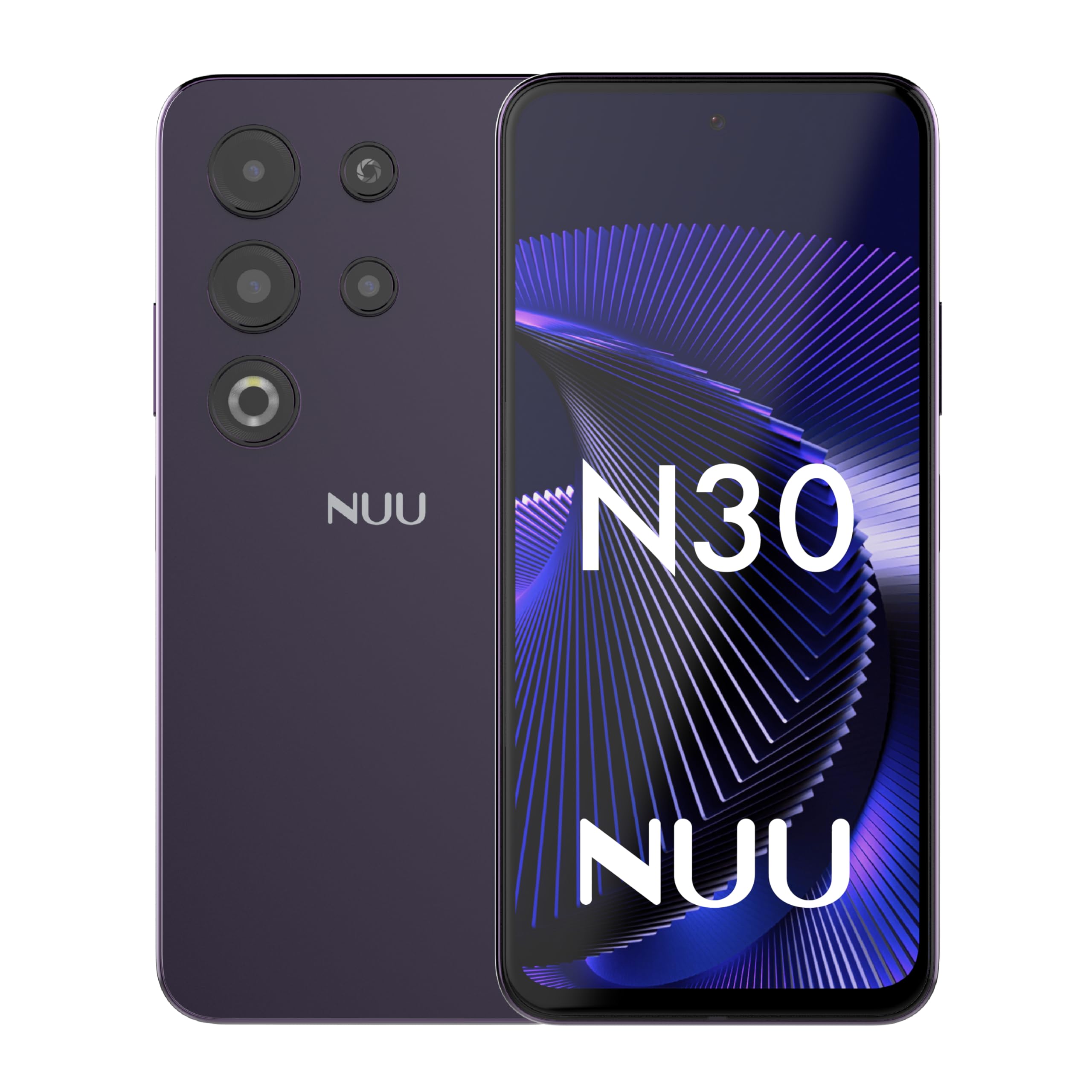
The NUU N30 stands out as the most complete package in the sub- tier, bringing 6GB of physical RAM with an additional 6GB of virtual RAM expansion for a total of up to 12GB of active memory. That is double the memory found on most competitors at this price, which translates to noticeably better multitasking and fewer app reloads when switching between messaging, maps, and streaming apps.
The 6.7-inch HD+ display runs at 90Hz, delivering a smooth scrolling experience that makes the phone feel faster than its MediaTek Helio G81 processor would suggest. The 50MP main camera captures detailed shots in good lighting, and the 8MP selfie camera handles video calls competently. NUU has also included an 18W fast charger in the box, which charges the 5000mAh battery from 30% to 79% in about 39 minutes—a meaningful charging speed advantage over many competitors that ship with slower bricks.
The phone runs Android 14 with no bloatware, includes a 3.5mm headphone jack, and supports dual SIM and microSD expansion up to 256GB. The main limitation is carrier compatibility: it supports T-Mobile and its MVNOs (Mint, Metro, Google Fi) but is not compatible with Verizon, AT&T, or Cricket. If you are on a T-Mobile-based network, this is the most powerful device you can get at the price.
Why it’s great
- 6+6GB virtual RAM for smooth multitasking
- Included 18W fast charger and clear TPU case
- Near-stock Android 14 with zero bloatware
Good to know
- Not compatible with Verizon, AT&T, or Cricket networks
- No NFC for contactless payments
2. Motorola Moto G Play 2024

The 2024 iteration of the Moto G Play brings the Snapdragon 680 chipset, a significant step up from the budget-tier Helio and Unisoc processors found in other sub- phones. This chip delivers noticeably better app load times and smoother navigation through Android 13, and its 4GB of RAM helps keep multiple apps in memory without aggressive reloading.
The 6.5-inch HD+ LCD display operates at a 90Hz refresh rate, which is the same smooth experience you get from phones costing three times as much. The 50MP f/1.8 rear camera uses Quad Pixel technology to combine four pixels into one for better low-light shots, and the 8MP front camera is adequate for selfies and video calls. Motorola’s signature side-mounted fingerprint sensor is fast and reliable, and the phone supports face unlock as a secondary biometric option.
One of the strongest advantages of the Moto G Play 2024 is its carrier compatibility—it works with both GSM carriers like T-Mobile and AT&T, and CDMA carriers like Verizon. The 5000mAh battery provides consistent all-day endurance, but the device ships with a slower charging setup, so expect longer recharge times. The renewed condition units typically arrive with minimal cosmetic wear, but verify that the included charger is a proper Motorola adapter.
Why it’s great
- Snapdragon 680 offers class-leading CPU performance
- Compatible with both GSM and CDMA carriers
- 50MP camera with Quad Pixel low-light tech
Good to know
- Charging is relatively slow without fast charger included
- Some units reported locking to wrong carrier
3. UMIDIGI G9T

The UMIDIGI G9T targets users who prioritize storage capacity above all else. It ships with 128GB of internal storage and supports microSD expansion up to a massive 1TB, making it the best choice for offline media hoarders or anyone who needs to keep years of photos and videos on their device. The 4GB physical RAM plus 4GB virtual RAM expansion (for 8GB total) provides enough memory for most daily tasks.
The 6.75-inch HD+ display features a 90Hz refresh rate with an eye-care low blue light certification, which reduces eye strain during extended reading sessions. The 5000mAh battery supports 18W fast charging, and the included charger brick actually delivers that speed. The phone runs Android 14 and supports dual SIM 4G LTE, GPS, and multifunctional FM radio—a feature rarely seen on modern smartphones.
The 13MP rear camera produces decent results in good lighting but struggles in low-light conditions, which is typical at this price. Some users have reported the fingerprint scanner becoming unreliable after several months of use, and the phone lacks NFC for contactless payments. Performance from the Unisoc T606 processor is adequate for basic apps but will lag under heavier multitasking or games.
Why it’s great
- Expandable storage up to 1TB via microSD
- 18W fast charging included in the box
- Eye-care low blue light display certification
Good to know
- Fingerprint scanner may become unreliable over time
- No NFC and average low-light camera performance
4. Samsung Galaxy A14 5G

The Samsung Galaxy A14 5G is the only device in this lineup that offers true 5G network compatibility, which makes it the best choice for anyone who wants future-proofed network speeds. The 6.6-inch FHD+ display delivers a pixel density of 393 PPI—significantly sharper than the 720p panels found on competitors—and provides excellent clarity for reading text and watching videos.
The 50MP main camera captures vibrant colors and decent detail, and the device adds an ultra-wide lens and a macro lens for more photographic versatility than the single-camera phones in this price range. The 13MP front camera produces true-to-life selfies, and the overall camera system is the best in this group. The 5000mAh battery provides up to 48 hours of average battery life, which is competitive with the best endurance phones on this list.
A few critical caveats apply. This A14 is GSM-only, so it will not work on Verizon or any CDMA carrier. The octa-core processor is adequate but not fast, and some users report that the phone can overheat during extended calls. The renewed units have a minimum 80% battery health guarantee, which is a solid policy for a pre-owned device, but cosmetic damage may be present on the back and edges.
Why it’s great
- Full 5G network support
- FHD+ display with 393 PPI sharpness
- Versatile triple-camera system with 50MP main
Good to know
- GSM-only, no CDMA carrier support
- Some units reported overheating during long calls
5. OnePlus Nord N200 5G

The OnePlus Nord N200 5G stands out for its 6.49-inch Full HD+ display with a 90Hz refresh rate—the only device in the sub- category that combines FHD resolution with a high refresh rate. The 1080p panel offers a pixel density of 955 PPI, making text, icons, and photos appear significantly sharper than the 720p HD+ screens found on almost every other phone here.
Battery life is a strong suit: the 5000mAh battery supports 18W fast charging via the included Warp Charge adapter, and real-world usage often yields a full day and a half on a single charge. The triple-camera system includes a 13MP main sensor, a 2MP macro lens, and a 2MP depth sensor. The 13MP camera is adequate in well-lit conditions but produces noisy results in low light.
The biggest practical concern with the Nord N200 is that many renewed units were originally locked to T-Mobile and may still be carrier-locked on arrival. Verified unlocked versions exist, but you need to check the listing carefully. The phone ships with T-Mobile bloatware pre-installed, and the 4GB of RAM can feel constrained when multiple apps are open. The fingerprint sensor on the power button is also less reliable than competitors.
Why it’s great
- Full HD+ 90Hz display with high pixel density
- Fast 18W charging with included Warp adapter
- 5G connectivity for fast data speeds
Good to know
- Many units arrive carrier-locked to T-Mobile
- Pre-installed bloatware and unreliable fingerprint sensor
6. Motorola Moto G Play 2023

The Motorola Moto G Play 2023 is the reliable workhorse of the budget tier, pairing a 5000mAh battery with a 6.5-inch HD+ display. The 3GB of RAM is the tightest in this lineup—Android 13 with 3GB means you can comfortably run two or three apps before the system starts swapping apps out of memory. It is not a multitasking powerhouse, but for calls, texts, maps, and a single streaming app, it gets the job done.
The 16MP rear camera is adequate for scanning documents and capturing outdoor shots with good lighting. Motorola’s near-stock Android experience means minimal bloatware, and the side-mounted fingerprint sensor is fast and dependable. The phone supports GSM carriers (T-Mobile, AT&T, Mint) and is also compatible with Verizon-based MVNOs, making it one of the more flexible options for carrier switching.
The main drawback is performance: you will notice slowdowns when opening heavier apps like Facebook, Instagram, or Google Maps, and the camera shutter lag can be frustrating. The 32GB storage is extremely tight once the system takes its share, so a microSD card is almost mandatory. The renewed units are a good value, but some arrive with minor cosmetic wear or a generic charger that may not perform as expected.
Why it’s great
- Excellent battery life with 5000mAh capacity
- Broad carrier compatibility including CDMA networks
- Near-stock Android with minimal bloatware
Good to know
- 3GB RAM limits multitasking capability
- 32GB storage fills up quickly; microSD recommended
7. Samsung Galaxy A03s

The Samsung Galaxy A03s is the entry-level option for users who prioritize brand reliability and the smoothest possible setup experience. It runs One UI Core on top of Android, which integrates seamlessly with Samsung’s Smart Switch data transfer tool—making it the easiest phone to set up if you are moving from an older Samsung device. The 6.5-inch HD+ PLS TFT LCD display is serviceable, but with only 283 PPI, text and icons appear less sharp than the competition.
The 5000mAh battery is standard for this price tier, and the Snapdragon chipset handles basic tasks like calling, messaging, and browsing without major issues. The triple-camera system includes a 13MP main sensor, a 2MP macro lens, and a 2MP depth sensor, though the camera quality is the weakest in this group—photos look washed out and lack detail, especially in low light. The 5MP front camera is passable for video calls.
The A03s lacks 5G, and its 32GB of storage fills up quickly. The included charging brick is slow—expect charge times over 3.5 hours for a full battery. Some renewed units have been reported to have limited 3G-only functionality in certain regions due to incompatible LTE bands, which is a risk for international users. For the absolute lowest entry price into a known brand name, the A03s works, but you are making significant trade-offs in performance and storage.
Why it’s great
- Samsung One UI with Smart Switch for easy migration
- Side-mounted fingerprint sensor for quick unlocking
- Affordable entry point for a major brand name
Good to know
- Low 283 PPI display, very slow charging
- Limited 3G performance in some international regions
FAQ
Can I use a Cell Phone Under 100 with Verizon or AT&T?
Is 3GB of RAM enough on a smartphone under a hundred dollars?
What does “renewed” mean for these budget phones?
Will a cheap phone under work with my carrier’s 5G network?
Final Thoughts: The Verdict
For most users, the cell phone under 100 winner is the NUU N30 because it combines 6GB of physical RAM, a smooth 90Hz display, and a generous 128GB of internal storage without any bloatware. If you need 5G connectivity and a sharper FHD+ display, grab the Samsung Galaxy A14 5G. And for the broadest carrier compatibility and reliable brand performance, nothing beats the Motorola Moto G Play 2024.