
Our readers keep the lights on and my morning glass full of iced black tea. As an Amazon Associate, I earn from qualifying purchases.
Specs are compiled from manufacturer listings and verified buyer reviews and can change over time — please confirm the key details on the product page before buying.
If your games stutter mid-firefight, the fix is usually one number: the refresh rate (how many times per second the screen redraws). A higher figure means smoother motion and less lag between your thumb and what you see. These eleven phones range from a rugged workhorse to a dedicated gaming flagship, and each one earns its spot on real specs rather than marketing. Below you get the refresh rate, the battery size, the chip, and the honest trade-off for every pick so you can match the phone to how you actually play.
I’m Min — the founder and writer behind Gadgets Feed. This guide is built by comparing the manufacturers’ published specifications and the patterns across verified customer reviews, so you get each pick’s real strengths and trade-offs instead of marketing spin.
Some picks here prioritize a huge battery, others a fast display or a big foldable screen, so the right answer depends on whether you play in short bursts or long sessions. Read on for the details behind the best cell phones for gaming.
Our Picks at a Glance
How To Choose The Best Cell Phones For Gaming
A gaming phone lives or dies on three things: how smooth the screen looks, how long the battery survives a session, and whether the chip keeps up when the action gets heavy. Get them wrong and you are charging mid-match with a display that smears every fast pan.
Refresh rate is the number you feel first
Refresh rate measures how often the screen redraws each second, written in Hz. A 60Hz panel redraws sixty times a second; a 120Hz panel does it twice as often, so motion looks cleaner and pans feel less choppy. Several picks here run up to 165Hz, which is the smoothest tier in this group. You do not need the highest figure to enjoy a game, but if you play fast shooters, the jump from 60Hz to 120Hz is the single most noticeable upgrade you can buy.
Touch sampling rate decides how fast your tap lands
Touch sampling rate is how many times per second the screen checks for your finger, also measured in Hz. High refresh rate makes motion look smooth; high touch sampling makes your input feel instant. Some gaming-tuned phones push this well past the refresh rate during game modes, so a quick tap registers almost the moment your thumb moves. For aim-heavy titles, this matters as much as the display itself.
Battery size and chipset go together
A big mAh (milliamp-hour) rating means more stored power, and gaming drains power fast. The largest battery in this group stores 10,360 mAh; the smallest sits around 4,000 mAh. Pair a big battery with an efficient chip on a smaller manufacturing process — measured in nanometers, where a smaller number usually means less heat and better power use — and you get longer sessions before the charger. A thirsty chip on a small battery is the combo that sends you hunting for a wall socket.
Check carrier compatibility before anything else
Some open up gaming imports only work on certain networks in the US. A few models here run on T-Mobile and its partner networks but not on AT&T or Cricket; others support AT&T and T-Mobile but need extra steps on Verizon. Confirm the bands match your carrier before you fall in love with the specs, because a phone that cannot hold a signal is not a gaming phone — it is a paperweight.
Quick Comparison
| Model | Best For | Refresh Rate | Battery | RAM + Storage | Amazon |
|---|---|---|---|---|---|
| OnePlus 15★ Best Overall | All-round flagship play | 165 Hz | 7300 mAh | 16GB + 512GB | Amazon |
| Ulefone Armor X16 Pro 5GToughest Pick | Rugged endurance sessions | 120 Hz | 10360 mAh | 16GB + 256GB | Amazon |
| Xiaomi Poco X8 Pro 5GBest Value | Value mid-range gaming | 120 Hz | 6500 mAh | 8GB + 256GB | Amazon |
| Samsung Galaxy S26 | Compact everyday gaming | 120 Hz | 4300 mAh | 12GB + 256GB | Amazon |
| Xiaomi Poco F7 Pro 5G | Sharp high-res play | 120 Hz | 6000 mAh | 12GB + 512GB | Amazon |
| Razer Phone (1st Gen) | Budget 120Hz pioneer | 120 Hz | 4000 mAh | 8GB + 64GB | Amazon |
| Nothing Phone (3) | Showpiece with smooth screen | 120 Hz | 5150 mAh | 12GB + 512GB | Amazon |
| OnePlus 15R | Long-session battery hound | 165 Hz | 7400 mAh | 12GB + 512GB | Amazon |
| Samsung Galaxy Z Fold5 | Big-screen foldable gaming | 120 Hz | 4400 mAh | — | Amazon |
| Samsung Galaxy S25 Ultra | Premium do-everything play | 120 Hz | 5000 mAh | 12GB + 1TB | Amazon |
| ASUS ROG Phone 9 | Dedicated gaming muscle | — | 5800 mAh | 12GB + 512GB | Amazon |
In‑Depth Reviews
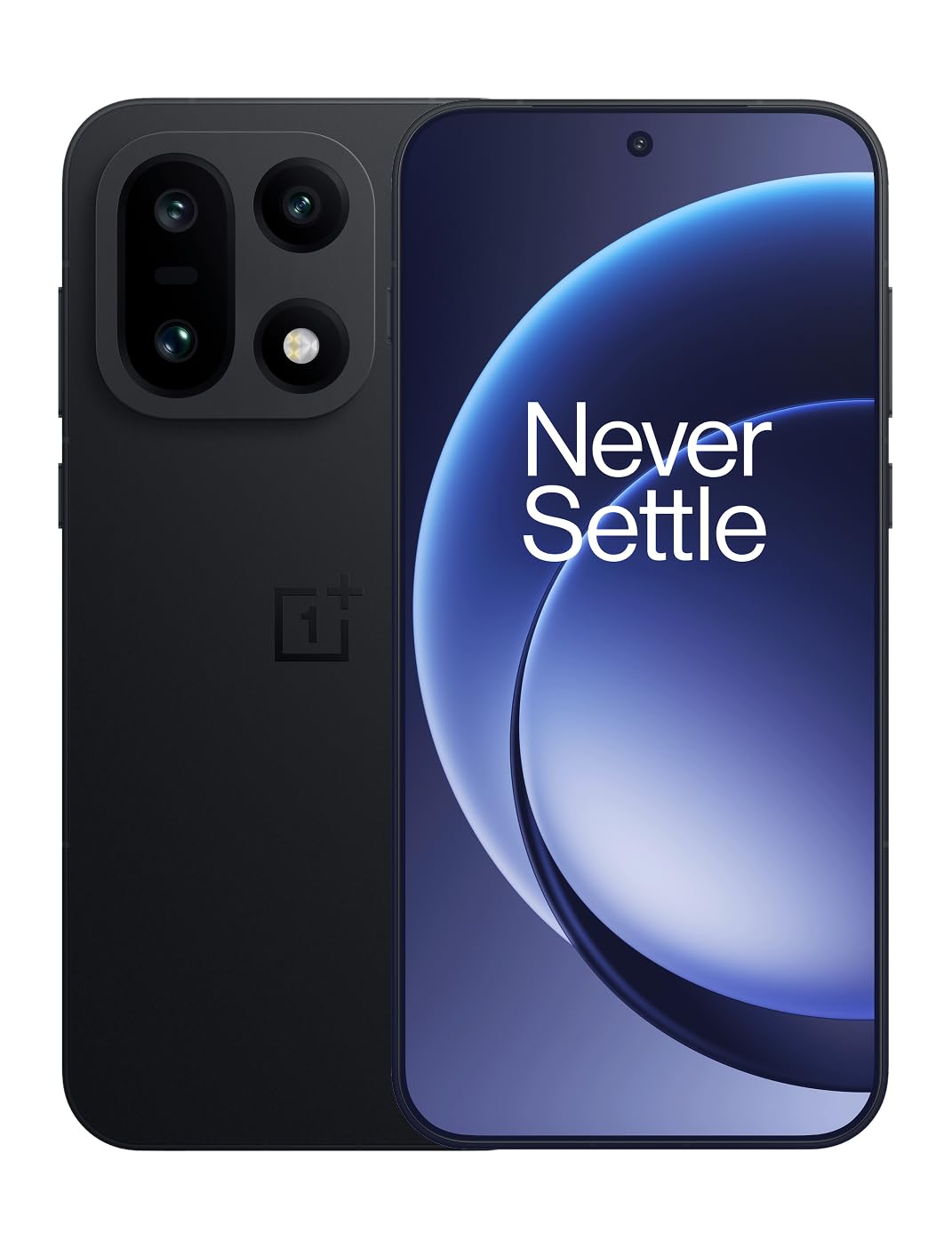
1. OnePlus 15, 16GB RAM + 512GB Storage, Dual-SIM, open up Android Smartphone
Our pick — 4.5+★ from 350+ verified ratings; the strongest balance of quality and price.
The 165Hz panel and Snapdragon flagship chip make this the smoothest all-rounder here.
If you want one phone for fast shooters, streaming, and a full workday, start here. The 6.78-inch AMOLED screen refreshes at 165 Hz — the highest figure in this article, matched only by the 15R — so fast pans and quick turns stay clean instead of smearing. Underneath sits a Snapdragon 8 Elite Gen 5 chip paired with a dedicated Wi-Fi chip and a CPU scheduler, a three-part setup the maker calls its Tri-Chip System, which is aimed at steady frame rates and smoother online connections.
Battery is the other headline. The 7300 mAh cell (milliamp-hours, a measure of stored power) is among the largest here without going rugged. Buyers report a full charge from 10% to 100% in 30 minutes, and the review pages describe it running PC games at impressive frame rates — the kind of headroom that keeps a long session going past the first hour. Doubling up with the 15R, the 450 pixels-per-inch density here is sharper than the Ulefone’s 269, so text and in-game HUDs look crisper at a glance.
The trade-offs are honest ones. This is the biggest-RAM pick at 16GB against the Poco X8 Pro’s 8GB, but a handful of owners hit functionality bugs, and that is the main mixed signal in the feedback. Camera quality lands in mixed territory too, so if photography is your second priority, temper expectations. The rest — phone quality and battery life — is what carries the score.
fast charging flagship
- 165 Hz AMOLED keeps fast motion clean and readable
- 16GB RAM plus the 8 Elite Gen 5 chip for heavy games
- 7300 mAh cell with a reported 10%-to-100% charge in 30 minutes
- 450 pixels-per-inch screen sharpness
no microSD slot
- Some owners run into functionality bugs
- Camera quality draws mixed feedback
heavy daily use: you want one phone that games, streams, and lasts all day on a single high-refresh display.
small hands: a top-tier camera is as important to you as frame rates.
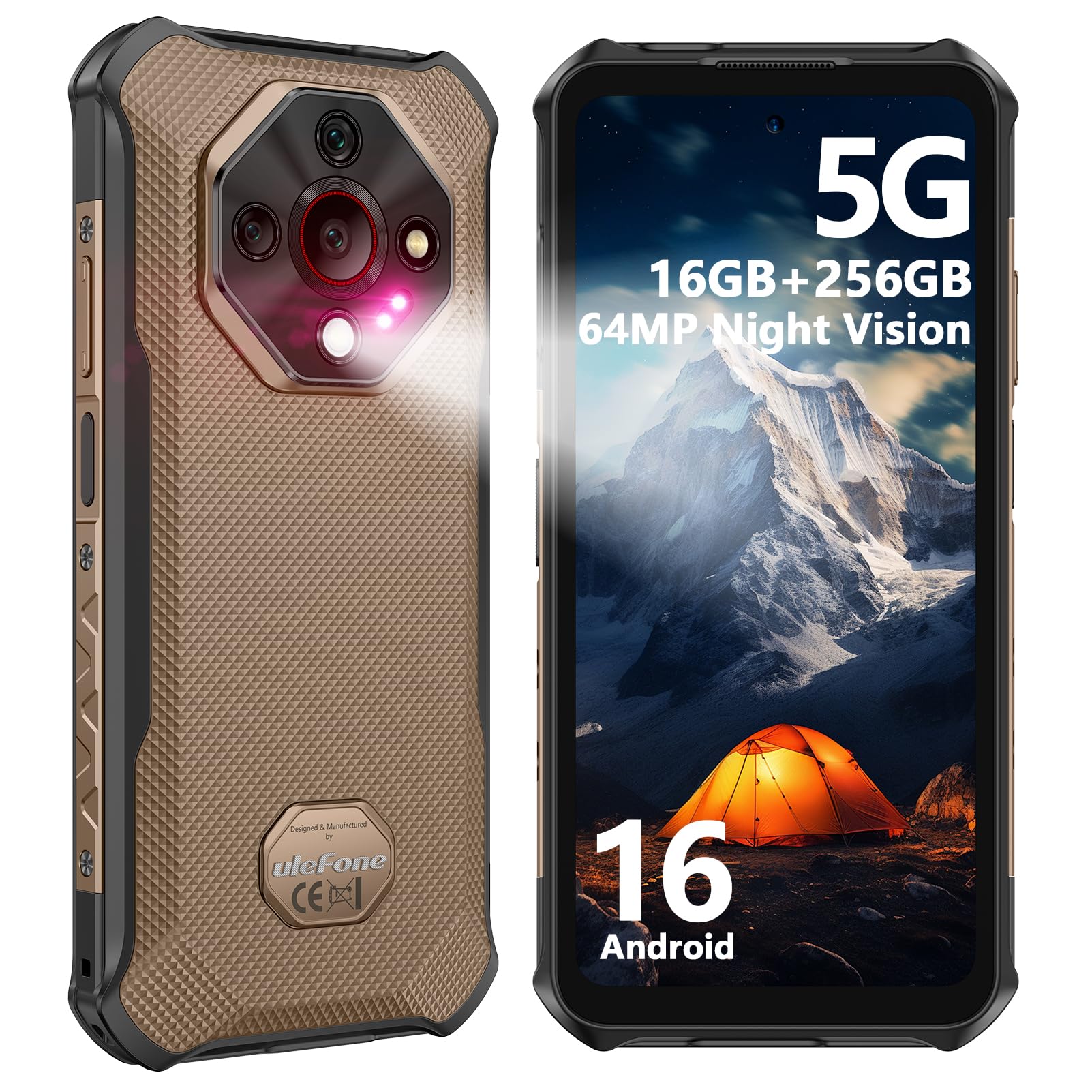
2. Ulefone Armor X16 Pro 5G Rugged Smartphone
A 10,360 mAh battery that outlasts everyone else, wrapped in a drop-proof shell.
Picture a weekend camping trip where you want to game at night and not worry about a charger. This phone’s 10,360 mAh battery is the largest in this entire group, and it also offers 555 hours of standby and 56 hours of talk time. That kind of headroom is why owners talk about roughly three days between charges.
The screen runs 120 Hz on a 6.56-inch FHD+ panel with 720 x 1612 resolution, wrapped in Corning Gorilla Glass for scratch resistance. It also hits 910 nits of brightness, so you can read the map or the scoreboard in direct sun. For gaming performance, the MediaTek Dimensity 6300 chip with an 8-core 2.4GHz CPU handles the load, backed by 16GB of total memory (8GB physical plus 8GB virtual) and 256GB of storage.
What wins people over is the build. The IP68/IP69K rating (water and dust protection levels) means it survives submersion up to 2 meters for 30 minutes and drops from up to 2 meters. The recurring gripe is heft — this is a rugged body, and owners notice the weight in hand. The display also sits at 269 pixels-per-inch, behind the OnePlus 15’s 450, so it is a touch less sharp up close.
rugged 5G build: 2-meter submersion and 2-meter drop ratings mean a muddy backyard session will not end your phone. The 33W charging and 133-lumen flashlight are useful extras campers will appreciate.
bulky pocket fit: this is a heavy phone, and the weight is the one thing buyers regularly flag. If you game for short bursts indoors, that bulk is a fair trade for the battery; if you want the lightest grip possible, it is not the pick.
outdoor work: outdoor players and anyone who wants days of battery and a phone that shrugs off drops.
lightweight carry: buyers who prioritize a featherweight feel and razor-sharp text density.
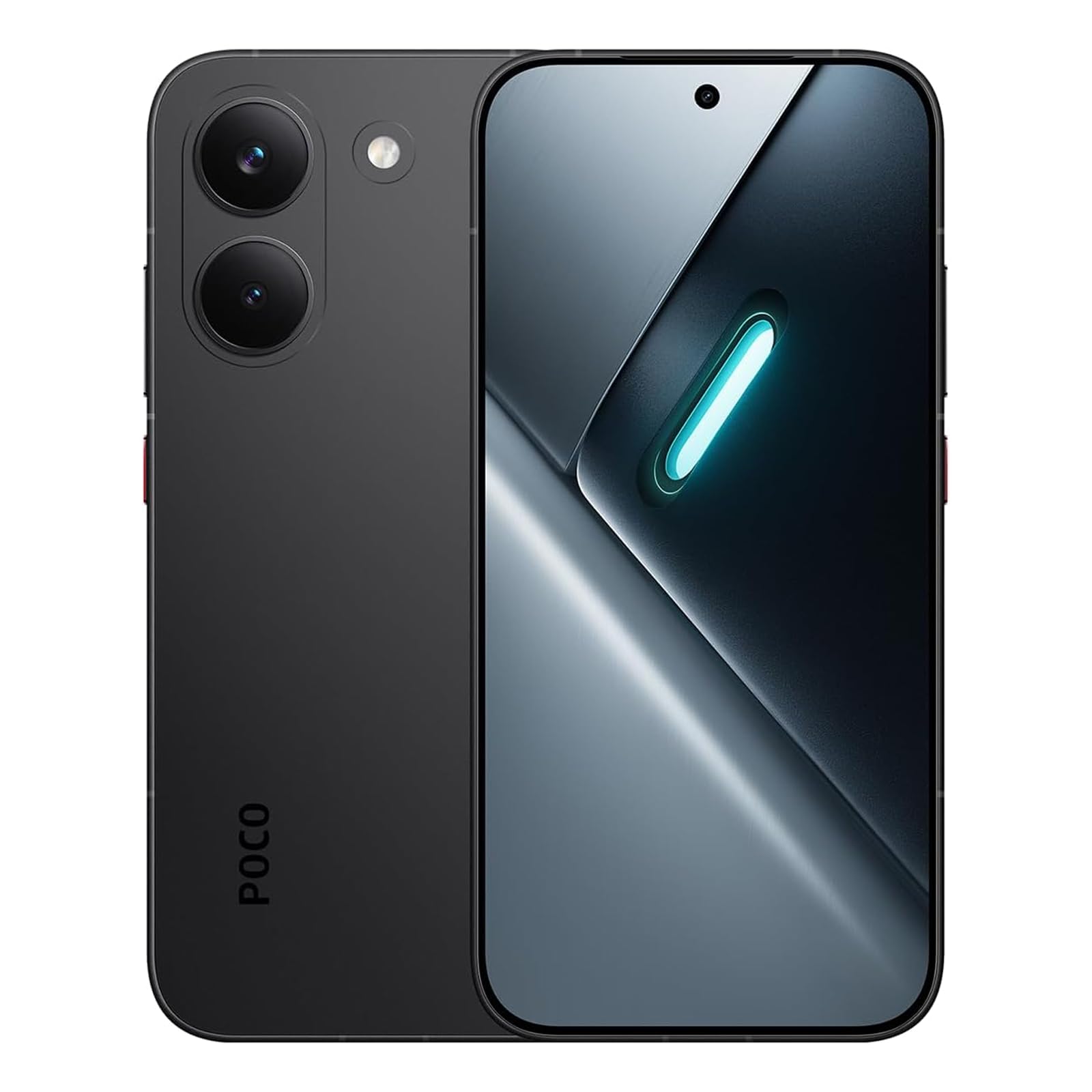
3. XIAOMI Poco X8 PRO 5G
Mid-range pricing, a game-tuned touch response, and a 120Hz screen that punches above its tier.
This is the pick that proves a gaming display does not need flagship money. The 6.59-inch 1.5K AMOLED panel runs at 120 Hz with a 480Hz touch sampling rate (how often it checks for your finger), and it climbs to a 2560Hz instant sampling rate once Game Turbo Mode kicks in — so your taps register almost the instant your thumb moves. Peak brightness hits 3500 nits on 25% of the display area, which keeps the screen legible in daylight.
Inside, the Dimensity 8500-Ultra chip is built on a 4nm process (a smaller figure that usually signals better efficiency and less heat) with an octa-core CPU up to 3.4GHz and a Mali-G720 MC8 GPU. A 6500 mAh battery fills it, and 100W HyperCharge gets you back in the game quickly. There is also a 50MP main camera with OIS for the moments between matches.
The screen carries an 8,000,000:1 contrast ratio and 68 billion colors, so dark scenes keep their detail instead of turning muddy grey. What wins people over most is the overall build quality for the asking price. The catch is memory — 8GB of RAM against the OnePlus 15’s 16GB, so the heaviest multitasking can show the difference. For a single game running full-screen, it is plenty.
budget gamers: you want game-focused touch response and a bright 120Hz AMOLED without flagship pricing.
photo purists: you want the maximum RAM headroom for heavy multitasking alongside your games.
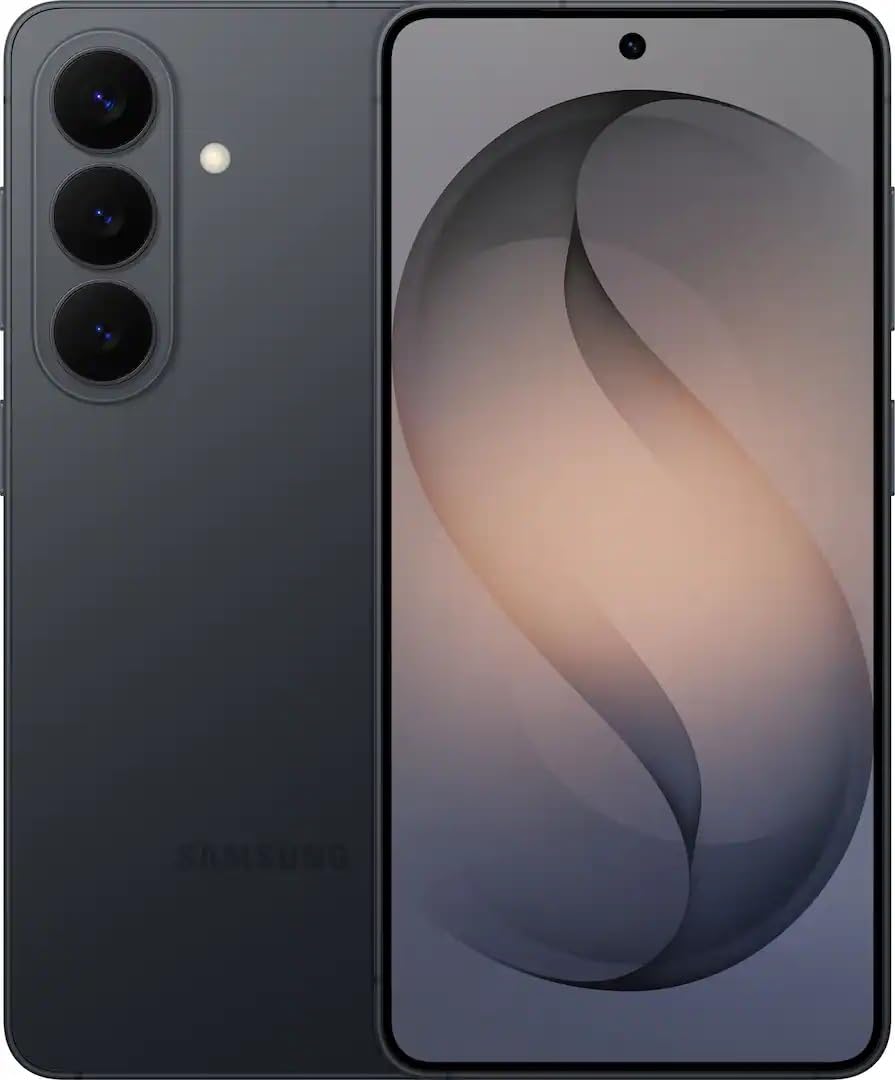
4. Samsung Galaxy S26 (Renewed)
A pocketable 6.3-inch flagship where the adaptive 120Hz display does the heavy lifting.
Some players want one hand free. The 6.3-inch Dynamic AMOLED 2X panel (Samsung’s high-contrast screen tech) runs a 120 Hz adaptive refresh rate, meaning it speeds up for fast action and slows down when the screen is static to save power. It is FHD+ with HDR support, so bright shooters and dark levels both hold their detail. If you play on the train or in bed, this is the size that will not cramp your thumb reaching for a button.
The engine is the Snapdragon 8 Elite Gen 5 for Galaxy processor with Adreno 840 graphics and 12GB of RAM, backed by 256GB of storage. That is a serious chip for a phone this size. The 4300 mAh battery is smaller than the OnePlus 15’s 7300 mAh, so long sessions will need a top-up sooner — quick charging support and wireless charging ease that. As a renewed unit, it arrives in like-new condition, and buyers consistently note it looks great on arrival.
This is a smart pick for a gamer who values portability, a bright compact screen, and a strong chip over the absolute biggest battery. The 120Hz adaptive rate here is not the 165 Hz of the OnePlus pair, so the smoothest tier belongs to that family.
renewed flagship saving: a full Snapdragon 8 Elite Gen 5 platform in a 6.3-inch body is rare, and 12GB of RAM keeps games and apps running side by side. Wireless and reverse wireless charging add flexibility for topping up on the go.
cost savers: you want a compact flagship with a smooth adaptive screen and flagship silicon.
sealed box fans: you need the biggest battery in the group for marathon sessions without charging.
5. XIAOMI Poco F7 PRO 5G

A 2K screen at 526 pixels-per-inch that keeps every in-game detail razor-sharp.
This one leads with the display, and the number backs it up. The 6.67-inch AMOLED panel runs a 3200 x 1440 resolution (that is 2K) at 526 pixels-per-inch — the densest screen in this lineup, ahead of the OnePlus 15’s 450. In practice, small text, on-screen minimaps, and health bars stay crisp even at a glance. It refreshes up to 120 Hz, hits 3200 nits peak brightness, and climbs to a 2560Hz instant touch sampling rate under Game Turbo Mode.
Powering it is the Snapdragon 8 Gen 3 platform on a 4nm process, an octa-core chip with a prime core up to 3.3GHz and an Adreno GPU. A 6000 mAh battery feeds long sessions, and 512GB of storage holds a full library of games without you deleting one to install another. That storage advantage stands out against the Poco X8 Pro’s 256GB.
The AMOLED panel carries a 5,000,000:1 contrast ratio and 68 billion colors, with TÜV certifications for flicker reduction. For the buyer who cares about visual sharpness above all else, this is the standout. The note worth flagging: it is a large 6.67-inch screen, so if you want a one-handed compact, the Galaxy S26 is the smaller alternative.
long sessions: when a sharp, dense high-resolution display is the reason you are upgrading.
featherweight fans: one-handed handling matters more than screen density.
6. Razer Phone (1st Generation)

The original gaming phone — a 120Hz pioneer that still delivers fast, fluid motion on a budget.
This is the ancestor of every phone on this list. Razer built the first generation around a 120 Hz UltraMotion display with Corning Gorilla Glass 3, long before high refresh became standard, and it powered it with the Qualcomm Snapdragon 835, 8GB of RAM, and 64GB of memory. For a phone its age, 120 Hz remains a genuinely smooth gaming experience, and that is exactly why it still holds a place here.
Two things stand out beyond the screen. It also supports Netflix HDR and Dolby Digital Plus 5.1, the first smartphone to pair those two. The 4000 mAh battery is the smallest here, though, so plan your sessions around a charger.
Set expectations honestly. This runs Android 8.1 with an older chip, and it is a GSM-compatible phone — it works on AT&T and T-Mobile but not on CDMA carriers like Verizon or Sprint. For a budget gamer buying a secondary device, those are manageable limits. As a daily driver with the newest apps, they may not be.
120Hz gaming screen: a 120 Hz screen and loud front-firing stereo speakers in an older, budget-friendly package. If you want a backup gaming device and value audio where you already do, it does the job.
old software support: the 4000 mAh battery and Android 8.1 put it well behind current flagships on longevity and software. The 386 pixels-per-inch density is also lower than the sharper panels here.
retro collectors: a budget-minded gamer who wants strong stereo audio and a proven 120Hz display as a secondary device.
update seekers: you need the newest Android, CDMA carrier support, or all-day battery.
7. Nothing Phone (3)

A light-up Glyph Matrix and a 120Hz AMOLED make this the most eye-catching pick on the list.
Nothing’s design turns notifications and games into living light. The Glyph Matrix animates alerts and even mini-games on the back, and a quick-tap Glyph Button browses those tools — a distinctive touch you will not find on the others. Under the flash, this is a real performer: the Snapdragon 8s Gen 4 chip on a 4nm process runs a full-core 3.2GHz CPU, paired with LPDDR5X RAM and UFS 4.0 storage for fast load times.
The 6.67-inch FHD+ 1.5K AMOLED flex screen refreshes at 120 Hz with 1.07 billion colors and an adaptive rate that slows when the screen is still. If you game outdoors, the 4500-nit peak brightness is a genuine advantage. The phone also carries an IP68 rating (dust-tight and able to survive water exposure), so it handles an unexpected spill. As for software, the One-Touch Essential Key and Essential Space help you capture screenshots and organize clips.
What wins people over is how much it does well at once — the customizable features, the Glyph interface, and a camera that performs well. The performance split is the honest caveat: most say it handles everything, a small share report it stops working. It is a distinctive daily driver that handles games well, not a dedicated esports machine.
glyph light tricks
- Snapdragon 8s Gen 4 with LPDDR5X RAM and UFS 4.0 storage
- 4500-nit peak brightness for outdoor visibility
- IP68 rating for everyday durability
- Glyph Matrix and Essential Key add playful controls
limited US bands
- A minority report performance hiccups
- Value lands as mixed relative to the feature set
design lovers: gamers who want a phone that looks and behaves unlike any other on the table.
carrier switchers: you want pure, boring-stable gaming performance with zero quirks.
8. OnePlus 15R
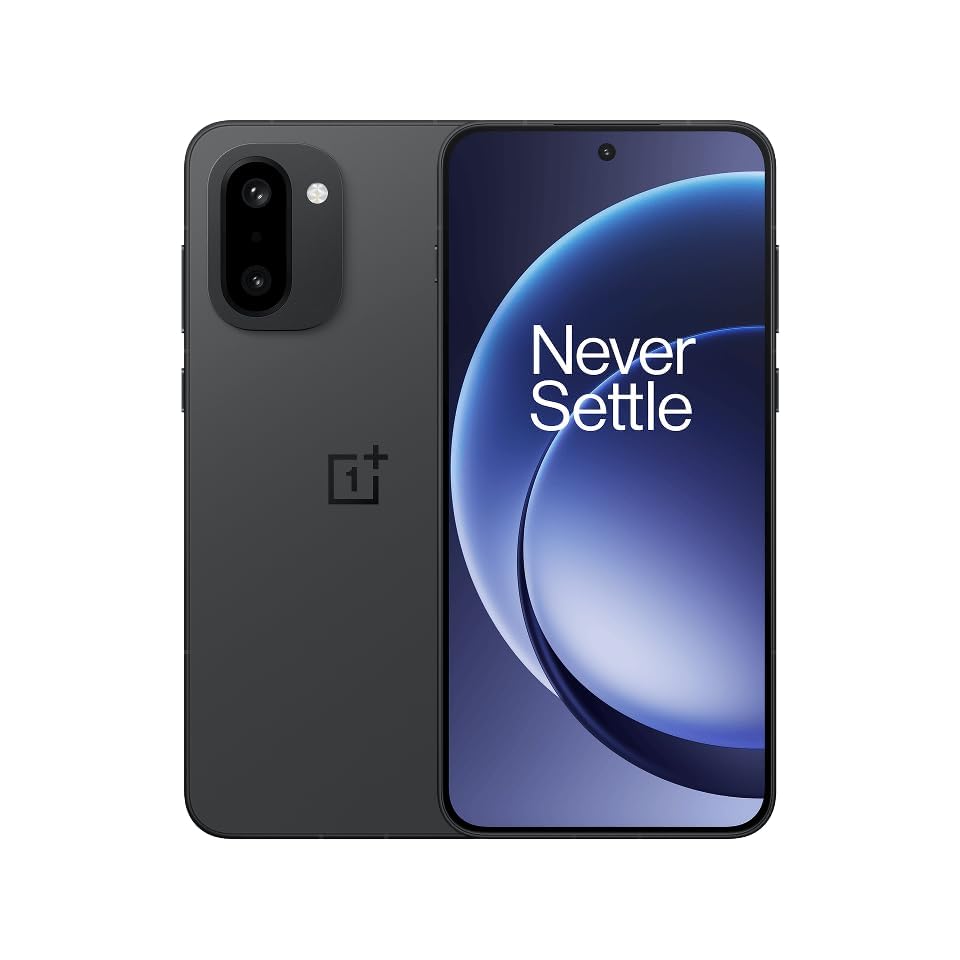
A 7,400 mAh battery paired with a 165Hz screen — the longest-playing smooth display here.
The 15R makes its case on two numbers. The 7,400 mAh battery is the largest non-rugged cell in this group, and it pairs with 80W SUPERVOOC charging so a top-up is quick. Then there is the 165 Hz, 1.5K flagship display, driven by a 3200Hz Touch Response Chip for near-instant taps. That 165 Hz matches the OnePlus 15 as the smoothest tier here — nothing else gets past 120 Hz.
Inside is the Snapdragon 8 Gen 5 chip with 12GB of RAM and 512GB of storage, so current and upcoming titles have room to breathe. Its 450 pixels-per-inch density keeps HUD text crisp, and the AMOLED panel holds contrast in dark game scenes. For rugged situations, the maker claims the most complete IP ratings in the industry, handling dust and water blasts.
The clearest trade-off is the camera: it draws mixed reactions, good for some and not top of the pile for others. For a gaming-first buyer, trading camera quality for battery and a 165Hz screen is a fair deal. The phone quality and battery life are what carry the score, and the screen responsiveness regularly draws praise for feeling smooth.
speed on budget: long sessions where battery life and a 165Hz display top the priority list.
zoom shooters: buyers who treat the camera as a co-star rather than a supporting act.
9. SAMSUNG Galaxy Z Fold5

Unfold a 7.6-inch screen and games suddenly have room to breathe — no other pick comes close.
If you have ever squinted at a minimap on a small phone, this is the answer. The interior screen unfolds to 7.6 inches, with a 6.2-inch cover display for quick one-handed moments. For gaming it means a wider field of view and HUD elements that sit where they should, and the phone is built to power through with a high refresh rate and minimal input delays. One detail worth knowing: the data does not list a refresh figure, so treat “high refresh” as the description on offer rather than a tested number.
Beyond the screen, the Galaxy AI tools are here — real-time call interpretation, note summaries, and photo editing. Dual App View means you can run a game and a chat side by side, or stream a match while checking a feed. The 4400 mAh battery and 40 hours of talk time keep a long session going, and Flex Mode lets you prop the folded screen at an angle for hands-free viewing. Gorilla Glass Victus 2 and IPX8 water resistance add durability for an everyday carry.
Functionality and screen size are what people value most. The honest note is that performance and value draw a split: this is a premium foldable, and some feel the asking price is hard to justify while others consider it worth it. Battery life gets a mixed view too, given the large screen it has to feed.
multitask foldables: players who want the biggest screen in their pocket and love multitasking while they play.
flat screen loyalists: your heart is set on all-day battery and a simpler one-piece body.
10. Samsung Galaxy S25 Ultra
A 1TB flagship with a 6.9-inch screen that turns your game library into a permanent resident.
Storage and screen are where this one plants its flag. The 1TB of internal storage is the most in this entire article — that is a whole game library installed at once with no deleting. The 6.9-inch Dynamic AMOLED 2X QHD+ display runs an adaptive 1-120 Hz refresh rate and reaches up to about 2600 nits, so bright outdoor play stays legible. Adaptive color tone and Vision Booster adjust the picture on the fly.
Under the glass is the Snapdragon 8 Elite for Galaxy chip built on a 3nm process, with 12GB (or in some markets up to 16GB) of RAM and UFS 4.0 storage. The maker describes significantly improved CPU, GPU, and NPU performance, and the gamer-relevant part is the GPU headroom for heavy titles. A 5000 mAh battery handles the load with 45W wired charging, plus wireless charging and reverse wireless charging for topping up other gear. Owners mention it performs well and lands at a good value for the tier.
This is the pick when you want 1TB of storage, a 6.9-inch QHD+ screen, and flagship silicon in one phone. The trade-off is that on a pure frame-rate-to-capacity basis, the OnePlus 15 holds more battery inside its 7300 mAh cell, while this one gives you the 1TB library and the biggest premium display. If you refuse to choose between a serious camera, a giant screen, and a gaming chip, this is the combination.
S Pen and zoom: 1TB storage, a 6.9-inch adaptive 120Hz QHD+ panel, and Snapdragon 8 Elite for Galaxy silicon in one body. The quad-camera system and Qi2 wireless charging round it into a do-it-all flagship.
note takers: wants maximum storage, a huge premium display, and top-tier silicon in one phone.
tight budgets: you want the biggest battery number for marathon sessions — the OnePlus pair lead there.
11. ASUS ROG Phone 9

The purpose-built gaming phone, running the fastest octa-core chip here on a 3nm process.
ASUS builds phones for gaming and this is the proof. The octa-core Snapdragon 8 Elite chip on a 3nm process (small process, less heat) runs two cores up to 4.32GHz and six up to 3.53GHz — the highest core clocks in this article. Pair that with 12GB of RAM and 512GB of storage, and you have a machine that takes heavy titles in stride. The 6.78-inch LTPO AMOLED display is built to hold smooth motion and vivid color with its 1B-color panel.
The camera system is unexpectedly ambitious for a gaming phone: a 50MP wide camera with gimbal OIS alongside a 13MP ultrawide and 5MP macro, plus a 32MP front camera. It runs Android 15, and the 5800 mAh battery keeps a session going. One caution to note up front: this is the international version and it is GSM-only with no CDMA support, so confirm your carrier before committing.
The 1080 x 2400 resolution is a step behind the Poco F7 Pro’s sharper 2K panel, but for frame-rate-first gaming this phone prioritizes silicon over pixel count. It is a specialist device: if competitive mobile play is your main use, it is aimed directly at you. If you want a mainstream camera-forward flagship, the Galaxy S25 Ultra is the better-rounded option.
air triggers cooling
- Snapdragon 8 Elite with cores up to 4.32GHz on 3nm
- LTPO AMOLED display with 1B colors
- 50MP gimbal-OIS main camera
- 5800 mAh battery and Android 15
niche bulky shell
- International version, GSM only, no CDMA
- 1080 x 2400 resolution trails sharper 2K panels here
mobile esports: for a competitive player who wants a phone built first and foremost around a fast gaming chip.
pocket minimalists: confirm your network is GSM before ordering this international model.
Understanding the Specs
Refresh Rate and Touch Sampling Rate
Refresh rate in Hz is how often the screen redraws each second; a 120Hz panel redraws twice as often as a 60Hz one, so fast pans look cleaner. Touch sampling rate in Hz is how often the screen checks for your finger, and on gaming-tuned phones it climbs higher in game modes for near-instant taps. Higher refresh rate is a visible smoothness gain; higher touch sampling is a felt responsiveness gain.
Battery Capacity (mAh) and Chip Process (nm)
Battery capacity in mAh is stored power; the larger the figure, the longer you can play before recharging. Chip process in nm is the manufacturing size — a smaller number tends to mean better efficiency and less heat, which keeps frame rates steadier during long sessions. A large mAh cell paired with a small-nanometer chip is what lasts a full tournament day.
FAQ
Will the Xiaomi Poco phones work on my US carrier?
Is 120Hz enough for smooth gaming or do I need 165Hz?
How long does the Ulefone Armor X16 Pro battery actually last?
Does the Nothing Phone (3) work on Verizon?
Is the Razer Phone still worth it for gaming?
What is the difference between the Galaxy Z Fold5 and the Galaxy S25 Ultra for gaming?
Do I need a dedicated gaming phone like the ASUS ROG Phone 9?
How much storage do I need for a gaming phone?
Which of these phones has the biggest battery for long gaming sessions?
Will a 120Hz phone drain the battery faster than a standard one?
Final Thoughts: The Verdict
For most gamers, the winner is the OnePlus 15 because it pairs the smoothest 165Hz AMOLED display in this group with a 7300 mAh battery and the Snapdragon 8 Elite Gen 5 chip — a combination that keeps frames steady and the screen on through a long session. If raw battery life is what you chase, the OnePlus 15R pushes its cell to 7,400 mAh on the same 165Hz panel. And for players who want game-tuned touch response without flagship pricing, the Xiaomi Poco X8 Pro 5G delivers a 120Hz AMOLED and a 2560Hz instant touch sampling rate for the value tier.
How We Picked
We do not accept paid placement. Every pick is matched to a real buyer and a real use-case; we do not hands-on test units.
Sources & Methodology
Specifications: manufacturer listings and product documentation. Review insights: verified customer reviews, as of November 2026. Pricing: not shown on this page (it changes often); check the current price via the retailer link.
As an Amazon Associate, Gadgets Feed earns from qualifying purchases. This does not affect which products we feature.