
When you’re hanging off a vertical face, forty feet above your last piece, the only thing that matters is whether that small metal wedge in the crack is going to hold. Climbing ball nuts are specialized passive protection designed for those awkward, parallel-sided fissures where standard stoppers walk and cams are too bulky. They fill a critical gap in your trad rack, giving you a placement option in the shallowest and most unforgiving seams.
I’m Min — the co-founder and writer behind Gadgets Feed. My buying guides are built from hundreds of hours comparing technical specifications, analyzing real-world customer feedback, and understanding the engineering trade-offs that separate reliable protection from gear that just looks good on a shelf.
Whether you’re building your first trad rack or upgrading your passive pro for alpine objectives, this guide to the best climbing ball nuts breaks down the specific designs, alloy compositions, and placement characteristics that matter most when your life depends on a few grams of aluminum.
How To Choose The Best Climbing Ball Nuts
Choosing the right passive protection isn’t about picking the most expensive set. It’s about understanding the geometry of the cracks you climb most and matching that to the nut’s profile, weight, and range. The wrong shape walks out of a placement; the wrong size leaves you without a stop when you need it most.
Offset vs. Standard Profiles
Standard nuts have symmetrical faces, which work well in parallel-sided cracks. Offset nuts, from brands like Wild Country and DMM, feature an asymmetrical shape that wedges more securely in flared and tapering cracks. If you climb on granite or sandstone where constrictions are common, offsets should be your first choice — they sit deeper and resist walking far better than symmetrical alternatives.
Weight vs. Durability Trade-Offs
Hollowed-out designs like the Wild Country Superlite Offset Rocks shave grams off your rack, which matters on long alpine approaches or multi-pitch routes. The trade-off is that solid nuts from DMM and Black Diamond offer more metal in contact with rock, which can mean better heat dissipation during a fall and potentially higher long-term durability under repeated loading. Choose hollow if every gram counts. Choose solid if you want gear that outlasts your climbing partner’s.
Size Range and Color Coding
A single nut covers a narrow range of crack widths, so you need a set that spans the gaps you’ll encounter. Most sets cover sizes #1 through #11, but offsets often come in tighter ranges. Color-coded anodization lets you grab the right piece without staring at the rack — a small detail that saves seconds on lead, and seconds matter when your forearms are pumped.
Quick Comparison
On smaller screens, swipe sideways to see the full table.
| Model | Category | Best For | Key Spec | Amazon |
|---|---|---|---|---|
| DMM Alloy Offset Set 7-11 | Offset Nut Set | Flared & tapering cracks | Dimpled side for stability | Amazon |
| DMM Wallnut Nut Set 1-11 | Full Nut Set | Complete all-around rack | 11-piece set, 429g total | Amazon |
| Wild Country Superlite Offset Rocks | Lightweight Offset Set | Alpine and multi-pitch | Hollow construction, 5.66 oz set | Amazon |
| Black Diamond Stopper Set 5-11 | Standard Nut Set | Reliable all-round passive pro | Precision-cut aluminum heads | Amazon |
| CAMP Ball Nut #2 | Micro Passive Pro | Shallow, tiny cracks | Smallest active protection | Amazon |
| CAMP Tricam Evo | Hybrid Cam/Nut | Solution pockets & horizontals | 3 placement modes | Amazon |
| Black Diamond Camalot C4 #2 | Active Cam | Parallel cracks, wide range | Double-axle, 140g | Amazon |
In‑Depth Reviews
1. DMM Alloy Offset Set, Size 7-11

The DMM Alloy Offset Set is the gold standard for trad leaders who encounter flared cracks and irregular constrictions. Each nut features a distinctive offset profile that wedges deeper into tapering placements than any symmetrical stopper can, and the subtle dimple on the side adds rotational stability that prevents walking under load. The set covers sizes 7 through 11, which slots neatly into the mid-range of most crack widths.
Climbers consistently report that these nuts feel “sticky” in placements — the aerospace-grade aluminum alloy bites into rough granite and sandstone with a confidence that builds trust quickly. At 6.98 ounces total for the set, they’re light enough for alpine racks without sacrificing the solid metal mass that provides bombproof holding power. The color-coded anodization makes picking the right size instinctive.
Some users note that offsets take a few pitches to get used to because the asymmetrical shape requires a slightly different placement technique. Once you find the sweet spot, however, many climbers report reaching for these before their standard nuts. The dimpled side works best when oriented toward the wider part of the flare — a nuance that becomes second nature after a few leads.
Why it’s great
- Dimpled side prevents rotation and walking in flared cracks
- Aerospace-grade alloy delivers excellent bite on granite
- Offset profile fits placements standard nuts can’t hold
Good to know
- Offset shape requires slight adjustment in placement technique
- Limited size range compared to full 1-11 sets
2. DMM Wallnut Nut Set 1-11

The DMM Wallnut Set is the complete passive protection solution, covering sizes 1 through 11 with a thoughtful design that emphasizes versatility. Unlike symmetrical stoppers, Wallnuts feature a subtly curved profile that matches the natural contours of irregular rock, and the lack of sharp edges means they clean out of cracks without snagging on every small feature. This set weighs 429 grams total, which is heavier than hollow alternatives but offers solid mass in every placement.
Customer feedback consistently highlights the confidence these nuts inspire. Climbers who have taken falls on the #11 size report it holding without budging, and the overall build quality — from the smooth cable swages to the precision-cut alloy heads — feels several steps above mass-produced alternatives. Many users who compared directly with Black Diamond stoppers say the DMM shape feels more secure in a wider variety of placements.
The main drawback reported by some buyers is the price point, which sits at the premium end of the nut market. Additionally, one review noted that the set arrived with signs of wear, suggesting quality control during fulfillment may vary. For those who want a single set that covers almost every crack width encountered on standard trad routes, this is the definitive choice.
Why it’s great
- Curved profile matches irregular rock contours for better fits
- Smooth edges allow easy cleaning from deep placements
- Covers sizes 1-11 for a complete rack
Good to know
- Premium pricing compared to other full sets
- Heavier than hollowed alternatives for alpine use
3. Wild Country Superlite Offset Rocks

The Wild Country Superlite Offset Rocks represent a smart engineering compromise — they strip away excess material through a hollow construction that cuts weight dramatically while retaining the offset shape that makes these nuts so effective in flared cracks. The set weighs only 5.66 ounces, which is roughly half the weight of a comparable solid nut set, making them ideal for long alpine approaches where every gram accumulates across hours of hiking.
Trad leaders who have climbed on both Black Diamond offsets and these Wild Country units consistently praise the Superlites for their versatility. The offset profile fits wherever standard nuts won’t, and the hollow design doesn’t appear to compromise strength in real-world falls — climbers report whipping on them with confidence. The anodized colors are bright and distinct, helping you grab the right size at a glance when you’re pumped and staring at a rack of ten similar shapes.
The trade-off is that the range only covers sizes 5 through 10, which leaves gaps at both ends of the crack spectrum. Some climbers also note that the hollow construction can feel less reassuring when first placing them, even though the actual holding power matches solid nuts. If you’re building a lightweight rack for multi-pitch routes where crack widths stay predictable, these are a top-tier choice.
Why it’s great
- Extremely lightweight for alpine efficiency
- Offset profile excels in flared cracks
- Bold anodized colors for quick size identification
Good to know
- Limited to sizes 5-10
- Hollow construction may feel less solid during placement
4. Black Diamond Classic Stopper Set 5-11
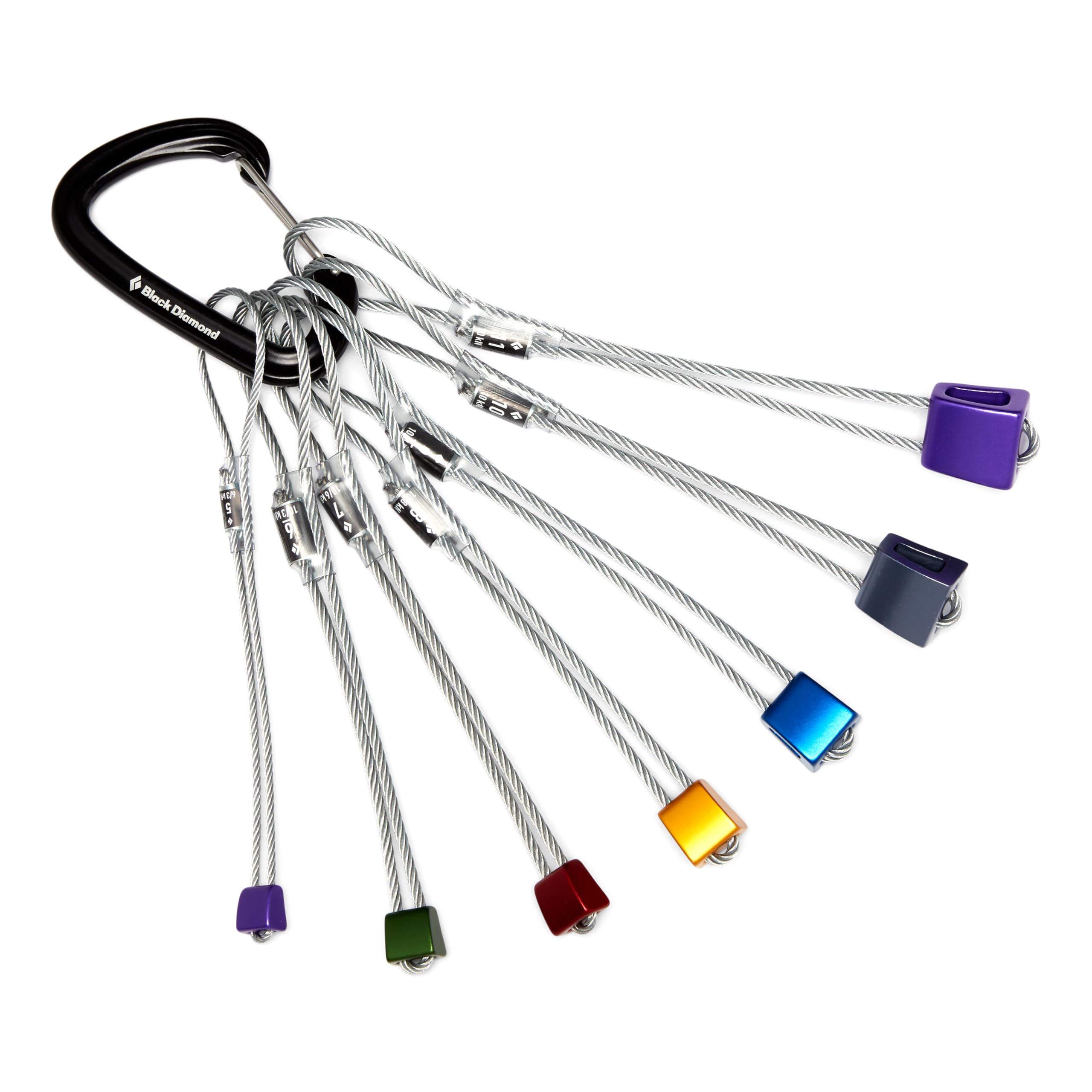
The Black Diamond Classic Stopper Set is the benchmark that other nut sets are measured against. These precision-cut aluminum heads deliver reliable, repeatable placements across the most common crack widths, and the color-coded anodization paired with matching cable swages makes size identification nearly instant. The set includes sizes 5 through 11 — a practical range that covers the vast majority of trad climbing scenarios on granite, sandstone, and alpine rock.
What sets the Black Diamond stoppers apart is the tactile feedback they provide during placement. Experienced climbers can feel the nut seat into a constriction with an unmistakable solid “set” that signals a secure placement. The galvanized steel cables maintain their shape through repeated loading and cleaning, and the overall weight of 281 grams for the 7-piece set strikes a good balance between durability and carrying comfort.
Several customers note that while these are excellent nuts, the offset designs from DMM and Wild Country can outperform them in flared cracks. The symmetrical profile means they sometimes walk out of taper placements where an offset would stay locked. For a straightforward, bomber, and widely compatible passive protection set that every trad climber should have, this remains a top choice.
Why it’s great
- Excellent tactile feedback when seating in constrictions
- Durable galvanized steel cables resist wear
- Color-coded heads and swages for fast selection
Good to know
- Symmetrical profile less effective in flared cracks
- Heavier than hollow alternatives for alpine use
5. CAMP Ball Nut #2
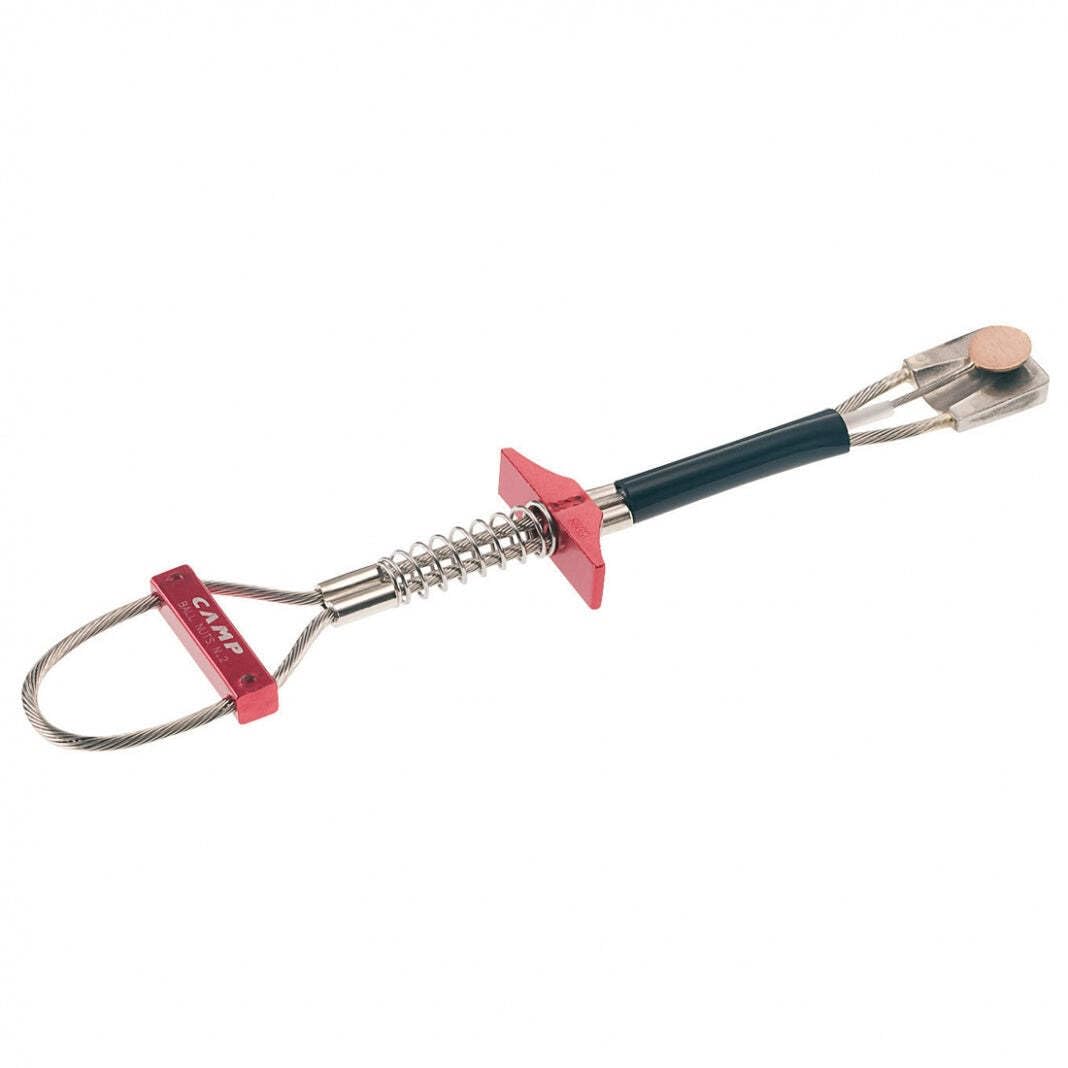
The CAMP Ball Nut #2 is the smallest active protection piece in the world, designed for the kind of hairline cracks that leave most trad climbers shaking their heads. Its narrow depth fits into seams where even micro cams won’t fit, and the ball design provides a unique combination of active camming action in a form factor tiny enough for solution pockets and shallow fissures. Weighing just 2.56 ounces, it barely registers on your rack.
Climbers who have used the Ball Nut in real falls report bomber results — one reviewer documented a 35-foot fall that the #2 held without pulling. The color-coding across the range helps identify sizes quickly, though the #2 red color is distinct enough to spot at a glance. The metal construction feels solid despite the small size, and the design works particularly well in the parallel-sided cracks that passive stoppers struggle with.
Some users note that placing a Ball Nut can feel unnerving at first simply because the piece is so small — trusting a tiny ball of metal with your life takes a mental shift. The placement technique also differs from standard nuts; you need to seat the ball firmly and confirm the cam action before weighting it. For climbers tackling thin cracks and micro-terrain, it’s an essential specialist tool that fills a gap nothing else can.
Why it’s great
- Smallest active protection for micro cracks
- Proven holding power in real falls
- Fits where standard nuts and cams won’t
Good to know
- Placement technique differs from standard nuts
- Requires mental trust in very small piece
6. CAMP Tricam Evo

The CAMP Tricam Evo defies easy categorization — it’s a hybrid that functions as both an active cam and two types of passive chocks, depending on how you orient it. This three-mode versatility means a single Tricam can fit solution pockets, horizontal cracks, and standard constrictions where a dedicated nut or cam would each require a separate piece. The new stiffer sling sewing makes one-handed placement and extraction notably easier than previous versions.
Climbers in the Gunks especially swear by Tricams, with the pink size being a cult favorite for setting anchors and protecting horizontals. The Evo version improves on the original design with better ergonomics and the same lightweight profile — at 139 grams, it’s comparable to a mid-size cam in weight but offers multiple functions. The learning curve is real, but once you master the placement, many climbers report these becoming their go-to for anchors and belays.
New trad climbers sometimes struggle with the correct orientation needed for each mode, and the Tricam doesn’t work well in every crack type. It excels in horizontals and pockets but can be finicky in vertical parallel cracks. For an experienced climber looking to reduce rack weight while increasing placement options, the Tricam Evo is a smart addition.
Why it’s great
- Three placement modes reduce gear needed
- Excellent for horizontal cracks and pockets
- Stiffer sling improves one-handed handling
Good to know
- Steep learning curve for new users
- Not ideal for all crack types
7. Black Diamond Camalot C4 #2

The Black Diamond Camalot C4 is the most widely used active cam in trad climbing, and the #2 size represents the sweet spot of the range for medium-width cracks. The double-axle design provides an impressive expansion range that fits both narrow and wide sections of the same fissure, while the hot-forged lobes deliver reliable holding power on granite, sandstone, and limestone. At 140 grams, it’s up to 10% lighter than previous versions.
What makes the C4 the standard is its consistency — every cam out of the box feels the same, places the same way, and triggers the same trust. The Dyneema sling is durable and doesn’t absorb water on wet approaches, and the color-coded stem makes size selection intuitive. Climbers who have taken falls on these cams report they hold without budging, and the double-axle design means the cam sits securely even in mildly flared cracks.
The C4 is an active cam, not a nut, so it doesn’t directly compete with passive protection. It’s included here because trad racks blend both, and the #2 C4 covers the gap where nuts end and larger cams begin. For pure passive protection needs, stick with the dedicated nut sets above, but for a complete rack, this cam is an essential companion to your ball nuts and stoppers.
Why it’s great
- Industry-standard active cam with proven reliability
- Double-axle provides wide expansion range
- Lightweight Dyneema sling resists water absorption
Good to know
- Active cam, not passive nut protection
- Higher price per piece than nuts
FAQ
What makes offset nuts different from standard nuts for crack climbing?
Can I use a CAMP Ball Nut as my primary passive protection?
How do I know if a nut set has the right size range for my climbing area?
Final Thoughts: The Verdict
For most users, the best climbing ball nuts winner is the DMM Alloy Offset Set because the dimpled offset profile delivers unmatched stability in flared cracks and the aerospace-grade aluminum provides long-term durability. If you want the lightest possible rack for alpine objectives, grab the Wild Country Superlite Offset Rocks. And for a comprehensive passive protection solution that covers every crack width, nothing beats the DMM Wallnut Set.