
The difference between a crumbly, dense bake and a light, tender one often comes down to a single ingredient swap—organic almond flour. Unlike standard wheat flour, this nut-based alternative brings a distinct moisture content and fat profile that changes every hydration equation in your recipe, making grind consistency and freshness non-negotiable for serious bakers.
I’m Min — the co-founder and writer behind Gadgets Feed. My analysis covers grinding methods, particle size distribution, storage protocols, and organic certification standards across the leading almond flour brands to identify which pouches actually deliver on their packaging promises.
Whether you are building keto-friendly pastries or paleo-approved breads, this guide breaks down the texture, sourcing, and performance of the best organic almond flour on the market today.
How To Choose The Best Organic Almond Flour
Selecting organic almond flour means looking past the label and into the grind. Particle size, the presence of almond skins, and the source of the almonds determine whether your final bake turns out tender or tough. Below are the core factors that matter most.
Blanched vs. Unblanched Grind
Blanched almond flour has the brown skins removed before milling, resulting in a lighter, finer texture that blends seamlessly into cakes, macarons, and pastries. Unblanched almond meal retains the skins, producing a coarser, darker flour with more fiber but less consistent moisture absorption—better for rustic breads and coatings than delicate sweets.
Particle Size and Consistency
Extra-fine almond flour (around 200-300 microns) mimics the feel of all-purpose wheat flour more closely. Coarser grinds create a grittier mouthfeel and cause cookies to spread thinner. For macarons or sponge cakes, superfine texture is non-negotiable—a sieve test before baking reveals whether the brand truly mills to spec.
Organic Certification and Sourcing
California-grown almonds dominate the market. Organic certification ensures no synthetic pesticides or fumigants touch the crop. Some brands also perform batch testing for gluten cross-contamination and heavy metals—important for those with celiac disease or strict dietary protocols.
Quick Comparison
On smaller screens, swipe sideways to see the full table.
| Model | Category | Best For | Key Spec | Amazon |
|---|---|---|---|---|
| Anthony’s Blanched Almond Flour | Premium | Large batch baking | 5 lb bag, extra-finely ground | Amazon |
| Divine Organics Almond Flour | Premium | Allergen-sensitive diets | 16 oz, soy and wheat free tested | Amazon |
| Yupik Organic Blanched Meal | Premium | Versatile kitchen staple | 35.3 oz, certified organic & kosher | Amazon |
| Food to Live Organic Almond Flour | Mid-Range | Fine pastry projects | 1 lb, extra fine grade texture | Amazon |
| PuroRaw Almond Flour | Mid-Range | Macarons & pancakes | 2 lb, superfine powder in resealable pouch | Amazon |
| 365 by Whole Foods Almond Flour | Budget-Friendly | Daily gluten-free baking | 32 oz, 100% California-grown | Amazon |
| Yupik Blanched Almond Flour | Budget-Friendly | Almond butter & coarse recipes | 35.2 oz, good source of fiber | Amazon |
In‑Depth Reviews
1. Anthony’s Blanched Almond Flour

Anthony’s delivers 5 pounds of blanched almond flour that hits the sweet spot between economy and quality. The extra-fine grind—batch tested for gluten cross-contamination—makes this a workhorse for bakers who go through large volumes. Users consistently note the neutral flavor profile, which lets other ingredients shine without almond taste overpowering delicate bakes.
Steam-pasteurization adds a layer of safety that raw almond products often lack, and the California sourcing means a shorter supply chain with fresher nuts reaching the mill. The 5-pound bag comes in a resealable pouch, though transferring to an airtight container extends shelf life considerably once opened.
For keto, paleo, or vegan households churning out weekly cookies, muffins, and crusts, this bag covers roughly eight to ten standard recipes. The price per pound lands comfortably in the premium-value zone, making long-term pantry stocking less painful than single-pound alternatives.
Why it’s great
- Generous 5 lb size reduces per-batch cost
- Extra-fine grind works for macarons and delicate pastries
- Steam-pasteurized and batch tested for gluten
Good to know
- Bag resealable but not as airtight as a container
- Stronger almond flavor than some premium brands
2. Divine Organics Almond Flour

Divine Organics positions itself as a premium choice for the allergen-conscious baker. The flour tests free of soy and wheat cross-contamination, a detail that matters deeply for those managing celiac or autoimmune protocols. Users with multiple food sensitivities report zero intolerance reactions when switching to this brand.
The texture lands slightly less fine than Anthony’s but still qualifies as finely ground—enough for muffins, pancakes, and banana breads that hold structure without turning gummy.
The fresh, clean taste stands out in recipes where almond flavor should remain subtle. Reviewers consistently call out the freshness of the nuts, which translates to a longer useful window before any rancid notes develop—critical for infrequent bakers who need the bag to last several weeks.
Why it’s great
- Tested free of soy and wheat allergens
- Fresh taste with minimal rancidity risk
- Works as 1:1 substitute for half wheat flour
Good to know
- Smaller 1 lb bag means frequent reordering
- Price per pound sits at the higher end
3. Yupik Organic Blanched Almond Meal

Yupik’s organic blanched meal offers a very solid balance for everyday keto baking. The texture sometimes arrives slightly clumpy due to natural oil migration, but a quick stir or gentle sifting restores the consistency. Users praise its performance in brownies, milk fudge, and other confections where almond flour provides the primary structure.
The 35.3-ounce package comes in a heavy-duty resealable bag that holds up better than standard pouches against tearing during pantry storage. The certification stack—organic, kosher, and non-GMO—covers the bases for households that require multiple verification layers beyond the USDA organic seal.
Several reviewers note that one bag yields enough flour for three to four cake recipes or a week’s worth of keto-friendly pancakes. The nutty aroma remains pleasant and fresh upon opening, a good sign that the supply chain turns product quickly rather than warehousing it for months.
Why it’s great
- Large 35.3 oz bag covers multiple baking sessions
- Certified organic, kosher, and non-GMO
- Heavy-duty bag resists tearing
Good to know
- Can arrive slightly clumpy; needs stirring before use
- Slightly coarser than superfine competitors
4. Food to Live Organic Almond Flour

Food to Live markets this as extra fine grade flour, and users confirm it sifts down to a texture that approaches specialty pastry flours. The organic status plus non-GMO certification gives clean-label bakers confidence, and the resealable pouch helps maintain moisture control over its 1.5-year shelf life when stored properly.
The flour performs well in macaron shells, paleo pie crusts, and keto cookies where fat distribution must be even. One reviewer specifically recommends pre-baking the crust for ten to twelve minutes at 350°F before adding filling—a technique that firms the structure and deepens the nutty notes.
At 1 pound, this bag targets the occasional baker or the household that rotates through multiple alternative flours. The higher price per pound reflects the extra fine milling process, making it best suited for projects where texture precision determines the outcome.
Why it’s great
- Extra fine grade approaches pastry flour consistency
- Organic with long 1.5-year shelf life
- Great for macarons and fine pastries
Good to know
- 1 lb bag requires frequent reordering
- Premium price per pound
5. PuroRaw Almond Flour

PuroRaw mills its blanched almonds into a superfine powder that rivals leading brands in texture while undercutting them on price. The 2-pound resealable pouch is a practical middle ground—not so small that you run out mid-recipe, not so large that storage becomes a problem. Sifting is recommended for macarons, but for pancake batters and cookies, direct use works fine.
Users who switched from coarser budget brands noticed an immediate improvement in baked goods: no gritty mouthfeel, no thinning of cookie dough, and a notably lighter crumb structure. The certification list covers vegan, paleo, keto, and kosher requirements, making it a safe universal choice for households with diverse dietary restrictions.
A handful of reviewers note that the flour, while superfine, still benefits from gentle spooning rather than scooping directly from the bag to avoid compaction. The 2-pound size allows for about four to five standard baking projects before needing a reorder.
Why it’s great
- Superfine texture comparable to premium brands
- 2 lb size hits a practical sweet spot
- Covers vegan, paleo, keto, and kosher diets
Good to know
- Best sifted for macaron-level precision
- Bag needs careful handling to avoid compaction
6. 365 by Whole Foods Market Almond Flour
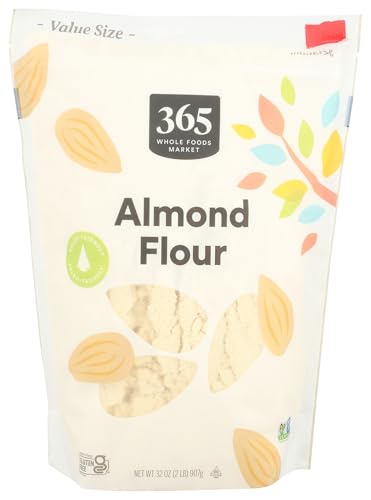
Whole Foods Market’s 365 brand delivers a reliable entry point for gluten-free baking without demanding a premium price. The 32-ounce bag uses 100 percent California-grown almonds milled to a consistent grind that works for pancakes, cakes, and breads—the daily rotation of most alternative-flour kitchens. The texture leans finely ground but stops short of the superfine tier needed for advanced pastry work.
Reviewers highlight the flour’s performance in paleo pancakes and French galette des rois, wherein the frangipane filling benefits from the nut’s natural oil content. The absence of additives or preservatives keeps the ingredient list clean, and the bag size supports several recipe iterations before depletion.
One trade-off is the lack of extra certifications beyond organic—no batch-testing for gluten or third-party kosher verification. For bakers who are not strictly celiac, this is rarely an issue, but those with severe sensitivity may prefer a brand with explicit gluten-free batch testing.
Why it’s great
- Solid value for everyday gluten-free baking
- 100% California-grown almonds
- Clean ingredient list with no preservatives
Good to know
- Grind is fine but not superfine
- No third-party gluten batch testing
7. Yupik Blanched Almond Flour

Yupik’s standard blanched almond flour offers the lowest entry point in this lineup without sacrificing organic sourcing. The texture is notably coarser than the competition—several reviewers mention that cookies spread thinner and the grit is more apparent. This makes the flour better suited for recipes that incorporate almond flour as a partial replacement rather than the sole structural base.
Where this product shines is in applications that embrace texture: almond butter, hearty muffin tops, and savory coatings for proteins. The coarse grind also works well in no-bake energy balls and crusts where some crunch is desirable. The 35.2-ounce bag represents a large volume for the price, appealing to those who go through flour quickly or who blend flours for specific outcomes.
The flavor and freshness hold up well, and the kosher certification broadens its utility. If you are stepping into gluten-free baking for the first time and are uncertain about committing to premium pricing, this bag gives you room to experiment without a big upfront cost.
Why it’s great
- Lowest price point in the lineup
- Large 35.2 oz bag for heavy use
- Great for almond butter and textured recipes
Good to know
- Coarser texture causes cookies to spread thin
- Not ideal for delicate pastries or macarons
FAQ
Can organic almond flour go rancid?
What is the difference between almond flour and almond meal?
Should I sift almond flour before baking?
Final Thoughts: The Verdict
For most users, the winner is the Anthony’s Blanched Almond Flour because it pairs an extra-fine grind with a 5-pound format that keeps per-batch costs low without compromising texture. If you want the cleanest allergen profile possible, grab the Divine Organics Almond Flour. And for budget-friendly entry into organic almond flour baking, nothing beats the sheer volume and value of the Yupik Blanched Almond Flour.