
Our readers keep the lights on and my morning glass full of iced black tea. As an Amazon Associate, I earn from qualifying purchases.
Specs are compiled from manufacturer listings and verified buyer reviews and can change over time — please confirm the key details on the product page before buying.
For a pickup or SUV, start your winter tire search with the Cooper Discoverer Snow Claw. It carries the Three-Peak Mountain Snowflake mark (the industry stamp that means a tire is rated for severe snow), it can be pinned for metal studs, and its Snow Groove tread pattern is built to grab and hold snow for traction. Everything below helps you match tire size, load index, and stud capability to your vehicle and the snow or ice you drive on.
I’m Min — the founder and writer behind Gadgets Feed. This guide is built by comparing the manufacturers’ published specifications and the patterns across verified customer reviews, so you get each pick’s real strengths and trade-offs instead of marketing spin.
Winter driving punishes a tire that hardens in the cold or lacks the right size, and a slushy on-ramp exposes both fast. Here is a practical, plain-English look at the winter tire options worth your attention this season.
Our Picks at a Glance

How To Choose The Best Winter Tire
A winter tire is not just a tire with deeper grooves. Its rubber is blended to stay soft when the temperature drops, so it keeps pressing into the road instead of turning hard like a hockey puck. That cold-weather flexibility is what separates a winter tire from an all-season tire at 10°F. Everything else — tread pattern, studs, load rating — is built on top of that.
Start with the size on your sidewall
Your tire size looks like a code, and you need to match it exactly. Take 275/60R20: the 275 is the tread width in millimeters, the 60 is the sidewall height as a percentage of that width, the R means radial construction, and the 20 is the wheel diameter in inches. A 195/65R15 is a much smaller, narrower tire for a compact car. Buying the wrong size is the most common winter-tire mistake, and no tread pattern or compound can correct it.
The snowflake symbol is your baseline
Look for the Three-Peak Mountain Snowflake marking, usually shortened to 3PMSF. It is a certification that the tire passed a standard snow-traction test, and it appears on the tires here that carry it. A tire without that mark is not automatically unsafe, but it has not been certified for severe snow service. If you drive through real winters, treat the snowflake as the minimum requirement, not a bonus.
Studs, studdable, or studless
Studs are small metal pins that bite into ice. Some tires here come pinned for studs, which means the holes are molded in and you can add studs where local law allows. Others use dense siping instead — thin slits cut across the tread blocks that open up as the tire rolls and add extra edges to bite with. If you live somewhere with hard, polished ice and studs are legal, a studdable tire gives you a second option later. If your winters are mostly snow and slush, a studless design runs quieter and wears less on dry pavement.
Quick Comparison
| Model | Best For | Size | Load Index | Weight | Amazon |
|---|---|---|---|---|---|
| Cooper Discoverer Snow Claw 275/60R20 115T★ Best Overall | Pickups and SUVs in deep snow | 275/60R20 | 115 | 40.4 lb | Amazon |
| Armstrong Ski-Trac HP 215/60R17 96HBudget Champion | Budget-minded passenger cars | 215/60R17 | 96 | 26 lb | Amazon |
| NEXEN Winguard Winspike 3 195/65R15 95T | Compact cars facing ice and slush | 195/65R15 | 95 | 20.8 lb | Amazon |
| HANKOOK Winter ipike X W429 215/70R15 98T | Wagons and older sedans | 215/70R15 | 98 | 21.4 lb | Amazon |
| Sumitomo Ice Edge 225/60R17 99T | Mid-size cars and crossovers | 225/60R17 | 99 | — | Amazon |
| Bridgestone Blizzak DM-V2 P245/50R20 102T | SUVs that want premium ice grip | 245/50R20 | 102 | 32.6 lb | Amazon |
| Bridgestone Blizzak DM-V2 265/60R18 110R | Larger SUVs wanting top-tier ice control | 265/60R18 | 110 | 39 lb | Amazon |
In‑Depth Reviews
1. Cooper Discoverer Snow Claw Winter 275/60R20 115T Tire
Our pick — 4.5+★ from 100+ verified ratings; the strongest balance of quality and price.
The truck tire that turns packed snow into its own traction surface.
This is the pick for a full-size pickup or a big SUV. The tire carries a load index of 115, which means it is rated to carry 2679 pounds per tire — serious capacity for a 40.4-pound tire. For contrast, the Armstrong Ski-Trac further down the list is rated to 1565 pounds. If you tow a trailer, load the bed with firewood, or run a heavy SUV with a full family aboard, that headroom is the reason this tire sits first.
Its Snow Groove Technology is the detail that wins people over. The idea is almost counterintuitive: the tread traps snow and then uses that packed snow against the road, because snow grips snow better than rubber grips snow. It also comes pinned for studs, so you can add metal pins later if your local law allows them and your roads turn to polished ice every February. The compound is also blended to stay flexible when the weather turns bitter, which is the whole ballgame in a winter tire.
The catch is size and weight. At 33.1 inches in diameter and 40.4 pounds, this is a big, heavy tire — the NEXEN Winguard Winspike 3 on this list is 25 inches and 20.8 pounds. That is fine on a half-ton truck, but it is the wrong tool for a compact sedan. It is also one of the pricier tires here, so budget shoppers should read the Armstrong entry before committing. As for owner experience, buyers describe these tires performing very well in snow and consider them worth it, which lines up with the 4.5+ star consensus across 100+ ratings.
Where the Snow Claw earns its keep
- 2679-pound load capacity per tire, well above the passenger-car picks here
- Three-Peak Mountain Snowflake certified for severe snow service
- Snow Groove tread pattern traps snow and uses it for grip
- Comes pinned for studs if you want to add them later
What to weigh before you buy
- 40.4 pounds and 33.1 inches in diameter — a heavy, large-footprint tire
- Premium-tier cost compared with the budget picks on this list
- Only makes sense on a vehicle that actually takes a 275/60R20
Buy this if: you drive a pickup or large SUV and want a certified winter tire with the load capacity to match the vehicle.
Pass if: your wheels run a smaller size — a 33.1-inch, 40.4-pound tire will not fit a compact car’s wheel well.
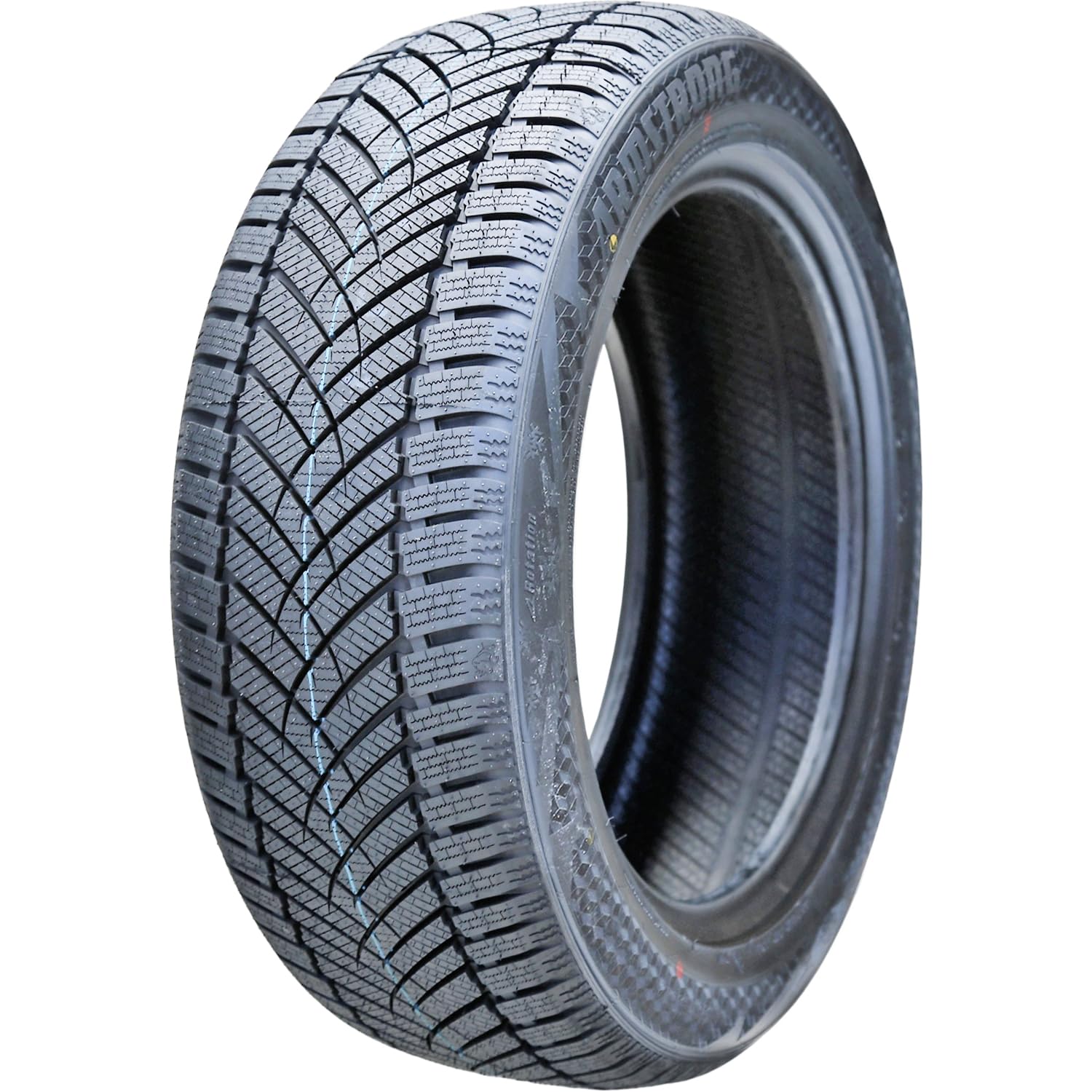
2. Armstrong Ski-Trac HP 215/60R17 96H SL Winter Radial Tire
Quiet winter grip for a passenger car, without the premium sticker.
If you drive a sedan or small crossover and want winter traction without paying top-tier money, this is the value play. It is a 215/60R17 passenger tire rated 96H, meaning a load index of 96 that supports up to 1565 pounds per tire and an H speed rating certified to 130 mph. For a commuter car, that is plenty of headroom.
What buyers notice first is the quiet. Winter tread blocks usually howl, and this one has a reputation for staying calm on the highway — a detail worth plenty on a daily commute. Snow performance is the other theme in owner feedback: the tire handles snow, slush, and braking without drama, and the tread quality holds up. For a passenger car used on plowed suburban roads and the occasional unplowed side street, this is a sensible, well-rounded pick.
Compared with the Cooper above, this tire is dramatically lighter at 26 pounds and a much smaller 27.2 inches in diameter — but it gives up a lot of load capacity, 1565 pounds against the Cooper’s 2679. That is the honest trade: a lighter, cheaper tire built for a lighter vehicle. It also will not carry a heavy SUV or a loaded truck safely, so match it to the vehicle it is rated for.
The quiet factor: Winter tires have a reputation for road noise, and this one’s owners keep bringing up how calm it stays at highway speed — a real comfort for a daily driver.
Where it lands: 4.0+ stars across 90+ ratings, with snow performance, value, and tread quality all drawing steady praise. It is the budget-friendly winter tire that does not feel like a compromise on the commute.
Reach for this if: you want a passenger-car winter tire that stays quiet on the highway and will not blow the budget.
Look elsewhere if: you drive a truck or heavy SUV — 1565 pounds of load capacity per tire will not cover it.
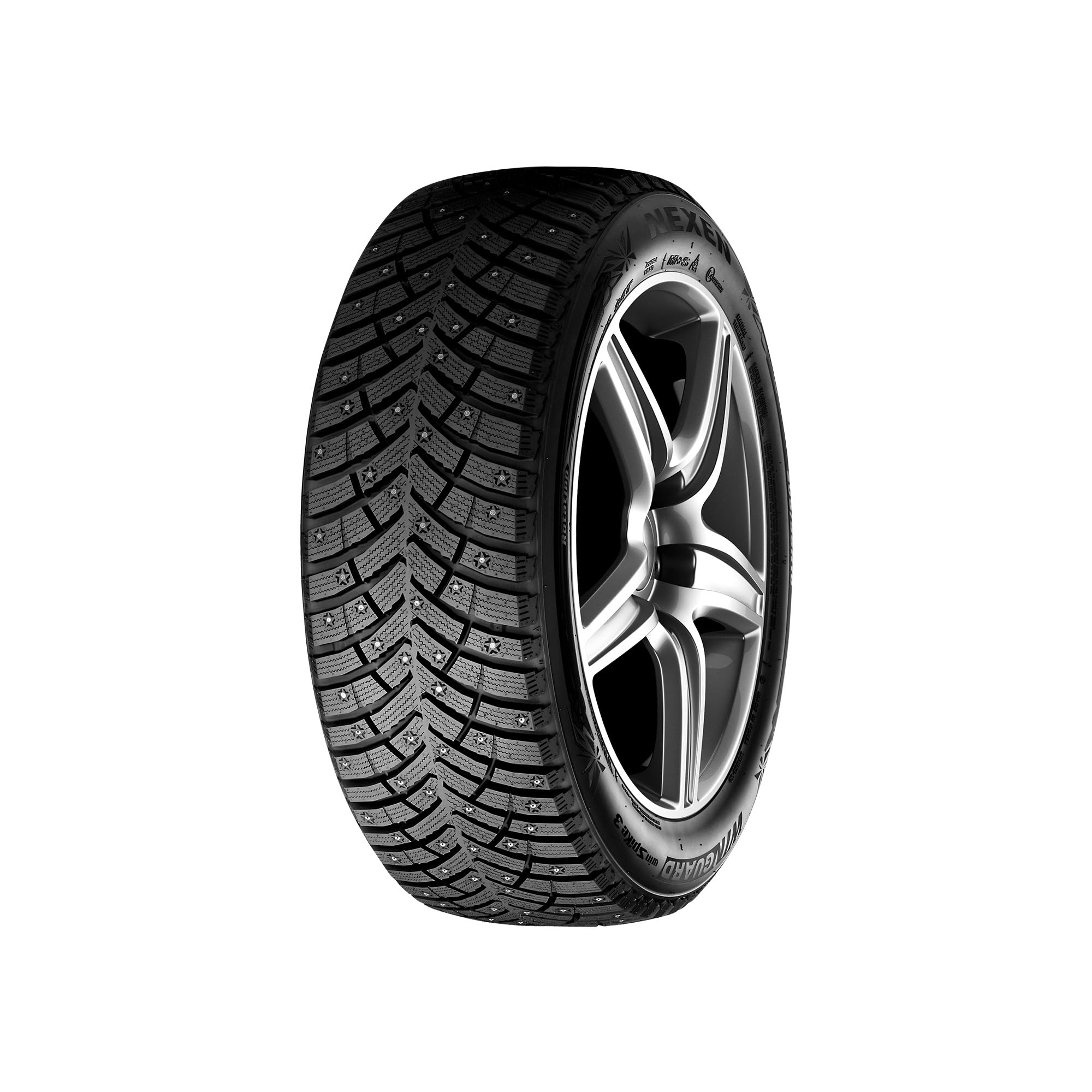
3. NEXEN Winguard Winspike 3 Winter Tire – 195/65R15 95T
The lightweight compact-car tire built for drivers who face real ice.
This is the most-reviewed tire on the whole list, and its defining feature is the one buyers need to read carefully. It can be fitted with optional TSMI #12 studs, which are small metal pins you add yourself for extra grip on snow and ice. The tire is also Three-Peak Mountain Snowflake certified and uses a directional tread pattern with deep grooves to clear water and slush, plus dense siping for extra bite. At 20.8 pounds and 25 inches in diameter, it is nimble and easy to handle.
Here is the honest part. The word “winspike” and the stud-ready design lead a lot of buyers to expect studs already installed, and they are not — studs are a separate purchase you make where permitted. Owner feedback splits on that expectation, which is why the tire’s reputation for quality and winter performance sits alongside a recurring note about the stud question. If you want studs, budget for them and check your local rules. If you do not, the studless siping still does the job on snow.
Where this tire shines is winter handling. It performs well in hard winters, holds up in snow and ice, and gives good traction for a compact car. Owners also compare it favorably to far more expensive winter tires, which tells you the compound and tread are doing their work. Durability shows up as a mixed picture in feedback, so treat it as a dependable few seasons rather than a decade-long tire.
Why compact-car drivers pick it
- Optional TSMI #12 studs give you an ice-grip upgrade later
- Three-Peak Mountain Snowflake certified winter tire
- Directional tread with deep grooves clears water and slush
- Only 20.8 pounds — easy to swap at the start of the season
The fine print that matters
- Studs are not included and must be bought and fitted separately where legal
- Durability is described as mixed in owner feedback
- Extra Load rating of 95T — make sure your car takes a 195/65R15 first
The right call for: owners of 15-inch-wheel compact cars who want a snowflake-certified tire and the option to add studs for ice.
Think twice if: you expect studs from the start — this tire is stud-ready, not pre-studded.
4. HANKOOK Winter ipike X W429 215/70R15 98T

A calm, quiet winter tire for the older wagon that still earns its keep.
Hankook’s Winter ipike X is Three Peak Mountain Snowflake certified and can be pinned with TSMI #11 studs where permitted. A wide block in the center of the tread is there to improve snow and ice traction — it gives the tire more stable contact when the surface is shifting under you. It carries a 98 load index rated to 1653 pounds and weighs 21.4 pounds, so it stays manageable on a wagon or older sedan.
Quality is the theme that comes through in owner experience, with traction right behind it. The tire handles cold and wet weather well and stays fairly quiet in operation — a meaningful plus for a car you drive every day. It also holds up in genuinely brutal winters, which tells you the cold-weather compound is doing what it claims.
Value is the one place buyers are split. The tire is described as good value by some and merely acceptable on that front by others, so think of it as a fair mid-range buy rather than a steal. Compared with the NEXEN above, it is slightly heavier at 21.4 pounds versus 20.8, and it takes a different stud size — TSMI #11 here versus TSMI #12 on the Nexen. If you already own a set of studs or plan to buy them, check which size your tire takes before you order.
The comfort angle: A wide center block and a quiet ride make this an easy tire to live with on a daily commute through slush and slop.
What 4.0+ stars reflects: Strong quality and traction notes, with value the one area that draws a more mixed reaction. It is a solid mid-range choice, not the bargain of the list.
Suits you if: you want a quiet, certified winter tire for a wagon or older sedan and will consider studs for the worst ice.
Not your tire if: you are shopping purely on value — this one is priced as a mid-range tire and buyers see it that way.
5. Sumitomo Ice Edge 225/60R17 99T

Balance is the pitch here — grip on ice and slush without a punishing ride.
Sumitomo built the Ice Edge around a simple idea: a winter tire does not have to ride like a tractor. It is a 225/60R17 with a 99 load index good for 1709 pounds per tire, and its tread is aimed at cold-weather grip along with stability, handling, and ride comfort. That combination is why it suits a mid-size car or crossover that spends most of its week on the highway.
The grip is the part that lands with owners. It holds in ice and snow and handles deep snow without complaint, including on genuinely difficult roads. It is not the most talked-about tire on this list, but the people who own it are not shy about how well it works. For a driver who wants a balanced winter tire rather than a full-on ice specialist, that is a sensible fit.
The honest limit is fitment and depth of information. It only works if your car takes a 225/60R17, and some of the more technical winter-spec claims are kept to the manufacturer’s general description rather than spelled out. If you need a tire with a documented stud option, the Nexen or Hankook entries above cover that ground. If you simply want dependable winter grip with a smooth ride, this is a quiet contender.
Pick it for: mid-size cars and crossovers where grip and ride comfort both matter and the wheel size is a match.
skip it if: you need stud capability or want a tire with a broader track record of owner feedback.
6. Bridgestone Blizzak DM-V2 Winter/Snow SUV Tire P245/50R20 102 T

The 20-inch SUV tire that treats ice like a problem to be solved.
Bridgestone’s Blizzak line has built its name on ice, and the DM-V2 is the truck and SUV version. Its Multi-Cell compound has a hydrophilic coating that pulls water off the surface of the ice, so the rubber is touching ice rather than a film of water. There are also bite particles in the compound for traction on ice, plus a tread pattern with 15 percent more block edges to shear through snow and slush. The contact patch is tuned to spread pressure evenly for better stability.
It carries a 102 load index rated to 1874 pounds and weighs 32.6 pounds, so it is built for a properly-sized SUV rather than a compact crossover. For an SUV driver who faces icy mornings and wants the most stopping confidence a tire can give, this is the class of tire to look at. It also gets Bridgestone’s Winter Tire Limited Warranty backing.
The trade-offs are real but predictable. It is a premium tire in both cost and purpose, and it only fits a P245/50R20, so check your sidewall first. The 102T means a T speed rating, which is normal for a winter SUV tire but worth knowing. Owner feedback is thinner on this one — only a small number of ratings — so you are leaning more on the manufacturer’s specification than on a deep historical record.
Ice technology first: The Multi-Cell compound and its water-dispelling coating are the reason this tire exists — it is built around the specific problem of ice, not just snow.
The honest caveat: Thin owner feedback and a premium-tier cost mean you are buying on spec and reputation. The 4.5+ star score sits on a small rating pool.
For you if: you own a 20-inch-wheel SUV and want the best ice-focused compound in this lineup.
Not the fit if: your wheels are 18 inches or your budget points to the value picks above.
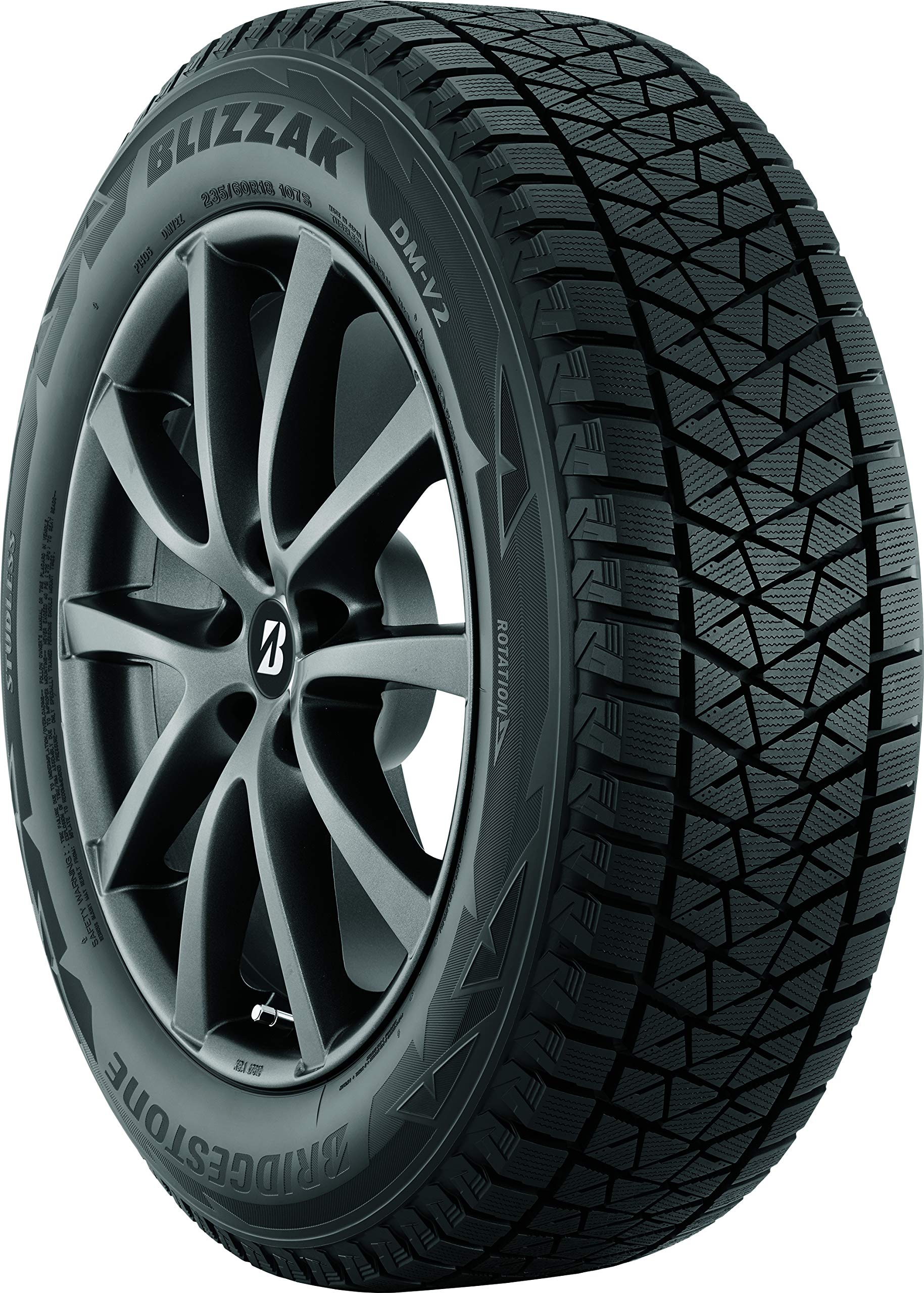
7. Bridgestone Blizzak DM-V2 Winter/Snow SUV Tire 265/60R18 110 R
The ice-focused SUV tire with enough load rating to haul a full cabin.
If you want the Blizzak formula but your SUV rides on 18-inch wheels, this is the version. It shares the same core technology as the 20-inch model above — a next-generation Multi-Cell compound with a hydrophilic coating that removes water from the tire’s surface to keep grip on snow and ice. The tread pattern has 15 percent more block edges, and the contact patch is flattened to spread pressure for stability when you steer.
The 110 load index is the standout number here. It is rated to 2337 pounds per tire, a meaningful step up from the 102 model, and it weighs 39 pounds against that model’s 32.6. For a three-row SUV loaded with kids, gear, or a trailer, that extra load capacity is exactly what you want from a winter tire. It also carries a 110R rating — an R speed rating, which is normal winter-tire territory.
Here is the balanced read. This is a premium tire with an outstanding owner score, but it rests on a very small set of ratings, so read it as strong early sentiment rather than a decade of proof. It is also one of the heaviest tires here and priced as a premium product. Still, for a big SUV on icy roads, that combination of load rating and ice-specific compound is hard to argue against.
What makes the 265/60R18 version special
- 110 load index good for 2337 pounds per tire
- Multi-Cell compound with hydrophilic coating for ice grip
- 15 percent more block edges for snow-shearing traction
- Backed by Bridgestone’s Winter Tire Limited Warranty
Where it asks more of you
- 39 pounds is heavy when you are swapping wheels in the cold
- Premium-tier cost and a narrow fitment — 265/60R18 only
- The top-tier owner score sits on a small rating pool
The strongest fit for: three-row SUV owners on 18-inch wheels who want maximum ice grip and real load capacity.
Check first if: you are driving a lighter crossover — the load rating and premium cost may be more tire than you need.
Understanding the Specs
Load index and load range
The load index is a code for how much weight each tire can carry. A tire with a 115 index is rated to 2679 pounds, while a 96 index tops out at 1565 pounds. Load range goes alongside it — SL means Standard Load, and XL means Extra Load. If you drive a pickup, a three-row SUV, or tow anything, check the load index against your vehicle’s weight before buying. The right size with the wrong load rating is a mismatch that can affect how the tire carries your vehicle.
Speed rating
The last letter in a size code is the speed rating — T, H, or R, for example. It is certified to a maximum sustained speed, such as H being certified to 130 mph on the Armstrong tire here. Winter tires usually carry lower speed ratings than summer performance tires, and that is normal, not a flaw. The rating matters most for how much heat the tire can handle on long highway runs, so match it to how you actually drive rather than chasing the highest letter.
Three-Peak Mountain Snowflake (3PMSF)
This is a certification mark, shown as a mountain with a snowflake inside, that means the tire passed a standard test for severe snow traction. Several tires on this list carry it, including the Cooper Discoverer Snow Claw and the Nexen Winguard Winspike 3. Think of it as the minimum evidence you should require before calling a tire a true winter tire. Without the mark, you are taking the manufacturer’s word rather than a standardized certification.
Studdable vs pre-studded
A studdable tire has holes molded into the tread so you can add metal stud pins later, where local law permits. The Cooper comes pinned for studs, the Nexen takes optional TSMI #12 studs, and the Hankook takes TSMI #11. Note those stud sizes differ — a set of studs for one tire will not fit another. Studs give extra bite on hard ice but are noisy and sometimes restricted to winter months, so check the rules where you live before you buy them.
FAQ
Do I really need winter tires if I have all-season tires?
How do I know which tire size my car takes?
Are studded tires better than studless winter tires?
Does the Three-Peak Mountain Snowflake symbol actually mean anything?
Can I mix winter tires with all-season tires on the same car?
What does the load index number mean for my SUV?
How long should a set of winter tires last?
Do winter tires make a lot of road noise?
Are the Nexen Winguard Winspike 3 tires sold with studs installed?
Is it worth buying premium winter tires over budget ones?
Final Thoughts: The Verdict
For most truck and SUV drivers, the winning winter tire is the Cooper Discoverer Snow Claw — it pairs a 2679-pound load rating with Three-Peak Mountain Snowflake certification and can be pinned for studs when your roads demand it. If you are outfitting a car rather than a truck, the Armstrong Ski-Trac HP delivers certified winter grip and a notably quiet ride at the budget-friendly end of the list. And for an SUV that spends the winter on ice, the Bridgestone Blizzak DM-V2 265/60R18 brings the strongest owner score in the lineup along with a 2337-pound load rating.
Buy the size that matches your sidewall, confirm the load index covers your vehicle, and decide up front if you want the option of studs. Get those three right and every tire here will hold its grip when the temperature drops.
How We Picked
We do not accept paid placement. Every pick is matched to a real buyer and a real use-case; we do not hands-on test units.
Sources & Methodology
Specifications: manufacturer listings and product documentation. Review insights: verified customer reviews, as of July 2026. Pricing: not shown on this page (it changes often); check the current price via the retailer link.
As an Amazon Associate, Gadgets Feed earns from qualifying purchases. This does not affect which products we feature.