
The right wooden canoe paddle transforms a day on the water from a shoulder-burning chore into a rhythmic, meditative glide. But picking the wrong one means fighting the wood instead of feeling the water, leading to early fatigue and blistered palms that ruin the trip before you reach the first bend in the river.
I’m Min — the co-founder and writer behind Gadgets Feed. I’ve spent countless hours cross-referencing laminate counts, blade profiles, grip ergonomics, and finish durability across dozens of models to isolate which wooden paddles actually deliver on their promises for real paddlers.
After comparing shaft materials, tip protection technologies, and weight distributions, this guide breaks down the top performers to help you find the best wood canoe paddle for your specific paddling style and body of water.
How To Choose The Best Wood Canoe Paddle
A wooden canoe paddle is a deceptively simple tool, but small differences in construction and geometry have massive impacts on your stamina and comfort. Focus on three core factors to narrow your options quickly.
Shaft Material and Laminate Count
The shaft is the backbone of any paddle. A high-quality paddle uses multiple laminations of basswood or similar hardwoods glued together under pressure. An 18-laminate shaft, like the one found in the Bending Branches BB Special, offers superior torsional stiffness and a natural flex that absorbs shock without transferring vibration to your wrists. Cheaper paddles use solid pine or paulownia with a single-piece construction — these are heavier and more prone to warping after a season of wet storage.
Blade Shape and Tip Protection
Blade shape dictates how the paddle bites into the water. A beavertail blade is narrow and long, slicing cleanly through deep lakes with minimal flutter at the catch. A rectangular or square-tipped blade pushes more water per stroke, which helps in shallow creeks or when maneuvering around obstacles. Regardless of shape, look for a reinforced tip. Models with Rockgard or epoxy-dipped edges survive repeated contact with gravel bars and rocky shorelines without splintering.
Shaft Geometry: Straight vs. Bent
A straight shaft is the traditional choice and works well for paddlers who switch sides frequently or perform quick corrective strokes. A bent shaft, typically featuring a 10- to 14-degree offset, aligns the blade at a more efficient angle through the water, reducing the need to twist your torso. Bent shafts deliver noticeably less forearm fatigue on long, straight runs, but they take a few outings to build muscle memory for the earlier release point.
Quick Comparison
On smaller screens, swipe sideways to see the full table.
| Model | Category | Best For | Key Spec | Amazon |
|---|---|---|---|---|
| Bending Branches BB Special | Premium | All-day recreational paddling | 18-laminate basswood shaft | Amazon |
| Bending Branches Beavertail | Premium | Deep water lakes and open water | Rockgard protective tip | Amazon |
| WONITAGO Wooden Canoe Paddle | Mid-Range | Beginners and casual paddlers | Anti-collision edge strip | Amazon |
| Seachoice Wood Oar | Mid-Range | Dinghies and small boats | New Zealand Pine construction | Amazon |
| Crooked Creek C10301 | Budget | Backup paddle or wall decor | Waterproof polyurethane finish | Amazon |
| Attwood Wooden Canoe Paddle | Budget | Kids and lightweight use | 1.6 pounds total weight | Amazon |
| Camco Natural Finish Wood Oar | Budget | Heavy-duty rowboat use | Multi-ply laminated construction | Amazon |
In‑Depth Reviews
1. Bending Branches BB Special Wood Canoe Paddle
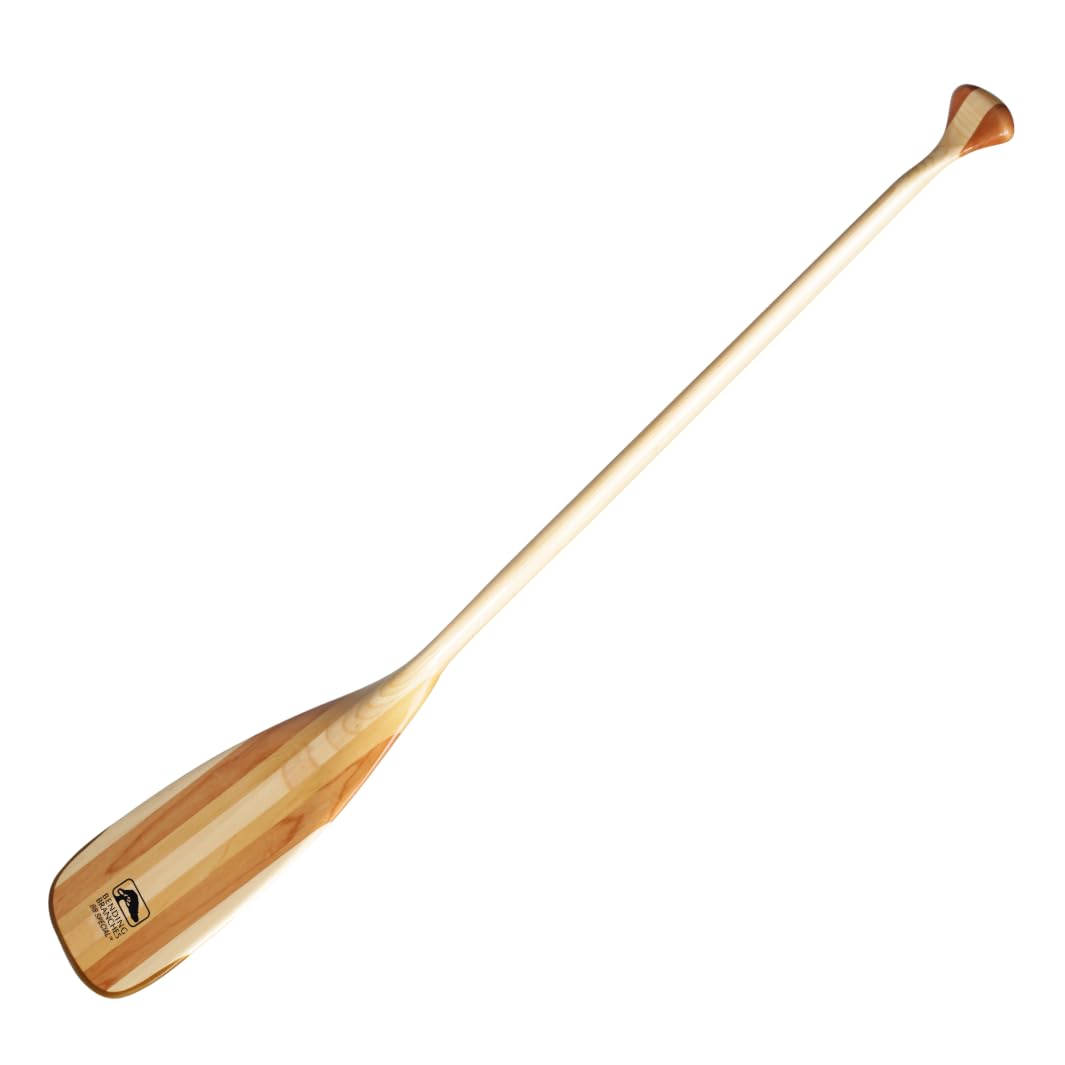
The BB Special is the benchmark for what a recreational wood canoe paddle should be. Its 18-laminate basswood shaft delivers a noticeable flex that absorbs the shock of each catch, reducing the vibration that travels up your arm on longer trips. At just 16 ounces for the 56-inch version, this paddle feels almost weightless in hand, letting you maintain a clean stroke rhythm for hours without the forearm burn that plagues heavier paddles.
The bent shaft geometry, set at roughly 11 degrees, encourages a more efficient paddle stroke by reducing the torso twist required on each pull. The Rockgard tip is a genuine durability upgrade — several users report scraping against gravel bars and submerged logs with only superficial scuffs. The hardwood blade transfers power cleanly without flutter, making this paddle feel responsive whether you are doing a quick draw stroke or a steady power paddle.
Some owners note that the graphics printed on the blade are oriented for one side only, so if you prefer to paddle with the decal facing away, you will need to rotate the shaft. The paddle also requires periodic maintenance — sanding and a fresh coat of varnish every other season is recommended to prevent moisture penetration through the wood grain over time.
Why it’s great
- Ultra-lightweight 16-ounce construction reduces fatigue on all-day trips
- Rockgard tip withstands repeated contact with rocky shorelines
- Bent shaft promotes natural stroke alignment for less arm strain
Good to know
- Blade graphics are not symmetrically placed
- Needs re-varnishing every other season to prevent water damage
2. Bending Branches Beavertail Wood Canoe Paddle

The Beavertail from Bending Branches leans into a classic blade silhouette designed specifically for open, deep water. The long, narrow beavertail shape enters the water with minimal splash and maintains a quiet, clean catch that does not disturb the surface — ideal for glassy morning paddles on lakes where silence matters. The ovalized basswood shaft is noticeably thicker in the grip area, which fills the palm more completely than the round shafts found on budget paddles.
At roughly 1.5 pounds, it is slightly heavier than the BB Special but still qualifies as lightweight by wood paddle standards. The Rockgard tip is the standout feature here — Bending Branches claims it extends tip life six times over unprotected wood, and user reports of scraping through shallow sections with only minor cosmetic damage back that up. The freestyle palm grip contours naturally to the hand, and the warm feel of bare wood is a genuine comfort advantage over cold aluminum or plastic shafts on chilly mornings.
A consistent complaint involves Amazon’s packaging, with several paddles arriving scuffed or scratched because the manufacturer sleeve offers minimal protection during shipping. The paddle is made in Osceola, Wisconsin, which means domestic build quality, but buyers should inspect the finish immediately upon delivery. The Rockgard coating can peel if the blade edge is gouged deeply, though this rarely affects performance.
Why it’s great
- Beavertail shape delivers silent entry and smooth power transfer in deep water
- Rockgard tip resists splintering on rocky lake beds
- Ovalized shaft and palm grip reduce hand fatigue on long crossings
Good to know
- Thin shipping packaging can result in scuffed blades
- Heavier than laminated bent-shaft alternatives
3. WONITAGO Wooden Canoe Paddle
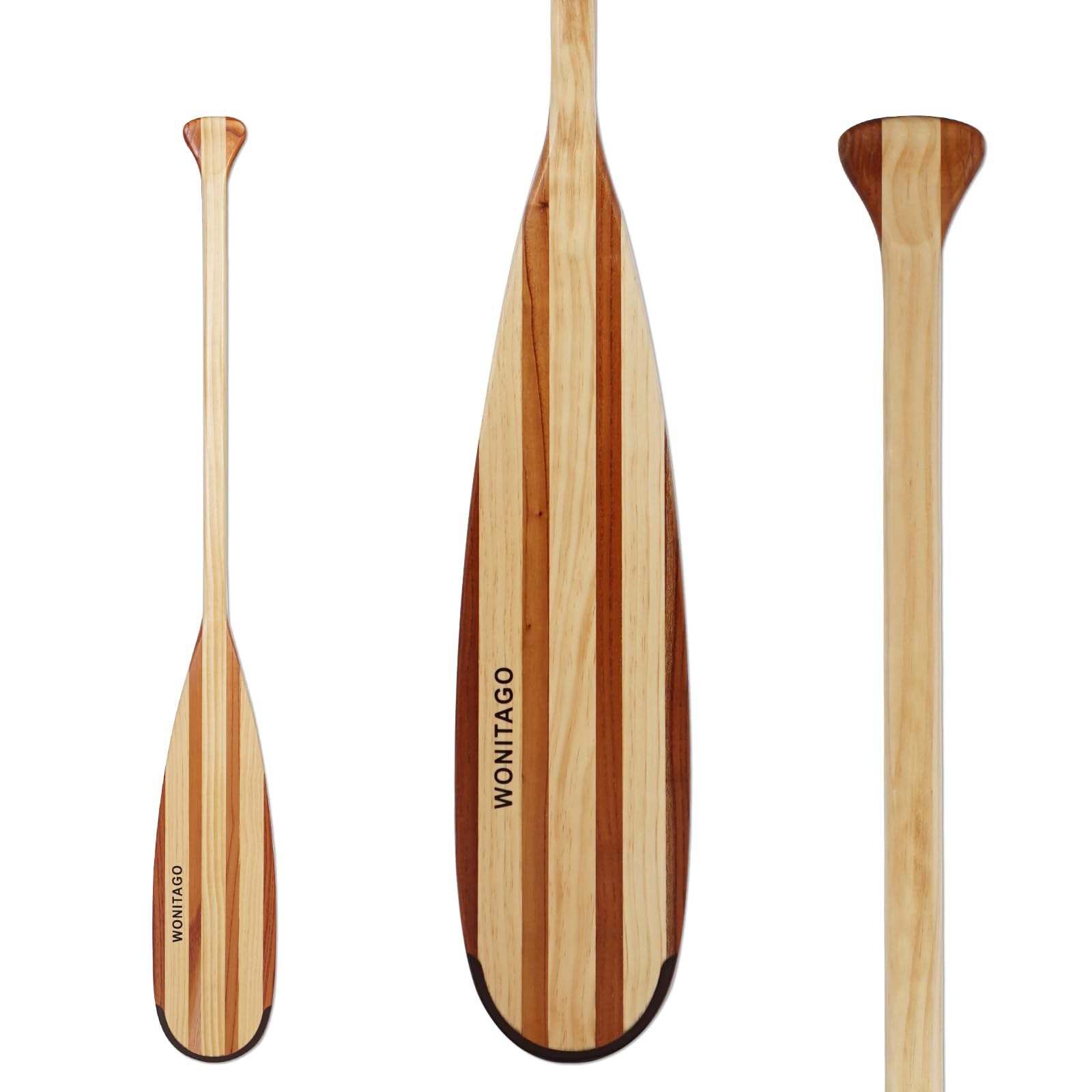
The WONITAGO paddle punches well above its price tier by offering two blade shapes — rectangular and slender — across three lengths (2.5 ft, 4.0 ft, and 4.8 ft). The Monterey Pine construction is lighter than standard pine, and the protective varnish layer gives the wood a smooth, sealed surface that resists water absorption on day trips. The anti-collision strip bonded to the blade edge is a practical addition that prevents the head from splitting on impacts with rocks or docks.
The ergonomic palm grip is sculpted to follow the natural curve of your hand, and the elliptical shaft reduces pressure points on your lower grip hand — a detail often reserved for paddles costing twice as much. Multiple color options, including a two-tone spliced finish, make this one of the more visually appealing mid-range paddles available. Users consistently describe it as lightweight and easy to maneuver, even for smaller paddlers or children using the shorter lengths.
Be exact with your length selection — the 4.0-foot model is suitable for solo paddling in smaller craft, but taller paddlers in wider canoes will need the 4.8-foot option to reach the water cleanly. A few buyers noted that the varnish finish can feel slightly sticky in hot weather, and the wood may develop small surface cracks if left in direct sunlight for extended periods without storage care.
Why it’s great
- Available in multiple lengths and two blade shape options for custom fit
- Anti-collision strip protects the blade tip during shallow water paddling
- Ergonomic palm grip reduces wrist strain for beginner paddlers
Good to know
- Varnish can feel tacky under hot sun
- Not suitable for heavy-duty or prolonged commercial use
4. Seachoice Wood Oar
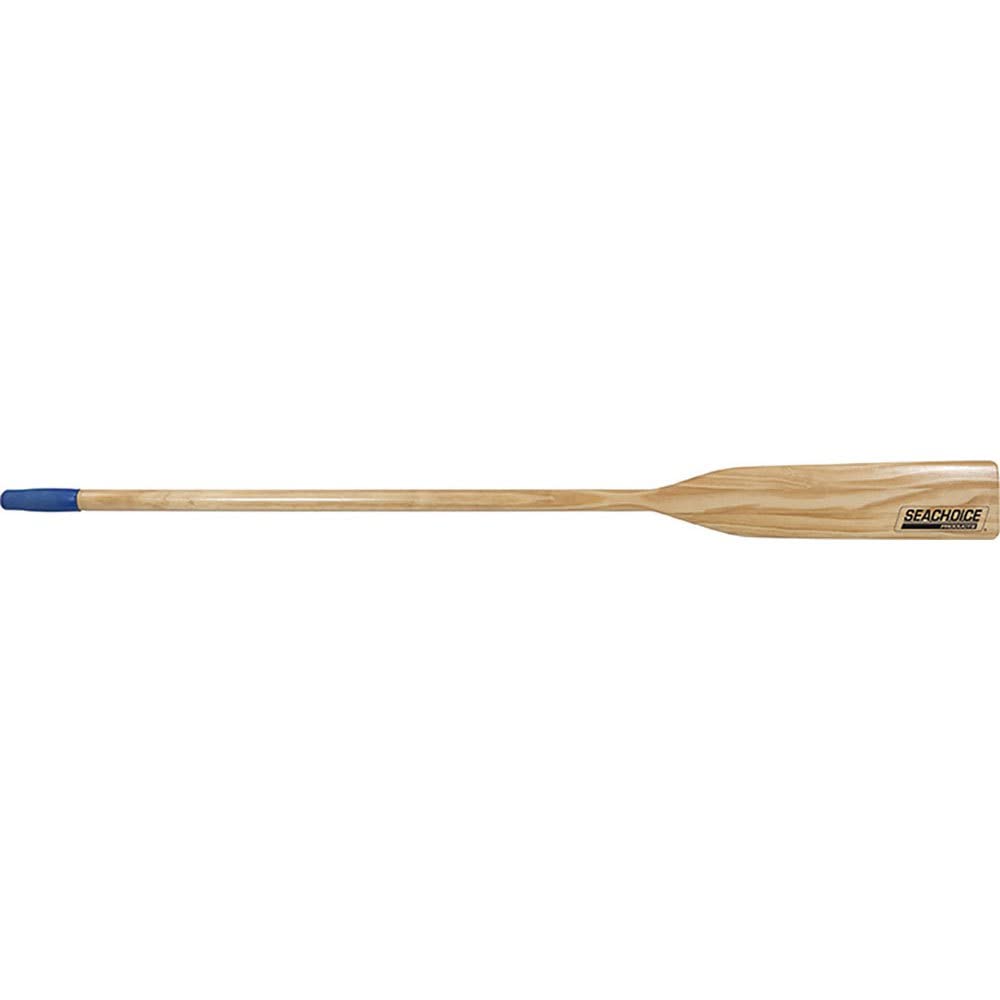
The Seachoice Wood Oar is technically an oar, not a paddle, and that distinction matters. It is designed to be used with oarlocks on rowboats and dinghies, meaning the shaft geometry and blade angle are optimized for a fixed fulcrum rather than freehand paddling. The New Zealand Pine construction produces a stiff, durable shaft that does not flex much under load, which is desirable for rowing but less ideal for the shock absorption you want in a canoe paddle.
The clear varnish finish looks clean out of the box, and the comfort grip on the top handle provides a solid purchase for your upper hand. With a 6.5-foot length, this oar offers substantial reach for larger watercraft, and the blade surface area of 21.25 by 4.3 inches moves a respectable volume of water per stroke. Several buyers remarked that these oars feel far more substantial than aluminum equivalents, which tend to flex and rattle during use.
Durability reports are mixed. While most users describe the oar as a solid performer for casual rowing, there are verified accounts of the blade splitting at the shoulder after only a few months of use. The failure point appears to be where the blade meets the shaft — a common stress concentration area on single-piece pine constructions. If you are paddling rocky waters, consider adding an extra layer of epoxy around the neck for reinforcement.
Why it’s great
- Sturdy New Zealand Pine construction feels more solid than aluminum oars
- Comfort grip handle reduces hand fatigue during long rowing sessions
- Large blade surface area provides powerful strokes for bigger boats
Good to know
- Designed for oarlocks, not freehand canoe paddling
- Blade neck is a potential stress fracture point on rocky trips
5. Crooked Creek C10301 Wood Paddle

At 3.5 feet, the Crooked Creek C10301 is a compact paddle designed primarily for tight quarters — think inflatable kayaks, small prams, or as a spare shoved under the deck bungees of a larger boat. The multi-ply laminated construction gives it structural integrity that a solid pine board of the same size would lack, and the waterproof polyurethane finish sheds water effectively during short trips. The brown epoxy blade tip adds a layer of chip resistance that helps the paddle survive accidental contact with concrete boat ramps.
The aesthetics are genuinely pleasing — multiple reviewers commented on how good the paddle looks as wall decor when not in use. The traditional shaft and grip profile feels familiar in the hand, and the laminated layers create a visual grain pattern that gives each paddle a slightly unique appearance. At 1.4 pounds, it is light enough to stow easily without adding noticeable weight to your gear bag.
The major caveat is that the handle shape is oval in the wrong orientation for efficient canoe paddling, which several users flagged as a dealbreaker for actual on-water use. The paddle is thicker and heavier than a proper canoe blade of the same length, making it tiring to use for extended stretches. This paddle works best as a backup or emergency option — not your primary daily driver for long lake crossings.
Why it’s great
- Compact 3.5-foot length stores easily under deck bungees or in small gear hatches
- Laminated construction and epoxy tip provide good impact resistance
- Attractive wood grain makes it functional wall decor when not on the water
Good to know
- Handle orientation is suboptimal for true canoe paddling technique
- Feels heavy and thick compared to purpose-built canoe paddles
6. Attwood Wooden Canoe Paddle

The Attwood Wooden Canoe Paddle is the most affordable entry point on this list, and it delivers exactly what you expect at this level: a functional, no-frills wooden blade that gets the job done for light recreational use. The 4-foot length hits a sweet spot for smaller canoes and kayaks, and the varnish coating provides a basic moisture barrier that keeps the wood from soaking up water during an afternoon trip. At 1.6 pounds, it is light enough for kids or occasional paddlers to handle without strain.
The ergonomic top handle is genuinely comfortable — the contoured grip fills the palm naturally and reduces the pressure point that typically forms under the thumb during extended paddling. Several buyers reported using this paddle on 16-foot canoes with satisfaction, noting that the slim profile makes it easy to store between seats or along gunwales. The paddle floats in both fresh and salt water, which provides peace of mind during accidental drops overboard.
Quality control is inconsistent at this price point. Some units arrive with a two-tone finish as pictured, while others are a single solid light pine color — a cosmetic variance that matters if you are matching existing gear. The varnish layer is thin and can chip off if the paddle contacts rough surfaces, and the wood underneath is soft enough to dent with fingernail pressure. Treat this as a starter paddle or a spare, not a long-term investment.
Why it’s great
- Very lightweight at 1.6 pounds suitable for young paddlers
- Contoured top grip reduces hand fatigue during casual use
- Floats in both fresh and salt water for easy retrieval
Good to know
- Color may differ from product photos
- Thin varnish is prone to chipping on rough surfaces
7. Camco Natural Finish Wood Oar

The Camco 6-foot wood oar is a multi-ply laminated option from the same Crooked Creek line as product 5, but in a longer format better suited for rowboats with oarlocks. The laminated construction gives it a strength advantage over solid-wood alternatives, and the waterproof polyurethane finish provides reliable moisture protection for regular use in fresh water. The brown epoxy blade tip adds a layer of durability that helps the oar survive scraping along concrete docks and gravel launch points.
At roughly 3 pounds, this is a heavier oar compared to dedicated canoe paddles, but that weight helps generate momentum through the water when rowing from a fixed oarlock position. The natural wood finish has a warm, traditional look that appeals to classic boat owners who want their equipment to match the aesthetic of a wooden hull. Several users reported that the oar feels substantial and well-balanced when rowing, with less flex than aluminum alternatives of the same length.
Durability is a significant concern with this model. Multiple verified reviews describe the oar snapping at the blade after fewer than ten uses, with the failure occurring at the laminated joint where the blade meets the shaft. The shipping packaging — a thin cardboard sleeve — offers minimal protection, and some units arrive with visible damage. If you choose this oar, consider reinforcing the blade neck with marine-grade epoxy before your first outing, and inspect the laminate for gaps upon delivery.
Why it’s great
- Multi-ply laminated construction is stronger than single-piece wood oars
- Waterproof polyurethane finish withstands regular fresh water exposure
- Traditional natural wood look matches classic wooden boat aesthetics
Good to know
- Blade neck is prone to snapping under heavy use
- Thin shipping packaging often results in arriving damaged
FAQ
Should I buy a straight shaft or a bent shaft canoe paddle?
What length wood canoe paddle do I need for my height?
Is a solid wood paddle better than a laminated one?
Can I use a wood canoe paddle in salt water?
Final Thoughts: The Verdict
For most users, the best wood canoe paddle winner is the Bending Branches BB Special because its 18-laminate basswood shaft and Rockgard tip deliver a lightweight, fatigue-reducing experience that justifies the investment for anyone paddling more than a couple hours at a stretch. If you want a classic beavertail blade for silent, efficient gliding on deep lakes, grab the Bending Branches Beavertail. And for budget-conscious beginners or those needing a spare, the WONITAGO Wooden Canoe Paddle offers remarkable value with its anti-collision strip and ergonomic grip.