
A youth batting helmet is the single most critical piece of gear a young ballplayer owns — the difference between a confident swing and a flinch at the plate can come down to how well the shell and padding manage a 55-mph fastball. A poorly fitting helmet rattles loose, blocks peripheral vision, and creates a distraction that no amount of batting practice can fix.
I’m Min — the co-founder and writer behind Gadgets Feed. I have spent hundreds of hours analyzing batting helmet impact ratings, ventilation channel designs, and moisture-wicking liner materials to understand exactly what separates a safe, comfortable fit from a liability inside the batter’s box.
Every helmet on this list has been evaluated against NOCSAE certification standards, shell material density, and real parent and coach feedback from years of game use. This guide breaks down the best youth batting helmets by fit, protection tier, and sport-specific design — so you can buy with confidence the first time.
How To Choose The Best Youth Batting Helmets
Picking a youth batting helmet involves more than matching a team color. Shell construction, liner technology, ventilation layout, and face guard compatibility all determine whether a helmet serves a player through a full season or gets retired after three games.
Certification First — NOCSAE Is Non-Negotiable
Every helmet sold for organized baseball and softball in the US must meet NOCSAE (National Operating Committee on Standards for Athletic Equipment) standards. A NOCSAE seal on the back means the helmet passed impact attenuation tests at multiple velocity levels. Helmets without this certification should be avoided entirely for league play.
Fit, Not Fashion — Shell Shape and Padding Density
A youth helmet’s fit is determined by head circumference measured just above the eyebrows and ears. Most brands offer sizing in hat-size ranges (like 6 1/2 to 7 1/8). Dual-density foam liners — a soft comfort layer against the head with a firmer impact layer under the shell — provide the best balance of snugness and shock absorption. Single-density foam helmets often shift during swings and create blind spots.
Ventilation and Moisture Management
Youth players sweat heavily during summer tournaments. Helmets with less than 15 ventilation channels or vents trap heat and cause fogging on face shields. A moisture-wicking liner like Bio Dri or Dri-Gear reduces sweat build-up and prevents the foam from breaking down prematurely. Always check the number of air vents and liner material before buying.
Quick Comparison
On smaller screens, swipe sideways to see the full table.
| Model | Category | Best For | Key Spec | Amazon |
|---|---|---|---|---|
| Easton Ghost | Premium Fastpitch | Female fastpitch players needing low-profile facemask | Reinforced shell with extra plush foam | Amazon |
| Rawlings R16 Velo Reversible | Premium Youth | Youth switching between left and right batting stance | Reversible EXT piece with Heat Exchange ventilation | Amazon |
| Rawlings MACH Single Ear | Mid-Range Pro-Style | Teens wanting pro-level single-ear look | 360-degree ventilation + IMPAX foam | Amazon |
| Easton Alpha 3.0 | Mid-Range Complete | Youth needing an all-in-one helmet with attached facemask | Dual-density foam + Bio Dri moisture liner | Amazon |
| Champro HX Legend Plus | Mid-Range Value | Budget-conscious families needing NOCSAE-certified durability | ABS shell with DRI-GEAR moisture liner | Amazon |
| RIP-IT Vision Pro | Mid-Range Softball | Female fastpitch players needing wide field of view | 21 air vents + wrapped moisture-wicking padding | Amazon |
| EvoShield XVT 2.0 | Budget Champion | Young athletes needing a lightweight, entry-level shell | Polycarbonate shell with EPS foam liner | Amazon |
In‑Depth Reviews
1. Easton Ghost Batting Helmet with Mask
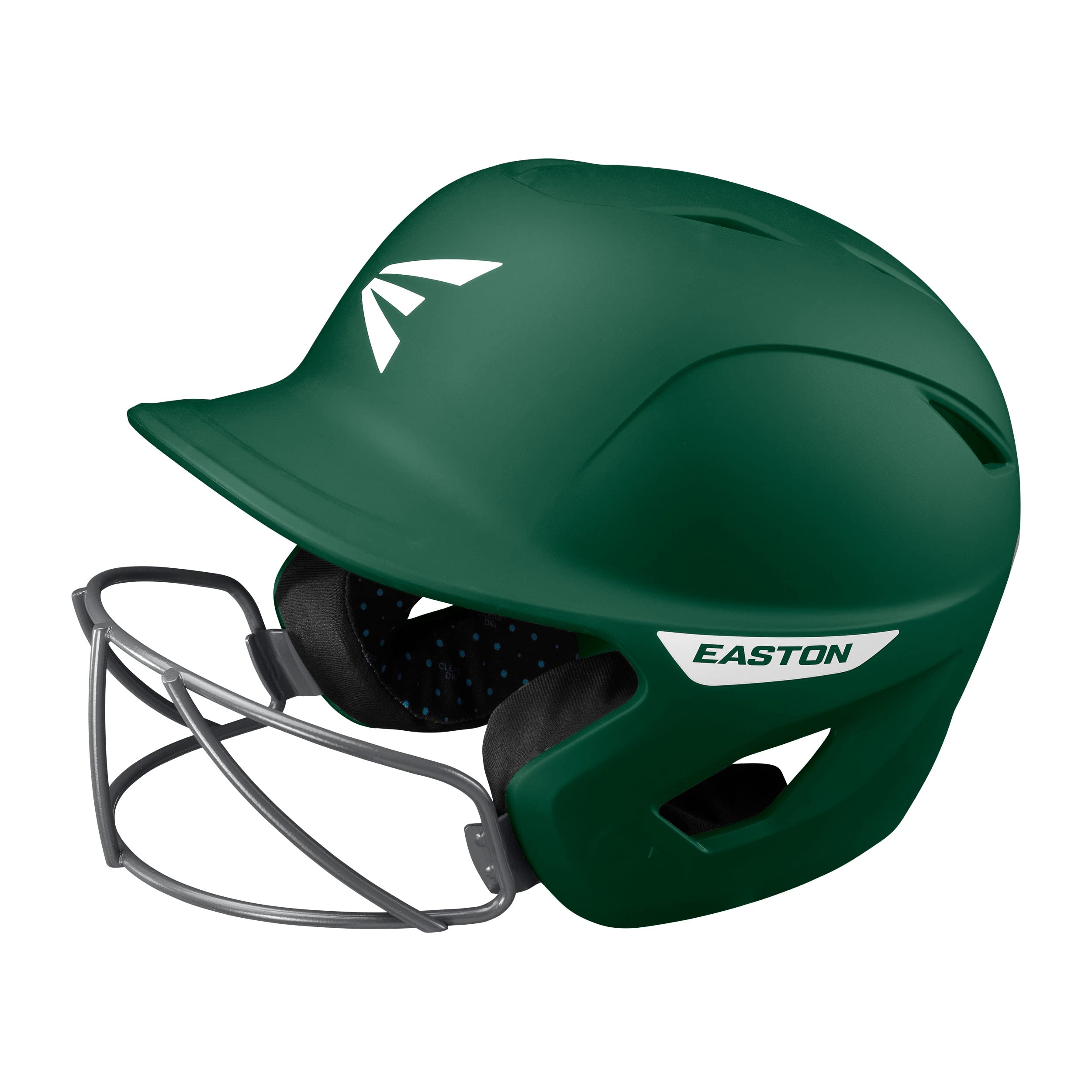
The Easton Ghost is purpose-built for the female fastpitch athlete, with a reinforced shell that accommodates various hairstyles and a facemask that sits lower and closer to the face than standard youth helmets. The three distinct size ranges use extra plush foam to fit a wide variety of head shapes without pressure points. At 0.94 kilograms, it is heavier than some competitors, but that weight comes from the added jaw coverage and denser padding in critical impact zones.
Real parents report that the L/XL sizing runs slightly generous — a player with a 21.5-inch circumference fits better in the M/L or even youth-specific size. The matte finish resists scratches from catcher gear and bat bags better than gloss alternatives. The chin strap uses a click-on/click-off mechanism that stays secure through multiple innings and does not irritate sensitive skin.
The Ghost is the most expensive option in this lineup, but the fastpitch-specific design justifies the premium for serious players who compete year-round. For recreational or t-ball use, the added cost may be unnecessary. The facemask cannot be removed for single-ear play, so batters who prefer an open ear setup should look elsewhere.
Why it’s great
- Fastpitch-specific reinforcement and facemask coverage
- Extra plush foam accommodates ponytails and varied head shapes
- Durable matte finish holds up to heavy use
Good to know
- Sizing runs large — measure circumference before ordering
- Non-removable facemask limits batting stance options
2. Rawlings R16 Velo Reversible EXT Batting Helmet

The Rawlings R16 Velo Reversible EXT addresses one of the biggest frustrations in youth baseball: left-handed and right-handed batters sharing a single helmet. The extension piece flips from one side to the other using a TPU rubber cover that conceals all hardware, so no tools or spare parts are needed. The heat exchange ventilation system pulls hot air out through the top vents and draws cooler air in through the front channels, reducing sweat accumulation during summer doubleheaders.
Designed for hat sizes 6 3/8 through 7 1/8, the R16 fits most youth players from ages 8 to 14. The wrapped jaw pads improve comfort for players with narrower faces, and the NOCSAE certification covers all levels of youth play including kid-pitch leagues where ball velocity increases. The matte black finish is practical — it hides dirt and scuffs far better than white or gloss helmets.
Parents note that the reversible mechanism works smoothly but adds a small amount of bulk on the non-ear side. Players who never switch stances might find the extra plastic unnecessary. The face guard is a fixed single-ear design, so batters who want dual-ear protection need to consider the Easton Alpha 3.0 instead.
Why it’s great
- Tool-free reversible EXT piece for lefty/righty switching
- Heat Exchange ventilation reduces fog and sweat
- Wrapped jaw pads improve narrow-face fit
Good to know
- Extra bulk on non-ear side from reversible mechanism
- Single-ear design only — no dual-face guard option
3. Rawlings MACH Single Ear Batting Helmet

Rawlings built the MACH for teenage athletes who want an MLB-inspired aesthetic without sacrificing safety. The IMPAX foam liner absorbs and disperses force through multiple impacts — a meaningful upgrade over single-impact foam that degrades after one hard hit. The 360-degree ventilation layout places air channels around the entire circumference of the head, not just the top, so players feel airflow even when standing still in the on-deck circle. This model is NOCSAE certified up to 68 mph, which covers the exit velocities typical of 13U through high school play.
The senior helmet fits hat sizes 6 7/8 through 7 5/8, making it better suited for larger youth heads and older teens. The single-ear configuration keeps weight down — the MACH comes in at 0.6 kilograms — and the clear-coat gloss finish has a premium sheen that resists UV yellowing over time. The pre-drilled screw configuration allows adding a Rawlings Mach Extension Piece to either side for custom ear protection.
Some buyers report that the gloss surface shows fingerprints and dust more than matte alternatives. The single-ear design is not reversible, so left-handed batters need to purchase the correct hand-orientation model. For younger children with hat sizes below 6 7/8, the junior-sized R16 is a better fit.
Why it’s great
- IMPAX foam handles multiple impacts without degradation
- 360-degree ventilation keeps head cool in summer conditions
- MEXT-compatible for custom extension piece add-on
Good to know
- Gloss finish shows fingerprints and surface dust
- Single-ear orientation model must match batter stance
4. Easton Alpha 3.0 Batting Helmet with Facemask
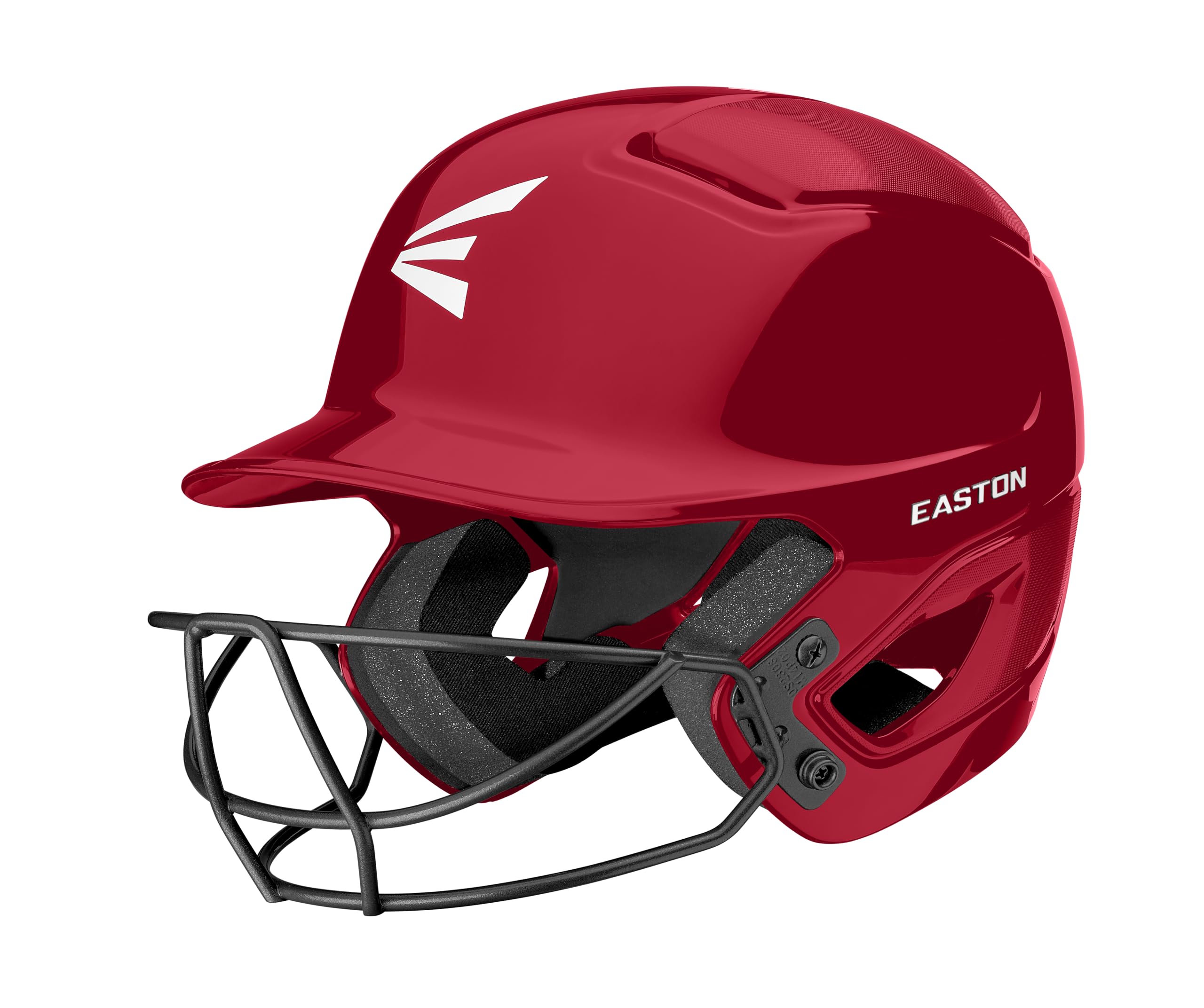
The Easton Alpha 3.0 delivers an all-in-one package for parents who want a helmet with the facemask already attached and ready to wear. The ABS thermoplastic shell is the same material used in Easton’s premium lines, while the dual-density foam liner uses a soft comfort layer against the head and a firmer shock-absorbing layer under the shell. The Bio Dri liner pulls moisture away from the skin and dries significantly faster than standard foam — a practical advantage for back-to-back games in humid climates.
Youth players with smaller heads consistently report that the Alpha 3.0 fits snugly without wobbling during swings. The attached facemask is designed for both baseball and fastpitch softball, so one helmet covers multiple leagues. The M/L size fits hat sizes 6 1/2 to 7, which covers the majority of 8- to 12-year-old players. Parents who bought a second unit for team use confirm the helmet holds up across multiple seasons of abuse.
The facemask cannot be removed, so players moving into older age divisions that permit single-ear helmets are locked into the full-face configuration. The red color option is bright and team-friendly, but darker colors show less dirt over time. Some buyers wish the chin strap offered more adjustability for very small or very large faces.
Why it’s great
- Dual-density foam provides layered shock absorption
- Bio Dri liner wicks moisture fast for summer comfort
- Facemask included and pre-attached — ready out of box
Good to know
- Facemask is non-removable for single-ear play
- Limited color options compared to other Easton models
5. Champro HX Legend Plus Batting Helmet

The Champro HX Legend Plus packs NOCSAE-certified protection into a weight-optimized shell that weighs only 16 ounces — one of the lightest options on this list. The DRI-GEAR contour-molded liner pulls sweat away from the head and the Bio-Fresh treatment adds antibacterial odor control that keeps the interior fresh through an entire season. Ventilation holes are placed along the crown and rear to release heat, though the total vent count is lower than the RIP-IT Vision Pro’s 21 vents.
Buyers consistently report that the medium size fits hat sizes 6 1/2 to 7 accurately, and the large fits 7 to 7 1/2 — making the Legend Plus suitable for both youth and smaller adult heads. The jaw guard is removable, giving players the flexibility to switch between full-face and single-ear protection as league rules change. The ABS shell has held up well in reviews from parents whose children play both baseball and fastpitch softball with the same helmet.
The DRI-GEAR liner, while effective at moisture management, is not as plush as the dual-density foam found in the Easton Alpha 3.0 or Rawlings MACH. The white/black color combo is classic but shows scuffs quickly — parents of heavy catchers may want to budget for replacement decals.
Why it’s great
- Lightweight 16-ounce ABS shell reduces neck fatigue
- Removable jaw guard offers single-ear or full-face flexibility
- Bio-Fresh odor treatment keeps liner fresh multiple seasons
Good to know
- Liner is less plush than premium dual-density foam options
- White color shows scuffs and dirt quickly
6. RIP-IT Vision Pro Softball Batting Helmet
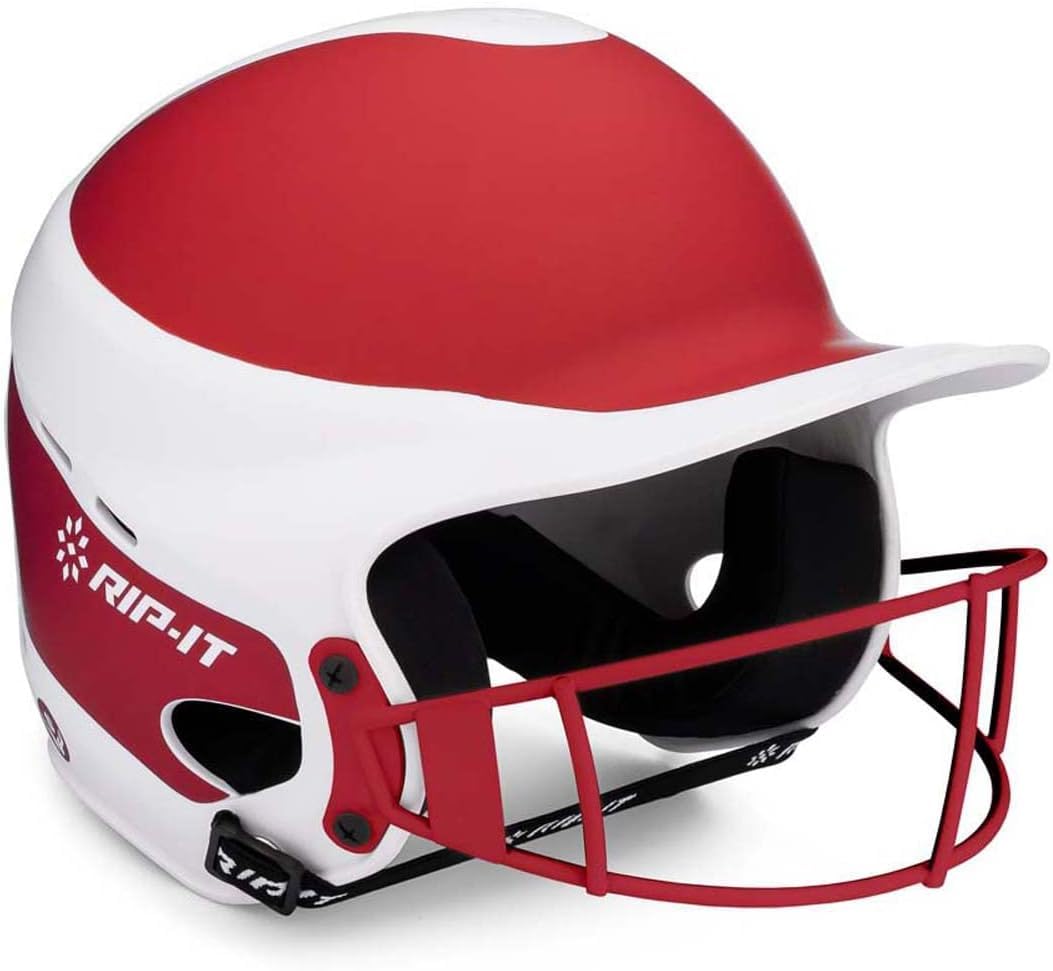
The RIP-IT Vision Pro is engineered specifically for female fastpitch players, with a wider field of view and 21 strategically placed air vents that move more air than any other helmet in this comparison. The wrapped padding uses moisture-wicking fabric that reduces dampness and skin irritation — a common issue for athletes who wear helmets for multiple hours during tournaments. At 1.7 pounds, it is heavier than the Champro, but the weight comes from thicker foam in the ear and temple regions where fastpitch impacts often land.
Parents of 10U and 12U players confirm the S/M size fits most youth softball heads comfortably, and the matte finish looks premium but does show surface scratches from catcher gear and helmet stacking. The package includes the chin strap and helmet only — no separate facemask is included, so this is a single-ear configuration by default. For leagues that require full-face protection, an aftermarket mask must be purchased separately.
The Vision Pro’s wider vision window is a genuine advantage for tracking rising fastballs and drop pitches, but the larger eye opening leaves less shell material above the brow. Players who routinely take high-and-tight pitches may prefer the Easton Ghost’s reinforced brow area. The scarlet/white color scheme is clean, but the white sections show dirt faster than darker RIP-IT colorways.
Why it’s great
- 21 air vents provide superior airflow for summer heat
- Wrapped moisture-wicking padding reduces skin irritation
- Wider field of view helps track pitch movement
Good to know
- No included facemask — separate purchase for full-face setup
- White sections show wear and dirt faster than darker colors
7. EvoShield XVT 2.0 Batting Helmet

The EvoShield XVT 2.0 is the most budget-friendly entry in this guide, but it does not cut corners on certification — the polycarbonate shell carries full NOCSAE approval and the expanded polystyrene (EPS) foam liner provides impact absorption comparable to helmets costing significantly more. The lightweight dual-density padding is strategically placed to protect the temples and crown without adding unnecessary bulk. The top-plate venting system uses channels rather than individual holes, which reduces the chance of debris falling through to the scalp during field play.
Young athletes aged 8 to 13 fit well in the S/M size (6 1/2 to 7 1/8), and parents report the matte finish resists scratches better than gloss alternatives at this price tier. The XVT 2.0 is available in both matte and high-gloss finishes, giving families a choice based on durability preference. The chin strap is adjustable and includes a quick-release buckle that stays latched through aggressive swings.
The EPS foam liner is effective but less comfortable than the dual-density foam used in the Easton Alpha 3.0 or Rawlings MACH — players with sensitive heads may feel the foam’s texture after extended wear. The XVT 2.0 does not include a facemask, so league-mandated full-face protection requires an additional purchase. Some users note the S/M sizing runs slightly large for children under 8 years old.
Why it’s great
- NOCSAE-certified polycarbonate shell at an entry-level price
- Top-plate channel venting reduces debris entry
- Matte finish resists scratches better than many gloss competitors
Good to know
- EPS foam liner is less plush than premium dual-density options
- No facemask included — separate purchase for full-face
FAQ
How do I measure my child’s head for a batting helmet?
Can a youth batting helmet be used for both baseball and fastpitch softball?
What is the difference between single-ear and dual-ear face guards?
Final Thoughts: The Verdict
For most families, the best youth batting helmets winner is the Easton Ghost because it nails the three things that matter most: NOCSAE protection, a fastpitch-specific fit that accommodates ponytails, and a facemask that sits close to the face for maximum vision. If you want a reversible helmet that grows with a switching-stance player, grab the Rawlings R16 Velo Reversible. And for a budget-friendly entry-level shell that passes every safety standard, nothing beats the EvoShield XVT 2.0.