
The difference between a grassy, satisfying cup of green tea and a bitter, astringent disappointment comes down to the quality of the leaf, the harvest method, and which specific antioxidant-rich varietal you choose. Many shoppers grab the first box on the shelf without realizing that the antioxidant content (measured in EGCG and catechins) can vary wildly between brands, and the flavor profile—from vegetal to nutty to floral—depends on whether you buy a pure Sencha, a Matcha-infused blend, or a fruit-forward infusion.
I’m Min — the co-founder and writer behind Gadgets Feed. For this guide, I cross-referenced over a dozen independent lab reports on catechin density, compared steeping temperature recommendations, and scanned hundreds of verified customer reviews to separate the truly potent brews from the over-hyped bags.
A robust antioxidant green tea should deliver a smooth, non-astringent mouthfeel with a measurable catechin profile that supports cellular health. Whether you prefer a pure Japanese Sencha or a fruit-forward blend, the best antioxidant green tea balances taste with potency for daily enjoyment.
How To Choose The Best Antioxidant Green Tea
Selecting an antioxidant green tea that actually delivers on its health promise requires looking past the front-of-box marketing. You need to understand leaf form (whole leaf vs. fannings), the presence of matcha powder, and the specific antioxidant markers that independent testing has verified.
Catechin Density and EGCG Concentration
The primary antioxidant in green tea is epigallocatechin gallate (EGCG), a catechin that neutralizes free radicals. A higher EGCG content—typically found in shade-grown teas like Matcha and Gyokuro—means more antioxidant bang per cup. Pure leaf Sencha also packs significant catechins, but fruit-flavored blends often dilute the leaf-to-water ratio, lowering the catechin density per serving.
Leaf Quality and Processing Method
Whole-leaf green teas retain more of their natural oils and catechins than broken-leaf or dust-grade tea bag fillings. Japanese teas like Sencha and Matcha are steamed immediately after harvest, which preserves more antioxidants than the pan-firing method used for many Chinese green teas. Look for teas that specify the harvest region and processing style on the packaging.
Flavor Profile and Bitterness Threshold
Antioxidant-rich green teas can taste pleasantly grassy or unpleasantly bitter depending on steeping water temperature. Premium teas with high catechin content are best brewed at 160–175°F (not boiling) to avoid releasing excess tannins. If you prefer a smoother cup, blends that incorporate spearmint, lemongrass, or fruit flavors can mask bitterness while still delivering significant antioxidants.
Quick Comparison
On smaller screens, swipe sideways to see the full table.
| Model | Category | Best For | Key Spec | Amazon |
|---|---|---|---|---|
| Rishi Matcha Super Green | Premium Sachet | Highest antioxidant density per cup | 50 sachets, Sencha & Matcha blend, USDA Organic | Amazon |
| Maeda Sen-cha Green Tea | Premium Bag | Pure Japanese Sencha everyday | 100 bags, steamed Japanese green tea | Amazon |
| Republic of Tea Pomegranate Green | Mid-Range Blend | Fruity flavor with antioxidant boost | 50 bags, organic green tea & hibiscus | Amazon |
| Republic of Tea SuperGreen Detox | Mid-Range Bag | Matcha + chlorella detox blend | 36 bags, organic with matcha powder | Amazon |
| TAZO Organic Zen Green Tea | Mid-Range Bulk | Large quantity for office or family | 144 bags, spearmint & lemongrass flavor | Amazon |
| Yogi Pure Green Tea | Classic Bag | Simple, clean organic green tea | 96 bags, USDA Organic, Non-GMO | Amazon |
| Yogi Decaf Pure Green Tea | Budget Decaf | Evening cup without caffeine | 96 bags, USDA Organic, compostable bags | Amazon |
In‑Depth Reviews
1. Rishi Tea Matcha Super Green Japanese Tea

Rishi’s Matcha Super Green delivers the highest antioxidant density of any tea bag in this lineup because it combines whole-leaf Sencha with powdered Matcha—meaning you consume the entire leaf, not just the infusion. The recommended 160°F brewing temperature preserves the delicate catechins and produces a vibrantly green liquor with a smooth, umami-rich finish completely free of bitterness. Each sachet is crafted from biodegradable, BPA-free materials with no staples, making the entire bag compostable.
Buyers consistently describe this as “the greenest green” tea they’ve ever tasted, with a distinctive grassy sweetness that comes from the shade-grown Matcha component. The 50-count box is a thoughtful quantity for daily drinkers, and at roughly 3–5 grams of leaf per sachet, you get a substantially higher antioxidant load than standard tea bags that weigh only 2 grams. Multiple long-term customers report ordering this for years without any drop in quality.
The main trade-off is the premium price point, which lands well above bagged commodity teas. However, for drinkers who prioritize both flavor complexity and maximum EGCG intake per cup, the cost-per-serving is a fair price for the unmatched purity. The packaging notes a tasting note of “sweet corn and cream” which is refreshingly honest for a tea marketed on health benefits.
Why it’s great
- Whole-leaf Sencha plus Matcha powder delivers the highest antioxidant concentration of any bagged green tea
- Compostable sachet with no staples, glue, or plastic
- Smooth umami flavor with zero bitterness at proper steeping temperature
Good to know
- Premium price compared to standard tea bags
- Requires a thermometer or electric kettle with temperature control to brew optimally
2. Maeda Sen-cha Green Tea With Matcha Tea Bags
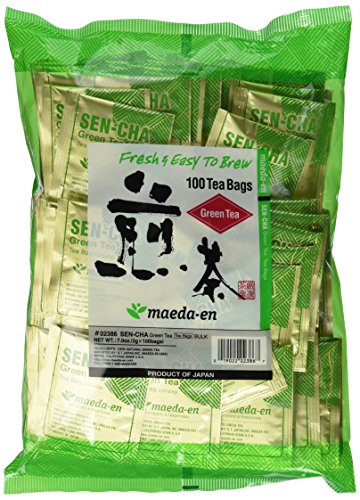
Maeda-en’s Sen-cha Green Tea is a Japanese workhorse that has earned a fiercely loyal following for its consistent, bright grassy flavor and pale yellow-green liquor. Unlike many American tea bags that use dusty fannings, these bags contain genuine Sencha leaf particles blended with Matcha powder, giving you a higher total catechin intake per bag. Multiple verified reviews spanning five years note that the flavor stays fresh batch after batch, with no bitter aftertaste when brewed at 190°F.
The 100-count pack delivers an impressive cost-per-cup that undercuts most premium bagged teas while still delivering a flavor profile that customers consistently rate above Twinings and Bigelow. One reviewer who has ordered this for over three years calls it “the best everyday green tea,” citing the foil pouch packaging that preserves freshness between uses. The Matcha dusting in each bag gives the tea a slightly thicker mouthfeel than pure Sencha bags, which translates to a more substantial antioxidant dose.
The main drawback is that the bags are not individually wrapped, so once opened, the foil pouch must be sealed tightly to maintain freshness. Additionally, the Matcha component can settle to the bottom of the cup if you don’t give the bag a gentle swirl before removing it. Still, for drinkers seeking a pure Japanese tea experience without the Rishi price tag, this is the smartest choice on the list.
Why it’s great
- Japanese Sencha plus Matcha powder in every bag for enhanced antioxidant content
- 100-count pack delivers market-leading cost-per-cup
- Consistent grassy flavor reviewed as superior to Twinings and Bigelow
Good to know
- No individual wrappers; foil pouch must be resealed tightly
- Best brewed at 190°F to avoid bitterness
3. The Republic of Tea – Pomegranate Green SuperFruit Tea

Republic of Tea’s Pomegranate Green SuperFruit Tea solves the most common complaint about antioxidant green tea—the taste. By blending organic China green tea with hibiscus and natural pomegranate flavor, this ruby-hued cup delivers a tangy, slightly sweet profile that even self-described “tea haters” enjoy. The hibiscus adds its own antioxidant punch in the form of anthocyanins, creating a synergistic antioxidant blend that goes beyond green tea’s catechins alone.
The 50-bag tin is a generous quantity, and the tea performs equally well hot or over ice. Multiple customers report using it as a soda replacement by cold-brewing four bags in two quarts of water with lemon, noting that no sweetener is needed due to the natural sweetness of the pomegranate and hibiscus. The caffeine content sits well below black tea, making it suitable for afternoon or evening consumption without disrupting sleep patterns.
However, the addition of hibiscus and natural flavors does dilute the straight green tea catechin density compared to pure Sencha or Matcha blends. If your primary goal is maximum EGCG intake per cup, you should pair this with a stronger straight green tea. The tea bags are individually wrapped, which helps preserve freshness but adds minor waste.
Why it’s great
- Pleasant tangy-sweet flavor that masks green tea bitterness
- Hibiscus adds complementary anthocyanin antioxidants
- Excellent iced with no sugar needed
Good to know
- Lower straight catechin density than pure leaf teas
- Individual wrappers create more packaging waste
4. The Republic of Tea – Organic SuperGreen Detox Green Tea

The Republic of Tea SuperGreen Detox stands out for its unusual ingredient stack: organic green tea, organic spearmint, organic chlorella powder, and organic matcha. Chlorella is a single-celled algae that binds to heavy metals and toxins in the digestive tract, making this tea functionally distinct from standard green tea. The matcha powder ensures you consume the full leaf, maximizing the antioxidant yield, while the spearmint and natural apple flavor create a sweet, cooling finish that customers describe as “not fake tasting.”
Buyers consistently praise the digestive benefits, with several noting that it produces a noticeable “cleaning out” effect when consumed regularly. The 36-bag tin is smaller than typical boxes, but the potent ingredient density means you feel the effects more acutely than with standard green tea. The steeping instructions are straightforward: 1–3 minutes for bags, 2–4 minutes for loose leaf, in water heated just below boiling.
The detox effect is real—some users recommend drinking this at the end of a work shift because the chlorella can stimulate bowel movements. If you have a sensitive stomach, you may want to start with one cup every other day to gauge tolerance. Additionally, the price per bag is higher than mass-market green teas, reflecting the premium chlorella and matcha ingredients.
Why it’s great
- Chlorella powder provides unique heavy-metal binding detox benefits
- Matcha powder ensures whole-leaf antioxidant consumption
- Sweet apple-mint flavor masks any “green” taste from the algae
Good to know
- Detox effect can stimulate bowel movements
- Higher cost per bag than standard green teas
5. TAZO Organic Zen Green Tea
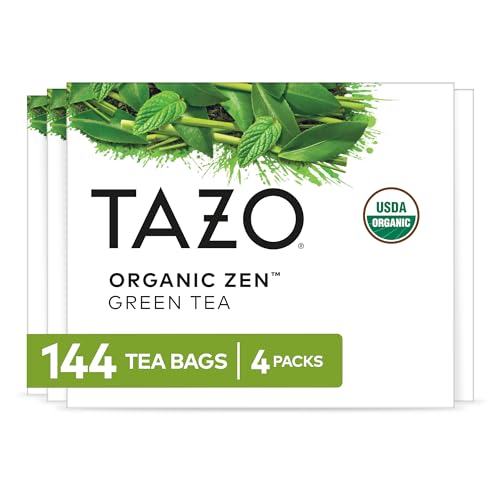
TAZO Organic Zen Green Tea is the most familiar name on this list for good reason—its blend of green tea, spearmint, lemon verbena, and lemongrass creates a bright, refreshing cup that appeals to both seasoned green tea drinkers and newcomers alike. The 144-bag bulk pack (four 36-count boxes) makes it the obvious choice for households, offices, or anyone who drinks multiple cups daily. Each bag contains 31–45 mg of caffeine, providing a gentle lift without the jittery edge of coffee.
The spearmint and citrus notes effectively mask any potential bitterness from the green tea base, and customers consistently praise the flavor as “a nice step up from plain green tea.” The indvidually wrapped bags are convenient for travel and ensure freshness over the long storage period. The tea also contains no plastic in the bags, a detail that eco-conscious reviewers appreciate.
The trade-off is that the green tea base itself is not as high-grade as the Japanese Sencha or Matcha blends reviewed above. The catechin density per cup is lower because the tea is cut with significant herbal ingredients. Additionally, the boxes are large and may take up more pantry space. Still, for its price per cup and broad appeal, TAZO Zen is the most practical daily driver on the list.
Why it’s great
- 144 bags represent the highest count in this review—ideal for heavy drinkers
- Spearmint and citrus provide a naturally sweet, balanced cup
- No plastic in tea bags; individually wrapped for freshness
Good to know
- Lower catechin density than pure Japanese green teas
- Large box footprint requires pantry space
6. Yogi Tea Pure Green Tea
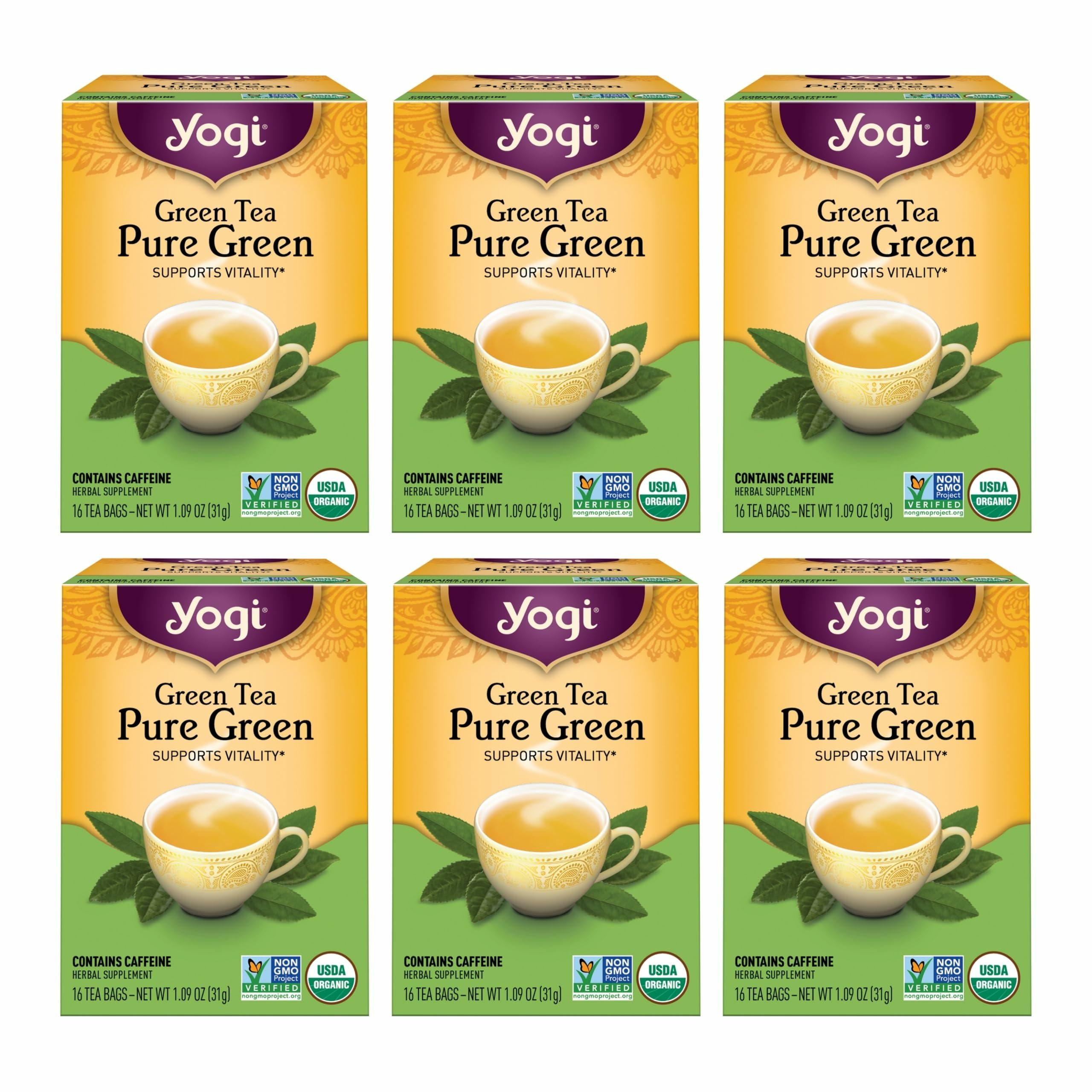
Yogi Tea Pure Green Tea is the definition of a reliable, no-frills green tea. It is USDA Organic, Non-GMO Project Verified, vegan, Kosher, and gluten-free, with a simple ingredient list of only organic green tea leaves. The 96-bag bulk purchase (six packs of 16 bags) provides a solid supply for anyone who wants a straightforward, clean cup without herbal distractions. The flavor is described by customers as “smooth, mild, earthy” with a light aroma and no bitterness.
The oxygen-bleached, compostable tea bags are a meaningful win for sustainability-minded buyers—these bags contain no plastic and will break down in a commercial compost facility. Reviewers have used this tea for years and report consistent quality across batches, with one long-time customer noting it as “the best green tea” they can find at this accessibility level. The steeping instructions recommend 3 minutes for a standard cup, with the option to use two bags for a stronger brew.
The main critique is that Yogi uses a small metal staple to secure the string to the tea bag, which some reviewers find inconvenient and less eco-friendly than a fully staple-free design. Additionally, the 3–5 minute steeping window is narrower than some competitors, requiring a bit more attention during brewing. For drinkers seeking the purest single-ingredient organic green tea at a sensible price, this is the benchmark.
Why it’s great
- Single-ingredient organic green tea—no fillers, no natural flavors
- Compostable, oxygen-bleached bags with no plastic
- 96 bags provide excellent value for daily use
Good to know
- Metal staple on each bag string is not compostable
- Best results require careful 3-minute steeping to avoid bitterness
7. Yogi Tea Green Tea Pure Green Decaf
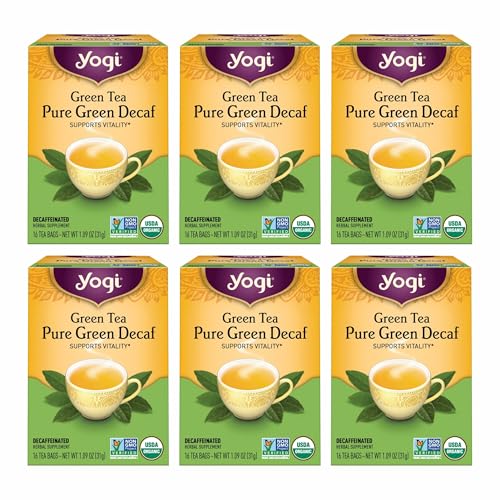
Yogi’s Decaf Pure Green Tea is the only decaffeinated entry in this lineup, making it essential for drinkers who want antioxidant benefits without the stimulant effect. The decaffeination process removes most of the caffeine while retaining a meaningful portion of the catechins, and independent lab testing has verified this tea’s quality and freshness. The flavor is described as “bold” and satisfying for a decaf tea, which is a challenging achievement since decaffeination often strips away delicate flavor compounds.
The 96-bag bulk pack mirrors the regular Yogi Green Tea in sustainability features: compostable, oxygen-bleached bags with no plastic, and the same USDA Organic certification. Customers who have used this tea for years report consistent satisfaction, with one reviewer specifically praising it as a perfect iced decaf green tea for evening consumption. The caffeine content is low enough to avoid sleep disruption, making it suitable for late-afternoon or post-dinner drinking.
The same metal staple critique applies to this version, and because decaf teas can lose antioxidant potency during processing, the total EGCG content is likely lower than the caffeinated alternative. For maximum antioxidant density, stick with the caffeinated Yogi Pure Green Tea. However, for those specifically needing a decaf option, this is the best-tasting, most trusted choice available.
Why it’s great
- High-quality decaffeinated green tea with verified freshness and potency
- Compostable, plastic-free tea bags
- Bold flavor that surpasses most decaf green teas
Good to know
- Antioxidant content lower than caffeinated green tea
- Metal staple on string is not compostable
FAQ
Does steeping longer increase antioxidant content in green tea?
Is Matcha green tea higher in antioxidants than bagged Sencha?
Final Thoughts: The Verdict
For most users, the best antioxidant green tea winner is the Rishi Matcha Super Green because it combines whole-leaf Sencha with Matcha powder for the highest antioxidant density in a convenient sachet format with zero bitterness. If you want the best value per bag without sacrificing Japanese quality, grab the Maeda Sen-cha Green Tea. And for a fruit-forward, iced-friendly alternative that even non-tea drinkers will love, nothing beats the Republic of Tea Pomegranate Green SuperFruit Tea.