
Lifting in squishy running shoes kills your squat depth and wastes power transfer from the floor up. A dedicated weightlifting shoe uses a rigid, elevated heel and a non-compressible sole to lock your feet in place, keeping your torso upright and your knees tracking correctly under heavy loads. The right pair transforms your squat, clean, and overhead press from wobbly reps into solid, repeatable sets.
I’m Min — the co-founder and writer behind Gadgets Feed. My buying guides are built on hundreds of hours spent cross-referencing customer durability reports, measuring heel height specs, and analyzing sole stiffness across dozens of gym footwear models so you get the exact pair that fits your lifting style and budget.
Whether you are chasing a heavier squat, fixing ankle mobility limitations, or simply tired of slipping plates off your heel mid-rep, this breakdown of the best budget weightlifting shoes gives you the concrete, narrow-category details that actually matter in the gym.
How To Choose The Best Budget Weightlifting Shoes
Buying your first pair of weightlifting shoes on a budget means prioritizing the right specs without overpaying for brand hype. The three factors that separate a useful shoe from a waste of money are heel height, sole rigidity, and the strap system.
Heel Height and Material
A weightlifting shoe’s heel — typically 0.6 to 0.75 inches — is its defining feature. The elevation shifts your center of mass forward, allowing you to squat deeper with a more upright torso. Cheaper budget models often use a dense rubber or plastic heel block instead of wood. While wood provides the stiffest platform, a high-density TPU or rubber heel still offers enough rigidity for intermediate loads. If you plan to squat over 300 lbs regularly, prioritize a model with a solid, non-compressible heel block, even at the entry-level price.
Sole Rigidity and Outsole Grip
Unlike running or training shoes, weightlifting shoes must have a zero-compression sole. Any flex in the midsole robs force transfer and makes the foot unstable under heavy weight. Budget options achieve this through a full rubber outsole wrapped over a stiff EVA or TPU midsole. Look for a dead-flat outsole that does not bend when you push down at the toe. A textured grip pattern is also critical for maintaining traction on rubber gym flooring, especially during dynamic movements like cleans or snatches.
Strap System and Toe Box Shape
A single velcro strap over the midfoot is standard on almost all weightlifting shoes, and its presence is non-negotiable: it pulls the foot back into the heel pocket, eliminating heel slip during the squat descent. Budget models that skip the strap or use a thin elastic band will not lock the foot adequately. Also check the toe box shape. Squatters with wider feet need a rounder, wider forefoot. Several budget-friendly options now offer a generous toe box, which was historically reserved for premium models.
Quick Comparison
On smaller screens, swipe sideways to see the full table.
| Model | Category | Best For | Key Spec | Amazon |
|---|---|---|---|---|
| Nordic Lifting VENJA | Dedicated Lifter | Heavy squats & Olympic lifts | 0.6-inch solid heel | Amazon |
| adidas Powerlift 5 (Unisex) | Dedicated Lifter | Beginner to intermediate squats | 0.6-inch EVA heel | Amazon |
| Under Armour TriBase Reign 6 | Cross-Training | Hybrid lifting & HIIT | Low 4mm drop / flat outsole | Amazon |
| Under Armour Project Rock 5 | Cross-Training | Versatile gym + light cardio | Flat, zero-compression outsole | Amazon |
| Weightlifting Shoes (Generic) | Dedicated Lifter | Budget entry-level lifter | 0.6-inch angled heel | Amazon |
| Reebok Nano Gym | Cross-Training | General strength & light lifting | Flat, stable sole | Amazon |
| adidas Powerlift 5 (Mens) | Dedicated Lifter | Narrow-foot squatters | 0.6-inch EVA heel | Amazon |
In‑Depth Reviews
1. Nordic Lifting VENJA Weightlifting Shoes

The Nordic Lifting VENJA is a dedicated weightlifting shoe with a 0.6-inch solid heel block that provides the uncompromising rigidity needed for heavy squats and Olympic lifts. Multiple users report that it feels noticeably more stable than hybrid trainers, with the elevated heel allowing deeper squats without sacrificing balance. The dual velcro straps across the midfoot lock the foot down securely, eliminating heel slip even under 300+ lb loads.
The toe box is wider than the adidas Powerlift series, making it a better fit for lifters with broader feet who need room to spread their toes for stability. The outsole uses a textured rubber pattern that grips well on both rubber gym flooring and wooden platforms. Several reviewers specifically call out the snug but comfortable fit when walking between sets, which is rare for a dedicated heeled shoe.
While the upper material is a synthetic leather that does not breathe as well as mesh trainers, the trade-off is long-term durability — users report the shoe still looks new after a year of regular squat sessions. The VENJA sits at the entry-point of dedicated lifting shoes, meaning it competes directly with models that cost more but offer the same core feature set. For lifters graduating from sneakers, this is the ideal first dedicated pair.
Why it’s great
- Rigid 0.6-inch heel provides excellent squat depth and stability
- Wider toe box accommodates wider feet better than competitors
- Dual velcro straps lock the midfoot securely without pressure points
Good to know
- Synthetic upper is less breathable than mesh trainers
- Heel height is fixed — not adjustable for lifters wanting a higher or lower drop
2. adidas Unisex-Adult Powerlift 5 Weightlifting Shoes
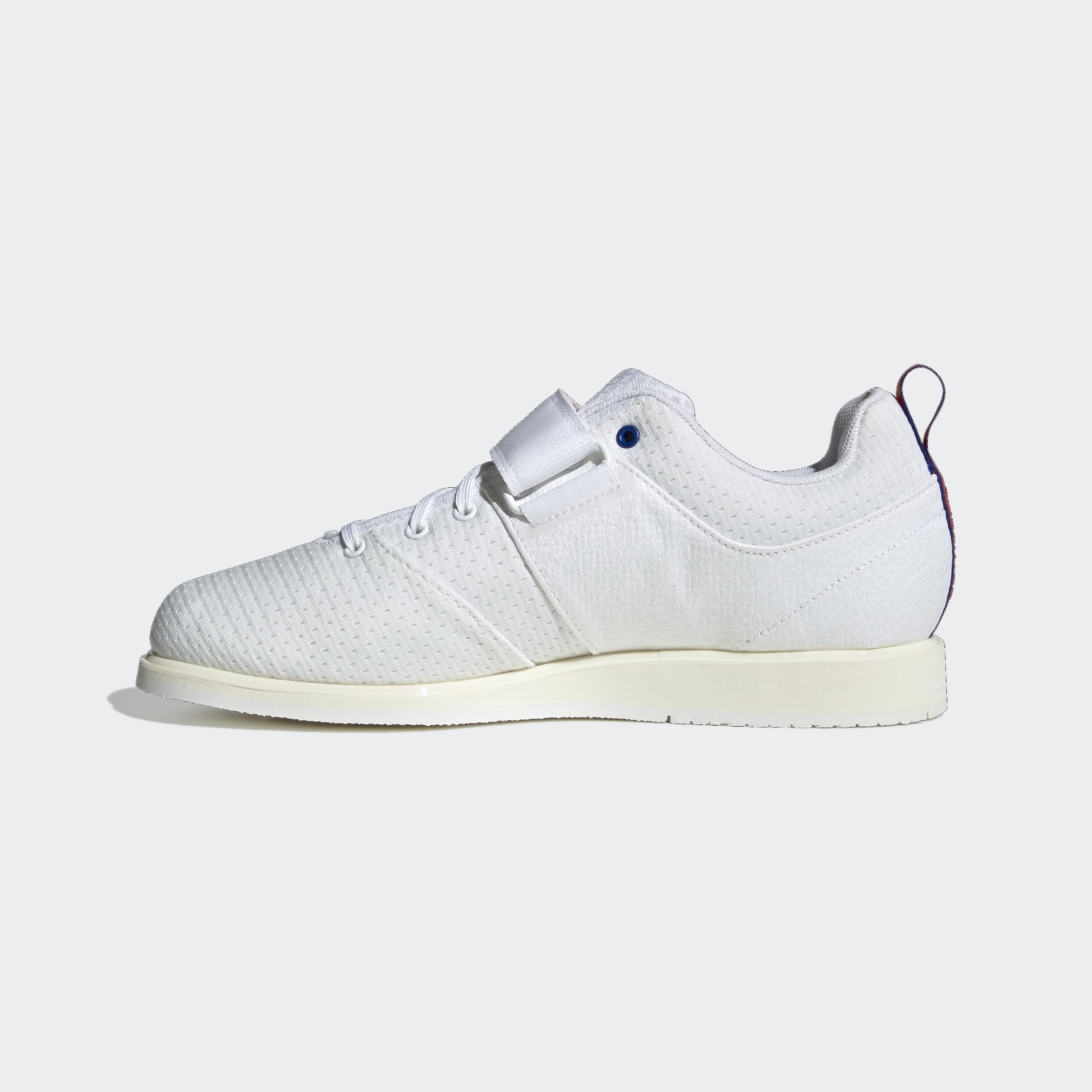
The adidas Powerlift 5 is the most recognizable name in budget-friendly weightlifting shoes, and for good reason. It uses a 0.6-inch EVA heel block that is less rigid than wood but still provides a meaningful squat platform for beginner and intermediate lifters. The single velcro strap across the midfoot does a solid job of locking the heel down, though some users with narrow feet report they need to cinch the laces tighter to fill the volume.
The toe box is noticeably narrow — multiple customer reviews caution that lifters with wide feet should size up half a size or look elsewhere. The benefit of the snug fit is that the shoe feels precise and connected during the squat descent, with zero heel lift.
Where the Powerlift 5 really stands out is its availability in a wide range of sizes, including unisex options that accommodate smaller foot sizes typically underserved by dedicated lifting shoes. At this price point, it is the most proven, widely-reviewed budget lifting shoe on the market. If your feet are narrow to medium width and you need a reliable squat shoe, this is the safest recommendation possible.
Why it’s great
- Proven design trusted by thousands of lifters for years
- 0.6-inch heel aids squat depth and upright torso positioning
- Available in both men’s and unisex sizing for a broad fit range
Good to know
- Narrow toe box — not suitable for wide feet without sizing up
- EVA heel is less rigid than wooden heel blocks on premium models
3. Under Armour Men’s TriBase Reign 6 Trainer
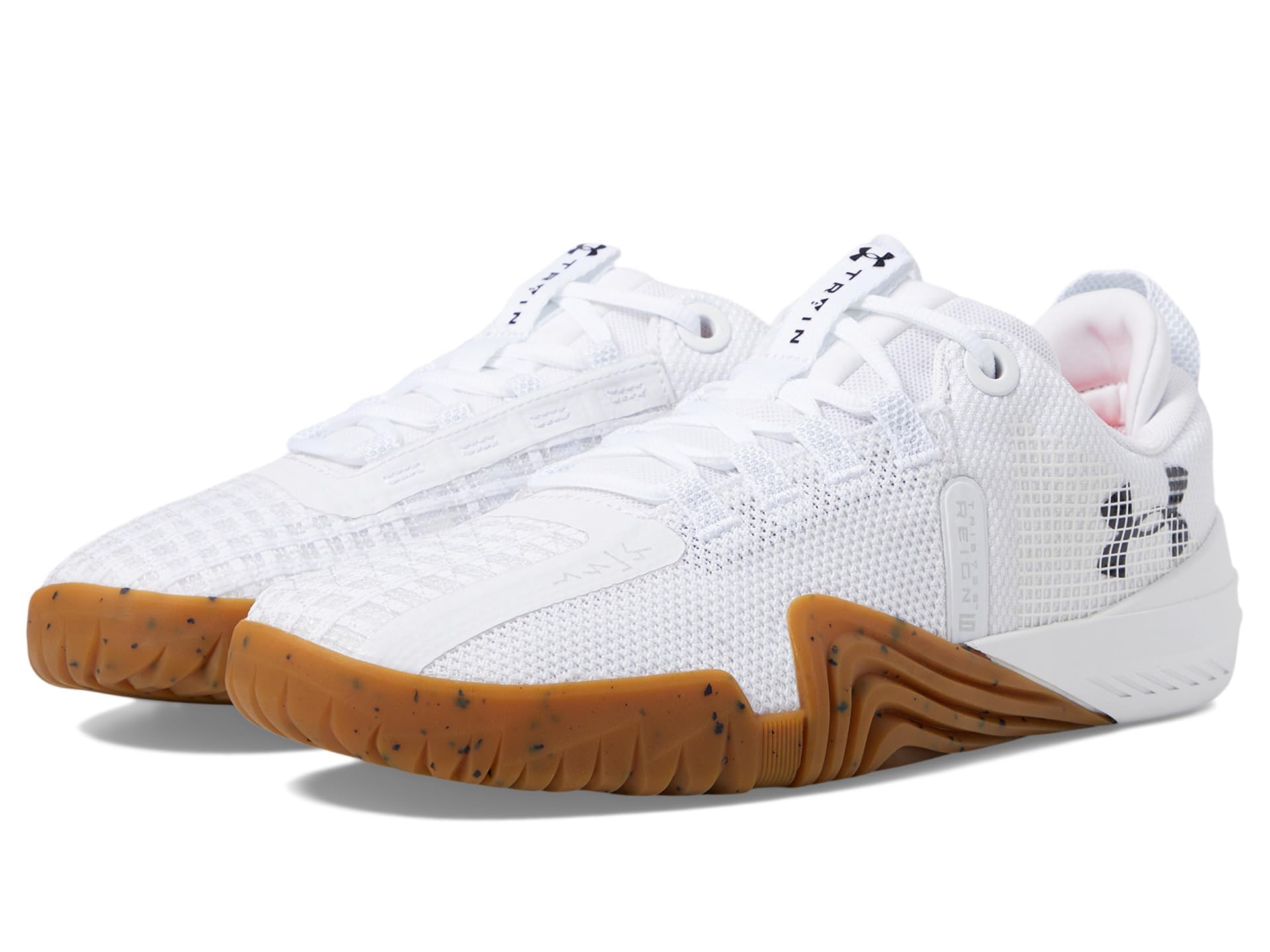
The Under Armour TriBase Reign 6 is a cross-training shoe with a flat, low 4mm drop outsole that prioritizes ground contact and lateral stability over the pronounced heel elevation of dedicated lifters. This makes it an excellent hybrid option for lifters who also do HIIT, sprints, or box jumps. The TriBase outsole uses a wide contact patch that feels planted during deadlifts and squats, even if it cannot match the pure rigidity of a 0.6-inch heel block.
The standout feature here is the generous toe box — several customer reviews highlight that it provides room for toe splay without being sloppy, which improves stability during unilateral movements like lunges and Bulgarian split squats. The upper is made of a lightweight mesh that breathes well during high-intensity circuits, though it may show wear faster than synthetic leather. The shoe runs slightly long, so ordering half a size down is recommended for a performance fit.
Reviewers also praise the TriBase Reign 6 for eliminating heel slip during dynamic movements, thanks to the internal heel counter and lace-lock system. It is not a replacement for a dedicated lifting shoe if your primary focus is a 500-lb squat, but for the majority of lifters who mix strength training with conditioning, it offers the best balance of stability, comfort, and versatility at a mid-range price.
Why it’s great
- Wide toe box allows natural toe splay for better balance
- Flat, low-drop outsole provides solid ground contact for deadlifts
- Breathable mesh upper suits high-intensity training and cardio
Good to know
- Not a dedicated lifting shoe — lacks the elevated heel for deep squats
- Runs slightly long; size down half for a snug fit
4. Under Armour Project Rock 5

The Under Armour Project Rock 5 (Blood Sweat Respect) is a cross-training sneaker, not a dedicated lifting shoe, but its zero-compression outsole and lightweight construction make it a compelling option for lifters who need one shoe for the entire gym session. The outsole is flat and firm, providing enough stability for moderate squats and deadlifts without the squishiness of a running shoe. Customer reviews consistently call out the lightweight feel and comfortable cushioning, which makes it suitable for walking, stationary biking, and light cardio.
The fit is true to size and accommodates medium-width feet well. The upper uses a breathable mesh that keeps the foot cool, though it lacks the heel-locking strap found on dedicated lifting shoes. For deep squats or Olympic lifts, the absence of an elevated heel means you will need ankle mobility to reach depth, but for general strength training, the Project Rock 5 delivers solid performance.
Multiple reviewers note that the shoe holds up well over two years of regular use, with the outsole showing minimal wear. The style is also a frequent point of praise — the shoe looks clean enough to wear casually. The Project Rock 5 is best suited for lifters who want a single, versatile gym shoe that handles light to moderate lifting without needing a separate pair of heeled lifters.
Why it’s great
- Flat, zero-compression outsole transfers force efficiently for lifts
- Extremely lightweight and breathable for all-day gym comfort
- Durable construction holds up well over years of use
Good to know
- No elevated heel — not ideal for deep squatting without ankle mobility
- Lacks a midfoot strap for securing the heel under heavy loads
5. Weightlifting Shoes (Generic)
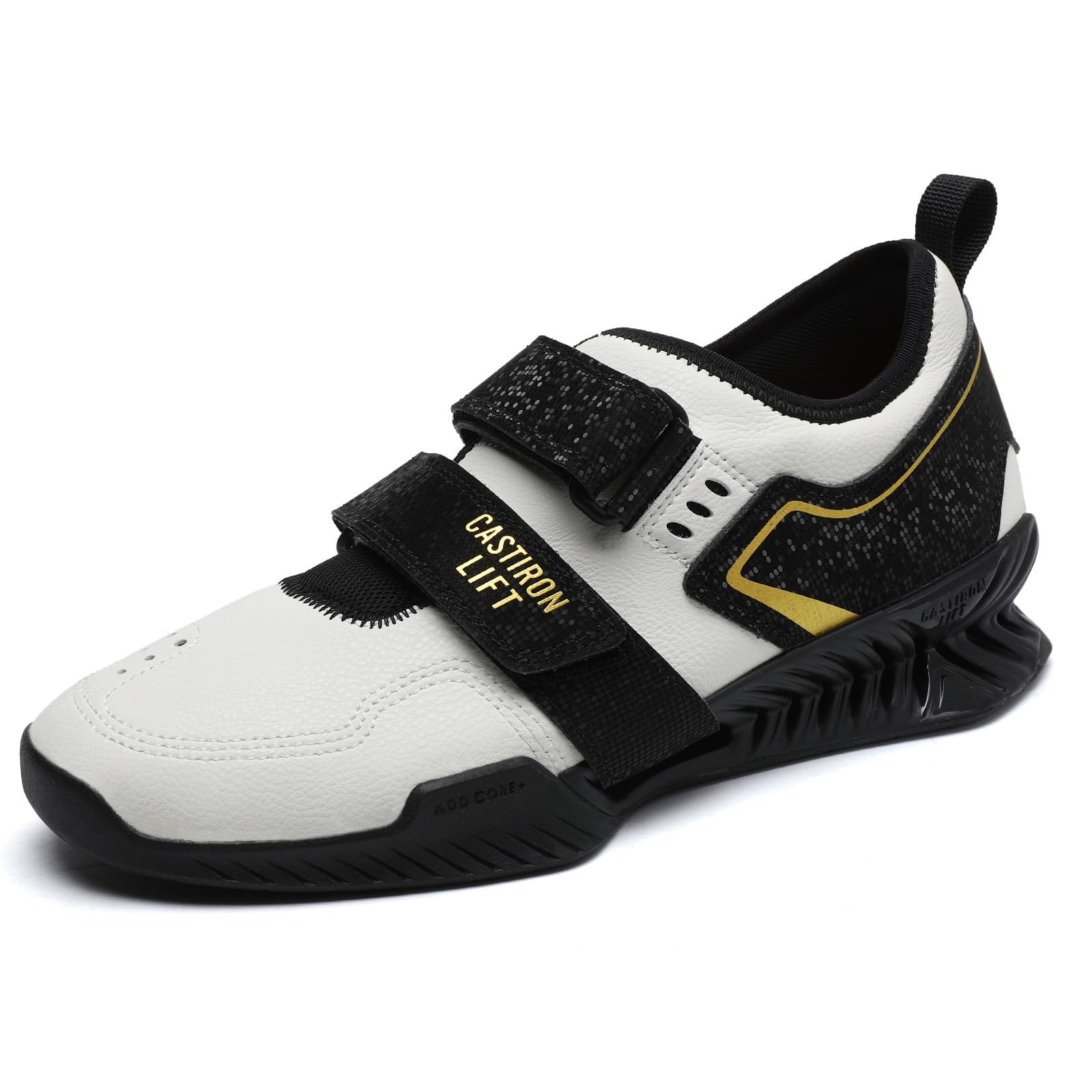
This budget-friendly dedicated lifting shoe offers the core features of a weightlifting shoe — a 0.6-inch angled heel, dual velcro straps, and a rigid outsole — at a price that undercuts most branded competitors. Multiple customer reviews confirm that the heel provides a noticeable improvement in squat stability and depth, particularly for lifters who previously used running shoes. The dual strap system effectively locks the midfoot, with several users noting zero heel slip during heavy squats.
The toe box is moderately wide, making it a good option for lifters with slightly wider feet who found the adidas Powerlift too narrow. The outsole uses a textured rubber pattern that provides solid grip on gym floors, and the upper is made from a synthetic leather that holds up well to regular use. The angled sole also improves stability for standing upper-body exercises like lateral raises and rows.
The main trade-off is a less refined feel — the materials are functional but not premium, and the fit may be slightly boxier than more expensive options. For beginners or lifters on a tight budget, this shoe delivers the essential mechanical benefit of a weightlifting shoe without the brand premium, making it a strong entry-level choice.
Why it’s great
- 0.6-inch angled heel provides real squat depth improvement
- Dual velcro straps lock the midfoot securely without slippage
- Durable construction with long-lasting straps and outsole
Good to know
- Materials feel less premium than major brand counterparts
- Fit may be slightly boxy for narrow-footed lifters
6. Reebok Nano Gym
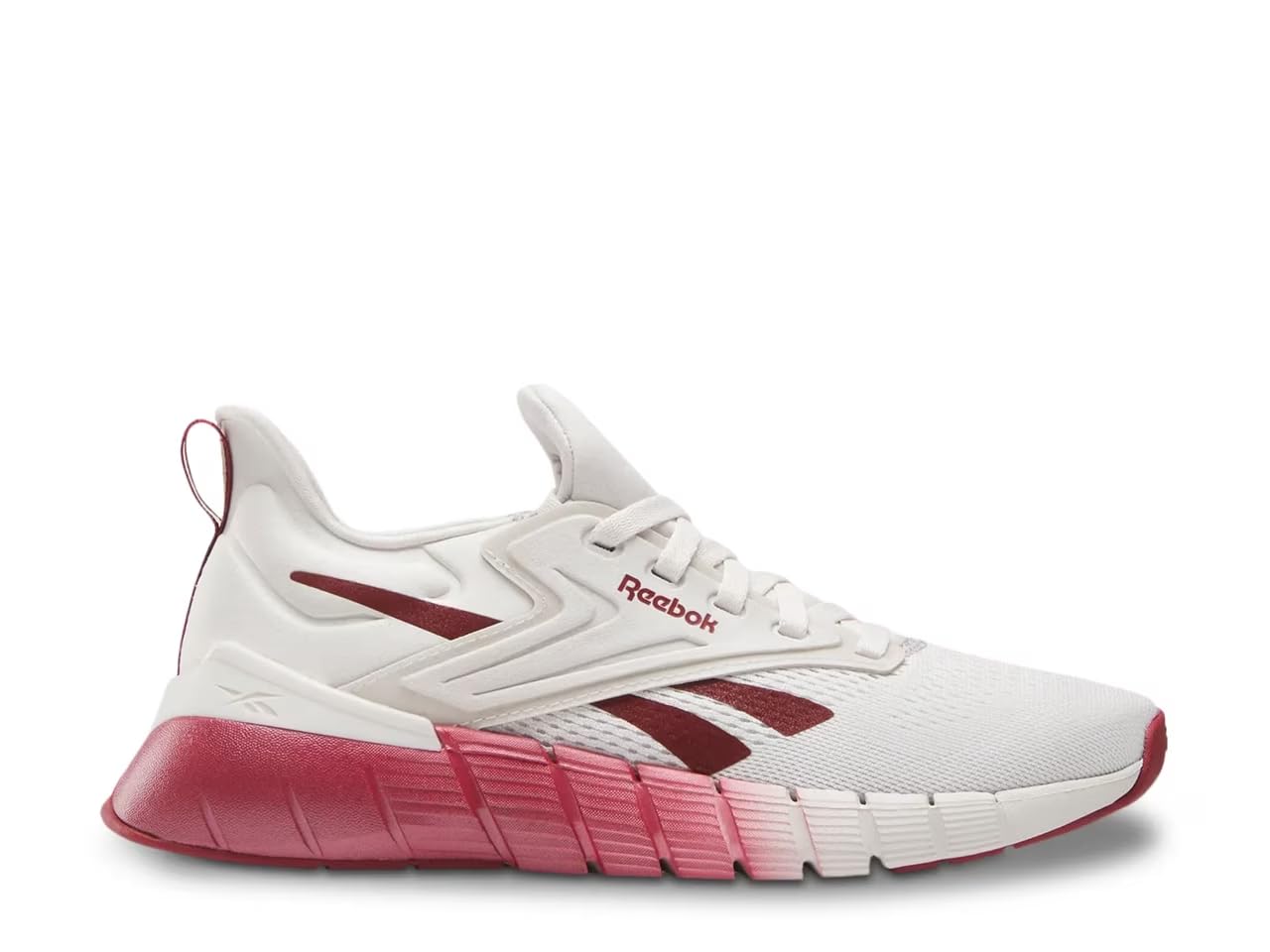
The Reebok Nano Gym is a cross-training shoe built around a flat, stable platform that excels for general strength training and light lifting. It does not have the elevated heel of a dedicated lifter, but its non-compressible sole provides a solid base for deadlifts, squats, and presses. Customer reviews consistently praise the arch support, with several users noting that it helps reduce foot fatigue during longer gym sessions. The fit is true to size for most, though some with wider feet find the one-piece design too snug across the top.
The shoe lacks a traditional tongue, which gives it a sleek look but limits adjustability for high-volume feet. The outsole uses a durable rubber compound that grips well on gym floors and holds up to regular use. Reviewers who wear the Nano Gym for light to moderate lifting (up to 200 lbs) report excellent stability and comfort, but heavier lifters may find the lack of an elevated heel limits squat depth. The synthetic upper is easy to clean and maintains its shape well over time.
This is a good choice for lifters who prioritize arch support and a stable platform for deadlifts and squats, but do not need the specialized heel elevation of a dedicated lifting shoe. The Nano Gym works best as a versatile gym shoe for general fitness and light strength work, rather than for competitive lifting or heavy squat cycles.
Why it’s great
- Flat, stable platform provides a good base for deadlifts and presses
- Excellent arch support reduces foot fatigue during long sessions
- Durable outsole and upper hold up well to regular gym use
Good to know
- No elevated heel — not ideal for deep squats without ankle mobility
- One-piece design with no tongue limits fit adjustability for high-volume feet
7. adidas Powerlift 5 (Mens)
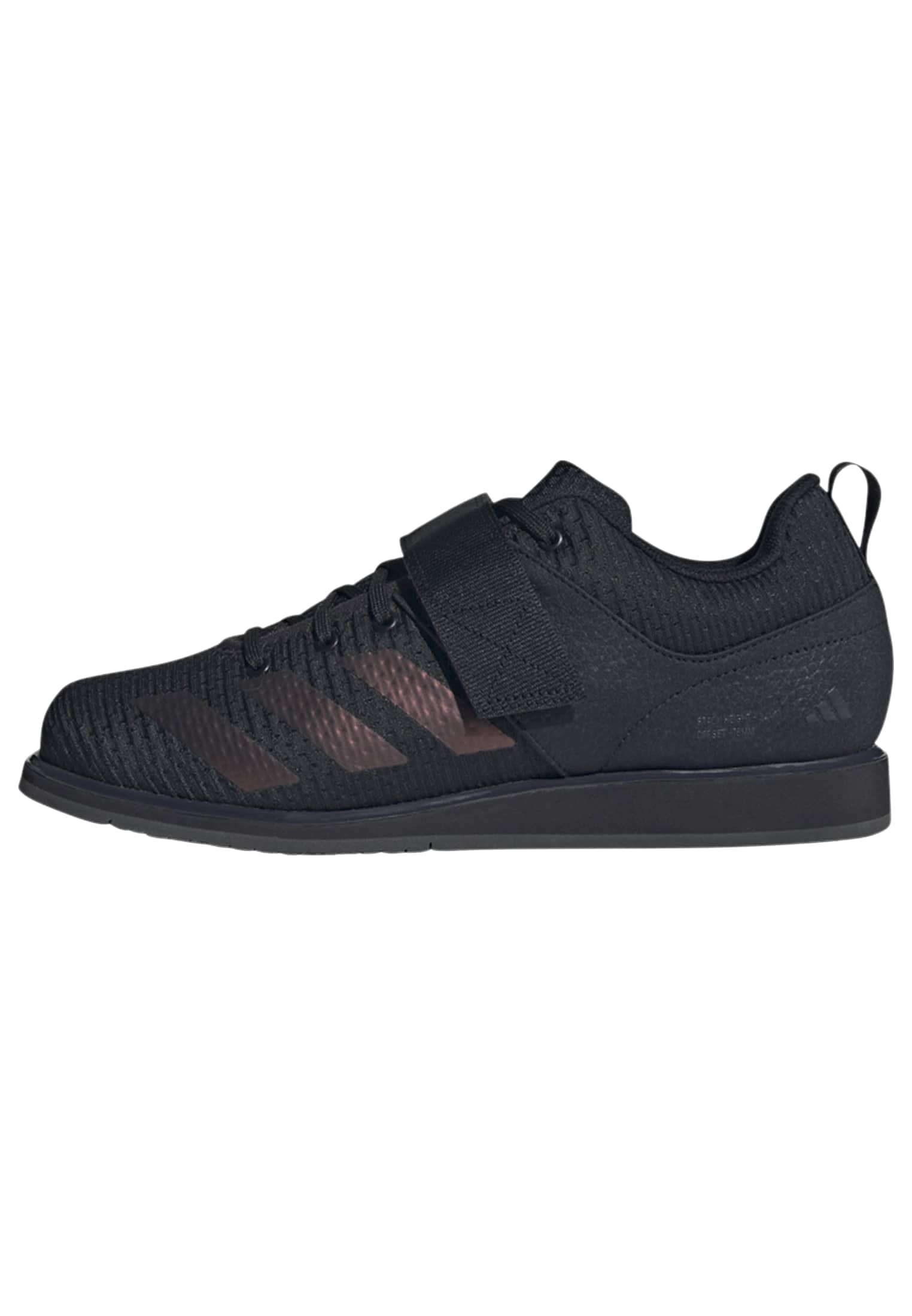
The adidas Powerlift 5 in the men’s-specific fit offers the same 0.6-inch EVA heel and single velcro strap as the unisex version, but with a narrower last that suits medium-to-narrow feet better. Customer reviews consistently mention that the shoe is a total game-changer for squat stability, with several users reporting that it eliminated knee pain by helping them maintain a more upright torso. The heel elevation is moderate enough for beginner and intermediate lifters to benefit without feeling like they are standing on a wedge.
The toe box is narrow, which is the most common complaint — reviewers with wide feet strongly recommend going up half a size. However, for those with narrow feet, the snug fit provides excellent connection to the platform, with zero heel lift during the squat descent. The upper uses a synthetic leather material that is durable but not very breathable, and the outsole provides good grip on rubber flooring. Multiple users note that the shoe feels stable and supportive even at heavier loads (around 300 lbs).
This version is best suited for lifters who know they have narrower feet and want the most affordable entry into a dedicated weightlifting shoe from a trusted brand. It is essentially the same shoe as the unisex Powerlift 5 but in a men’s-specific sizing that runs slightly different. If you are just starting out with barbell training and need a proper squat shoe, this is a safe, proven choice that will not let you down.
Why it’s great
- 0.6-inch EVA heel improves squat depth and torso stability
- Snug fit for narrow feet eliminates heel slip during lifts
- Trusted adidas build quality with proven customer satisfaction
Good to know
- Very narrow toe box — not suitable for wide feet without sizing up
- EVA heel is less rigid than wooden heel blocks for elite lifters
FAQ
Should I buy a dedicated weightlifting shoe or a cross-training shoe?
How do I find the right size for budget weightlifting shoes?
Can I use a budget weightlifting shoe for deadlifts?
Final Thoughts: The Verdict
For most users, the budget weightlifting shoes winner is the Nordic Lifting VENJA because it delivers a rigid, 0.6-inch solid heel with a wide toe box that fits more foot types than the narrow adidas Powerlift series, all at a price that undercuts many competitors. If you want a proven, narrow-fitting entry-level shoe, grab the adidas Powerlift 5. And for lifters who need one shoe for both strength and conditioning, nothing beats the Under Armour TriBase Reign 6.