
Nothing ruins a night under the stars faster than the high-pitched whine of a mosquito in your ear or the creeping dread of a tick brushing against your sock line. Choosing the wrong bug repellent for camping means either getting eaten alive or slathering on a greasy, stinky cocktail that feels worse than the bites themselves. The right choice keeps the wilderness wild but the bugs at bay.
I’m Min — the co-founder and writer behind Gadgets Feed. I’ve spent countless hours cross-referencing field reports, EPA registrations, and active ingredient concentrations to separate the repellents that actually work in the backcountry from the ones that just smell nice.
Whether you’re backpacking through tick-heavy switchbacks or lounging at a car-camp site with kids nearby, this guide to the best bug repellent for camping breaks down which formula, format, and active ingredient fits your specific trip style.
How To Choose The Best Bug Repellent For Camping
Selecting a bug repellent for camping is not about picking the strongest smell or the biggest bottle. It is about matching the active ingredient and application method to the specific insect pressure, trip duration, and local disease risk of your campsite. A single product rarely covers every scenario from tent basecamp to summit push.
Active Ingredient: DEET vs Picaridin vs IR3535 vs Permethrin
DEET at 25-30% offers the longest proven protection against mosquitoes and ticks and remains the gold standard for high-risk areas, though it can damage plastics, watch crystals, and synthetic gear. Picaridin at 10-20% provides comparable duration without the smell or gear damage, making it ideal for family use. IR3535 is a gentle amino-acid derivative effective for 8 hours with a non-sticky feel, suitable for sensitive skin. Permethrin is not for skin — it is a fabric treatment that bonds to clothing and gear for weeks, killing ticks and mosquitoes on contact. Many experienced campers layer a Permethrin-treated outfit with a Picaridin or DEET skin repellent for maximum coverage.
Format: Aerosol Spray, Pump Spray, Towelettes, or Incense
Aerosol sprays allow fast, no-touch coverage over large areas and are excellent for applying to backpacks and pant legs. Pump sprays give more targeted application and a see-through bottle for measuring remaining product. Towelettes are the most travel-friendly option — TSA-safe, leak-proof, and perfect for quick reapplication on the trail without misting others. Incense sticks and plant-based smoke repellents work best for stationary campsite zones like a picnic table or tent entrance, but they do not protect moving hikers and are ineffective in wind.
Quick Comparison
On smaller screens, swipe sideways to see the full table.
| Model | Category | Best For | Key Spec | Amazon |
|---|---|---|---|---|
| OFF! Deep Woods (2-Pack) | Aerosol DEET | High-risk tick/mosquito areas | 25% DEET, powder-dry finish | Amazon |
| Sawyer Permethrin | Fabric Treatment | Tick-proofing clothing & gear | Lasts 6 weeks or 6 washes | Amazon |
| WarmFly Mosquito Incense Sticks | Plant-Based Smoke | Stationary campsite zones | 45-50 min burn per stick | Amazon |
| Ben’s Tick & Insect Wipes | DEET Wipes | Travel & quick reapplication | 30% DEET, 7-hour protection | Amazon |
| Avon Skin So Soft Bug Guard Picaridin Wipes | Picaridin Wipes | DEET-free family protection | 10% Picaridin, 8-hour protection | Amazon |
| Zevo On-Body Spray Kit | IR3535 Spray | Odor-free full-family coverage | IR3535, odorless & non-sticky | Amazon |
In‑Depth Reviews
1. OFF! Deep Woods Insect Repellent Aerosol (2-Pack)

With a 25% DEET concentration, this aerosol delivers the proven duration that serious campers need in tick- and mosquito-heavy environments. The powder-dry finish means you are not left with the greasy, sticky film that makes budget repellents miserable to wear on humid evenings. Two 4-ounce cans fit neatly into a daypack side pocket without weighing you down.
Field reports confirm it significantly reduces mosquito bites even for people with allergic reactions, and multiple reviewers noted a total elimination of ticks after spraying lower back and pant legs. The formula holds up well in sweaty hiking conditions, though reapplication every hour under extreme pressure is recommended for the most sensitive individuals.
The main caution involves DEET’s well-known plastic-damaging property — one reviewer reported a cloudy crust on their watch crystal after contact. Avoid spraying near sunglasses, watch faces, or synthetic tent zipper pulls. For the price of a two-pack, this is the most cost-effective heavy-duty skin repellent for multi-night trips.
Why it’s great
- Powder-dry finish avoids greasy feel common with high-DEET sprays
- Two-pack format covers multiple trips without repurchasing
- Proven tick reduction to zero in field use on pant legs
Good to know
- DEET will cloud and damage plastic watch crystals and synthetic gear
- Needs reapplication every hour in extreme humidity like Florida summer
2. Sawyer Products Premium Permethrin Insect Repellent

Permethrin is not a skin repellent — it bonds to fabric fibers at the molecular level and stays active for up to 6 weeks or 6 wash cycles. Treating your shirt, pants, socks, and boots before a trip creates a chemical barrier that kills ticks, mosquitoes, and chiggers on contact. A University of Rhode Island study found that treating shoes and socks alone reduces tick bite likelihood by 73.6 times.
Application requires planning: spray the fabric until visibly wet, let it dry completely outdoors. Dry time varies from 4 days in arid Arizona summer to 2 weeks in humid Chicago winter. Once dry, the treated clothing is odorless and safe for wear. The 18-ounce bottle treats roughly four full outfits (shirt, pants, socks). Note that Permethrin is highly toxic to cats while wet, so spray away from pets and let gear dry in a cat-free space.
Experienced backpackers treat a dedicated set of hiking clothes with Permethrin at the start of the season and reapply after 6 washes. Layering this fabric treatment with a Picaridin or DEET skin repellent offers the highest level of protection for high-risk Lyme disease zones. The sprayer tube on the bottle can be fussy to straighten — transfer to a dedicated spray bottle if precision matters.
Why it’s great
- Bonds to fabric for 6 weeks — no daily reapplying needed on clothes
- Odorless when dry, zero sensation on skin unlike skin repellents
- University study confirms 73.6x reduction in tick bites on treated footwear
Good to know
- Highly toxic to cats while wet — requires careful dry area management
- Long dry time (4-14 days) means you must plan ahead before the trip
3. Avon Skin So Soft Bug Guard Plus Picaridin Towelettes
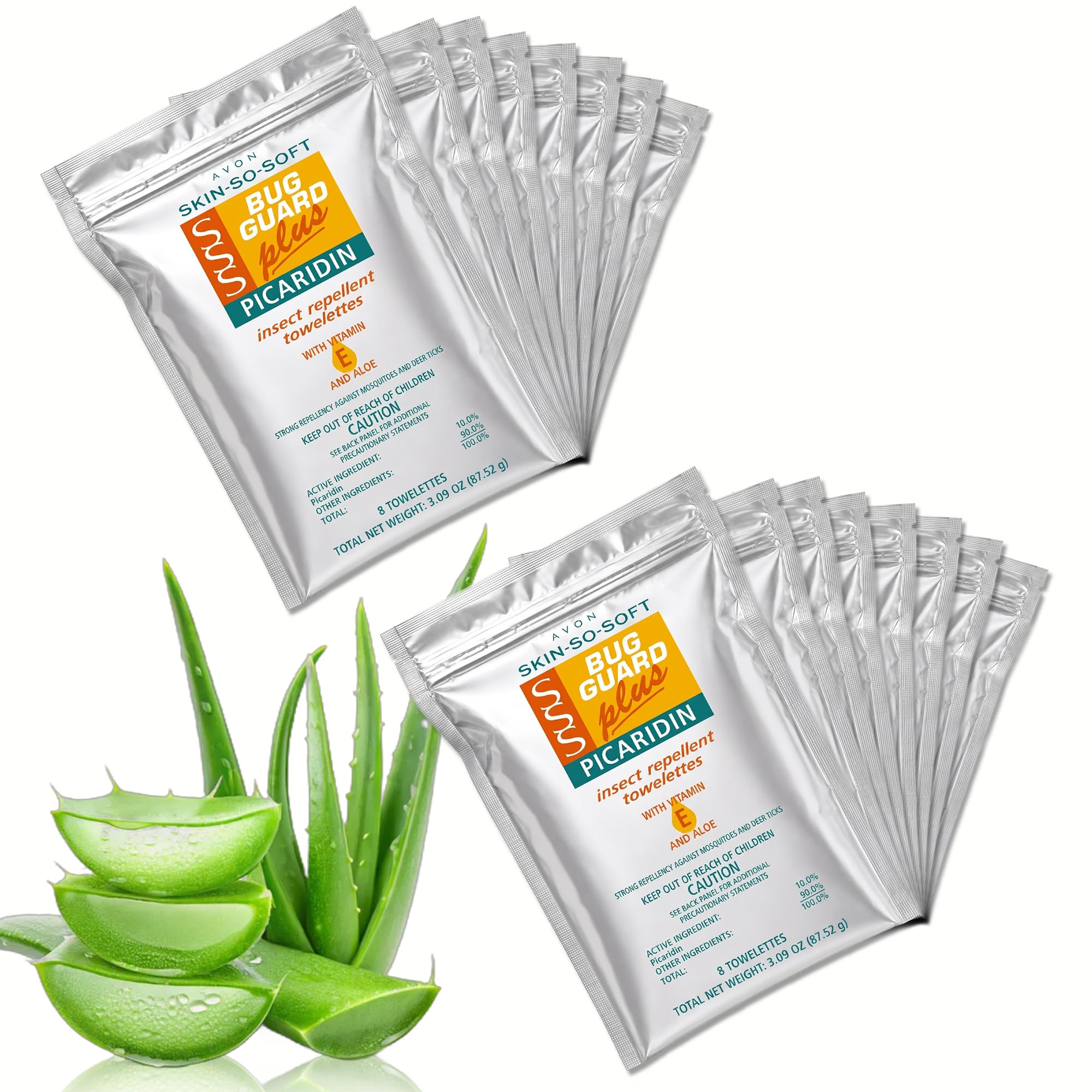
Picaridin at 10% delivers 8 hours of mosquito protection and 12 hours against deer ticks without the plastic-eating, chemical-smelling downsides of DEET. Each towelette is individually foil-wrapped, meaning no dried-out pads halfway through a trip and no leak risk in your bag. The formula includes Vitamin E and Aloe, leaving skin feeling moisturized rather than stripped.
Field use in high-pressure zones like the no-see-um-infested beaches of Curacao and the midge-heavy Scottish Highlands confirmed total protection. One wipe covers most of an adult’s arms and legs, making the 16-count box last a full weekend for two people. Because Picaridin does not damage synthetics, you can safely apply it while wearing sunglasses, a smartwatch, or sitting in a tent without ruining gear.
The per-wipe cost is higher than aerosol alternatives, so this is best for campers who prioritize convenience and skin feel over raw cost efficiency. The resealable bag keeps remaining wipes fresh for subsequent trips. For families who dislike the strong odor and sticky residue of traditional DEET sprays, these towelettes are a near-perfect compromise.
Why it’s great
- DEET-free formula with no damage to plastics, watches, or tent gear
- Individually wrapped wipes stay potent and are TSA-friendly for air travel
- Vitamin E and Aloe leave skin feeling conditioned, not sticky
Good to know
- Higher per-use cost compared to aerosol or pump spray formats
- 10% Picaridin may need more frequent reapplication in extreme mosquito pressure
4. Ben’s Tick & Insect Repellent Wipes (4-Pack)

At 30% DEET, these wipes pack the same active concentration as premium aerosols into a leak-proof, TSA-approved format that sprays cannot match. Each individually wrapped towelette contains enough product to cover an adult’s arms and legs without dripping or over-saturating — a significant upgrade over spray cans that waste product into the air. The water-based, alcohol-free formula is gentle enough for sensitive skin.
Reviews from swampy Houston and Belize confirm these wipes outperform many aerosol DEET sprays in real-world conditions. The individually wrapped packets are easy to toss into a backpack hip-belt pocket or fishing vest, allowing reapplication on the move without stopping to shake a can. The 4-pack includes 48 total wipes, enough for extended expeditions or group trips.
The trade-off is that wipes require more manual effort for full-body coverage compared to a quick aerosol mist, and the 30% DEET concentration still carries the same plastic-damage risk as any high-DEET product. Apply carefully around watch bands and sunglass nose pieces. For solo campers and backpackers who value compact packing and zero-leak confidence, this is the highest-concentration wipe format available.
Why it’s great
- 30% DEET in a zero-leak wipe format ideal for air travel and packed bags
- Alcohol-free and water-based — milder on skin than aerosol alternatives
- Each wipe covers full arms and legs without wasteful overspray
Good to know
- Manual wiping takes longer than spraying for full-body coverage
- 30% DEET still damages plastic watch crystals and synthetic gear on contact
5. Zevo On-Body Tick & Mosquito Repellent Spray Kit

Powered by IR3535 — a naturally-inspired amino acid derivative — this kit delivers 8 hours of mosquito and tick protection with zero perceptible smell and zero sticky residue. Unlike DEET-based formulas that announce their presence from three feet away, Zevo’s spray feels like wearing nothing at all. The kit includes two aerosol cans for quick no-touch application and one pump spray for targeted, see-through precision applications like face dabs.
Multiple reviews confirm it kills no-see-ums on contact and protects against flying insects without the chemical odor that triggers headaches in sensitive users. The lightweight formula does not leave a greasy film on hands, making it practical for eating camp meals immediately after application. Because IR3535 is gentle on synthetic materials, you can spray it on sun shirts and gaiters without worrying about degradation.
The 3-bottle bundle covers a family of four for a long weekend but the IR3535 active requires more frequent reapplication than 30% DEET under heavy mosquito pressure or after swimming. For car campers, backyard tent setups, and family trips where odor sensitivity is a priority, this is the most pleasant-feeling skin repellent currently available.
Why it’s great
- Completely odorless and non-sticky — no chemical smell during application or wear
- Kills no-see-ums on contact, a gap in many DEET and Picaridin formulas
- Safe on synthetics and plastics — no damage to gear or eyewear
Good to know
- IR3535 needs more frequent reapplication than 25-30% DEET under extreme pressure
- Aerosol cans count as liquids for air travel — not as packable as wipes
6. WarmFly Mosquito Repellent Outdoor Patio Incense Sticks
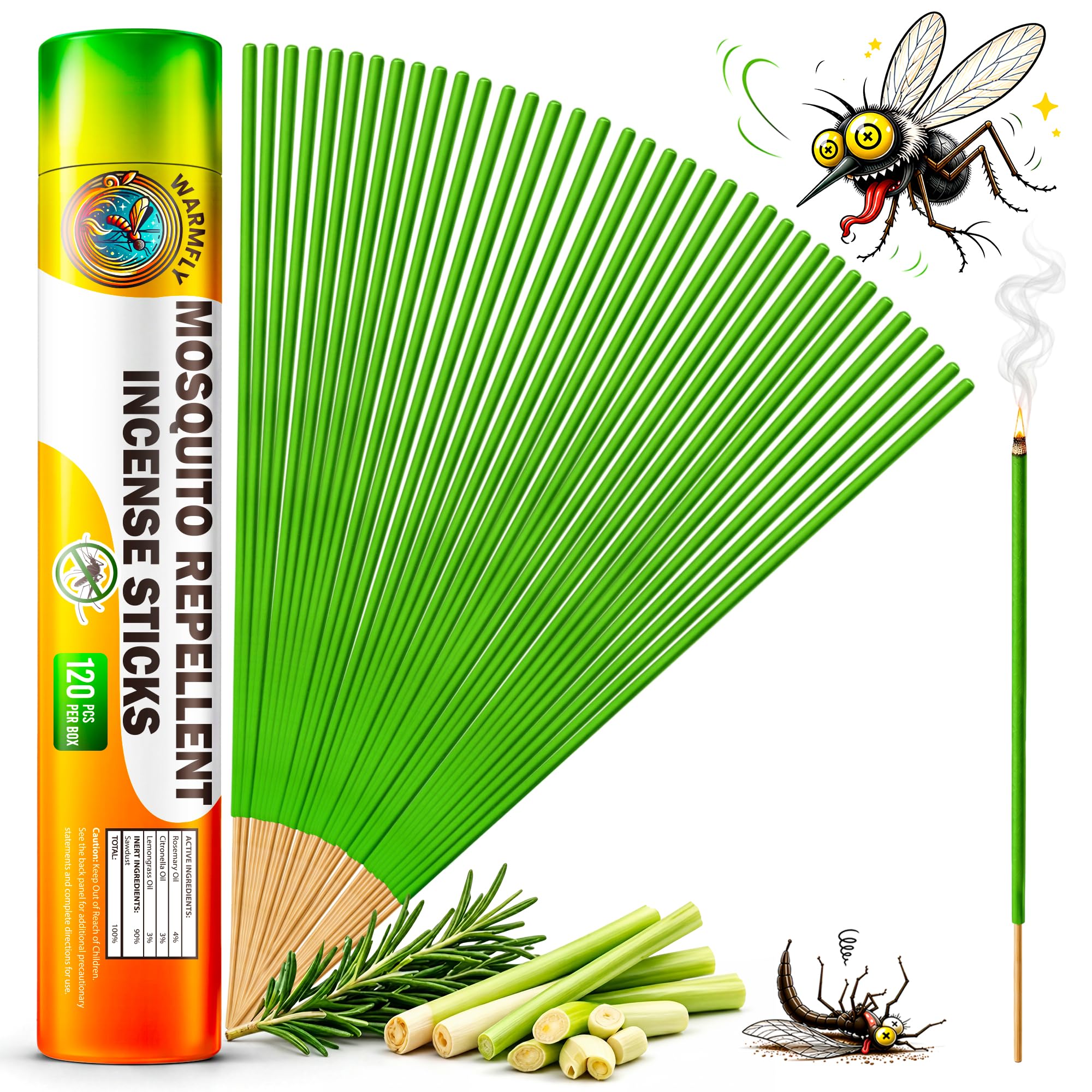
These plant-based incense sticks use citronella, lemongrass, and rosemary oils to create a smoke barrier that keeps mosquitoes away from a defined campsite zone. Each stick burns for 45-50 minutes, and the recommended layout is 4-5 sticks placed 12-15 feet apart around the cooking area or tent entrance. The scent is subtle and pleasant — far less overpowering than chemical foggers or citronella candles.
Users with mosquito-allergic children reported that lighting 4 sticks 15-20 minutes before outdoor time allowed kids to play safely without bites. The sticks are sturdy, burn evenly without crumbling, and come in a compact tube that stores easily in a camp bin. For basecamp protection while cooking, eating, or sitting around the fire, this passive repellent system complements skin-applied repellents for layered defense.
The limitation is obvious: smoke repellents only work in still air within a small radius. Wind disperses the smoke instantly, and moving away from the sticks offers zero protection. They are not a substitute for skin repellent during hikes or trips to the latrine. But for creating a bug-free bubble around the picnic table at a front-country campsite, these sticks outperform every passive option at this price tier.
Why it’s great
- Pleasant plant-based scent without harsh chemical odor
- 120 sticks in a pack — enough for multiple multi-night trips
- Sturdy construction burns evenly without crumble or flare-up
Good to know
- Ineffective in wind — smoke barrier only works in calm air
- No protection for moving hikers or anyone outside the smoke radius
FAQ
Can I use DEET and Permethrin together for camping?
How often should I reapply bug repellent while camping?
Are plant-based bug repellents effective for camping?
Final Thoughts: The Verdict
For most users, the bug repellent for camping winner is the OFF! Deep Woods 2-Pack because 25% DEET in a powder-dry aerosol offers the best balance of protection duration, coverage speed, and price-per-trip at a camp-friendly size. If you want to eliminate tick risk from the fabric up, grab the Sawyer Permethrin and treat a dedicated hiking outfit before each season. And for families who refuse to deal with DEET smell and sticky skin, nothing beats the Zevo On-Body IR3535 Kit for odorless, non-greasy, worry-free coverage around the campfire.