
The search for a winter boot that doesn’t cramp your toes or sacrifice ground feel is a specific kind of misery. Most insulated boots are built on a narrow last with a raised heel, forcing your foot into a cramped, unstable position on slick sidewalks and snow-packed trails. The result is cold, numb toes and a compromised stride, which defeats the purpose of staying warm in the first place. Finding a boot that pairs thermal protection with a functional footbed is the real challenge of winter.
I’m Min — the co-founder and writer behind Gadgets Feed. I have spent countless hours analyzing technical specifications, poring over user durability reports, and comparing material stacks to identify which barefoot winter boots actually deliver on their promises of warmth, waterproofing, and zero-drop geometry without compromising the toe splay that defines this category.
Whether you’re trudging through slushy commutes or breaking trail on a frozen hike, the right pair balances traction, insulation, and a flexible sole. This guide breaks down the top contenders to help you find the best barefoot shoes for winter that keep your feet warm and functioning naturally in the cold.
How To Choose The Best Barefoot Shoes For Winter
Selecting a winter barefoot boot is a different process than choosing a summer minimalist shoe. You must evaluate thermal retention, moisture management, and outsole grip for icy conditions without compromising the zero-drop, wide-toe-box design that defines the category. Here are the critical factors to consider.
Insulation Rating vs. Activity Level
Boots like the Xero Alpine use a synthetic fleece lining that provides moderate warmth perfect for active use like shoveling or hiking, where your body generates heat. For static wear or extreme cold, look for boots with a higher loft lining or plan to pair them with thick wool socks. The overall insulation stack — not just the thickness — dictates how warm the boot feels at rest versus in motion.
Waterproofing Method
Not all waterproofing is equal. Sealed inner membranes (like those in the Vivobarefoot Tracker) offer full submersion protection, while a water-resistant outer shell, as seen on the Hike Footwear Kasdava Pro, handles light snow and slush but will soak through in standing water. Check for taped seams and a gusseted tongue—these are the hallmarks of true winter waterproofing.
Outsole Traction on Ice and Snow
The rubber compound and tread pattern are critical. A sticky rubber like the one used on the Xero Alpine provides good grip on packed snow. However, few barefoot winter boots come with integrated studs or spikes. If you encounter hard-packed ice regularly, look for a boot with deep, multi-directional lugs or plan to add aftermarket traction devices like microspikes.
Quick Comparison
On smaller screens, swipe sideways to see the full table.
| Model | Category | Best For | Key Spec | Amazon |
|---|---|---|---|---|
| Vivobarefoot Tracker Textile AT | Premium | All-weather submersion | Waterproof membrane, puncture-resistant sole | Amazon |
| Vivobarefoot Magna Lite WR | Premium | Lightweight rough terrain | Soft ground sole, water-resistant upper | Amazon |
| Vivobarefoot Tracker Leather | Premium | Wet rock & slope grip | Full-grain leather, waterproof | Amazon |
| Xero Alpine (Men’s) | Mid-Range | Light snow commuting | Moderate warmth, 5mm FeelTrue sole | Amazon |
| Xero Alpine Pull-On (Women’s) | Mid-Range | Easy on/off snow wear | Pull-on design, wide calf accommodation | Amazon |
| Xero Breckenridge (Women’s) | Mid-Range | Fashionable daily winter boot | Leather upper, adjustable laces | Amazon |
| Hike Footwear Kasdava Pro | Budget | Wide feet & value | Zero drop, slip-resistant sole | Amazon |
| Vibram V-Trek Insulated | Mid-Range | Barefoot toe freedom | Individual toe pockets, insulated | Amazon |
| Taos Good Wool Boot | Premium | Indoor/outdoor casual warmth | Wool upper, arch support | Amazon |
In‑Depth Reviews
1. Vivobarefoot Tracker Textile AT Mens Barefoot Hiking Boots
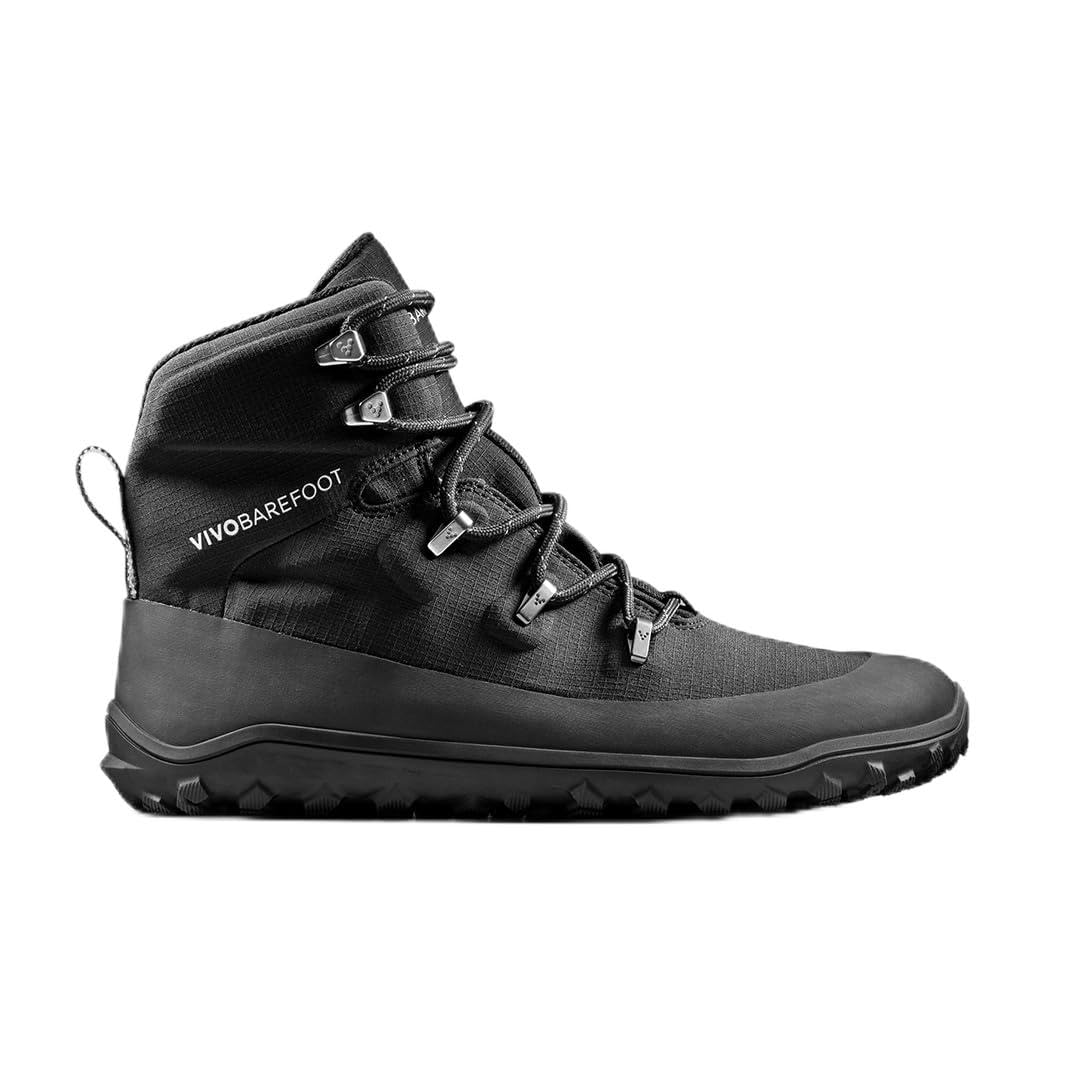
The Vivobarefoot Tracker Textile AT sets the benchmark for a waterproof winter barefoot boot. Its sealed membrane and puncture-resistant sole deliver confidence in knee-deep snow and slush, with user reports confirming dry, warm feet after hours of exposure. The wide toe box allows natural toe splay, while the textile upper provides flexibility without sacrificing structure.
Traction on snow, mud, and dirt is strong, though the rubber compound can feel slick on wet, polished stone—a minor trade-off for a boot that handles diverse winter terrains. The zero-drop platform offers excellent ground feel for its class, letting you feel the contour of the trail without compromising thermal protection.
Durability is the main concern: several users report delamination or upper tearing within a few months of heavy use, which is disappointing at this price point. Proper sizing is critical—order down if you are between sizes. Despite these longevity questions, the immediate waterproofing and warmth make it a top choice for deep-winter conditions.
Why it’s great
- Excellent waterproofing for slush and deep snow.
- Lightweight and flexible with ample toe room.
Good to know
- Some users experienced early sole separation.
- Traction on wet stone could be better.
2. Vivobarefoot Magna Lite WR Soft Ground Hiking Boot

The Vivobarefoot Magna Lite WR is a featherweight winter boot that prioritizes ground feel and agility over brute insulation. The soft ground sole is aggressively lugged for traction on mud and loose snow, making it a stellar option for winter trail running or fast-paced hikes where weight matters. The water-resistant upper handles light precipitation but is not rated for submersion.
Users consistently praise the zero-drop platform and wide toe box for eliminating foot fatigue on long days. The boot is comfortable straight out of the box, with no break-in period required. It excels on soft, uneven terrain where its flexible sole can conform to the ground.
Long-term durability is variable—some users report glue separation and premature sole wear within a few months of hard use. This boot is best suited for active winter users who value lightness and ground connection over bombproof construction. Sizing up one full size is recommended to accommodate a thick wool sock.
Why it’s great
- Extremely lightweight with excellent ground feel.
- Aggressive tread for soft snow and mud.
Good to know
- Durability concerns, particularly sole adhesion.
- Water resistance is not for deep puddles.
3. Vivobarefoot Tracker Leather All Terrain Hiking Shoe
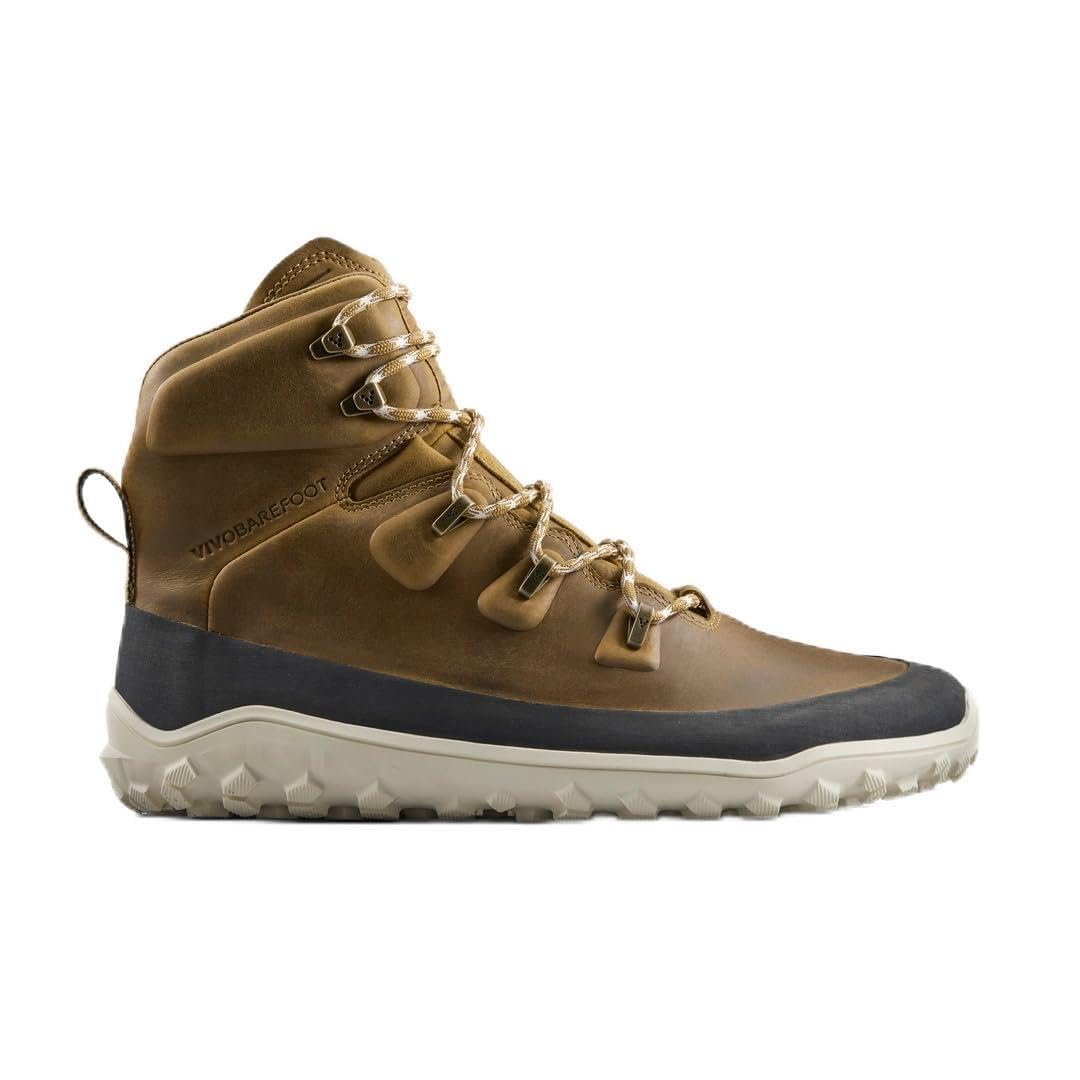
The Vivobarefoot Tracker Leather pairs traditional boot aesthetics with modern barefoot functionality. The full-grain leather upper is both durable and waterproof, providing protection against wet rocks and shallow streams. Users note that the leather softens with wear, conforming to the foot for a custom-like fit without losing its structural integrity.
The wide toe box and narrow heel combine for a secure fit that minimizes slippage on descents. Ground feel is surprisingly good for a leather boot, allowing you to sense the texture of the terrain beneath you. The outsole grips well on wet rock and packed dirt, though it is not designed for deep mud.
Break-in is required—the leather is stiff initially and may cause hot spots during the first few outings. A handful of users report hardware failure (eyelets ripping) and poor customer service response from Vivobarefoot. This boot is a strong choice for those who want a traditional boot feel with barefoot benefits, provided you are prepared for the break-in.
Why it’s great
- High-quality leather with excellent waterproofing.
- Superb ankle and heel lockdown.
Good to know
- Requires a noticeable break-in period.
- Reported issues with eyelit durability.
4. Xero Shoes Men’s Alpine Barefoot Snow Boots
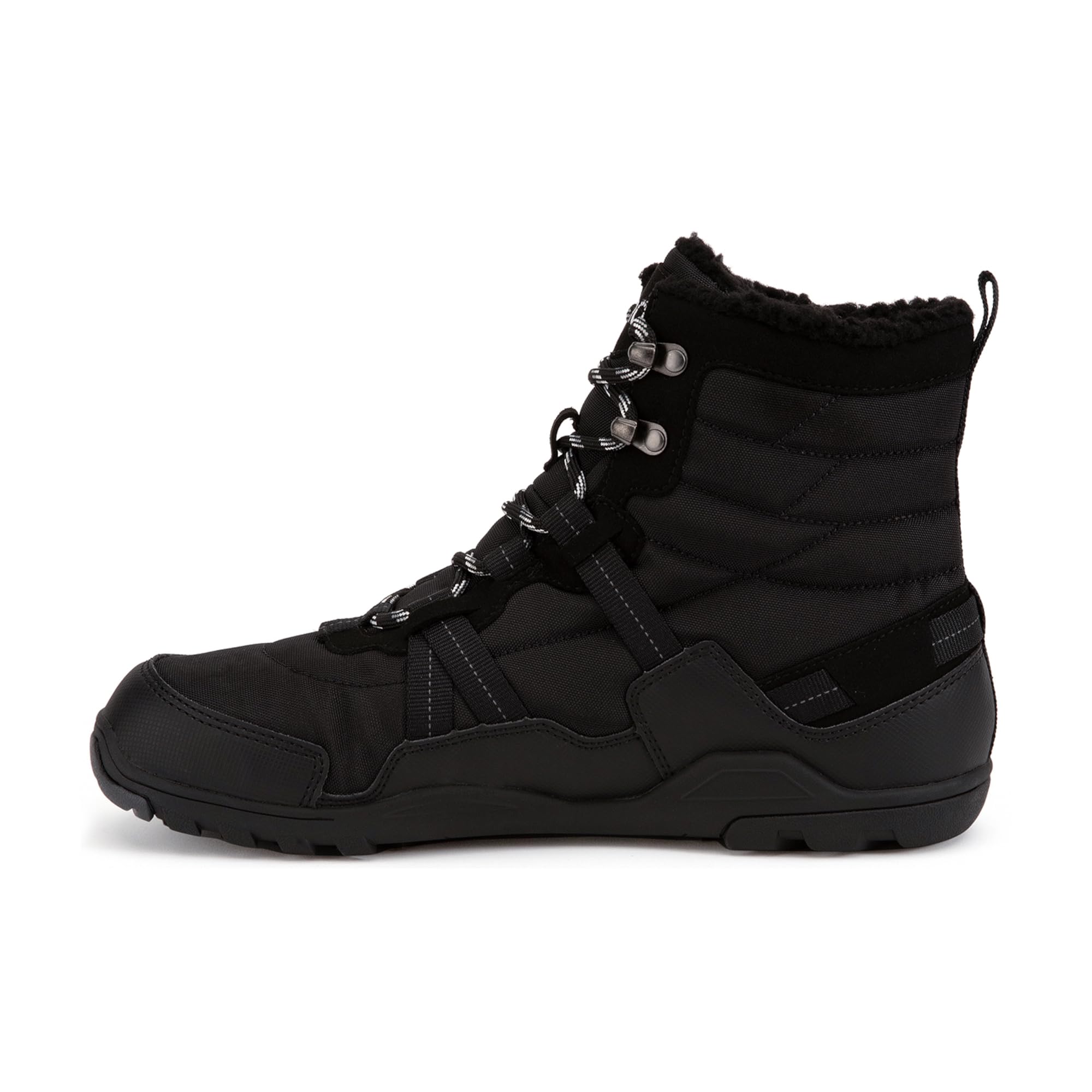
The Xero Shoes Alpine is a near-perfect marriage of barefoot principles and winter functionality. The 5mm FeelTrue sole provides surprising ground feel while the synthetic fleece lining offers moderate warmth that, when paired with a wool sock, handles sub-freezing temperatures well. The lightweight build (under 14 ounces per boot) reduces fatigue during long walks in the snow.
Users consistently highlight the excellent traction on snow and ice, crediting the sticky rubber compound and well-spaced tread pattern. The zero-drop platform and wide toe box are faithful to the barefoot philosophy, though some users with very wide feet find the toe box slightly less generous than other Xero models. Water resistance is good for light snow but not reliable for standing water.
The quick-lace system is a practical addition, making it easy to adjust on the fly. A few users mention that the boot runs slim for a barefoot model, so those with extremely wide feet should consider sizing up. After a full winter of use, the boot holds up well with minimal wear, making it a solid mid-range investment.
Why it’s great
- Lightweight with excellent snow traction.
- True zero-drop FeelTrue sole.
Good to know
- Toe box may be narrow for some feet.
- Not fully waterproof in standing water.
5. Xero Shoes Women’s Alpine Pull-On Snow Boots
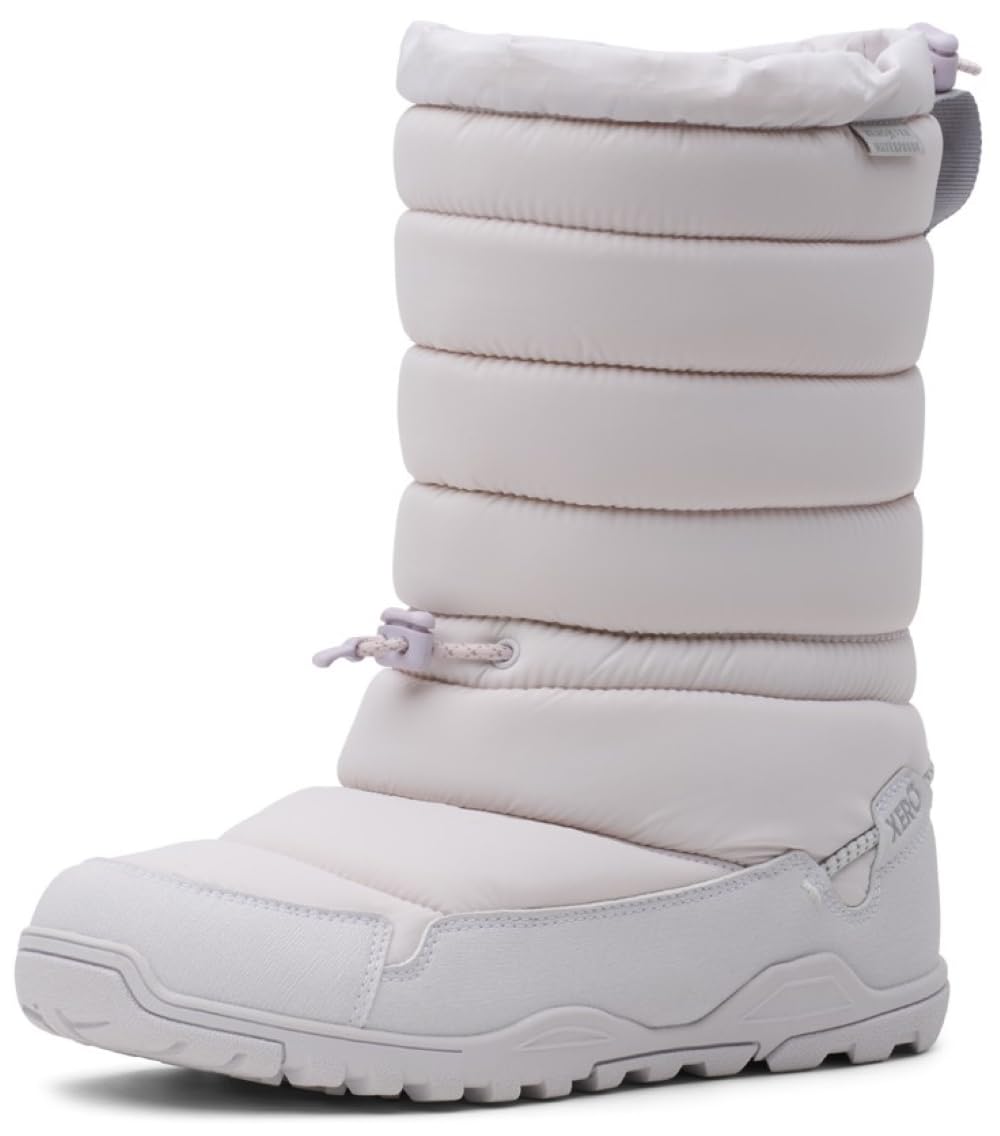
The Xero Alpine Pull-On boots offer the same barefoot DNA as the lace-up Alpine but in a convenient pull-on format. The wide toe box and flexible sole are identical, providing the same zero-drop experience. Users love the ability to wear the shaft up or folded down for a more casual look, and the wider calf accommodation is a welcome feature for those who struggle with skinny boot shafts.
Warmth is a highlight—several users report being comfortable in deep snow with just a single pair of socks, thanks to the boot’s effective insulation. Traction on icy sidewalks and packed snow is excellent, with the rubber outsole providing confident footing. The boot is also durable, with multiple users planning to purchase a second pair after months of winter wear.
The pull-on design can be a bit tight initially, requiring a little effort to get into, but it loosens slightly with wear. Sizing up is recommended if you plan to wear thick socks or insoles. It is a fantastic option for those who prioritize convenience without sacrificing barefoot functionality.
Why it’s great
- Easy pull-on design with wide calf fit.
- Excellent warmth and traction out of the box.
Good to know
- Can be snug initially, size up for thick socks.
- Not as adjustable as lace-up models.
6. Xero Shoes Women’s Breckenridge Barefoot Boots
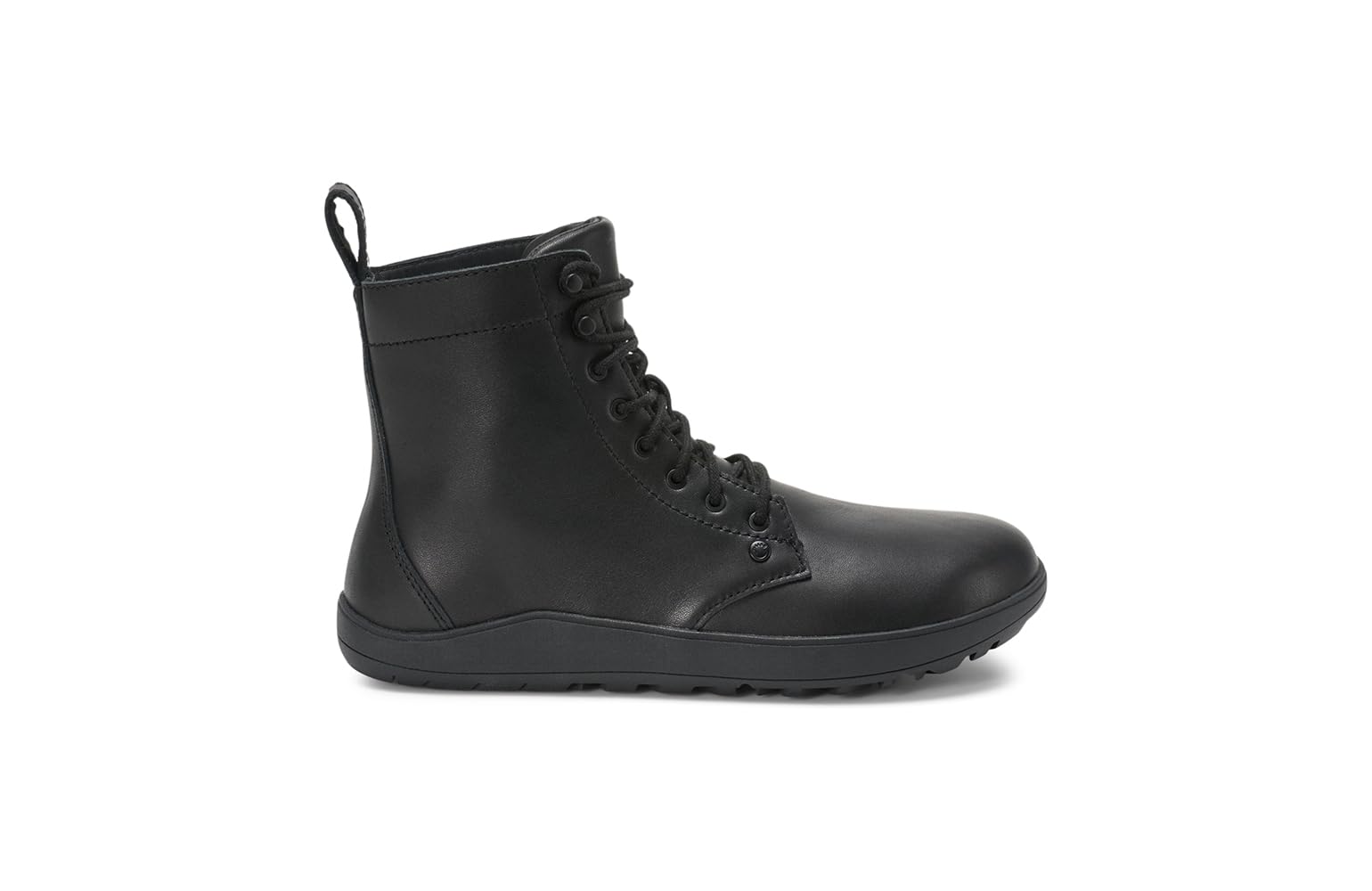
The Xero Breckenridge boots stand out as a fashionable winter option that doesn’t compromise on barefoot fundamentals. The leather upper is soft and comfortable, with a narrow heel and wide toe box that accommodates natural foot shape without looking clunky. The adjustable laces provide a secure fit that works well with ankle braces or thicker socks.
Users rave about the comfort for all-day wear, noting that the zero-drop platform eliminates foot fatigue during long walks. The boot is remarkably lightweight, making it feel more like a sneaker than a winter boot. It looks great with various pant styles, from skinny jeans to wide-leg cuts, making it a versatile addition to a winter wardrobe.
The primary complaint is discomfort in the ball of the foot for some users, which may indicate insufficient forefoot cushioning for certain foot shapes. The boot is better for casual wear than for heavy snow or extended hiking. It is an excellent choice for those who want a barefoot boot that fits into a fashion-forward wardrobe.
Why it’s great
- Stylish and versatile for daily wear.
- Lightweight with excellent toe room.
Good to know
- Some users experience ball-of-foot pain.
- Not designed for deep snow or heavy hiking.
7. Hike Footwear Kasdava Pro Winter Cold Comfort Barefoot Boots
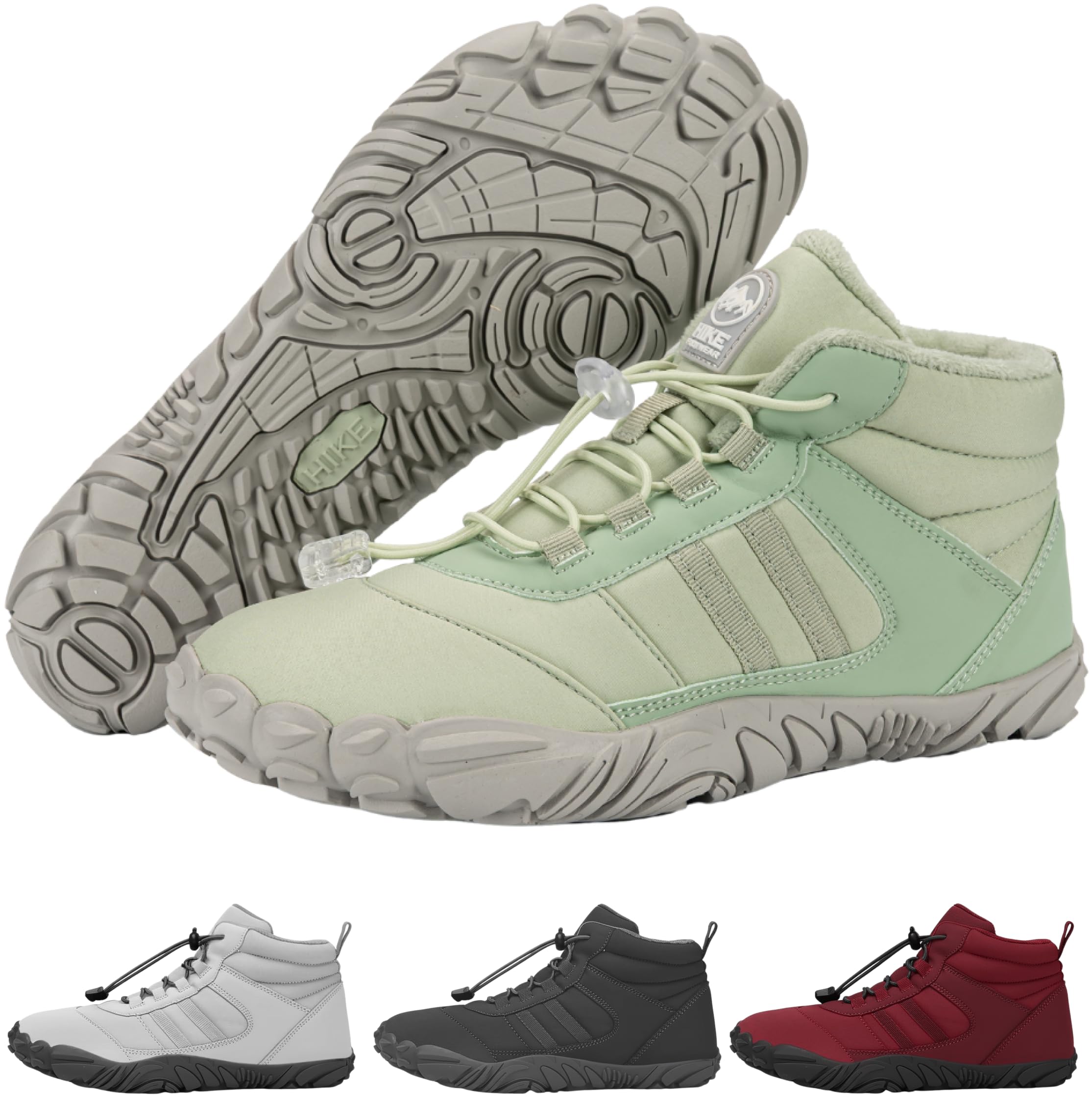
The Hike Footwear Kasdava Pro is a budget-friendly entry into the barefoot winter boot space that punches above its price class. The zero-drop, wide-toe-box design offers immediate relief for those with wide feet or bunions, with users reporting that their toes can spread naturally for the first time. The slip-resistant sole provides confident grip on snow and ice.
Warmth is decent for the price, thanks to a synthetic lining that keeps feet comfortable in moderate cold. The boot is lightweight and flexible, allowing for a surprisingly good ground feel. It is also water-resistant, though users note that prolonged exposure to rain or deep slush will wet the foot through.
The main downsides are some fit inconsistencies—the boot runs slightly tighter than other barefoot models, so sizing up is a good idea. The build quality feels a step below premium brands, with some users noting that the sole is not as durable as more expensive options. For the price, however, it is a compelling choice for those testing the barefoot winter boot waters.
Why it’s great
- Wide toe box at an entry-level price.
- Good slip-resistant outsole for snow.
Good to know
- Not fully waterproof; can soak through in slush.
- Fit can be snug, size up for comfort.
8. Vibram Women’s FiveFingers V-Trek Insulated
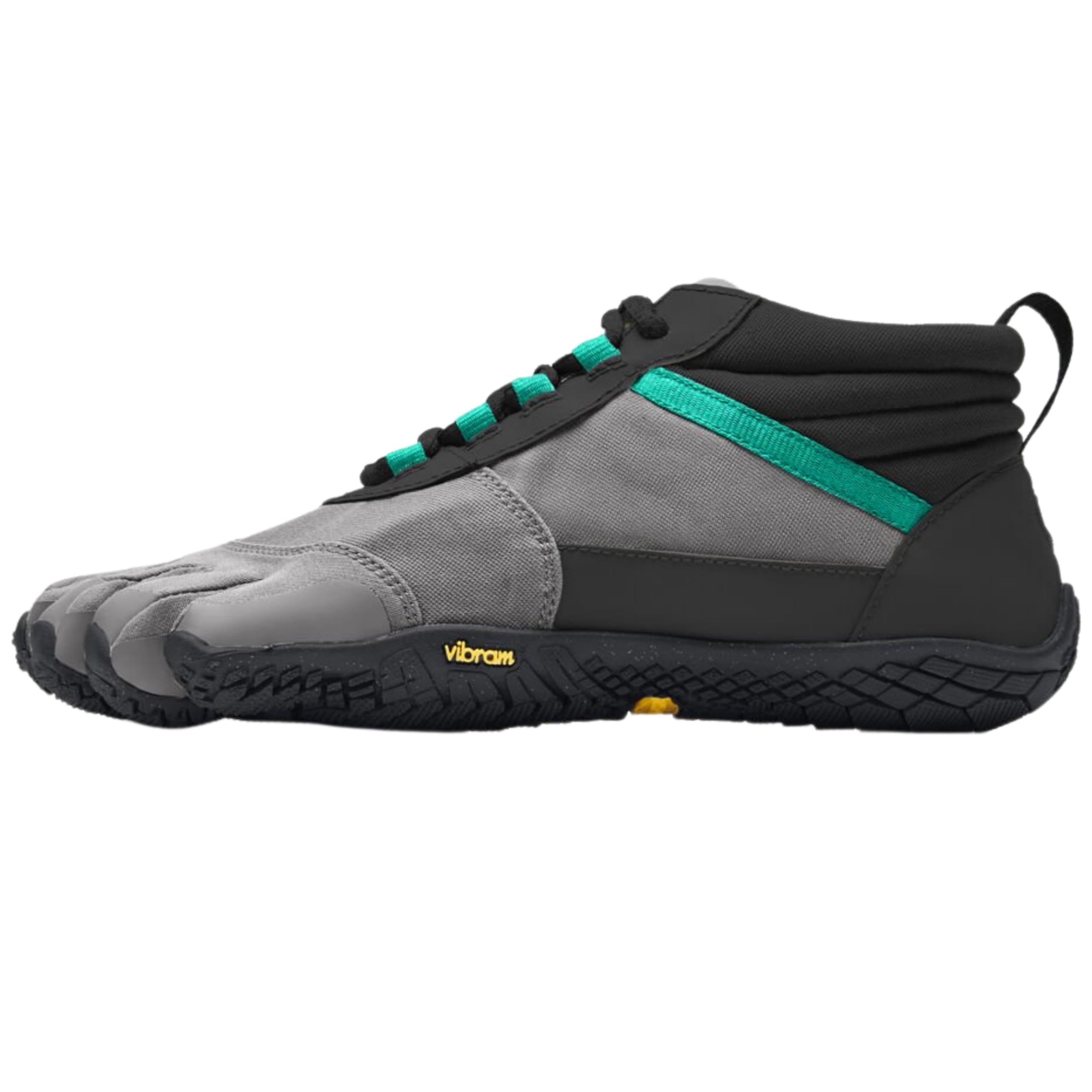
The Vibram FiveFingers V-Trek Insulated is the only true toe-shoe in this guide, offering individual pockets for each toe. This design allows for maximum ground feel and natural toe splay, which can be transformative for those with plantar fasciitis or other foot issues. The insulated version adds a thermal layer that keeps feet warm in cold weather, though it is not designed for deep snow.
Users who have adapted to the five-finger design report significant improvements in foot strength, balance, and running economy. The V-Trek’s rubber outsole provides good protection from sharp pebbles and rough ground, while the minimalist upper offers adequate weather resistance for light conditions.
The learning curve is steep—the individual toe pockets require patience to put on and may feel strange initially. Sizing is notoriously tricky, as the anatomical fit means you must be precise with your measurements. Some users find the toe pockets too tight for mid-to-long runs. This boot is for those committed to the barefoot lifestyle who want the pinnacle of toe freedom.
Why it’s great
- Unmatched ground feel and toe splay.
- Can help alleviate plantar fasciitis.
Good to know
- Difficult to put on and size correctly.
- Not for deep snow or heavy winter use.
9. Taos Footwear Unisex Good Wool Boot
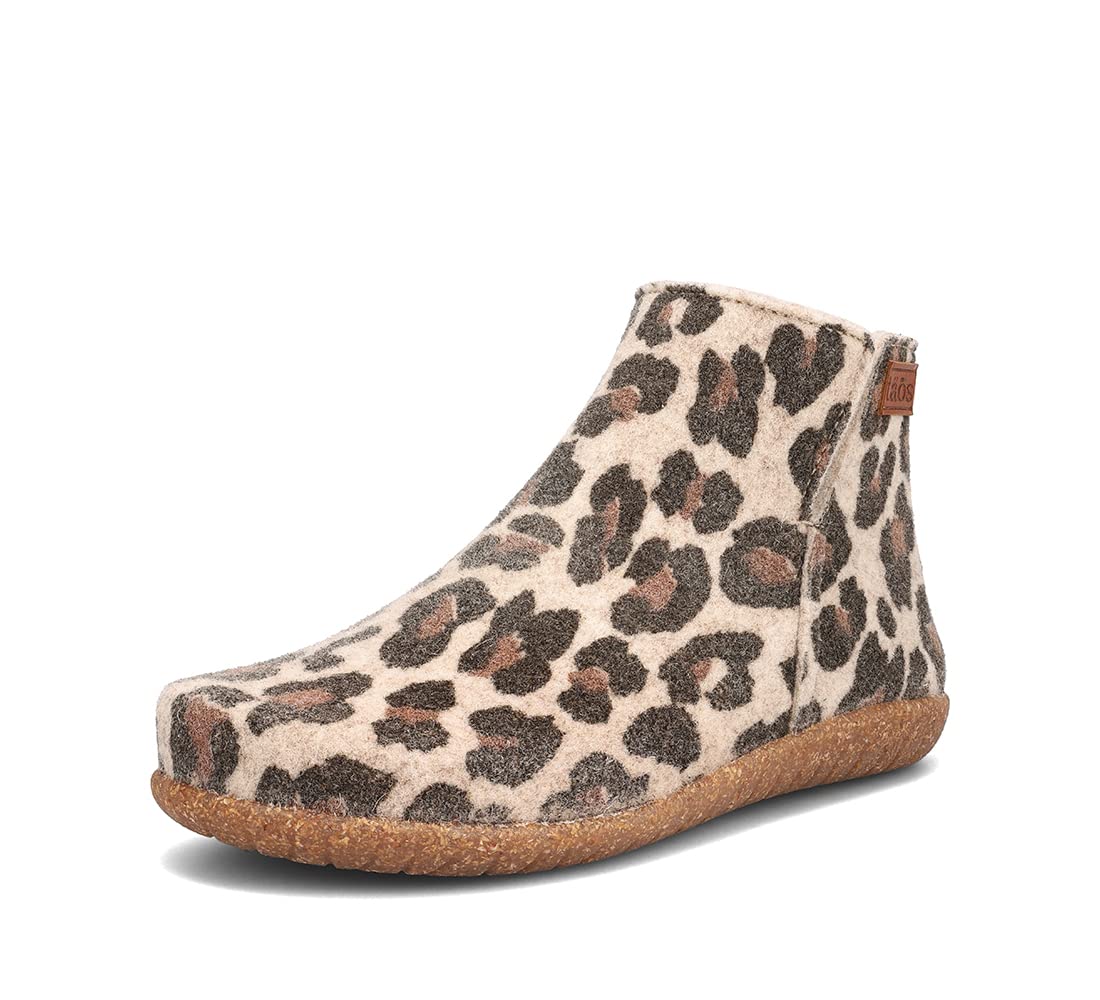
The Taos Good Wool Boot is a comfort-focused option that blends barefoot-friendly features with a touch of arch support. The wool upper provides natural warmth and breathability, making it ideal for indoor/outdoor transitions. The roomy toe box allows toes to splay, while the lightweight sole offers a decent ground feel for a boot with a slight arch.
Users consistently praise the boot’s comfort for extended standing, such as in a kitchen or at a desk. The wool lining is soft against the skin and regulates temperature well, so your feet don’t overheat. The grippy rubber sole provides secure footing on dry winter surfaces, though it is not tested for snow and ice traction.
The main drawbacks are the difficulty in pulling the boot on—a heel tab would be a welcome addition. Some users have reported quality control issues, including torn threads on the first wear. The boot is best suited for casual winter wear on prepared surfaces, not for deep snow or technical terrain. It is a stylish, cozy companion for urban winter living.
Why it’s great
- Warm, breathable wool upper.
- Comfortable for all-day standing.
Good to know
- Hard to put on without a heel tab.
- Not for deep snow or icy conditions.
FAQ
Will I need thick socks with barefoot winter boots?
Can I wear barefoot winter boots on icy sidewalks without slipping?
Final Thoughts: The Verdict
For most users, the winner for the best barefoot shoes for winter is the Xero Shoes Men’s Alpine because it delivers the best balance of warmth, traction, and true barefoot geometry at a practical price point. If you need full waterproofing and are willing to invest for deep snow performance, grab the Vivobarefoot Tracker Textile AT. And for a stylish, casual winter boot that still respects toe splay, nothing beats the Xero Breckenridge.