
That moment you slide into your car on a summer afternoon and the steering wheel is too hot to touch is the exact moment most drivers start shopping for window tint. The right automotive window film does more than change the look of your ride — it determines cabin temperature, protects your skin from UV damage, reduces glare during golden hour, and even keeps your dashboard from cracking. But with confusing VLT percentages, adhesive types, and material grades out there, picking the wrong film can leave you with bubbling, purple-tinted windows that fail inspection.
I’m Min — the co-founder and writer behind Gadgets Feed. I’ve spent countless hours digging through technical data sheets, customer installation reports, and real-world performance feedback to separate heat-rejecting performers from cheap adhesive disappointments.
Whether you want maximum privacy, near-invisible heat rejection, or a budget-friendly static cling solution, this guide to the best automotive window film will help you choose with confidence.
How To Choose The Best Automotive Window Film
Selecting the right film for your car comes down to balancing three factors: visible light transmission (VLT) for legal compliance, material type for heat rejection and longevity, and installation method for your skill level. A film that works great for a home window may fail a car’s curved glass, so car-specific properties matter.
VLT Percentages and Legal Limits
VLT stands for Visible Light Transmission — the percentage of light that passes through the film. A 5% VLT film (often called “limo tint”) blocks 95% of light, offering maximum privacy but potentially illegal for front side windows in many states. A 35% VLT is a common legal limit for front windows, while rear and back windows often allow darker shades. Always check your state’s specific tint laws before buying.
Material: Dyed vs Carbon vs Nano-Ceramic
Dyed films are the most affordable but can fade to purple over time. Carbon films offer better heat rejection and color stability without fading. Nano-carbon or ceramic films provide the best heat rejection and UV protection without interfering with electronic signals, which matters for GPS and cell reception inside the car.
Adhesive vs Static Cling
For a permanent install on your car, adhesive-based films (peel-and-stick with a wet application) bond tightly to the glass and last for years. Static cling films use no glue and are repositionable — ideal for renters or temporary applications — but may lift over time in extreme heat or humidity.
Quick Comparison
On smaller screens, swipe sideways to see the full table.
| Model | Category | Best For | Key Spec | Amazon |
|---|---|---|---|---|
| United Nano Carbon 42% VLT | Nano-Carbon | Balanced heat rejection and visibility | 2-ply nano-carbon, 42% VLT, 100 ft roll | Amazon |
| 2PLY Premium Carbon 5% VLT | Carbon Film | Maximum privacy and dark shade | 1.5mil 2-ply carbon, 5% VLT, kit with tools | Amazon |
| BDF NSN70 Transparent | Adhesive Clear | Near-invisible heat reduction | 99% UV block, near-clear, 14ft roll | Amazon |
| True Line Automotive Precut | Precut Kit | No-trim custom fit for your car model | Precut per vehicle, full kit, strong adhesive | Amazon |
| United Professional 1Ply 15% VLT | Dyed PET Film | Deep privacy at a budget-friendly price | 1 mil dyed PET, 15% VLT, 100 ft roll | Amazon |
| G Greenfilm Static Cling 20% VLT | Static Cling | Renter-friendly temporary tint | 20% VLT, 96% UV block, 24×120 inches | Amazon |
| HIDBEA One Way Reflective | Reflective Static | Daytime privacy and glare reduction | Mirror finish, 93% UV block, 29.5×78.7 in | Amazon |
In‑Depth Reviews
1. United Window Tint Nano Carbon Film 42% VLT
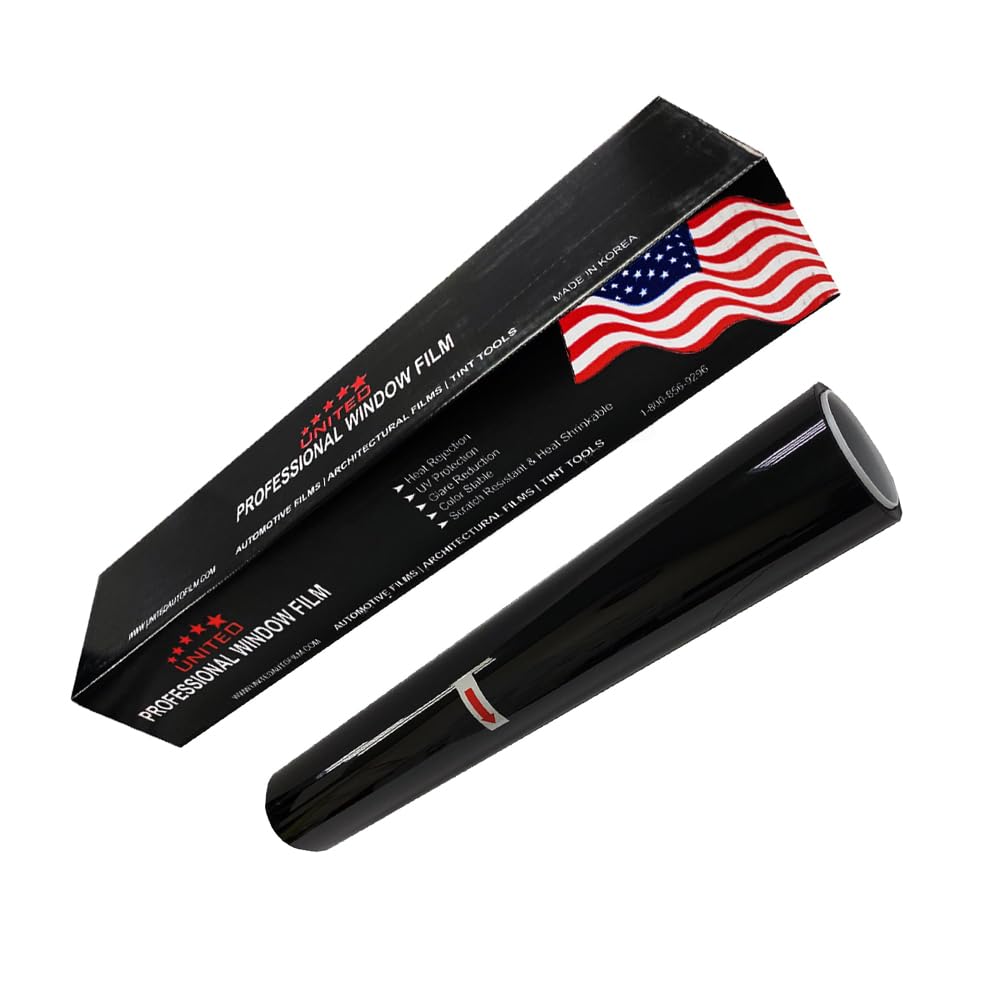
The United Nano Carbon Film delivers a 2-ply construction with a 42% VLT that strikes an excellent middle ground — dark enough for solid privacy and glare reduction, yet light enough to stay legal on most front side windows. The nano-carbon material maintains color stability far better than dyed films, meaning no purple discoloration after a few summer seasons.
Customers consistently report strong adhesive performance that lasts without peeling, and the film’s thickness resists creasing during a DIY wet/dry heat shrink installation. The 100-foot roll provides enough coverage for a full sedan with leftover material for practice cuts, which is especially valuable for first-time tinters learning the shrink technique.
One reviewer noted the film is slightly thinner than the Gila brand but handles bubbles more easily during squegee-out, and the self-healing adhesive layer prevents movement after it sets for a day. With a 42% VLT, you get a charcoal look that stays true across all windows, making this a versatile choice for drivers who want both comfort and a professional finish.
Why it’s great
- Nano-carbon construction resists fading and provides excellent heat rejection
- Good balance of privacy and legality with a 42% VLT rating
- 100-foot roll gives generous coverage for any sedan or coupe
Good to know
- Film is slightly thinner than some premium brands, requiring careful handling
- Installation requires wet/dry heat shrinking skills for curved rear windows
2. 2PLY Premium Carbon 5% VLT Window Tint
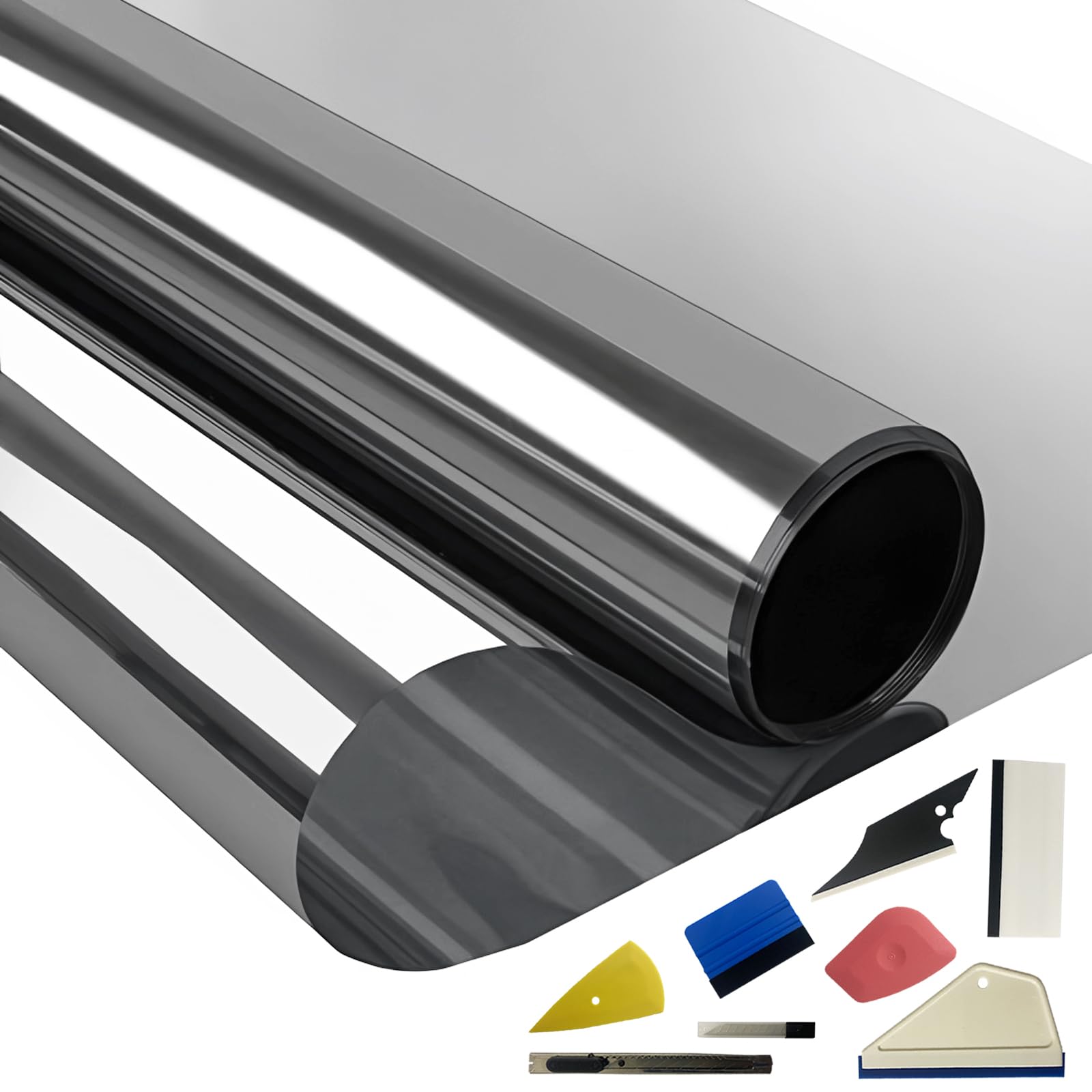
For drivers who want the darkest possible shade without stepping into limo-tint illegality on rear windows, the 2PLY Premium Carbon at 5% VLT offers maximum privacy and an aggressive look. The 1.5mil two-ply construction adds durability, and the carbon material blocks 99% of UV rays while reducing infrared heat that bakes your cabin.
This bundle includes an 8-piece installation tool kit with squeegees, a cutting blade, and application solution, making it a complete package for a first-time DIY tinter. The 20-inch by 100-foot roll is specifically sized for car side windows and rear glass, though one buyer reported a slight discrepancy: a 35% VLT film measured closer to 27-28% by their state inspector, so expect actual darkness to run deeper than the label suggests.
The static-cling style application requires a wet installation with a tint solution, and the film’s adhesive-free design means it can be repositioned during application. For best results, take your time with heat shrinking on rear windows with complex curves — the carbon material responds well to heat but can crease if rushed.
Why it’s great
- Ultra-dark 5% VLT provides maximum daytime privacy and a bold appearance
- Includes full installation tool kit — squeegees, blade, and application solution
- Carbon construction blocks 99% of UV and resists fading over time
Good to know
- Actual VLT may read darker than labeled, which could cause inspection issues
- Not suitable for front windshields — check your local tint laws first
3. BDF NSN70 Transparent High Heat Rejection Film

The BDF NSN70 is the go-to choice for drivers who want heat rejection without changing their car’s appearance. With a near-clear shade that lets in maximum light, this adhesive film blocks 99% of UV rays while maintaining outward visibility that looks completely untinted. It is essentially invisible to passersby but still cuts solar heat significantly.
This film uses a strong adhesive protected by a release liner, and the manufacturer explicitly warns that any fold during installation may create a permanent wrinkle — this is a sensitive film that demands patience. Installation requires soaking both the adhesive side and the window with a soap/water mixture to allow repositioning before the bond sets. One reviewer applied four layers under a skylight and reported a 95% reduction in harsh heat.
For single-pane storm doors or large home windows where heat gain is the main problem, the NSN70 excels because it doesn’t rely on a reflective coating. Keep in mind that some users on single-pane setups found the heat reduction less dramatic than expected, so this film performs best on double-pane or well-insulated windows.
Why it’s great
- Near-invisible appearance lets in full natural light while rejecting heat
- Blocks 99% of UV rays to protect interiors from fading
- Comes with free installation tools and a detailed guide
Good to know
- Film is very sensitive to creases — any fold can create a permanent wrinkle
- May show reduced effectiveness on single-pane windows without insulation
4. True Line Automotive Precut Window Tint Kit
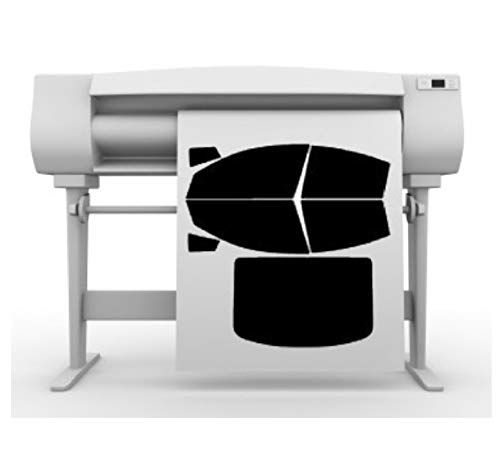
The True Line Automotive Precut Kit eliminates the most frustrating part of DIY tinting — cutting and trimming film to match your window’s exact shape. You simply provide your car’s make, model, and year, and the kit arrives with film precut to fit every side and rear window like a glove. This removes the need for a heat gun on complex curves.
The film uses a strong adhesive designed to stay bonded for decades unless manually removed, and it adds a layer of scratch protection to the window surface. Customers report excellent customer service — one buyer accidentally tore the film during installation on a 2023 Honda CR-V, and the company sent a free replacement with no hassle. However, some users received kits that were not actually precut and lacked instructions, so confirm with the seller before purchasing if a custom cut is critical for you.
Installation is straightforward: peel the protective backing, spray both the window and adhesive with soapy water, position the film, and squeegee out the moisture. The precut design reduces wasted film and makes this a strong option for drivers who want a clean, professional look without visiting a shop.
Why it’s great
- Precut to your specific car model — no trimming or heat shrinking required
- Strong adhesive stays bonded for years without peeling
- Brand customer service is responsive and sends free replacements for errors
Good to know
- A minority of customers report the kit arriving uncut — verify before purchase
- Film can scratch relatively easily during installation if not handled carefully
5. United Professional 1Ply 15% VLT Window Tint
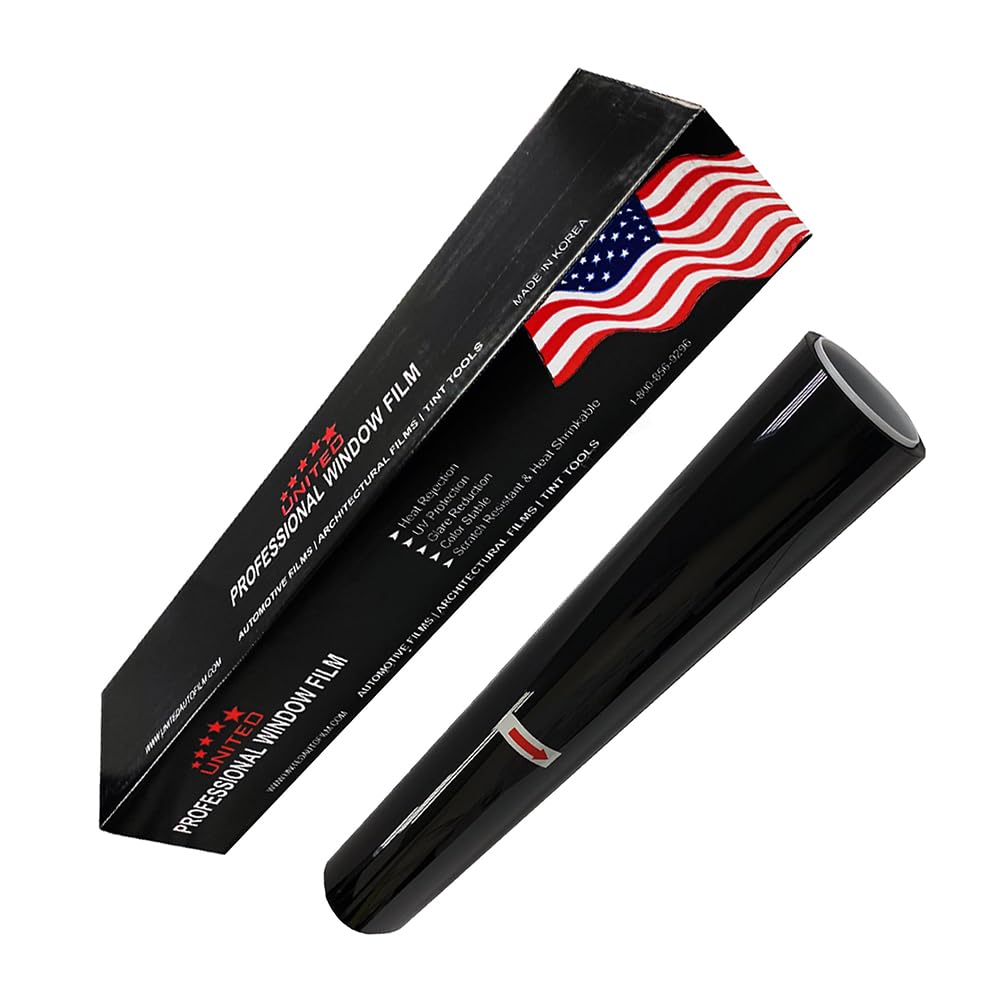
United Professional’s 1-ply dyed PET film at 15% VLT delivers deep shade and strong privacy at the most affordable price point in this lineup. The 1-mil thickness makes it lighter than premium carbon films, but it still blocks 99% of UV rays and provides noticeable heat and glare reduction.
This is a dyed film, which means it may shift color toward purple over extended sun exposure compared to carbon or ceramic alternatives, but for the price, it offers surprising performance. The 100-foot roll comes in widths up to 40 inches, so you can cover larger windows like SUV rear hatches or home sliding doors. The wet/dry shrink capability makes it flexible enough to mold around curved rear windows without bubbling excessively.
Customer feedback highlights the easy installation and great heat reduction for the cost, with many first-time tinters calling it a great product to learn on. If you are tinting a beater car, a project truck, or a home garage window and don’t want to invest in premium film, this entry-level option gets the job done without breaking the bank.
Why it’s great
- Very affordable per-square-foot cost for covering large areas
- Deep 15% VLT shade offers excellent daytime privacy and glare control
- Blocks 99% of UV rays despite being a budget-oriented dyed film
Good to know
- Dyed construction may fade to a purple hue over several years of direct sun
- 1-mil thickness is thinner and less durable than 2-ply carbon films
6. G Greenfilm Static Cling 20% VLT

The G Greenfilm Static Cling film is the best option for renters or anyone who needs temporary tint without leaving sticky residue behind. Its non-adhesive design uses only static electricity and water to cling to glass, so it can be removed, repositioned, or swapped between vehicles in minutes without any cleanup.
At 20% VLT, it allows 20% of light through while blocking 80%, giving a moderate darkness that offers daytime privacy without making the cabin feel like a cave. The film blocks 96% of UV rays and reduces infrared heat, keeping the interior cooler in summer. Some customers noted the view can look slightly blurry through the film, so this is better for privacy-focused applications like rear passenger windows rather than the driver’s side where crisp visibility matters most.
The installation kit is sold separately, so you will need to supply your own squeegee and application solution. The film is not recommended for low-E glass, but it works well on standard flat glass surfaces in cars and homes. If you frequently swap cars or live in a rental with restrictions on window modifications, this static cling film gives you flexibility at a fair price.
Why it’s great
- Zero-adhesive static cling — removable and reusable without residue
- 20% VLT provides good daytime privacy without extreme darkness
- Blocks 96% of UV rays and reduces cabin heat effectively
Good to know
- View through the film can appear slightly blurry for driver-side use
- Installation tools like squeegee and solution must be purchased separately
7. HIDBEA One Way Window Film, Reflective Silver Black

The HIDBEA One Way Reflective Film creates a mirror-like silver finish on the outside that makes it impossible for people to see in during the daytime while you maintain a clear view out. This static-cling film blocks 93% of UV rays and 85% of solar heat, reflecting infrared energy to keep the interior significantly cooler.
The major caveat is well known to anyone who has used reflective film: it is a one-way mirror only when the outside is brighter than the inside. At night, when interior lights are on, the mirror effect reverses and people outside can see in clearly — so consider pairing this with curtains or blinds for nighttime privacy. The film is adhesive-free, so it installs easily with just water and can be removed without damaging the glass.
This film is particularly well suited for rear and cargo windows in vans and SUVs where daytime privacy is the priority, as well as home windows facing busy streets. The reflective silver-black look gives a commercial, sleek aesthetic that stands out from standard dark tint. With careful installation, the film stays adhered for months without bubbling, even in humid climates like Houston.
Why it’s great
- Mirror finish provides excellent daytime privacy with a distinctive look
- Reflects 85% of solar heat to keep the cabin significantly cooler
- Static cling application is residue-free and easy to remove or reposition
Good to know
- Privacy effect reverses at night — people can see in when interior lights are on
- Not designed for car windshields; intended for side, rear, and home windows
FAQ
Is 20% VLT dark enough for driver window privacy during the day?
Can I install car window film myself without professional tools?
Does static cling film work on car windows or only home windows?
Final Thoughts: The Verdict
For most users, the best automotive window film winner is the United Window Tint Nano Carbon 42% VLT because it combines a balanced VLT level with nano-carbon construction for fade-free heat rejection and easy DIY installation. If you want maximum darkness with a complete installation kit included, grab the 2PLY Premium Carbon 5% VLT. And for a completely invisible heat-rejection upgrade, nothing beats the BDF NSN70 Transparent Film.