
Buying a TV that combines spectacular 3D depth perception with razor-sharp 4K resolution means navigating a very specific corner of the home theater market. The reality is that true 3D 4K hardware is rare, and the line between a premium flat panel that “feels” dimensional and an actual 3D-capable unit is often blurred by marketing. You need a guide that separates the genuine article from the hype, focusing on panel technology, real active or passive 3D support, and the video processing that makes or breaks the illusion.
I’m Min — the co-founder and writer behind Gadgets Feed. For this guide, I have spent dozens of hours cross-referencing technical datasheets, analyzing panel refresh rates, and reviewing the specific 3D playback and conversion capabilities of every model listed here.
My goal is simple: to pinpoint the most reliable best 3d 4k tv for your home theater by focusing exclusively on real-world performance, genuine 3D support, and the image processing that actually matters.
How To Choose The Best 3D 4K TV
The market for televisions with native 3D support has shifted dramatically, with most modern flat panels dropping the feature entirely. Today, the primary path to 3D is through projectors, which still actively support Blu-ray 3D. Understanding the specific display technology and refresh rate is the first step to finding a unit that delivers a convincing three-dimensional image.
Native 3D Support vs. 2D-to-3D Conversion
Look for a model that explicitly lists “Blu-ray 3D” or “Frame Packing 3D” support in its specifications. Native 3D support means the device can accept a 3D signal from a source like a Blu-ray player and display it correctly. Many projectors and older TVs also offer 2D-to-3D conversion, which simulates depth from standard content, but the quality is highly dependent on the processor and is often inferior to native material.
Refresh Rate and Frame Rate Handling
For flicker-free passive 3D, a 120Hz panel is the gold standard because it can display 60 frames per second to each eye simultaneously. Active 3D, which alternates frames, also benefits significantly from a high refresh rate. A native 144Hz or 120Hz display ensures that motion in 3D scenes remains smooth and that you don’t experience the eye strain associated with lower refresh rates.
Brightness and Contrast for Depth Perception
3D glasses, especially active shutter ones, reduce perceived brightness. A projector or TV with a high lumen output or peak nits rating is crucial to maintain a vibrant picture when the glasses are on. Similarly, a high native contrast ratio helps the brain perceive depth more readily by creating clear separation between foreground and background elements in the scene.
Quick Comparison
On smaller screens, swipe sideways to see the full table.
| Model | Category | Best For | Key Spec | Amazon |
|---|---|---|---|---|
| JMGO N1S Pro 4K | Premium Projector | Ultimate 3D Home Theater | 2250 ISO Lumens, Blu-ray 3D | Amazon |
| JMGO N1 Ultra 4K | Projector | Portable 3D Viewing | 1900 ISO Lumens, Blu-ray 3D | Amazon |
| Samsung S90F OLED | Direct-View | Best Flat Panel Depth | QD-OLED, 144Hz NQ4 AI Gen3 | Amazon |
| LG G4 OLED evo | Direct-View | Cinematic Contrast | OLED evo, a11 AI Processor | Amazon |
| Panasonic Z8 Series OLED | Direct-View | HDR Optimization | Master OLED PRO, 144Hz | Amazon |
| Sony BRAVIA 7 Mini LED | Direct-View | Bright Room 3D Illusion | Mini LED, XR Backlight Master Drive | Amazon |
| TCL QM8K Mini LED | Direct-View | High-Performance Gaming | Mini LED, 288Hz VRR | Amazon |
| Hisense U7 Mini-LED | Direct-View | Mid-Range Mini-LED Value | Mini-LED, Native 165Hz | Amazon |
| Amazon Ember 85″ Mini-LED | Direct-View | Built-in Fire TV Experience | Mini-LED, 144Hz, 512 Zones | Amazon |
| Sony BRAVIA 2 II | Direct-View | Entry-Level 4K with PS5 | LED, 4K Processor X1 | Amazon |
| Toshiba Z670R Mini-LED | Direct-View | Budget Mini-LED Gaming | Mini-LED, Native 144Hz | Amazon |
In‑Depth Reviews
1. JMGO N1S Pro True 4K Triple Laser Projector
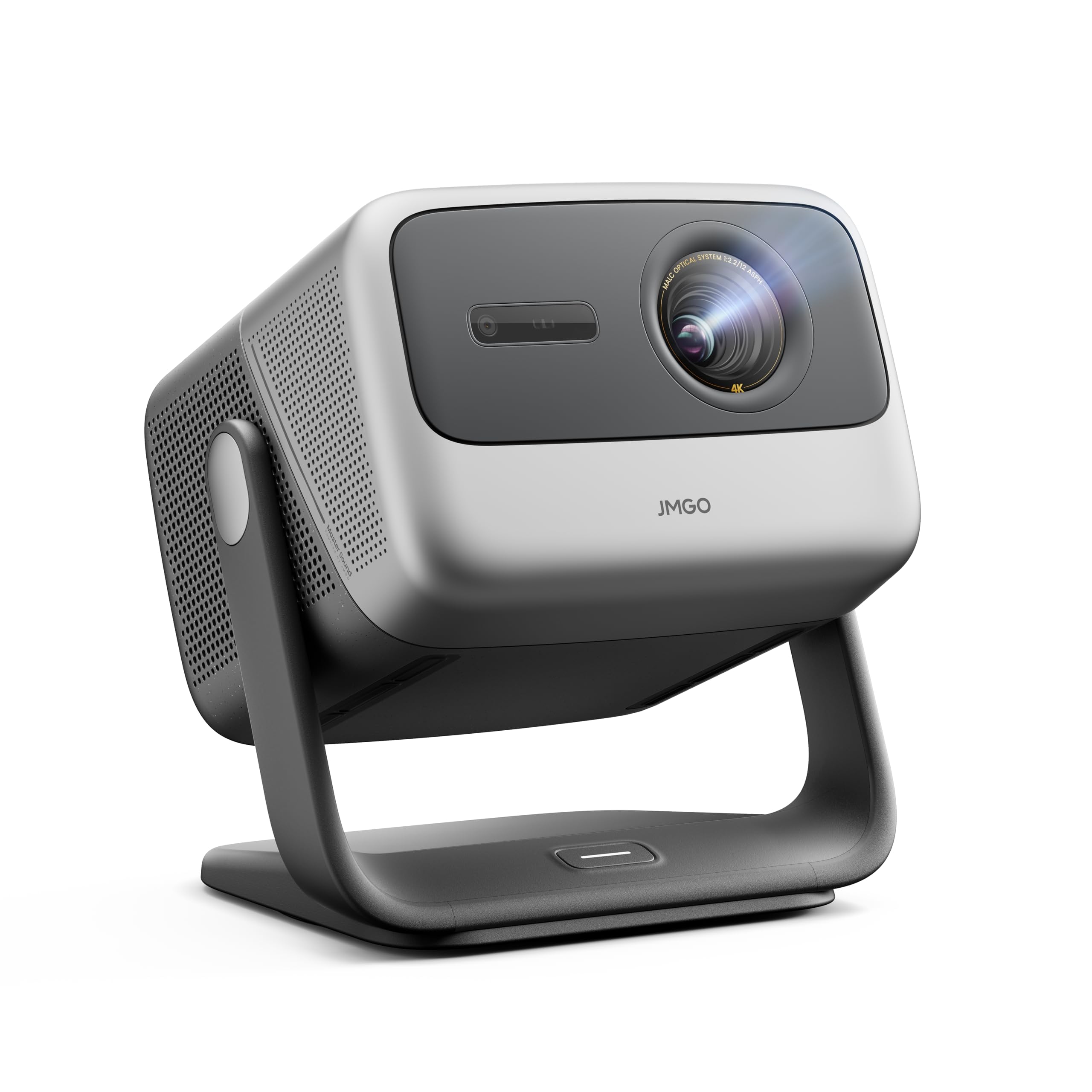
The JMGO N1S Pro is the definitive choice for a dedicated 3D home theater, offering a pure triple laser light source that delivers a staggering 2250 ISO Lumens of brightness. This level of output is critical for 3D material, which typically loses significant perceived brightness through the glasses. The picture remains punchy and vibrant, maintaining the depth and separation that makes 3D compelling, even on a 300-inch diagonal screen.
Its native support for Blu-ray 3D is the key differentiator here. When fed a 3D signal from a compatible player, the projector processes it natively without relying on simulated conversion. The 1600:1 FOFO contrast ratio and 110% BT.2020 color gamut coverage ensure that the left-eye/right-eye separation is sharp and color-accurate, preventing the ghosting or crosstalk that ruins the immersion. The integrated gimbal for 360° pan and 135° tilt also makes finding the perfect screen placement effortless.
Beyond 3D performance, the N1S Pro is a fully capable 4K media powerhouse. It runs Google TV with pre-installed Netflix, has 4GB of RAM and 64GB of storage, and supports low-latency modes for gaming. The built-in dual 20W speakers with Dolby Digital Plus deliver room-filling sound, but for the ultimate 3D experience, you will want to pair it with a proper surround sound system. The auto-focus and keystone correction make setup a breeze, but be aware that some users have reported software quirks that occasionally require a reset.
Why it’s great
- Native Blu-ray 3D support with exceptional brightness for clear, vibrant glasses viewing.
- Superior color volume and contrast from the pure triple laser light source.
- Flexible 360° gimbal mount makes ceiling or wall projection easy.
Good to know
- Some users have reported auto-focus issues and software resets.
- No lens shift feature for fine-tuning placement after mounting.
2. JMGO N1 Ultra 4K Triple Laser Projector

The N1 Ultra is the slightly less bright but still formidable sibling to the N1S Pro, offering 1900 ISO Lumens from its patented MALC Triple Color Laser RGB optics. This unit is also a native 3D performer, supporting Blu-ray 3D playback that creates an impressive pop effect. The key advantage here is its integrated gimbal and included EPP carrying bag, which makes it genuinely portable and easy to set up for a 3D movie night in the backyard or a different room.
Its color performance is a standout, covering 110% of the BT.2020 color gamut. This wide color spectrum is essential for 3D, as it helps the brain perceive depth through color separation and contrast. The 1600:1 native contrast ratio is solid for a laser projector, delivering deep blacks that anchor the image and make 3D objects appear to float in space. The Dynaudio co-created 10W x 2 speakers provide 45Hz low-frequency bass, adding a physical dimension to the 3D experience.
The smart features run on Android TV 11.0, giving you access to a vast app library, though Netflix is not pre-installed and requires a workaround. The auto-keystone correction and screen fitting are fast and reliable, meaning you can be watching 3D content within minutes of powering on. The 26dB low noise operation is also a significant benefit, as fan noise can be particularly distracting during quiet 3D scenes. The lack of Dolby Vision and Atmos is a notable omission for non-3D content, but for a pure 3D projector, its performance is top-notch.
Why it’s great
- Exceptional color accuracy and brightness for a 3D portable projector.
- Integrated gimbal and carry bag provide unmatched portability for 3D viewing.
- Low-noise operation keeps the immersion intact during quiet scenes.
Good to know
- No native Netflix app; requires sideloading or an external stick.
- Lacks Dolby Vision and Dolby Atmos support for 2D content.
3. Samsung 65-Inch Class OLED S90F

While the S90F does not support native 3D input, its QD-OLED panel technology creates an illusion of depth so convincing it warrants inclusion here. The self-emissive pixels of a QD-OLED can turn off completely to achieve true blacks, providing an infinite contrast ratio. This allows the brightest parts of the image to pop against the darkest, creating a sense of three-dimensional volume that is unmatched by any other flat panel technology.
The NQ4 AI Gen3 processor, with its 128 neural networks, upscales non-4K content to near-4K resolution, which is a critical function for making lower-resolution 3D content look crisp. This AI processing, combined with Motion Xcelerator 144Hz, ensures that fast-moving 3D scenes remain sharp and free of smear. The Samsung achieves this depth through sheer luminance and color volume, making textures and objects feel tangible.
For gamers, the S90F is a beast, supporting 4K 144Hz VRR gaming with low input lag. This makes it an excellent all-around display for those who want a premium 2D and gaming experience with the deepest possible “3D-like” image. The OLED panel is not as bright as the best Mini-LEDs for bright rooms, and the anti-reflective coating is fragile, so careful mounting and controlled lighting are recommended to get the most out of its black-level performance and perceived depth.
Why it’s great
- QD-OLED technology delivers unparalleled contrast and perceived depth for 2D content.
- AI upscaling improves the clarity of standard 3D films.
- Excellent gaming performance with 4K 144Hz support.
Good to know
- No native 3D input support; only simulates depth.
- Fragile screen and anti-reflective coating require careful handling.
4. LG 65-Inch Class OLED evo G4

The G4 is LG’s flagship gallery design OLED, and like the Samsung, it creates a sense of 3D depth without native 3D input. Its strength lies in the Brightness Booster Max technology, which pushes the OLED evo panel to higher luminance levels than previous generations. This increased brightness, when combined with the self-lit pixel dimming, provides extremely high dynamic range that tricks the eye into perceiving depth.
The a11 AI processor is the engine behind this illusion. It uses AI Picture Pro and AI Director Processing to analyze each scene and optimize the contrast and sharpness of the subject against the background. This processing is particularly effective at separating foreground elements, giving them a tactile quality that feels almost stereoscopic. For movie lovers, this AI-enhanced depth is a major benefit for viewing content mastered in Dolby Vision.
The G4’s One Wall Design is a consideration for mounting, as it comes with a flush wall mount that leaves virtually no gap. The webOS interface is smooth and offers 5 years of software updates. However, the built-in sound, while improved, still benefits from an external soundbar for a cinematic audio presence. The G4 is a top-tier choice for those wanting the flattest possible wall-mounted display with the deepest possible synthetic 3D effect from standard content.
Why it’s great
- Industry-leading brightness and contrast creates a powerful pseudo-3D effect.
- AI processor intelligently optimizes depth perception in every scene.
- Ultra-flat gallery design for an art-like wall mount.
Good to know
- No native 3D input support.
- webOS interface, while good, may be less intuitive than other smart platforms.
5. Panasonic Z8 Series OLED
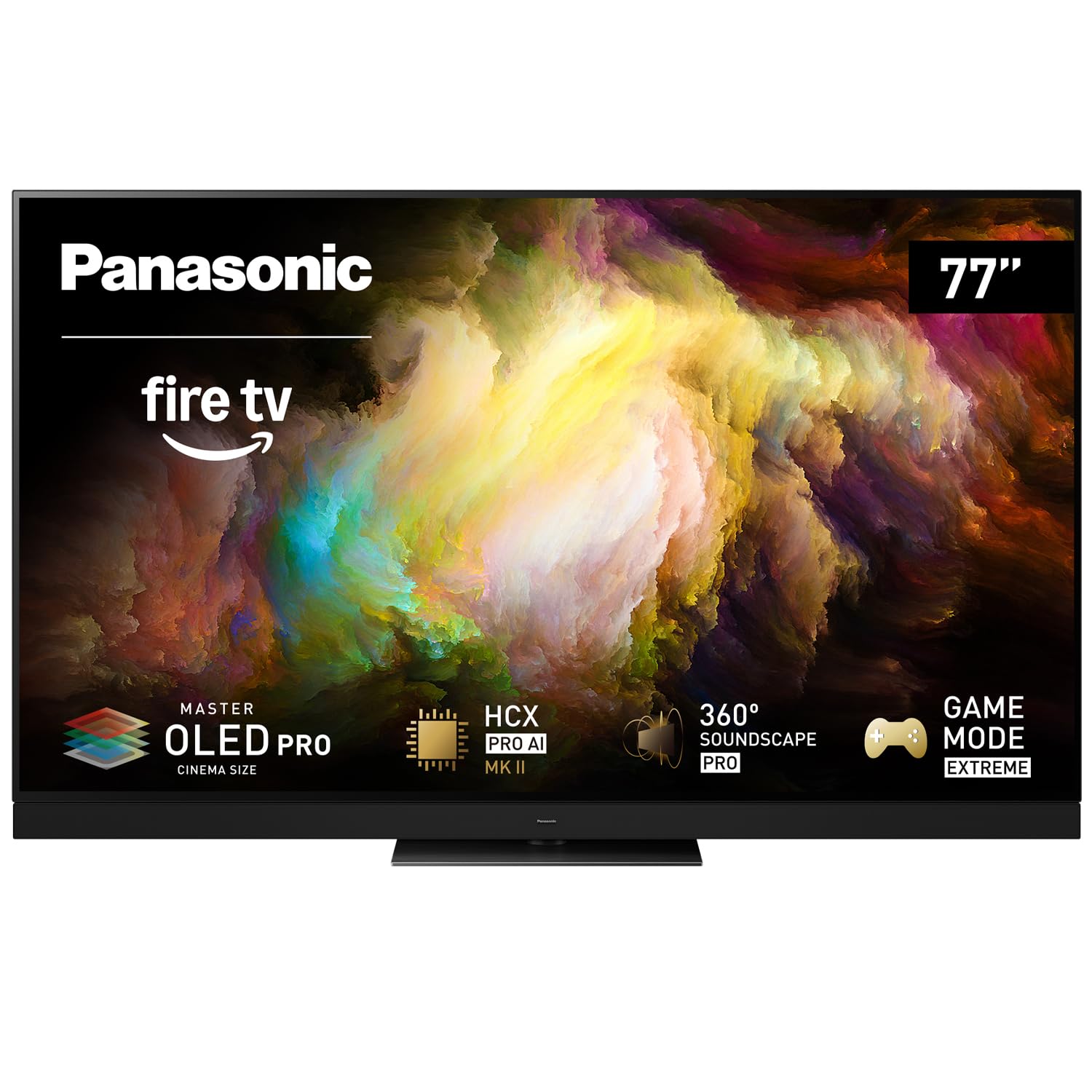
Panasonic’s return to the US market with the Z8 series is a big event for cinephiles. The Master OLED PRO panel, featuring micro-lens-array technology and the HCX Pro AI Processor MKII, delivers reference-level color accuracy and brightness. This combination is specifically engineered to preserve the director’s intent, which translates to an image with natural, convincing depth rather than artificially boosted contrast.
This TV supports all major HDR formats, including Dolby Vision IQ and HDR10+ Adaptive. The intelligent sensing from Dolby Vision IQ and HDR10+ Adaptive adjusts the picture based on the room’s ambient light. This means the perceived depth and shadow detail remain consistent whether you watch during the day or at night. For 3D content, this HDR mastery ensures that the graded highlights and shadows that create depth are preserved with high accuracy.
Gaming is fully covered with support for 144Hz, VRR, AMD FreeSync Premium, and NVIDIA G-SYNC. The 360 Soundscape Pro audio system, tuned by Technics, delivers a wide soundstage that complements the visual depth. The main trade-off is brightness; while excellent for OLED, it is not as searingly bright as a QD-OLED or a high-end Mini-LED. It is best suited for a dedicated, light-controlled theater room where its nuanced depth and color can be fully appreciated.
Why it’s great
- Professional-grade color accuracy and HDR optimization for natural cinematic depth.
- Superior motion handling for smooth 3D-like panning shots.
- Exceptional built-in sound tuned by Technics.
Good to know
- Not as bright as QD-OLED equivalents; requires a darker room for best effect.
- Heavy chassis (approx. 100 lbs) makes setup difficult.
6. Sony 85 Inch Mini LED BRAVIA 7

The Sony BRAVIA 7 is a Mini LED powerhouse that excels at creating a high-contrast, dimensional image in rooms you cannot fully darken. Its XR Backlight Master Drive controls thousands of Mini LEDs with precision, boosting brightness to very high levels while maintaining near-OLED black levels. This creates an image with immense dynamic range, where specular highlights pop out from the screen, generating a strong illusion of three-dimensionality.
The XR Processor is the star here, intelligently upscaling all content to near-4K resolution. This processing is vital for making older 3D Blu-rays or standard HD content look sharper. The XR Triluminos Pro also ensures that the billions of colors are accurate and vibrant, which helps the brain separate objects and perceive depth. Sony’s studio-calibrated picture modes for Netflix, Prime Video, and Sony Pictures CORE ensure that the image depth is as the creator intended.
The 85-inch screen size provides a truly cinematic field of view, which inherently enhances the immersion. For PS5 owners, the exclusive features like Auto HDR Tone Mapping are a significant bonus. The main drawbacks are the narrow viewing angle (around 30 degrees) and a reflective screen, which can be an issue in rooms with windows. For a direct-view TV that can handle a bright living room and still deliver incredible depth, the Sony BRAVIA 7 is a top contender.
Why it’s great
- Stunning brightness and contrast for a convincing 3D-like image with high dynamic range.
- Excellent upscaling of lower-resolution content for a sharper picture.
- PS5 exclusive features optimize HDR and picture mode for gaming.
Good to know
- Narrow viewing angle; colors and contrast wash out off-axis.
- Screen is highly reflective, requiring careful placement in bright rooms.
7. TCL 75 Inch Class QM8K Series
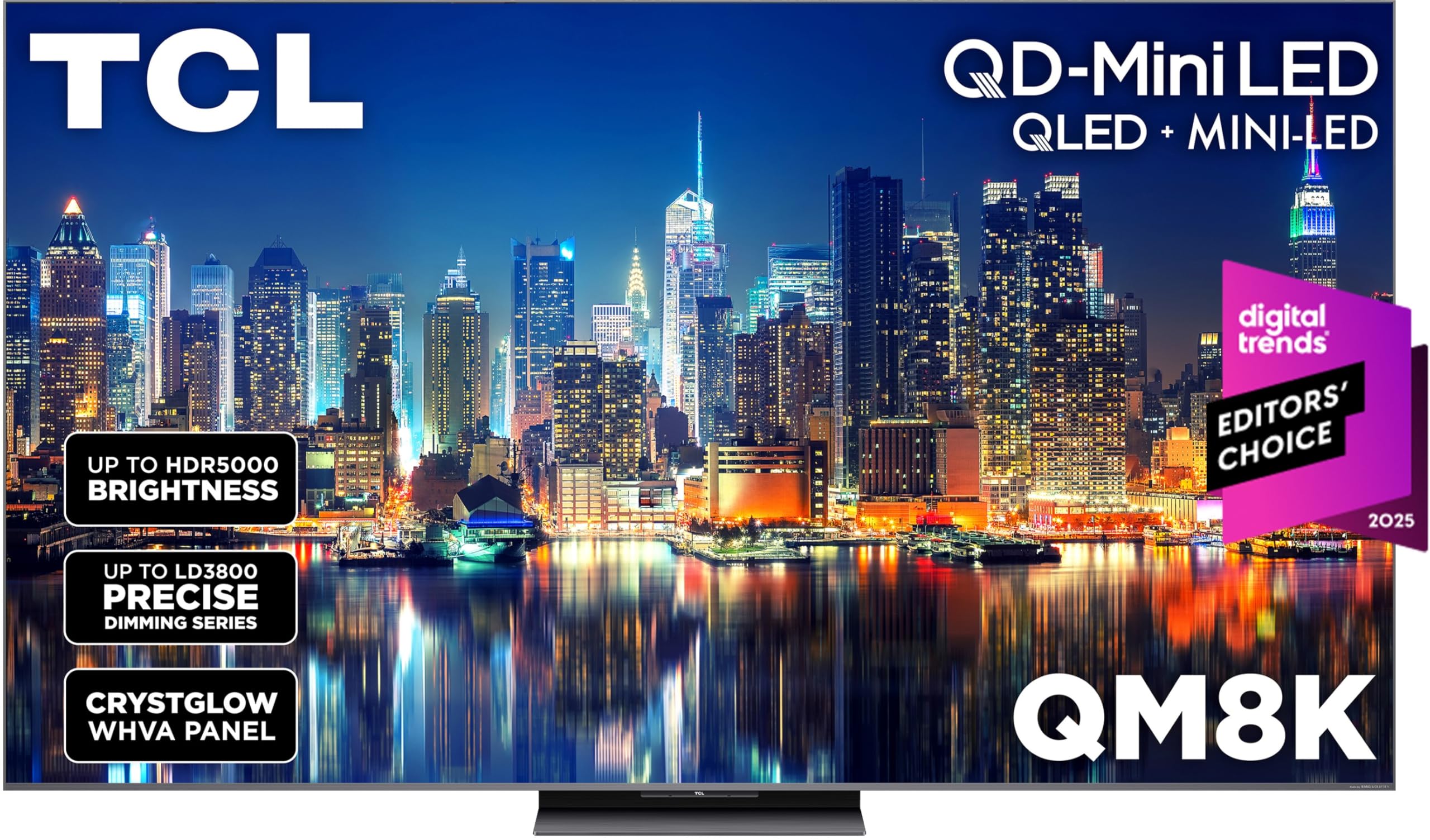
The TCL QM8K is a premium QD-Mini LED TV that uses its TCL Halo Control System to manage backlight zones with high precision. This system, featuring a Super High Energy LED Microchip and Bi-directional 23-bit Backlight Controller, minimizes blooming and ghosting, allowing for clean, sharp edges on objects. This clarity is essential for creating the illusion of depth, as strong separation between bright and dark areas makes the image pop.
For gamers, the Game Accelerator 288 feature offers up to 288Hz VRR, making it one of the fastest panels on the list. This high refresh rate translates to incredibly fluid motion, which is critical for reducing eye strain during fast-paced 3D-like sequences. The CrystGlow WHVA panel also includes an anti-reflective layer, ensuring that the image depth is preserved even with some ambient light in the room.
The Google TV interface is responsive, and the included backlit remote is a nice premium touch. The built-in audio is adequate for a large TV, but a soundbar will be needed to match the visual scale. While the QM8K does not support native 3D, its combination of high brightness, precise backlight management, and anti-reflective screen makes it one of the best flat panels for creating a convincing stereo illusion from standard video games and movies.
Why it’s great
- Extremely high refresh rate (288Hz VRR) for blur-free action gaming.
- Advanced backlight control minimizes blooming for crisp image depth.
- Anti-reflective screen preserves contrast in brighter rooms.
Good to know
- No native 3D input support.
- Some streaming apps (like Hulu) may have performance issues on the platform.
8. Hisense 65″ U7 Mini-LED
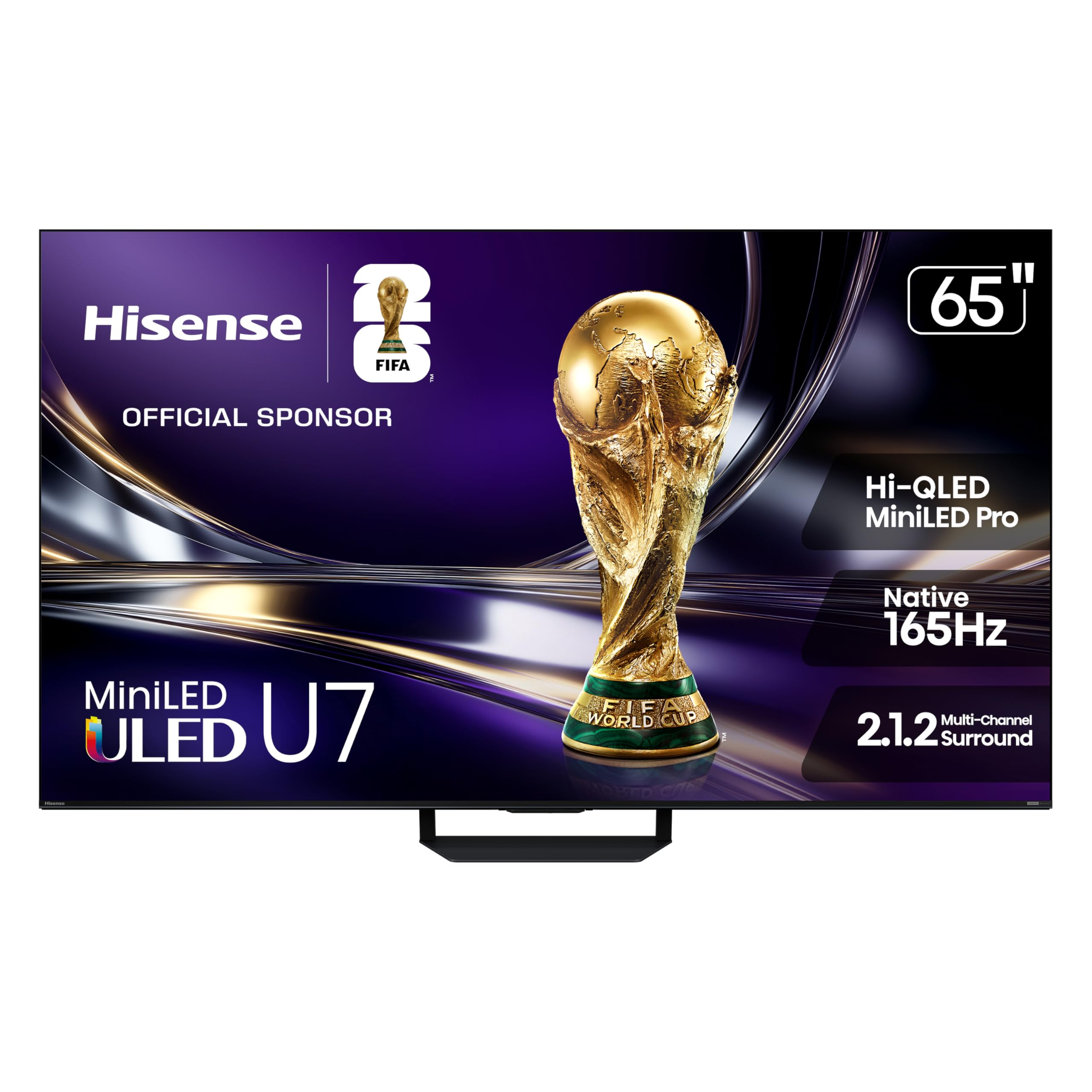
The Hisense U7 is a strong mid-range option that brings Mini-LED performance to a more accessible price tier. Its Hi-QLED MiniLED Pro technology uses thousands of backlights to deliver vibrant color and high brightness, which translates to an effective “3D-like” pop. The native 165Hz refresh rate is one of the highest in its class, ensuring smooth motion for sports and action.
The Anti-Reflection & Glare-Free layer is a standout feature for this price point. It effectively handles bright windows and overhead lights, keeping the image contrast high and the perceived depth intact. This makes it a great choice for a living room where you don’t want to sacrifice picture quality for visibility. The Hi-View AI Engine Pro constantly adjusts color, contrast, and detail to optimize each scene.
While the U7 does not support native 3D, its built-in sound is surprisingly good for a flat panel, reducing the immediate need for a soundbar. The Google TV interface is fast and easy to navigate. The main trade-off is that the number of local dimming zones is lower than the premium TCL or Sony models, which means blooming can be more noticeable in extreme high-contrast scenes. For the price, it offers excellent brightness and anti-glare performance that maximizes the illusion of depth.
Why it’s great
- Excellent native 165Hz refresh rate for smooth motion without stutter.
- Superior anti-glare screen maintains contrast in bright rooms.
- Great built-in sound quality for its price category.
Good to know
- Lower local dimming zone count can lead to visible blooming.
- No native 3D input support.
9. Amazon Ember 85″ Mini-LED Series
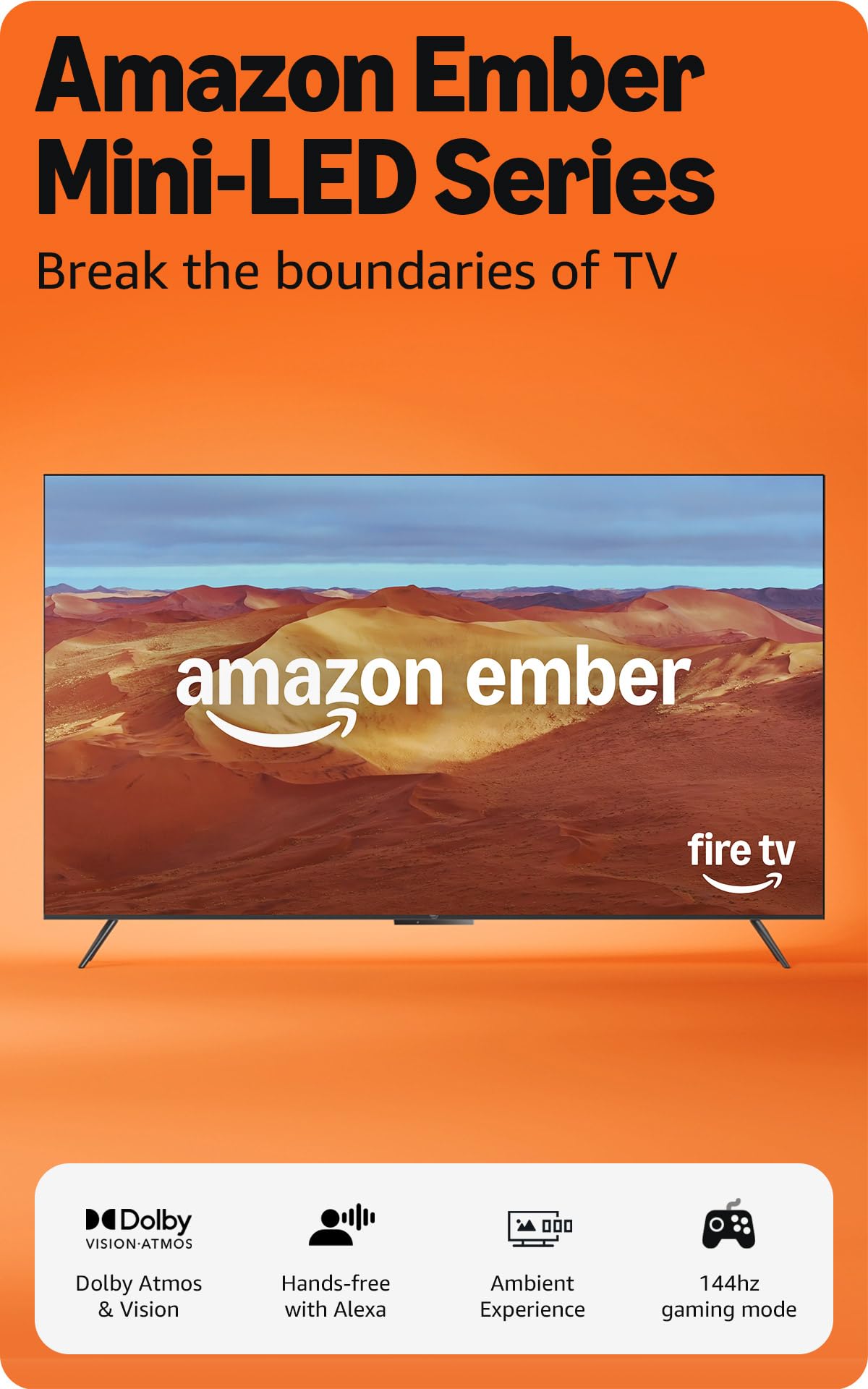
The Amazon Ember 85″ is a massive QLED Mini-LED display that leverages its 512 dimming zones and up to 1,400 nits of peak brightness to create a potent depth illusion. The sheer size of an 85-inch screen already immerses the viewer, and the high contrast from the dense dimming zones adds a layer of visual depth that makes the image appear to extend beyond the screen. It is Amazon’s best TV for gaming, with 144Hz and FreeSync Premium Pro certification.
The core differentiator is the Fire TV experience, which includes the new Alexa+ AI assistant and Ambient Experience features. The “Instantly On” Omnisense technology uses sensors to wake the display when you enter the room, a convenience feature. The Dolby Vision IQ and HDR10+ Adaptive support ensures that HDR content is optimized for your room’s lighting, which helps maintain the illusion of depth in various conditions.
The 2.1 Dolby Atmos audio system with a subwoofer provides more convincing bass than most flat panels, grounding the on-screen action. However, user reviews are mixed regarding the software performance; some report that the Fire TV interface can become laggy over time, requiring a restart or an external streaming device. If you are deeply integrated into the Amazon ecosystem and want a large, bright screen with decent built-in sound, this is a compelling option.
Why it’s great
- 85-inch screen with high brightness provides an incredibly immersive, depth-filled image.
- 512 dimming zones offer strong contrast for a Mini-LED.
- Integrated Fire TV and Alexa+ with ambient mode for whole-home integration.
Good to know
- Fire TV interface can become slow and laggy with extended use.
- No native 3D input support; relies on size and contrast for depth.
10. Sony BRAVIA 2 II 55 Inch

The Sony BRAVIA 2 II is an entry-level 4K LED TV that benefits from Sony’s excellent video processing. While it uses a standard LED panel without precise local dimming, the 4K Processor X1 does a remarkable job of upscaling content and enhancing color. This processing creates a cleaner, sharper image that helps define edges and textures, which is the foundation of any 3D-like effect.
Its primary strength for the 3D 4K TV buyer lies in its exclusive PlayStation 5 features. Auto HDR Tone Mapping and Auto Genre Picture Mode optimize the picture for PS5 games, many of which use fine shading and lighting to create a sense of depth. If your primary use case is gaming on a PS5, this TV can deliver an engaging, dimensional experience despite its hardware limitations.
The Motionflow XR technology helps reduce blur in fast-moving scenes, which is beneficial for keeping the image stable. At this price point, you sacrifice screen size, black levels, and true 3D support. It is best considered a solid, reliable entry point for 4K viewing with good processing, but it will not compete with the depth and immersion offered by the premium Mini-LED or OLED models on this list.
Why it’s great
- Reliable Sony processing for sharp 4K upscaling and color enhancement.
- Exclusive PS5 features optimize the gaming picture for depth.
- Good motion handling for an entry-level panel.
Good to know
- Standard LED panel lacks the local dimming for strong contrast or native 3D.
- Some users have reported issues with WiFi connectivity and freezing.
11. Toshiba 55″ Z670R Series Mini-LED
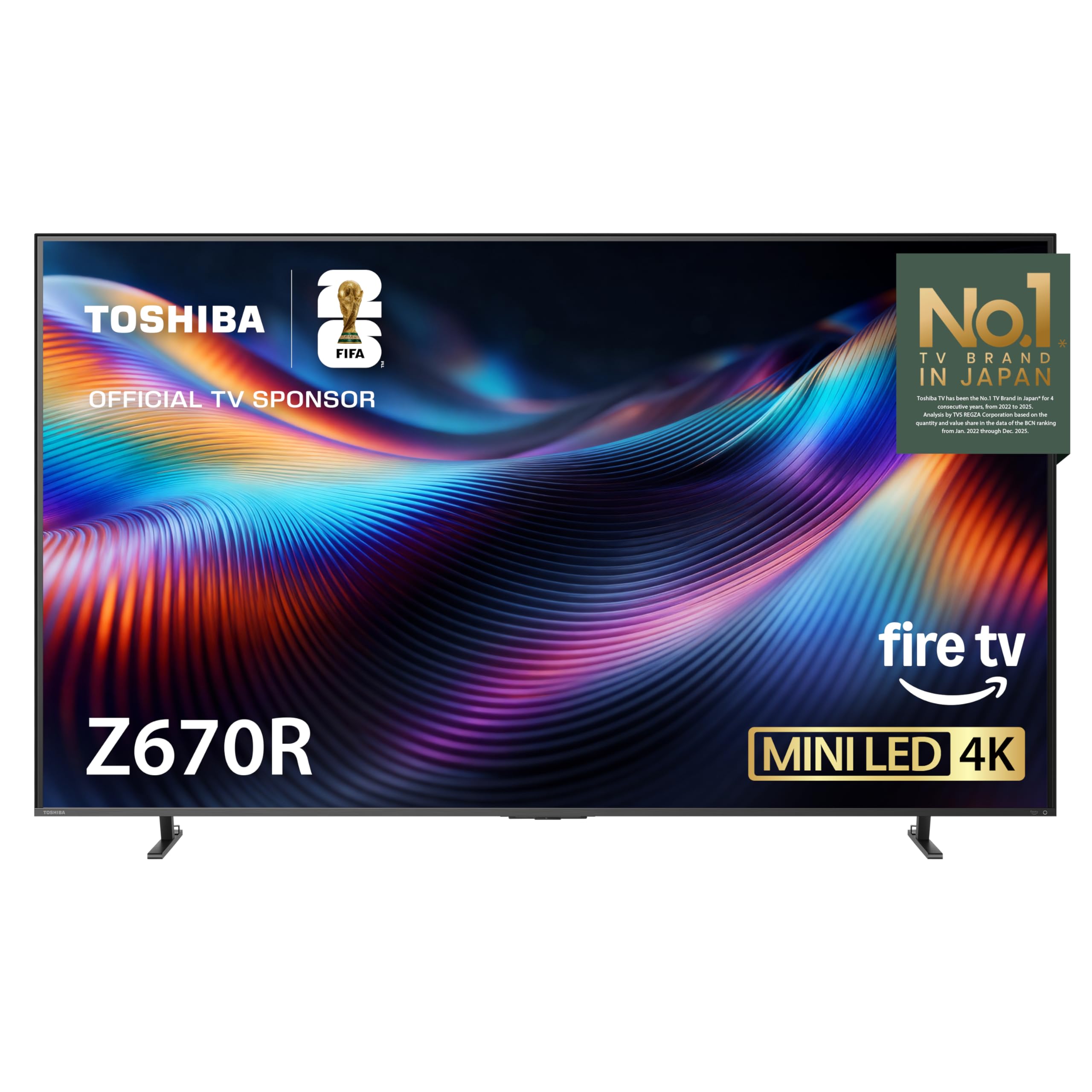
The Toshiba Z670R is an entry-level Mini-LED TV that offers a native 144Hz refresh rate and Full Array Local Dimming at a very competitive price. This combination is rare at this tier and directly addresses the motion clarity needed for a convincing depth effect. The REGZA Engine ZRi Gen3 AI processor fine-tunes the picture scene by scene to optimize clarity and contrast.
For value-conscious buyers seeking smooth motion, the Z670R delivers. The native 144Hz panel, supported by AMD FreeSync Premium and VRR 144Hz, ensures tear-free and fluid gameplay. This makes it a great budget option for console and PC gaming where motion clarity is paramount. The QLED color technology also provides a wide color gamut, making the image look more vibrant and detailed than a standard LED panel.
The Fire TV interface is integrated, offering easy access to streaming apps and Alexa voice control. The built-in REGZA Power Audio Pro with a bass woofer provides better low-end sound than most budget TVs. While it has fewer local dimming zones than premium Mini-LEDs, resulting in some blooming in high-contrast scenes, it remains a fantastic entry point into the world of high-refresh-rate Mini-LED displays for those on a tighter budget.
Why it’s great
- Native 144Hz panel at an entry-level price point for very smooth motion.
- Full Array Local Dimming and QLED for better contrast and color than standard LEDs.
- Built-in bass woofer provides a more immersive audio experience.
Good to know
- Lower zone count can result in visible blooming in demanding content.
- No native 3D input support.
FAQ
Do any new 4K TVs still support native 3D playback?
What is the difference between active and passive 3D technology?
Can a 4K TV create a 3D effect without native 3D input?
Final Thoughts: The Verdict
For most users, the best 3d 4k tv winner is the JMGO N1S Pro True 4K Triple Laser Projector because it offers native Blu-ray 3D support with exceptional brightness and color volume. If you want the deepest flat-panel illusion without 3D glasses, grab the Samsung S90F OLED. And for the best balance of high-refresh-rate gaming and bright-room picture depth, nothing beats the TCL QM8K Mini LED.