
That first rush of cold air hitting your face after a long day on the slopes is part of the ritual, but shivering in a damp, ill-fitting jacket in the lodge is not. The transition from ski mode to social mode demands gear that looks good next to a crackling fire and performs when the temperature drops after sunset.
I’m Min — the co-founder and writer behind Gadgets Feed. I’ve spent countless hours analyzing technical specifications and real-world user feedback to separate the true après ski essentials from the fashionable but fragile options that look great on day one and disappoint by day three.
Whether you are swapping piste stories over hot cocoa or walking through a snowy village, the best apres ski gear keeps you warm, dry, and effortlessly stylish from the final run through the last round of drinks.
How To Choose The Best Apres Ski Gear
The best après ski gear bridges two worlds: it must shrug off melting snow during the walk from the lift to the lodge, then breathe well enough that you don’t sweat through your shirt while sipping a hot toddy. Strike the wrong balance and you end up damp, cold, or both.
Insulation Type: Down vs. Synthetic
Down insulation (measured by fill power) offers the highest warmth-to-weight ratio and packs down small — ideal for a jacket you stash in your daypack until the last run ends. The catch: down loses nearly all insulating value when wet. Synthetic insulation like PrimaLoft or LifaLoft retains warmth even when damp, dries faster, and costs less per gram of warmth. For true après conditions where snow, slush, and indoor humidity mix, synthetic blends or down treated with a DWR finish provide the most reliable comfort.
Water and Wind Resistance
A jacket or coat that lacks a Durable Water Repellent (DWR) finish will wet out quickly in falling snow or splashing slush, turning a comfortable walk into a chilling experience. Look for garments labeled “water-resistant” as a baseline or “waterproof” if you plan to sit outside on damp chairlift benches. Wind resistance matters just as much: a gusty 20-mph wind at 20°F drops the effective temperature below zero, and a non-windproof coat will leak that chill straight through the shell fabric regardless of how much insulation is inside.
Fit, Length, and Mobility
Après gear allows more room for layering than a race-cut ski jacket. A hip-length coat pairs well with slim-fit jeans or leggings, while a mid-thigh parka offers extra coverage when you are standing around outdoors. Check sleeve length and shoulder mobility: poor fit traps cold air at the cuffs or restricts arm movement when you reach for a mug or pull on a sweater. Zippers that catch easily or hoods that slip off in the wind will annoy you every time.
Quick Comparison
On smaller screens, swipe sideways to see the full table.
| Model | Category | Best For | Key Spec | Amazon |
|---|---|---|---|---|
| Fjällräven Kiruna Padded Parka | Premium Parka | Cold-weather village walk | PrimaLoft Black + G-1000 shell | Amazon |
| Helly Hansen LIFALOFT Insulated Ski Jacket | Premium Ski Jacket | Slope-to-lodge all-day wear | LIFALOFT synthetic insulation | Amazon |
| THE NORTH FACE Women’s Aconcagua 3 Jacket | Mid-Range Down | Lightweight packable warmth | 600-fill recycled down | Amazon |
| Columbia Women’s Red Hills Omni-Heat Snow Boots | Snow Boots | Dry feet in slush and snow | Omni-Heat thermal reflective | Amazon |
| UGG Women’s Sheepskin Earmuffs | Accessory | Quick ear warmth without a hat | Sheepskin + non-slip headband | Amazon |
| Skieer Women’s Waterproof Ski Jacket | Budget Shell | Waterproof lightweight layer | Waterproof shell + fleece liner | Amazon |
| Flygo Women’s Faux Fur Coat | Budget Faux Fur | High-style lodge statement | 2.24 lbs, shaggy faux fur | Amazon |
In‑Depth Reviews
1. Fjällräven Kiruna Padded Parka Women’s Coat
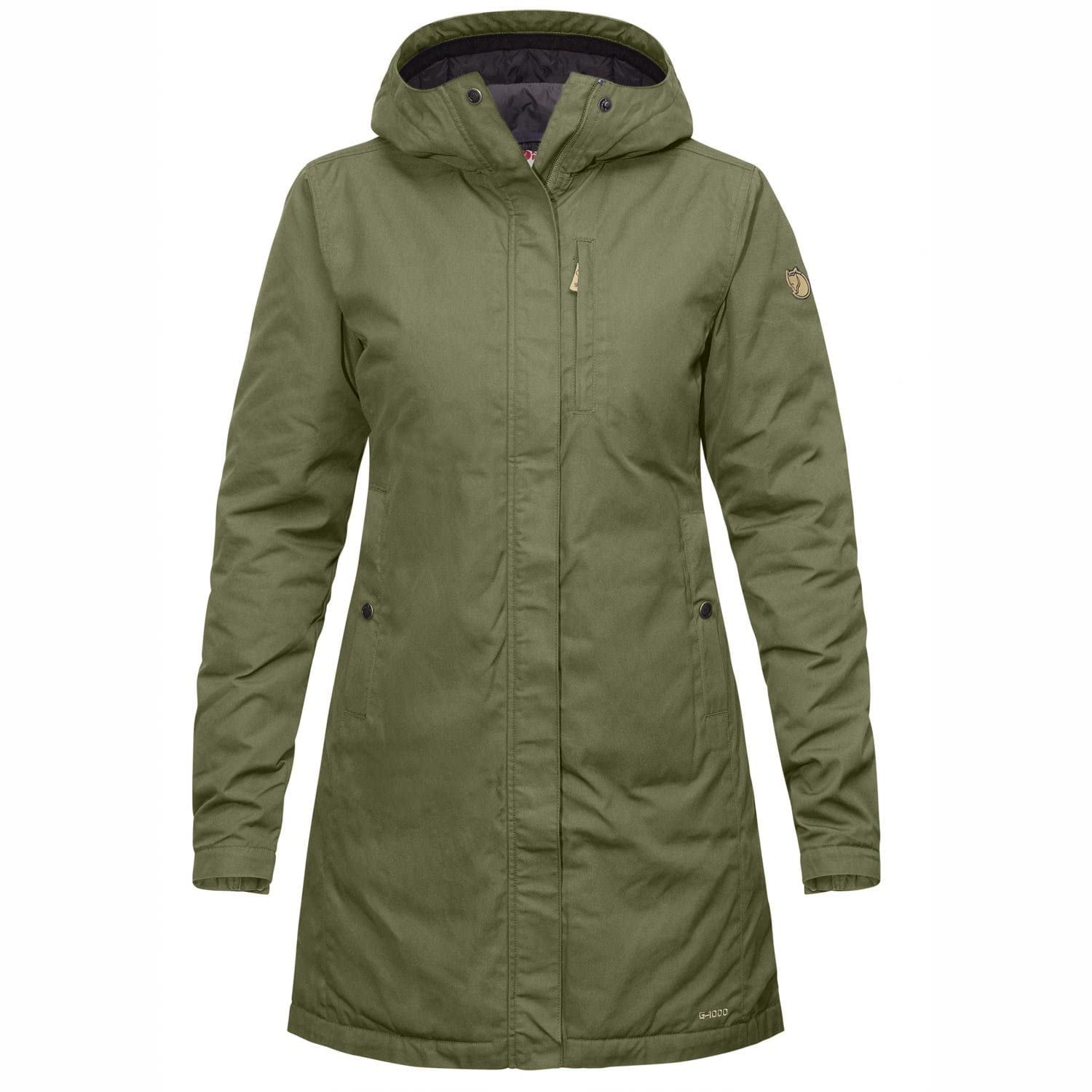
Fjällräven builds the Kiruna Padded Parka around a G-1000 shell (65% recycled polyester, 35% organic cotton) that blocks wind effectively while resisting light precipitation. Inside, PrimaLoft Black Insulation with P.U.R.E. Technology provides synthetic warmth that retains its loft even if the jacket gets damp from melting snow or a wet bench. The two-way front zipper lets you vent heat from the lower half without exposing your chest to cold air — a small detail that makes a big difference when moving between a warm lodge and a freezing outdoor deck.
The fixed, adjustable hood stays put in gusty winds and the extended mid-thigh length covers your lower back and hips when you’re sitting outside. Multiple zippered pockets (two hand, one chest, one inside) keep your phone, lift pass, and wallet secure and dry. Users consistently praise the coat’s wind resistance and overall build quality, though a few mention that the hip cut runs snug on curvier figures — so consider sizing up if you plan to layer a thick knit underneath.
This parka is not designed for high-output uphill skinning or aggressive skiing; the G-1000 fabric and PrimaLoft fill prioritize everyday durability and consistent warmth over packability. For après ski scenarios that blend a snowy village stroll with a long evening at a crowded bar, the Kiruna’s balance of style, weather protection, and insulation makes it the most complete single piece in this guide.
Why it’s great
- Excellent wind block with G-1000 fabric
- PrimaLoft synthetic insulation retains warmth when damp
- Mid-thigh length and multiple zippered pockets
Good to know
- Hip area may fit snugly for curvier builds
- European zipper orientation takes practice to start
2. Helly Hansen LIFALOFT Insulated Ski Jacket
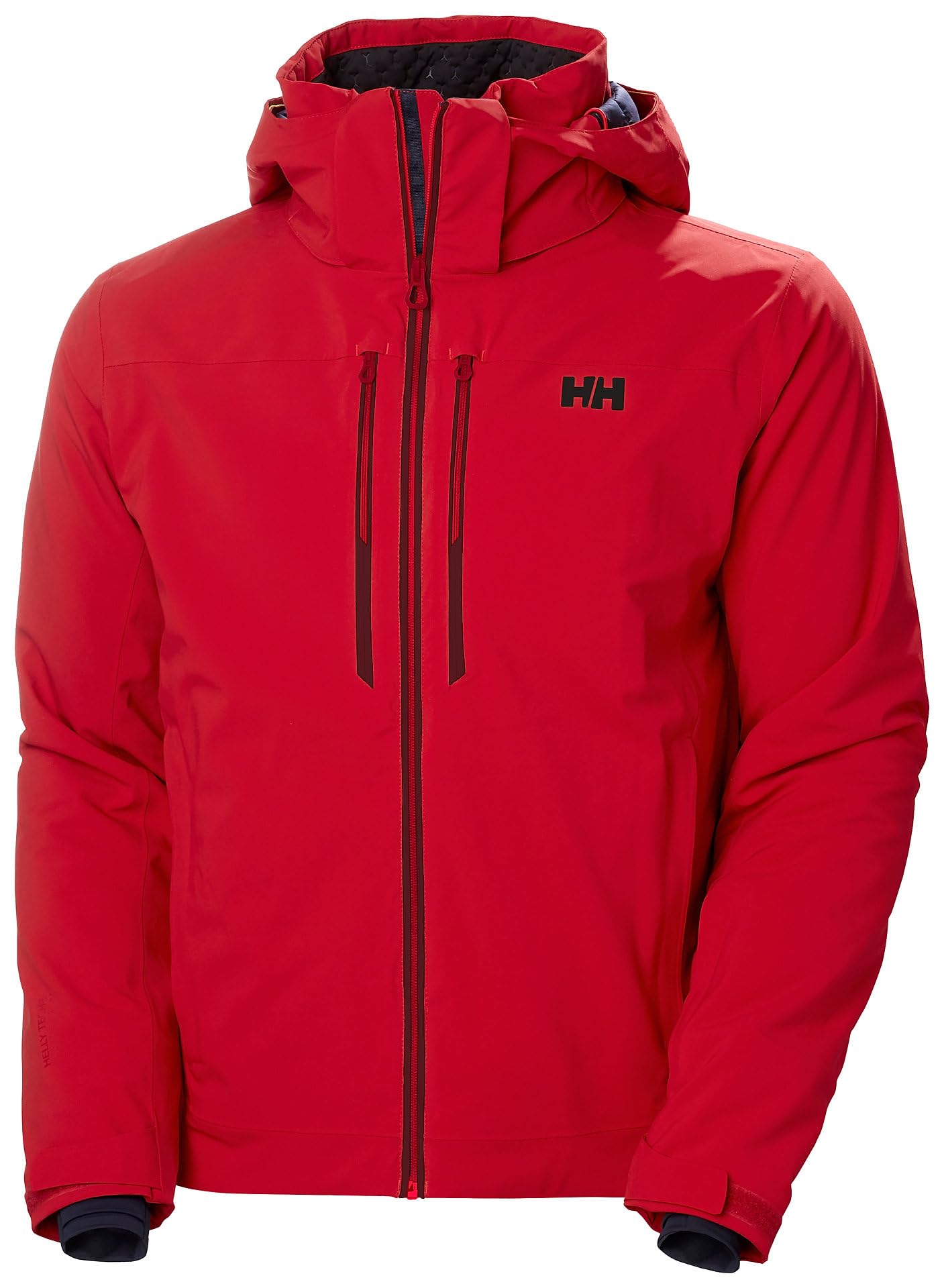
Helly Hansen’s LIFALOFT insulation delivers the warmth of a heavy down jacket without the bulk — a critical advantage when you need to wear the same piece from the first morning chairlift through the last après-ski hour. The water-resistant shell sheds light snow and slush during the walk to the lodge, and the removable hood is helmet-compatible so it transitions seamlessly from slope to bar. A battery saver pocket and RFID sleeve pass pocket cater directly to skiers who want to keep their devices warm and their lift pass accessible without digging through layers.
The jacket runs on the slim side, so if you typically wear a thick mid-layer underneath, consider sizing up one. Users report that LIFALOFT stays warm in conditions from 10°F to 32°F with just a merino base layer — exactly the temperature window where most après activity happens. Vent zips under the arms help dump heat when you move from a brisk walk into a crowded room, and the goggle wiper on the interior pocket is a thoughtful touch for those who swap between goggles and regular glasses.
One notable trade-off: the shell absorbs noticeable moisture during prolonged exposure to heavy wet snow, with the shoulders and sleeves feeling saturated after an extended period outside. For resort skiing followed by lodge time, this is rarely an issue — but if you plan to stand in a snowstorm for an hour without moving, a fully waterproof membrane would serve you better. For the vast majority of skiers, the LIFALOFT’s warmth-to-weight ratio and focused feature set make it the most versatile slope-to-social jacket here.
Why it’s great
- LIFALOFT insulation provides high warmth with low bulk
- Helmet-compatible removable hood and vent zips
- Ski-focused pockets: RFID pass, goggle wiper, battery saver
Good to know
- Slim fit may require sizing up for thick mid-layers
- Shell can saturate in heavy wet snow over time
3. THE NORTH FACE Women’s Aconcagua 3 Jacket

The Aconcagua 3 updates The North Face’s iconic mid-layer into a standalone jacket that excels as a packable après layer. Its 50/50 blend of 600-fill recycled waterfowl down and recycled polyester insulation provides a warmth profile that feels cozy without overheating — ideal for the moderate cold of a lodge or a brisk walk across a snowy parking lot. The WindWall fabric blocks gusts effectively, and the non-PFC DWR finish sheds light snow and drizzle long enough to keep the down dry during short trips outdoors.
This jacket is lightweight enough to stuff into a daypack when the sun comes out, yet structured enough to wear as a main outer layer during après sessions in the 20°F to 40°F range. The standard fit allows room for a thin sweater or fleece underneath without binding at the shoulders, and the zoned sheet insulation in the arms improves freedom of movement compared to older Aconcagua versions. Users consistently confirm that the sizing is true to expectations and that the jacket hits the right balance between stylish urban look and technical outdoor performance.
The main limitation is water resistance: the DWR finish works for light snow but will wet out under sustained rain or heavy wet snowfall, at which point the down loses insulation value until it dries. One reviewer noted the jacket did not hold up when snow accumulated on the shoulders during a ski day. Treat the Aconcagua 3 as an excellent après jacket for resort towns and casual village walks, but pair it with a waterproof shell if you expect hours of active precipitation.
Why it’s great
- Lightweight and packable with high 600-fill down warmth
- WindWall fabric blocks cold gusts effectively
- Recycled materials and zoned insulation for mobility
Good to know
- Down loses insulation when fully wet from heavy snow
- Not a true waterproof jacket for sustained rain
4. Columbia Women’s Red Hills Omni-Heat Snow Boots
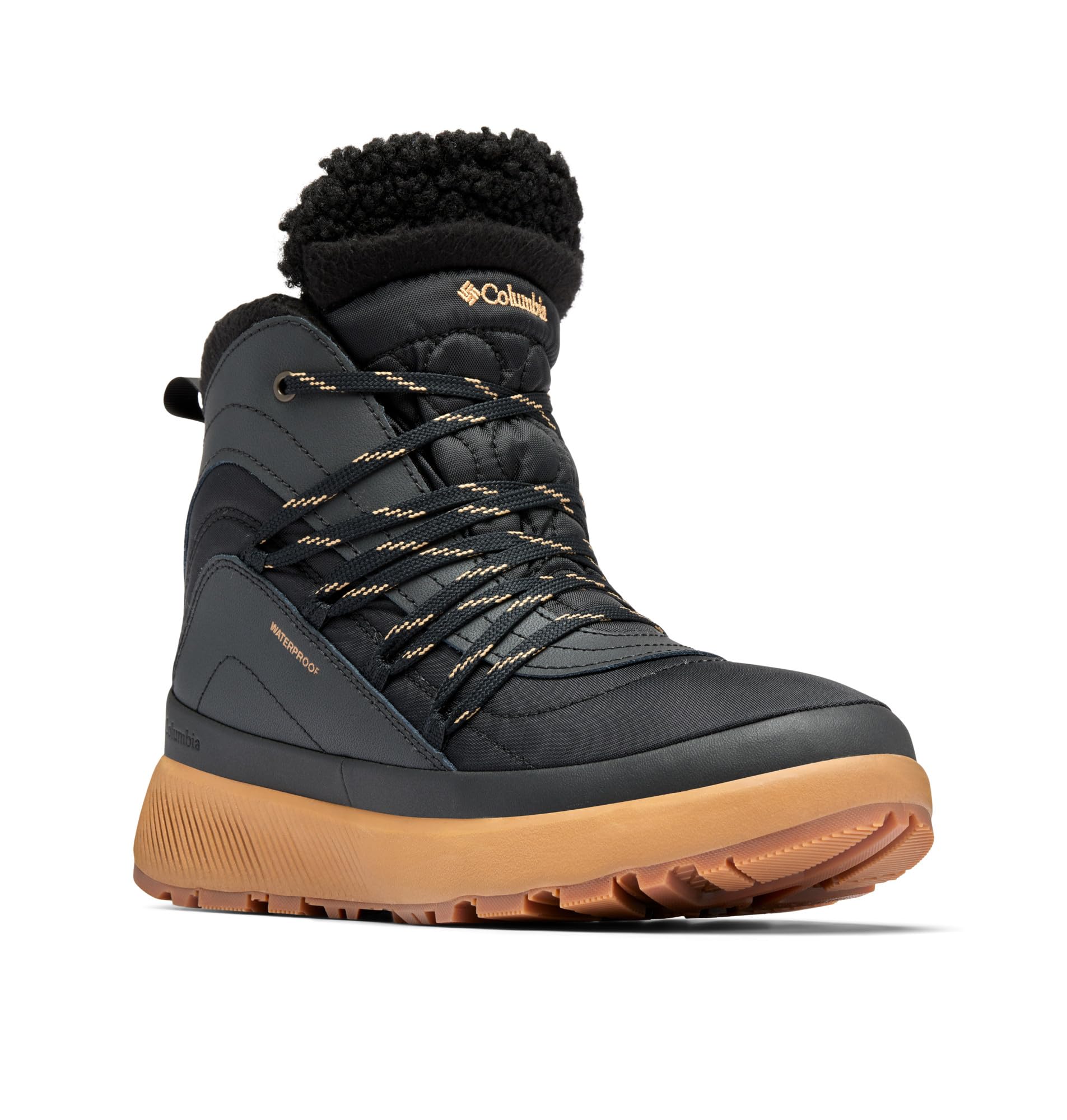
Cold, wet feet ruin any après experience faster than a flat drink. The Columbia Red Hills boots solve this with a fully waterproof construction that keeps slush and snow out while the Omni-Heat thermal reflective lining bounces your body’s heat back at your toes. The high ankle shaft prevents splashing when you step through deep puddles, and the outsole’s aggressive tread pattern delivers reliable grip on icy or slushy surfaces — a common hazard when walking between lodge and parking lot.
At just over typical snow boot weight, these feel more like insulated high-top sneakers than clunky winter boots, making them comfortable for extended walking around the village or even a mile-long hike. Users with plantar fasciitis report noticeable relief from the supportive heel, and the slip-on design (with laces that don’t constantly need retying) makes them convenient for quick transitions between car and cabin. Multiple reviewers confirm the warmth in temperatures down to the low 20s without needing thick wool socks, though sizing up half a size is recommended to accommodate thicker socks or a wider foot.
One caveat: the slim ankle fit combined with relatively short laces can feel snug for those with wider calves or heavy boot-cut pants tucked inside. The boots perform best with slim-fit snow pants or leggings. For the price, the Red Hills boot offers an outstanding warmth-to-weight ratio and genuine waterproof confidence that makes it the best dedicated après footwear option in this guide.
Why it’s great
- Lightweight build with Omni-Heat reflective warmth
- Fully waterproof with excellent slush traction
- Comfortable for hours of walking, supportive for plantar fasciitis
Good to know
- Ankle a slim fit; size up if wearing thick socks
- Laces may be short for some boot lacing preferences
5. UGG Women’s Water Resistant Sheepskin Earmuffs
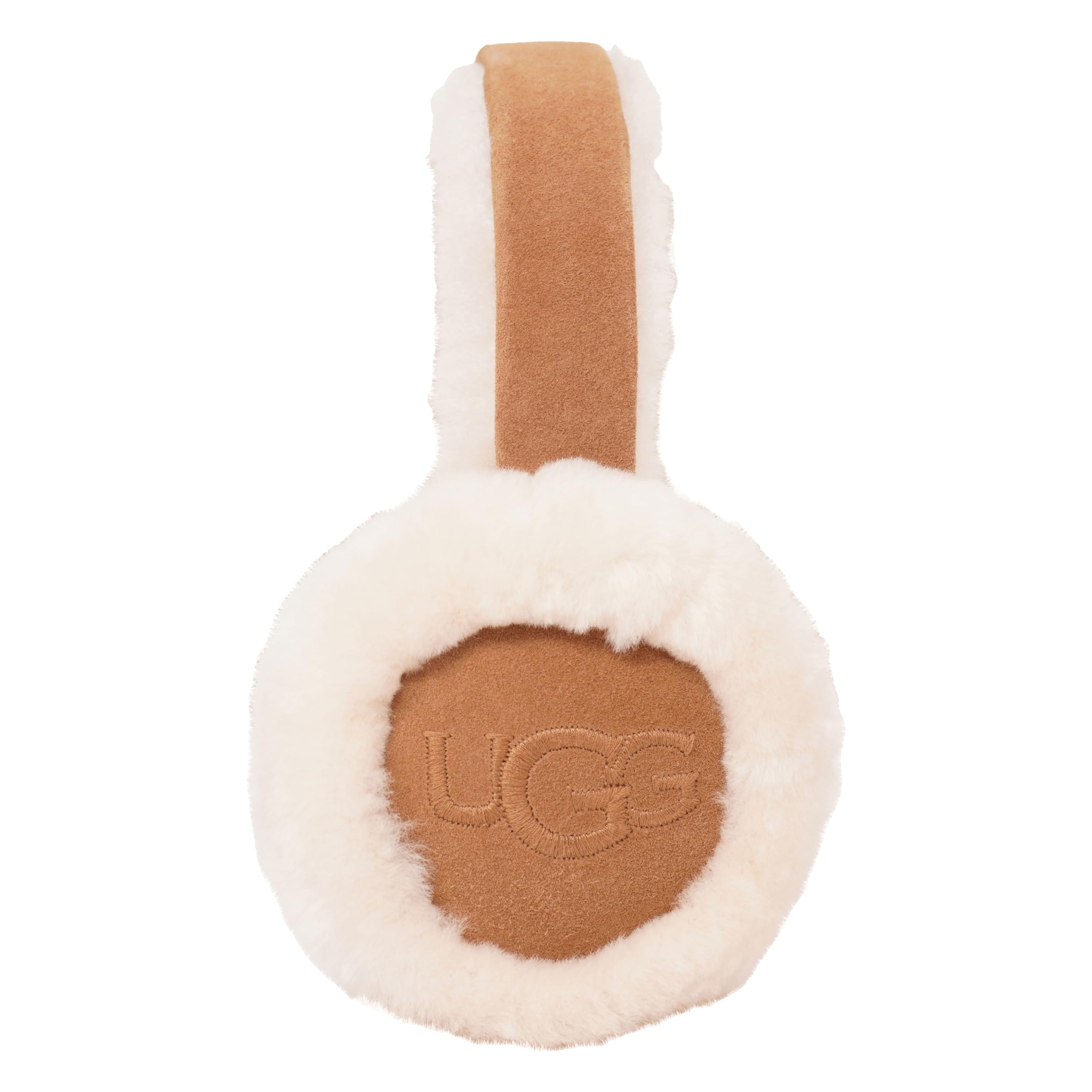
A good pair of earmuffs is an après ski essential for anyone who wants to keep their ears warm without messing up their hair or dealing with hat hair. UGG’s sheepskin earmuffs deliver precisely that: the plush sheepskin lining traps heat directly over your ears while the water-resistant exterior sheds light snow. The non-slip headband stays firmly in place whether you are leaning over a table or walking briskly — no constant readjustment needed.
Users of all ages and head sizes consistently describe these as the warmest earmuffs they have ever worn, with the soft sheepskin conforming comfortably without generating static or itchiness. The build quality feels substantial, with no flimsy wires or detaching fur reported across hundreds of reviews. The classic UGG aesthetic pairs naturally with the typical après uniform of jeans, sweaters, and puffer jackets, making them more versatile than a bulky beanie for social settings.
As a pure thermal accessory, these earmuffs serve a single job and do it exceptionally well. They do not cover your forehead or neck, so they are best paired with a warm jacket hood or a scarf on very cold days. For the many resort towns where temperaments hover in the 20s and 30s, these earmuffs provide precise warmth exactly where you need it and leave the rest of your head free — a small piece of gear that makes a surprisingly large difference in comfort during a long après evening.
Why it’s great
- Sheepskin provides exceptional warmth for the ears
- Non-slip headband stays put without adjusting
- Water-resistant exterior handles light snow
Good to know
- Only covers ears — needs a scarf or hood for full coverage
- One specific function; not a multi-use accessory
6. Skieer Women’s Waterproof Ski Jacket

The Skieer Women’s Waterproof Ski Jacket punches far above its weight class in the budget tier. The outer shell is genuinely waterproof — confirmed by multiple users who stayed completely dry during snowstorms — while the interior fleece liner adds a layer of soft warmth that feels comfortable against bare arms. The jacket includes multiple pockets, a solid zipper, and an adjustable hood with pulleys that keep the hood secure even in gusty wind.
One of the most surprising strengths for après use is the jacket’s light weight and unrestricted mobility. Cross-country skiers in particular praise the Skieer for keeping them warm during active cold-weather use (reported as effective down to 0°F wind chill) without the bulk that traps heat during low-output lodge time. The fit runs true to size and accommodates a hoodie underneath without feeling cramped, which makes it a versatile layering piece for both active ski days and relaxed social hours.
Two real-world downsides appear consistently in user feedback: the side Velcro flaps at the hem can be annoying if left unfastened (they can obstruct peripheral vision when you look down), and the jacket does not offer the premium fabric feel or long-term durability guarantee of more expensive competitors. For someone assembling their first après wardrobe on a tight budget or looking for a reliable waterproof shell to wear over a thicker mid-layer, the Skieer delivers essential weather protection without breaking the bank.
Why it’s great
- Genuinely waterproof shell at an entry-level price
- Lightweight and unrestricted — excellent for active use
- Lots of pocket space and a secure adjustable hood
Good to know
- Side Velcro flaps can obstruct vision if not fastened
- Fabric feel and durability below premium competitors
7. Flygo Women’s Faux Fur Coat
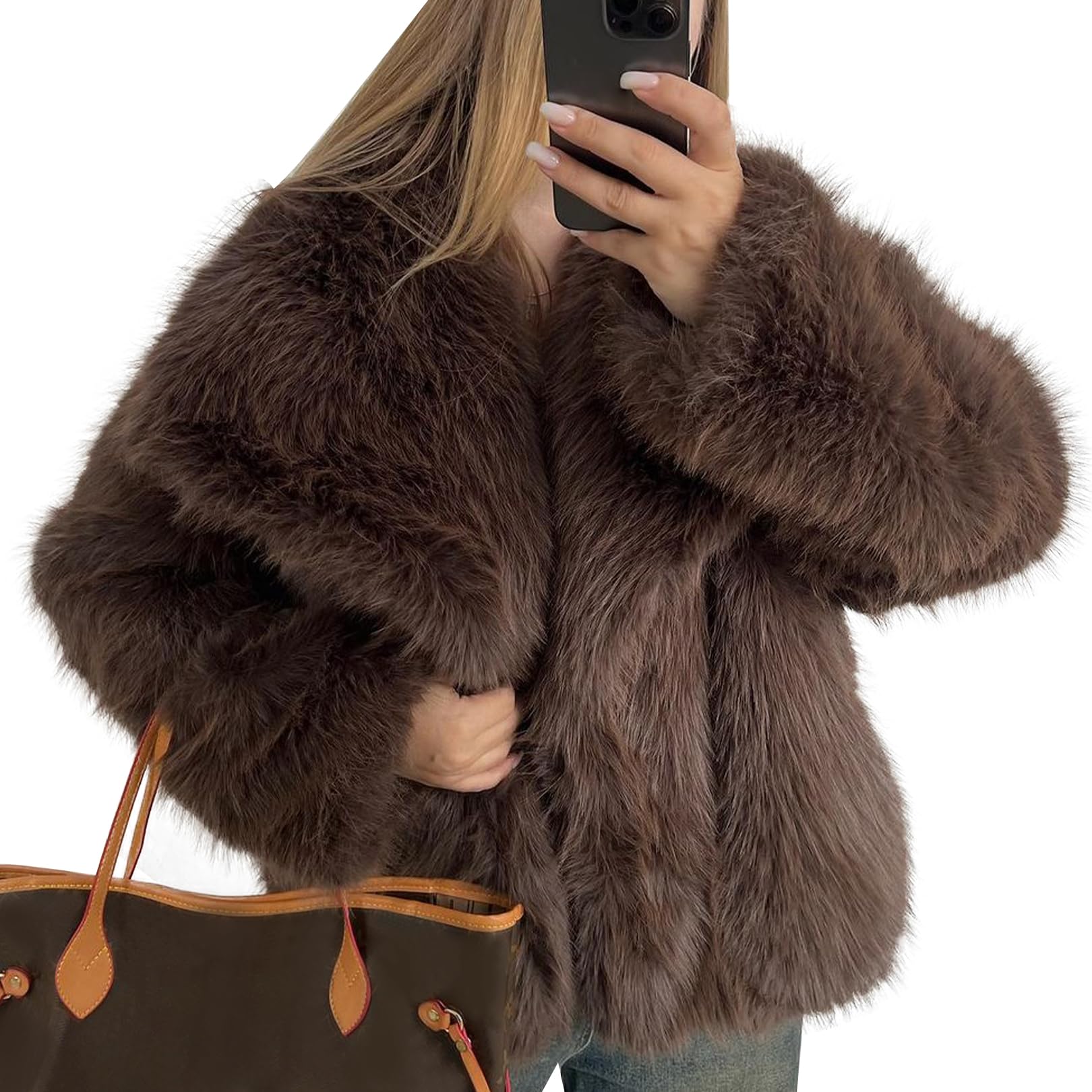
Sometimes after a powder day you want to make a statement, and the Flygo faux fur coat delivers the shaggy, glamorous lodge look without the ethical concerns or massive price tag of real fur. The acrylic fur is surprisingly soft — multiple users describe it as more realistic than expected — and the heavy weight (2.24 pounds for a medium) gives the coat a substantial feel that drapes nicely rather than looking cheap or flimsy. Pockets are standard but functional, and the internal lining is similar to a typical coat lining, not fur.
The coat runs large: tall users at 5’9″ find that a Medium provides an oversized, trendy fit with sleeves hitting the knuckles, while petite users at 5’4″ find a Small still roomy enough to layer a sweater underneath. The warmth is genuine — reviewers report it as warm enough for NYE outings and everyday wear — though the fit is more suited to standing and mingling than active movement. The lack of tags on some units and occasional vacuum-sealed packaging that crushes the fur out of shape on arrival are the most common quality notes, but the fur recovers with a quick fluff.
Wash instructions matter here: do not put this coat in a dryer, as the heat will damage the synthetic fibers and cause the fur to singe or mat. Air drying flat is the only safe method. If your après scene leans toward the fashionable side — think champagne at the lodge bar rather than hot wings at the dive — the Flygo coat delivers a fantastic visual impact and decent warmth at an almost absurdly low cost.
Why it’s great
- Bold, high-fashion lodge look without the real-fur cost
- Soft, realistic faux fur that runs true to size with room for layers
- Surprisingly warm and heavy for the price
Good to know
- Do not machine dry — heat damages the synthetic fur fibers
- Occasional packaging issues (missing tag, crushed fur)
FAQ
Should I wear my ski jacket for après or change into a different coat?
Why does synthetic insulation matter more for après than down?
How important is waterproofing for an après boot?
Final Thoughts: The Verdict
For most users, the best apres ski gear winner is the Fjällräven Kiruna Padded Parka because it combines a wind-blocking G-1000 shell with PrimaLoft insulation that stays warm even when damp, wrapped in a stylish mid-thigh length perfect for village life. If you want a single jacket that works from first chair through last call, grab the Helly Hansen LIFALOFT Insulated Ski Jacket. And for the budget-conscious fashionista who wants to turn heads at the lodge without spending a fortune, nothing beats the Flygo Women’s Faux Fur Coat.