
Settling into a split-step, you push off hard into a cross-court forehand. The last thing you want is a shoe that gives way under lateral load, blisters your heel by the second set, or feels like a concrete slab after three hours of baseline rallies. All-day tennis shoes must deliver a rare combination of durable outsole traction, responsive midsole cushioning that doesn’t flatten mid-match, and a secure upper that locks the foot without pinching — all while surviving the abrasion of hard court pivots and slides.
I’m Min — the co-founder and writer behind Gadgets Feed. I’ve spent countless hours analyzing outsole rubber compounds, midsole foam densities, and chassis support systems across dozens of court-specific models to identify the shoes that genuinely sustain comfort and stability from the first serve to the final match point.
After cross-referencing real-user feedback on durability across different play styles and foot shapes, I’ve narrowed the field to the nine models that truly earn their reputation. This is the definitive guide to choosing the best all-day tennis shoes for your specific game and foot type.
How To Choose The Best All-Day Tennis Shoes
The difference between a mediocre court shoe and a great all-day tennis shoe comes down to three interconnected systems: the midsole’s ability to resist compression set over hours, the outsole’s grip-to-durability balance on hard courts, and the upper’s lockdown without creating hot spots. Beginners often prioritize plush cushioning alone, only to find the foam bottoms out by mid-session on a hard court. The most successful picks balance these three elements for the specific demands of tennis — sudden lateral stops, repetitive toe drag on serves, and the constant low-level impact of quick directional changes.
Midsole Foam and Cushioning Architecture
All-day tennis shoes need a midsole that delivers both immediate softness and long-term resilience. Standard EVA compresses faster under repetitive loading, while proprietary formulations like New Balance’s Fresh Foam X, ASICS’ FlyteFoam, and Altra’s EGO MAX use nitrogen-infused or supercritical processes to maintain rebound over hours of play. A stack height in the 25–30mm range offers adequate impact protection without sacrificing court feel — shoes that go too high (over 35mm) can feel unstable during lateral cuts.
Outsole Traction and Hard Court Durability
The outsole rubber compound determines both grip and longevity. Wilson’s Duralast, ASICS’ PGUARD, and Skechers’ Goodyear Performance Outsole are engineered for abrasion resistance on hard courts. A herringbone or modified herringbone tread pattern provides multidirectional grip for slides and pivots, while a flatter, denser tread improves durability but can reduce bite on loose surfaces. Look for shoes with a full-length or reinforced toe-and-heel rubber wrap — these high-wear areas typically fail first on aggressive players.
Lateral Stability and Chassis Support
Ten minutes of aggressive baseline play generates hundreds of lateral loading events on the foot. A shoe’s chassis — whether an external heel counter, a midfoot shank, or a full-length support frame like Wilson’s 4D Support Chassis or ASICS’ TWISTRUSS — resists supination and torsion during cutting motions. Shoes that rely solely on upper overlays for stability tend to break down faster. A dedicated chassis system also helps distribute impact forces more evenly across the foot, reducing fatigue in the arches and ankles over multiple sets.
Upper Construction and Foot Lockdown
The upper must balance breathability, structure, and flex. A single-layer engineered mesh allows ventilation but may lack support for aggressive movers; a fused or layered mesh with internal reinforcement straps improves lockdown without adding significant weight. The heel counter should wrap the calcaneus snugly without slipping — any heel lift during lateral movement increases blister risk. The toe box volume is equally critical: a too-narrow toe box causes bunion irritation on the push-off step, while an excessively wide toe box sacrifices lateral control. Models like the Altra Torin 8 with a FootShape toe box offer the widest natural toe splay, while the Wilson Rush Pro Ace provides a more spacious fit compared to its narrower stablemate.
Quick Comparison
On smaller screens, swipe sideways to see the full table.
| Model | Category | Best For | Key Spec | Amazon |
|---|---|---|---|---|
| ASICS Court FlyteFoam 3 | Premium | Aggressive lateral movers | TWISTRUSS & PGUARD outsole | Amazon |
| Hoka Arahi 7 | Premium | Stability with plush ride | J-Frame™ stability technology | Amazon |
| On The Roger Advantage | Premium | Court style + all-day wear | CloudTec® concealed outsole | Amazon |
| Altra Torin 8 | Premium | Wide toe box & zero-drop fans | EGO MAX midsole / 0mm drop | Amazon |
| New Balance Fresh Foam X More V5 | Mid-Range | Maximum underfoot plushness | Fresh Foam X / 360° comfort | Amazon |
| Skechers Men’s Max Cushioning Glide Step | Mid-Range | Hands-free slip-in convenience | Goodyear outsole / 2.1 lb | Amazon |
| Brooks Revel 8 | Mid-Range | Lightweight neutral walking/running | 8mm drop / 8.7 oz | Amazon |
| Wilson Rush Pro Ace | Budget | Recreational players on a budget | 4D Support Chassis / Duralast | Amazon |
| Skechers Women’s Go Walk Glide Step 2.0 | Budget | Casual court-side walking | Air-Cooled Goga Mat / 2 lb | Amazon |
In‑Depth Reviews
1. ASICS Men’s Court FlyteFoam 3 Tennis Shoes
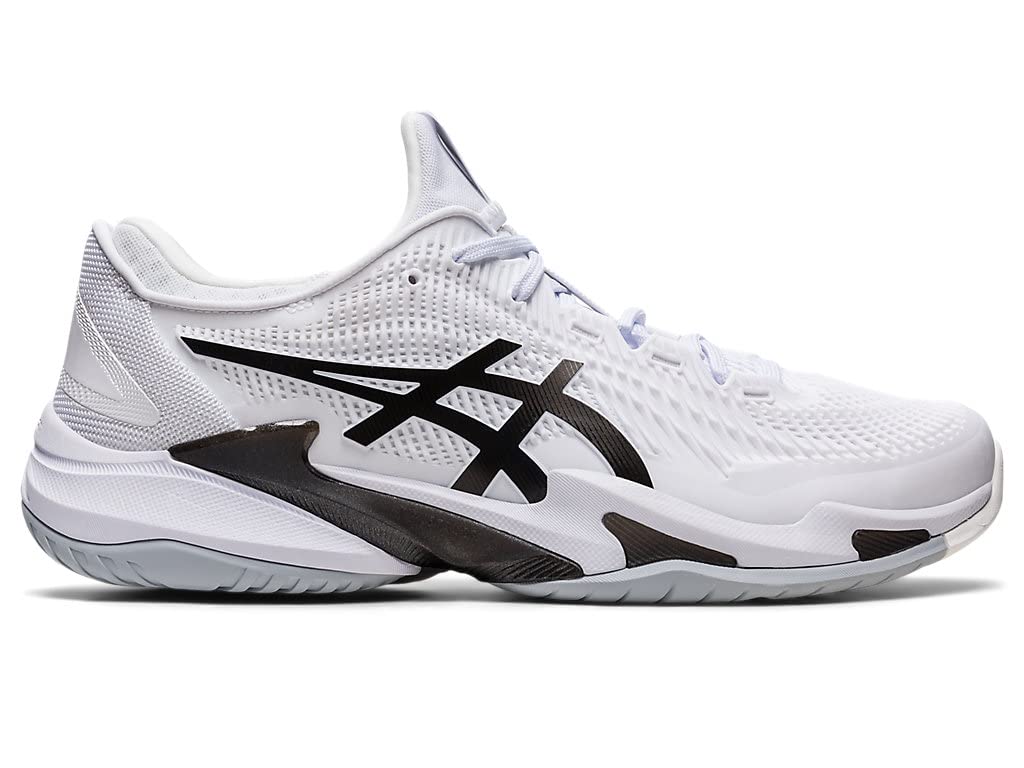
The ASICS Court FlyteFoam 3 packs the brand’s densest court technology into a package that prioritizes lateral quickness and outsole longevity. The FlyteFoam midsole delivers lightweight impact absorption without the spongy feeling that can delay transition steps, while the forefoot GEL unit specifically targets the high-repetition loading zone during split-steps and approach shots. At roughly 2 pounds, this shoe is heavier than a pure running shoe, but the mass is distributed evenly — you never feel sluggish during direction changes.
The TWISTRUSS system runs through the midfoot to resist torsional twisting during wide cuts, and the PGUARD outsole reinforcement in the toe and heel significantly extends lifespan on hard courts. The monosock construction eliminates a traditional tongue, which improves fit consistency but does make entry snug — several users recommend a shoe horn for initial wear. The upper mesh is reinforced at the medial and lateral sides to prevent blowouts during aggressive toe drag.
Cushioning sits in the moderate-to-high range, making this a versatile choice for players who want protection without losing ground feel. The heel counter is structured and holds the calcaneus securely, minimizing lift during explosive first steps. For players who prioritize cutting stability and outsole durability over a plush step-in feel, the Court FlyteFoam 3 is the most technically complete all-day tennis shoe in this lineup.
Why it’s great
- TWISTRUSS chassis provides exceptional lateral stability for aggressive cutters.
- PGUARD outsole reinforcement dramatically improves hard court durability.
- FlyteFoam midsole maintains rebound over multiple sets without compressing flat.
Good to know
- Monosock construction makes initial entry tight; a shoe horn is almost required.
- Heavier than some neutral court shoes at roughly 2 pounds per shoe.
- Premium price point may feel high for casual recreational players.
2. Hoka ONE ONE Womens Arahi 7
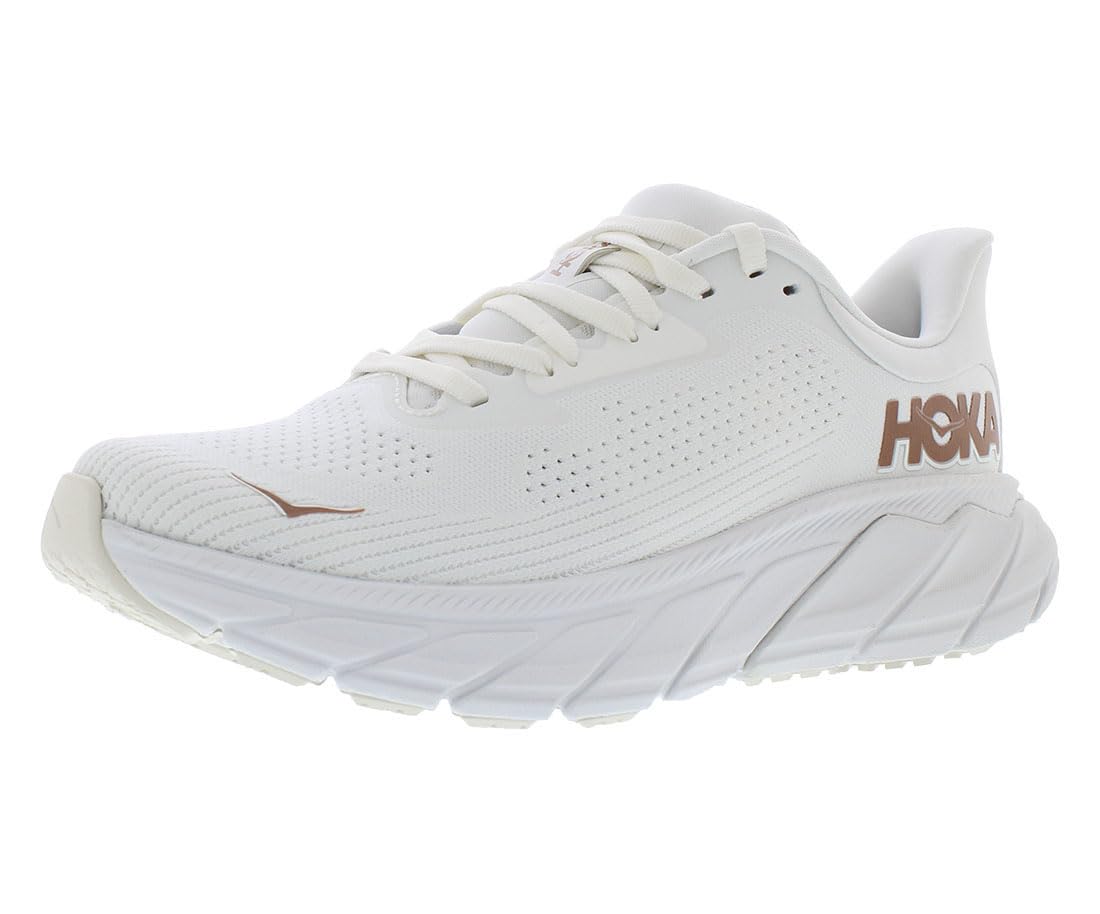
The Hoka Arahi 7 redefines the stability category for court-adjacent wear by embedding its patented J-Frame technology into a plush, high-cushion platform. Unlike traditional medial posts that feel firm and intrusive, the J-Frame wraps the midsole from heel to forefoot on the medial side, providing targeted support for overpronators without a harsh transition. The zonally engineered flat knit upper improves midfoot lockdown with a plusher tongue and a stretchy dual gusset that prevents tongue migration during rapid movement.
Hoka’s signature thick stack height delivers exceptional impact attenuation for players who land hard on their heels during baseline rallies or serve-and-volley transitions. The outsole uses a durable rubber compound with a pronounced tread pattern that offers reliable grip on hard courts, though it is not specifically optimized for the multidirectional traction demands of tennis compared to dedicated court shoes. The shoe weighs in around 3 pounds per pair, making it one of the heavier options in this guide — but the weight is well-distributed and the cushioning payoff is immediate.
Users recovering from posterior tibial tendon injuries or general foot fatigue report significant pain reduction after switching to the Arahi 7. The heel counter is snug without being abrasive, and the gusseted lace system works well for medium-to-high volume feet. For players who want stability without sacrificing a plush, modern ride feel — and who prioritize recovery between sessions — the Arahi 7 is a standout choice.
Why it’s great
- J-Frame stability system supports overpronators without a harsh medial post feel.
- Plush high-stack midsole delivers excellent impact attenuation for hard court landings.
- Flat knit upper with stretchy gusset provides a secure, migration-free fit.
Good to know
- Heavier build (around 3 lb per pair) may feel cumbersome for quick lateral movements.
- Outsole tread is general-purpose, not optimized specifically for tennis slide-and-pivot patterns.
- High stack height reduces court feel for players who prefer a lower-to-ground connection.
3. On Women’s The Roger Advantage Sneakers
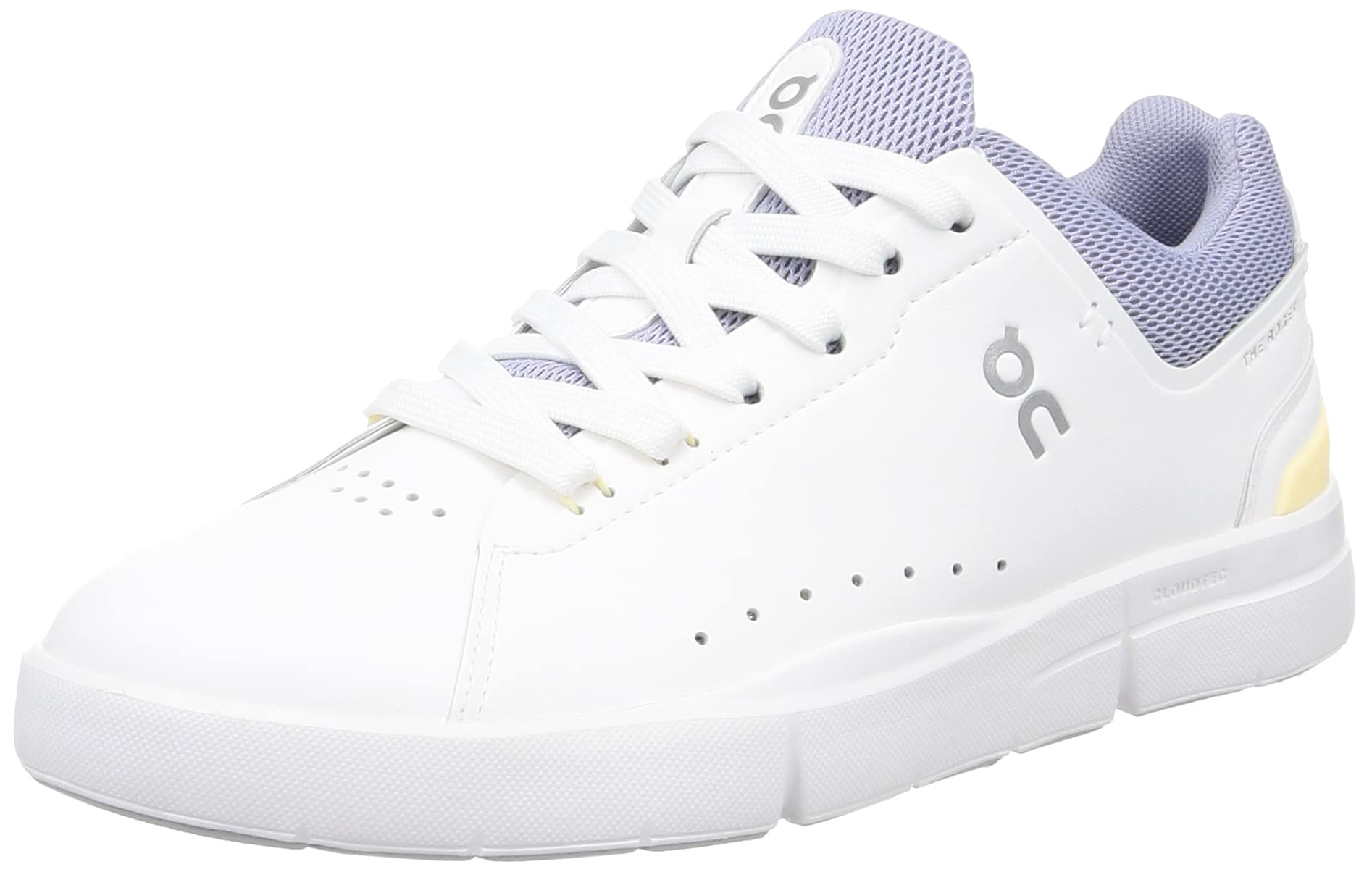
The On Roger Advantage brings Swiss-engineering into the court-fashion crossover space with a subtle CloudTec outsole that provides responsive cushioning without the exaggerated platform look of many max-cushion shoes. The upper uses a soft-touch vegan leather combined with a mesh tongue, creating a structure that polishes up well for off-court wear while still offering enough flex for light court movement. The CloudTec pods compress under heel strike and lock into position for a stable platform during stance and pivot — ideal for players who transition from post-match errands to social settings without switching shoes.
At roughly 1.75 pounds per pair, this is one of the lighter options in the premium tier, which contributes to an agile feel during walking and light jogging on the sidelines. The arch support is described by multiple users as substantial enough for all-day standing on hard surfaces, and the sole thickness provides solid ground isolation without losing all surface feedback. The shoe runs true to size for most foot shapes, though some users with narrow heels recommend sizing down half a step for a snugger lockdown at the back.
The Roger Advantage is not a dedicated performance tennis shoe — its outsole lacks the aggressive herringbone pattern and lateral reinforcement required for high-intensity cutting. Where it excels is as a premium all-day shoe that looks refined enough for the clubhouse while delivering the Swiss-engineered comfort On is known for. For players who value style and walkability equally with court time, this is a compelling premium option.
Why it’s great
- CloudTec outsole provides a stable, responsive platform without a bulky appearance.
- Lightweight construction (~1.75 lb per pair) enhances all-day wearability.
- Vegan leather upper transitions seamlessly from court to casual social settings.
Good to know
- Outsole lacks dedicated tennis-specific herringbone traction for high-intensity cutting.
- Upper does not include lateral reinforcement for aggressive multidirectional movement.
- Some users with narrow heels may need to size down for a secure heel lock.
4. ALTRA Women’s Torin 8 Road Running Shoe
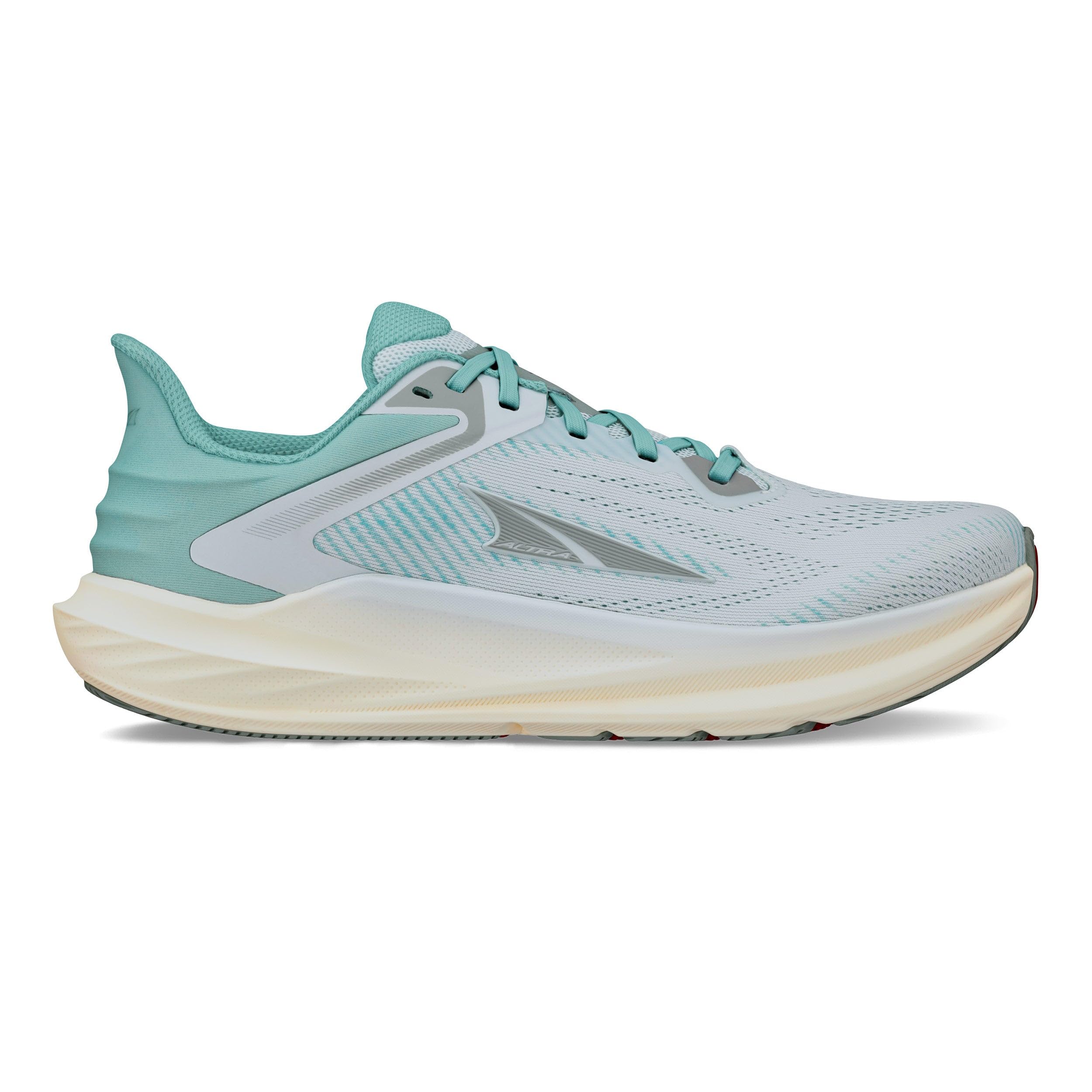
Altra’s Torin 8 breaks from traditional tennis shoe geometry by offering a zero-drop platform (30mm heel / 30mm forefoot) paired with the brand’s signature FootShape toe box, which allows the toes to splay naturally during push-off and landing. The EGO MAX midsole is a nitrogen-infused foam that sits at the premium end of Altra’s cushioning spectrum — it delivers a soft yet responsive feel that doesn’t bottom out during longer sessions. For players with Morton’s neuroma, bunions, or general forefoot sensitivity, the roomy toe box alone can eliminate foot pain that conventional narrow court shoes cause.
The FootPod outsole technology mirrors the natural flex points of the foot, encouraging the shoe to move with the body rather than against it. This flexibility is a double-edged sword on the court — it promotes natural movement but offers less torsional rigidity than a dedicated tennis chassis like TWISTRUSS. The breathable jacquard mesh upper molds to the midfoot securely, and the heel collar is padded sufficiently to prevent irritation. Weighing only 8.4 ounces per shoe, the Torin 8 is remarkably light for a max-cushion shoe.
Multiple users report that the Torin 8 requires zero break-in — it performs well straight out of the box for walking, jogging, and light court use. The zero-drop geometry demands an adjustment period for players accustomed to a raised heel, but once adapted, the natural foot position can reduce lower leg strain and improve balance during stance. For players seeking relief from toe crowding and a more natural foot position, the Torin 8 delivers uncommon comfort at a premium price.
Why it’s great
- FootShape toe box provides exceptional toe splay for natural push-off mechanics.
- EGO MAX midsole delivers responsive, nitrogen-infused cushioning that resists compression.
- Zero-drop platform promotes a natural foot position and can reduce lower leg strain.
Good to know
- Lacks a dedicated lateral support chassis for aggressive tennis cutting motions.
- Zero-drop geometry requires an adaptation period for players used to raised heels.
- FootPod outsole flexibility may feel unstable for explosive direction changes.
5. New Balance Women’s Fresh Foam X More V5

The New Balance Fresh Foam X More V5 is the closest thing to walking on a cloud while maintaining structural integrity for all-day court-side wear. Fresh Foam X is New Balance’s most advanced cushioning compound — it uses a proprietary nitrogen-infused process to create a plush yet resilient midsole that has earned praise from users with chronic foot conditions like sciatica and lymphedema, who report complete all-day comfort without pain. The stack height is among the highest in this guide, offering maximum impact protection for players who spend long hours on hard floors or acrylic courts.
Unlike many max-cushion shoes that sacrifice stability, the More V5 features a wide base and a structured heel counter that helps control pronation. The engineered mesh upper is highly breathable and accommodates wide feet comfortably — multiple users with bunions or swelling report that the D-width and standard-width versions both offer excellent fit. The outsole uses a rubber compound with strong traction coverage across the full contact patch, though it lacks the specific court-focused tread pattern of a dedicated tennis shoe.
The shoe has proven durable across heavy use, with some users reporting over 1.5 years of daily wear before needing replacement. The Fresh Foam X midsole retains its shape significantly longer than standard EVA, resisting the compression set that turns cheaper shoes into flat slabs after a few months. For players who prioritize pure underfoot comfort and have a neutral to mildly overpronating gait, the More V5 is the most comfortable shoe in this lineup.
Why it’s great
- Fresh Foam X delivers premium nitrogen-infused cushioning that resists long-term compression.
- Wide base and structured heel counter provide stability for overpronators.
- Exceptional all-day comfort suitable for users with chronic foot conditions.
Good to know
- Max cushion stack height reduces court feel and ground connection.
- Outsole tread is general-purpose, not optimized for tennis-specific sliding and pivoting.
- Heavier build than neutral court shoes, which may affect agility on quick direction changes.
6. Skechers Men’s Max Cushioning Glide Step Advert Hands Free Slip-ins
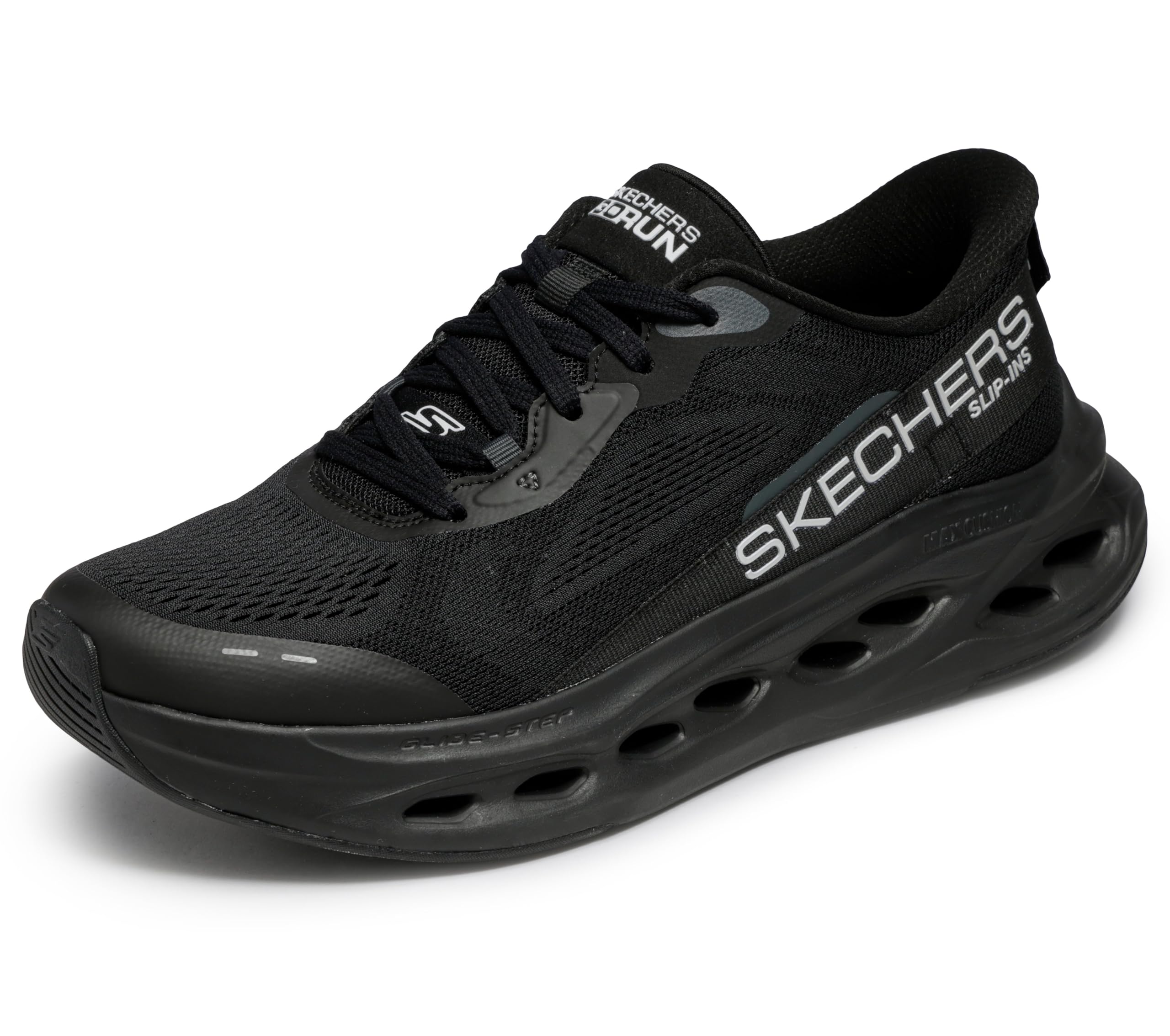
Skechers’ Max Cushioning Glide Step represents the brand’s most ambitious court-shoe crossover, combining a Goodyear Performance Outsole with a thick, cloud-like midsole and a hands-free slip-in design. The Glide-Step technology creates a rocker-like motion that propels the foot forward with each step — reducing the energy cost of walking between points or during extended court-side standing. The Air-Cooled Goga Mat insole adds a layer of moisture-wicking comfort that keeps the foot cool during warm matches.
The Goodyear outsole is a significant upgrade over standard rubber, providing exceptional abrasion resistance on hard courts while maintaining reliable grip for lateral movements. Users working 12-hour shifts on hard floors report that the cushioning holds up without flattening, and the hands-free design eliminates the need to bend over and retie laces between games. The shoe weighs roughly 2.1 pounds per pair — slightly heavier than the average court shoe, but the weight is offset by the effortless step-in convenience and the rocker-assisted stride.
The fit is true to size according to most users, with a standard D width that accommodates most foot shapes without feeling loose. The engineered mesh upper is breathable and flexible, but lacks the rigid lateral overlays found on dedicated tennis shoes — this limits its performance during aggressive cutting but improves all-day comfort for straight-line walking and light court movement. For recreational players who want easy on/off access and reliable outsole durability, the Glide Step delivers premium-level features at a mid-range investment.
Why it’s great
- Goodyear Performance Outsole offers exceptional hard court abrasion resistance.
- Hands-free slip-in design provides unparalleled convenience for quick court entry/exit.
- Glide-Step rocker reduces walking fatigue between points and during extended standing.
Good to know
- Lacks rigid lateral upper overlays for high-intensity tennis cutting motions.
- Rocker design may feel unnatural during sudden stops and direction changes.
- Heavier than dedicated performance court shoes at roughly 2.1 lb per pair.
7. Brooks Men’s Revel 8 Neutral Running & Walking Shoe
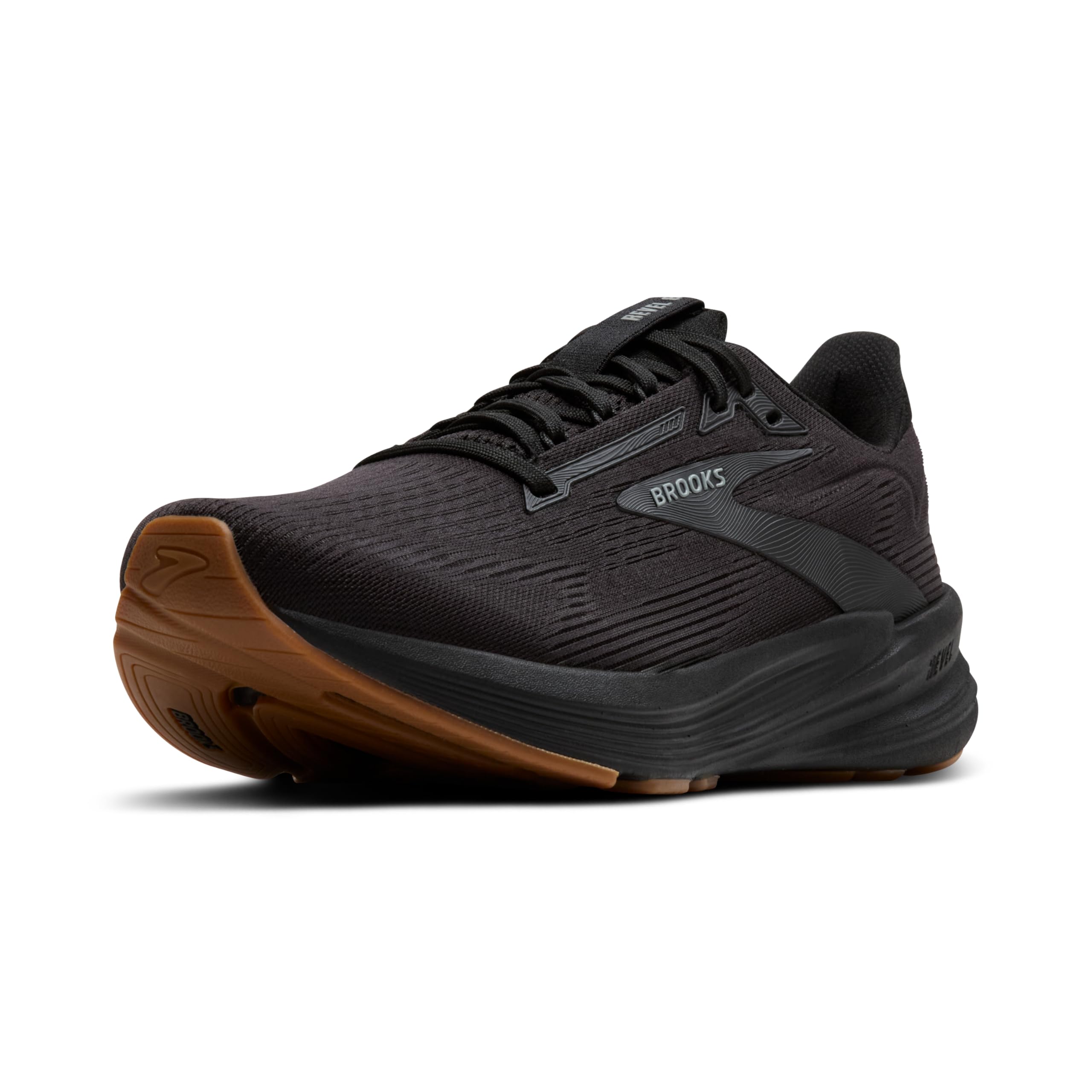
The Brooks Revel 8 is a neutral everyday trainer that bridges the gap between road running and light court use. Built with an 8mm drop and a standard cushion level, it offers a balanced feel that works well for walking laps around the court during warm-ups, running lines, and general movement training. The midsole uses Brooks’ proprietary cushioning that sits between the softer Ghost and the more responsive Launch — it provides enough impact absorption for light jogs without the excessive plushness that can delay weight transfer during quick movements.
At only 8.7 ounces per shoe for the men’s model, the Revel 8 is the lightest option in this guide, making it an appealing choice for players who prioritize speed and agility over maximum cushioning. The upper uses a breathable mesh with fused overlays that provide structure without adding weight, and the fit runs true to size — though multiple users recommend ordering a full size larger if you have wider feet or prefer a roomier toe box. The outsole uses a durable rubber compound with a striped traction pattern that works well on dry hard courts, though it lacks the multidirectional grip of a herringbone pattern.
The Revel 8 is not a dedicated tennis shoe — it lacks the lateral support chassis and reinforced toe drag protection that aggressive movers require — but it excels as a lightweight, breathable training companion for players who spend more time on movement drills and match warm-ups than on competitive baseline rallies. For the price, it offers excellent value as a secondary court shoe or a primary option for recreational players with a neutral gait.
Why it’s great
- Exceptionally lightweight at 8.7 oz, promoting quick footwork and agility.
- Balanced cushioning works well for warm-up jogs and light movement training.
- Breathable mesh upper with fused overlays provides good ventilation without bulk.
Good to know
- No dedicated lateral support chassis for tennis-specific cutting motions.
- Outsole traction pattern is optimized for road running, not multidirectional court play.
- Runs narrow; most users need to size up a full size for a comfortable fit.
8. WILSON Men’s Rush Pro Ace Tennis Shoes
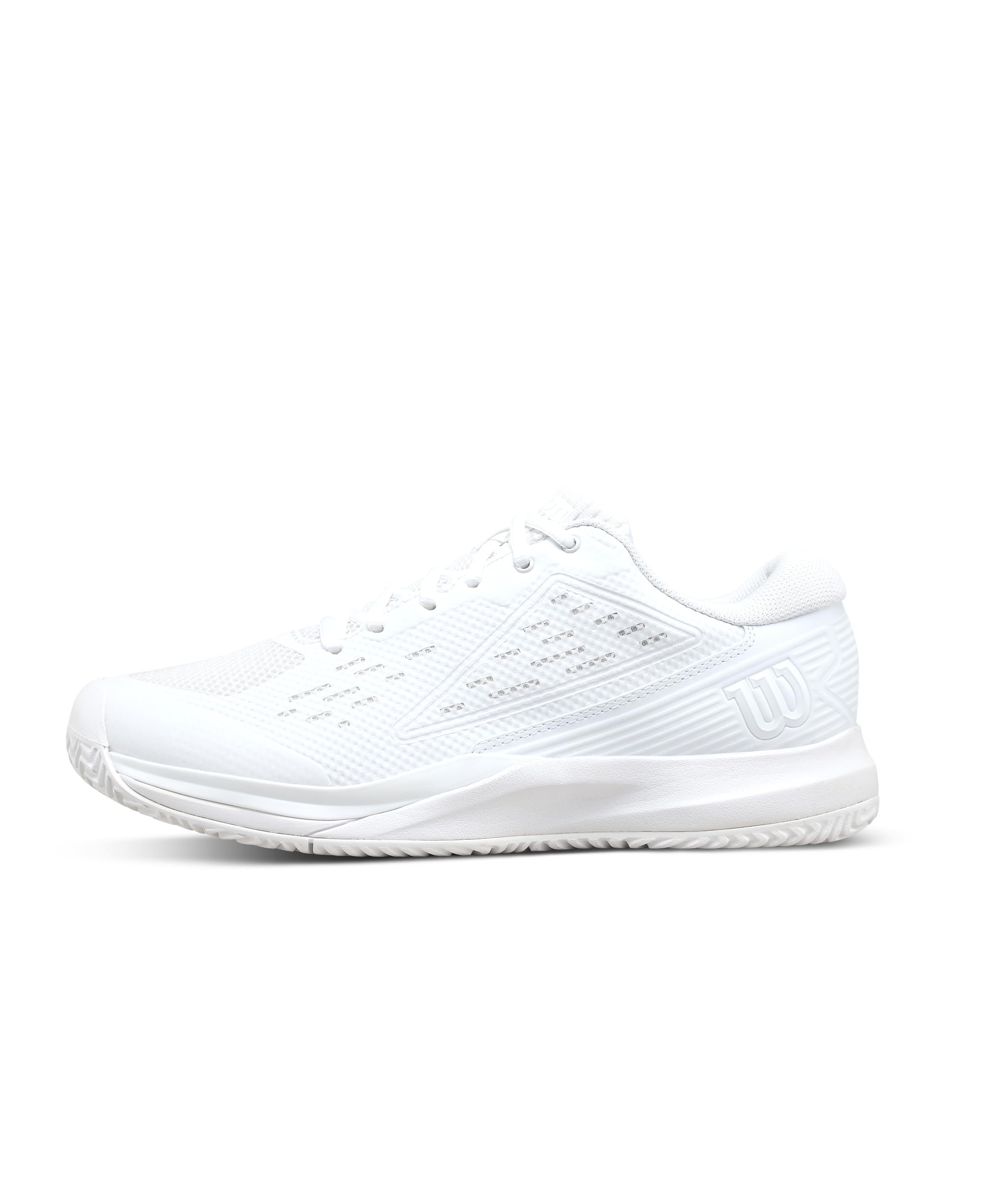
The Wilson Rush Pro Ace builds on the DNA of the Rush Pro 3.0 and 3.5, offering a budget-friendly entry into Wilson’s court shoe lineup without sacrificing the key structural elements that make the Rush series popular. The 4D Support Chassis runs asymmetrically from heel to toe, providing lateral stability that limits supination during the plant-and-push motion essential for powerful groundstrokes. The R-DST+ midsole uses highly compressed EVA foam to deliver dynamic cushioning and rebound that holds up well for recreational play patterns.
The Duralast outsole uses the same rubber as the more expensive Rush Pro 4.0, providing excellent traction and durability on hard courts. Multiple recreational pickleball and tennis players report that the Ace lasts them 2–3+ seasons of regular weekly play, though one hard-playing 18-year-old noted the outsole didn’t survive a full season — this is a realistic durability ceiling for any budget shoe under high-intensity wear. The upper uses a breathable mesh with a wider toe box than the Rush Pro 4.0, making it a better fit for players who find standard court shoes too narrow.
The colorway (Black and Ombre Blue) is understated enough for casual wear, and the shoe fits true to size for most foot shapes. It is slightly heavier than premium competition but offers a strong value proposition for recreational players who want the support features of a shoe at a significantly lower entry point. For budget-conscious players who still need lateral support and hard court durability, the Rush Pro Ace is the clear choice.
Why it’s great
- 4D Support Chassis delivers genuine lateral stability typically found on more expensive shoes.
- Duralast outsole provides hard court durability comparable to + models.
- Wider toe box than the Rush Pro 4.0 suits players who need more forefoot room.
Good to know
- Outsole may not last a full season for hard-playing, high-intensity competitive players.
- Heavier than premium competition, which may affect agility during long matches.
- R-DST+ EVA cushioning can feel firmer than nitrogen-infused foams from premium brands.
9. Skechers Women’s Go Walk Glide Step 2.0 Elektra Hands Free Slip-ins
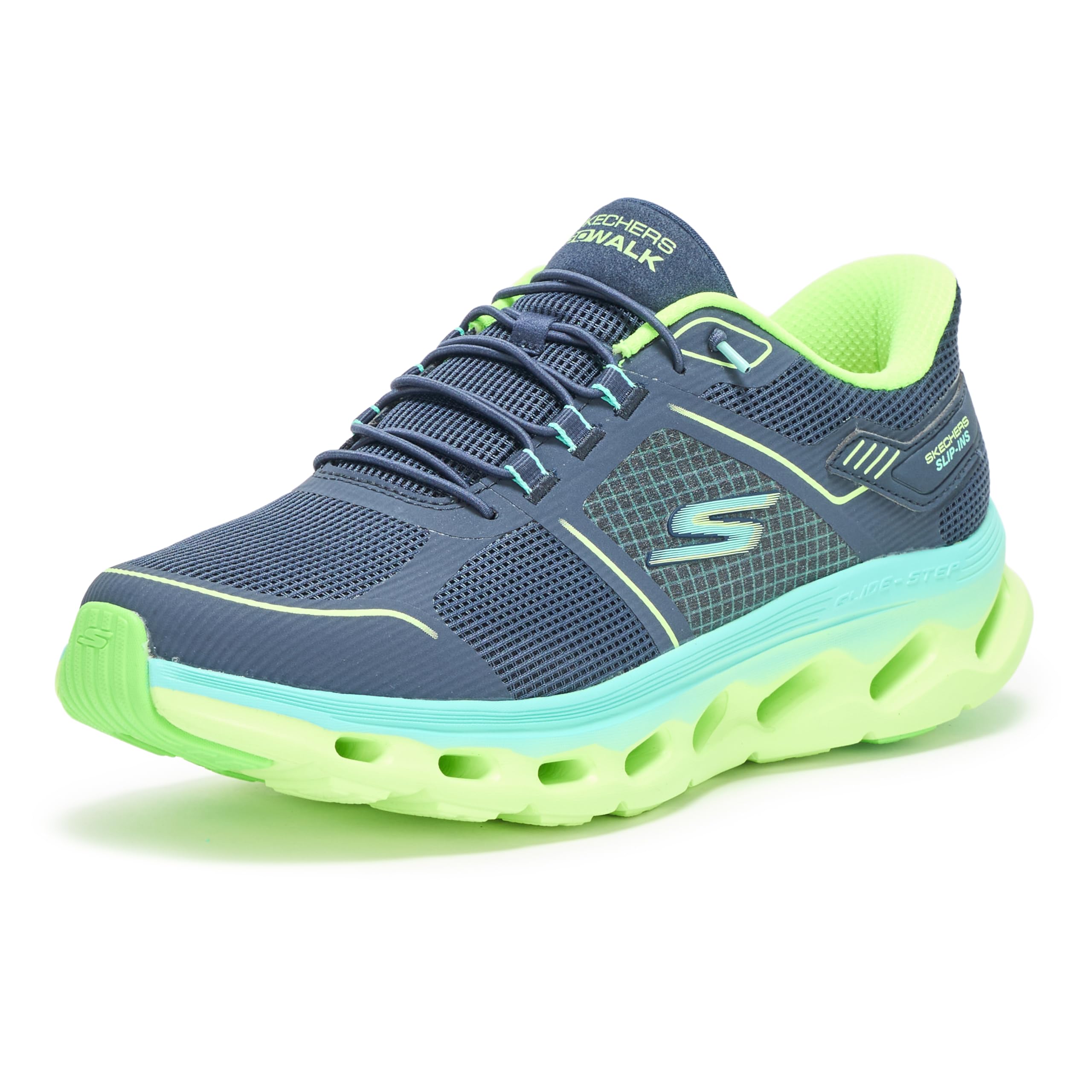
The Skechers Go Walk Glide Step 2.0 Elektra is the most comfort-focused option in this guide, designed specifically for all-day wear on hard surfaces with minimal effort. The hands-free slip-in technology uses a structured heel panel that collapses on entry and rebounds to lock the foot in place — no bending down, no laces, no break-in period. The grid mesh upper is highly breathable, and the Air-Cooled Goga Mat insole provides a plush, responsive platform that returns energy with each step while keeping the foot cool during extended wear.
Ultra GO cushioning runs the full length of the midsole, delivering a soft ride that users report stands up to 12–18 miles of daily walking without causing foot or knee pain. The shoe weighs roughly 2 pounds per pair, making it heavier than performance court shoes, but the Glide-Step rocker technology reduces the perceived effort of walking by promoting a smooth heel-to-toe transition. The outsole uses a high-traction rubber that grips well on smooth court surfaces, though it lacks the aggressive tread pattern needed for tennis-specific lateral movements.
This shoe is not designed for high-intensity tennis — it lacks lateral reinforcement, a support chassis, and the outsole durability for repetitive toe drag. For recreational players who need a comfortable shoe for walking around the club, coaching on hard courts, or wearing between matches, the Glide Step 2.0 offers exceptional value with a price that undercuts most dedicated court shoes while delivering genuine all-day comfort features like an orthotic-friendly insole and vegan construction.
Why it’s great
- Hands-free slip-in design offers unmatched convenience for quick on/off between points.
- Air-Cooled Goga Mat insole provides plush, moisture-wicking comfort for all-day wear.
- Ultra GO cushioning and rocker design reduce walking fatigue over long distances.
Good to know
- Not suitable for high-intensity tennis — lacks lateral support and outsole durability for cutting.
- Heavier than performance court shoes at roughly 2 lb per pair.
- Outsole tread is optimized for walking, not multidirectional court traction patterns.
FAQ
Can I use running shoes for tennis?
How do I know when my tennis shoes need replacement?
What does “zero drop” mean and should I use it for tennis?
How should all-day tennis shoes fit compared to casual sneakers?
Final Thoughts: The Verdict
For most players seeking the best all-day tennis shoes, the overall winner is the ASICS Court FlyteFoam 3 because it combines the best lateral stability chassis (TWISTRUSS) with the most durable outsole reinforcement (PGUARD) and a responsive midsole that maintains its rebound over multiple sets. If you need maximum underfoot plushness and have a neutral to mildly overpronating gait, grab the New Balance Fresh Foam X More V5 for its cloud-like yet stable ride. And for players who value natural foot position and toe splay relief, nothing beats the Altra Torin 8 with its zero-drop platform and FootShape toe box.