
Stepping onto the trail with a pack that actually fits and a shelter that doesn’t weigh you down separates a transformative first trip from a miserable one. The gear choices you make as a beginner directly dictate whether you sleep warm, eat easily, and wake up excited for day two. Getting the balance of weight, cost, and functionality right on the first buy saves you from replacing everything six months in.
I’m Min — the co-founder and writer behind Gadgets Feed. I spend dozens of hours analyzing technical specifications, customer field reports, and real-world weight-to-comfort trade-offs across every tier of outdoor gear to pinpoint the equipment that genuinely serves a freshman backpacker.
This guide cuts through the noise to recommend specific, battle-tested equipment that solves common first-time failures — cold ground, heavy packs, poor shelter — and delivers a reliable setup without breaking the bank. Finding the right beginner backpacking gear means understanding R-values, fill power, and pack fit before you ever hit the register.
How To Choose The Best Beginner Backpacking Gear
The biggest mistake new backpackers make is prioritizing a low price over critical specs like R-value, fill power, and pack torso length. Cheap gear that fails on the trail costs more in comfort and safety than spending a bit more upfront. Focus on the three core systems: sleep (pad + bag), shelter (tent or tarp), and carry (pack). If any one of these fails, the whole trip suffers.
Sleep System: R-Value & Fill Power
Your sleeping pad’s R-value measures its resistance to ground heat loss. For three-season backpacking, aim for an R-value of 4.0 or higher; for shoulder seasons or colder nights, 5.0 or above keeps you warm. Fill power on a sleeping bag describes the loftiness of the down — 600 fill power is a solid entry point for weight and packability, but higher numbers (700+) compress smaller and weigh less for the same warmth. Match your bag’s comfort rating to the coldest expected overnight temperature, not the average.
Pack Fit & Capacity
A pack that doesn’t fit your torso length will make every mile miserable. Internal-frame packs with adjustable torso height let you dial in the fit before loading up. For a 3-4 day trip, a 55-65 liter pack offers enough volume for your sleep system, shelter, clothes, and food without encouraging overpacking. Look for a frame that transfers weight to your hips, a padded hip belt, and at least one external pocket for frequently accessed items.
Shelter Weight & Setup
Every pound you carry on your back is felt ten times harder on a steep climb. For a solo beginner, a tent weighing under 5 pounds with a single door and vestibule provides adequate protection without an extreme weight penalty. Freestanding dome designs with color-coded clips and pre-attached guylines dramatically reduce setup frustration on a first trip. If you plan to hike with a partner, a 2-person tent in the 4-6 pound range is a smarter weight split.
Quick Comparison
On smaller screens, swipe sideways to see the full table.
| Model | Category | Best For | Key Spec | Amazon |
|---|---|---|---|---|
| Gear Doctors ApolloAir 5.2 | Sleeping Pad | Warmth-to-weight balance | R-Value 5.2; 17 oz | Amazon |
| TETON Sports 65L Explorer | Backpack | Adjustable torso fit | 65L capacity; 5 lb | Amazon |
| QEZER 0°F Down Sleeping Bag | Sleeping Bag | Cold-weather performance | 600 FP down; 2.34 lb | Amazon |
| Kelty Discovery Trail 2P | Tent | Easy first-time setup | 4 lb 5 oz min weight | Amazon |
| TREKOLOGY UL R7 Sleeping Pad | Sleeping Pad | Maximum ground insulation | R-Value 7.2; 2 lb | Amazon |
| Adventure Medical Kit Ultralight .9 | Medical Kit | Compact emergency preparedness | 7.2 oz; waterproof bag | Amazon |
| QEZER 600FP Summer Sleeping Bag | Sleeping Bag | Ultralight warm-weather trips | 600 FP down; 1.3 lb | Amazon |
In‑Depth Reviews
1. Gear Doctors ApolloAir 5.2 Sleeping Pad

The ApolloAir 5.2 hits the sweet spot for a beginner sleep system at 17 ounces and an R-value of 5.2, offering genuine four-season ground insulation without the weight penalty of heavier pads. Its horizontal air chambers distribute weight evenly and eliminate the crinkly noise common to budget inflatables, which matters when you’re trying to sleep inches from a partner in a shared tent. The included pump sack inflates the pad in under two minutes, saving your breath for the trail and doubling as a dry bag or camp shower.
Field reports from users confirm the pad holds air reliably over multiple nights, and the company’s lifetime warranty backs up the 40D nylon construction with a responsive replacement policy if a leak develops. The mummy taper saves pack volume — it compresses down to roughly the size of a 1-liter Nalgene bottle — while the 3.2-inch thickness provides enough cushion for side sleepers to avoid bottoming out. That combination of low weight, high R-value, and compact storage makes this the single most versatile piece of gear for a beginner’s sleep system.
One caveat: the R-value is slightly overstated in marketing materials, as some users note the insulation is less noticeable in sub-freezing conditions than a true 5.0+ pad from a premium brand. Still, for three-season use and mild winter trips, it outperforms pads costing twice as much. The included repair kit and F2 electric pump compatibility add long-term value for growing into more advanced trips.
Why it’s great
- Outstanding warmth-to-weight ratio at 17 oz and R-Value 5.2
- Lifetime warranty and responsive customer support
- Quiet, non-crinkly fabric makes for better tent sleep
Good to know
- R-Value may be slightly overstated for true winter extremes
- Mummy shape may feel narrow for broad-shouldered sleepers
2. TETON Sports 65L Explorer Backpack
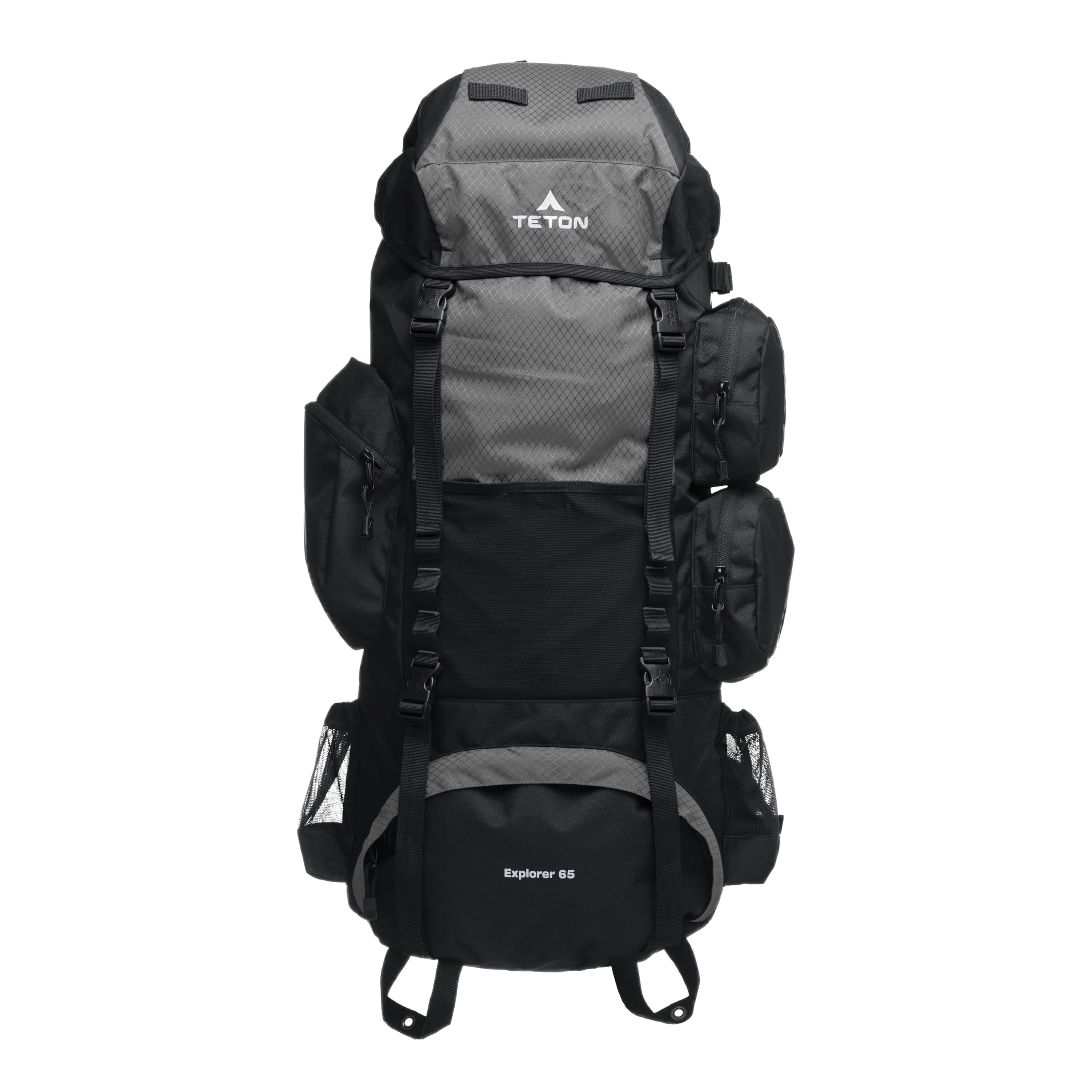
An internal-frame pack that fits your torso length is the difference between a comfortable multi-day carry and a painful trip, and the TETON 65L Explorer solves this with a multi-position torso adjustment system that accommodates a wide range of body sizes. The open-cell foam lumbar pad and molded airflow channels keep your back cool under load, which is critical when you’re hiking with 35-45 pounds for the first time. At 5 pounds, it’s not an ultralight pack, but the 600D polyurethane lining and included rain cover give it the durability to survive years of rocky trails and sudden downpours.
Users consistently praise the large sleeping bag compartment with a removable divider, which lets you separate wet gear from dry clothes. The multi-directional compression straps stabilize the load on uneven terrain, and the external pockets — including waist belt pockets for snacks — keep frequently needed items accessible without stopping. The pack handles loads up to 50 pounds with balanced weight transfer, and the rain cover stores in a hidden bottom pocket that you won’t forget.
Side mesh pockets are tight for large Nalgene bottles, and the ice-axe loops are non-adjustable, which limits some technical use. However, for a beginning backpacker assembling their first complete kit, the TETON 65L offers adjustable fit and robust construction at a mid-range price that outclasses many entry-level packs from bigger brands. The company’s customer service is frequently praised for quick replacements, adding peace of mind for a first-time buyer.
Why it’s great
- Adjustable torso height fits a wide range of body types
- Durable 600D polyurethane with included rain cover
- Excellent customer service and lifetime support
Good to know
- Side mesh pockets too small for large water bottles
- Heavier than dedicated ultralight packs at 5 lb
3. QEZER 0°F Down Sleeping Bag

A 0-degree rated down sleeping bag at this weight and price point is rare, and the QEZER delivers genuine warmth for cold-weather backpacking without the cost of premium brands. The 600 fill power duck down and 400T tear-resistant nylon shell provide reliable insulation down to the upper 20s, with users reporting comfortable sleeps in single-digit Colorado mountain conditions when paired with a proper pad and tent. The mummy shape includes a wide trapezoidal foot box that prevents the cramped feeling common in budget mummy bags, and the 84.65-inch length accommodates sleepers up to 6’1″ without restriction.
The zipper system features an anti-snag strip and a thick insulated draft tube, both of which performed reliably in field tests where cheaper bags often fail. An internal pocket stores a phone or keys, and the left-right zipper compatibility lets you pair two bags for a couples setup. The included compression sack shrinks the bag significantly — users note it packs smaller than similar 15-degree bags from Mountain Hardware — and the storage bag prevents down compression during off-season.
A few users report the included mesh storage bag ripped on first use, and the 2.34-pound weight is noticeable compared to ultralight options using higher fill power down. But for beginners who camp in real cold — not just summer trips — this bag offers a warmth-to-cost ratio that’s hard to beat. The 600 fill power provides adequate loft without the premium price of 800+ fill, making it a smart entry choice for anyone planning shoulder-season or early-winter trips.
Why it’s great
- Exceptional warmth for sub-freezing conditions at this price tier
- Anti-snag zipper and draft tube work reliably in field use
- Compresses much smaller than comparable bags from major brands
Good to know
- Inner mesh storage bag is flimsy and prone to tearing
- Heavier than high-fill-power ultralight alternatives
4. Kelty Discovery Trail 2P Tent

The Kelty Discovery Trail 2P is purpose-built for first-time backpackers who don’t want to wrestle with a tent for an hour at dark. The press-fit aluminum poles and Kelty Quick Corner system enable a genuine one-person setup in under five minutes, and the color-coded rain fly clips eliminate the confusion that plagues budget shelters. At a minimum weight of 4 pounds 5 ounces, it’s light enough for solo carry but spacious enough for two people with 33 square feet of floor space and a 42-inch peak height.
The taped-seam polyester fly with pre-attached guylines provides genuine weather protection, and users report the tent withstood 40-50 mph gusts without collapsing in exposed alpine sites. The fly vent reduces interior condensation, a common issue for beginners who don’t manage tent ventilation properly. As a founding member of The Conservation Alliance, Kelty also uses PFC-free DWR coatings, which matters for environmentally conscious buyers. The shark-mouth stuff sack makes packing the tent back up intuitive rather than frustrating.
The included aluminum stakes are flimsy and should be upgraded for windy conditions — a common complaint across multiple user reports. The door configuration has a single tie-back that can be awkward in tight campsites, and the airflow is limited on warm nights, causing the tent to heat up quickly in direct morning sun. Despite these minor gripes, the Discovery Trail 2P is the most beginner-friendly shelter in this lineup for its combination of low setup friction, reasonable weight, and genuine durability at a mid-range price.
Why it’s great
- Fast, intuitive one-person setup with color-coded clips
- Genuinely wind-resistant with pre-attached guylines
- PFC-free materials and Conservation Alliance support
Good to know
- Stock stakes are cheap and should be upgraded
- Ventilation is limited in warm, humid conditions
5. TREKOLOGY UL R7 Sleeping Pad
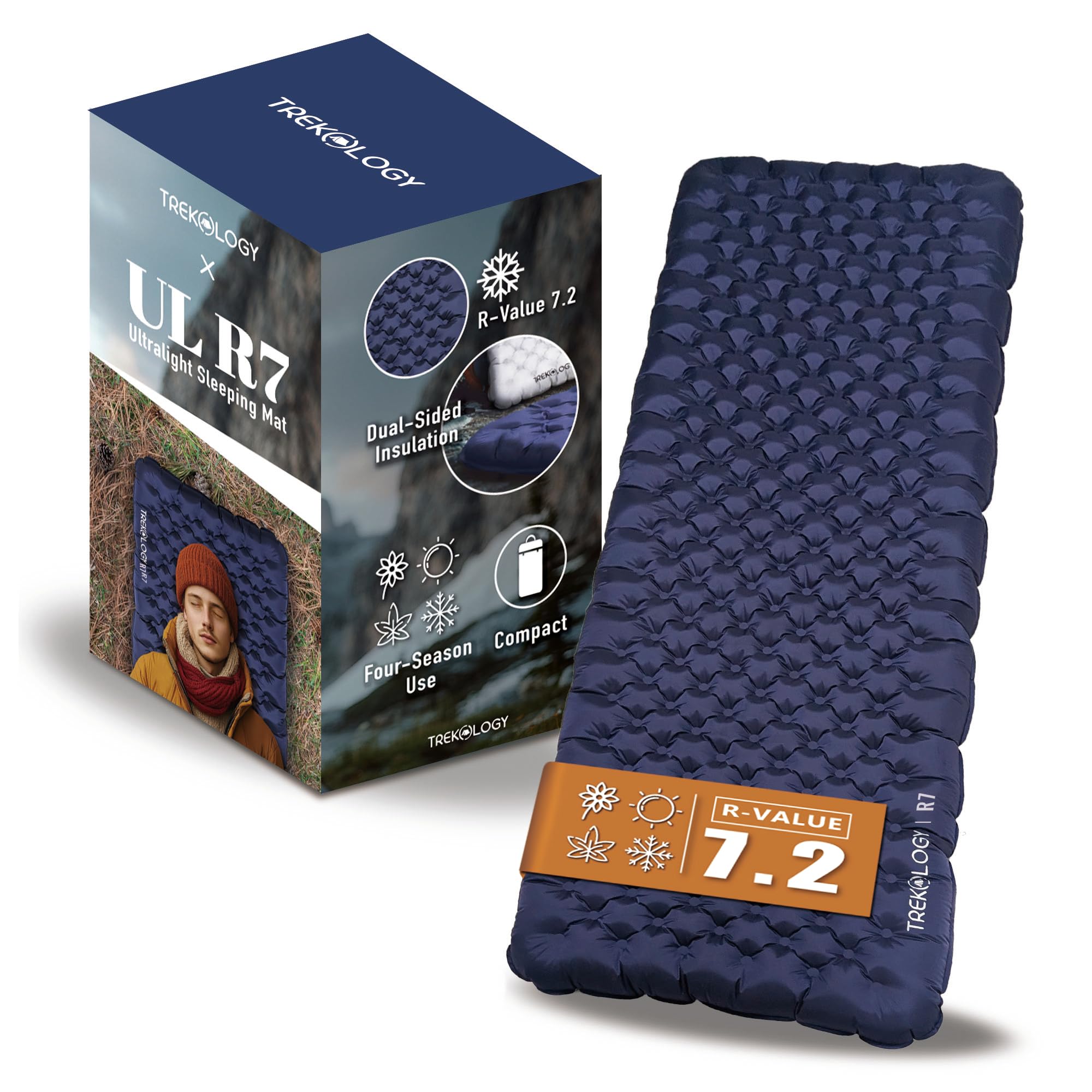
For beginners who plan to camp in real cold — single-digit nights, snow camping, or early-spring trips — the TREKOLOGY UL R7 delivers an R-value of 7.2, which is the highest ground insulation in this lineup and competitive with pads costing significantly more. The 4-inch thickness prevents bottoming out for side sleepers, a common failure of thinner pads that ruins sleep quality on the trail. The 40D ripstop nylon with TPU coating is genuinely durable, with one user reporting the pad survived kids jumping on it without leaking during a snowstorm campout.
At 2 pounds, it’s heavier than the ApolloAir, but the trade-off is legitimate winter capability. Users confirm the pad performed excellently in 20-22°F conditions with synthetic thermals, reporting no cold spots and consistent air retention overnight. The patented anti-leak valve makes inflation and deflation simple, and the pad packs down to roughly a water-bottle size — impressive given the 70.8 by 24-inch surface area. The 330-pound weight capacity also accommodates larger body types comfortably.
The vinyl surface is slippery, and some users recommend a shelf liner or a thin pad cover to prevent sliding off during the night. The included pump sack is sold separately, which is an annoyance for a pad at this price point. A few users also question whether the R-value truly reaches 7.2, though field tests suggest it’s adequate for temperatures down to about 20°F. If your trips lean toward cold-weather camping rather than summer-only hikes, this pad’s insulation edge is worth the extra ounces.
Why it’s great
- Highest R-value in this lineup at 7.2 for true cold-weather use
- Durable 40D nylon with TPU coating withstands heavy abuse
- 4-inch thickness prevents bottoming out for side sleepers
Good to know
- Vinyl surface is slippery and may require a liner
- Pump sack is not included, adding a separate purchase
6. Adventure Medical Kit Ultralight .9
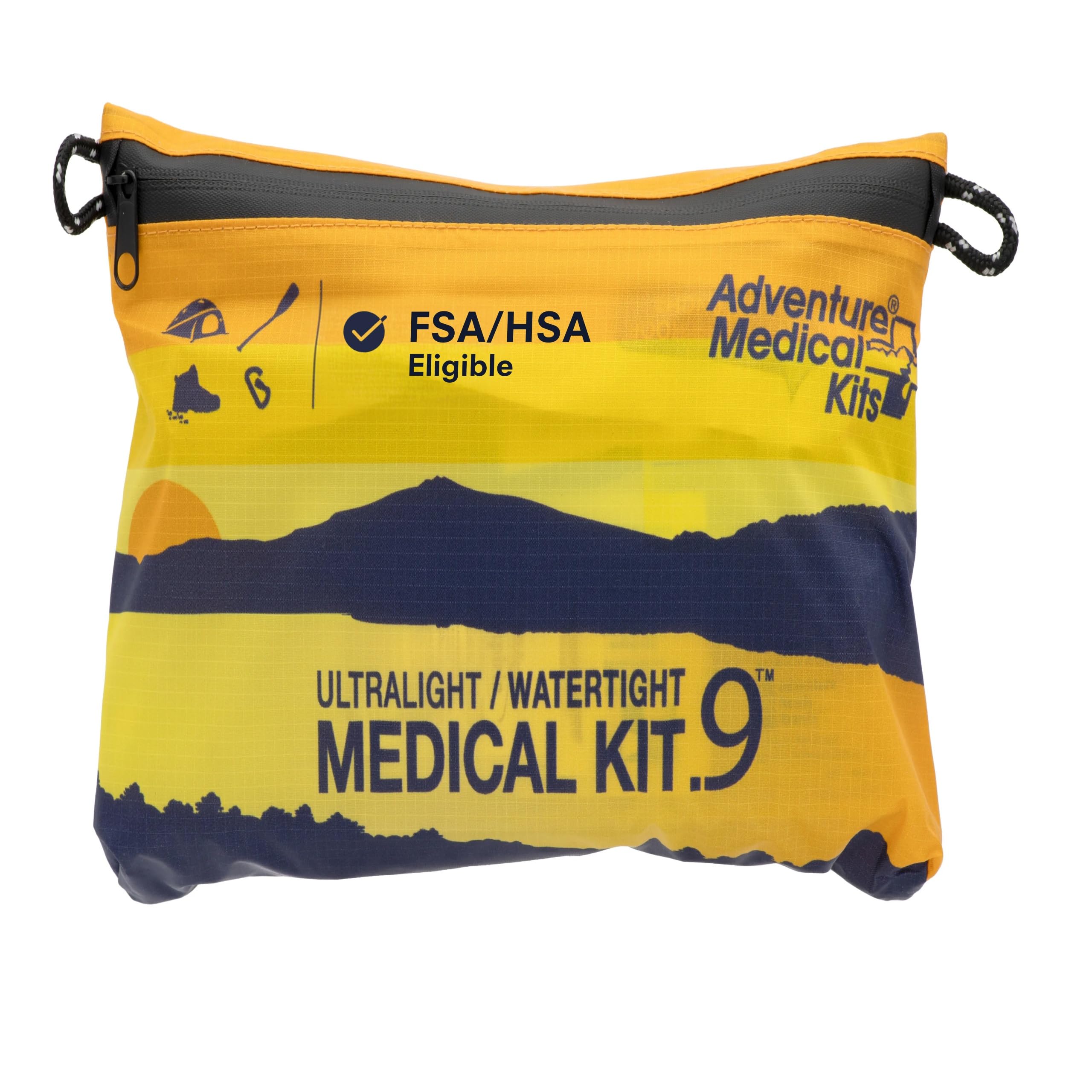
A medical kit is the one piece of gear you hope never to use, but when you need it, weight and waterproofing become non-negotiable. The Adventure Medical Kit Ultralight .9 weighs just 7.2 ounces and packs into a side pocket, yet contains a comprehensive range of supplies for common trail injuries: bandages, gauze, antiseptic wipes, antibiotic ointment, insect sting relief, and die-cut moleskin for blisters. The DryFlex waterproof inner bag keeps the contents dry even if your pack takes a dunk in a creek, which is critical for wound care supplies.
The kit is designed for up to 4 people for up to 4 days, making it suitable for group trips without being oversized. Users consistently rate it highly for its organization and the quality of its included bandages and medications, which perform better than random first-aid items gathered from a home cabinet. The outer bag has a durable water-repellent finish that resists abrasion inside a backpack, and the compact dimensions fit neatly into side mesh pockets without wasting space.
The kit lacks a trauma-grade clotting agent like QuikClot, which is a notable omission for trips far from emergency services. It also lacks scissors, which would be useful for cutting tape or clothing in an emergency. Some users note that the kit can be replicated for less money by buying individual components, but the convenience of a pre-organized, waterproof, and properly weighted kit is worth the premium for a beginner. For anyone building a first aid kit from zero, this is the correct starting point.
Why it’s great
- Ultralight at 7.2 oz with a fully waterproof inner bag
- Includes genuine blister care with die-cut moleskin
- Well-organized and compact for easy pack access
Good to know
- No clotting agent or scissors for trauma response
- Can be replicated cheaper by buying individual components
7. QEZER 600FP Summer Down Sleeping Bag

For beginners whose trips are strictly warm-weather — summer overnights, car camping excursions, or desert hikes — the QEZER 600FP Summer Bag offers an ultralight 1.3-pound weight and a tiny packed size that frees up significant pack volume for other gear. The 600 fill power duck down and 400T nylon shell provide adequate warmth for temperatures between 59-68°F, with an extreme rating of 45°F, making it a specialized tool for the hottest months. The mummy shape with a wide trapezoidal foot box keeps the bag roomy enough to sleep without feeling restrained, unlike tight ultralight bags.
The zipper system is smooth and reliable, with no snagging reported even in field tests. The left-right zipper compatibility allows two bags to be paired for couples, which is a nice bonus for tandem campers. The included compression sack shrinks the bag down to roughly the size of a football, and the 400T tear-resistant nylon prevents down leakage through the fabric. At this weight, you can easily add a liner or a mid-layer clothing system to push the bag into cooler shoulder-season use.
This bag is not designed for cold weather — the 600 fill power and minimal down fill (9.17 oz) are simply not enough insulation for temperatures below 50°F, as multiple users have confirmed. One user reported being very cold at 45°F in a three-season tent, which aligns with the bag’s comfort rating. The material also feels relatively thin and delicate, raising questions about its long-term durability under heavy use. For warm-weather-only beginners, this is a fantastic lightweight option; for anyone planning broader-season trips, the 0°F version is the better buy.
Why it’s great
- Ultralight at 1.3 lb and packs to a football-sized bundle
- Smooth, snag-free zipper with left-right pairing capability
- Wide foot box prevents cramped mummy-bag feeling
Good to know
- Not suitable for temperatures below 50°F despite extreme rating
- Fabric feels thin and may not survive heavy-duty use
FAQ
Do I need an R-value above 5.0 for summer backpacking?
Can I use a 600 fill power down bag in wet conditions?
How do I know if a backpack fits my torso length?
Is a 2-person tent too heavy for a solo beginner?
What’s the most overlooked gear item for beginners?
Final Thoughts: The Verdict
For most users, the beginner backpacking gear winner is the Gear Doctors ApolloAir 5.2 because it delivers the best warmth-to-weight ratio with a lifetime warranty at a price that doesn’t compete with your food budget. If you plan to camp in sub-freezing conditions, grab the TREKOLOGY UL R7 for its unmatched R-Value 7.2 ground insulation. And for a complete shelter that won’t frustrate your first setup, nothing beats the Kelty Discovery Trail 2P.