
Parking under a pine, oak, or maple tree for just one afternoon can leave your car’s clear coat dotted with hard, sticky, amber-colored sap droplets that refuse to budge with soap and water. Left untreated, that sap hardens into a rock-like bond that can etch into the paint and require wet-sanding or professional correction to remove without leaving a mark. The right solvent-based remover cuts through that bond in seconds without damaging your finish.
I’m Min — the co-founder and writer behind Gadgets Feed. I’ve analyzed hundreds of customer reviews and technical data sheets for automotive detailing chemicals to find the formulas that actually dissolve tree sap without dulling clear coats or requiring aggressive scrubbing.
If your car suffers from sticky tree residue, you need a solution that breaks the sap’s chemical bond quickly and safely. This guide ranks the top contenders so you can find the right automotive tree sap remover for your specific situation.
How To Choose The Best Automotive Tree Sap Remover
Choosing the wrong sap remover can strip wax, haze clear coats, or fail to touch hardened sap at all. Focus on these three factors to get the results you want without damaging your paint.
Solvent Chemistry: Citrus vs. Petroleum-Based
Citrus-based removers (like CARPRO TarX) use d-limonene extracted from orange peels — they’re effective on fresh sap and tar, smell better, and are less aggressive on wax layers. Petroleum-based solvents (like Dupli-Color and Rust-Oleum) are stronger on aged, rock-hard sap but may strip wax instantly and require more careful handling on delicate clear coats. For daily drivers with fresh seasonal sap, citrus is gentler; for neglected sap that has baked on for weeks, a petroleum solvent is often the only option.
Application Method: Spray vs. Liquid Pour
Spray applicators (found on Torque Detail Sap Attack and CARPRO TarX) let you target specific spots without oversaturating the paint. Liquid pour bottles (like Rust-Oleum and Nanoskin) require you to wet a rag first — this wastes more product and makes it harder to control where the solvent goes. For spot treatment on door panels and hoods, a spray is far more practical. For full-panel wax stripping before a paint job, a quart-sized pour bottle gives better value per ounce.
Residue Management and Final Cleanup
Many sap removers leave a greasy or oily film behind after the sap dissolves. Products like Goo Gone Automotive and Nanoskin require a follow-up wipe with isopropyl alcohol or soapy water to remove the residue. Others like 3M Adhesive Remover evaporate nearly clean, leaving almost nothing behind. If you plan to apply wax or sealant immediately after sap removal, choose a remover that evaporates cleanly to avoid adhesion issues.
Quick Comparison
On smaller screens, swipe sideways to see the full table.
| Model | Category | Best For | Key Spec | Amazon |
|---|---|---|---|---|
| CARPRO TarX | Professional Grade | Stubborn tar and adhesive | 500ml / 16.9 oz spray | Amazon |
| Torque Detail Sap Attack | Dedicated Sap Remover | Fresh and dried tree sap | 8oz spray bottle | Amazon |
| 3M Adhesive Remover | Low VOC Solvent | Adhesive and sticker residue | 12 oz aerosol can | Amazon |
| Dupli-Color Grease and Wax Remover | Paint Prep Solvent | Pre-paint surface cleaning | 32 oz liquid | Amazon |
| Goo Gone Automotive | Multi-Purpose Remover | General sticky messes | 16 oz trigger spray | Amazon |
| Rust-Oleum Wax and Tar Remover | Budget Wax Stripper | Paint prep stripping | 32 oz pour bottle | Amazon |
| Nanoskin Tree Sap Remover | Entry-Level Cleaner | Fresh sap and bug residue | 32 oz liquid | Amazon |
In‑Depth Reviews
1. CARPRO TarX Tar & Adhesive Remover

CARPRO TarX uses d-limonene extracted from orange peels as its active solvent rather than harsh petroleum distillates. This citrus-based formula dissolves tree sap, tar, adhesive residue, and even insect splatter without the strong chemical odor typical of industrial degreasers. Users report that one pass with a microfiber cloth removes clear bra adhesive residue that took hours of scraping with other methods.
The included sprayer provides excellent control for spot treatment on side panels and hoods. The formula is fast-acting — most sap and tar softens within 10 to 15 seconds of contact. It is safe on cured automotive clear coats, glass, plastic trim, and headlights when used as directed. However, it leaves an oily film that requires a follow-up rinse or alcohol wipe if you plan to apply wax or sealant afterward.
Professional detailers praise its performance on heavy tar deposits from highways and the white line paint that sometimes transfers from road markings. The main drawback is the unpleasant rotten-egg smell some batches produce, and the spray nozzle can clog or break after repeated use. For a dedicated spot remover that handles both sap and tar, TarX is the most versatile option here.
Why it’s great
- Natural citrus solvents are effective yet safer on clear coats
- Dissolves tar and adhesive instantly with minimal dwell time
- Widely trusted by professional detailers worldwide
Good to know
- Strong rotten-egg odor that can linger
- Leaves an oily residue requiring a separate cleaning step
- Not for sale or use in California
2. Torque Detail Sap Attack 8oz

Torque Detail formulated Sap Attack specifically for tree sap rather than general-purpose adhesive removal, and that focus shows in the results. The solvent is aggressive enough that users report spraying it on dried sap, waiting 10 seconds, and watching the sap wipe away without any scrubbing pressure. Many reviewers mention that other products like WD-40 and rubbing alcohol failed on the same sap spots that Sap Attack dissolved easily.
The 8oz bottle is compact enough to keep in a glove box or detailing caddy, and the spray nozzle delivers a targeted stream rather than a wide mist, reducing overspray onto areas that don’t need treatment. The brand warns explicitly against using it on raw aluminum, bare metal, or plastic surfaces, so this is really a paint-and-glass-only product. The instructions also recommend wearing nitrile gloves because the solvent can irritate skin with prolonged exposure.
Performance is excellent on fresh and moderately dried sap, but heavily crystallized sap that has been baking on paint for weeks may require multiple applications and some manual pressure with a microfiber towel. A few customers with deeply embedded eucalyptus sap found it ineffective and needed professional polish. Still, for most everyday sap encounters, this is the fastest and most targeted fix available.
Why it’s great
- Dissolves sap in under 15 seconds with minimal effort
- Targeted spray nozzle reduces product waste
- Works where common household solvents fail
Good to know
- Small 8oz bottle offers less value per ounce
- Not safe on plastic trim or bare metal surfaces
- Cured eucalyptus sap may still require professional removal
3. 3M Adhesive Remover 12 oz
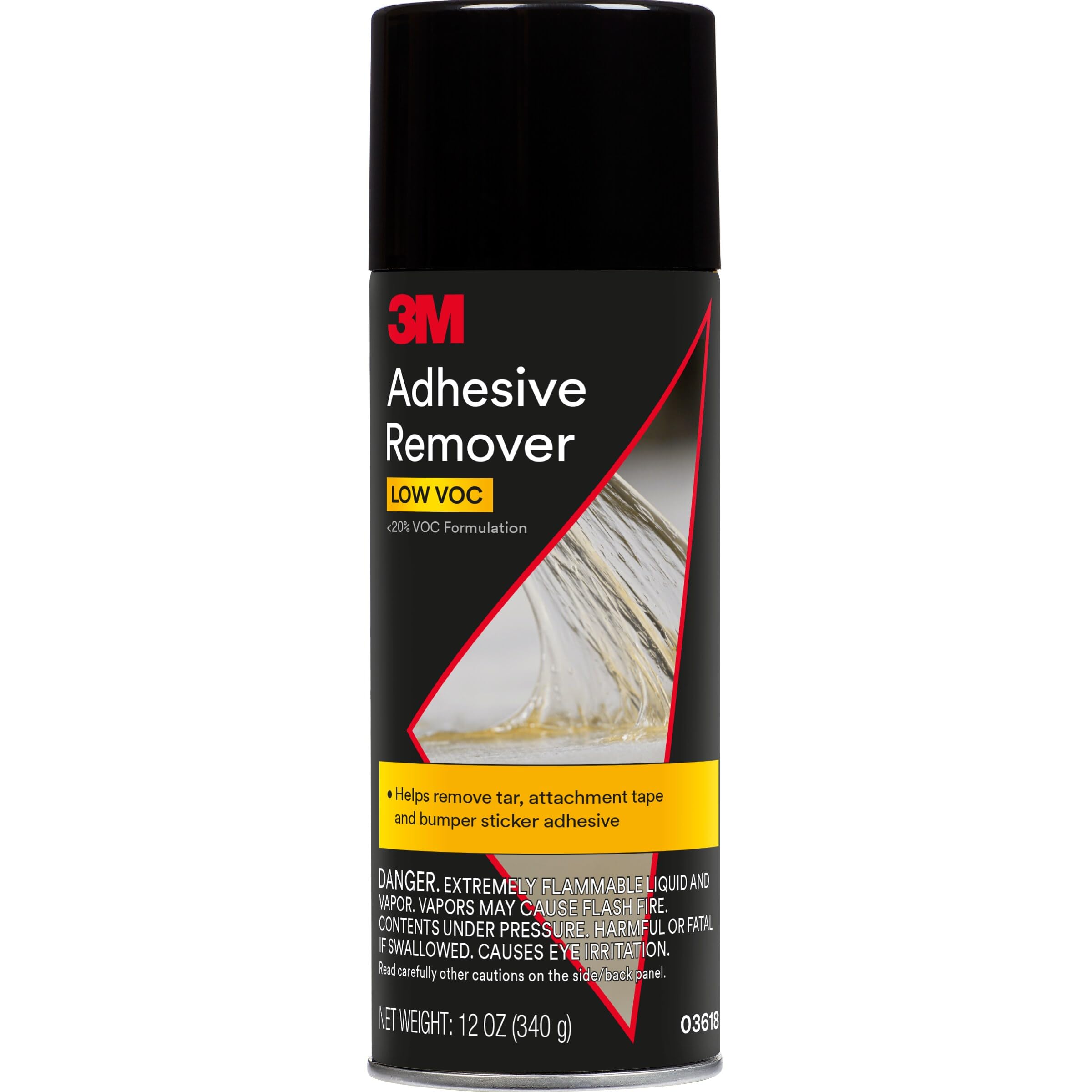
3M’s adhesive remover uses a low-VOC solvent blend (<20%) that evaporates quickly and leaves almost no residue behind. While it is marketed for removing double-sided tape and masking residue from collision repair, its chemistry works equally well on tree sap. Users report spraying it on, waiting three minutes, and scraping off the softened residue with a plastic blade without scratching the paint.
The aerosol can format makes it easy to apply an even coating on vertical panels, and the fast evaporation means you don’t have to worry about the solvent running down your paint and damaging wax in unintended areas. Unlike citrus-based options, this formula does not leave an oily film, so you can apply wax or sealant immediately after use. It is also safe on glass and vinyl, making it useful for removing sticker residue from windows.
One limitation is that it is not designed as a dedicated sap remover — its solvency power is slightly less aggressive than dedicated products like Sap Attack. Extremely thick, multi-layered sap deposits may require two or three passes. However, for the price, you get a versatile cleaner that handles adhesive, tar, wax, and sap equally well.
Why it’s great
- Low VOC formula evaporates cleanly without greasy residue
- Aerosol can provides even coverage on vertical surfaces
- Safe on cured automotive paint, glass, and vinyl
Good to know
- May need multiple applications on thick, hardened sap
- Not formulated specifically for tree sap removal
- Plastic blade recommended to avoid scratching clear coat
4. Dupli-Color Grease and Wax Remover

Dupli-Color’s ECM541A is a real alcohol-based solvent, not a soy-based or citrus-based cleaner. It evaporates very quickly with no residue, making it a standard choice for surface preparation before painting. Users report that it strips grease, wax, and tree sap effectively, leaving a clean surface that accepts primer and paint without fisheye or adhesion failure.
The 32oz bottle comes without a sprayer, so you need to apply it with a clean microfiber or lint-free cloth. This actually gives you more control over how much solvent contacts the paint at once, which is useful when working on small sap spots. One thing to be aware of: this product is essentially a strong solvent similar to acetone. Aggressive scrubbing can strip unsealed or single-stage paint, so use light pressure and test on an inconspicuous area first.
Because it evaporates fully, there is no oily film to clean up afterward, which saves time if you are detailing multiple panels. It is not ideal for large-scale sap removal because the fast evaporation means you have to work in small sections. But for a pre-paint cleaner that also handles sap, it is hard to beat at this price.
Why it’s great
- Alcohol-based solvent dries fast and leaves zero residue
- One of the most effective pre-paint cleaners on the market
- Large 32oz bottle offers excellent value per ounce
Good to know
- Can strip unsealed paint with aggressive scrubbing
- Requires separate applicator cloth — no sprayer included
- Evaporates too fast for large panel coverage
5. Goo Gone Automotive 16 oz

Goo Gone Automotive is a household name in the adhesive removal world, and its automotive-specific formula handles tree sap, bird droppings, brake dust, bumper sticker residue, and even spray paint overspray. The trigger spray bottle makes it easy to cover larger areas like hoods and roofs where sap drips accumulate. Users report that it dissolves thick sticker residue with multiple passes, though it does require some manual rubbing pressure.
The formula has a strong citrus scent and an oily texture that remains on the surface after the contaminants are removed. You must follow up with an alcohol wipe or soapy water to strip the oily film before applying wax or sealant. This adds an extra step compared to products like 3M or Dupli-Color that evaporate cleanly. On the plus side, it is safe on metals, plastics, glass, and clear coats when used as directed.
Performance on fresh tree sap is solid, but heavily baked-on sap may require extended dwell time and repeated applications. The oily residue also tends to attract dust and dirt if left on the paint overnight. For general sticky mess removal around the garage and on the vehicle, it is a useful all-rounder, but if sap is your primary concern, a dedicated sap remover will perform better.
Why it’s great
- Works on many different types of sticky residue beyond sap
- Convenient trigger spray for larger panel coverage
- Safe on paint, plastic, glass, and metal surfaces
Good to know
- Leaves a greasy film that requires a separate cleaning step
- Requires significant elbow grease for thick sap deposits
- Strong scent may be unpleasant for some users
6. Rust-Oleum Wax and Tar Remover 32 oz

Rust-Oleum’s Wax and Tar Remover is a simple, low-odor solvent that strips old wax, tree sap, and tar before paint prep work. It comes in a 32oz pour bottle that provides enough liquid for multiple full-panel stripping sessions. Users note that it works well for removing wax and fresh sap, but its formula has changed in recent years and is now less effective on bug residue than older versions.
The solvent dries quickly when applied to a rag, so you must work in small sections and keep the rag saturated. It does not harm cured paint and is safe for use on clear coats, but it will strip any wax or sealant on contact. This makes it a poor choice for a quick spot clean — it is better suited for a full decontamination before polishing or painting.
Some users mention that it leaves a slight residue after drying, particularly if you apply too much product at once. A final wipe with isopropyl alcohol solves this problem. For the volume per dollar, it is one of the cheapest options available, but its narrow use case and the formula change mean it is not the first choice for dedicated sap removal.
Why it’s great
- Very low price for a full quart of solvent
- Low-odor formula works well indoors or in garages
- Excellent for stripping wax before paint prep
Good to know
- Recent formula change reduced effectiveness on bugs
- Dries fast — must work in small sections
- Strips existing wax, not ideal for spot treatment
7. Nanoskin Tree Sap Remover 32 oz

Nanoskin’s Tree Sap Remover is marketed as a biodegradable, non-toxic liquid that is free of ammonia, bleach, phosphates, and sulfates. The formula is gentle enough to use on paint, clear coat, glass, plastic, and trim without dulling the finish. Users report that it works well on fresh sap and light bug residue, requiring only a small amount on a microfiber rag followed by a circular wipe.
The 32oz bottle provides plenty of product for the price, but it comes without a spray nozzle, so you must pour it onto a cloth. Some users found it completely ineffective on dried sap that had been baking on the car for days or weeks — one reviewer described it as “no better than water” for hardened sap. The manufacturer recommends allowing the product to dwell briefly on cured sap, but multiple customers still reported poor results on thick deposits.
This product is best suited for routine maintenance where you catch sap within a day or two of it landing on the paint. For neglected sap or heavy tree exposure, it simply does not have enough solvent power. It also leaves a residue that requires a follow-up rinse. If you park under sap-dropping trees daily and clean your car weekly, this is a safe maintenance option, but for deep cleaning, look elsewhere.
Why it’s great
- Non-toxic and biodegradable formula is environmentally friendly
- Safe on all exterior surfaces including plastic and trim
- Good value for regular maintenance cleaning
Good to know
- Struggles with dried, hardened tree sap
- No spray applicator — must pour onto cloth
- Leaves residue that requires a separate rinse step
FAQ
Will an automotive tree sap remover damage my clear coat?
How long should I let a sap remover sit on the paint?
Can I use rubbing alcohol instead of a dedicated sap remover?
Final Thoughts: The Verdict
For most users, the automotive tree sap remover winner is the Torque Detail Sap Attack because it is purpose-formulated for tree sap, acts in under 15 seconds, and comes in a convenient spray bottle that minimizes waste and overspray. If you want natural citrus chemistry and professional-grade versatility for tar and adhesive as well, grab the CARPRO TarX. And for the best value when stripping sap during a full paint prep, nothing beats the clean evaporation of the 3M Adhesive Remover.