
A 120-foot red oak has a way of exposing weak gear fast. One bad gaff placement or a frayed flipline eye and the climb turns into a survival exercise. Arborist climbing gear isn’t a category where you compromise on tensile strength or comfort — your safety and daily output depend on every carabiner, saddle, and rope working as a system.
I’m Min — the co-founder and writer behind Gadgets Feed. I’ve spent hundreds of hours dissecting the technical specifications, material science, and real-world feedback behind the ropes, saddles, ascenders, and spurs that define professional tree work, so you can build a kit that keeps you safe and efficient from the first branch to the last.
Whether you need a reliable flipline for lateral work or a smooth descending device for rapid repositioning, this guide breaks down the top options across every essential category to help you find the best arborist climbing gear for your specific ascent style.
How To Choose The Best Arborist Climbing Gear
Building a climbing kit means balancing safety factors like breaking strength and certification against physical demands like comfort and maneuverability. Every piece — from your saddle to your spurs — plays a specific role in how efficiently you ascend, move laterally, and descend.
Rope Construction and Diameter
Static climbing ropes are the backbone of ascent and descent. Look for 24-strand or 32-strand polyester over nylon for low stretch and high abrasion resistance. The diameter matters: 11.5mm to 13mm ropes work best with mechanical friction devices like the Zigzag, while fliplines with a 1/2-inch steel core provide the rigidity needed for lateral limb walking. Always check the minimum breaking strength — 5,400 lbs is a solid benchmark for a primary climbing line.
Saddle Fit and Suspension Points
An arborist saddle carries your entire body weight for hours. The width of the waist pad, the material of the leg straps (leather vs. nylon), and the number of dee rings dictate how pressure distributes across your hips and thighs. Forged aluminum dee rings weigh less than steel, and fixed-position angled rings make one-handed snapping faster. A saddle around 6 pounds with a foam-filled, leather-lined waist back offers a good balance of durability and all-day comfort.
Gaff Length and Cuff Adjustability
Tree gaffs penetrate the bark and support your weight during ascent. Standard tree gaffs are 2.75 to 3 inches long, while pole gaffs sit shorter for thinner trunks. The cuff must have multiple strap adjustment points — 20 or more — to match your calf contour without slipping. An ergonomic shank that angles your foot naturally reduces shin strain, and a stirrup grip pad stops your boot from sliding laterally during heavy pushes.
Quick Comparison
On smaller screens, swipe sideways to see the full table.
| Model | Category | Best For | Key Spec | Amazon |
|---|---|---|---|---|
| Petzl Zigzag Plus | Descender | Smooth DRT/SRT descent | 11.5–13 mm rope, steel | Amazon |
| Notch Steel Climbers | Spurs | Comfort on long removals | 20+ cuff points, 350 lbs | Amazon |
| Weaver HAAS Velox Ascender | Foot Ascender | Zero-setup rope ascent | 30″ bungee, aluminum | Amazon |
| Klein Tools CN1907ARL | Climber Set | Traditional spike climbing | 4-7/16″ stirrup, leather | Amazon |
| Weaver WLC 160 Saddle | Saddle | Affordable all-day comfort | Forged alum dees, 6 lbs | Amazon |
| Arbpro EVO 2 Boots | Boots | Grip on narrow crotches | Vibram sole, Event membrane | Amazon |
| ProClimb Better Grab Flipline | Flipline | Versatile lateral movement | 1/4″ steel core, 1/2″ rope | Amazon |
| Pelican Rope 11.8mm | Climbing Rope | High-strength static line | 5,400 lb strength, 120 ft | Amazon |
| Summit Goliath SD | Treestand | Hunting & extra room | 350 lb limit, 21 lbs | Amazon |
In‑Depth Reviews
1. Petzl Zigzag Plus Descender D022BA00

The Petzl Zigzag Plus is a mechanical Prusik replacement that uses ball-bearing pulleys and a friction chain for buttery-smooth descents on doubled or single ropes. Its steel side plates and separated curved design resist wear from daily use on 11.5mm to 13mm static lines, while the release lever gives you fine-grained control over descent speed. The auxiliary attachment hole supports a ZILLON lanyard or knee ascent assemblies, making it a true all-in-one device for both climbing and descending.
Experienced climbers report that the Zigzag feels smoother than the Rope Runner Pro, especially when transitioning from DRT to SRT with the Chicane accessory. The self-tending return connection during ascent reduces the need to manually feed slack, which speeds up branch-to-branch movement. The 425-gram weight is negligible when balanced against the control and durability it delivers on a full removal job.
One note: the Zigzag is not midline attachable, so you need to thread the rope end through the device before tying into your system. It performs best with certified climbing ropes from reputable manufacturers — avoid generic low-cost lines that don’t hold consistent diameter. Petzl’s compliance with ANSI Z133 adds an extra layer of confidence for professional worksites.
Why it’s great
- Ball-bearing pulley eliminates friction lag and provides precise speed control
- Steel construction holds up to daily professional use without deformation
- Versatile DRT/SRT operation with Chicane accessory expands rope options
Good to know
- Not midline attachable — requires end-threading before tying in
- Works best with 11.5mm–13mm diameter ropes from reputable brands
2. Notch Steel Climbers Ergonomic Gaffs
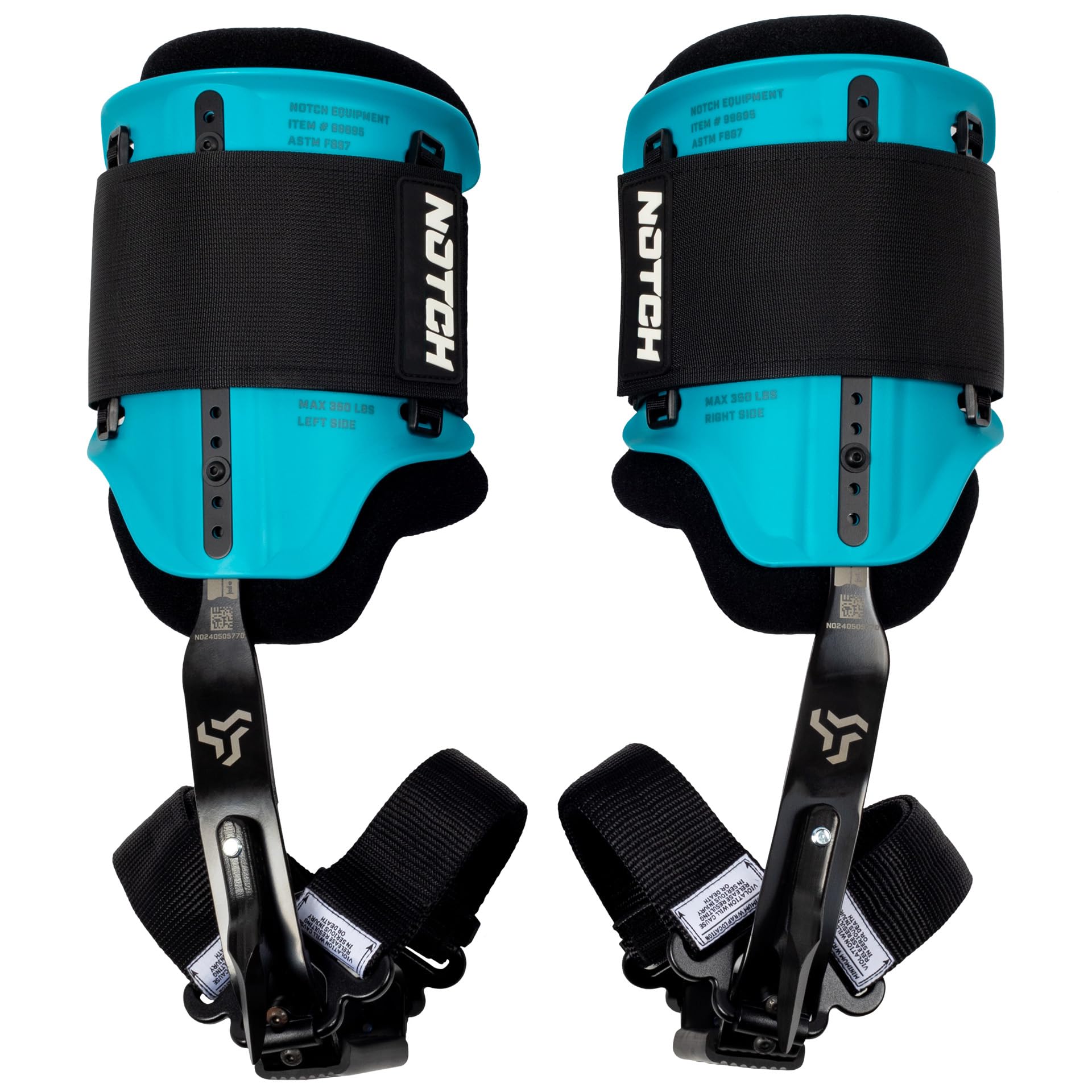
The Notch Steel Climbers redefine foot-angle ergonomics with over 20 cuff adjustment points and an ergonomic shank that keeps your foot at a natural climbing angle. The redesigned cuff spreads pressure evenly across the shin, reducing hot spots during 10-hour removal days, while the dual foot strap assembly lets you set the rear strap once and leave it for repeated use. The stirrup grip pad adds lateral stability so your boot doesn’t slide off during upward thrusts.
These gaffs come with an ASTM F887 certification and a 350-pound total weight limit, covering most of the professional arborist population. Long-term users report that the lower foot straps show normal wear after about two months of heavy daily use, but the overall frame holds up without loosening. The scannable-enable feature adds track-and-trace capability for fleet management — a nice bonus for crew leads keeping inventory of gear.
New climbers may find the 20+ adjustment points intimidating at first, but once dialed in, these spurs stay planted and rarely gaff out. The included gaff covers protect the spikes during transport, and the split-ring ankle strap assembly makes replacement fast when straps eventually wear. For long climbs, they’re noticeably more comfortable than traditional pole-climber sets.
Why it’s great
- Ergonomic shank and 20+ cuff points reduce shin fatigue on full-day jobs
- Dual foot strap assembly with preset rear strap simplifies daily setup
- ASTM F887 certified with 350-pound total weight limit
Good to know
- Lower foot straps may show wear after 2 months of heavy use
- Proper initial adjustment is critical — new climbers should take time to dial in fit
3. Weaver Arborist HAAS Velox Foot Ascender

The Weaver HAAS Velox Ascent System eliminates the hip-thrusting “hump” method by turning your foot and knee into a mechanical advantage system. A 30-inch in-line bungee extends from the snap above the ascender to the foot loop, absorbing shock and removing dead spots during the ascent stroke. The bungee travels through a channel around a shiv with stainless steel sealed bearings inside a machined aluminum block, delivering smooth rope movement with each step.
This foot ascender is built for multi-user environments — the zero-setup design means any climber can strap in and start climbing without adjusting mechanical prusiks or friction hitches. The nylon construction with integrated friction-saver straps reduces wear on the rope, while the tool-free bungee replacement takes under five minutes. Experienced climbers note that it pairs especially well with mechanical descenders like the Petzl Zigzag for a seamless up-down cycle.
The unit works with most standard climbing boots, though users who prefer clip-style attachments for quicker in-tree removal should factor that into their boot choice. At roughly 189 dollars, it’s an investment in climbing efficiency that pays dividends on tall removals where every foot of clean ascent saves energy for the cutting work ahead.
Why it’s great
- 30-inch bungee extension eliminates dead spots and reduces hip thrusting fatigue
- Sealed stainless steel bearings in aluminum block deliver friction-free rope travel
- Zero-setup design lets multiple climbers share the same ascender without reconfiguration
Good to know
- Clip-style boot attachment is easier for in-tree removal than loop style
- Premium price reflects machined aluminum components and bearing quality
4. Klein Tools CN1907ARL Tree Climber Set

Klein Tools has been a staple in the climbing industry for decades, and the CN1907ARL set continues that tradition with 8×8-inch cushioned high-grade leather pads, neoprene-impregnated nylon straps, and contoured leg irons that position the gaffs securely. The 4-7/16-inch wide stirrup provides substantial foot support for climbers wearing size 8 and up boots, and the replaceable gaff attaches via a center pin with two TORX screws for field replacement when spikes dull.
The steel split ring keeps the ankle strap in place while allowing quick replacement when needed, and the two slotted hex-head bolts with lock washers join the steel sleeve and leg iron. Users report excellent bite on various bark types — from smooth-barked maples to rough oaks — though some note that the included shin pads feel a bit basic and upgrade to Klein’s HydraCool pads for better sweat management on hot days.
One caveat: the initial assembly may require minor adjustment, and a few users reported needing to request replacement screws for the gaff attachment. Boots with at least 8-inch uppers are recommended to prevent ankle rub from the leg iron connection point. For the price, this set offers a proven design with replaceable gaffs that extend the usable life of the climbers significantly.
Why it’s great
- Replaceable gaffs with TORX screws allow field repair without replacing the whole set
- 8×8-inch leather pads provide extensive cushioning on long climbs
- Contoured leg irons keep gaffs aligned for consistent bite on all bark types
Good to know
- Included shin pads feel basic — consider upgrading to HydraCool pads for heat management
- 8-inch or taller boots recommended to avoid ankle rub at the leg iron connection
5. Weaver Leather WLC 160 Saddle

The Weaver WLC 160 is a saddle that prioritizes wear resistance and all-day comfort through traditional materials and thoughtful design. The 6-inch wide waist back is foam-filled and lined with soft oil-tanned steer hide leather, distributing the weight of your tool load evenly across your lower back. The forged aluminum dee rings with a black anodized finish are lighter than steel yet strong enough for daily use, and their fixed-position angled orientation lets you snap in a carabiner with one hand.
Two utility straps with stainless steel 200 snaps and nickel-plated rings allow quick tool access, while two additional dees on the bottom of the waist back accept a ditty bag or first aid kit. The seat strap and leg straps are also lined with leather, reducing skin irritation during sweaty summer climbs. Weighing approximately 6 pounds for a medium, it’s not the lightest saddle on the market, but the weight is justified by the quality of materials and the confidence that comes from a brand with 30-year user loyalty.
Some climbers note that the leg straps have more adjustment points than the traditional non-strap version, which requires a brief adaptation period. The rounded nylon loops on the saddle back are covered with clear rubber tubes to resist fraying from carabiner wear. For a budget-conscious professional or a dedicated hobbyist, the WLC 160 delivers proven durability that often outlasts cheaper plastic-intensive saddles.
Why it’s great
- Forged aluminum dee rings reduce weight without sacrificing strength or snap-in ease
- Leather-lined waist and leg straps provide superior comfort on extended climbs
- Steel utility straps with stainless snaps keep tools within easy reach at height
Good to know
- Transitioning from non-strap to strap leg style requires a short adaptation period
- At 6 pounds, it’s heavier than some modern mesh-back saddles
6. Arbpro EVO 2 Climbing Boots
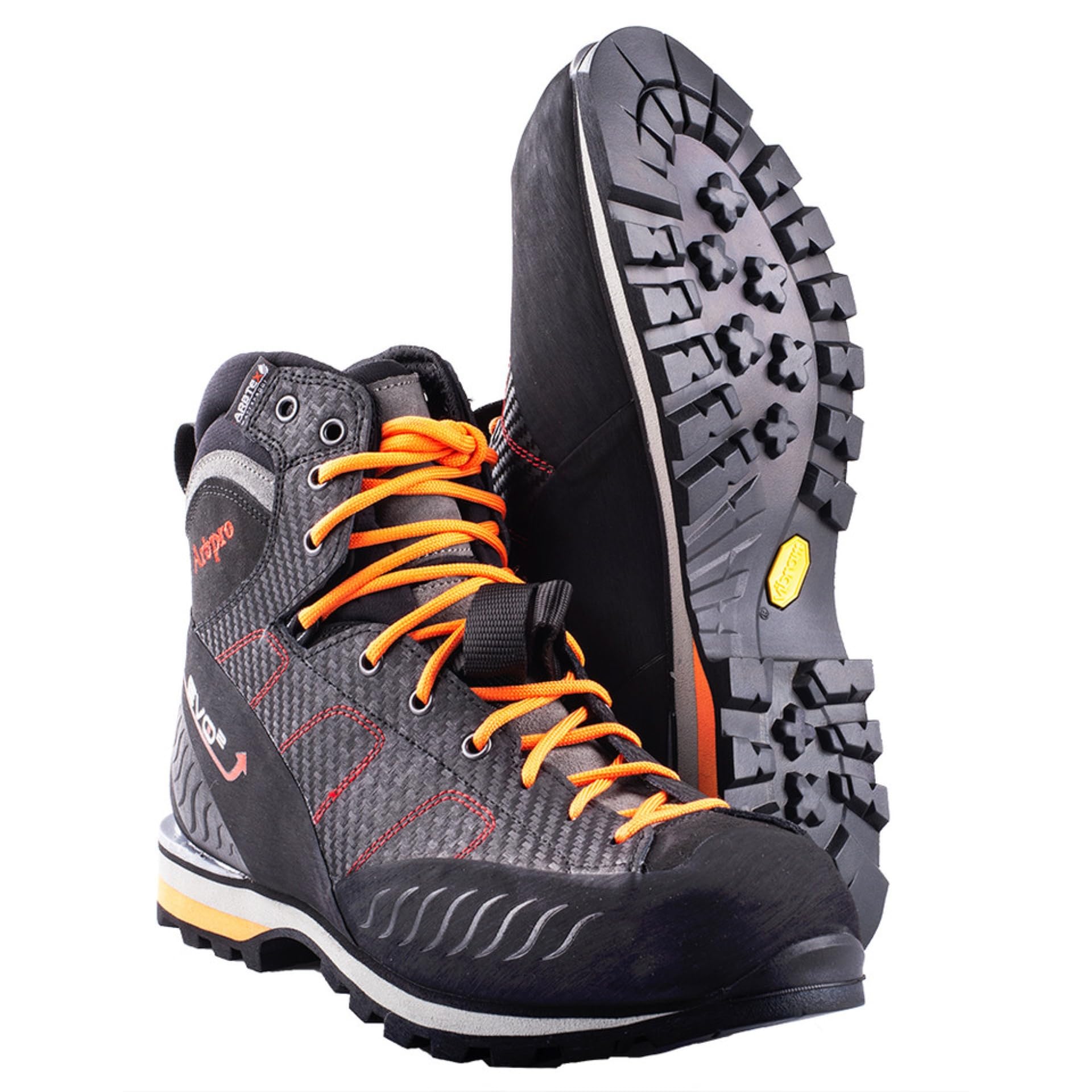
The Arbpro EVO 2 is purpose-designed for arborists who need grip on narrow branch crotches without metal hardware that damages ropes. The custom Vibram sole features a climbing zone tip that bites into bark, while the Perwanger leather upper and Event membrane deliver water resistance and breathability. The newly updated EVO 2 adds 25mm of ankle support height with a softer yet higher pad, plus a reinforced lacing system that uses no metal hooks — critical for protecting your climbing lines.
Users who climb 8–10 hours daily report that the EVO 2 eliminates the foot pain they experienced in standard work boots, though the softer sole means faster wear when walking on hard ground between trees. European sizing runs slightly smaller than US sizing, so ordering a half size up is a common recommendation. The loop attachment point on the back is handy for HAAS or SAKA ascender devices, though the boot itself is not classified as PPE for that attachment.
The boots carry a full warranty against factory defects, but normal sole wear from terrain abrasion is expected — many users get 6–8 months of daily professional use before needing a resole. For climbers who spend most of their day in the canopy, the improved safety from the dedicated climbing sole and the rope-friendly lacing system makes the EVO 2 a worthy investment.
Why it’s great
- Vibram climbing-zone sole provides exceptional grip on narrow branch crotches
- Metal-free lacing system eliminates rope damage from boot hardware
- Event membrane keeps feet dry without sacrificing breathability during long climbs
Good to know
- Soft sole wears faster on hard ground — expect 6–8 months of daily professional use
- European sizing runs small — order a half size up from your US size
7. ProClimb Better Grab Steel Core Flipline Kit

The ProClimb Better Grab Flipline Kit combines a 16-strand polyester jacket with a 1/4-inch diameter 7×19 galvanized steel aircraft cable core, giving you the rigidity needed for lateral limb walking and the grip needed for rope grab adjusters. The neon orange jacket keeps the line visible against dark bark and in low-light conditions, and the eyes are formed over steel thimbles with crimped brackets that extend the working life of the flipline ends. The 1/2-inch overall rope diameter fits standard flipline hardware without binding.
The Better Grab Rope Grab (USR-300-MRG) features a stainless steel core, an ergonomic rubberized cover, and an anodized aluminum cam with a large thumb rest for precise one-handed adjustments. Users report that the adjuster operates smoothly on the polyester jacket and allows quick length changes while standing on the ground before the climb. The kit comes in 12-foot length — a smart choice for larger trees where 8 feet would limit lateral reach.
One area where the steel-core construction shows a limitation is weight and bulk compared to a pure rope flipline. The steel snap hook is also heavier than aluminum alternatives, which some users noted as a reason to eventually swap the hardware. That said, the cut resistance of the steel core provides an extra layer of safety when working near saw teeth, and the 100% factory proof testing on every unit inspires immediate confidence.
Why it’s great
- Steel aircraft cable core delivers superior cut resistance near saw operations
- Neon orange high-visibility jacket improves line detection against bark and foliage
- Rope grab with rubberized cam and thumb rest enables precise one-handed adjustment
Good to know
- Steel core and snap hook add noticeable weight compared to all-rope fliplines
- Aluminum snap hook upgrade would reduce overall kit heft
8. Pelican Rope Arborist Rope 11.8mm x 120Ft
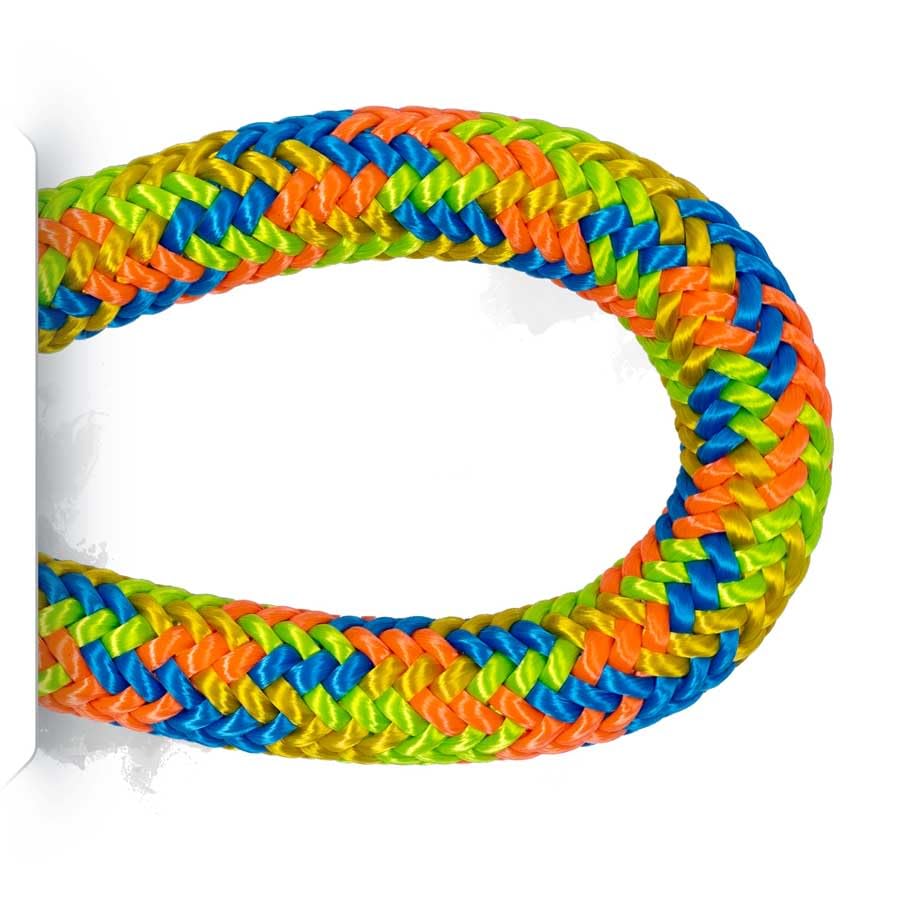
The Pelican Rope Arborist Rope is a 24-strand polyester static line with a 5,400-pound minimum breaking strength and a working load that handles 235-pound climbers plus gear without noticeable stretch. At 11.8mm diameter, it falls comfortably within the 11.5mm to 13mm range required by mechanical descenders like the Zigzag and Rope Runner. The tight-spliced eye on one end is factory-sewn and ready for girth-hitching to a saddle bridge or friction saver, while the other end is untreated for threading through devices.
Users who climb with the Petzl Zigzag Plus specifically report that this rope runs smooth through the device with minimal slippage, even under wet conditions. The polyester construction resists water absorption better than nylon, maintaining its low-stretch profile during rain and morning dew climbs. The 120-foot length works well for most residential and commercial trees, though larger specimen removals may require the 150-foot or 200-foot variants.
One catch: the factory-spliced eye on the Viper color variant is too large to fit through some friction devices like the Petzl Ascension, so plan to use the non-spliced end for device threading. A few users noted the rope feels slightly springy when brand new, but it settles into a stable static performance after a few descents. For the price, this is a high-value climbing line that matches the performance of ropes costing significantly more.
Why it’s great
- 5,400-pound breaking strength provides a wide safety margin for professional climbing loads
- 24-strand polyester construction resists water absorption and maintains low-stretch
- Factory eye splice eliminates the need for knot tying on one end of the line
Good to know
- Factory eye is too large for some friction devices — use the non-spliced end for threading
- New rope may feel slightly springy until it settles after a few descents
9. Summit Treestands Goliath SD Climbing Treestand

The Summit Goliath SD is a climbing treestand engineered for larger-framed hunters or anyone who wants extra room at height. With a 350-pound maximum weight limit and a 21-pound overall weight, it supports heavy loads while remaining portable enough for one-trip packing into timber. The 36.5 x 25 x 19-inch dimensions provide a spacious platform and seat, reducing the confined feeling that smaller stands produce during long sits.
The Goliath SD uses the same climbing mechanism as the Viper SD — a dual-cable system that wraps the tree with sharp teeth for secure engagement during ascent. The seat is thickly padded and adjusts into multiple positions for comfort during all-day hunts. Users note that the stand is quiet in operation, with minimal metal-on-metal noise when shifting position, which is critical for not spooking deer during the approach.
Some downsides: the assembly instructions are limited, and most users turn to YouTube for proper setup guidance. The bungee cords that hold the seat back during transport show early wear, and some climbers recommend replacing the included tether rope with a stronger option. The plastic stirrup design is functional but raises longevity questions under heavy use. Despite these quirks, the Goliath SD earns high marks for comfort and stability once it’s properly attached to the tree.
Why it’s great
- 350-pound capacity and wide platform accommodate larger hunters and heavy gear
- Dual-cable climbing system with sharp teeth provides secure engagement during ascent
- Quiet operation minimizes noise that could spook game during approach
Good to know
- Assembly instructions are sparse — use video tutorials for proper setup
- Transport bungees and included tether rope may need early replacement
FAQ
What is the difference between tree gaffs and pole gaffs?
Can I use the same rope for DRT and SRT climbing?
How often should I replace my climbing rope?
Final Thoughts: The Verdict
For most users, the best arborist climbing gear combination starts with the Petzl Zigzag Plus because its ball-bearing descent and steel durability cover both DRT and SRT needs in a single compact device. If you prioritize shin comfort and gaff stability on full-day removals, grab the Notch Steel Climbers. And for a smooth, fatigue-reducing ascent, nothing beats the Weaver HAAS Velox Foot Ascender.