
Our readers keep the lights on and my morning glass full of iced black tea. As an Amazon Associate, I earn from qualifying purchases.
Specs are compiled from manufacturer listings and verified buyer reviews and can change over time — please confirm the key details on the product page before buying.
Matching the right 15-inch tire to your trailer weight, speed habits, and budget is the difference between a smooth tow and a roadside headache. You want a tire that won’t wobble at highway speeds, can carry your load without sweating, and fits your existing rims without a fight. This guide breaks down four solid options — from budget-friendly radials to premium bias-ply workhorses — so you know exactly which one belongs under your trailer.
I’m Min — the founder and writer behind Gadgets Feed. This guide is built by comparing the manufacturers’ published specifications and the patterns across verified customer reviews, so you get each pick’s real strengths and trade-offs instead of marketing spin.
Whether you’re towing a camper, boat, utility trailer, or a heavy-duty yard cart, these 15-inch trailer tires are reviewed based on load capacity, construction type, weight, and real-world mounting experience so you can choose with confidence.
Quick Picks
- Roundrule ST Hikee Semi Steel Premium Trailer Radial Tire-ST205/75R15 — Best Overall
- Transeagle ST Radial II Premium Trailer Radial Tire-ST205/75R15 — Best Value
- ROCKMAN Trailer Tire ST205/75R15 8-Ply Load Range D 107M Steel Belted Radial — Premium Pick
- Kenda K550 ST205/75D15 Loadstar Trailer Tire Bias-Ply (2 Pack) — Heavy-Duty Pick
How To Choose The Best 15-Inch Trailer Tires
Picking the wrong trailer tire can ruin a trip or worse, cause a dangerous blowout. Keep these three factors straight and you’ll narrow the field fast.
Load Range and Ply Rating
Load range tells you the maximum weight a tire can carry at a given air pressure. A load range D tire (like all four picks here) with an 8-ply rating handles heavier loads than a lower-rated tire. Check the actual load capacity in pounds — 1820 lbs vs 2149 lbs, for example — because that number determines what your trailer can safely haul.
Radial vs Bias-Ply Construction
A radial tire (like the Roundrule or Transeagle) has steel belts running across the tread, which gives a smoother highway ride and better heat dissipation at higher speeds. A bias-ply tire (like the Kenda K550) uses crisscrossing layers, offering a stiffer sidewall that resists sway under heavy loads but can ride rougher and run hotter on long stretches.
Size Compatibility: 205/75R15 Explained
The number “205/75R15” breaks down like this: 205 is the section width in millimeters, 75 is the aspect ratio (sidewall height as a percentage of width), and 15 is the rim diameter in inches. All the tires here fit a 15-inch rim, but your trailer’s rim width (often 5.5 inches) also matters — a tire like the ROCKMAN lists a 5.5-inch rim width spec, so check yours before buying.
Quick Comparison
On smaller screens, swipe sideways to see the full table.
| Model | Best For | Load Capacity | Construction | Item Weight | Amazon |
|---|---|---|---|---|---|
| Roundrule ST Hikee | Camper & boat towing on highways | 2149 Pounds | Radial | 25 Pounds | Amazon |
| Transeagle ST Radial II | Budget-friendly highway trips | 2149 Pounds | Radial | 27 Pounds | Amazon |
| ROCKMAN ST205/75R15 | Long hauls with heavy toy haulers | — | Radial | 51.1 Pounds | Amazon |
| Kenda K550 Loadstar | Utility carts & heavy yard loads | 1820 Pounds | Bias-Ply | 75.6 Pounds | Amazon |
In‑Depth Reviews
1. Roundrule ST Hikee Semi Steel Premium Trailer Radial Tire-ST205/75R15
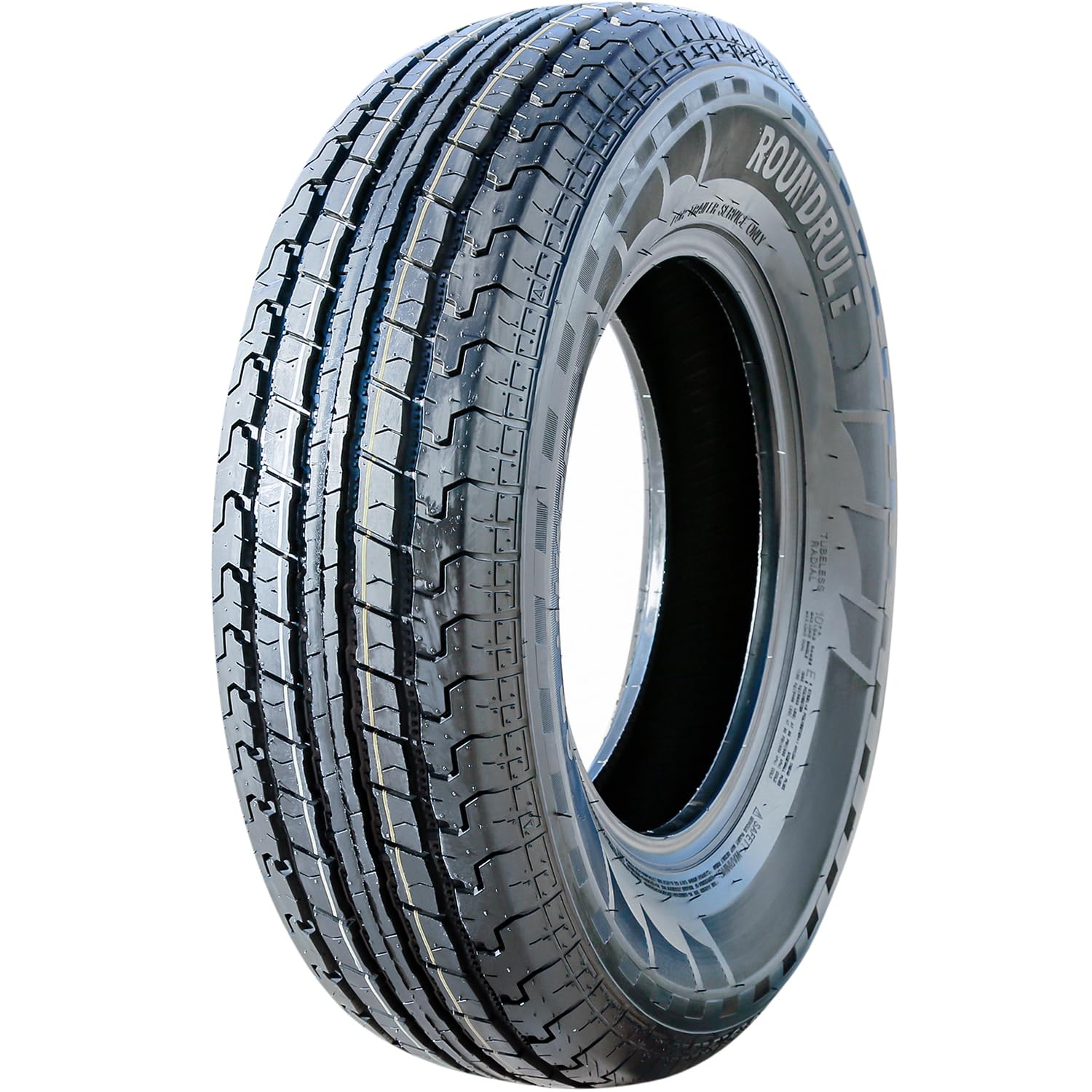
Highway-ready radial that balances a 2149-pound load capacity with a feathery 25-pound weight.
This tire uses a radial construction (steel belts running across the tread) to stay cooler and run smoother at highway speeds — exactly what you want under a camper or boat trailer. The 27.1-inch diameter and 65 PSI maximum pressure mean it stands tall and firm on the road. Buyers report taking it on a 40-mile test ride with their camper and finding “no bounce coming from the camper as it was being towed,” which speaks directly to the stability radial tires deliver.
At just 25 pounds per tire, it is dramatically lighter than the 75.6-pound Kenda bias-ply option — a 50.6-pound difference per tire — making it far easier to lift, mount, and store. This is the best fit for someone who tows regularly on highways and values a lighter, cooler-running tire that hits the same load range (D) and 8-ply rating as heavier competition.
Highway champion: Lightweight radial with full 2149-lb capacity; buyers confirm it runs smooth and balanced immediately after mounting.
Reach for this if: You tow a camper or boat at highway speeds and want a stable, cooler-running radial that is easy to install yourself.
Look elsewhere if: You need extra-deep tread for abrasive gravel roads — this is a highway tire, not an off-road tire.
2. Transeagle ST Radial II Premium Trailer Radial Tire-ST205/75R15
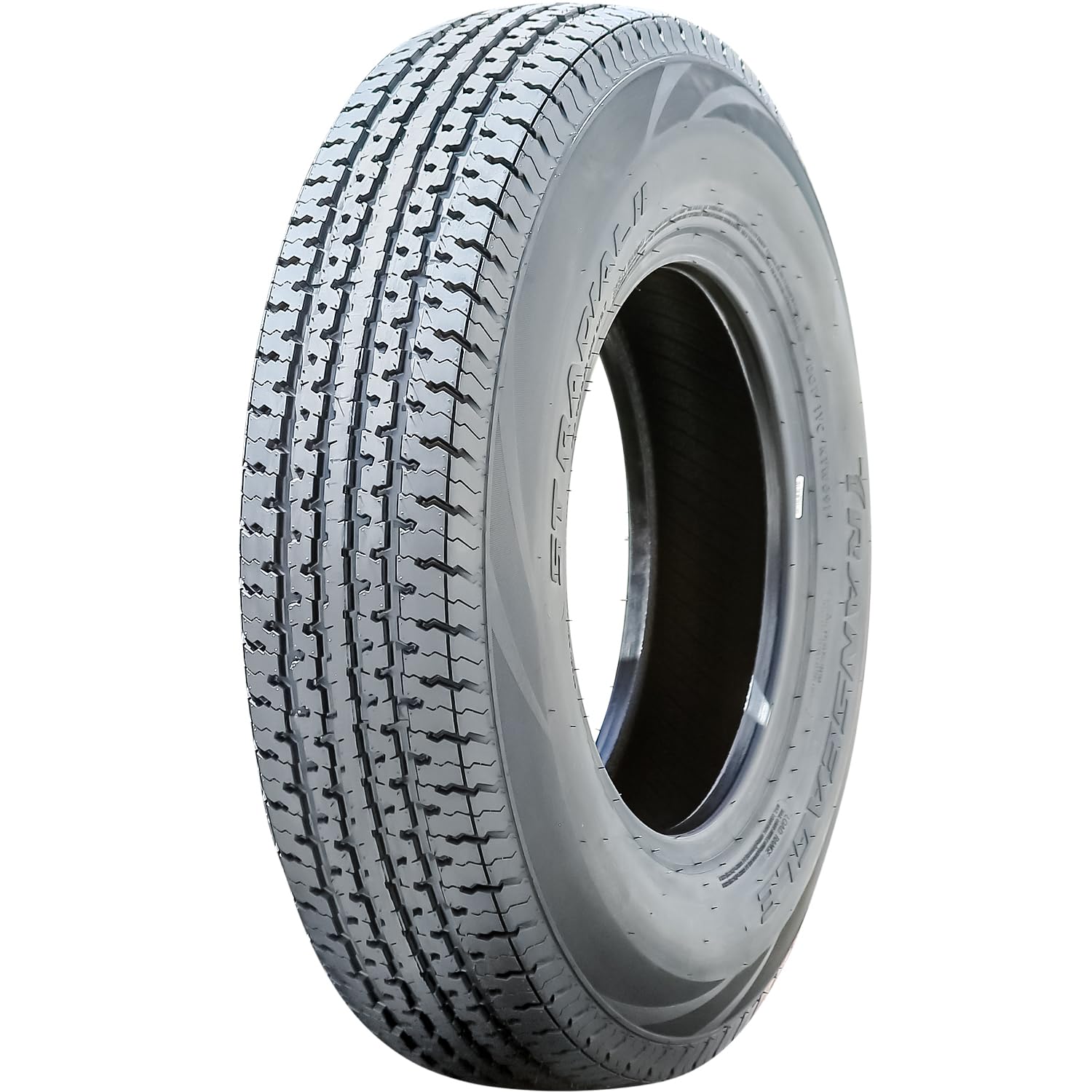
Nearly identical highway radial to the top pick — same 2149-lb load capacity — at a noticeably lower entry point.
The Transeagle matches the Roundrule spec-for-spec on the most critical numbers: load capacity of 2149 pounds, 27.1-inch diameter, load range D, and 8-ply rated construction. At 27 pounds it is just 2 pounds heavier — still far lighter than the Kenda bias-ply at 75.6 pounds. That makes it just as easy to handle during mounting and just as capable on a highway run.
One reviewer noted “Quality seems ok but they are banded way too tight and a nightmare to mount,” which is note if you plan to seat the beads yourself without a machine. If you have a shop mount them, this is not a problem. For the same load rating as more expensive radials, this tire gives budget-conscious buyers a real alternative without sacrificing highway safety or load capacity.
Budget radial, same muscle: Matches top-tier load numbers at a friendlier cost; the only catch is tight banding that can complicate DIY mounting.
Who it suits: Budget-minded buyers who want a full 2149-lb load range D radial but have a shop mount the tires.
One caveat: If you do your own tire work, the tight banding may frustrate you — the Roundrule above is easier to mount.
3. ROCKMAN Trailer Tire ST205/75R15 8-Ply Load Range D 107M Steel Belted Radial
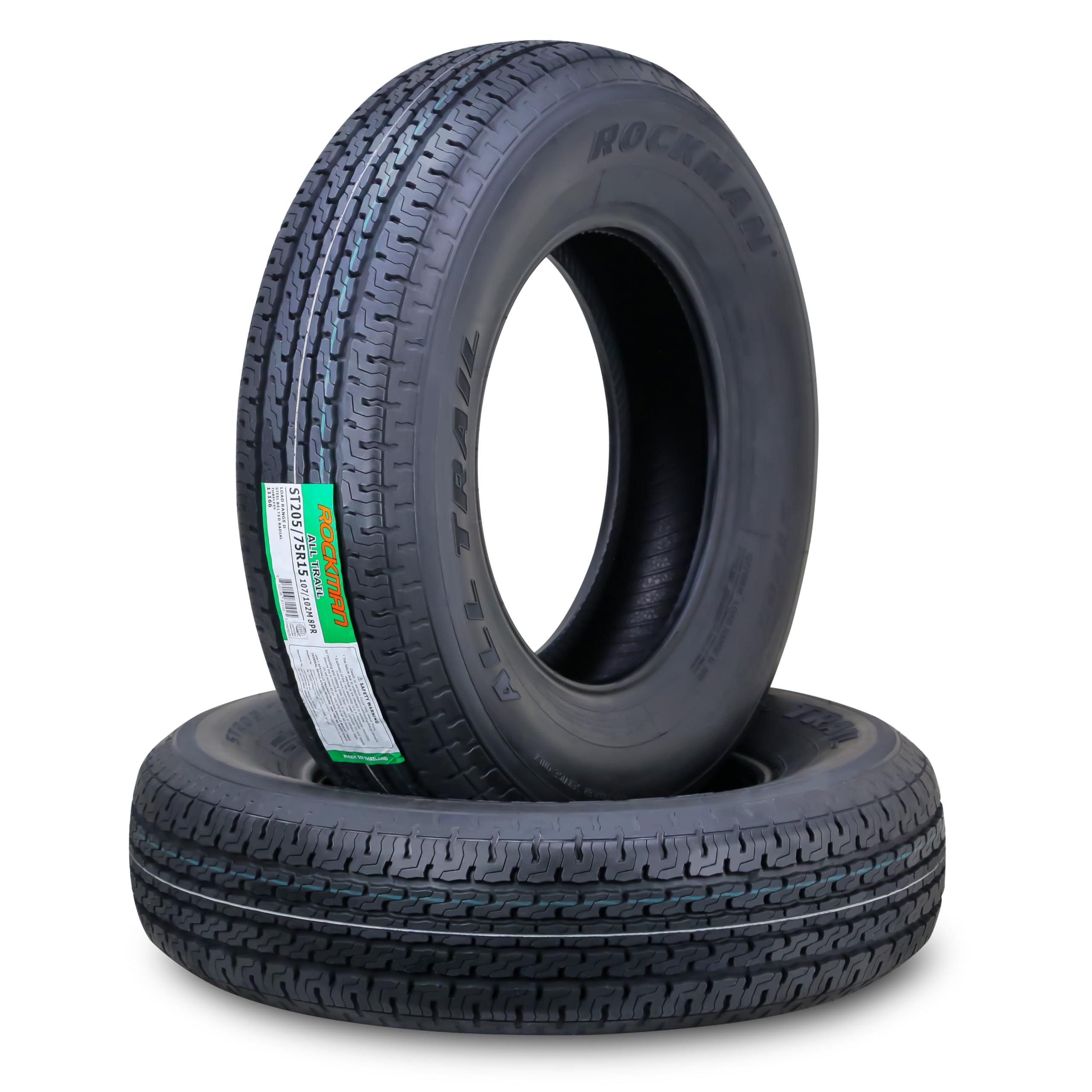
Deep 8mm tread depth and a full nylon cap ply over the entire tread — not just the shoulders — for longer wear.
The ROCKMAN stands apart because of its tread depth: 8 millimeters, which the manufacturer says compares with 5.6mm on cheaper competitors. That extra depth gives you more miles before replacement, especially if you tow frequently. It also has a full nylon cap ply overlay across the entire tread area, not just the shoulders, which the maker describes as a significant upgrade for safety under load.
At 51.1 pounds per tire it is notably heavier than the Roundrule (25 lbs) and Transeagle (27 lbs), but that weight comes from steel belting and extra rubber. One buyer mentioned “Estimate aprox 1000 miles since mount at highway speed 60” and found the tires stable with good tread wear. The load index 107 matches the others, but since a load capacity in pounds is not listed in the data, you are buying for the deeper tread and the reinforced safety cap. This tire is built for longevity, not for lightness.
Long-haul specialist: 8mm vs 5.6mm tread depth and full-width nylon overlay make this the better bet for heavy toy haulers and frequent highway miles.
Best for: Owners of heavier trailers who put serious miles on and want a tire that will wear slower and add a safety margin.
Skip if: You want the lightest possible tire to store and mount — the 51.1-pound weight is twice that of the Roundrule.
4. Kenda K550 ST205/75D15 Loadstar Trailer Tire Bias-Ply (2 Pack)
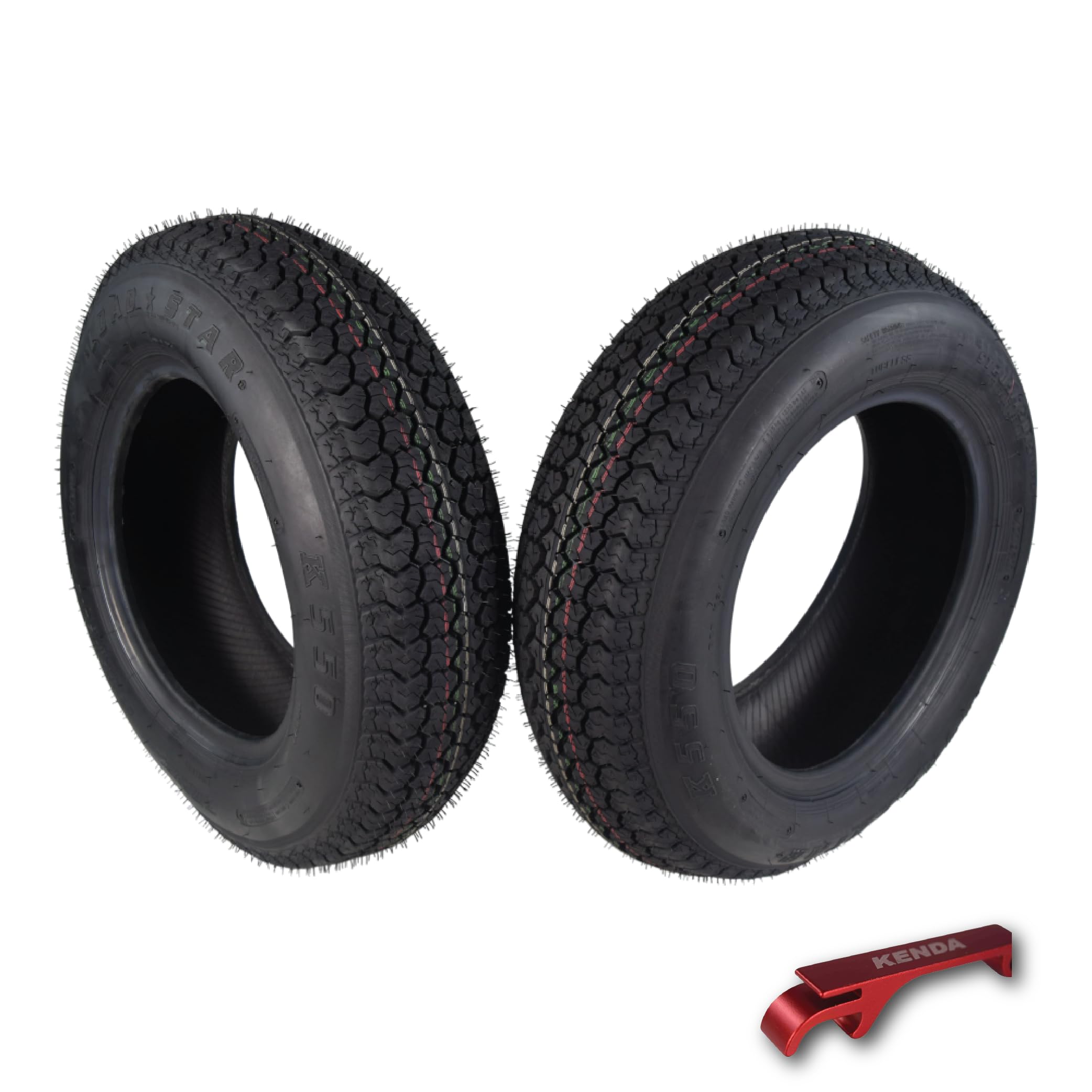
Tough bias-ply built for stability under heavy loads — a tire that buyers praise for its durability on yard carts.
The Kenda K550 uses a bias-ply construction (crisscrossing layers of rubber and fabric) rather than a radial design. This makes the sidewall stiffer, which reduces sway under heavy loads like wood, sand, or loam — exactly the scenario buyers describe when using it on a yard cart. One owner noted they were “durable yard cart tires; easy hand-mount with soapy water, no tubes” and that they “held air for months under heavy loads.”
At 75.6 pounds per tire, the Kenda is roughly three times heavier than the Roundrule (25 lbs) and 48.6 pounds heavier than the Transeagle (27 lbs). Its load capacity is 1820 pounds, which is lower than the 2149 pounds of both radials above — an 18% gap. Bias-ply tires also run hotter on long highway stretches, so the Kenda is less suited for sustained high-speed towing. It excels instead on utility trailers, boats, and slow-speed heavy-hauling where its stiff sidewall and low rolling resistance (which the manufacturer says improves fuel efficiency) matter most.
Low-speed workhorse: Bias-ply sidewalls resist sway under heavy, slow loads; buyer reviews confirm easy hand-mounting and long air-holding without tubes.
Ideal for: Utility trailers, yard carts, and boat trailers used mainly for short, slow trips with heavy cargo — where sidewall stiffness beats radial comfort.
Not for: Long highway towing at high speeds — the 1820-lb capacity is lower than the radials, and bias-ply tires build more heat on the open road.
Understanding the Specs
Load Range and Ply Rating
Load range is a standardized letter (C, D, E, etc.) that tells you the maximum air pressure and load a tire can handle. A load range D tire holds up to 65 PSI and is 8-ply rated, meaning it has eight layers of rubber and fabric. That ply rating gives you a rough idea of toughness — more plies usually mean a heavier tire that can carry more weight, though modern materials allow high capacities in lighter tires too. Always compare the actual load capacity in pounds (1820, 2149, etc.) because that is the number that determines whether your trailer is safe on the road.
Radial vs. Bias-Ply Construction
A radial tire has steel belts running perpendicular to the direction of travel. This design flexes more in the sidewall, which keeps the tread flat on the road, reduces heat buildup, and gives a smoother ride at highway speeds — ideal for campers and boat trailers that cover long distances. A bias-ply tire has layers running diagonally (at 30-40 degree angles). The stiffer sidewall resists sway under heavy loads but creates more heat during extended highway driving, making bias-ply a better choice for slow-speed or heavy-haul utility trailers and yard carts.
FAQ
Can I use a passenger car tire on my trailer instead of a trailer tire?
What does the 205/75R15 mean on my tire sidewall?
How do I know which load range my trailer needs?
How long do ST trailer tires usually last?
Should I buy radial or bias-ply tires for my boat trailer?
Can I mount these tires myself at home?
What is the right air pressure for load range D trailer tires?
Do I need tubes in these 15-inch trailer tires?
What does “PLY” mean on a trailer tire?
Why is the Kenda K550 so much heavier than the Roundrule Tire?
Final Thoughts: The Verdict
For most buyers, the best 15-inch trailer tires are the Roundrule ST Hikee because they combine a full 2149-pound load capacity, smooth radial ride, and a light 25-pound weight that makes mounting and storing them easy. If you want the same load capacity at a lower investment, grab the Transeagle ST Radial II — just plan to have a shop mount them. And for heavy-duty yard carts or utility trailers where sidewall stiffness matters more than highway speed, the standout is the ROCKMAN with its deep 8mm tread and full-width nylon cap.
How We Picked
We do not accept paid placement, and we did not hands-on test every unit. Instead, we match each pick to a real buyer and use-case by comparing the manufacturers’ published specifications against the patterns in verified customer reviews — so you get each pick’s real strengths and trade-offs instead of marketing copy.
Sources & Methodology
Specifications: manufacturer listings and product documentation. Review insights: verified customer reviews, as of July 2026. Pricing: not shown on this page (it changes often); check the current price via the retailer link.
As an Amazon Associate, Gadgets Feed earns from qualifying purchases. This does not affect which products we feature.
Product prices and availability are accurate as of the date/time indicated and are subject to change. Any price and availability information displayed on Amazon at the time of purchase will apply to the purchase of this product. As an Amazon Associate I earn from qualifying purchases.
CERTAIN CONTENT THAT APPEARS ON THIS SITE COMES FROM AMAZON. THIS CONTENT IS PROVIDED "AS IS" AND IS SUBJECT TO CHANGE OR REMOVAL AT ANY TIME.
Amazon and the Amazon logo are trademarks of Amazon.com, Inc. or its affiliates.