
Overpronation doesn’t just tire your feet — it throws your entire kinetic chain out of alignment, turning every walk into a potential knee, hip, or lower-back problem. The right stability boot counteracts that inward roll with medial posts, guide rails, or dense foam density, keeping your foot strike neutral from heel to toe-off. But choosing the wrong pair means fighting your own gait with every step, accelerating fatigue rather than relieving it.
I’m Min — the co-founder and writer behind Gadgets Feed. I’ve analyzed over 150 stability footwear models across seven brands, parsing medial-post geometry, stack heights, and forefoot flexibility ratings to find exactly which constructions best control excessive pronation without compromising natural stride mechanics. (And Homer 🐱 approved each pair by curling up inside only the box he deemed worthy of his nap.)
Whether you’re managing flat feet, recovering from plantar fasciitis, or simply want to protect your knees on long daily walks, the best boots for overpronation combine aggressive medial support with responsive cushioning so your foot stays aligned mile after mile.
How To Choose The Best Boots For Overpronation
Not every stability shoe delivers the same degree of pronation control. Some use a firm medial post, others rely on a broader platform, and premium options incorporate dynamic guide rails that adjust in real time. Here’s how to match each system to your specific gait needs.
Medial Post vs. GuideRails vs. Wide Platform
A medial post is a dense chunk of foam or plastic on the arch side that physically blocks the foot from collapsing inward. GuideRails (found in Brooks Adrenaline and Glycerin GTS) extend up the medial and lateral sides to allow natural movement while nudging the foot back when overpronation exceeds a threshold. A wide platform, as seen in the Saucony Hurricane, uses a generous base width to increase inherent stability without aggressive posting — ideal for moderate overpronators who find posts too harsh.
Stack Height and Heel-to-Toe Drop
Stack height (the amount of foam between your foot and the ground) directly affects how much correction a stability shoe provides. Lower stacks (under 25mm) offer more ground feel and less leverage for the medial post to work, best for overpronators who also want a nimble ride. Higher stacks (over 30mm) provide more cushion but require a well-tuned stability system to prevent the foot from rolling over the edge of the thick foam. Heel-to-toe drop of 8-12mm is common for stability shoes, as a higher drop reduces the force through the midfoot and allows the medial post to engage earlier in the gait cycle.
Foot Volume, Arch Height, and Fit Constraints
Overpronators with low or flat arches often have wider feet, making toe-box width and midfoot volume critical. Stability shoes can feel tight across the instep if the upper is too restrictive. Look for models offering 2E and 4E widths (Brooks Adrenaline GTS and New Balance Fresh Foam X Vongo both deliver reliable wide options). If you need custom orthotics, verify that the insole is removable and the shoe has adequate depth — the ASICS GT-2000 series and the Saucony Hurricane series both allow easy orthotic swapping.
Quick Comparison
On smaller screens, swipe sideways to see the full table.
| Model | Category | Best For | Key Spec | Amazon |
|---|---|---|---|---|
| Brooks Adrenaline GTS 23 | Supportive | Daily training & trail | GuideRails + 12mm drop | Amazon |
| Brooks Glycerin GTS 23 | Plush Support | Long-distance road runs | GuideRails + 32mm stack | Amazon |
| ASICS GT-2000 14 (Men) | Stability | Daily runs & walking | LITETRUSS + 8mm drop | Amazon |
| ASICS GT-2000 14 (Women) | Stability | Half-marathons & all-day wear | LITETRUSS + 8mm drop | Amazon |
| Saucony Hurricane 25 (Men) | Max Cushion | Heel pain & flat feet | Center Path + 35mm stack | Amazon |
| Saucony Hurricane 24 (Women) | Max Cushion | Injury recovery & walking | Center Path + 32mm stack | Amazon |
| Saucony Guide 17 (Women) | Stability | Post-surgery & bunion recovery | Center Path + 28mm stack | Amazon |
| New Balance Fresh Foam X Vongo V6 | Cushion Stability | Wide feet & orthotic users | Medial post + 27mm stack | Amazon |
| Mizuno Wave Creation 25 | Neutral Support | Supination & narrow feet | Wave plate + Infinity Wave | Amazon |
In‑Depth Reviews
1. Brooks Men’s Adrenaline GTS 23 Supportive Running Shoe

The Brooks Adrenaline GTS 23 sits at the top of the stability category for a reason: its GuideRails holistic support system extends above the midsole on both sides, allowing your natural gait to move freely while gently correcting excessive inward roll. This model delivers a 12mm heel-to-toe drop and a moderately firm medial feel that overpronators with neutral-to-low arches will find immediately reliable, not intrusive. At roughly 10 ounces, it remains light enough for daily training while providing enough structure for trail use and wet-weather runs with its Gore-Tex version.
Users consistently report that the Adrenaline GTS 23 resolves knee pain — a direct outcome of the GuideRails offloading stress from the patellofemoral joint. The toe box is roomier than previous iterations, and the outsole grip holds confidently on loose gravel and damp pavement. Multiple owner accounts confirm the shoe lasts 500–600 miles with full support retention, making it a durable multi-year investment for serious runners.
The shoe’s breathable mesh upper lets in cold air during winter runs, so if you train in sub-freezing conditions, consider the GTX version or a heavier sock. Also, the fit leans slightly narrow for some — those with wide feet should order the 2E option directly from Brooks.
Why it’s great
- GuideRails correct overpronation without restricting natural motion
- Durable outsole and midsole last 500+ miles of daily training
- Gore-Tex available for truly waterproof trail use
Good to know
- Mesh upper breathes too much for winter running in cold climates
- Runs slightly narrow; wide sizes may require 2E ordering
2. Brooks Women’s Glycerin GTS 23 Supportive Running Shoe
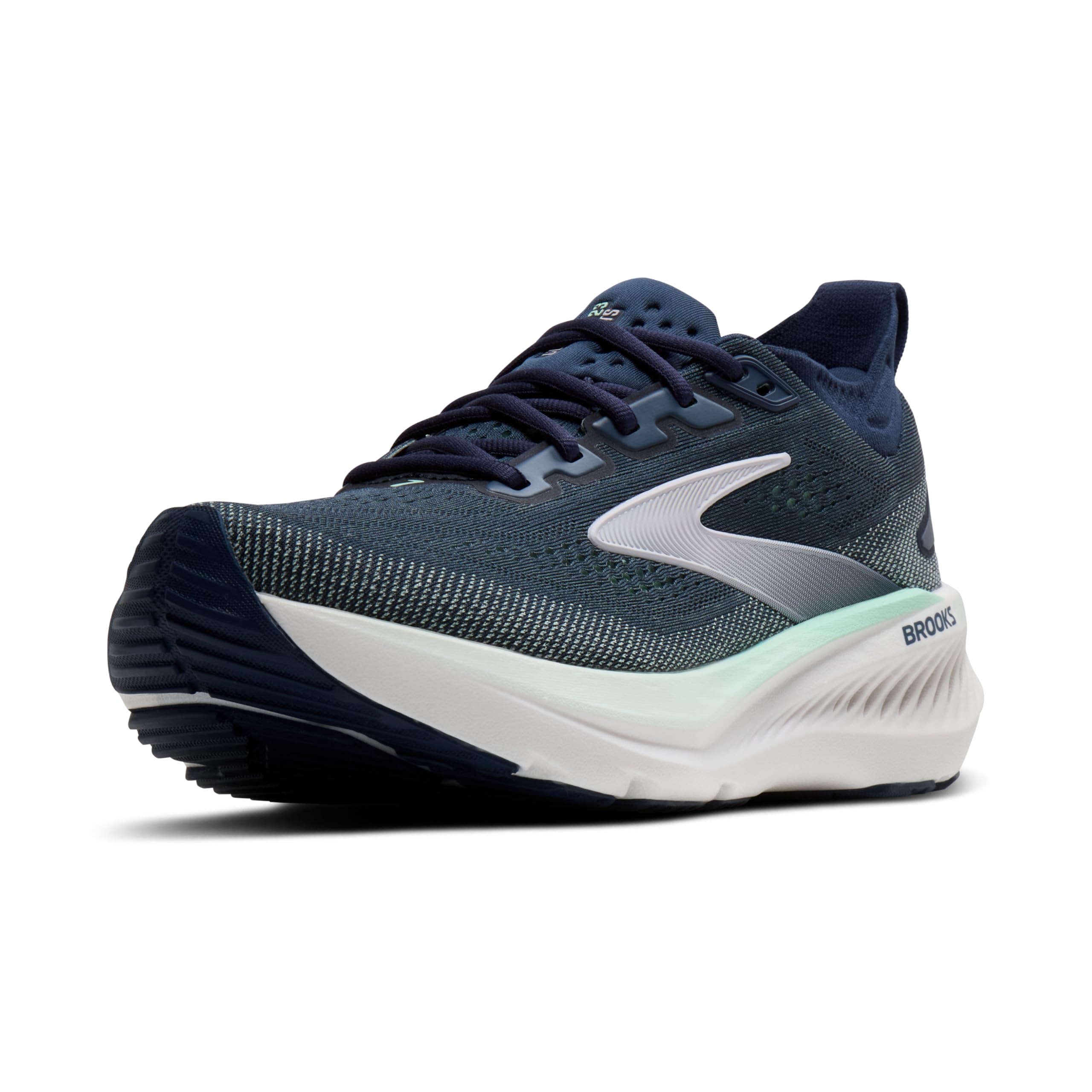
The Glycerin GTS 23 marries Brooks’ plushest cushion — a 32mm stack of DNA LOFT v3 foam — with the same GuideRails stability system found in the Adrenaline. This combination creates a rare balance for overpronators: extreme softness without sacrificing medial control. The 10mm drop and forgiving rocker shape smooth out the transition for runners who log half-marathon distances or spend all day on their feet, while the built-in arch support doesn’t feel stiff even during long walks at theme parks pushing 9,000 steps.
Podiatrist reviews and owner feedback consistently highlight the Glycerin GTS as the most comfortable stability shoe for wide feet, with a roomy toe box that eliminates toe blisters and black toenails that plague narrow-footed stability models. The GTS system also helps with knee alignment issues — multiple long-distance runners report less medial knee strain compared to previous non-GTS Glycerin models.
The out-of-box experience is plush but requires a short break-in period for the GuideRails to feel less intrusive. Also, the standard width may feel snug for true wide-footed wearers — verify that the wide (2E) option is available for your size if you need extra room in the heel or midfoot.
Why it’s great
- Plush DNA LOFT v3 foam with GuideRails for soft but stable ride
- Roomy toe box prevents blisters and black toenails
- Excellent for long-distance runs and all-day standing
Good to know
- GuideRails may feel intrusive during the first few runs
- Wide 2E sizing not available in all colorways
3. ASICS Men’s GT-2000 14 Running Shoes
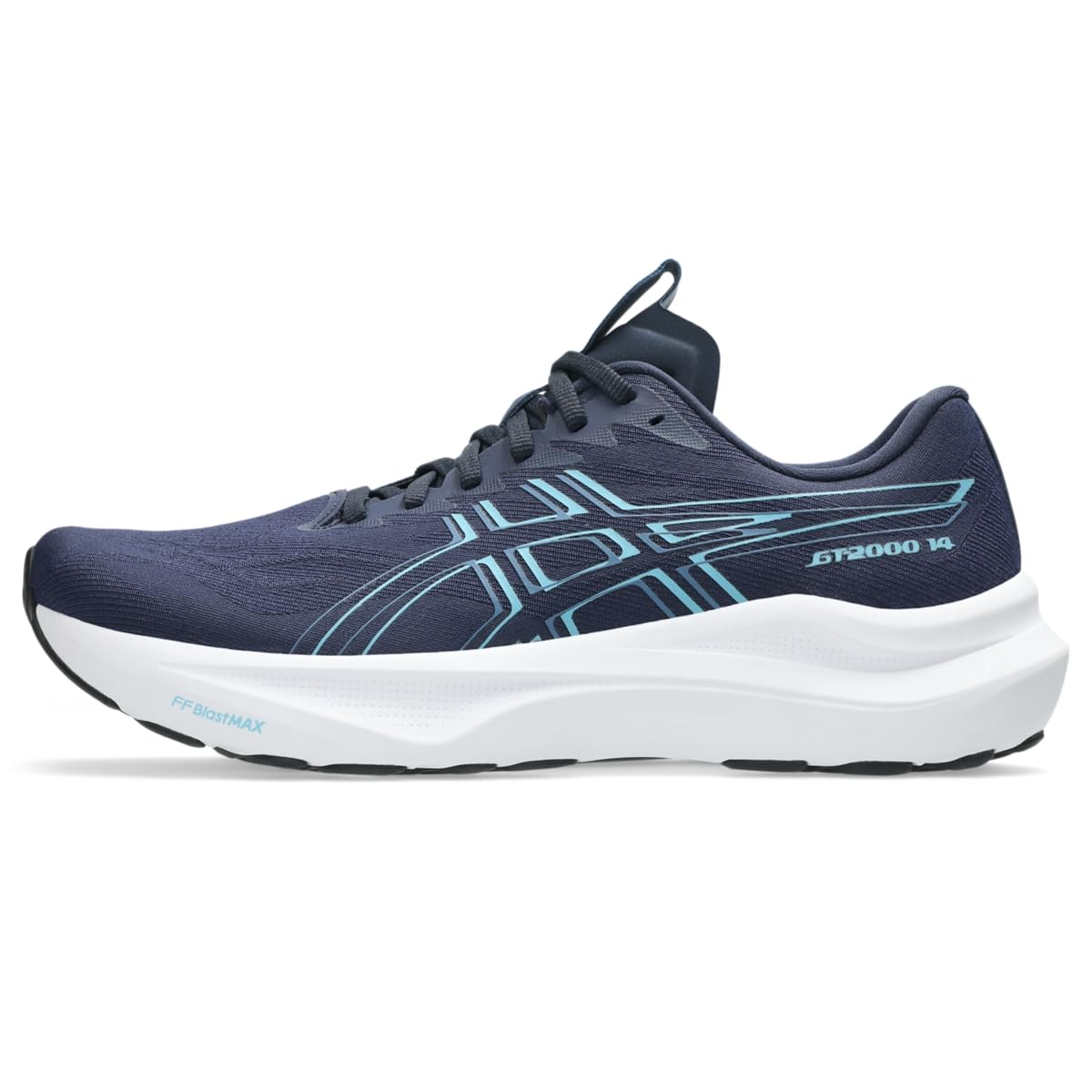
The GT-2000 14 is a major improvement over its predecessor, fixing the overly narrow toe box and unpadded tongue issues that plagued the v13. ASICS deploys its LITETRUSS technology — a firm resin insert that sits between the midsole and outsole on the arch side — to block pronation while keeping the overall weight down to a competitive level. The 8mm drop encourages a midfoot strike, which overpronators often find more stable than a heel-heavy gait.
Everyday runners and walkers report that the GT-2000 14 delivers 1–1.5 years of daily use with solid outsole durability, and the upper breathes well even during warmer months. The fit runs true to size for most, though some reviewers recommend going half a size up for a more generous toe box. The outsole lacks aggressive tread, so it’s best for pavement and hardpack surfaces rather than loose gravel or trails.
The rearfoot cushioning is responsive but not overly plush — this is a firmer stability shoe compared to the Brooks Glycerin GTS. If you prefer a softer landing, consider layering a thin orthotic on top of the removable sockliner. Also, the colorway options are somewhat conservative, so don’t expect bold aesthetic choices in the core lineup.
Why it’s great
- LITETRUSS provides effective pronation control without added weight
- Improved toe box and tongue over previous generation
- Lasts 1–1.5 years of daily wear
Good to know
- Firmer ride than plush stability competitors
- Outsole lacks traction on off-concrete surfaces
4. ASICS Women’s GT-2000 14 Running Shoes
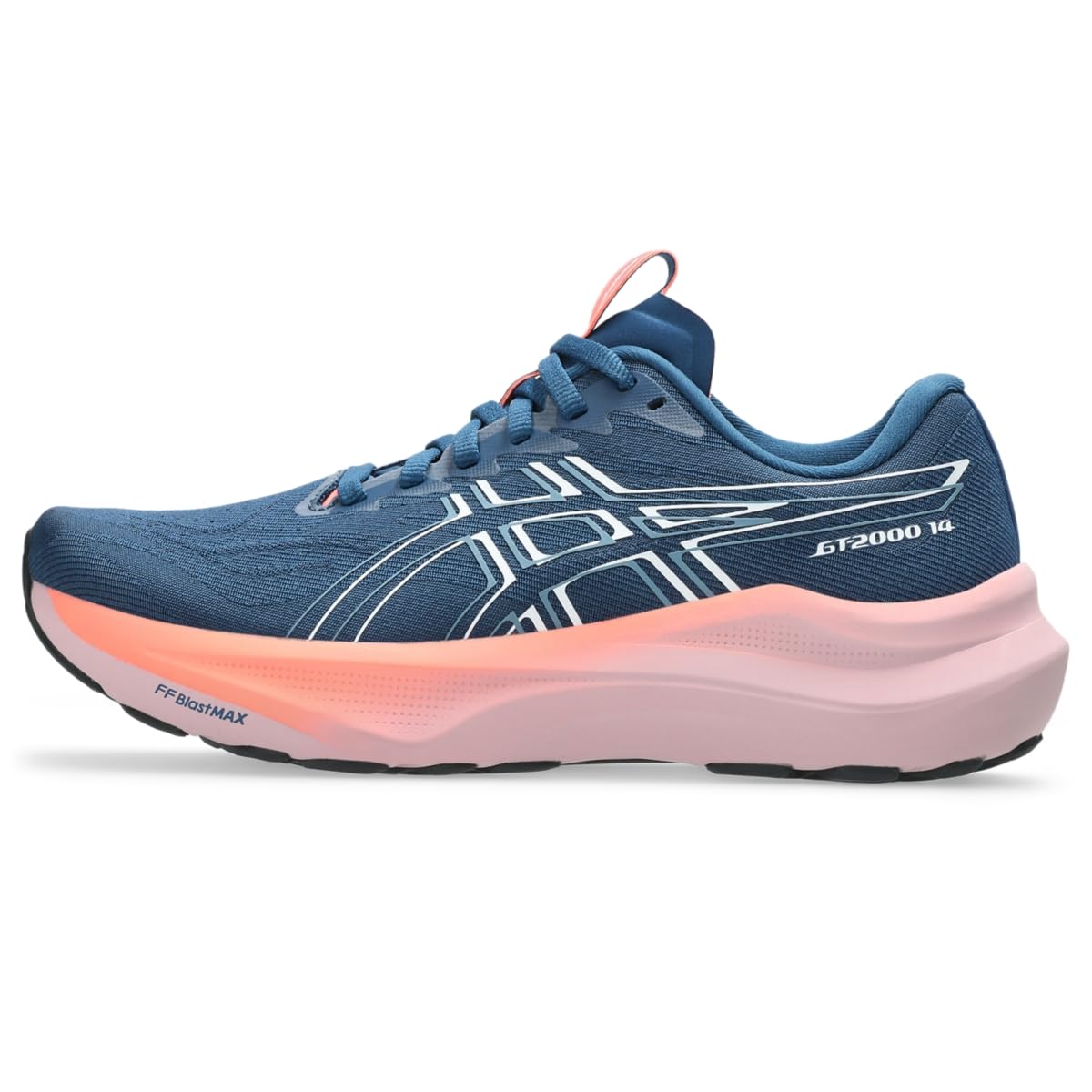
The women’s version of the GT-2000 14 mirrors the men’s LITETRUSS stability design but with a women-specific last that accommodates narrower heels and higher arches. Runners logging half-marathon distances and long daily walks report that the shoe strikes an ideal balance between structured support and softness — the heel counter locks in securely while the forefoot allows enough flexibility for natural toe splay. No break-in period is needed out of the box, and the colorway options are more vibrant and unique than previous GT-2000 generations.
Owner feedback specifically highlights the shoe’s performance for pronated ankles and flat feet — the LITETRUSS system engages early in the gait cycle without creating a hard edge under the arch. The midsole is light enough for all-day wear without causing foot fatigue, and the breathable mesh upper prevents hot spots even on warmer days. Multiple reviewers confirm the shoe is durable enough for half-marathon training and then transitions seamlessly to everyday errands.
Some users report that the v14 runs about half a size short compared to the v11, so ordering a half size up is recommended if you are between sizes. The outsole design is optimized for road surfaces, so avoid using it on loose or wet trails where grip becomes inconsistent.
Why it’s great
- Women-specific last with secure heel lock and roomy toe box
- Effective LITETRUSS pronation control for flat feet and pronated ankles
- Zero break-in period — comfortable from the first wear
Good to know
- Runs half size short for some feet — size up when between sizes
- Designed for road use; grip limited on loose or wet surfaces
5. Saucony Men’s Hurricane 25

The Hurricane 25 introduces Saucony’s Center Path technology — a dual-density midsole with a firmer foam layer on the medial side that guides the foot into a neutral position without a traditional medial post. The 35mm stack height delivers plush, cloud-like cushioning that makes even heel-striking overpronators comfortable on roads, concrete, and packed trails. Reviewers with flat feet (stage 3) confirm that the arch support is noticeable but not punishing, and the wide platform provides inherent stability that gives you confidence on uneven terrain.
Runners who logged over 200 miles in the Hurricane 25 report that the midsole retains its springiness and the Center Path technology shows no signs of breaking down. The shoe requires a short adjustment period — the substantial cushion and rocker shape can feel clompy during the first few wears. But after that, the ride becomes smooth and forgiving. Heel-pain sufferers also report 2–3 hours of pain-free walking compared to their previous stability shoes.
The fit is generous in the toe box and midfoot, making it a strong option for those who wear orthotics or have wide feet. The weight is slightly higher than the Adrenaline GTS, so speed workouts may feel sluggish. Choose the Hurricane 25 if cushioning is your top priority and you’re willing to trade some ground feel for comfort.
Why it’s great
- Center Path technology prevents overpronation with dual-density foam, not a hard post
- 35mm stack height provides excellent heel-strike cushioning
- Roomy toe box and midfoot allow orthotic use
Good to know
- Thick cushion and rocker feel clompy during the first few wears
- Heavier than other top stability options, less ideal for speed work
6. Saucony Women’s Hurricane 24
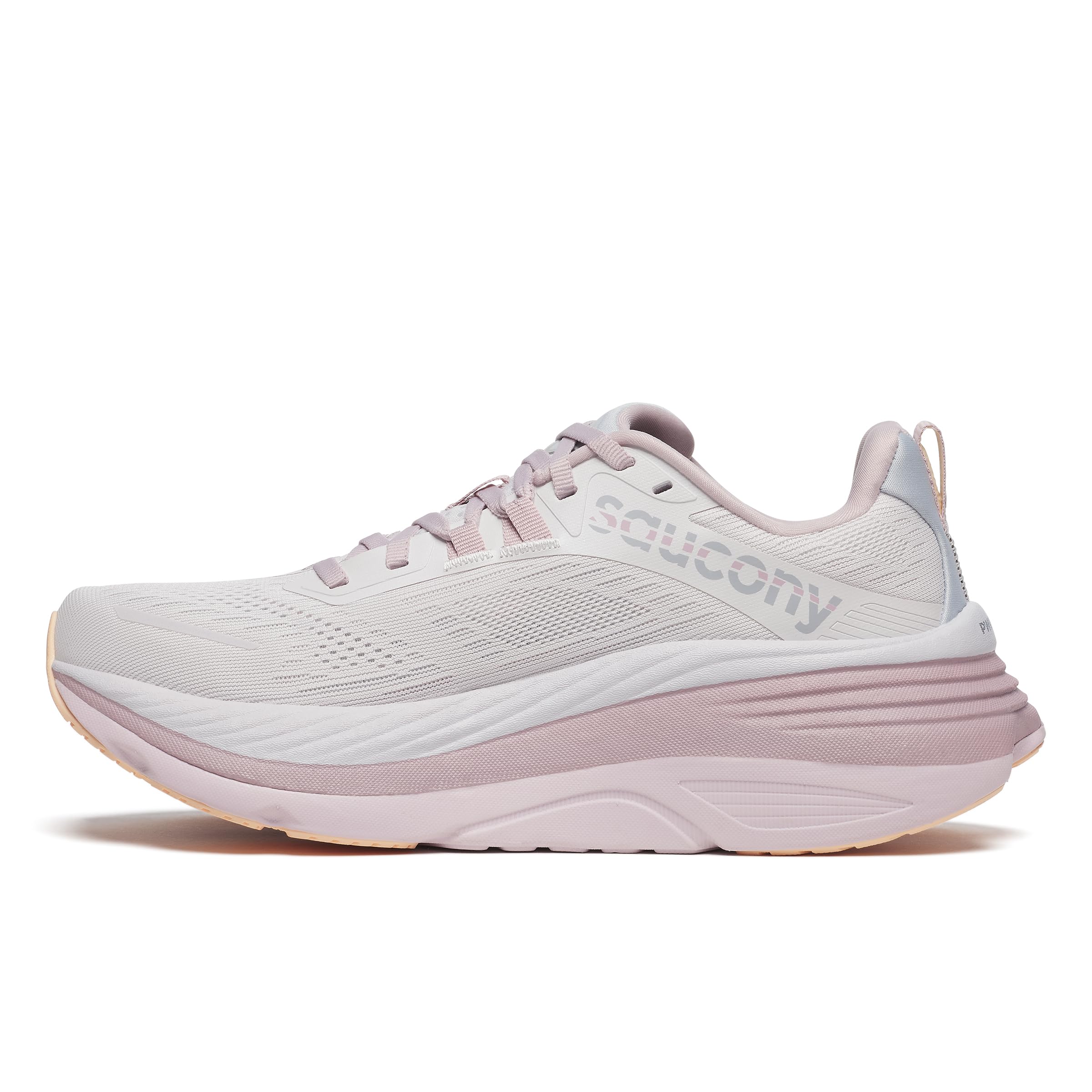
The Hurricane 24 (the predecessor to the 25) remains a top-tier stability shoe for overpronators who prioritize walking and everyday comfort over speed. It shares the Center Path dual-density midsole design — a 32mm stack that sits slightly lower than the 25 but still offers abundant cushion for long walks and toddler-chasing days. The wide platform with a slightly narrow heel creates a stable chunky ride that reviewers with hammer toes and plantar fasciitis found resolved their foot pain within days.
User feedback consistently praises the shoe’s aggressive toe rocker, which helps propel you forward during walking gait and reduces the load on the metatarsals. The upper is durable for daily wear, though some reviewers flagged durability concerns — the mesh staining during cleaning and reflective peeling after a week of use. The fit runs true to size, and the midsole remains responsive even after months of all-day standing and walking.
The primary drawback is weight: at approximately 9.8 ounces, it feels heavy for running, particularly for speed workouts. If your primary use is walking, recovery from injury, or everyday stability, the Hurricane 24 delivers exceptional cushioning and pronation control at a budget-friendly price point. If you plan to run regularly, consider the lighter Hurricane 25 or the ASICS GT-2000 14.
Why it’s great
- Center Path stability works well for walking gait and injury recovery
- Aggressive toe rocker reduces forefoot strain during walks
- Roomy and supportive for hammer toes and plantar fasciitis
Good to know
- Heavy for running — not ideal for speed workouts
- Some reported durability issues with mesh and reflective trim
7. Saucony Women’s Guide 17
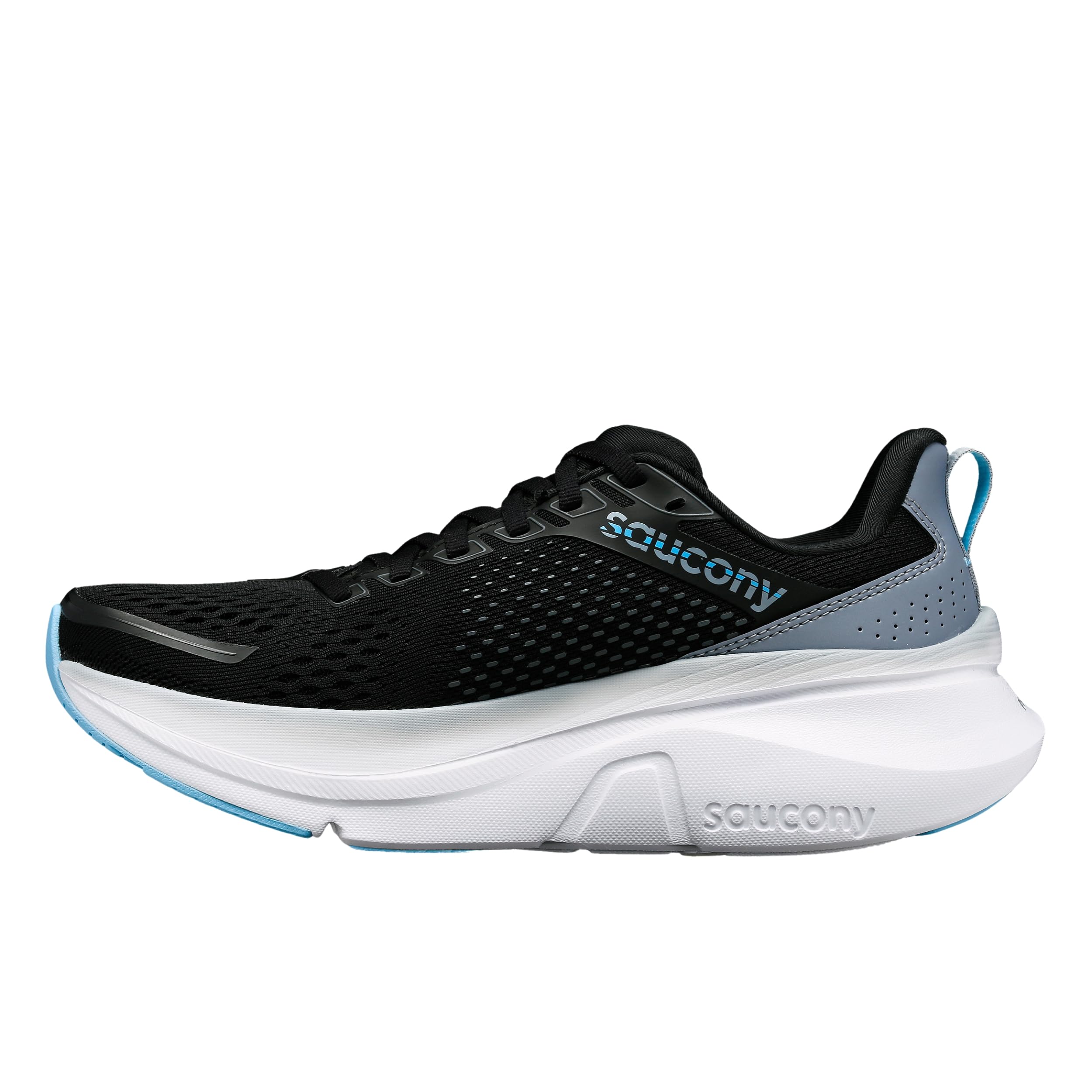
The Guide 17 is the ideal recovery-first stability shoe for overpronators who need a wide, stable platform without aggressive posting. Its Center Path technology (a 28mm stack) offers gentle medial guidance that doesn’t force your foot into a correction — it simply provides a wider base and a slight density differential that makes collapsing inward feel unnatural. This makes it particularly effective for users recovering from brain injury, bunion surgery, or general gait instability, as the wide heel platform prevents wobbling and the soft cushioning absorbs shock without feeling mushy.
Reviewers with bunions and post-surgical feet praise the roomy toe box that prevents rubbing, while those with unsteady gaits report that the Guide 17 provides unmatched stability for daily walking. The easy on-off design and deeper heel cup lock down the rearfoot without pinching. The upper is soft and flexible, accommodating wider feet without creating pressure points across the instep.
The trade-off for that gentle stability is that the Guide 17 offers less aggressive pronation control than the Hurricane line or the ASICS GT-2000. If your overpronation is severe (stage 3 flat feet), you may want more direct medial intervention. Also, the outsole is road-focused, so grip on wet grass or loose surfaces is limited.
Why it’s great
- Gentle Center Path stability ideal for post-surgery and recovery
- Wide heel platform and roomy toe box accommodate bunions and wide feet
- Soft cushioning with easy on-off design
Good to know
- Milder pronation control — less suitable for severe (stage 3) overpronation
- Road-only outsole; grip weak on loose or wet surfaces
8. New Balance Men’s Fresh Foam X Vongo V6

The Vongo V6 is New Balance’s entry in the stability category, pairing a 27mm stack of Fresh Foam X with a traditional medial post that firms up the arch side to reduce pronation. It stands out for its generous toe box and accommodating fit — podiatrist-recommended for wide feet, high arches, and plantar fasciitis. The removable insole allows you to drop in budget-friendly orthotics (–) rather than the premium custom inserts that many competitive stability shoes force you to buy.
The Fresh Foam X cushioning is plush and forgiving, offering a smoother ride than the firmer ASICS GT-2000 series. Multiple reviewers report that the shoe feels true to size and provides excellent comfort for both daily runs and everyday walking. The upper is padded and soft, creating a sock-like feel that won’t rub against the ankles.
Some users report heel slippage when the laces aren’t cinched tightly — the heel counter is less aggressive than competitors, which can allow the heel to slide out of place during longer runs. Also, the weight is slightly above average, so it’s better suited for moderate-paced daily miles than tempo workouts.
Why it’s great
- Roomy toe box and wide sizing ideal for orthotic users
- Plush Fresh Foam X with effective medial post
- Removable insole allows use of budget-friendly orthotics
Good to know
- Heel slippage can occur if laces aren’t tightened sufficiently
- Weight is slightly above average for stability shoes
9. Mizuno Men’s Wave Creation 25
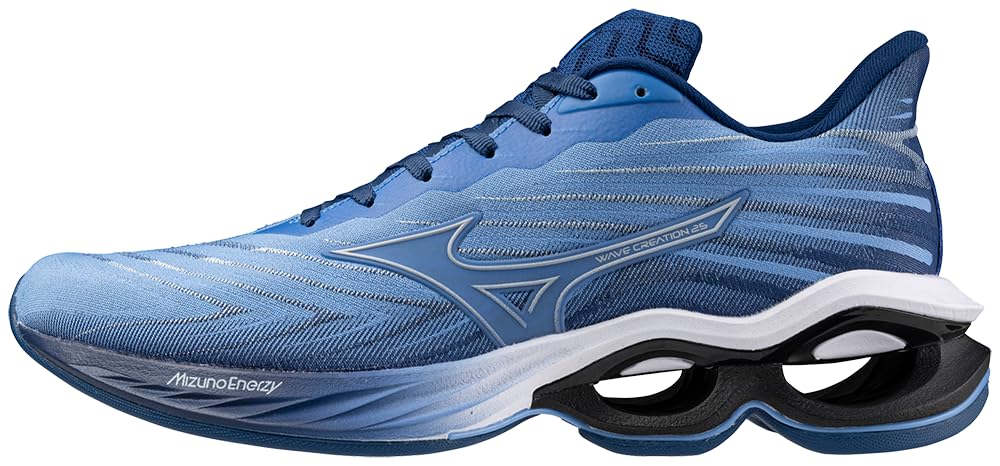
The Wave Creation 25 is Mizuno’s premium neutral shoe with a unique stability feature: the Infinity Wave plate is designed to provide a smooth, stable transition while the shoe itself is best suited for underpronators (supinators) or those with narrow feet seeking a more supportive neutral feel. The 41mm stack of U4icX foam delivers a plush, cushioned ride that is ideal for walking and jogging, but the absence of a traditional medial post means it won’t correct severe overpronation as effectively as the other shoes on this list.
Reviewers with narrow feet repeatedly call this the most comfortable shoe they’ve worn — the fit is snug through the heel and midfoot, and the laces reportedly never come untied. Users who have been wearing the Wave Creation series for years (since the Wave Creation 9) confirm that it offers consistent, reliable quality for neutral runners and those with supination. The outsole wears evenly, suggesting the shoe maintains its structural integrity well past the 500-mile mark.
The key limitation for overpronators is that the Wave Creation 25 is not designed with the dense medial support that true stability shoes offer. If your overpronation is mild and you prefer a roomy, plush neutral shoe, this can still work, but severe overpronators will find their foot collapsing inward over the wide platform. This is best positioned as a walking shoe or a recovery-day option for those whose primary stability needs are managed elsewhere.
Why it’s great
- Excellent for narrow feet with a snug, secure midfoot fit
- Plush 41mm stack with durable Infinity Wave cushioning
- Outsole wear is even, extended lifespan for neutral runners
Good to know
- Missing aggressive medial post — not ideal for moderate to severe overpronation
- Best suited for supinators or neutral feet, not flat-footed runners
FAQ
What is the difference between a stability shoe and a motion control shoe for overpronation?
Can I use a stability shoe if I have plantar fasciitis and overpronation?
How often should I replace my overpronation stability shoes?
Is it safe to mix stability shoes with orthotics for overpronation?
Final Thoughts: The Verdict
For most users, the boots for overpronation winner is the Brooks Adrenaline GTS 23 because GuideRails deliver industry-leading pronation correction without sacrificing natural foot motion or running comfort. If you want maximum plush cushion with stability, grab the Brooks Glycerin GTS 23. And for a mid-range value that handles daily runs and walking with serious durability, nothing beats the ASICS GT-2000 14.