
Standing in a slushy parking lot with wet socks is the final exam for any winter boot — and most fail. The term “waterproof” gets slapped on everything from quilted fashion boots to neoprene workhorses, leaving shoppers to decode marketing fluff while their toes go numb. The real test isn’t the label; it’s the seal between the upper and the sole, the membrane layered into the liner, and the material’s resistance to saturation after hours of exposure.
I’m Min — the co-founder and writer behind Gadgets Feed. I’ve spent countless hours researching winter boot construction, poring over user reports of delamination and seam failure, and cross-referencing membrane technologies against real-world snow, slush, and sub-zero conditions to separate legitimate waterproofing from surface-level treatments.
This guide cuts through the confusion and examines the construction, materials, and user-reported performance that actually determine whether a pair of winter boots are waterproof enough for your daily commute, trail hike, or hours standing in the elements.
How To Choose Winter Boots That Stay Dry
Waterproofing in winter boots isn’t a single feature — it’s a system. You’re evaluating the outer shell material, the internal membrane or liner, the seam construction, the closure mechanism, and the height of the shaft. A boot that’s waterproof on a dry sidewalk can fail completely after ten minutes in a slushy parking lot if the seal between the sole and the upper isn’t robust.
Membrane vs. Shell Material
Rubber and neoprene are inherently waterproof up to the height of the boot. Leather and textile uppers rely on a bonded membrane (like Columbia’s Omni-Tech) or a treated liner to block moisture. Rubber boots offer zero breathability but total immersion protection. Membrane-lined boots can breathe but will eventually wet out if the outer fabric saturates and the membrane’s DWR coating wears off.
Seam Construction
The most common failure point is where the sole meets the upper. Look for either a bonded rubber sole wrap (like a mudguard) or an internal seam-sealed bootie that prevents moisture from sneaking through stitching. Seam-sealed membranes are the industry standard for waterproof breathable boots — without seam taping, water will find the needle holes.
Height and Closure
Deeper snow requires a taller shaft — a 6-inch boot keeps you dry in shallow slush, but 8-inch or mid-calf height is necessary for snow deeper than a few inches. Cinch tops, gusseted tongues, and overlapping flaps at the lacing section prevent snow from entering through the top opening. A boot may be waterproof in the shaft but completely useless if snow spills in over the tongue.
Quick Comparison
On smaller screens, swipe sideways to see the full table.
| Model | Category | Best For | Key Spec | Amazon |
|---|---|---|---|---|
| KEEN Revel III Mid | Mid-Range | All-day wear & wet traction | 200g insulation, seam-sealed waterproof | Amazon |
| Columbia Minx IV | Mid-Range | Sub-zero warmth | Omni-Tech membrane, 200g insulation | Amazon |
| SOREL Tivoli V Tall | Premium | Fashion meets function in deep snow | Seam-sealed waterproof shell, removable liner | Amazon |
| TIDEWE Camo G2 | Premium | Hunting and extreme wet conditions | 7mm neoprene, rubber shell, 800g insulation | Amazon |
| Columbia Expeditionist Shield | Mid-Range | Lightweight daily driver | Omni-Tech membrane, 200g insulation | Amazon |
| OutdoorMaster Hunting Boots | Budget-Friendly | Light outdoor work & mild snow | Rubber/neoprene construction, waterproof | Amazon |
| Kamik Forester | Budget-Friendly | Farm chores & deep snow static use | Removable felt liner, rubber sole wrap | Amazon |
In‑Depth Reviews
1. KEEN Men’s Revel III Mid Height Waterproof Insulated Hiking Boot
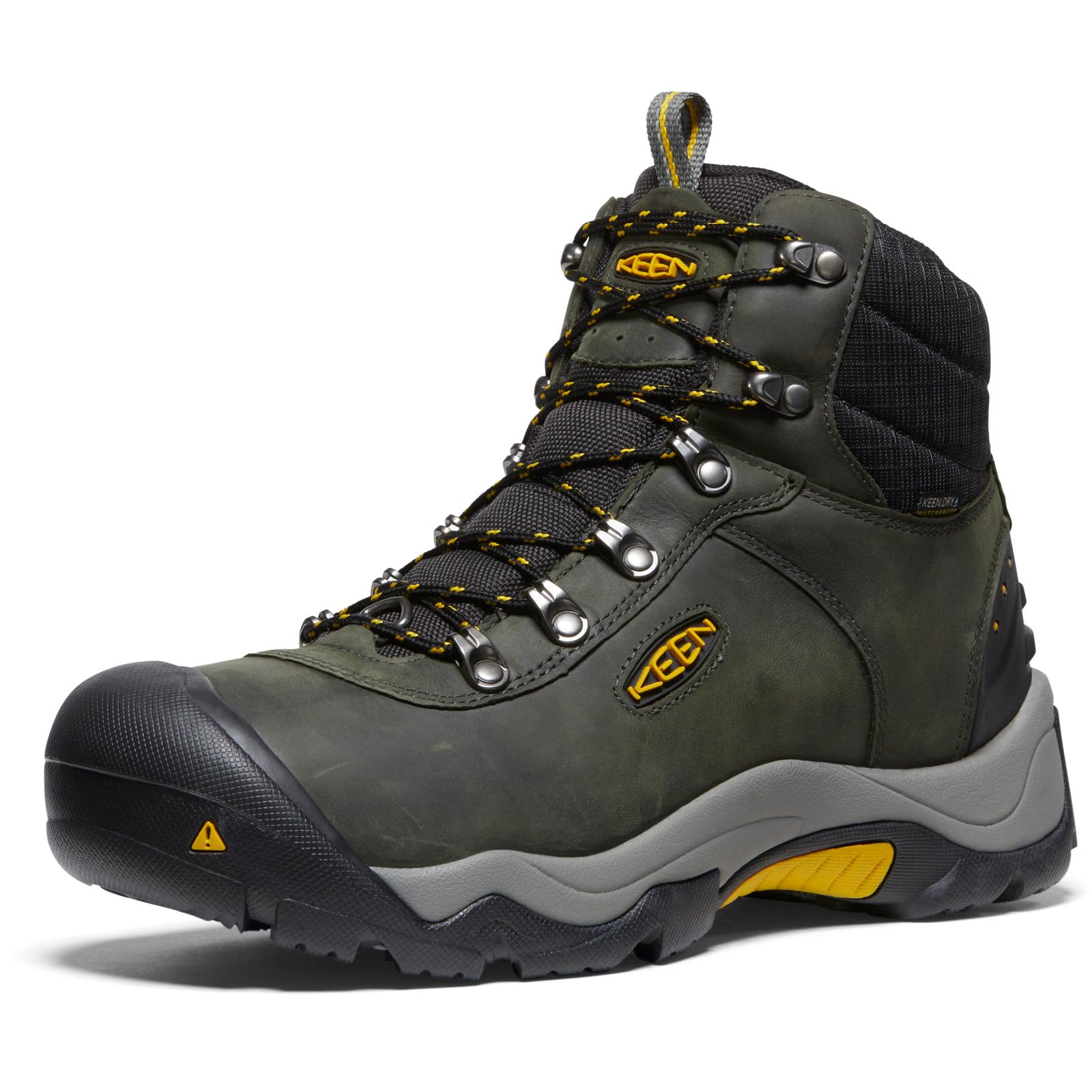
The KEEN Revel III Mid stands as the benchmark for a true everyday waterproof winter boot. Its seam-sealed membrane blocks moisture from the top of the shaft down to the rubberized toe cap, while the 200g insulation provides warmth without adding bulk. Users report the waterproofing holds for ten months of daily heavy use without needing a chemical re-treatment — a testament to the built-in membrane’s durability over a topical DWR coating.
The outsole features a multi-directional lug pattern that grabs snow and slush, and the roomy toe box eliminates pressure points during long walks. Multiple reviewers note the boot performed flawlessly for 12-hour shifts in wet conditions and lasted over five years of heavy use. The mid-height shaft offers ankle protection without restricting mobility, and the fit accommodates thick wool socks without becoming cramped.
For those asking whether winter boots are waterproof enough for daily commuting, trail hiking, and standing in slush, the Revel III answers with a confident yes. The trade-off is a slightly bulky profile that feels less nimble than a lightweight hiker, but the trade pays off in bombproof moisture protection. It also requires occasional lace re-tightening during extended wear.
Why it’s great
- Seam-sealed membrane stays waterproof for months without treatment
- Excellent arch support and heel lock minimize fatigue
- Roomy toe box accommodates winter socks and foot swelling
Good to know
- Runs slightly large — size down or wear thick socks
- Laces may need re-tightening after extended activity
2. Columbia Men’s Expeditionist Shield

Columbia’s Expeditionist Shield brings Omni-Tech membrane waterproofing to a price point that undercuts most premium competitors by a wide margin. The boot wraps the foot in a seam-sealed internal bootie that blocks moisture entry through the tongue and lacing eyelets — a common weak point in budget-tier boots. Reviewers confirm the boot stays dry in deep snow and retains warmth down to 10°F, making it a serious contender for cold-weather commuters.
The outsole uses Columbia’s adaptive traction pattern, which channels slush away from the contact surface and maintains grip on icy pavement. The boot weighs noticeably less than rubber or neoprene alternatives, reducing fatigue during all-day wear. Some users note the boot runs a half size small and the included insole is thin, but replacing the insole transforms the comfort profile significantly.
One reviewer reported that after three months of daily use, the boot wasn’t waterproof in standing water but dried fast and remained warm — an important distinction. The boot excels in dry snow and light slush but may not be the first choice for wading through deep puddles. For buyers seeking a lightweight, breathable winter boot that handles most wet conditions, the Expeditionist Shield delivers substantial value.
Why it’s great
- Lightweight design reduces foot fatigue during all-day wear
- Omni-Tech membrane breathes while blocking snowmelt
- Aggressive tread provides reliable grip on snow and slush
Good to know
- Runs half size small — order up for thick socks
- Gold trim styling may not suit all tastes
3. SOREL Women’s Tivoli V Tall Waterproof Boot
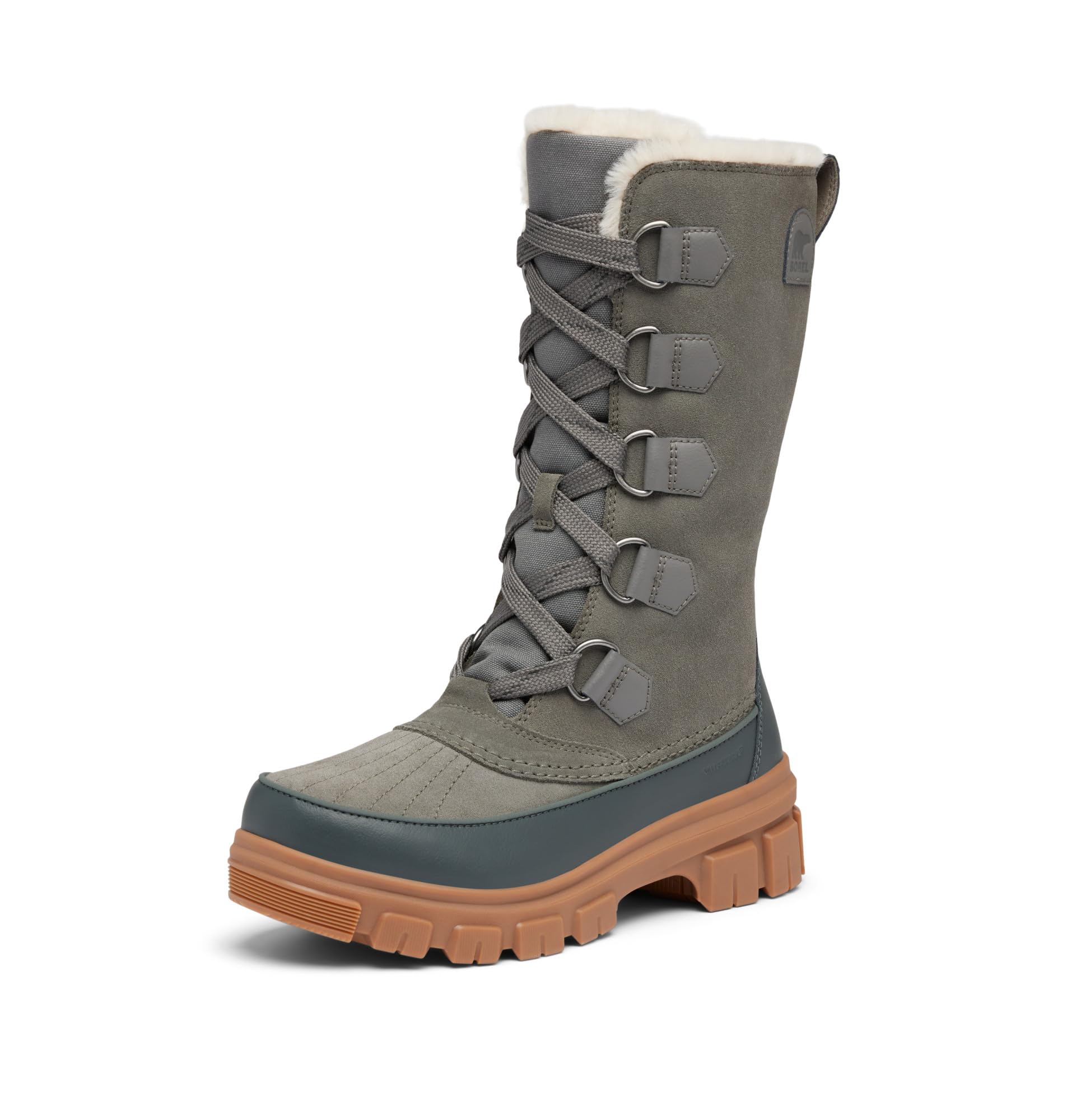
SOREL’s Tivoli V Tall proves that waterproof winter boots can look elegant without sacrificing performance. The tall shaft reaches mid-calf, keeping deep snow from finding its way over the top, while the seam-sealed waterproof shell blocks moisture at every stitch. The removable felt liner adds an extra layer of defense — if the liner gets wet from sweat or a leak, it can be pulled out and dried separately, extending the boot’s lifespan significantly.
The rubber outsole uses a herringbone tread pattern that bites into snow and ice, and reviewers report the boot stays warm in temperatures down to 0°F. The laces are thick and resist freezing, a thoughtful detail that prevents stiff laces from compromising the seal at the top. The boot is also compatible with custom orthotics, a feature rarely found in tall fashion boots.
Some users note mild ankle rubbing when the boot is laced snugly, which resolves with looser lacing or a moleskin patch. The Tivoli V has been a top choice for women who need a boot that transitions from snowy sidewalks to indoor settings without looking bulky. For anyone asking whether winter boots are waterproof enough for both style and serious snow, this SOREL model answers with ten years of proven design.
Why it’s great
- Tall shaft prevents snow entry at the top of the boot
- Removable liner dries fast and extends boot longevity
- Orthotic-compatible footbed suits custom inserts
Good to know
- Ankle may rub when laced tightly — use moleskin
- Not ideal for extreme negative temps without heated insoles
4. TIDEWE Rubber Hunting Boots, Waterproof Insulated Next Camo G2

The TIDEWE Camo G2 is built for the most demanding wet conditions — standing water, slushy fields, and single-digit temperatures. The rubber shell with 7mm neoprene lining creates a barrier that is inherently waterproof up to the top of the shaft, and the 800g insulation rating keeps feet warm during hours of inactivity in bitter cold. The adjustable buckles and straps at the calf allow a customized fit that prevents snow from sliding down into the boot.
Reviewers consistently praise the boot’s performance in temperatures as low as -10°F, with many noting their feet remained dry and warm after hours of standing in snow and shallow water. The outsole features deep heel lugs that provide traction in mud and snow, though some users caution that these lugs become slippery on wet smooth surfaces like boat decks or polished floors.
A slight rubber smell upon opening dissipates after a few wears, and some boots show minor overrun glue on the exterior — cosmetic issues that don’t affect the waterproof seal. For buyers who need a boot that answers “are winter boots waterproof” with absolute certainty in the harshest conditions, the TIDEWE Camo G2 is a formidable choice. It’s heavy and warm, making it less suitable for casual walks than for hunting or outdoor work.
Why it’s great
- 7mm neoprene and rubber shell offer total immersion protection
- 800g insulation keeps feet warm in extreme cold
- Adjustable calf straps prevent snow ingress at the top
Good to know
- Rubber smell present initially but fades over time
- Heel lugs can be slippery on wet smooth surfaces
5. Columbia Minx IV
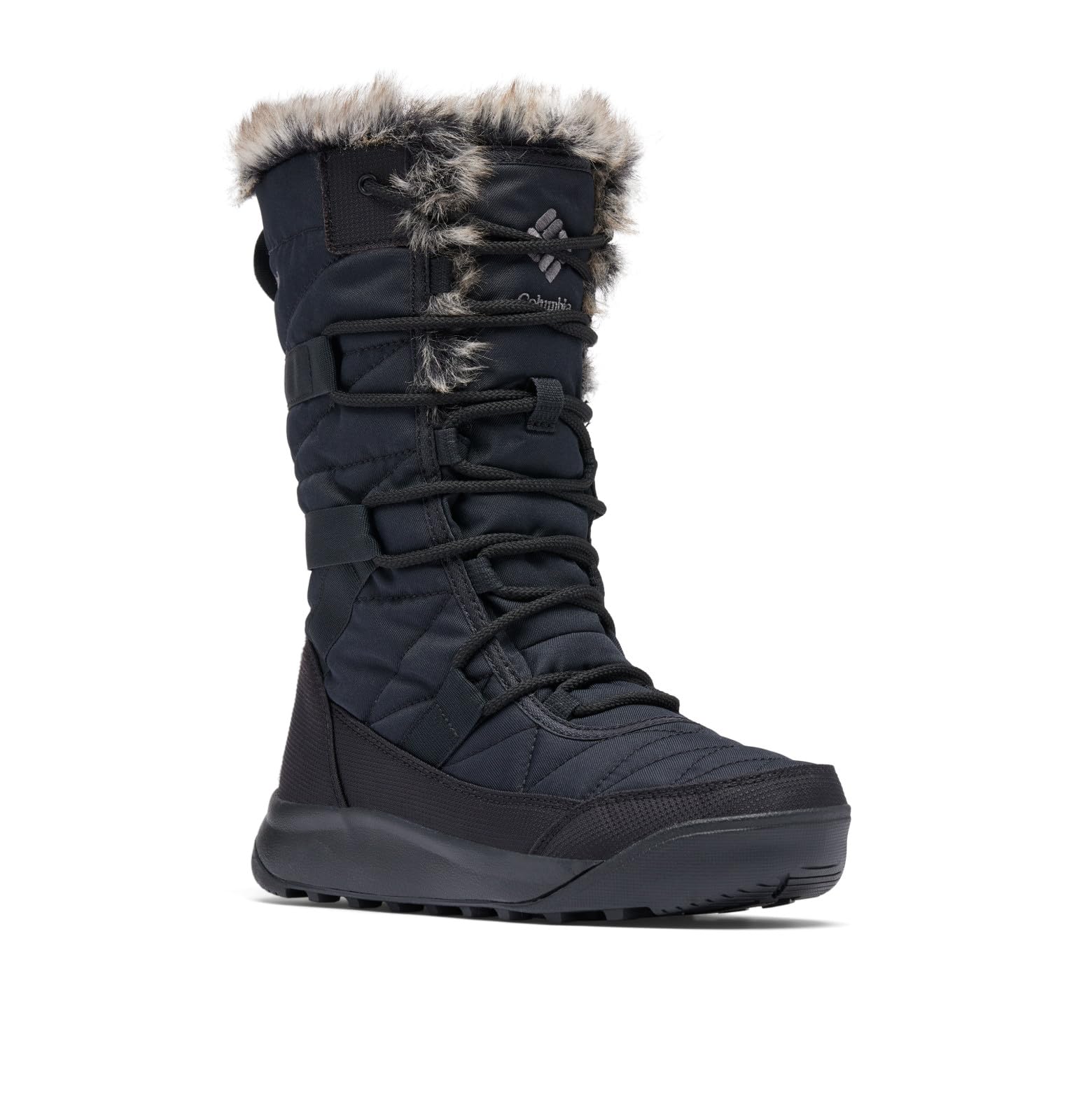
The Columbia Minx IV is engineered specifically for frigid climates where waterproofing must pair with serious insulation. The 200g insulation combined with the Omni-Tech membrane creates a boot that stays dry and warm in sub-zero conditions without relying on a thick rubber shell. The mid-calf shaft height blocks snow from entering, and the soft interior lining adds a layer of comfort that reviewers describe as “cozy” even without thick socks.
The outsole uses Columbia’s Omni-Grip compound, which provides reliable traction on snow but struggles on pure ice — several reviewers noted slippery performance on glare ice. The boot runs narrow, and multiple users recommend ordering the wide version or sizing up a full size to accommodate thick socks. The laces are somewhat short, making it difficult to create a tight seal at the top.
One reviewer reported the boot kept their feet warm in sub-zero temperatures without thick socks, a testament to the insulation efficiency. The boot’s waterproofing held up in wet snow and slush, though the narrow fit may exclude users with wider feet. For those asking whether winter boots are waterproof and warm enough for punishing northern winters, the Minx IV delivers at a mid-range price.
Why it’s great
- Omni-Tech membrane keeps feet dry in snow and slush
- 200g insulation maintains warmth in sub-zero temps
- Soft interior lining eliminates need for thick socks
Good to know
- Runs narrow — order wide or size up
- Omni-Grip outsole is slippery on pure ice
6. OutdoorMaster Hunting Boots for Men, Waterproof Rubber Neoprene Boots

The OutdoorMaster Hunting Boots strip away unnecessary features and focus on the core requirement: keeping feet dry and warm at an entry-level price. The rubber and neoprene construction provides inherent waterproofing up to the shaft height, and the expandable back panel makes the boots easy to pull on and off without using hands — a surprisingly useful feature after a day in mud or snow. Reviewers consistently note these boots are “cheaper and better” than expensive alternatives they replaced.
The boots weigh noticeably less than traditional rubber work boots, and the neoprene lining offers moderate insulation that keeps feet warm in temperatures above freezing. The anti-slip outsole provides decent traction on wet grass and packed snow, though it struggles on slick ice. Multiple users report the boots are comfortable enough to wear like tennis shoes, which is rare for a rubber-bottomed hunting boot.
One reviewer noted their feet stayed warm even above 90°F, indicating the insulation doesn’t overheat in milder conditions. The main compromise is longevity — the rubber may crack or the neoprene may delaminate after a few seasons of heavy use. For buyers who need a functional answer to “are winter boots waterproof” without spending premium money, the OutdoorMaster delivers surprising value.
Why it’s great
- Rubber/neoprene construction is inherently waterproof
- Expandable back panel allows hands-free removal
- Lightweight design feels like sneakers
Good to know
- Long-term durability is limited compared to higher-priced rivals
- Traction on pure ice is insufficient
7. Kamik Men’s Forester
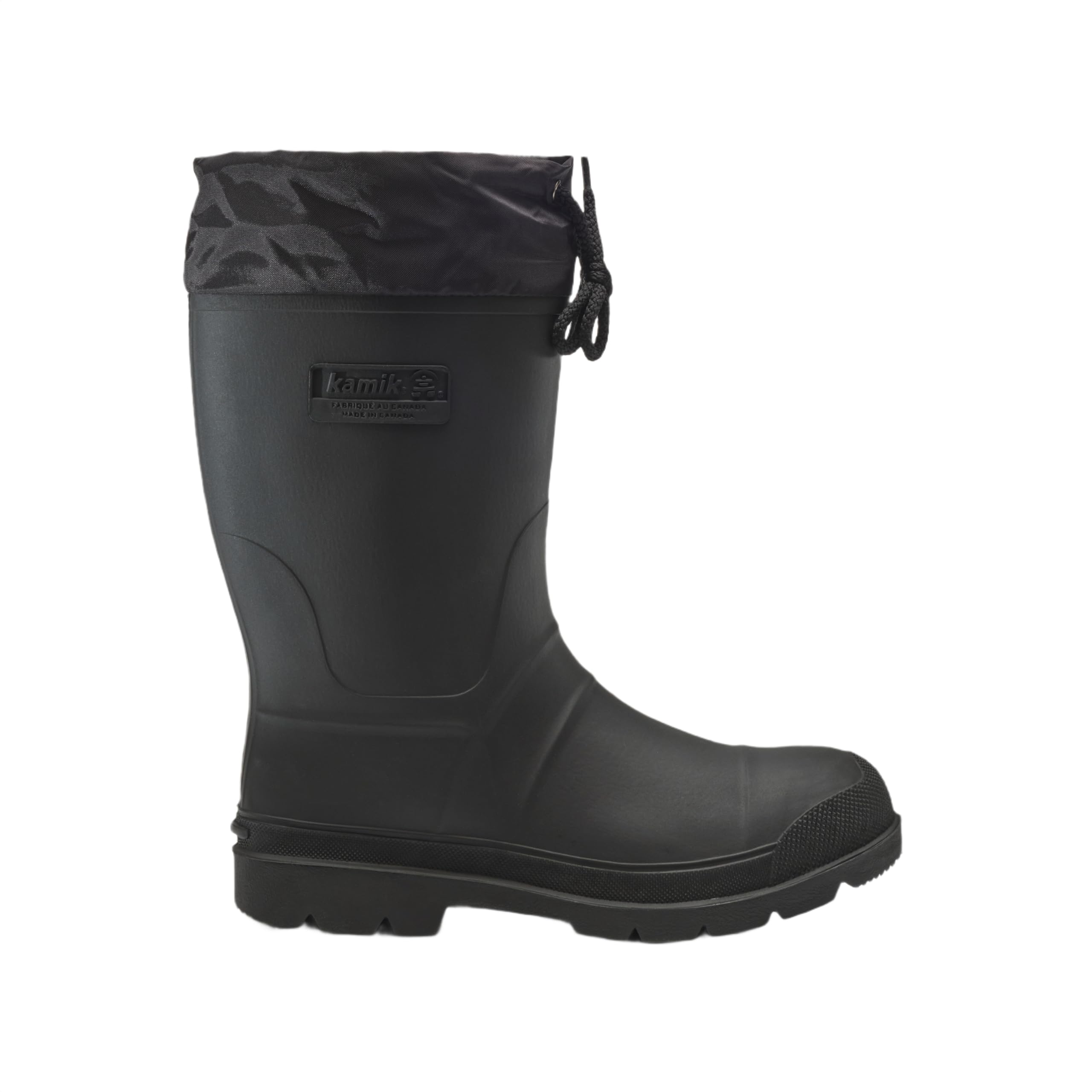
The Kamik Forester is a no-nonsense winter boot designed for farm chores, deep snow, and shallow water crossings. The rubber sole wrap extends several inches up the boot, creating a waterproof barrier that prevents moisture from seeping through the lower stitching. Inside, the removable felt liner traps heat effectively and can be pulled out for drying or replacement, extending the boot’s service life well beyond the first season.
The boot’s height reaches mid-calf, and the cinch top closure prevents snow from entering at the opening — a feature that reviewers consistently praise for keeping feet dry during hours of snow blowing and shoveling. The outsole features deep lugs that provide excellent traction on loose snow and mud, though the stiff rubber can feel cumbersome during extended walking.
Reviewers with wide feet note the boot accommodates widths up to 4E when ordering one size larger, and the boot’s durability is proven by users who report five years of daily use. The primary drawback is the stiff construction that requires a brief break-in period. For buyers seeking a budget-friendly answer to whether winter boots are waterproof for farm and outdoor use, the Kamik Forester is a time-tested choice.
Why it’s great
- Rubber sole wrap provides reliable lower-boot waterproofing
- Removable felt liner allows drying and extends lifespan
- Cinch top prevents snow ingress at the opening
Good to know
- Stiff rubber requires a break-in period
- Bulky profile limits walking comfort for long distances
FAQ
Are winter boots waterproof if they use a DWR coating instead of a membrane?
Can I make non-waterproof winter boots waterproof with a spray?
How do I tell if my winter boots are truly waterproof or just water-resistant?
Final Thoughts: The Verdict
For most users, the answer to the question “are winter boots waterproof” is best delivered by the KEEN Revel III Mid because its seam-sealed membrane and balanced insulation provide reliable waterproofing for daily use across snow, slush, and wet pavement without sacrificing comfort. If you need a boot that eliminates any doubt about immersion, the TIDEWE Camo G2 with its 7mm neoprene and rubber shell offers total protection. And for budget-conscious shoppers who still demand true waterproof construction, the OutdoorMaster Hunting Boots deliver remarkable performance at an entry-level price.