
An activity tracker bracelet is supposed to disappear on your wrist while quietly collecting the data that matters—steps, heart rate, sleep stages, recovery. But finding one that actually balances accurate sensors, comfortable all-day wear, and a battery that doesn’t demand a midday charge can feel like a guessing game. The wrong choice leaves you with a brick after six months or a screen so dim you can’t read it in sunlight.
I’m Min — the co-founder and writer behind Gadgets Feed. I’ve spent countless hours cross-referencing sensor accuracy benchmarks, battery drain rates, and real-world durability reports across the most popular models in this space.
This guide filters out the noise to help you find the best activity tracker bracelet for your specific routine, whether you want a massive display or a screenless design that lasts for weeks.
How To Choose The Best Activity Tracker Bracelet
Choosing the right bracelet comes down to three pillars: display quality (if you want one), sensor accuracy, and battery endurance. A dim screen or a tracker that can’t log a full week of sleep data defeats the purpose of wearing it 24/7.
Display Tech: AMOLED vs. LCD vs. No Screen
An AMOLED panel like the 1.6″ or 1.72″ units on premium models delivers deep blacks and high contrast for sunny-day readability, often hitting 1500 nits peak brightness. LCD panels in budget bracelets are adequate indoors but wash out under direct light. Screenless designs trade all visuals for maximum battery life and a completely distraction-free experience.
Battery Capacity and Charging Speed
Look for a battery capacity between 200 mAh and 233 mAh for a bracelet that lasts 10 to 21 days on a single charge. Fast charging capable of topping a full day’s power in five minutes is a game-changer for anyone who forgets to charge at night.
Sensor Suite and Health Tracking Depth
24/7 heart rate, SpO2, and sleep stage detection (light, deep, REM) should be the baseline. Premium models add stress management scores, HRV, and skin temperature variation. Connected GPS via smartphone is sufficient for most walkers and runners, but serious athletes benefit from built-in GPS for independent route logging.
Quick Comparison
On smaller screens, swipe sideways to see the full table.
| Model | Category | Best For | Key Spec | Amazon |
|---|---|---|---|---|
| Xiaomi Smart Band 10 | Premium | Bright AMOLED & Long Battery | 1.72″ AMOLED, 1500 nits, 21 days | Amazon |
| Fitbit Charge 6 | Premium | Google Integration & GPS | Built-in GPS, ECG, 7-day battery | Amazon |
| Google Fitbit Air | Premium | Screenless & AI Coaching | Screenless, 7-day battery, 50m water | Amazon |
| Screenless AMZAIZO | Mid-Range | Minimalist & 20-Day Battery | Screenless, 20 days, AI coach | Amazon |
| Samsung Galaxy Fit 3 | Mid-Range | Samsung Ecosystem | 1.6″ AMOLED, 13-day battery, 5ATM | Amazon |
| Fitbit Inspire 3 | Mid-Range | Stress & Sleep Coaching | 10-day battery, SpO2, stress score | Amazon |
| MorePro Air2 | Budget | Blood Pressure & 7-Day Battery | 1.57″ LCD, 7 days, IP68 | Amazon |
In‑Depth Reviews
1. Xiaomi Smart Band 10 (Global Version)
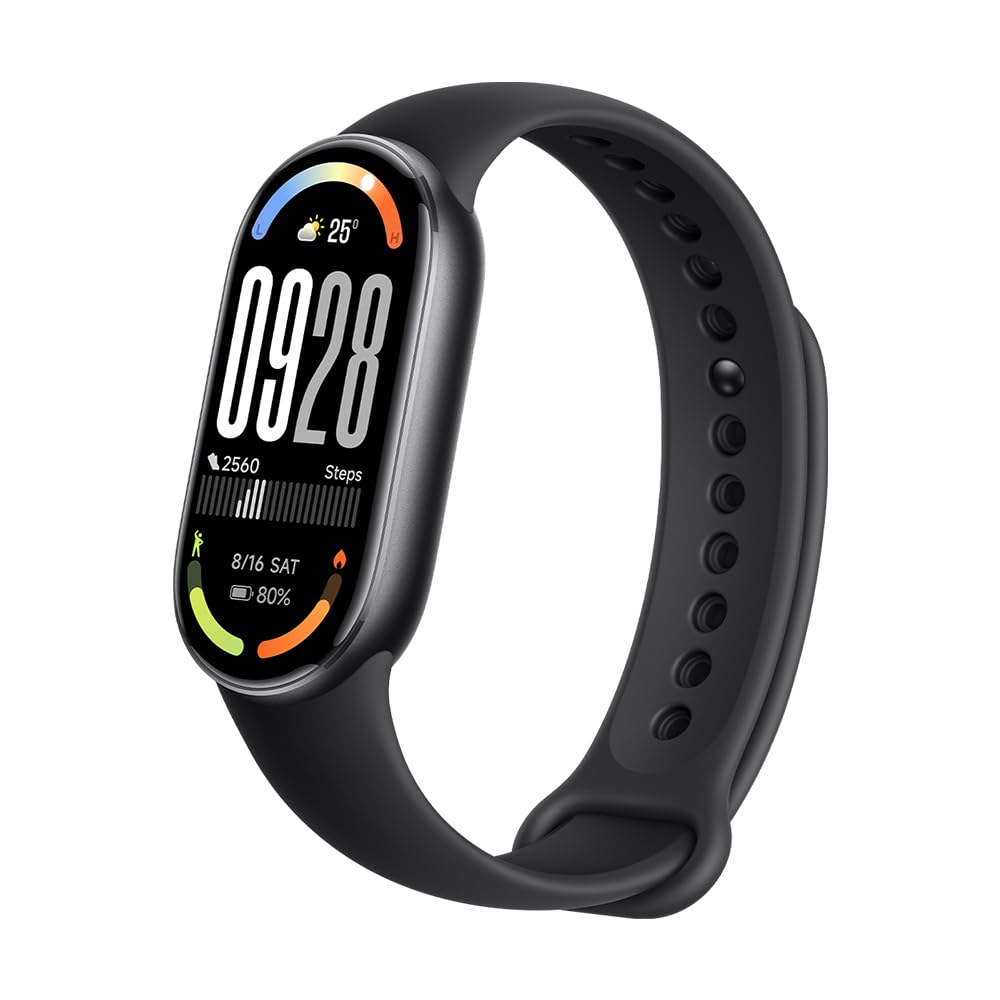
The Xiaomi Smart Band 10 sets the bar with a large 1.72-inch AMOLED display that hits a peak brightness of 1500 nits, making outdoor readability effortless. Its 73% screen-to-body ratio and 2.0mm bezels produce a nearly edge-to-edge visual experience that competes directly with smartwatches at double the price. The 200 mAh battery delivers up to 21 days of real-world use, with a full recharge taking just one hour.
Health tracking is comprehensive: continuous heart rate, SpO2, stress monitoring, and enhanced sleep analysis that breaks down light, deep, and REM stages. The new high-precision electronic compass improves pool swim tracking accuracy, and HyperOS 2 provides a smooth, responsive touch interface. Professional workout analysis gives detailed insights to optimize each session.
The main trade-offs are a step counter that tends to undercount compared to wrist-worn competitors and a firmware that currently defaults to the metric system in the primary app. Users with small to medium wrists will find the fluoroelastomer band comfortable, but the display surface can scratch easily without a screen protector. Overall, it offers the best display and battery combination in this class.
Why it’s great
- Stunning 1500-nit AMOLED panel
- Exceptional 21-day battery life
- Fast 1-hour recharge
Good to know
- Step counter accuracy is inconsistent
- Metric-only units in Xiaomi Fit app
- Screen may scratch without a protector
2. Fitbit Charge 6

The Fitbit Charge 6 is Google’s most feature-dense fitness tracker, packing built-in GPS, an ECG sensor, and compatibility with Google Maps turn-by-turn directions and Google Wallet contactless payments. The AMOLED display is bright and clean, and the 40+ exercise modes with auto-detection make it easy to log activities without manual input. Active Zone Minutes and Daily Readiness Score provide actionable recovery guidance.
Heart rate accuracy is solid during steady-state cardio, though users report up to 20% variance during high-intensity interval training. The stainless steel case and silicone band are durable, and the magnetic charger is convenient but has been criticized for losing connection if jostled. Battery life averages seven days, which is adequate but far behind the Xiaomi or Samsung options in this list.
Google Health Premium (three months included) unlocks deeper analytics and AI-driven coaching, but the subscription cost after trial is a point of friction for many owners. The interface can feel cluttered with ads and premium prompts. Longevity reports are mixed, with some units failing after 18-24 months. For anyone embedded in the Google ecosystem who needs GPS and ECG, this is the strongest option.
Why it’s great
- Built-in GPS for phone-free runs
- ECG and Google Wallet support
- Google Maps turn-by-turn navigation
Good to know
- Premium subscription required for full insights
- Battery lasts only 7 days
- Optical HR sensor less accurate at peak intensity
3. Google Fitbit Air
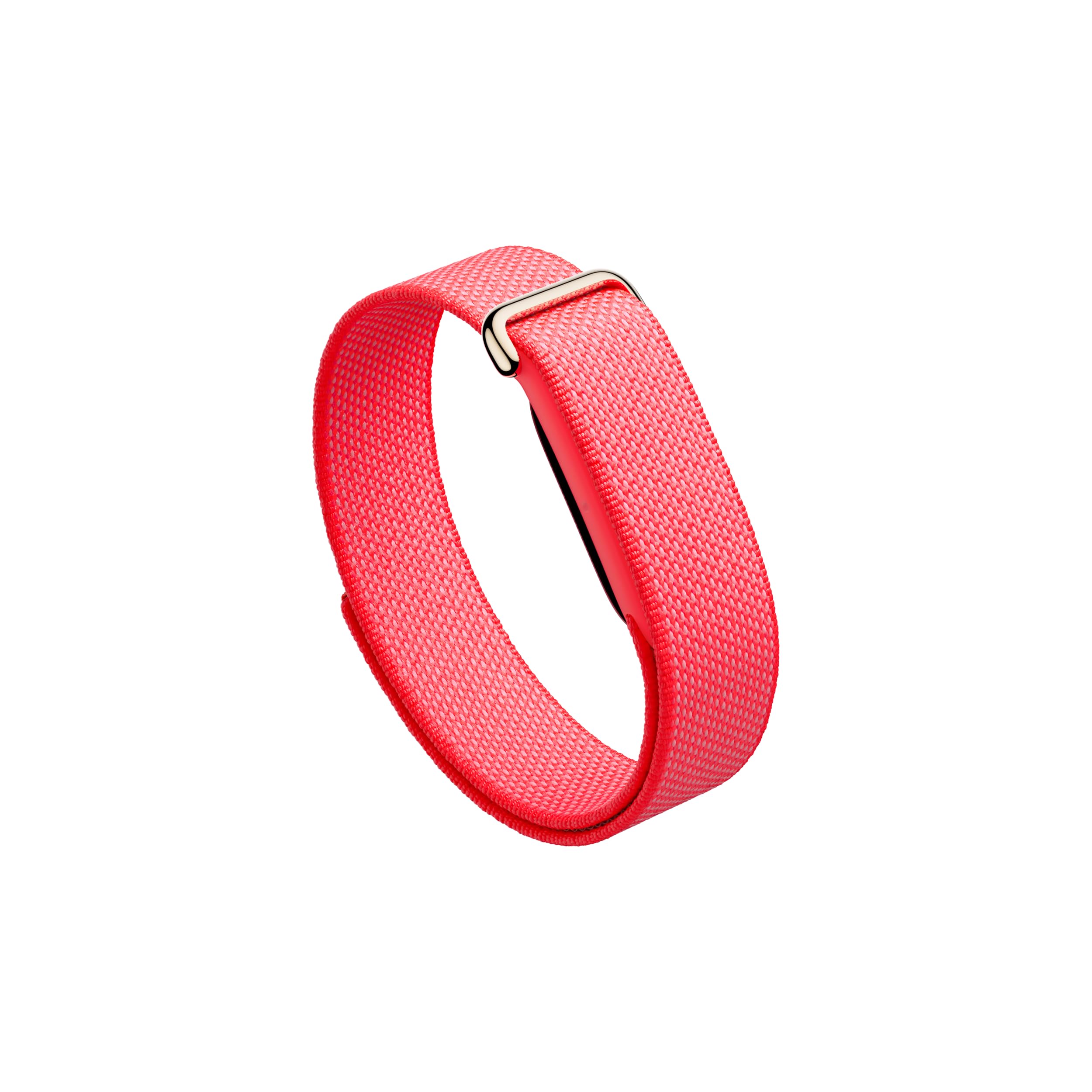
The Google Fitbit Air is a radical departure: a screenless tracker that prioritizes comfort, battery endurance, and distraction-free wear. Its lightweight design and micro-adjustable loop band sit so discreetly that most users forget they’re wearing it. The optical heart rate sensor and SpO2 monitor run 24/7, and the device supports AFib detection via Fitbit’s validated algorithm.
Battery life reaches a full week, but the standout feature is the fast charging that delivers a full day’s power in just five minutes. The companion app auto-detects workouts like boxing or muay thai—activities where a traditional screen would get damaged. The lack of a display means no glanceable notifications, which is a feature for those seeking digital minimalism but a dealbreaker for notification addicts.
Distance tracking for outdoor runs is less accurate than GPS-equipped models because it relies on phone-connected GPS. The AI-powered coaching is underwhelming in its current form according to user feedback. The woven band is washable and durable, and water resistance is rated to 50 meters. For anyone who wants pure health data without screen clutter, this is the most refined option available.
Why it’s great
- Ultra-light, comfortable 24/7 wear
- 5-minute fast charge for a full day
- 50-meter water resistance
Good to know
- No display for notifications
- Distance tracking requires phone GPS
- AI coaching feature is currently basic
4. Screenless AMZAIZO Tracker
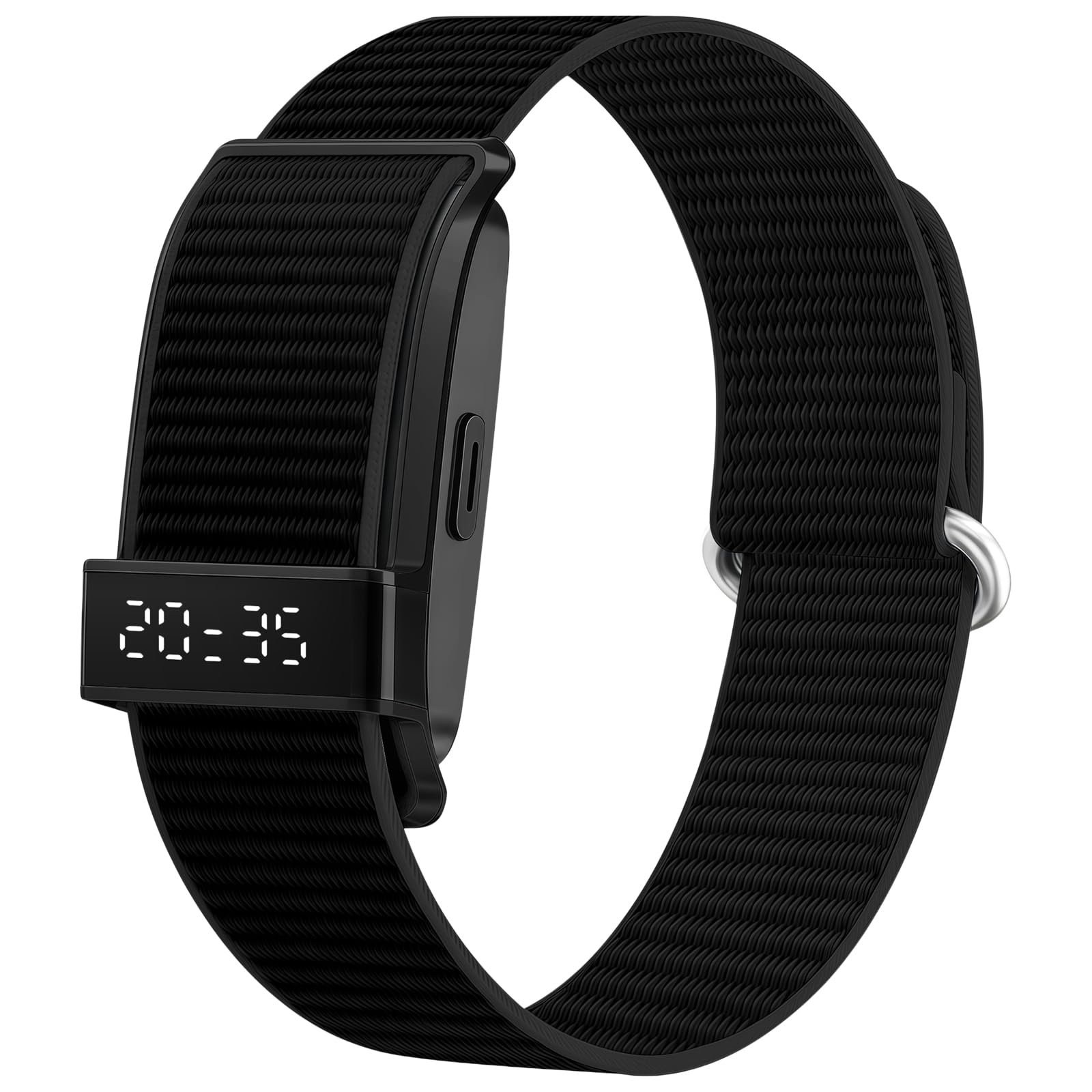
The AMZAIZO tracker goes fully screenless and delivers an impressive 20-day battery life that solves the frequent-charging pain point of mainstream models. It uses an AI coach to analyze health reports and provides real-time supervision, offering personalized improvement plans. A unique Care Mode lets family members view your health reports remotely for added safety.
Health tracking covers sleep stages (light, deep, REM), continuous heart rate monitoring with an instant-read side button, and offline data recording that auto-syncs when reconnected to the app. The tracker includes two bands: a sporty silicone option and a formal business strap, making it versatile for different occasions. Charging takes only 40 minutes.
The main downsides are the lack of a display (no time, no notifications) and a smaller ecosystem compared to Fitbit or Xiaomi. The build quality feels solid, and early user reports praise the accuracy of the sleep and HR tracking compared to more expensive brands. It’s a compelling choice for users who prioritize battery life and privacy-focused data management over flashy visuals.
Why it’s great
- Excellent 20-day battery life
- AI coach with personalized health plans
- Care Mode for family monitoring
Good to know
- No display at all
- Smaller app ecosystem than major brands
- Limited workout mode variety
5. Samsung Galaxy Fit 3
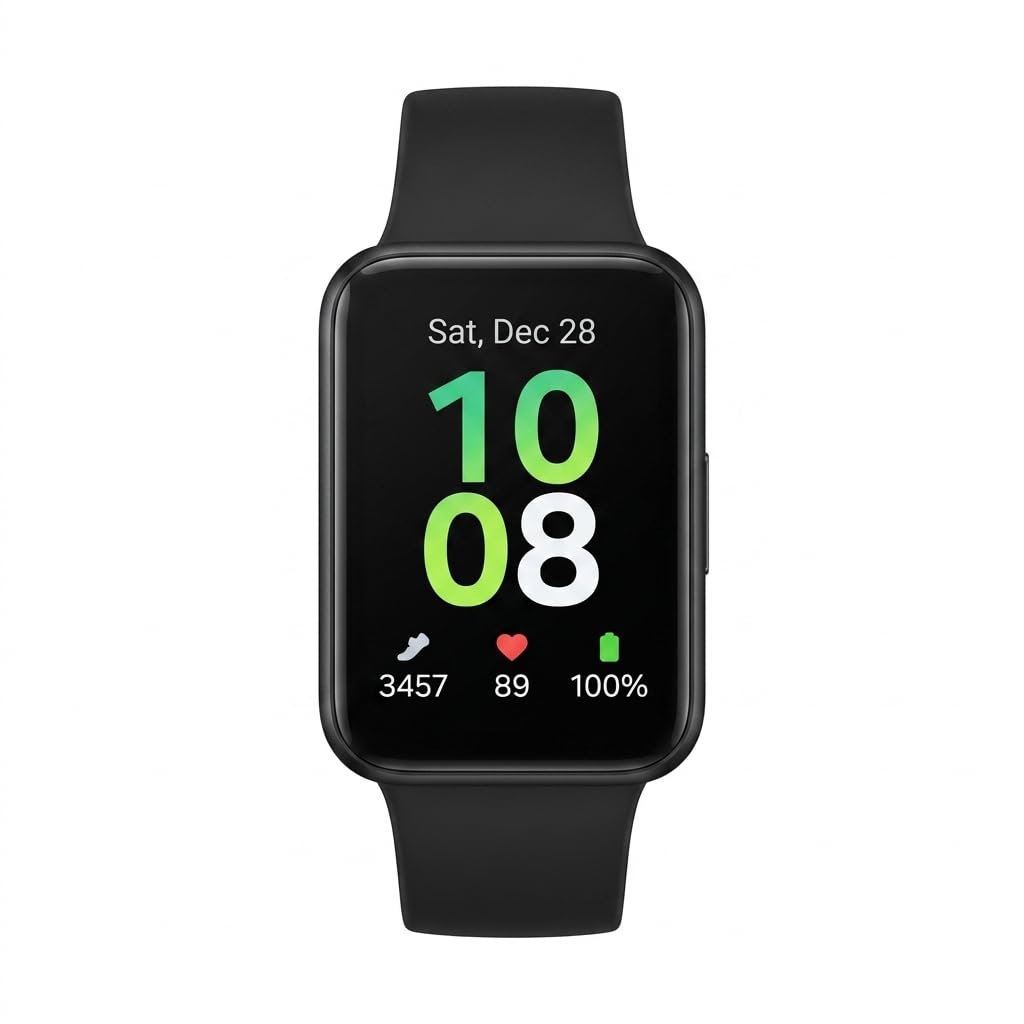
The Galaxy Fit 3 features a vibrant 1.6-inch AMOLED touch display that makes navigation smooth and colorful. Its 208 mAh battery is rated for 13 days, though real-world usage with continuous HR monitoring and notifications tends to land around 8–9 days. The 5ATM and IP68 water resistance rating means it’s fully swim-ready and dust-proof for outdoor adventures.
Workout tracking covers 101+ modes with auto-detection for common exercises, and the Samsung Health app integrates seamlessly with Galaxy smartphones. Health metrics include SpO2, heart rate, sleep coaching with snore detection, and stress monitoring. The aluminum case and silicone band give it a more premium feel than its price suggests, and the band is replaceable.
Key omissions include Samsung Pay, a microphone, and a speaker, so you cannot take calls or make payments from your wrist. The international model has no US warranty. The interface is fluid and the display is excellent, but the step tracking and GPS (phone-connected only) lag behind dedicated fitness watches. It’s the best choice for Samsung phone users who want a big-screen fitness companion.
Why it’s great
- Sharp 1.6-inch AMOLED display
- 5ATM swim-ready water resistance
- Seamless Samsung Health integration
Good to know
- No US warranty on international model
- Connected GPS, not built-in
- No contactless payments or call speaker
6. Fitbit Inspire 3

The Fitbit Inspire 3 is a slim, lightweight tracker that focuses on the core health metrics that matter most: 24/7 heart rate, Daily Readiness Score, Stress Management Score, and automatic sleep tracking with a Sleep Score. The 10-day battery life (8–9 with the always-on display disabled) is solid for its size. The color touchscreen is decent but noticeably dimmer than the AMOLED panels on the Xiaomi or Samsung.
The Stress Management Score uses heart rate variability to flag when your body is showing signs of strain, and the Relax breathing sessions provide guided mindfulness. Automatic exercise tracking works well for walks and runs, and the tracker is small enough to wear comfortably 24/7, even during sleep. SpO2 monitoring and menstrual health tracking are included without requiring a premium subscription.
The major frustration is the proprietary charging cable, which users report wearing out over time. The screen is also small for reading notifications, and the premium subscription is required for deeper insights like Sleep Profile and Readiness Score. The silicone band is comfortable but the plastic resin case can feel less premium than metal alternatives. For a no-fuss wellness tracker with Fitbit’s mature software, this is a reliable choice.
Why it’s great
- Compact, lightweight design for 24/7 wear
- Stress Management and Readiness Scores
- Reliable auto sleep and exercise tracking
Good to know
- Proprietary charging cable prone to wear
- Dimmer screen than AMOLED competitors
- Premium subscription needed for deep analytics
7. MorePro Air2
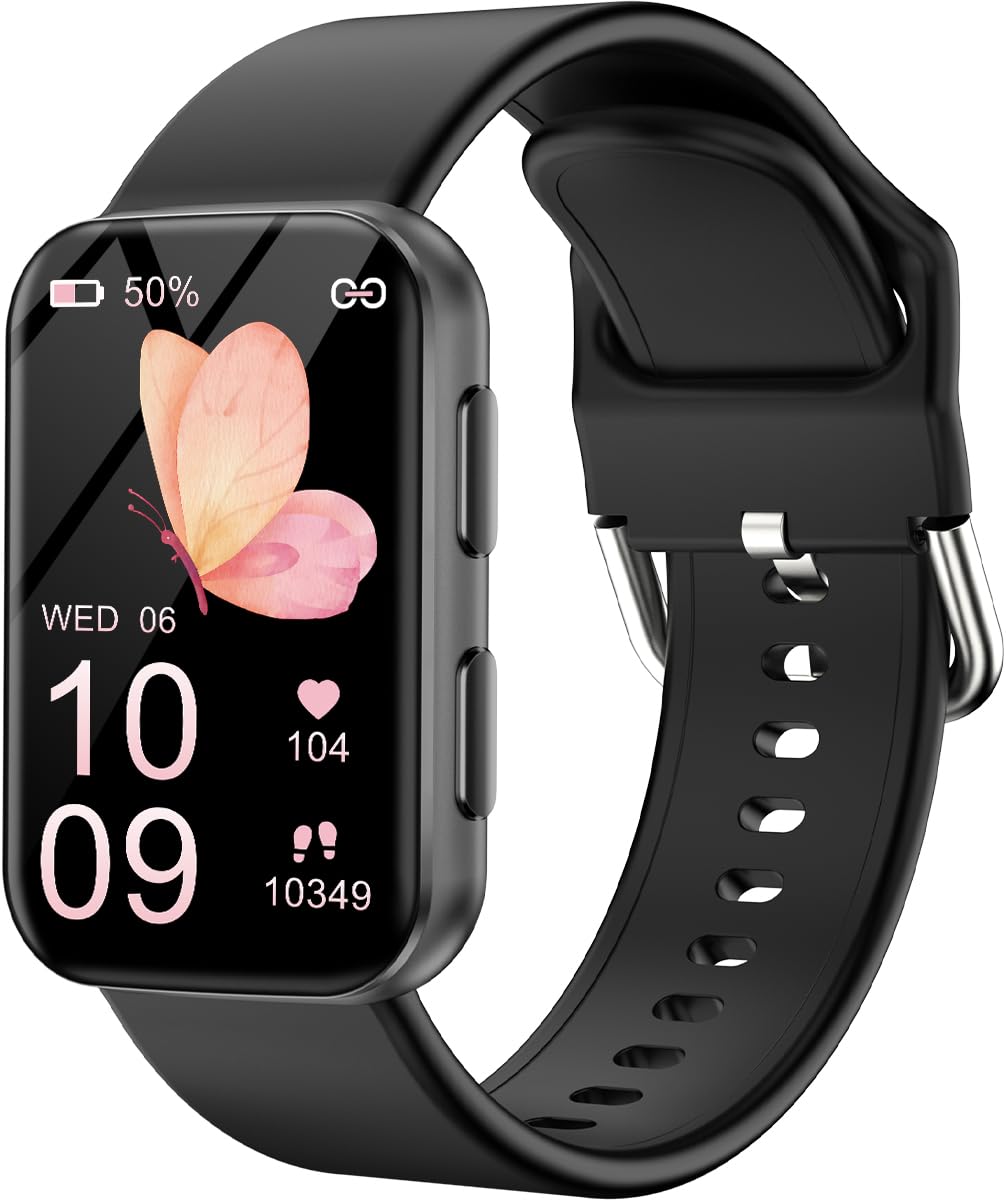
The MorePro Air2 offers an impressive feature set for its entry-level price, including 24/7 heart rate, blood pressure, and blood oxygen monitoring. The 1.57-inch LCD touchscreen is bright indoors but struggles in direct sunlight. It includes two bands (silicone and nylon) in the box, and the IP68 rating means it can handle submersion up to 1.5 meters for 30 minutes—enough for hand washing and rain but not for swimming.
With 100+ sport modes, real-time tracking for steps, distance, and calories, the MorePro covers the basics thoroughly. The 128 MB of onboard storage allows for some offline data recording before syncing via Bluetooth 5.2. Battery life is rated at seven days, which aligns with real-world usage. The included nylon band is a nice touch for sleep tracking comfort.
Accuracy is the main compromise: users report a step counter that can lose around 100 steps on reset and sleep tracking that only starts scoring at midnight, missing early bedtime data. Blood pressure readings should be viewed as trend indicators rather than medical-grade measurements. The LCD display has noticeable bezels that date the design. For budget-conscious buyers who want blood pressure tracking and multiple band options, this is a solid starting point.
Why it’s great
- Includes blood pressure monitoring
- Two bands (silicone + nylon)
- IP68 water resistance
Good to know
- Sleep tracking starts at midnight only
- LCD screen is dim outdoors
- Step counter accuracy is inconsistent
FAQ
Can I swim with an activity tracker bracelet?
Why does my step count differ between the bracelet and my phone?
Do I need a subscription to use a Fitbit tracker fully?
Final Thoughts: The Verdict
For most users, the best activity tracker bracelet winner is the Xiaomi Smart Band 10 because it combines a bright 1.72-inch AMOLED display with exceptional 21-day battery life and comprehensive health tracking at a mid-range price. If you want built-in GPS and Google ecosystem features, grab the Fitbit Charge 6. And for complete screen-free minimalism with fast charging, nothing beats the Google Fitbit Air.