
That sharp, metallic ping under the hood isn’t just annoying — it’s a sign that fuel is detonating at the wrong moment inside your engine’s cylinders. Left unchecked, this repeated knocking can damage pistons, rod bearings, and cylinder walls, turning a simple additive fix into a costly rebuild. The right formula can alter the fuel’s burn rate, raise the effective octane rating, or reduce friction enough to silence the noise and protect your motor.
I’m Min — the co-founder and writer behind Gadgets Feed. I’ve spent countless hours dissecting the chemical bases, flash points, and real-world user reports across dozens of engine additives to identify which formulas actually stop knock instead of just masking it.
The truth is that most additives fail because they address symptoms rather than root causes. This guide narrows the field to seven proven formulas so you can confidently choose the best additive for engine knock and get back to driving without that dreaded ping.
How To Choose The Best Additive For Engine Knock
Choosing a knock additive starts with diagnosing whether the noise is pre-ignition, detonation, or mechanical slap. Each root cause demands a different chemical approach — and using the wrong type can waste your money and leave the knock untouched.
Identify the Knock Type First
A high-pitched pinging under load usually means the fuel-air mixture is detonating before the spark plug fires. This calls for an octane booster that raises the fuel’s resistance to spontaneous combustion. A lower, rumbling noise that disappears as the engine warms often points to piston slap or valvetrain wear — a friction modifier or anti-wear additive like Molybdenum-based formulas is the correct tool here.
Check Compatibility With Your Engine Oil and Fuel
Some additives contain detergents or solvents that can interact negatively with synthetic oil formulations or catalytic converters. BG 44K, for example, is a full fuel system cleaner best used just before an oil change so any dislodged deposits drain out instead of circulating. Liqui Moly’s Anti-Friction Oil Treatment is designed to mix directly with engine oil and works with both gasoline and diesel platforms.
Match the Dosage to Your Tank Size
Octane boosters and fuel system cleaners list a specific treat ratio — typically one bottle per 10 to 20 gallons of fuel. Using less than the recommended amount may not raise the octane number enough to stop knock, while using more can foul spark plugs or lower fuel economy. Measure your fuel tank capacity and choose a product whose dosing aligns with your typical fill-up.
Look for Verified Results on Older, High-Mileage Engines
Engines with over 100,000 miles often have carbon deposits on pistons and valves that raise the compression ratio and cause knock. Additives that combine PEA solvents with friction modifiers tend to show the most dramatic improvements on high-mileage motors, as they both clean and lubricate in a single treatment.
Quick Comparison
On smaller screens, swipe sideways to see the full table.
| Model | Category | Best For | Key Spec | Amazon |
|---|---|---|---|---|
| BG 44K Platinum | Fuel System Cleaner | Restoring lost power & stopping knock from carbon deposits | PEA solvent formula — 11 oz per bottle | Amazon |
| Liqui Moly 2009 Anti-Friction (2-pk) | Oil Additive | Quieting piston slap and valvetrain noise | Molybdenum disulfide — 300 ml per bottle | Amazon |
| Liqui Moly Jectron | Fuel Injector Cleaner | Smoothing rough idle and hesitation | 300 ml — treats up to 20 gallons | Amazon |
| Dura Lube Engine Treatment | Friction Reducer | Protecting high-mileage engines during cold starts | 945 ml — flash point 495°F | Amazon |
| Mercury Quickleen | Fuel System Cleaner | Marine and small engine carbon removal | 12 oz — 1 oz per 5 gallons | Amazon |
| Lucas Oil Octane Booster (12-pack) | Octane Booster | Raising octane for high-compression engines | 15 oz per bottle — 12-pack case | Amazon |
| Liqui Moly 2009 Anti-Friction (6-pk) | Oil Additive | Heavy towing and high-load applications | Molybdenum-based — 6-bottle bulk pack | Amazon |
In‑Depth Reviews
1. BG 44K Platinum (2-pack)

BG 44K is widely considered the benchmark for fuel system cleaning. Its high-concentration PEA solvent formula strips carbon deposits from intake valves, piston crowns, and injectors — the exact spots where accumulated carbon raises compression and triggers knock. Users report measurable MPG gains and a complete disappearance of spark knock after just one tank.
The two-pack delivers enough volume for a full treatment and a follow-up on a second vehicle, or a concentrated dose for a larger gas tank. Because the cleaning action can dislodge heavy deposits, it is best used immediately before an oil change to prevent contaminants from circulating through the crankcase.
Customer feedback is consistent: smoother idle, quicker throttle response, and a noticeable reduction in pinging under load. This is the additive most likely to solve knock that stems from deposit buildup rather than low octane fuel.
Why it’s great
- Strongest PEA concentration available outside dealerships
- Eliminates knock caused by carbon deposits within one tank
- Backed by decades of professional shop use
Good to know
- Premium-tier cost per treatment
- Must be used right before an oil change
2. Liqui Moly 2009 Anti-Friction Oil Treatment (2-pk)

When engine knock is actually piston slap or valvetrain noise rather than fuel detonation, a friction modifier is the correct fix. Liqui Moly’s 2009 formula uses micrometer-sized Molybdenum disulfide particles that bond to metal surfaces, reducing metal-on-metal contact during the critical first seconds of a cold start.
Users with high-mileage engines — 150,000 miles and above — consistently report that this additive quiets ticking lifters and softens the rattle of worn piston skirts. One user noted that a 2001 Camry with 294,000 miles ran noticeably smoother after a single treatment, with cold start noise dropping by more than half.
The two-pack offers enough concentrate for two oil changes, making it a budget-friendly option for long-term protection. Follow the heat-and-mix procedure by adding it to warm oil and idling for several minutes before driving.
Why it’s great
- Effectively quiets piston slap and valvetrain noise
- Proven Moly formulation from a German brand
- Excellent value per treatment at the two-pack price point
Good to know
- Does not address knock from low octane fuel
- Requires proper mixing procedure for best results
3. Liqui Moly Jectron Fuel Injection Cleaner (2-pk)

Liqui Moly Jectron targets the fuel delivery path — injectors, intake valves, and combustion chambers — using a solvent package designed to dissolve varnish and gum deposits without harming oxygen sensors or catalytic converters. For knock that occurs during acceleration or under load, dirty injectors are often the hidden culprit because they disrupt the fuel spray pattern and cause lean spots.
One user reported that four bottles of other cleaners failed to fix a persistent knock, but a single bottle of Jectron eliminated the problem after 100 miles of driving. The product is also effective for smoothing rough idling and restoring throttle response on vehicles that feel sluggish.
The two-pack allows for back-to-back treatments on the same vehicle or one treatment for two separate cars. Each 300 ml bottle treats up to 20 gallons of fuel, making it compatible with most sedans, SUVs, and light trucks.
Why it’s great
- Cleans injectors and valves to fix lean-mixture knock
- Works quickly — often within 100 miles
- Safe for catalytic converters and O2 sensors
Good to know
- Not designed to raise octane number
- Less effective on heavy carbon deposits vs. PEA formulas
4. Dura Lube Engine Treatment (32 oz)
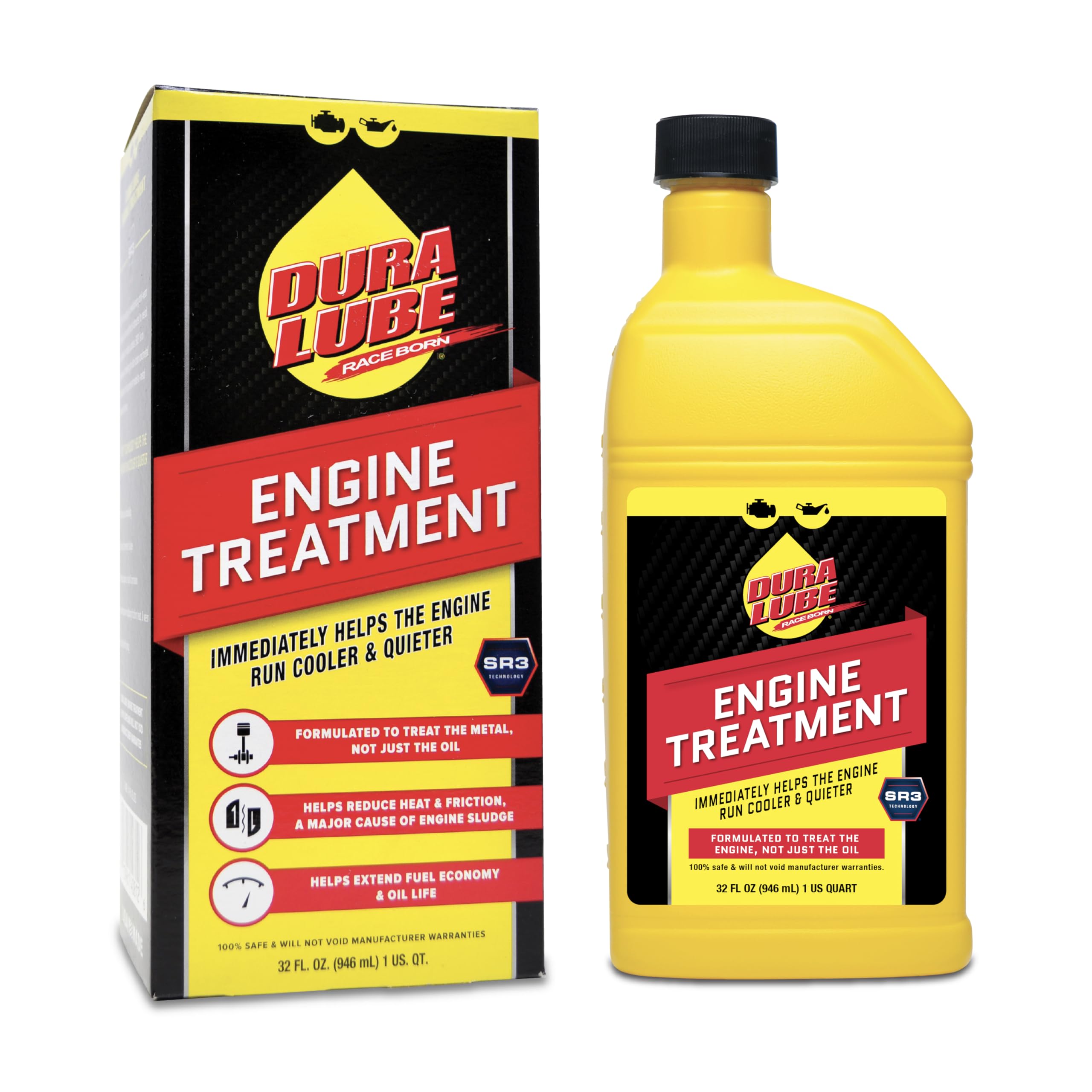
Dura Lube is a veteran in the engine treatment space, and its 32-ounce bottle offers the largest volume in this roundup. The formula creates a protective barrier on internal engine components, reducing friction and lowering operating temperatures — two factors that can amplify knock in high-mileage engines where clearances have widened over time.
Long-term users report consistent gains in fuel economy and, more importantly, a dramatic reduction in cold-start noise. One owner put over 645,000 miles on a Subaru Legacy using Dura Lube at every oil change, attributing the engine’s longevity directly to this treatment. The 495°F flash point ensures the barrier remains stable under normal driving conditions.
Compatibility is broad: it works with conventional, synthetic, and blended oils, and is safe for both gasoline and diesel engines. It also pairs well with extended oil change intervals when used as a supplementary lubricant.
Why it’s great
- Large 32-ounce bottle provides multiple treatments
- Proven track record on engines with 200k+ miles
- Reduces cold start wear and associated knocking noise
Good to know
- Does not address fuel-related detonation knock
- Some users report it thickens in extreme cold
5. Mercury Quickleen Engine & Fuel System Cleaner (12 oz)
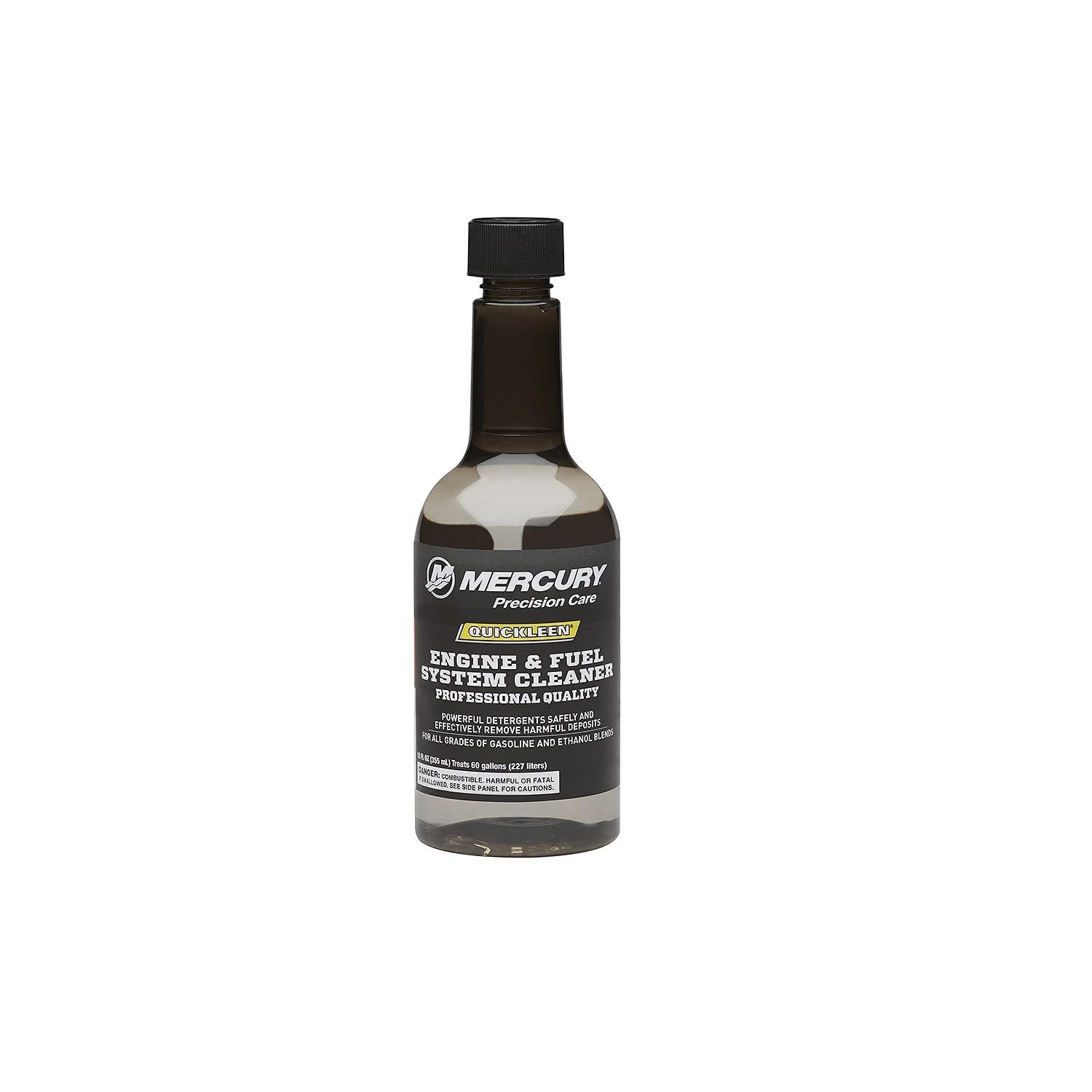
Mercury Quickleen is engineered for marine outboards and stern drives, where carbon deposits from low-load operation create persistent knock and hesitation. Its solvent formula removes deposits from carburetors, injectors, spark plugs, piston crowns, and cylinder heads — and critically, it is designed to prevent engine knocking and piston seize-up in watercraft.
The dosing is economical: just one ounce treats five gallons of gasoline, so a single 12-ounce bottle covers a 60-gallon tank. Users also report excellent results on land-based small engines, including generators, lawn mowers, and pressure washers that suffer from hard starting or sputtering due to stale fuel deposits.
Mercury backs this product with decades of OEM testing, and the 1-year manufacturer warranty adds peace of mind. Note that it does not contain fuel stabilizers, so seasonal storage requires a separate stabilizer product like Mercury Quickare.
Why it’s great
- Specifically formulated for marine and small engines
- 1 oz treats 5 gallons — very concentrated
- Prevents knock and piston seize-up in watercraft
Good to know
- No fuel stabilizer included for long-term storage
- Best for seasonal use rather than continuous treatment
6. Lucas Oil Octane Booster (12-pack Case)

When engine knock is caused by low octane fuel in a high-compression engine, an octane booster is the direct solution. Lucas Oil’s Octane Booster raises the effective octane number of pump gas, allowing engines that require 93 octane to run safely on 91 without detonation.
Owners of performance vehicles — especially turbocharged platforms like the Subaru WRX STi — report that half a bottle per fill-up extends driving range and noticeably improves the powerband. The 12-pack case is designed for regular users who want the convenience of bulk purchasing rather than buying individual bottles at a premium.
Lucas is a trusted brand in the automotive aftermarket, and the formula is compatible with both gasoline and ethanol-blended fuels. For daily drivers that run fine on regular 87 octane, this product is overkill — it is best reserved for engines that specifically require or benefit from higher octane ratings.
Why it’s great
- Effectively raises octane to stop detonation knock
- Bulk case reduces per-treatment cost significantly
- Trusted Lucas Oil quality and brand reputation
Good to know
- Not needed for engines running on 87 octane
- Larger upfront investment for the 12-pack
7. Liqui Moly 2009 Anti-Friction Oil Treatment (6-pk)

For drivers who regularly tow heavy loads, drive in extreme heat, or keep a fleet of vehicles, the six-pack of Liqui Moly 2009 offers the lowest per-use cost for a proven friction modifier. The same Molybdenum disulfide technology found in the two-pack is packaged here for extended use across multiple oil changes or multiple vehicles.
A 22-year automotive technician noted in his review that this is the only additive he has seen that delivers measurable real-world results, and high-mileage owners report that it quiets rattling noises and reduces steering wheel vibration at idle. One user with a 2001 Camry at 294,000 miles and a 2005 Quest at 170,000 miles found both engines running noticeably smoother after treatment.
The formula is designed for high-load applications — towing, full-throttle driving, and sustained highway speeds — where oil film strength is most critical. It enhances the life of engine oil itself, reducing friction and extending engine longevity when used as directed.
Why it’s great
- Lowest per-treatment cost for a premium Moly additive
- Ideal for high-load, towing, and severe driving conditions
- Endorsed by professional technicians for real results
Good to know
- Large pack may be excessive for single-car owners
- Requires proper mixing into warm oil
FAQ
Can an additive permanently fix engine knock or is it a temporary bandage?
How do I know whether to use an octane booster or a friction modifier for my knock?
Can I use an oil additive and a fuel additive at the same time?
Final Thoughts: The Verdict
For most users, the additive for engine knock winner is the BG 44K Platinum because it eliminates the carbon deposits that cause detonation knock while restoring lost power and fuel economy. If you need to quiet mechanical piston slap or valvetrain noise on a high-mileage engine, grab the Liqui Moly 2009 Anti-Friction Oil Treatment. And for consistent knock protection in a high-compression performance car running low-octane pump gas, nothing beats the Lucas Oil Octane Booster in bulk.