
Every pedal stroke you take past 18 mph is a negotiation with the wind. An aerodynamic bicycle helmet is the single most effective equipment swap you can make to win that negotiation, turning a constant drag penalty into a measurable speed advantage without an extra watt from your legs. The right aero shell shaves minutes off a 40K time trial and drops your effective frontal area without sacrificing the ventilation you need for a long day in the saddle.
I’m Min — the co-founder and writer behind Gadgets Feed. I spent dozens of hours cross-referencing wind-tunnel test data, MIPS and rotational-impact certifications, weight specs, and real-world rider reviews across the – price spectrum to separate the helmets that actually deliver aero gains from those that just look fast.
This guide breaks down nine of the most competitive options on the market right now, covering everything from WorldTour-proven shells to budget-friendly commuter lids with aero profiles. Whether you’re chasing a PR or just want less headwind fatigue on your weekend group ride, the best aerodynamic bicycle helmet for your specific fit and riding style is in this list.
How To Choose The Best Aerodynamic Bicycle Helmet
The difference between a standard road helmet and an aero helmet isn’t just cosmetic. An aero shell reshapes your head’s profile to reduce the low-pressure wake behind you, which is the primary source of drag at race pace. But choosing the right one means balancing three competing priorities: wind-cheating shape, thermal management, and rotational-impact safety.
Aero Profile vs. Ventilation
A full aero tail, like the one on the Kask Utopia Y or the ABUS Gamechanger 2.0, creates the lowest drag coefficient by smoothing airflow off the back of the head. The trade-off is fewer vents and reduced passive airflow. Lids with rear exhaust ports and internal channeling, such as the MET Manta, manage to keep ventilation acceptable while still delivering a measurable aero benefit. If you ride in hot climates or do long climbs, prioritize helmets with at least 14 vents and a NACA inlet.
Rotational-Impact Systems
MIPS remains the most common rotational-management system, using a low-friction liner that allows the helmet to slide relative to the head during angled impacts. KinetiCore, used by LAZER, uses integrated crushable zones inside the EPS foam to absorb rotational energy without a moving liner. Koroyd, found in Smith helmets, employs a honeycomb of thin-walled tubes that crumple progressively. Each approach satisfies the same safety goal, but riders sensitive to helmet movement often prefer the non-slip feel of KinetiCore or Koroyd over MIPS.
Fit and Retention Systems
An aero helmet only works if it sits stable on your head across all riding positions. Look for a 360-degree retention dial (like MET’s Safe-T Orbital or ABUS’s Zoom Ace) that allows micro-adjustments without pressure points. The chin strap closure matters too — magnetic Fidlock buckles, found on the MET Manta, make one-handed fastening easy in transition or with gloves on.
Quick Comparison
On smaller screens, swipe sideways to see the full table.
| Model | Category | Best For | Key Spec | Amazon |
|---|---|---|---|---|
| ABUS Gamechanger 2.0 | Premium Aero | WorldTour racing & fast group rides | AirBoost ventilation + Multi Shell In-Mold | Amazon |
| MET Manta MIPS | Premium Aero | Triathlon & aero road racing | 300g weight + NACA inlet + Fidlock buckle | Amazon |
| Kask Utopia Y | Premium Aero | Road racing & time trialing | WG11 rotational-impact approved | Amazon |
| MET Rivale MIPS | Mid-Range Aero | Sporty road riding & training | MIPS-C2 + Safe-T Upsilon fit system | Amazon |
| Smith Persist MIPS | Mid-Range All-Round | Endurance road & mixed-terrain | Zonal Koroyd + 21 fixed vents | Amazon |
| SLS3 Triathlon Helmet | Specialty Aero | Time trial & triathlon racing | 0.81 lb weight + magnetic visor | Amazon |
| LAZER Strada KinetiCore | Mid-Range Road | Daily training & commutes | KinetiCore + ScrollSys fit system | Amazon |
| Lumos Ultra Aero GT | Value Aero | Urban commuting & recreational road | 350g + MIPS + 14 vents | Amazon |
| ABUS Gamechanger 2.0 (Black) | Premium Aero | WorldTour racing & fast group rides | Velvet Black finish + 0.73 kg weight | Amazon |
In‑Depth Reviews
1. ABUS Gamechanger 2.0
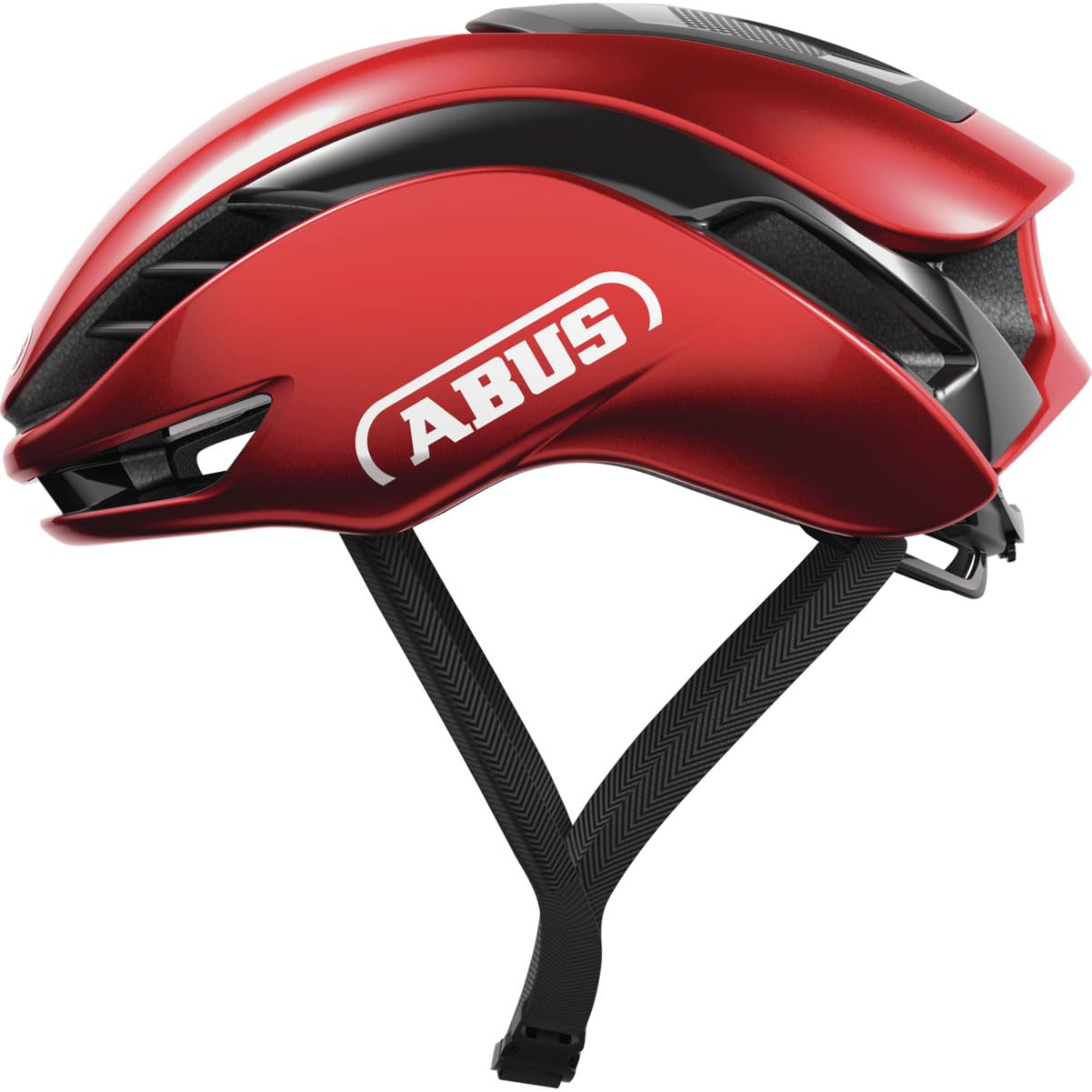
ABUS took the original Gamechanger and refined every airflow surface for the 2.0 iteration. The Multi Shell In-Mold construction keeps weight at 0.8 kg while maintaining the stiffness needed to hold its teardrop shape at 30+ mph. The AirBoost ventilation system uses strategically placed intake ports that force air through the EPS liner without creating the turbulence that kills aero efficiency on other helmets.
The Zoom Ace retention system offers micro-adjustable vertical and horizontal tuning, which is critical for aero helmets that need to sit low on the forehead without shifting when you drop into an aggressive tuck. Pro teams have validated this shell in WorldTour breakaways, and the wind-tunnel data shows a measurable drag reduction over the original Gamechanger across yaw angles up to 15 degrees.
At this price point, you are paying for proven aero performance and build quality that holds up season after season. The chin strap adjustment can feel a bit tall for riders with longer head shapes, so dialing in the strap routing is worth the effort before your first race.
Why it’s great
- Updated aerodynamic profile with measurable drag reduction
- AirBoost system balances cooling with aero efficiency
- Zoom Ace fit system offers precise, secure adjustments
Good to know
- Strap routing may feel off for taller head shapes
- Premium price positions it as a racing-specific tool
2. MET Manta MIPS
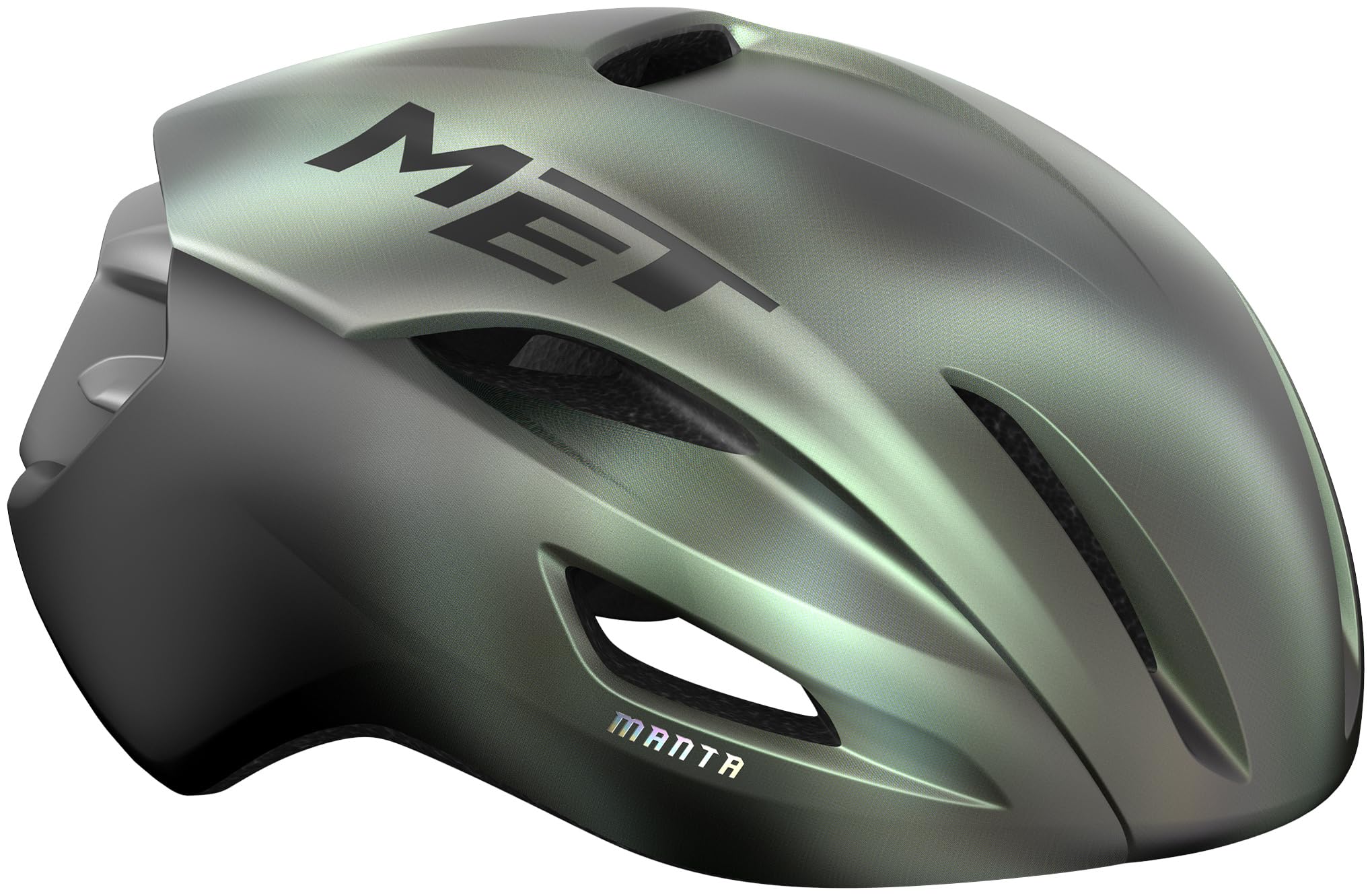
At just 300 grams in a size medium, the MET Manta is one of the lightest aero helmets on the market. The shell uses a NACA inlet — an air scoop design borrowed from aerospace — that feeds air through internal channeling and out through rear exhaust ports, creating a constant airflow path that doesn’t increase drag. The tube-shaped tail with a rear deflector stabilizes the wake at high speeds, making this a legitimate choice for triathletes and criterium racers.
The MIPS-C2 rotational management system adds a layer of protection without the extra bulk of earlier MIPS versions, and the Safe-T Orbital fit system provides 360-degree adjustment that cradles the occipital bone. The magnetic Fidlock chin strap is a standout feature for transition speed — one click and you’re locked in, even with gloves on.
Riders report excellent ventilation for an aero lid, though the limited-edition UCI World Championships colorway may not appeal to everyone. The included soft storage bag is a nice touch for protecting the shell during travel.
Why it’s great
- Remarkably light at 300g with full aero shaping
- NACA inlet provides effective internal airflow
- Fidlock magnetic buckle simplifies transition handling
Good to know
- Limited-edition color scheme may not suit all tastes
- Higher price reflects the lightweight construction
3. Kask Utopia Y
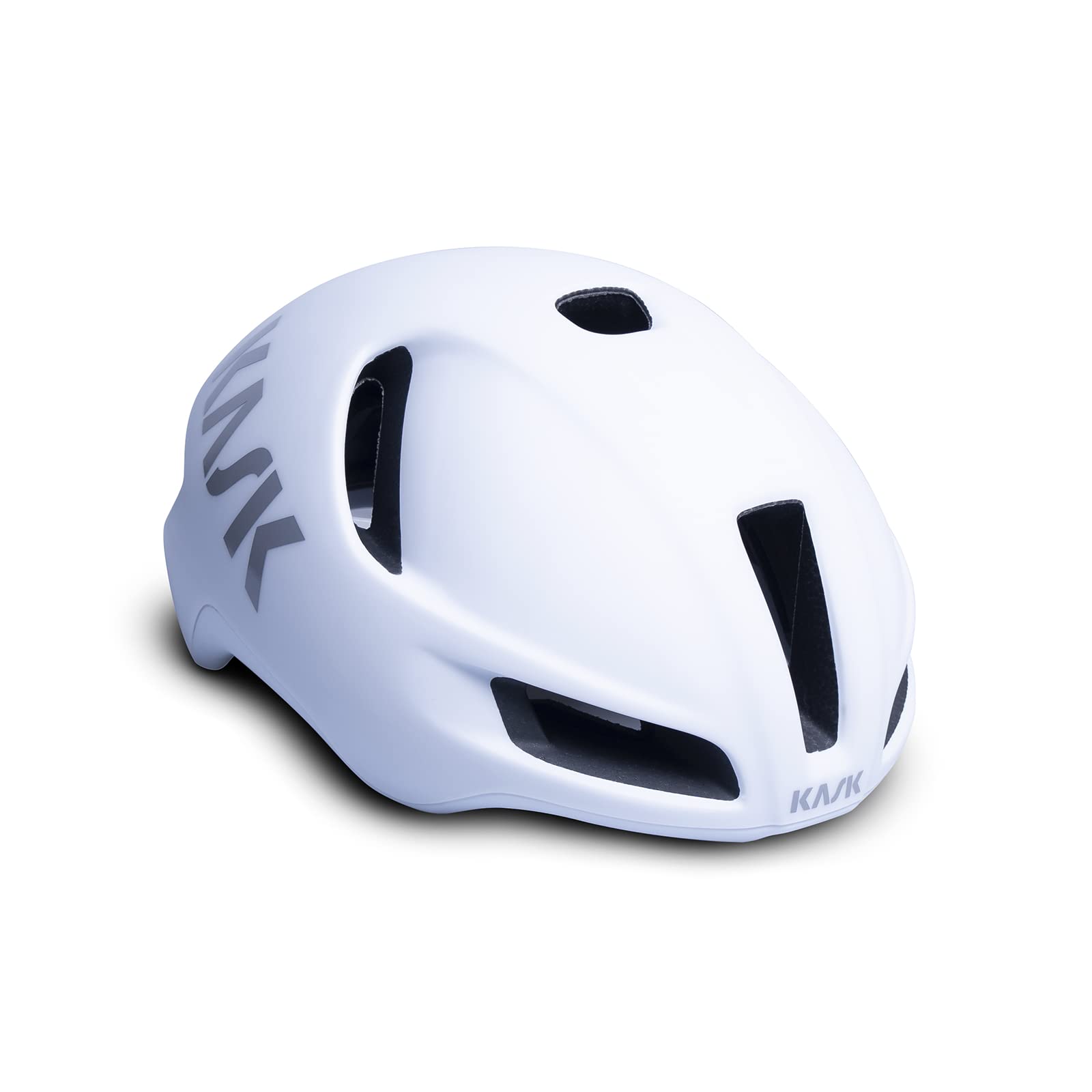
Kask’s Utopia Y holds the distinction of being one of the few helmets certified to the WG11 rotational-impact standard, which goes beyond what CPSC or CE EN 1078 requires. The aero shape is aggressively sculpted, with a smooth, uninterrupted outer surface that minimizes boundary-layer separation. The internal padding uses a CoolMax fabric that accelerates sweat evaporation, helping regulate temperature even when the reduced vent count limits passive airflow.
The Octo Fit rubberized micro-dial adjuster pivots freely through 180 degrees, which means the helmet stays centered on your head whether you’re in an aero tuck or upright. The gel pads at the contact points reduce pressure spots, and riders consistently report that the Utopia Y feels custom-molded after just a few rides. Reflective inserts improve low-light visibility, a practical safety addition for early-morning interval sessions.
This is not a helmet designed for climbing in hot weather — the aero priority means less direct ventilation. But for flat road racing and time trialing where every second counts, the Utopia Y delivers an aerodynamic edge that feels tangible at speed.
Why it’s great
- WG11 rotational-impact certification exceeds standard requirements
- Octo Fit dial offers frictional grip and full-range pivot
- CoolMax interior padding manages sweat during intense efforts
Good to know
- Ventilation is limited — not ideal for hot climbs
- Premium cost reflects Italian design and safety certification
4. MET Rivale MIPS

The MET Rivale bridges the gap between a standard road helmet and a full aero shell. Its shape tapers at the rear to reduce drag, but it maintains a more open vent structure than the pure aero designs from ABUS or Kask. The MIPS-C2 system is integrated seamlessly into the liner, and the Safe-T Upsilon fit system provides both vertical and occipital adjustment for a locked-in feel during long rides in the drops.
Riders in hot climates particularly appreciate the internal air channeling, which moves air across the top of the head before exhausting it out the rear ports. The sunglasses port with rubberized grips keeps eyewear secure when you push them up on climbs. The weight is reasonable for a mid-range aero lid, and the white-lime yellow colorway offers high visibility without looking overstyled.
Some riders note that the aero shape creates a slight air restriction sensation at very high speeds, which is the trade-off for better ventilation than a teardrop shell. If you want an aero profile for training rides and gran fondos without overheating, this is the sweet spot.
Why it’s great
- Excellent ventilation for an aero-shaped helmet
- Safe-T Upsilon system allows fine-tuning in all directions
- Integrated sunglasses port adds daily convenience
Good to know
- Airflow restriction is noticeable compared to non-aero designs
- Mid-range price still represents a significant investment
5. Smith Persist MIPS

The Smith Persist uses Zonal Koroyd coverage, a honeycomb-like core that crumples on impact to absorb energy while leaving large channels open for airflow. With 21 fixed vents, this helmet moves more air than almost any other aero-profile helmet on the list. The AirEvac system integrates with Smith eyewear to prevent lens fogging, a thoughtful detail for riders who wear glasses or photochromic shields.
The MIPS liner is paired with Koroyd to handle both rotational and direct impacts, making this one of the most safety-comprehensive options available. The adjustable rear dial and strap splitter allow for easy on-the-fly tweaks, and the fit feels secure without the pressure points that some aero helmets create. Riders report that the helmet feels forgettable — the highest compliment for comfort on a six-hour ride.
Aesthetic quibbles aside, the Persist is a strong choice for endurance riders who want aero benefits without roasting their heads on long climbs. The mushroom-like visual profile is the only real trade-off for the exceptional ventilation.
Why it’s great
- 21 vents provide industry-leading airflow for an aero helmet
- Zonal Koroyd + MIPS offers layered impact protection
- AirEvac system prevents eyewear fogging
Good to know
- Rounder profile lacks the sleek look of teardrop designs
- No integrated sunglass port on some colorways
6. SLS3 Triathlon Helmet

The SLS3 is a dedicated time trial and triathlon helmet that doesn’t try to be a daily training lid. It wraps the head in a compact teardrop shape that covers more of the back and sides than a standard road aero helmet, reducing the turbulent wake zone behind the rider. The magnetic visor provides UV protection and shields the eyes from wind and debris, and the visor can be flipped up or removed entirely with one hand during transitions.
Weighing just 0.81 pounds with the visor attached, it is 25 percent lighter than many traditional aero TT helmets. The high-impact PC shell and EPS liner meet crash safety standards, and the low-friction outer surface is designed to slide on pavement in the event of a fall. The fit system uses a ratcheting dial, though some riders with longer head shapes find the helmet tends to slide forward in the aero position.
The visor’s nose cutout is small for some faces — a few riders have needed to enlarge it with a tool. For the price, this is the most aero-efficient dedicated race helmet you can buy without stepping into the range.
Why it’s great
- Full aero teardrop shape for maximum drag reduction
- Magnetic visor provides UV protection and debris shielding
- Lightweight construction for a TT-specific helmet
Good to know
- Visor nose area may require modification for some faces
- Slides forward on longer head shapes in aero position
7. LAZER Strada KinetiCore

LAZER’s Strada KinetiCore ditches the sliding MIPS liner in favor of integrated crushable zones molded directly into the EPS foam. This approach eliminates the squeaking and movement that some riders find distracting on MIPS-equipped helmets, making the Strada noticeably quieter during rides. The aero shaping is subtle — a tapered tail and smooth shell — but the real story is the massive ventilation channels that supercharge airflow through the helmet.
The ScrollSys retention system uses a rubberized dial that provides a progressive tightening feel, allowing fine adjustments while on the move. The full size range from S to XL accommodates a wide variety of head shapes, and the weight is competitive for a mid-range road helmet. Virginia Tech’s five-star safety rating adds independent validation to the KinetiCore design.
Some riders find the strap adjustment fiddly initially, and the fit can feel loose in the cheek area unless the straps are carefully dialed in. Once set, however, the Strada is one of the most comfortable and quiet aero-profile helmets at this price.
Why it’s great
- KinetiCore eliminates squeaking common with MIPS liners
- 5-star Virginia Tech safety rating
- Massive vents provide excellent cooling
Good to know
- Strap adjustment requires patience to get right
- Cheek area may feel loose without careful fit tuning
8. Lumos Ultra Aero GT
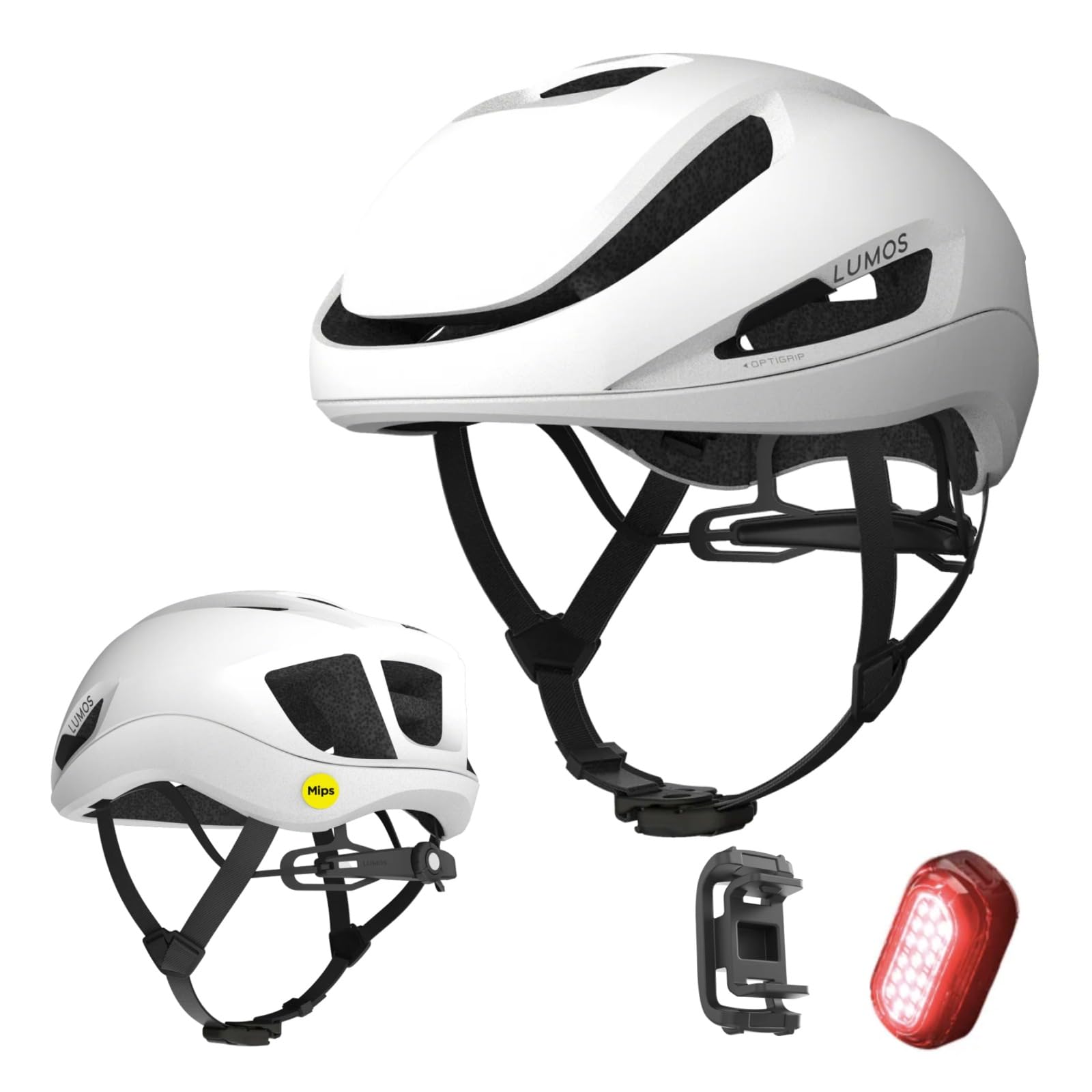
The Lumos Ultra Aero GT proves you don’t need to spend to get an aero profile with MIPS protection. At 350 grams with 14 optimized ventilation channels, it offers a streamlined silhouette that reduces drag compared to boxy commuter helmets. The integrated MIPS system handles rotational impacts, and the OptiGrip Eyewear Dock provides a secure slot for sunglasses when you climb or stop.
The magnetic click compatibility with Lumos Firefly mini bike lights allows you to add rear visibility without strapping on a separate light, which is a thoughtful feature for urban riders who want aero benefits during their commute. The magnetic chin strap closure is easy to operate with gloves on, a detail usually reserved for much more expensive helmets.
Some riders note that the size runs slightly small, and the overall build quality uses more plastic components than premium competitors. But for the price, you get genuine aero shaping, MIPS, and a sub-400-gram weight that rivals helmets costing twice as much.
Why it’s great
- MIPS protection at a budget-friendly price point
- Magnetic closure operates easily with gloves
- Compatible with add-on Firefly lights
Good to know
- Size runs slightly small — consider ordering up
- Build uses more plastic than premium competitors
9. ABUS Gamechanger 2.0 (Velvet Black)
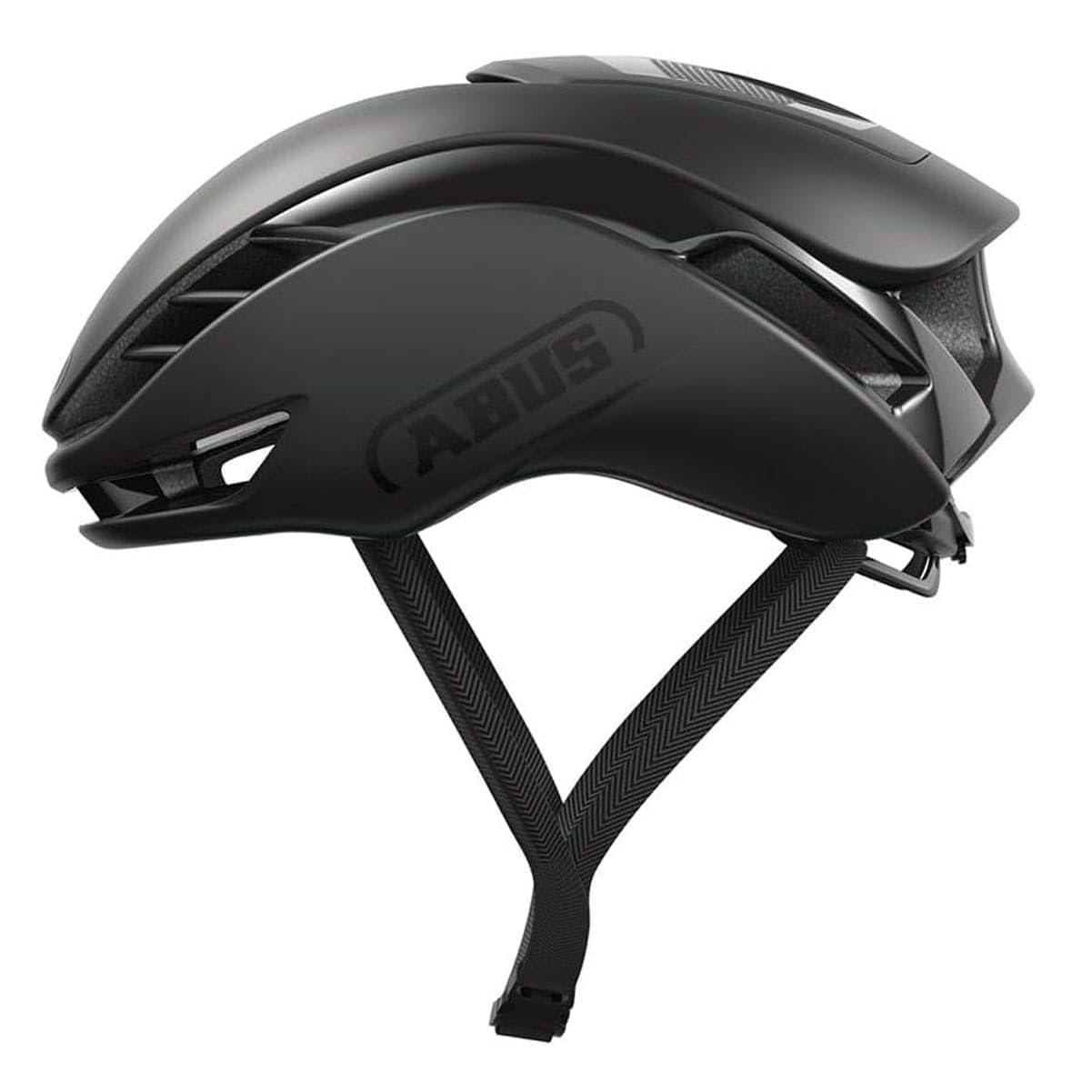
The ABUS Gamechanger 2.0 in Velvet Black offers the same aerodynamic performance as the Performance Red version but with a stealthy matte finish that integrates seamlessly with black kit and dark frames. The Multi Shell In-Mold construction keeps the weight at just 0.73 kg — slightly lighter than the red variant — while maintaining the structural integrity needed for high-speed racing.
The Zoom Ace adjustable retention system and AirBoost ventilation carry over from the core design, delivering the same drag reduction and thermal management that have made the Gamechanger 2.0 a favorite among competitive road cyclists. The Velvet Black finish resists fingerprints and glare, which matters for riders who spend long hours under direct sun.
As with the Performance Red version, some riders with taller head profiles find the strap routing unconventional. The colorway itself is a pure aesthetic preference — the aero performance is identical. If matte black matches your kit, this is your version.
Why it’s great
- Identical aero performance to the core Gamechanger 2.0 design
- Velvet matte finish resists fingerprints and glare
- Zoom Ace retention system provides secure, customizable fit
Good to know
- Strap routing can feel odd for taller head shapes
- Colorway is an aesthetic choice — performance is unchanged
FAQ
How many watts does an aero helmet actually save at race pace?
Can I use an aero helmet for daily training or commuting?
Does an aero helmet work if I ride in a more upright position?
How do I know if an aero helmet actually fits my head shape?
Final Thoughts: The Verdict
For most riders, the best aerodynamic bicycle helmet winner is the ABUS Gamechanger 2.0 because it delivers proven WorldTour-level wind-cheating performance with the AirBoost ventilation system that keeps you comfortable on all-day rides. If you prioritize the lightest possible weight with Fidlock transition speed, grab the MET Manta MIPS. And for pure time trial aero efficiency at a reasonable price, nothing beats the SLS3 Triathlon Helmet.