
A failing fuel pump turns your daily driver into a driveway ornament. When the engine cranks but refuses to fire, or you feel a sudden loss of power under load, the fuel delivery system is the first place to suspect trouble. Getting the right aftermarket replacement is not just about cost — it is about ensuring consistent fuel pressure, correct fitment for your specific vehicle, and a component that can handle ethanol-blended fuels without premature failure.
I’m Min — the co-founder and writer behind Gadgets Feed. I spend hundreds of hours cross-referencing vehicle-specific fitment data, flow rate specifications, and customer durability reports to separate reliable aftermarket fuel pumps from parts that leave you stranded with a dropped fuel tank and a non-starting engine.
Whether you drive a full-size pickup needing a heavy-duty replacement or a universal high-flow pump for a custom swap, this guide breaks down the best aftermarket fuel pump options by real-world performance and build quality.
How To Choose The Best Aftermarket Fuel Pump
Selecting a fuel pump is not just about grabbing the cheapest option that claims compatibility. Delivering the correct fuel pressure, surviving long-term exposure to ethanol, and matching the physical depth of your fuel tank are what separate a successful repair from a repeat job.
Check the OE Reference Numbers First
Always cross-reference the OEM part numbers (like FG0856, E3609M, or 17040-ZQ60A) against your vehicle’s original pump. An aftermarket part that lists multiple OE replacements has likely been validated against the factory design, ensuring the same mounting flange pattern, hose barb size, and overall pump height. A mismatch here means your tank will not seal or the pump will sit too high or too low, causing fuel starvation or a leaking gasket.
Fuel Pressure and Flow Rate for Your Engine
Most throttle-body injected engines need 4-7 PSI, while port-fuel-injected systems require 40-60 PSI. The flow rate, measured in gallons per hour (GPH) or liters per hour (LPH), must support your engine’s maximum horsepower. A universal pump rated at 32 GPH is fine for a carbureted V8 up to 400 HP, but a modern DOHC V6 may need 340 LPH (90 GPH) at 40 PSI. Undersizing the pump causes lean misfires under load; oversizing in a returnless system can overwhelm the pressure regulator.
Connector and Inlet Type Compatibility
Fuel pumps connect to the vehicle harness with specific pin counts (4-pin, 6-pin) and to the fuel line with either a hose barb, a flare fitting, or an electric connector. The product data for these pumps shows barbed connectors, flare connectors, and electric connectors depending on the model. If your factory pump uses a quick-connect line, you cannot substitute a hose barb pump without adapters. Similarly, a 6-pin electrical connector will not plug into a 4-pin harness without repinning the connector.
Decide Between Universal or Vehicle-Specific
Vehicle-specific assemblies (like the SYKRSS E7271M for Dodge Durango) include the mounting bracket, fuel level sender, strainer, and tank seal — a true drop-in replacement. Universal pumps such as the AEM 50-1000 require you to modify the factory fuel basket or hanger, which adds labor but gives flexibility for high-horsepower or custom-swapped builds. For a daily driver repair, vehicle-specific is almost always the faster, more reliable path.
Quick Comparison
On smaller screens, swipe sideways to see the full table.
| Model | Category | Best For | Key Spec | Amazon |
|---|---|---|---|---|
| Delphi FG0407 | Premium | OE-grade reliability for trucks and SUVs | OE Heritage, 80+ years OEM validation | Amazon |
| AEM 50-1000 | Universal High-Flow | High-HP builds and LS swaps | 340 LPH at 40 PSI | Amazon |
| Holley 12-427 | Universal Carbureted | Carbureted engines up to 400 HP | 32 GPH, 4-7 PSI | Amazon |
| SYFABG E7271M | Mid-Range Fitment | Dodge and Jeep 3.6L V6 applications | Barbed Connector, OE Standard | Amazon |
| BDFHYK E3609M | Mid-Range Fitment | Chevy Silverado and GMC Sierra 04-07 | Flare Connector, POM Plastic/Metal | Amazon |
| PHILTOP FG1277 | Mid-Range Fitment | Nissan Titan and Infiniti QX56 | Gold-palladium contacts, 1M cycles | Amazon |
| ABIGAIL SP4090M | Mid-Range Fitment | Nissan Altima and Maxima 2013-2018 | 6-Pin Connector, Injection Molded | Amazon |
In‑Depth Reviews
1. Delphi FG0407 Fuel Pump Module

The Delphi FG0407 carries the weight of over 80 years of OE manufacturing experience, and it shows in the fitment precision. This metal-bodied module is validated against the original vehicle application, meaning the mounting flange, pump depth, and fuel level sender are dimensionally matched to the factory blueprint. One customer reported the previous Delphi pump lasted over 200,000 miles, which is the benchmark of longevity in this category.
At approximately 3 pounds with dimensions of 19.7 x 7.7 x 5.1 inches, the module is physically larger than budget options, built to withstand extreme temperature cycling inside the fuel tank. The hose barb inlet connection matches the stock setup for many Chevrolet Silverado and GMC Sierra trucks. Some installations require cutting and splicing the wiring harness if the connector style changed between model years, but that is a minor adaptation for OE-grade durability.
Isolated reports of fuel gauge failure after replacement suggest that the sending unit electronics may be sensitive to tank contamination. Cleaning the tank thoroughly before installation, as Delphi recommends, is not optional — it is the single most important preparation step to avoid a repeat job. The FG0407 is the right choice for owners who plan to keep their truck for the long haul and want a pump that matches the original part’s service life.
Why it’s great
- OE-validated fitment for Chevy Silverado and GMC Sierra platforms
- 80-year OEM heritage with consistent quality control
- All-metal construction withstands extreme fuel tank temperatures
Good to know
- Wiring connector may require splicing for certain model years
- Fuel gauge sending unit can fail if tank is not cleaned
- Premium price tier among aftermarket modules
2. AEM 50-1000 High Flow In-Tank Fuel Pump
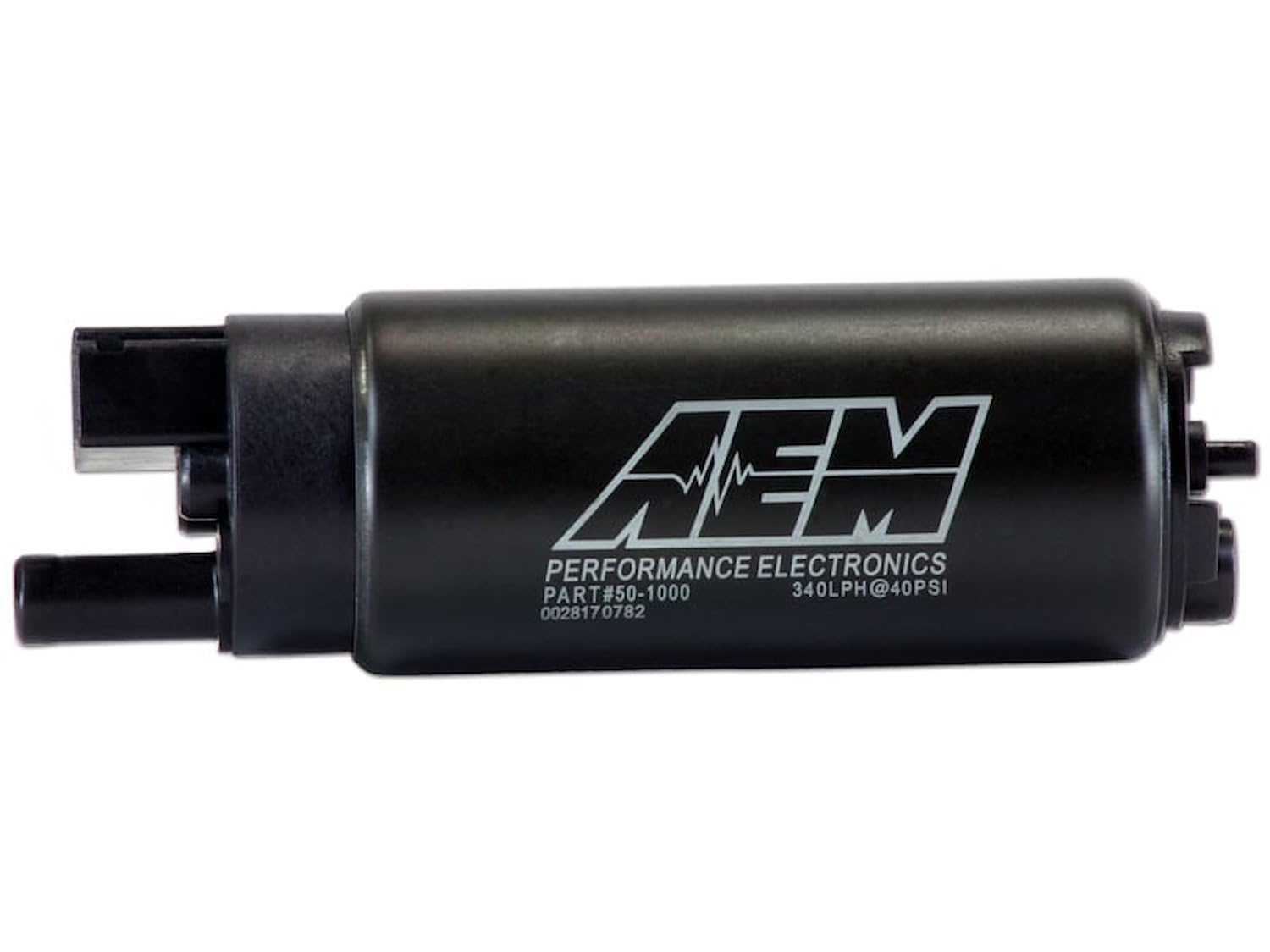
The AEM 50-1000 is the benchmark for universal in-tank fuel pumps used in high-horsepower builds. It flows 340 liters per hour at 40 PSI, which supports forced induction and naturally aspirated engines well beyond 600 horsepower when properly wired. The 39-millimeter diameter allows it to fit inside most factory fuel pump hangers and baskets, though the offset inlet and 6 mm spade connectors mean you will be doing some wiring and modification.
This pump has a proven track record in the LS swap community. Customers have installed it into squarebody Chevrolet trucks, Jeep XJs with 4.0-liter inline-six builds, and even SAAB 9-3 Aero vehicles. The longevity is remarkable — one reviewer reported 10 years of trouble-free operation before the pump finally lost pressure. The included rubber sleeve and end caps help dampen vibration, though the pump is not silent inside the tank; it emits a noticeable hum when the key is on.
The 50-1000 is not a drop-in replacement for any specific vehicle. You will need to modify the factory fuel basket, reuse the factory strainer filter, and wire the 6 mm spade terminals to a relay. AEM explicitly notes that pump life may be diminished with E85 fuel, so this is primarily a gasoline application. For builders chasing modified factory SUVs, dedicated track cars, and custom swaps, the AEM 50-1000 delivers the flow headroom without the price tag of a full surge tank system.
Why it’s great
- 340 LPH flow rate supports high-horsepower builds
- 10-year reported service life in real-world installations
- Compact 39mm diameter fits many factory hangers
Good to know
- Universal fit requires modifications to the factory fuel basket
- Pump life may be reduced with E85 fuel
- Not a silent pump; audible hum during operation
3. Holley 12-427 32 GPH Mighty Mite Electric Fuel Pump

The Holley Mighty Mite is a solid-state electric fuel pump purpose-built for carbureted engines up to 400 horsepower. With a flow rate of 32 GPH and a regulated pressure range of 4-7 PSI, it is perfectly matched to Edelbrock and Holley carburetors that require low pressure to avoid flooding the float bowls. The 12-volt, 2-wire hookup makes installation straightforward, and the pump is self-priming with a 12-inch dry lift capability.
One of the standout features is the pass-through design, which allows fuel to flow through the pump when it is off. This means you can use the Mighty Mite as a priming pump in conjunction with a mechanical pump — a common setup on classic trucks and muscle cars. Users have mounted it to the frame rail using the included hardware and a quality relay, noting that wrapping the pump in 3/8-inch foam padding significantly reduces the audible clicking noise that typical inline pumps produce.
The pump is compatible with gasoline, diesel, ethanol blends, and E85, making it versatile for different fuel types. However, the alloy steel body is not designed for in-tank submersion, so it must be mounted externally on the frame or chassis rail, away from exhaust heat. Isolated failures right out of the box suggest quality control is not perfect, but the affordable price point and Holley’s reputation in the performance aftermarket make the Mighty Mite a value leader for classic car restorations and hot rod builds.
Why it’s great
- Perfect for carbureted engines requiring 4-7 PSI fuel pressure
- Pass-through design allows use with mechanical fuel pump
- Compatible with gasoline, diesel, and E85 fuels
Good to know
- External mount required — not for in-tank installation
- Some units arrive non-functional; check before full installation
- Audible clicking noise may require sound-dampening padding
4. SYFABG E7271M Fuel Pump Module Assembly
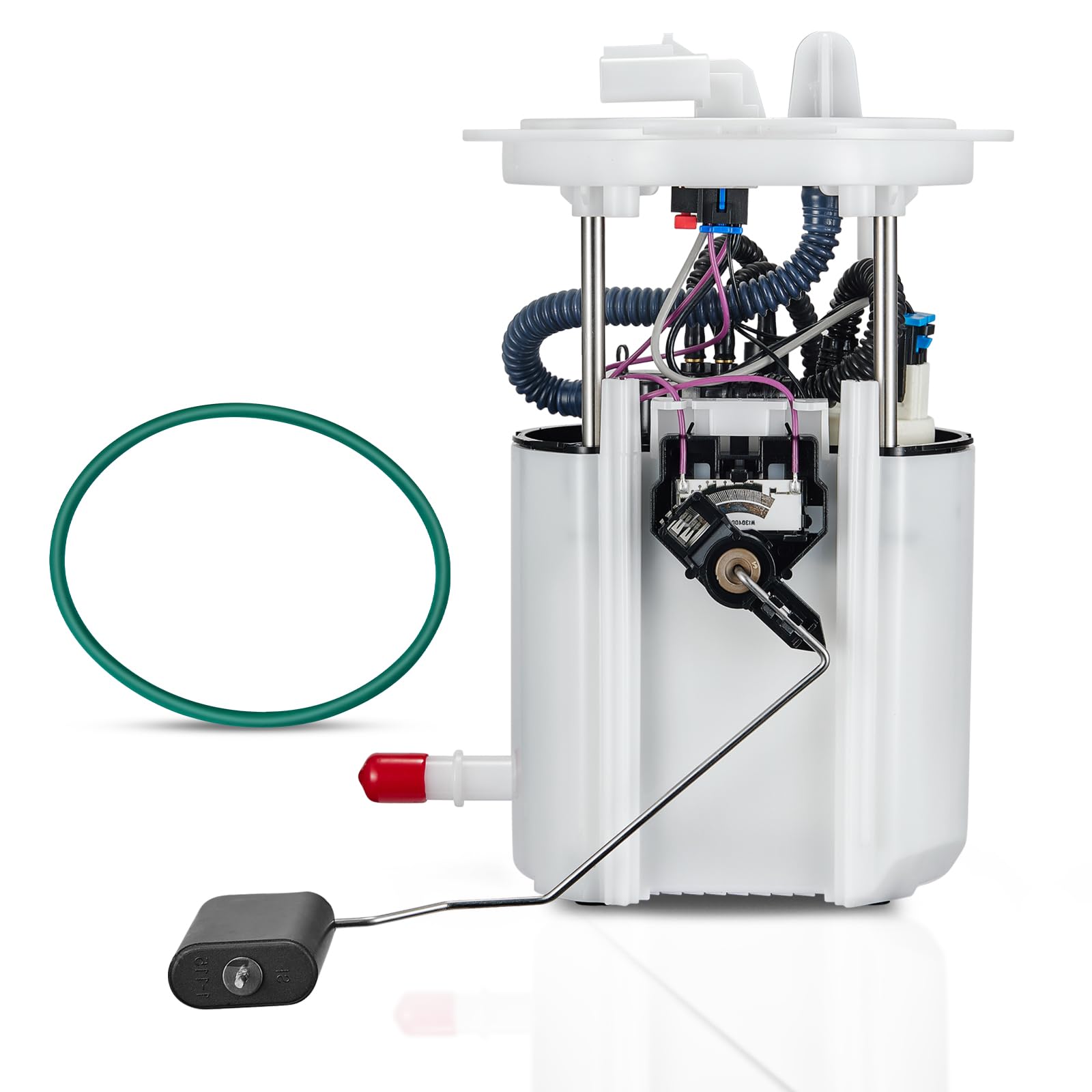
The SYFABG E7271M is a budget-friendly replacement specifically designed for Dodge Durango 2011-2015 V6 3.6L and Jeep Grand Cherokee 2011-2014 V6 3.6L vehicles. It replaces OEM part numbers FG0856, P76750M, and 5145583AB, and the body construction uses high-density plastic with a barbed hose connector. The assembly includes the fuel pump, sending unit, float, and strainer — a complete drop-in module for these Chrysler applications.
Customer feedback confirms that the fitment matches the factory assembly exactly, with no wiring modifications required. One reviewer installed it in a 1998 Jeep Wrangler TJ and reported perfect compatibility with the factory electrical connector and fuel line. The pump provides optimal fuel pressure and flow for the 3.6L Pentastar V6, restoring proper fuel delivery for engines that crank but will not start due to a failed pump.
The 1-year unlimited-mileage warranty from SYKRSS adds a layer of protection uncommon at this price tier. However, some buyers have noted that the plastic construction feels less robust than the metal modules used in earlier vehicles. The plastic housing is standard for modern fuel pump modules to reduce weight and resist corrosion, but it is worth handling the retention ring carefully during installation to avoid cracking the tabs. For a budget-friendly fix on a 2010s Chrysler or Jeep SUV, this module delivers reliable performance.
Why it’s great
- Complete drop-in module for 3.6L Durango and Grand Cherokee
- No wiring modifications needed; matches factory connector
- 1-year unlimited-mileage warranty included
Good to know
- Plastic housing may feel less durable than metal modules
- Fitment limited to specific 3.6L V6 applications
- Retention ring tabs can crack if over-tightened
5. BDFHYK E3609M Fuel Pump Assembly

The BDFHYK E3609M covers a broad range of GM full-size trucks: Chevrolet Silverado 1500, 2500, and 2500 HD from 2004-2007, plus the GMC Sierra equivalents and the Classic models. It replaces over a dozen OE part numbers including the popular 19133450 and 88965371. The construction uses POM plastic combined with metal components, designed to resist wear and corrosion from ethanol-blended gasoline.
The flare inlet connector matches the factory fuel line connection on these truck models, and the integrated fuel filter element helps block impurities and moisture from reaching the injectors. One customer reported that the module produced a faster engine start and more accurate fuel gauge readings compared to the old failing pump. The 1-year manufacturer warranty covers unlimited mileage, which provides peace of mind for a part that sits submerged in the fuel tank.
Fitment is not 100% universal across all GM trucks, even those listed in the description. One verified buyer found that the fuel level float did not swing freely inside the tank of a 2007 Chevy Classic 4×4, requiring a 180-degree rotation of the float bail to clear the tank side walls. That adjustment requires removing the bed or dropping the tank, so double-check the float orientation before final installation. The E3609M is a strong mid-range option for GMT800-platform owners on a budget.
Why it’s great
- Wide coverage for Silverado and Sierra 2004-2007 models
- POM plastic and metal construction resists ethanol corrosion
- Integrated filter and accurate fuel level sender
Good to know
- Float mechanism may need adjustment for some model year trucks
- Installation requires bed removal or fuel tank drop on most trucks
- Not a true 100% OE fit; minor modifications may be needed
6. PHILTOP FG1277 Electric Fuel Pump Assembly
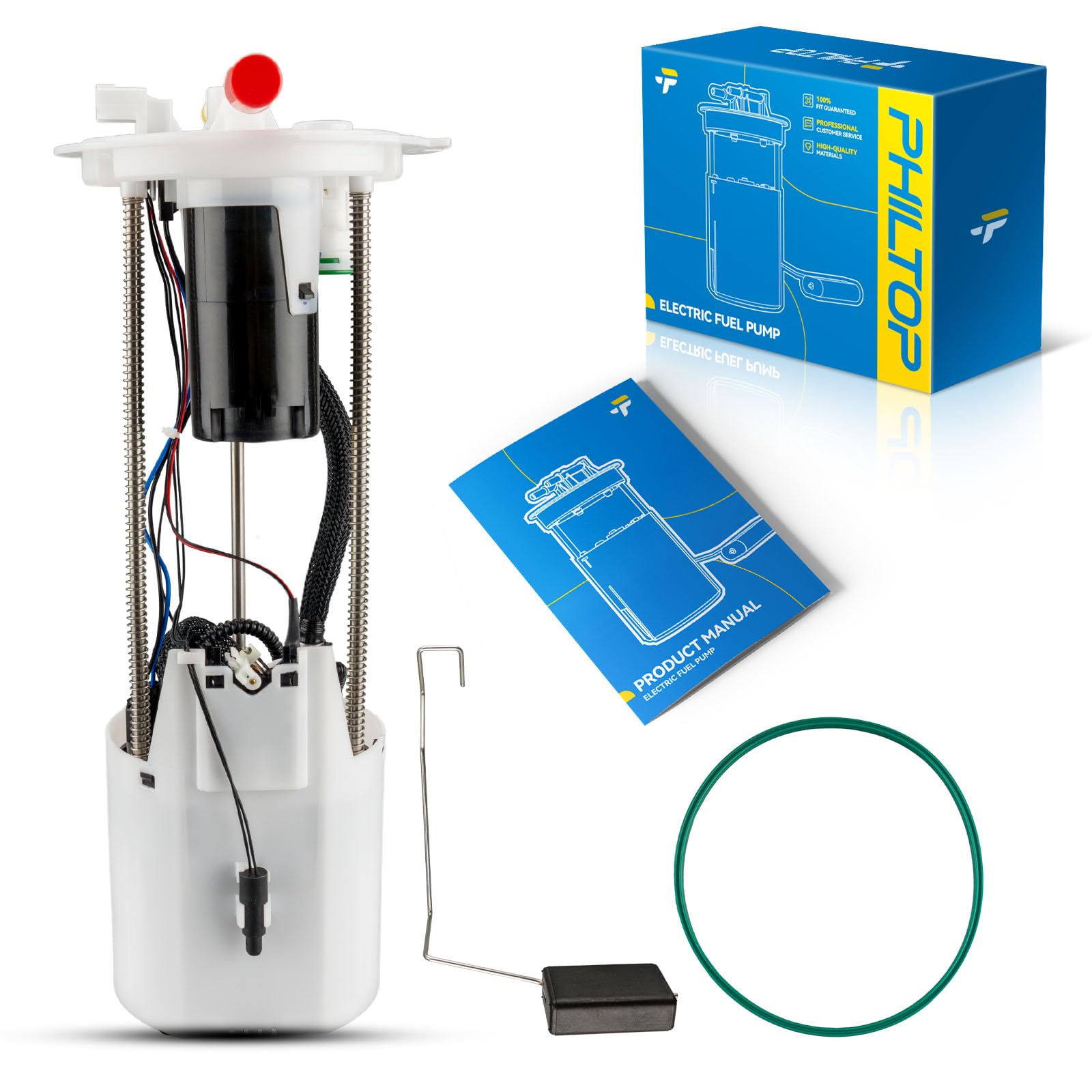
The PHILTOP FG1277 is engineered for Nissan Titan (2004-2015), Armada (2005-2015), and Infiniti QX56 (2004-2010) — all powered by the 5.6-liter VK56DE V8. It replaces an extensive list of OE numbers including 17040-ZQ60A, E8595M, and FG1277. The module uses an electric connector for the harness side and includes the strainer and instruction sheet, though no tank seal gasket is mentioned in the included components.
PHILTOP claims a 20% improvement in fuel delivery efficiency thanks to a carbon commutator that reduces motor energy consumption. The highlight, however, is the gold-palladium alloy contacts rated for 1 million contact cycles with a melting point of 1450°C. This is a unusual durability feature at this price point, theoretically preventing the electrical contact wear that causes intermittent pump failures in high-mileage vehicles. The pump itself is made from plastic, weighing 1.6 kilograms with dimensions of 16.93 x 7.09 x 7.09 inches.
Customer experiences are mixed: several buyers report perfect compatibility with Nissan and Infiniti vehicles, and one reviewer noted the pump is quiet and the fuel gauge works perfectly. However, a verified installation on a 2006 Mazda 3 2.3L resulted in fuel pressure dropping to approximately 20 PSI within 200 miles, causing power loss under load. That report underscores the importance of matching the pump to the specific application — the FG1277 is designed for large-displacement V8s, not compact Japanese four-cylinders. For the intended V8 platform, the build quality is solid at a mid-range price.
Why it’s great
- Gold-palladium contacts rated for 1 million cycles
- Fits Nissan Titan, Armada, and Infiniti QX56 5.6L V8
- Carbon commutator improves fuel delivery efficiency
Good to know
- Plastic construction may be less durable than metal modules
- Not compatible with small-displacement or non-Nissan platforms
- No tank seal gasket included in the package
7. A ABIGAIL SP4090M Fuel Pump Module Assembly

The A ABIGAIL SP4090M is a direct replacement for Nissan Altima (2013-2018) and Nissan Maxima (2016-2018) models, covering both the 2.5-liter inline-four and 3.5-liter V6 engines. It replaces the OE numbers E9183M and SP4090M and uses a 6-pin connector that matches the factory harness for these generations. The injection-molded plastic reinforcement is designed to strengthen the module against fuel pressure cycling.
The package includes the fuel pump, sending unit, float, fuel strainer, and tank seal — everything needed for a complete swap. Multiple customer reviews confirm the installation is plug-and-play, with no wiring modifications required. One 2006 Altima 3.5 owner reported that the car had no fuel pump sound and would not start before the swap, and the new pump restored normal operation immediately after installation. The hardest part reported is removing the factory retention ring, which is common to all in-tank pump replacements.
There are isolated reports of the fuel level gauge not functioning after installation, showing empty regardless of actual fuel level. This appears to be a sending unit issue specific to certain production batches and may require exchanging the unit. The 1-year warranty covers replacement or refund, which mitigates the risk. For the price, the SP4090M is an excellent value for owners of 2010s Nissan sedans who want a straightforward repair without adapting wiring or fuel lines.
Why it’s great
- True plug-and-play fitment for Altima and Maxima 2013-2018
- Includes tank seal, strainer, and complete sending unit
- Injection-molded construction for housing durability
Good to know
- Fuel gauge sending unit may fail on some units
- Limited to Nissan Altima and Maxima applications
- Retention ring can be difficult to remove without special tool
FAQ
How many PSI does my aftermarket fuel pump need to provide?
Can I use a universal fuel pump like the AEM 50-1000 in my daily driver?
Why does my fuel gauge show the wrong level after installing a new pump module?
Does ethanol fuel like E85 damage aftermarket fuel pumps?
Final Thoughts: The Verdict
For most users, the best aftermarket fuel pump winner is the Delphi FG0407 because it delivers OE-validated fitment, all-metal construction, and the longevity that comes from 80 years of manufacturing expertise. If you want a high-flow universal pump for a modified engine or swap, grab the AEM 50-1000. And for a budget-friendly fix on a 2010s Nissan or Chrysler sedan, nothing beats the SYFABG E7271M for its drop-in simplicity and warranty coverage.