
Our readers keep the lights on and my morning glass full of iced black tea. As an Amazon Associate, I earn from qualifying purchases.
A leaky air duct wastes your cooling and heating money — one leaky joint can silently dump your conditioned air into an attic or crawlspace instead of into your rooms. You need a sealant that goes on like thick paint, stays flexible as the metal expands and contracts, and holds a permanent bond for years. That is what an air duct sealant (a thick, paste-like mastic formulated specifically for HVAC ducting) does, and this guide breaks down the formulas, the sizes, and the right pick for your job so you stop guessing.
I’m Min — the founder and writer behind Gadgets Feed. This guide is built by comparing the manufacturers’ published specifications and the patterns across verified customer reviews, so you get each pick’s real strengths and trade-offs instead of marketing spin.
Whether you are sealing a single attic joint or tackling a whole-home retrofit, the right air duct sealant can cut energy loss and stop pest invasions in one application — no second chances needed.
Quick Picks
- Carlisle Paddles Duct Sealant 1Gal HVAC — Premium Pick
- Red Devil 0841DS RD-DS 181 Acrylic Latex Duct Sealant, 1/2 Gallon, Gray — Best Value
- Red Devil 0841DI D-Seal Smooth Water Based Duct Sealant, 1 Gallon, Gray — Top Performer
- 304156 1 Gallon Duct Seal 321 Water Based Duct Sealant — Compact Pick
- Duct Seal 321 Duct Sealant #DS-321-4F — Pro Grade
How To Choose The Best Air Duct Sealant
Every duct sealant is not the same — you need to match the formula, the container size, and the cure speed to your specific job site. Here are the two most important specs to check before you buy.
Water-Based Acrylic vs. Silicone-Based Mastic
Most professional-grade sealants are water-based acrylic latex — a thick paste that brushes on, dries to a rubbery but permanent film, and cleans up with water while wet. Silicone-based formulas (often labeled for rubber or glass surfaces) last long but smell stronger and need solvent cleanup. For standard metal or flex duct, pick a water-based acrylic mastic so you can wash your brush in a sink and avoid harsh fumes in tight attic spaces.
UL 181 B-M Certification — What It Means
A sealant with UL 181 B-M certification has passed a standardized pressure and adhesion test for use on duct systems. You do not need certified mastic for a tiny patch, but if you want your work to pass a building inspection or code check, you need UL 181 B-M on the label. It also means the sealant exceeds industry SMACNA (Sheet Metal and Air Conditioning Contractors’ National Association) pressure classes, so the bond will not pop under high-velocity forced air.
Quick Comparison
On smaller screens, swipe sideways to see the full table.
| Model | Best For | Volume | Base Formula | Certification | Amazon |
|---|---|---|---|---|---|
| Carlisle Paddles 1Gal | Whole-home sealing | 1 gallon | Water-based silicone | Not listed | Amazon |
| Red Devil 0841DS 1/2 Gal | Small repairs / first timers | 0.5 gallon | Acrylic latex | Not listed | Amazon |
| Red Devil 0841DI 1 Gal | Homeowners wanting code-ready | 1 gallon | Water-based blend | UL 181 B-M | Amazon |
| Hardcast 304156 1 Gal | Budget-friendly large coverage | 1 gallon | Silicone | Not listed | Amazon |
| Hardcast DS-321-4F | Pro-grade bulk jobs | 1 gallon (10.8 lb) | Acrylic | Not listed | Amazon |
In‑Depth Reviews
4. Carlisle Paddles Duct Sealant 1Gal HVAC
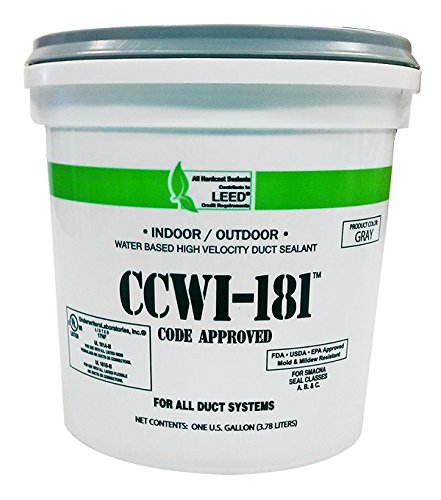
The thickest, no-drip formula here — it stays on a vertical duct wall without sagging.
You get a full 1 US gallon in a sturdy bucket — enough to seal roughly 40–60 standard duct joints depending on how thick you apply it. At 8 x 8 x 7.5 inches, the container is noticeably larger than the half-gallon Red Devil 0841DS, which measures just 4 x 4 x 5 inches, a 2x size gap that matters when you have a whole attic to cover. The water-based silicone formula resists water once cured, so outdoor sections of duct or areas near HVAC drip pans stay safe. Reviewers report that after sealing leaky return ducts they saw a huge improvement and much lower humidity inside the home now that the unit isn’t sucking in hot attic air — real proof that stopping air leaks changes your cooling load.
Reviewers praise the viscosity: it is thick enough to stay in place on a vertical metal duct but spreads smoothly with a cheap paintbrush. Unlike the thinner Hardcast 304156, this Carlisle mastic does not sag or drip on overhead joints. If your project involves plenum work or sealing the inside of duct panels, multiple buyers confirm this is a great choice.
The catch is the price: this costs more than any other single-gallon option here, and it does not carry UL 181 B-M certification, so it may not pass a strict building code inspection. For a DIY homeowner who just wants the ductwork sealed tight, the viscosity and coverage make it a strong premium pick.
Why it’s great
- Thick consistency stays put on vertical surfaces without dripping
- Large 1-gallon bucket covers a whole house in one purchase
- Water resistant after curing — safe for outdoor duct segments
Good to know
- No UL 181 B-M certification — may not meet code requirements
- Premium price compared to half-gallon alternatives
Best for: Homeowners sealing most of their duct system in one session who need a thick, no-drip mastic.
Skip if: Your local building code requires UL 181 B-M certified sealant for inspection.
1. Red Devil 0841DS RD-DS 181 Acrylic Latex Duct Sealant, 1/2 Gallon, Gray

The smallest, cheapest mastic that still stops big air leaks.
This 6-pound tub holds a half gallon of acrylic latex mastic — sufficient for roughly 20–30 standard duct joints or a single large return plenum. The formula stays flexible after curing, so metal ducts that expand and contract with temperature changes will not crack the seal. Buyers report that applying this mastic over aluminum tape brings noticeable improvements to cooling and heating bills. One reviewer described the consistency as like thick pancake batter and mentioned that a strong odor requires a mask and gloves, but the seal dries in about an hour to a gray color that blends with flex duct.
Unlike the Red Devil 0841DI one-gallon version, this half-gallon is easier to carry up a ladder and costs less for a quick repair. It bonds well to metal connections and fiberglass ductboard, and it is non-flammable, so it is safe inside an enclosed attic space. The main decision factor is volume: if you only have a few leaks, you are better off with this smaller tub than buying a full gallon that sits half-used.
A significant number of owners mention shipping damage — containers arriving cracked or the lid loose, spilling the mastic inside the box. If you order this, check the seal immediately upon arrival. The product itself earns consistent 5-star ratings from users who get it intact.
Why it’s great
- Permanent flexibility stops future cracking on expanding metal ducts
- Non-flammable formula allows safe use in enclosed attics
- Smaller volume means less waste for minor repairs
Good to know
- Strong odor requires a mask and ventilation during application
- Shipping container is prone to cracking or leaking in transit
Best for: Homeowners with a few specific duct joints to seal and a tight budget.
Skip if: You need a full gallon or require UL 181 B-M certified mastic for code.
2. Red Devil 0841DI D-Seal Smooth Water Based Duct Sealant, 1 Gallon, Gray

The only UL 181 B-M certified gallon here — built to pass a building inspection.
This 1-gallon container (7 x 7 x 8 inches) comes with UL 181 B-M certification, meaning it meets professional pressure and adhesion standards for duct systems — the only product in this list with that stamp. The water-based blend formula is thinner than the Carlisle mastic, but customers note it applies smooth and dries fast. You can use it on metal, fiberglass ductboard, and flex duct, and it adheres to high-velocity and low-velocity systems alike. The certification also contributes to LEED EQ Credit 4.1, so if you are sealing ducts in a green renovation, this Red Devil qualifies.
Buyers simply say “great buy” and “used in the house” — short praise that signals hassle-free application. The clean-up is just water while the mastic is still wet, which saves solvent trips.
The main risk is identical to the smaller Red Devil: the shipping lid can pop off, and a few buyers arrived to a mess in the box. If your local code enforcer asks for certified sealant, this is your only straightforward option in this roundup.
Why it’s great
- UL 181 B-M certified — meets code for professional duct sealing
- Smooth formula applies easily and cleans up with water
- Works on high-velocity and low-velocity duct systems
Good to know
- Thinner consistency may drip on overhead joints
- Lid failure in shipping reported by some buyers
Best for: Anyone who needs a code-inspection-ready seal for a full attic or basement duct system.
Skip if: You only have a single leak and want a smaller, cheaper half-gallon.
3. 304156 1 Gallon Duct Seal 321 Water Based Duct Sealant

A gallon of silicone that works like the day your old HVAC mentor handed you a brush.
Hardcast’s DS-321 formula (model 304156) is a water-based silicone sealant sold in a compact-style 1-gallon container (128 fluid ounces). The silicone formulation is optimized for rubber or similar surfaces, so it bonds well to flex duct and duct fabric where acrylic-based mastics sometimes struggle. One reviewer noted they needed this to seal some rooftop duct work and it worked just as good now as it did 20 years ago when they were doing HVAC — proof of the lasting chemistry. At 128 ounces, it is the same volume as the Red Devil 0841DI but in a narrower, taller bucket that fits easier into a small carrying crate.
Unlike the acrylic latex Red Devil 0841DS, this silicone base is stronger on rubber flex duct but has a stronger odor during application. If you are sealing penetrations where pests can squeeze through, buyers confirm this sealant fills tiny openings around sheet metal corners effectively. The consistency is runny enough to flow into cracks but thick enough to bridge small gaps.
The silicone base means cleanup requires solvent rather than water, and the container lacks a certification label, so do not count on it for code jobs. For a straightforward, time-tested seal on a roof or attic flex duct run, this gallon delivers proven long-term performance.
Why it’s great
- Long-proven chemistry — still effective after decades, according to HVAC pros
- 128 ounces of coverage at a low per-ounce cost
- Strong adhesion to rubber flex duct and duct fabric
Good to know
- Requires solvent for cleanup, not just water
- No UL certification stamp for building code purposes
Best for: Sealing flex duct or rooftop runs where a tried-and-true silicone bond is needed.
Skip if: You prefer acrylic latex for easy water cleanup or need a certified sealant.
5. Duct Seal 321 Duct Sealant #DS-321-4F

It weighs 10.8 pounds per gallon — 80% denser than the 6-pound Red Devil half-gallon.
At 10.8 pounds, this gallon-sized pail is 80% heavier than the 6-pound Red Devil 0841DS half-gallon, yet it still holds just 1 gallon of acrylic mastic — meaning the formula is denser and thicker. The acrylic base works on metal, glass fiber, flex duct, duct fabric, and flexible tubing, making it the most surface-compatible product in this roundup. Reviewers point out they have used this product for many years in the HVAC industry with no complaints, which suggests the consistency and adhesion stay consistent batch to batch. The “Industrial” style suggests it is formulated for heavy-use environments such as commercial rooftop units or large residential systems.
Comparing the labeling: the Hardcast 304156 uses a silicone base and weighs less per gallon, while this DS-321-4F uses an acrylic base and comes noticeably heavier. If you work in the trades and need a mastic that covers any surface type and holds up against high static pressure, the DS-321-4F is a deliberate choice. The container is water-resistant after curing, so outdoor duct boards or condenser plenums stay sealed through rain and humidity.
The obvious trade-off is the higher cost — the most expensive option on this list — and the pail’s industrial shape may be awkward to carry one-handed up a ladder. For a one-time homeowner patch, this level of density and surface compatibility is overkill, but for HVAC pros or landlords managing multiple units, the consistency and reputation justify the spend.
Why it’s great
- Dense, thick acrylic formulation that stays put on vertical surfaces
- Works across the widest range of materials — metal, glass fiber, flex duct, tubing
- Veteran HVAC pros report years of consistent performance
Good to know
- Heaviest pail on the list — awkward for ladder carries
- Premium price, better suited for pros than single-use homeowners
Best for: HVAC professionals and landlords who need a single, dense mastic that bonds to any duct material.
Skip if: You are sealing two or three joints at home and want a smaller, cheaper container.
Understanding the Specs
Base Formula — Acrylic Latex vs. Silicone
Acrylic latex mastic cleans up with water, emits less odor, and stays permanently flexible on metal ducts — the best choice for most attic work. Silicone-based mastic binds better to rubber and some flex duct but requires solvent to clean up and usually smells stronger. Check your duct surface material before picking a base: if your flex duct is a rubbery fabric, a silicone-based sealant like the Hardcast 304156 will stick better than an acrylic formula.
UL 181 B-M Certification
This certification means the sealant has passed a standardized test for pressure resistance and adhesion on duct systems. If you are sealing ducts for a home sale inspection or a permitted renovation, the inspector looks for this mark on the label. Without it, a sealant may still work perfectly, but it does not carry the official proof. Only the Red Devil 0841DI in this list holds UL 181 B-M certification, so if code matters, that is your target.
FAQ
Can I use caulk instead of duct sealant?
Do I need to apply aluminum tape first?
How long does it take to dry?
Will this sealant work on flex duct?
How much do I need per joint?
Can I apply it in cold temperatures?
Is the mastic safe to use around gas furnaces?
Does the sealant stop pest entry?
Can I paint over the dried mastic?
Why does the product weigh more than a typical gallon?
Final Thoughts: The Verdict
For most buyers, the air duct sealant winner is the Red Devil 0841DI D-Seal Smooth because it carries UL 181 B-M certification, covers a full gallon, and cleans up with water — the safe, code-ready choice. If you want the thickest no-drip consistency for a single-session whole-home seal, grab the Carlisle Paddles 1Gal. And for a budget-friendly fix on a few flex duct joints, the Hardcast 304156 delivers proven decades-old performance at the lowest per-gallon cost.
How We Picked
We do not accept paid placement, and we did not hands-on test every unit. Instead, we match each pick to a real buyer and use-case by comparing the manufacturers’ published specifications against the patterns in verified customer reviews — so you get each pick’s real strengths and trade-offs instead of marketing copy.
Sources & Methodology
Specifications: manufacturer listings and product documentation. Review insights: verified customer reviews, as of June 2026. Pricing: not shown on this page (it changes often); check the current price via the retailer link.
As an Amazon Associate, Gadgets Feed earns from qualifying purchases. This does not affect which products we feature.
Product prices and availability are accurate as of the date/time indicated and are subject to change. Any price and availability information displayed on Amazon at the time of purchase will apply to the purchase of this product. As an Amazon Associate I earn from qualifying purchases.
CERTAIN CONTENT THAT APPEARS ON THIS SITE COMES FROM AMAZON. THIS CONTENT IS PROVIDED "AS IS" AND IS SUBJECT TO CHANGE OR REMOVAL AT ANY TIME.
Amazon and the Amazon logo are trademarks of Amazon.com, Inc. or its affiliates.