
The difference between a great day on the trail and a ruined one often comes down to what’s on your feet. All-terrain walking boots must balance grip, support, waterproofing, and weight—a tightrope walk where one misstep can lead to blisters, sore ankles, or a slip on wet rock. Finding the pair that gets this balance right is the real challenge.
I’m Min — the co-founder and writer behind Gadgets Feed. I’ve spent countless hours cross-referencing traction compounds, waterproof membranes, and footbed geometries across dozens of models from the leading outdoor brands to pinpoint which boots actually perform when the terrain turns nasty.
Whether you’re tackling muddy descents or slick granite slabs, this guide breaks down the nine best options for the best all-terrain walking boots by analyzing real specs and real hiker feedback to save you time and sore feet.
How To Choose The Best All-Terrain Walking Boots
The right all-terrain walking boot depends on the specific mix of surfaces you’ll encounter most. A boot optimized for wet, rooted forest trails has different priorities than one built for loose, dry scree. Here are the critical factors to weigh before you buy.
Traction and Outsole Compound
The outsole is your only interface with the ground, so its rubber compound and lug pattern define how confidently you move. Vibram Megagrip compounds provide excellent adhesion on wet rock, while deeper, more aggressive lugs (5mm or deeper) dig into mud and loose dirt. For mixed terrain, look for a self-cleaning lug design that sheds mud rather than caking up. A flat, shallow tread pattern works on pavement but can slip dangerously on wet trails.
Waterproofing vs. Breathability
A Gore-Tex or KEEN.Dry membrane keeps moisture out but also traps heat and sweat inside. For wet climates, stream crossings, and rain, waterproofing is non-negotiable once you submerge past the collar. However, on hot summer hikes or in dry conditions, a waterproof boot can make your feet uncomfortably damp after a few miles. Some boots use treated leather or nylon panels that resist light moisture while breathing better—a trade-off worth considering for your primary use case.
Fit and Footbed Support
All-terrain boots demand a secure heel lock to prevent sliding downhill on descents, paired with a toe box that allows toe splay without creating pressure points. Many hikers find that going a half-size up accommodates thick wool socks and prevents black toenails on downhills. Insoles are the second line of defense: some boots ship with flat footbeds that need replacement for high arches, while others include orthotic-friendly removable insoles from day one.
Quick Comparison
On smaller screens, swipe sideways to see the full table.
| Model | Category | Best For | Key Spec | Amazon |
|---|---|---|---|---|
| Orthofeet Ridgewood | Premium | Plantar fasciitis relief | Orthotic insoles with extra adjuster | Amazon |
| Merrell Nova 3 Tactical | Premium | All-day concrete/urban duty | Waterproof membrane, 13 oz per boot size 8 | Amazon |
| Danner Mountain 600 | Premium | Long mountain days on granite | Vibram Fuga outsole, 9-inch shaft circumference | Amazon |
| KEEN Targhee 4 | Mid-Range | Ankle stability on wet PNW trails | KEEN.Dry waterproof, high shaft lacing | Amazon |
| Merrell Moab 3 | Mid-Range | Versatile all-terrain hiking | Vibram TC5+ outsole, 3.06 lb pair | Amazon |
| ROCKY Outback Gore-Tex | Premium | Extreme durability in wet conditions | Gore-Tex membrane, 4.5 lb pair | Amazon |
| Ariat Terrain | Mid-Range | Equestrian and uneven ground | Stirrup heel, 4.9 lb pair | Amazon |
| KEEN Zionic Mid | Mid-Range | Lightweight all-terrain day hikes | Wide toe box, lightweight construction | Amazon |
| Wolverine I-90 EPX Boa | Premium | Quick lacing and work-site durability | Boa lacing system, CarbonMax composite toe | Amazon |
In‑Depth Reviews
1. Orthofeet Men’s Orthopedic Ridgewood Waterproof Leather Hiking Boot

The Orthofeet Ridgewood is a rare boot that targets all-terrain performance while specifically addressing plantar fasciitis and foot pain. It ships with premium orthotic insoles and an extra arch adjuster, letting you dial in support without aftermarket inserts. The waterproof leather upper has proven reliable through daily wear in wet conditions over 7 months, with multiple verified reports confirming no moisture penetration.
Testers note that the Ridgewood completely eliminated chronic plantar fasciitis pain that other footwear couldn’t touch. The boot is also roomy enough to accommodate AFO braces, making it an exceptional choice for hikers with wider feet or medical support needs. The lightweight build (for its class) reduces fatigue on longer walks.
On the downside, the waterproof membrane traps moisture internally, causing sweat buildup that can lead to athlete’s foot with compression socks. Some users find the boot less comfortable on concrete than cheaper alternatives, and the outsole shows accelerated wear with heavy daily use. It’s also priced at the premium end, but for those with orthopedic needs, the value is unmatched.
Why it’s great
- Eliminated plantar fasciitis pain where other shoes failed
- Roomier toe box accommodates AFO braces and wide feet
- Fully waterproof after 7 months of daily wet-weather wear
Good to know
- Low breathability promotes sweat and fungal issues in damp socks
- Outsole durability is not ideal for heavy industrial use
- Premium price point above many all-terrain alternatives
2. Merrell Men’s Nova 3 Tactical Mid Waterproof

The Merrell Nova 3 Tactical is engineered for professionals who spend 14-hour days on their feet across concrete, asphalt, and light trails. Its standout feature is the exceptional heel cushioning that absorbed impact enough for one 280-lb user to report zero knee or hip pain. The boot is remarkably lightweight at 13 ounces per boot in size 8, reducing fatigue on long shifts.
Fit is the other headline: the Nova 3 accommodates wide feet and bunions out of the box, with a true-to-size fit that requires zero break-in. This is a major advantage over many tactical boots that pinch or rub. The waterproof membrane holds up well against rain and puddles, and the tread provides good traction on varied surfaces.
The main trade-off is breathability: the waterproof membrane leaves socks damp after extended wear, a common complaint among all-day users. The ankle collar is lower than a traditional mid boot, offering less coverage for those who need extra support on technical terrain. Fabric panels also raise durability questions for rough off-trail use. These are best for the urban-to-light-trail all-terrain user.
Why it’s great
- Exceptional heel cushioning eliminates knee and hip pain on concrete
- True-to-size fit with room for wide feet and bunions
- Lightweight at 13 oz per boot reduces fatigue
Good to know
- Waterproof but low breathability leads to damp socks
- Ankle coverage is less than a true mid boot
- Fabric panels may not hold up to rough off-trail use
3. Danner Mountain 600 Hiking Boots for Women
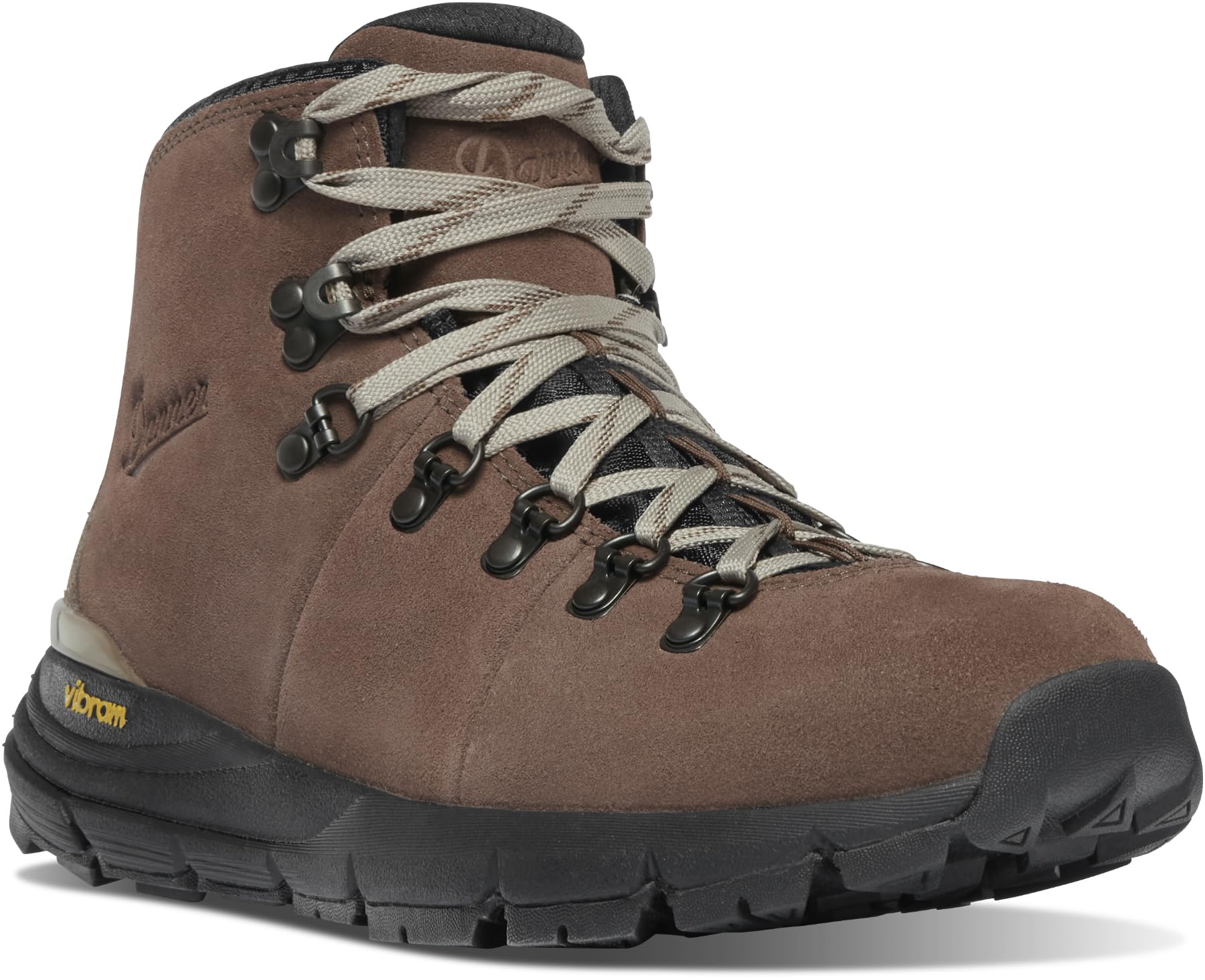
The Danner Mountain 600 earned its reputation on a punishing 20-mile Yosemite hike with 5,000 feet of elevation gain across rocky, wet terrain and granite slabs. Its Vibram Fuga outsole delivered slip-free grip where lesser boots would skate. The boot is comfortable straight out of the box, with zero break-in needed—a rare quality that reduces blisters from day one.
Testers praise the immediate comfort and excellent ankle support, which inspires confidence on steep, uneven ground. The suede upper is durable and looks great, and the boot works well with thick wool socks in cold weather while remaining comfortable in warmer conditions. The 9-inch shaft circumference provides a secure fit around the ankle without being restrictive.
The main durability concern comes from one report of the leather splitting at the instep eyelet after 9 months, compromising the waterproof ability. This is consistent with some Danner models where the suede upper can fail at stress points. The boot also runs warm for hot summer hikes due to its all-season construction. For moderate all-terrain use, it’s a stellar choice; for heavy-brush abuse, consider a more armored option.
Why it’s great
- Vibram Fuga outsole grips wet rock and granite like a magnet
- Zero break-in required—comfortable from the first step
- Excellent ankle support for 20-mile mountain days
Good to know
- Leather can split at eyelet after 9 months of heavy use
- Warm construction is less ideal for hot summer hikes
- Not as breathable as mesh-heavy alternatives
4. KEEN Women’s Targhee 4 Mid Height Waterproof Hiking Boots
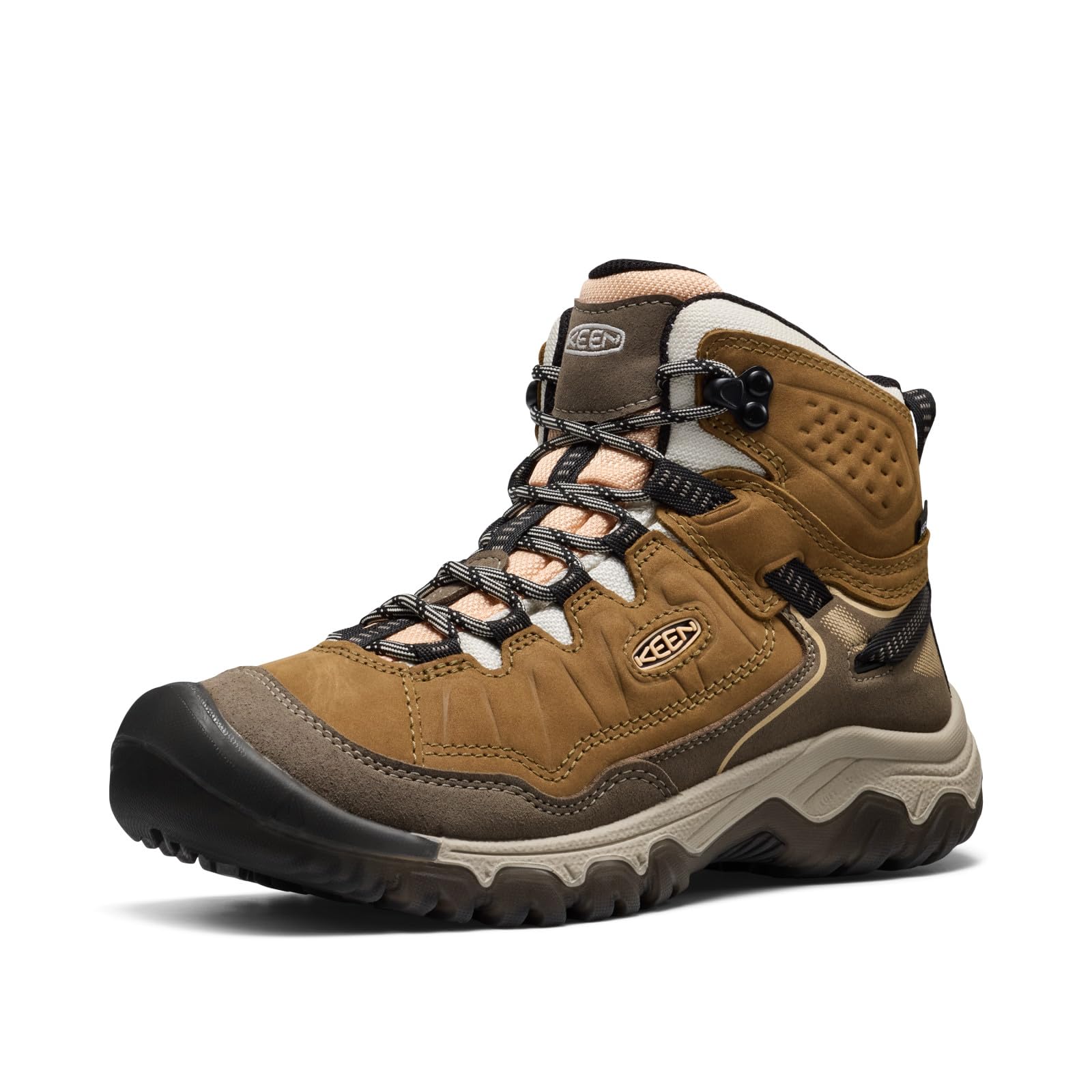
The KEEN Targhee 4 is built around ankle stability, with a high shaft lacing system that provides exceptional support for older or less steady hikers on uneven ground. The boot uses KEEN.Dry waterproofing to keep feet dry in the wet Pacific Northwest, and the wide toe box accommodates foot swelling on long hikes. Many users report ordering a half-size up for the perfect fit.
Long-time KEEN fans love that the Targhee 4 is finally available in wide widths for women, solving a long-standing fit problem. The boot is instantly comfortable with no break-in, and the combination of arch support and ankle stability makes it a top choice for those recovering from ankle injuries or wanting extra protection on technical descents.
A critical minority found the tread grip lacking on dry dirt and leaves, with one user reporting a fall on a moderate decline that caused injury. The boot also runs slightly large and wide, making it hard to lace tight enough for narrow feet. Some users found the toe box too hard and recommend skipping the size-up. These are best for hikers who prioritize ankle protection over extreme traction.
Why it’s great
- High shaft lacing delivers premium ankle stability
- Wide width option available for women for the first time
- No break-in needed—comfortable straight out of the box
Good to know
- Tread can slip on dry dirt and leaf-covered slopes
- Runs slightly large/wide; hard to lock narrow feet
- Toe box is hard and may need sizing down for some
5. Merrell Men’s Moab 3 Hiking Shoe
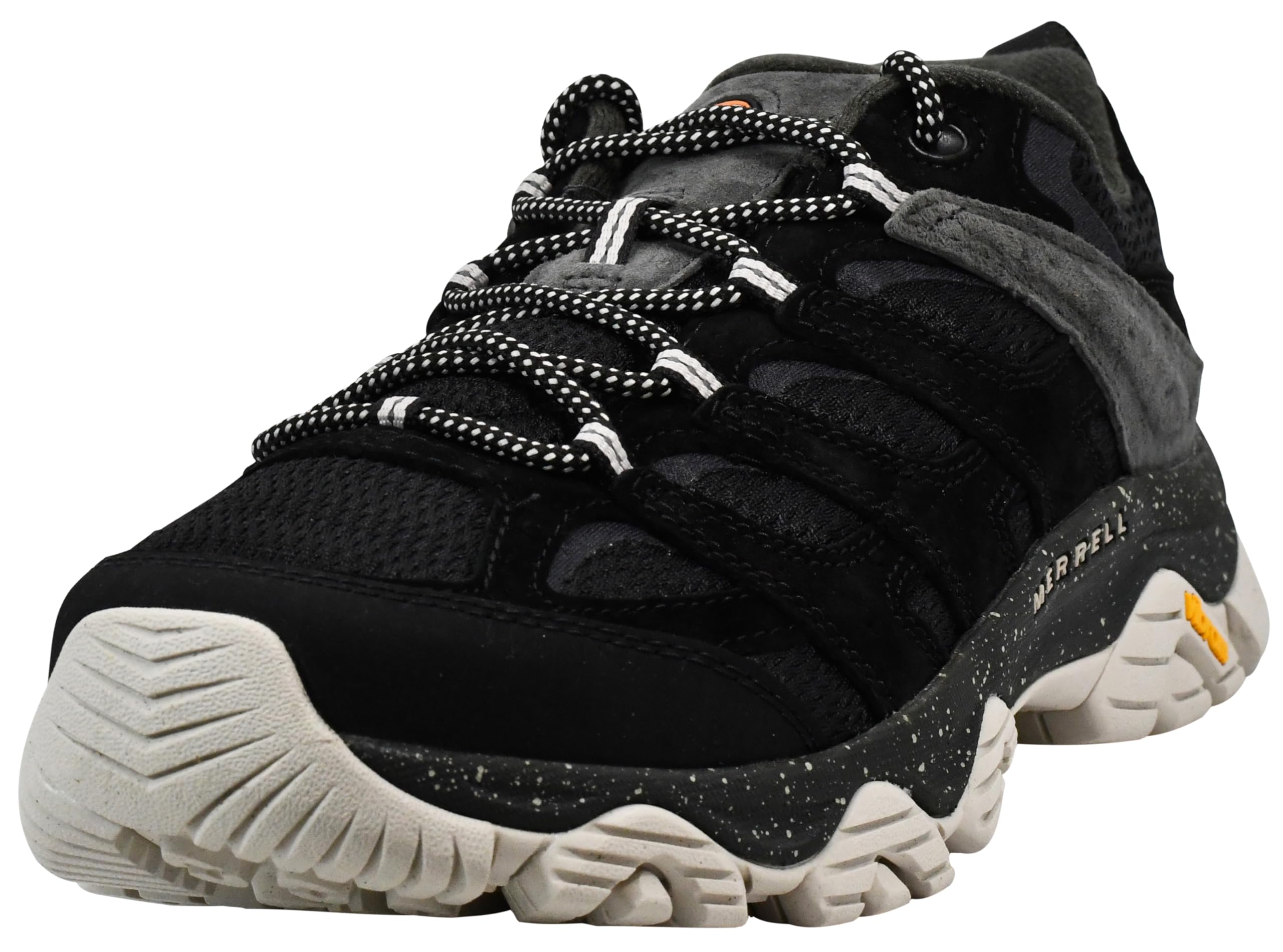
The Merrell Moab 3 is the standard-bearer for the all-terrain category, and the 3rd generation refines the formula with a Vibram TC5+ outsole that grips well on dirt, rock, and gravel. The boot is true to size (though many go half-size up for thicker socks) and requires minimal break-in. It’s rugged enough for wilderness trails yet presentable enough for city wear, making it a truly versatile piece of footwear.
Users consistently praise the locked-in feel provided by the wide toe box—it allows toes to splay naturally while the heel stays secure. The durable real-leather upper and thick traction soles have held up to many miles with minimal wear. For the price, the Moab 3 delivers a level of all-terrain performance that rivals boots costing significantly more.
One notable limitation is that the waterproofing only extends about an inch up the boot; deeper puddles or wet grass can soak through. The outsole also packs mud on wet ground, reducing traction until the lugs self-clean. Some users find the boot slightly heavy compared to modern lightweight alternatives. For general all-terrain hiking on a budget, the Moab 3 is hard to beat.
Why it’s great
- Vibram TC5+ outsole provides excellent grip across varied terrain
- Wide toe box allows natural toe splay with secure heel lock
- Durable real-leather upper with thick traction soles
Good to know
- Waterproofing is limited to the bottom inch of the boot
- Outsole packs mud in wet conditions, reducing grip
- Heavier than modern lightweight hiking shoes
6. ROCKY Outback Gore-Tex Waterproof Boot
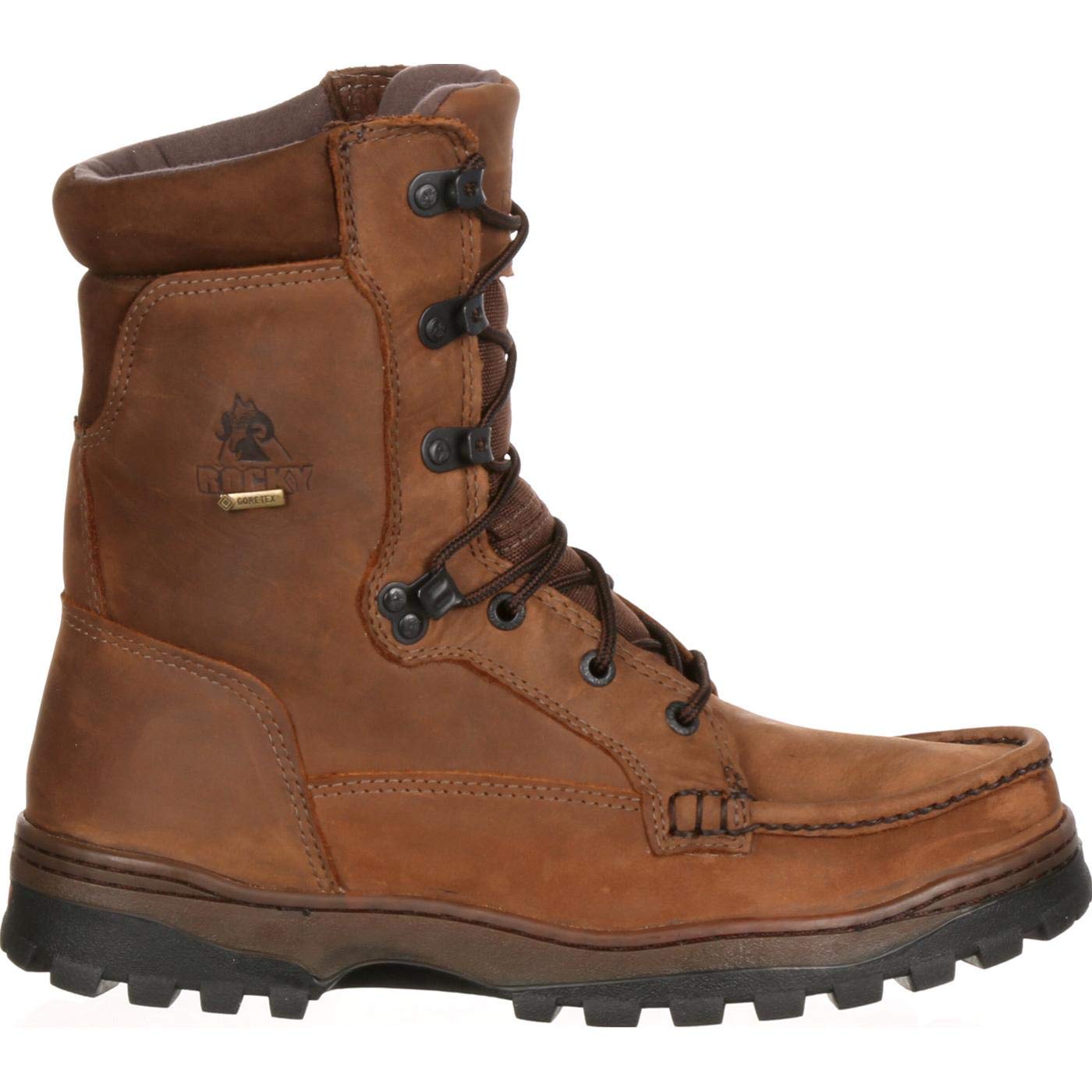
The ROCKY Outback is a tank. One verified user put 60 miles and two hurricanes on a single pair with only minor cosmetic wear, a testament to its build quality. The Gore-Tex membrane provides excellent waterproofing that kept feet dry in continuous rain, and the leather upper is tough enough for heavy brush and sharp rock. The boot offers good ankle support that prevents rolls on uneven ground.
Fit is a strong point: the boots run true to size, and multiple users recommend the wide option for average-width feet, as the standard width can be snug. Aftermarket insoles are strongly recommended, as the factory footbed is thin for long miles. The outsole tread is durable but thin, and the heel lacks definition for confident wet downhill descents.
The biggest complaint is sweat buildup: the Gore-Tex membrane is waterproof but minimally breathable, requiring sock changes on long, warm hikes. The ankle collar is also more flexible than some users prefer for technical terrain. This boot rewards those who prioritize durability and waterproofing above all else, especially in cold, wet conditions.
Why it’s great
- Survived 60 miles, two hurricanes, and still going strong
- Gore-Tex membrane keeps feet dry in continuous rain
- Solid ankle support prevents rolls on uneven ground
Good to know
- Gore-Tex is waterproof but not breathable—sweat buildup is common
- Thin outsole tread lacks heel definition on wet downhills
- Ankle collar is more flexible than some prefer for technical terrain
7. Ariat Women’s Terrain Hiking Boot

The Ariat Terrain is a unique entry in the all-terrain category, designed with a stirrup heel that provides a secure seat in riding stirrups while delivering excellent stability on uneven ground. Multiple users have worn these boots weekly for three years on hikes, horseback rides, and even rafting trips, reporting that they hold up incredibly well. The leather quality is excellent with regular care.
Fit is a standout feature: the boot has a roomy toe box that accommodates wider feet comfortably, while the firm arch support works well for high arches. One user added Birkenstock orthotics for customized fit without altering the boot’s structure. The boot is also waterproof yet breathable, solving the sweat problem that plagues many waterproof boots.
Some users find the boot runs long and recommend sizing down for narrow feet. The wide toe box and generous fit may not suit those with very narrow feet. The boot is also on the heavier side at 4.9 pounds per pair, which can be fatiguing on long all-day hikes. For the price, the Ariat Terrain offers exceptional versatility for those who split time between trails and stables.
Why it’s great
- Stirrup heel is perfect for mixed riding and hiking use
- Roomy toe box and firm arch support accommodate high arches
- Holds up well after 3 years of weekly wear including rafting
Good to know
- Runs long; narrow feet should size down
- Heavier than many dedicated hiking boots at 4.9 lb
- Wide toe box may not suit very narrow feet
8. KEEN Zionic Mid Height Waterproof All Terrain
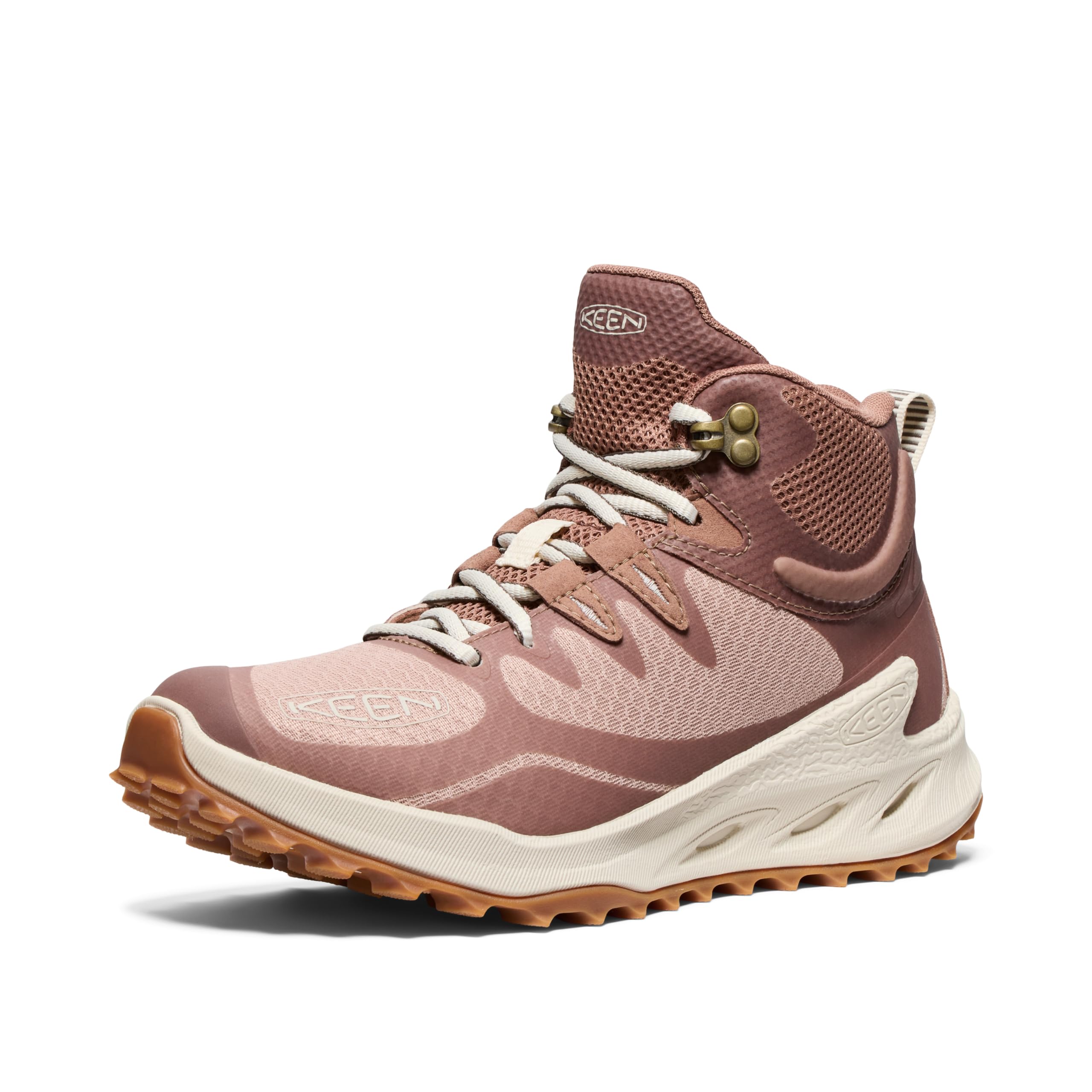
The KEEN Zionic Mid brings KEEN’s signature wide toe box and durable construction to a more accessible price point. Users consistently praise the comfort and fit, noting that the boot provides good arch support and warmth while remaining lightweight. The boot is ideal for day hikes and casual all-terrain walking where weight matters more than maximum armor.
Fit is the biggest consideration: multiple users report that the boot runs small and recommend going up a half-size, especially if you plan to wear thick hiking socks. The wide toe box is a major plus for those with wider feet or who experience toe swelling on long walks. The build quality is classic KEEN—durable enough to last for years of regular use.
Some users found the collar rubbed the ankle, causing irritation during longer hikes. The boot also lacks the aggressive tread of more expensive models, making it less suitable for mud or loose scree. If you need a lightweight, comfortable boot for well-maintained all-terrain trails at a friendly price, the Zionic is an excellent choice.
Why it’s great
- Wide toe box provides comfort for wider feet and toe splay
- Lightweight construction reduces fatigue on day hikes
- Good arch support and warmth for cool-weather walking
Good to know
- Runs small; size up a half size for thick socks
- Collar can rub the ankle during longer hikes
- Tread is less aggressive than premium all-terrain boots
9. Wolverine I-90 EPX Boa CarbonMax 6″ Boot
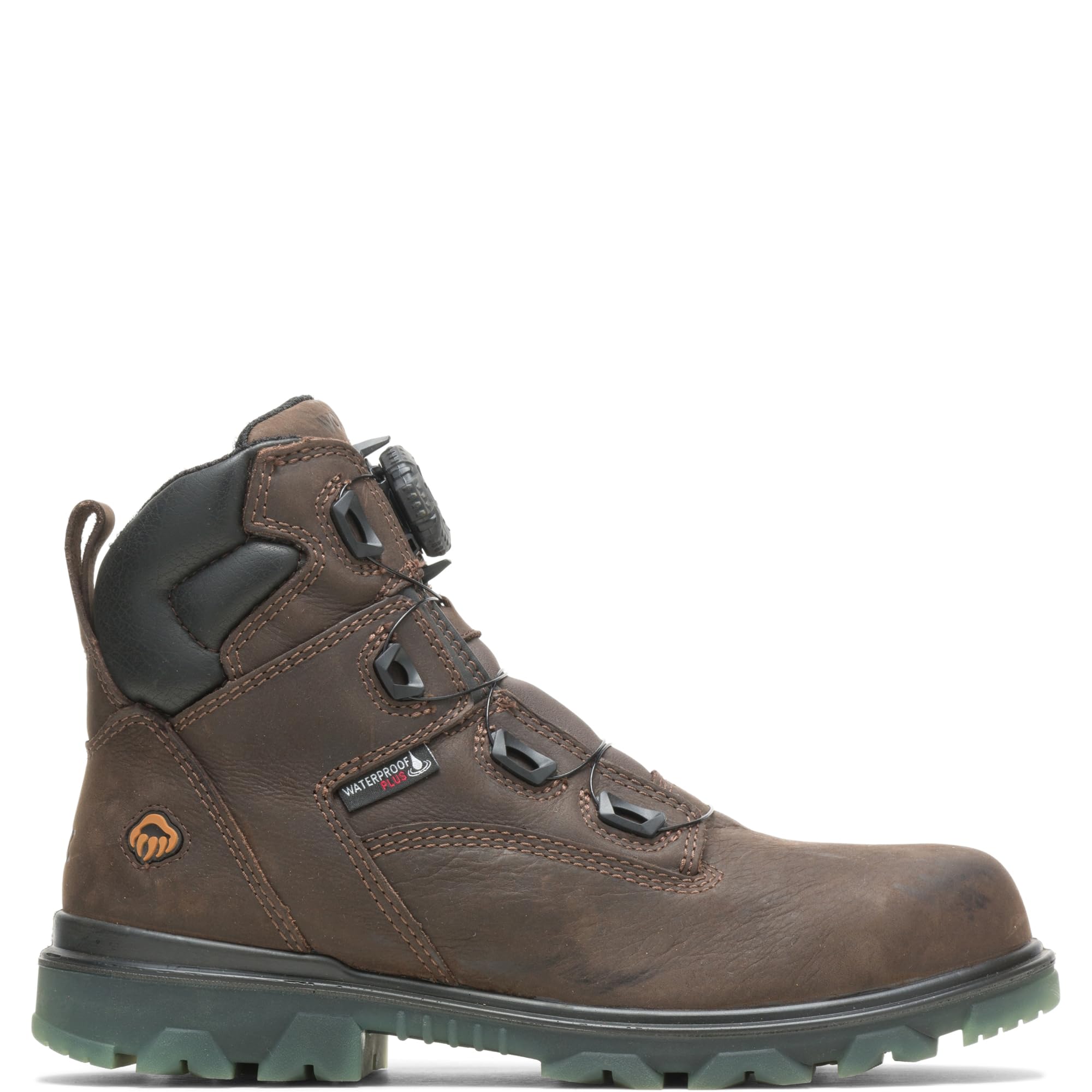
The Wolverine I-90 EPX Boa is built for the all-terrain worker who needs quick, secure lacing and job-site toughness. The Boa system allows micro-adjustments and one-handed release, making it ideal for those who frequently take boots on and off. The composite toe is lightweight and electrical hazard rated, with a puncture-resistant layer under the insole for heavy-duty protection.
Durability is outstanding: one user reported 4 hard years of use in harsh conditions with the boots still going strong. The Boa laces stay tight all day without loosening, and the waterproofing keeps feet dry in wet conditions. The boot also features a CarbonMax puncture plate that protects against sharp objects on construction sites.
Fit can be narrow, especially through the toe box, which is a common complaint from users with wider feet. The tongue webbing can dig into the ankle, requiring a leather stitch mod for some users. The “Wolverine” branding can be an aesthetic issue for some. These boots are best suited for those who need all-terrain performance plus job-site safety certifications in a single package.
Why it’s great
- Boa lacing system provides quick, even tightening and fast release
- Composite toe and puncture plate offer job-site safety
- Survived 4 years of harsh working conditions
Good to know
- Narrow fit through the toe box may not suit wider feet
- Tongue webbing can dig into the ankle
- Requires occasional leather protection for longevity
FAQ
Should I size up in all-terrain walking boots for thick socks?
How do I keep my all-terrain walking boots from smelling?
Can I use all-terrain walking boots for everyday wear?
Final Thoughts: The Verdict
For most users, the best all-terrain walking boots winner is the Orthofeet Ridgewood because it delivers orthopedic support, waterproof reliability, and all-terrain grip in a single package. If you want the best balance of price and performance, grab the Merrell Moab 3 for its proven versatility. And for extreme durability and job-site protection, nothing beats the Wolverine I-90 EPX Boa.