
Every skier knows the feeling: shivering on a frozen chairlift because your jacket isn’t sealing the wind, or fighting a heel that won’t lock into a rental binding. The difference between a day of carving fresh corduroy and a day spent in the lodge comes down to the gear strapped to your feet and body. Choosing the right alpine equipment means matching your skill level to specific flex indexes, last widths, and insulation types that actually work at high speeds.
I’m Min — the co-founder and writer behind Gadgets Feed. I’ve spent countless hours sorting through technical bindings, boot lasts, shell fabrics, and MIPS liner systems to find the gear that holds up under real mountain conditions.
Whether you’re a beginner looking for forgiving boots or an expert demanding stiff bindings for big-mountain freeride, this guide narrows down the best alpine ski equipment that delivers reliable performance without the guesswork.
How To Choose The Best Alpine Ski Equipment
Alpine skiing puts specific demands on your gear: high-speed edge hold, reliable boot-to-binding interface, and insulation that manages sweat and cold simultaneously. Most beginners make the mistake of buying based on looks or brand loyalty rather than matching the flex index and last width to their foot shape and ability level.
Boot Last Width and Flex Rating
A boot’s last width (measured in millimeters across the forefoot) determines how your foot sits inside the shell. Narrow lasts around 97-99 mm suit slim feet, while 102-106 mm lasts accommodate wider feet. The flex rating (usually 50-130 for alpine boots) dictates stiffness: beginners need a softer flex around 60-80 for easier turns, while advanced skiers require 110-130 for aggressive carving without chatter.
Binding DIN Range and Compatibility
The binding’s DIN range sets the release force threshold. A DIN 4-13 binding like the Marker Griffon 13 works for intermediate to expert skiers weighing up to roughly 120 kg. Always verify that your boot soles (ISO 5355 alpine or ISO 9523 touring) match the binding’s Sole.ID or GripWalk compatibility—miss this detail and your boots won’t click in safely.
Shell Insulation vs. Hardshell Layering
An insulated jacket or pant traps heat with synthetic or down fill, ideal for chairlift-heavy resort days. A hardshell uninsulated pant (like a shell) relies on base layers for warmth but handles wet snow and high-output touring better because it ventilates moisture. Check waterproof ratings: 10,000mm to 20,000mm is the sweet spot for alpine resort use.
Quick Comparison
On smaller screens, swipe sideways to see the full table.
| Model | Category | Best For | Key Spec | Amazon |
|---|---|---|---|---|
| SMITH Nexus Helmet MIPS | Helmet | Maximum head protection | Koroyd + MIPS / 24 vents | Amazon |
| 686 Hydra Thermagraph Jacket | Jacket | Insulated all-mountain shell | Thermagraph insulation / water-resistant | Amazon |
| Giro Tenet MIPS Helmet | Helmet | Lightweight hybrid protection | MIPS / ICS / 6cm adjustment | Amazon |
| Rossignol Evo 70 Boots | Boot | Relaxed fit recreational skiing | 104mm last / flex 70 | Amazon |
| Oakley Thermonuclear Insulated Jacket | Jacket | Warmth and weather sealing | Insulated / helmet-compatible hood | Amazon |
| Marker Griffon 13 Bindings | Binding | Freeride and freestyle control | DIN 4-13 / Triple Pivot Elite toe | Amazon |
| Helly-Hansen Rapid Pants | Pant | Waterproof insulated bib | Waterproof / breathable / snow gaiter | Amazon |
| Nordica Cruise Boots | Boot | High-volume comfort for beginners | 104mm last / micro-adjustable buckles | Amazon |
| Oakley Thermonuclear Shell Pants | Pant | Durable shell over base layers | Shell construction / runs large | Amazon |
In‑Depth Reviews
1. SMITH Nexus MIPS Helmet

The SMITH Nexus represents the peak of snowsport head protection, combining a full Koroyd honeycomb liner with the MIPS rotational impact system. At 8 ounces, it feels remarkably light on the neck, and the BOA 360 Fit System allows micro-adjustment around the entire circumference of your head — not just the back. The dual-regulator climate control routes 24 adjustable vents through the shell, actively pulling warm air away from goggle lenses to prevent fogging on warm spring days.
ASTM F 2040 and CE EN 1077:2007 CLASS B certified, this helmet meets the strictest certifications for alpine impact. The knit liner feels soft against the forehead and wicks sweat effectively during high-exertion laps. Testers with larger head shapes report that the Large size accommodates beanies underneath without creating pressure points, and the ear pads integrate cleanly with aftermarket audio systems.
Some users note that the vent slider is less airy compared to previous generation Smith helmets when fully open, but the trade-off is a quieter, more aerodynamic ride at speed. The missing goggle clasp on a small number of units is a quality-control inconsistency worth checking upon delivery. For resort skiers and backcountry riders who prioritize lightweight impact absorption, the Nexus justifies its premium status with class-leading technology.
Why it’s great
- Full Koroyd coverage plus MIPS for rotational and linear impact protection
- BOA 360 Fit offers precise all-around adjustment while wearing gloves
- 24 adjustable vents with dedicated goggle AirEvac system
Good to know
- Vent airflow at max setting feels less aggressive than previous Smith designs
- Occasional QC issues with missing goggle retention clips
2. 686 Men’s Hydra Thermagraph Jacket

The 686 Hydra Thermagraph strikes a rare balance between warmth and mobility, using Thermagraph insulation that traps heat without adding bulk. The off-center front zipper is a clever detail — it keeps cold metal away from your chin and prevents neck-chafe on windy chairlift rides. The internal neck ventilation flap, accessible without unzipping the main closure, lets you dump heat instantly when hiking bootpacks or skating across flats.
Fit is true to size with enough room in the chest and shoulders for a mid-layer fleece underneath, though some riders with broad backs say the cut runs slightly snug. The wrist gaiters with thumb loops seal cold drafts effectively, and the powder skirt snaps securely around ski pants. After a full season of resort use, the DWR coating remains intact, shedding wet snow without wetting out.
Riders who run cold appreciate that this jacket is warmer than a typical uninsulated shell but still vents well enough for spring skiing down to 20°F. The outer fabric is water-resistant rather than fully waterproof, so heavy precipitation over a full day may eventually penetrate. For the price point, this delivers insulation performance that competes with shells costing significantly more.
Why it’s great
- Off-center zipper eliminates chin cold-spot and fabric bunching
- Thermagraph insulation is warm yet breathable for active uphill sections
- DWR coating holds up well through a full resort season
Good to know
- Not fully waterproof — extended heavy rain can soak through
- Sizing runs slightly small for athletic builds
3. Giro Tenet MIPS Snow Helmet
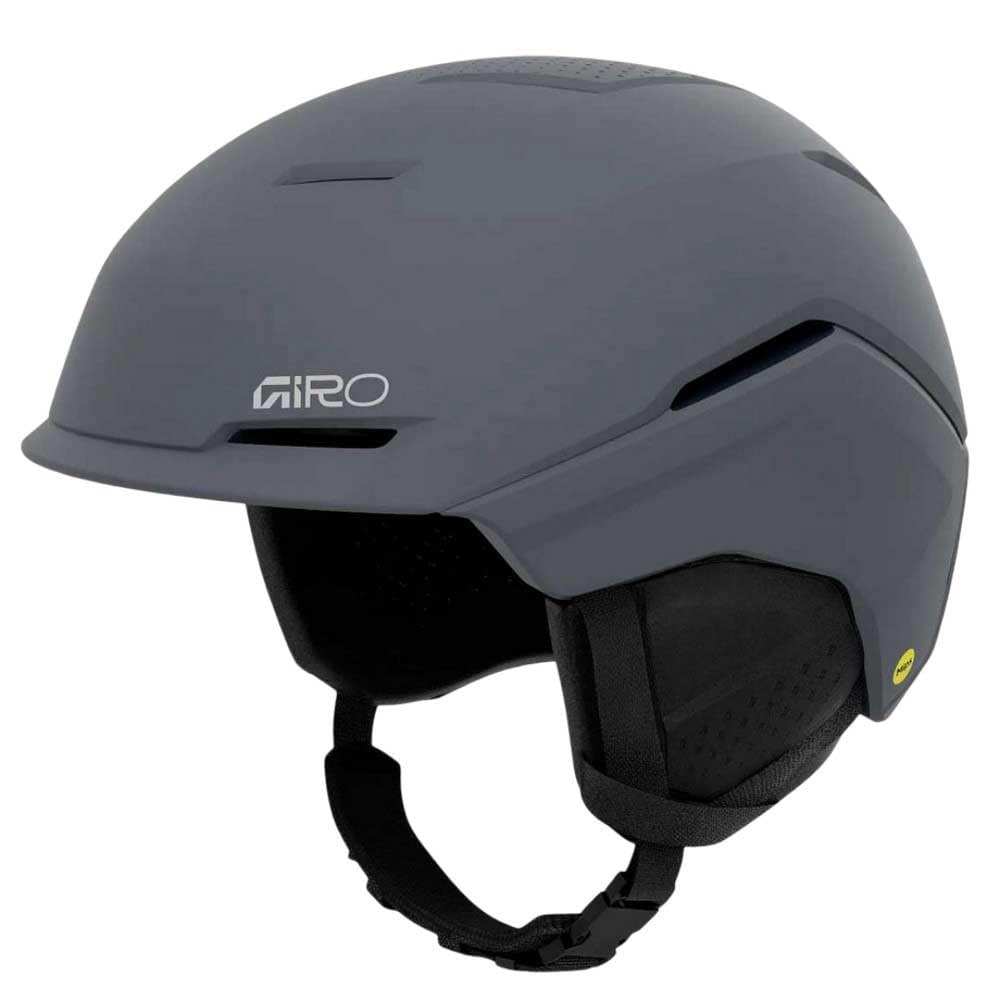
Giro’s Tenet MIPS combines a ventilated hard-shell upper with an impact-molded lower shell, giving you the durability of a traditional ABS helmet and the reduced weight of in-mold construction in one package. The In Form 2 Fit System offers 6 cm of vertical adjustment, letting you dial the exact cradle height for goggle compatibility regardless of face shape. With the turn of the dial, the shell wraps evenly around your head without pressure points.
The Thermostat Control Adjustable Venting button on the exterior is intuitive to operate even with thick mittens — one thumb push opens or closes the main vents. Testers who paired the Tenet with Anon and Giro goggles reported zero gap between goggle frame and helmet brim, which eliminates the forehead draft that causes fogging. The Ionic+ fleece lining feels soft against bare skin and resists odor after repeated use.
A handful of large-head users mention that the helmet feels heavy compared to fully in-mold designs, weighing 2.4 pounds. The skull pad sits low for some, tilting the helmet forward slightly and pushing goggles down onto the nose. This can be mitigated by using a thinner beanie or removing the pad. For the hybrid construction and MIPS integration at this price, the Tenet offers crash protection that inspires confidence without breaking the bank.
Why it’s great
- Hybrid hard-shell/in-mold construction balances weight and durability
- 6 cm vertical adjustment range for fine-tuning goggle fit
- Thermostat Control button works easily with gloves on
Good to know
- Heavier than fully in-mold helmets at 2.4 pounds
- Skull pad position may tilt helmet forward for some head shapes
4. Rossignol Evo 70 Ski Boots
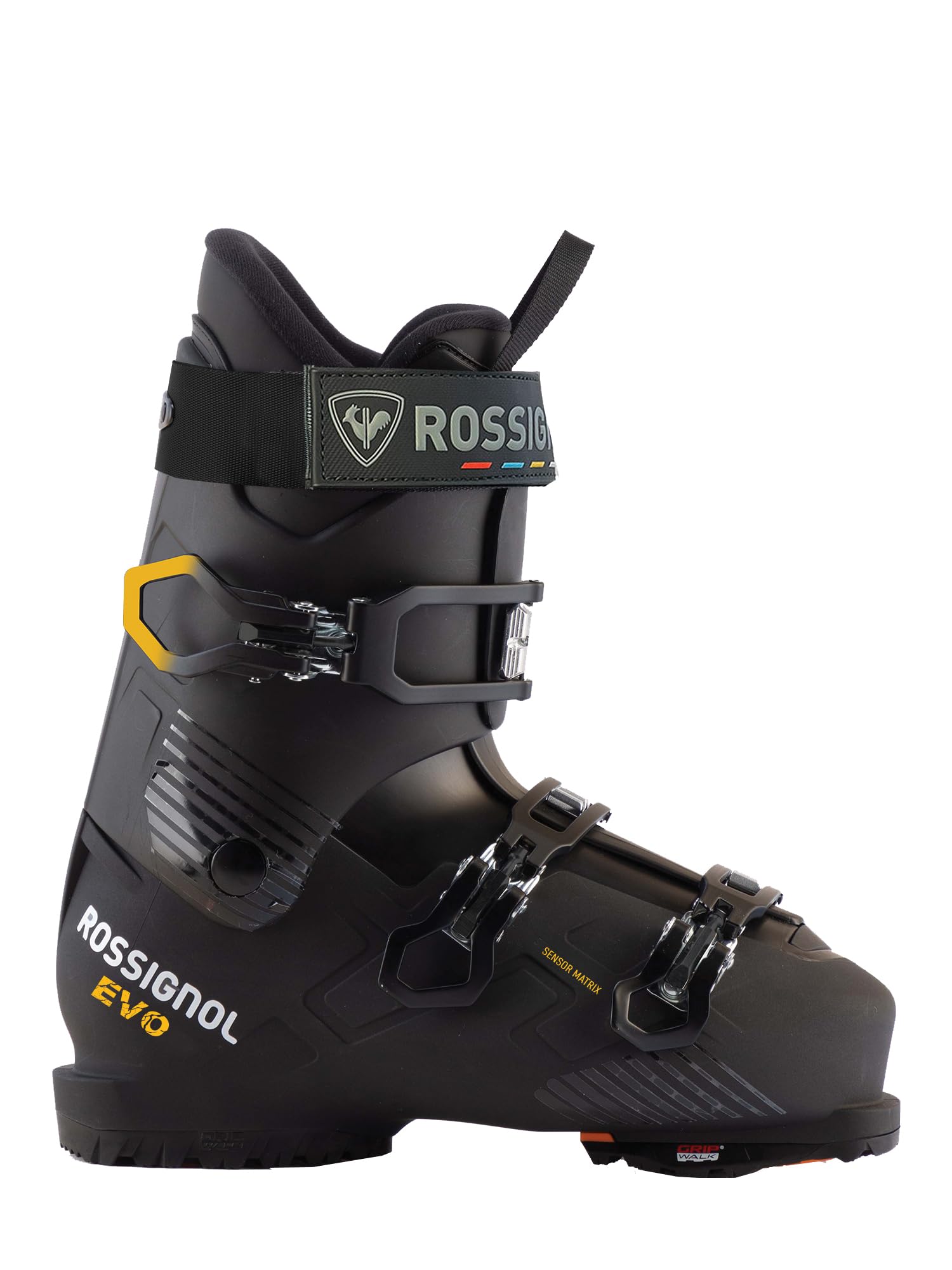
The Rossignol Evo 70 is engineered for skiers with wider feet who want recreational performance without the squeeze. Its 104mm last provides generous room through the forefoot, toe box, and ankle, which eliminates the hot spots that plague narrower boots. The Sensor Matrix shell design reduces weight while maintaining direct-to-ski energy transfer, so the flex feels responsive without being overly stiff for intermediate skiers.
GRIPWALK sole compatibility (sold separately) adds walkability around the parking lot and lodge — a convenience that traditional alpine soles lack. The custom-fit liner features heat-moldable zones in the heel and instep, allowing a bootfitter to expand specific areas for bunions or high-volume insteps. Several skiers with 25-year-old boots reported that the Evo 70 felt like a major technology upgrade, with easier entry and exit thanks to the wider boot overlap opening.
At a flex rating of 70, this boot is best suited for skiers who ski mostly groomed blues and greens. Aggressive carvers or heavy skiers may find the flex too soft for high-speed edge hold. The stock liner is comfortable out of the box, but narrow-footed users should add a supportive footbed to fill volume. For the price, this is the most accommodating wide-last boot in its class.
Why it’s great
- 104mm last provides exceptional room for wide forefeet and high-volume insteps
- Sensor Matrix shell reduces weight without compromising energy transfer
- GRIPWALK compatible for easier walking on hard surfaces
Good to know
- Flex 70 may feel too soft for advanced skiers at speed
- Narrow feet will need aftermarket footbeds for proper fit
5. Oakley Thermonuclear Protection TBT Insulated Jacket
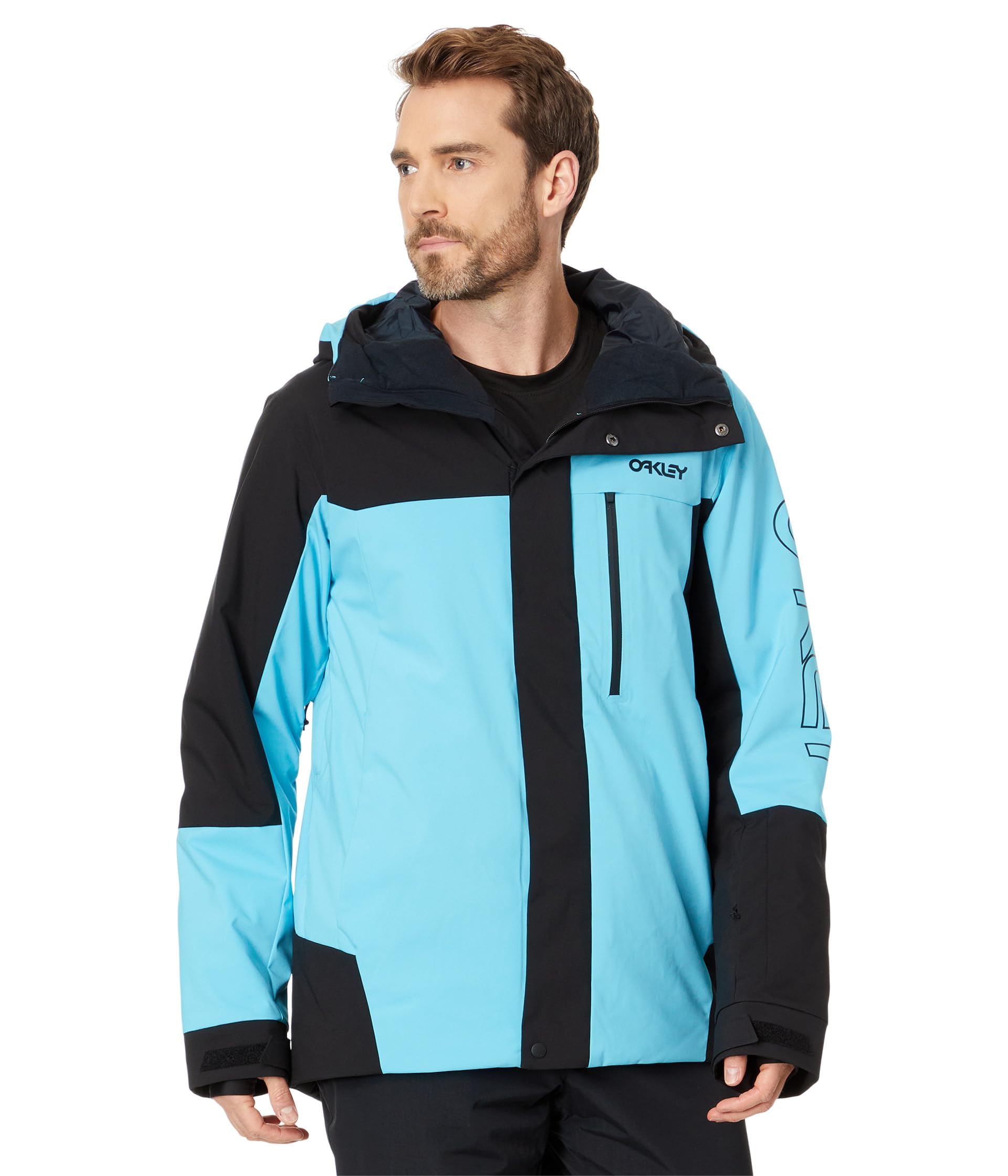
Oakley’s Thermonuclear Protection Insulated Jacket is built for sustained cold, with enough fill warmth to keep you comfortable on sub-freezing chairlift rides without requiring multiple mid-layers. The large helmet-compatible hood fits over most ski helmets without compressing the foam, and the low back drop prevents snow from creeping up when bending into a tuck. The sleeve length is generous, which eliminates cuff gap even when reaching forward to grip poles.
The zippered pockets are positioned above the waist harness line so they stay accessible even when wearing a pack. Vents under the arms dump heat quickly on bootpack sections. The outer fabric has a crisp, durable feel that resists abrasion from ski edges in lift lines. Riders report that the jacket runs large — 5’10”, 180-pound athletic builds fit best in Medium, while Large leaves excess room in the chest and stomach.
While not fully taped at all seams, the DWR treatment handles light snow and brief rain showers well. In sustained wet precipitation, the fabric will wet out eventually. The color “Orange” is vivid and highly visible on the mountain, which adds a safety benefit in flat light. For resort skiers who prioritize warmth and function over ultra-light weight, this jacket delivers reliable thermal performance.
Why it’s great
- Insulated design eliminates need for bulky mid-layers underneath
- Helmet-compatible hood fits over foam without compression
- Extended sleeve length prevents cuff gap during pole plant
Good to know
- Runs about one full size large — size down for optimal fit
- Seams are not fully taped; heavy rain will eventually penetrate
6. Marker Griffon 13 Ski Bindings

The Marker Griffon 13 is one of the most popular freeride bindings ever made, and for good reason: its Triple Pivot Elite toe mechanism offers a wider elastic travel range, which reduces the chance of a pre-release when you’re stomping landings or skiing through chatter. The Inter Pivot 3 heel is lighter and stiffer than previous generations, delivering improved edge grip and retention for aggressive skiers up to 120 kg. The DIN range of 4.0-13.0 covers everyone from intermediate crushers to expert chargers.
Sole.ID technology lets the binding accommodate both ISO 5355 alpine soles and ISO 9523 touring soles without requiring an adapter plate — that means you can swap between alpine boots and hybrid touring boots on the same setup. The centralized swing weight keeps spins and twist maneuvers balanced, and the no-pull-out screws prevent the mounting points from stripping after repeated remounts. At 110mm brake width, these pair cleanly with all-mountain skis around 100-110mm underfoot.
Some skiers with very large boots — size 30+ mondo — find the 110mm brake width slightly narrow for wider freeride skis over 115mm. The black finish scratches easily from edge contact, but that’s cosmetic. With a DIN setting that releases reliably under impact and stays locked when you need it, the Griffon 13 is the binding that experienced skiers trust for park, pipe, and powder.
Why it’s great
- Triple Pivot Elite toe offers wide elastic travel to prevent pre-release
- Sole.ID works with both alpine and touring boot soles without adapters
- Centralized swing weight improves balance for spins and freestyle tricks
Good to know
- 110mm brake width may be narrow for skis over 115mm waist
- Black finish scratches easily from ski edge contact
7. Helly-Hansen Rapid Pant
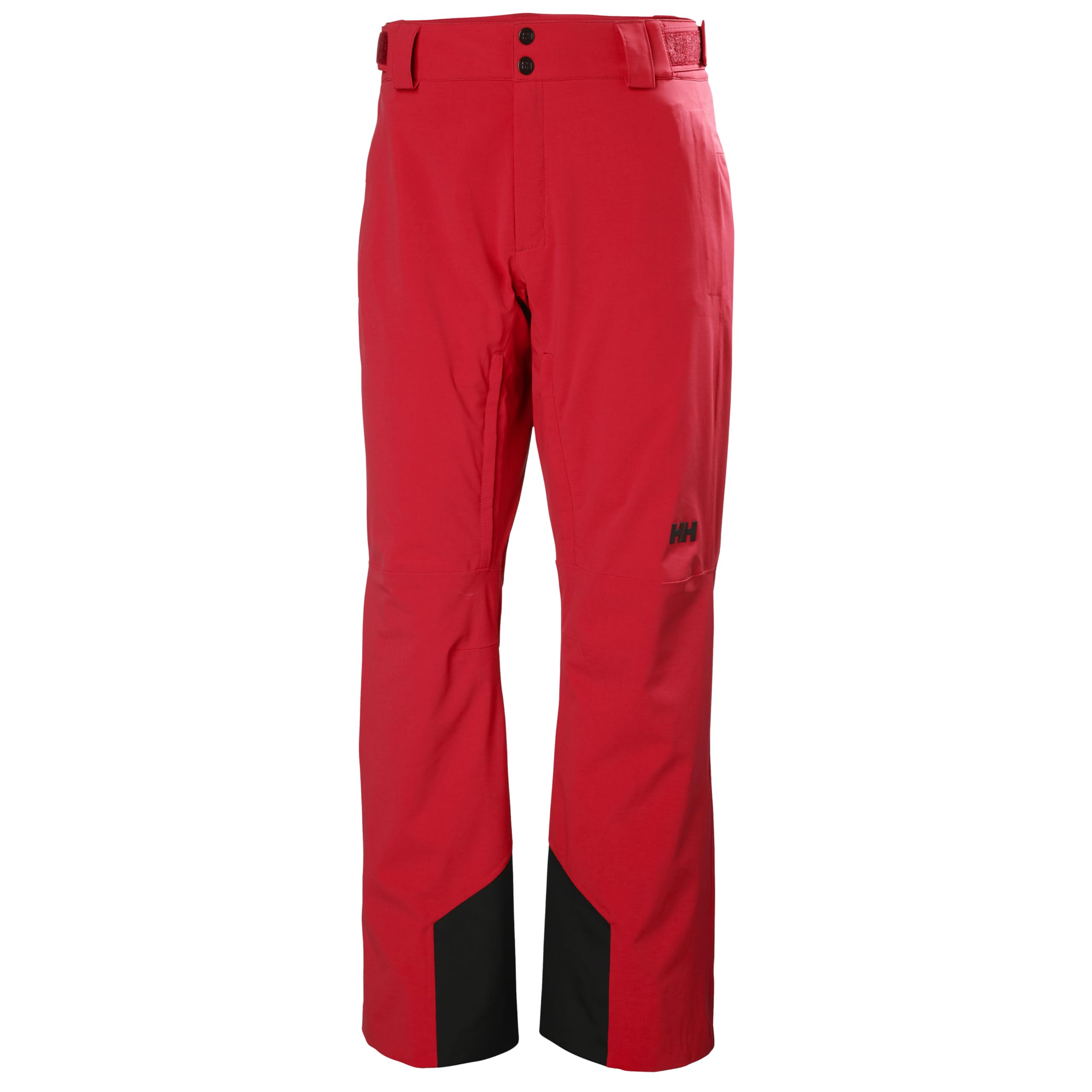
Helly-Hansen’s Rapid Pant combines a waterproof breathable membrane with lightweight insulation, making it warm enough for single-digit temperatures without feeling like a snowmobile suit. The 4-way stretch fabric moves naturally with your legs during lunges, squats, and dynamic carving turns — a feature rare in insulated ski pants. The adjustable waist eliminates the need for suspenders, though the pant fits best when cinched snugly.
The integrated snow gaiters seal around boot cuffs to keep powder out, and the reinforced inner ankle panel resists damage from ski edges and boots. Testers skiing at temperatures in the teens in Utah and Vermont reported staying warm all day without needing multiple base layers. The Alert Red color is actually an orange-red hue that differs from the product photos — the pant material is orange while the accent details are red. Riders who care about color accuracy should confirm with real-world images before ordering.
One user found the pant uncomfortable after extended wear, possibly due to the fitted waistband pressing on the hip bones. The waistband is lightly padded, but those with very sensitive hips may find it restrictive. For the waterproofing, warmth, and comfort profile, the Rapid Pant is a solid choice for resort skiers who demand both insulation and mobility.
Why it’s great
- 4-way stretch fabric allows full range of motion for dynamic skiing
- Waterproof membrane keeps snow out during wet conditions
- Integrated snow gaiters prevent powder intrusion around boot tops
Good to know
- “Alert Red” color is more orange than the product photos suggest
- Waistband can feel restrictive for some users with sensitive hips
8. Nordica Cruise Boots

The Nordica Cruise is built specifically for beginner and intermediate skiers who prioritize comfort and ease of entry over maximum performance. The 104mm last is generous for a high-volume foot shape, and the dual soft flap instep opens the boot throat exceptionally wide — you can slide your foot in and out without fighting a narrow overlap. The micro-adjustable aluminum buckles allow precise tension tuning across the shell and cuff for a secure but not painful fit.
Infrared technology from Nordica lets bootfitters heat-mold the shell at pressure points for a custom fit where you need it most. Several first-time owners described these as “the most comfortable boot I’ve worn,” with zero shin pain after a full day on the slopes. The 104mm last suits medium to wide feet; narrow-footed skiers will likely need to add a boot sole insert or custom liner to fill volume.
Experienced skiers will notice that the Cruise lacks the lateral stiffness and power transfer of higher-flex boots — it is not intended for aggressive carving at speed. The fit is more relaxed through the heel pocket too, which may cause slight heel lift during hard turns. For the price, this is an excellent gateway boot for new skiers who want comfort over competition performance.
Why it’s great
- Dual soft flap instep makes putting on and taking off exceptionally easy
- Infrared heat-moldable shell allows custom pressure-point relief
- Micro-adjustable aluminum buckles provide precise fit tension
Good to know
- Heel pocket is relaxed — narrow feet may experience lift during turns
- Flex index is too soft for advanced carving or high-speed skiing
9. Oakley Thermonuclear Protection Lined Shell Pant 2.0

The Oakley Thermonuclear Protection Lined Shell Pant 2.0 is a straightforward hardshell pant designed to be worn over a mid or heavy base layer. The shell construction blocks wind and sheds light snow effectively, while the lined interior adds a trace of warmth without turning the pant into an oven during high-output skiing. Multiple customers note that the sizing runs large — a size down from your normal waist measurement typically delivers the correct fit.
The fabric has a stiff, durable hand feel that resists abrasion from ski edges in the lift maze. The waist closure uses a standard button plus zipper fly, and the leg openings are wide enough to fit over mid-volume ski boots without bunching. Several reviews mention that the pant pairs well visually with Oakley’s matching Thermonuclear Jacket for a cohesive resort outfit.
There is no built-in snow gaiter, meaning you should either use boot cuffs or tuck the pant leg into your boot liner to keep powder out during deep days. The shell also lacks internal thigh vents, so you cannot dump heat without taking the pants off. For resort skiers who already own a good base layer and want a reliable, affordable shell that withstands moderate weather, this pant delivers straightforward value.
Why it’s great
- Stiff, durable fabric resists edge abrasion and wind penetration
- Shell design layers well over any base or mid-layer combination
- Color and styling match Oakley’s Thermonuclear Jacket for a full kit
Good to know
- Runs large — size down one full size for proper waist fit
- No snow gaiter or internal vents, limiting deep-powder and heat management
FAQ
How do I know which DIN setting is right for my bindings?
Can I use alpine touring boots with standard alpine bindings?
What does MIPS actually do in a ski helmet?
Final Thoughts: The Verdict
For most users, the best alpine ski equipment winner is the Giro Tenet MIPS Helmet because it combines industry-leading MIPS protection, hybrid shell durability, and a ventilation system that works without removing gloves. If you want maximum impact absorption and all-day comfort, grab the SMITH Nexus MIPS Helmet for full Koroyd coverage. And for wide-footed skiers who need forgiving flex on groomers, nothing beats the Rossignol Evo 70 Boots.