
Crayfish are the bulldozers of the freshwater aquarium—they dig, they climb, they rearrange. Choosing the wrong substrate or rock decor can mean a crushed escape attempt, a water quality disaster, or a stressed pet that never shows its colors. The right substrate, on the other hand, gives your crayfish a stable footing to burrow, a dark backdrop to feel secure, and a surface that won’t scratch its delicate underbelly.
I’m Min — the co-founder and writer behind Gadgets Feed. I’ve spent hundreds of hours cross-referencing grain sizes, bacterial activity claims, and real-world crayfish keeper reports to filter the options that actually work for these crustaceans.
Whether you keep dwarf orange CPOs or full-size electric blues, the ideal foundation for your tank is among these seven contenders. This guide breaks down the behavior, chemistry, and physical specs behind each option to help you identify the best aquarium rocks for crayfish for your specific setup.
How To Choose The Right Aquarium Rocks For Crayfish
Crayfish are opportunistic diggers. The wrong rock choice can cause physical injury, trap waste, or make water chemistry a nightmare. Here’s what you need to prioritize.
Grain size and texture — the burrowing balance
If the grain is too large (anything over 5 mm), crayfish struggle to rearrange it into a proper burrow. If it’s too fine like flour-grade sand, it can compact and create anaerobic dead zones. The sweet spot is a coarse sand or fine gravel between 1 mm and 4 mm — it holds burrows without collapsing. Texture matters too: rough, unpolished stone gives crayfish the grip they need to climb and flip themselves upright.
Bio-activity and tank cycling
Some substrates come pre-loaded with nitrifying bacteria, which can cut your tank cycle from weeks to days. This is a huge advantage if you’re setting up a new crayfish tank and don’t want to wait. However, you must follow the instructions — rinsing kills the bacteria, and you lose the benefit. For established tanks, inert gravel works fine as long as you maintain filter media.
Color impact on stress and visibility
Dark substrates (black, dark brown, deep gray) make crayfish feel hidden, which reduces stress and encourages natural behavior. Lighter stones like pea gravel can work but may cause pale arthropods to feel exposed. A dark base also makes the crayfish’s natural color pattern pop, which is especially rewarding for brightly colored species like electric blue or dwarf orange.
Quick Comparison
On smaller screens, swipe sideways to see the full table.
| Model | Category | Best For | Key Spec | Amazon |
|---|---|---|---|---|
| Seachem Fluorite Black Sand | Fine Sand | Plant-rooting & burrowing | Grain size ~0.5–1.5 mm | Amazon |
| Aqua Natural Galaxy Sand | Sparkle Sand | High-contrast aquascaping | 20 lb bag, grain size ~1–2 mm | Amazon |
| imagitarium Frosted Black Gravel | Fine Gravel | Betta & shrimp tanks | Grain size ~2–4 mm | Amazon |
| Aqua Natural Delta Sand Bio-Substrate | Bio-Active Sand | Instant cycle for new tanks | 5 lb, seeded with nitrifying bacteria | Amazon |
| ALEGI Ceramic Rock Cave Set | Ceramic Hide | Molting and territorial safety | Set of 8, 4 x 6 x 3 inches each | Amazon |
| Rahato Natural Pea Gravel | Pea Gravel | Multi-purpose top dressing | Diameter ~10 mm | Amazon |
| GreatBuddy Pea Gravel | Polished Pebble | Decorative accent layer | Diameter ~10 mm, polished | Amazon |
In‑Depth Reviews
1. Seachem Fluorite Black Sand Substrate, 7.7lb

Seachem’s Fluorite Black Sand is the premium choice for crayfish keepers who also want a planted tank. The grain size is exceptionally fine — around 0.5 to 1.5 mm — which allows crayfish to dig and burrow without the substrate collapsing on them. It’s a natural clay-based sand that does not compact over time, so roots and burrows stay oxygenated.
Reviewers consistently note that this sand requires thorough rinsing to remove the fine dust before it goes into the tank. Once settled, the deep black color creates a high-contrast backdrop that makes both plants and crayfish colors pop. It’s inert and won’t leach chemicals, making it safe for all inverts.
The 7.7 lb bag covers roughly a 10-gallon tank at a 1-inch depth. Crayfish will appreciate the texture for gripping while they climb over decor. If you want a substrate that supports live plants, burrowing, and a clean visual aesthetic, this is the one.
Why it’s great
- Ultra-fine grain perfect for burrowing
- Deep black color reduces crayfish stress
- Supports rooting live plants
Good to know
- Requires heavy rinsing to remove dust
- Bag may seem small for larger tanks
2. Aqua Natural Galaxy Sand 20lb, Black

Aqua Natural Galaxy Sand brings a unique shimmering effect to the aquarium floor. The fine black grains — roughly 1 to 2 mm — catch the light and create a starry appearance, which is visually striking against the dark carapace of crayfish. The 20 lb bag is generous and covers a 20-gallon tank at 1.5 inches deep.
Keepers report that this sand arrives fairly clean, with minimal rinsing required. Crayfish can sift through it easily, and the grain size is small enough to pass through their gill filters without damage. It’s ethically sourced in the USA and fully inert, so it won’t alter pH or hardness.
The texture is smooth but not slippery, giving crayfish good traction for burrowing. If you want a dramatic, dark aquascape that still looks natural under the lights, this sand delivers without sacrificing your crayfish’s ability to dig.
Why it’s great
- Sparkling black finish looks stunning
- Large 20 lb bag covers big tanks
- Minimal dust, easy to rinse
Good to know
- Grain can be slightly larger than ideal for the smallest species
- Sparkle effect fades slightly if disturbed often
3. Aqua Natural Delta Sand Bio-Substrate 5lb

This substrate solves the biggest pain point of setting up a new crayfish tank: the waiting period. The Delta Sand is seeded with live nitrifying bacteria that target ammonia directly. Following the 1:4 mixing ratio with dry substrate, your tank can cycle in a matter of days instead of weeks, allowing you to introduce crayfish safely much sooner.
Do not rinse this sand — the bacteria live on the grain surfaces, and washing them off defeats the purpose. The brown color looks natural and hides debris well, which is practical because crayfish are messy eaters. The grain size falls in the coarse sand range, making it suitable for burrowing without compaction.
One caveat: because it’s wet sand, getting it out of the bag can be tricky. Expect some cloudiness for the first 48 hours as the bacterial colonies establish. After that, the water clears and the biological filtration kicks in, making it an excellent choice for a new crayfish setup.
Why it’s great
- Cycles tank in days, not weeks
- Natural brown hides crayfish waste well
- Safe for inverts and live plants
Good to know
- Must not be rinsed — follow directions closely
- Wet bag can be messy to handle
4. imagitarium Frosted Black Gravel, 20 lb
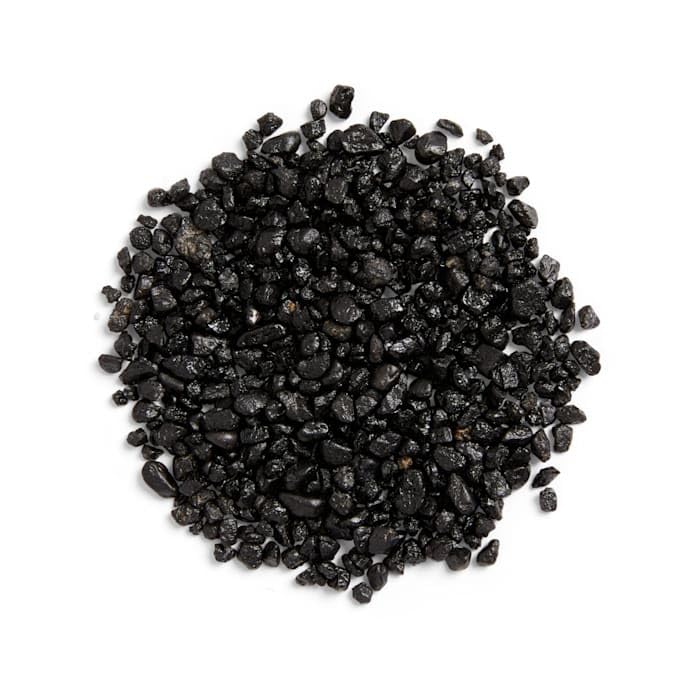
Imagitarium’s Frosted Black Gravel strikes a practical balance between sand and chunky gravel. The grain size is roughly 2 to 4 mm — small enough for crayfish to move around but large enough that it won’t cloud the water during feeding. It’s non-toxic and fish-safe, with a frosted black finish that stays dark without looking artificial.
Reviewers appreciate how easy this gravel is to rinse: one pass usually clears the loose particles. It doesn’t compact, so trapped waste stays accessible to your filter. Crayfish can burrow into the top layer, but the slightly heavier gravel pieces won’t get kicked up into the water column as easily as sand would.
The 20 lb bag is enough for a 20-gallon tank at 2 inches depth. If you have a crayfish that likes to rearrange hardscape, this gravel provides enough heft to stay put while still being manageable for your pet to push around.
Why it’s great
- Easy to rinse with minimal dust
- Heavy enough to resist crayfish rearranging
- Dark color reduces stress and hides dirt
Good to know
- Not fine enough for deep burrowing like sand
- Color may look more gray than black under some lights
5. ALEGI Aquarium Rock Cave Decor, Set of 8

While technically decor rather than a substrate, these ceramic rock caves are nearly essential for a crayfish tank. Crayfish molt regularly, and during those vulnerable hours, they need a secure hiding spot. The ALEGI set offers eight stackable caves made from glazed ceramic that won’t leach or break down.
Each cave measures about 4 x 6 x 3 inches, which is spacious enough for average-sized crayfish. They’re lightweight compared to natural stone, so they won’t crack the glass if a crayfish pushes them. The stackable design lets you create multi-level terrain that mimics a natural rocky bank.
Be careful during handling — the ceramic is somewhat fragile and can crack if dropped on a hard surface. Rinse before use and check for any sharp edges. For the price, you get eight quality hides that your crayfish will claim within hours of introduction.
Why it’s great
- Safe, non-toxic ceramic material
- Stackable for custom terrain layouts
- Spacious caves suit full-size crayfish
Good to know
- Ceramic can crack if dropped
- Check for rough spots before adding to tank
6. Rahato Natural Pea Gravel Pebbles, 5 lbs
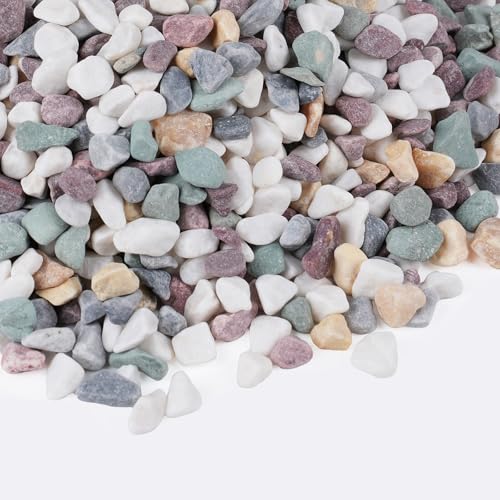
Rahato’s natural pea gravel is an entry-level option for a crayfish tank on a budget. The stones average about 10 mm in diameter, which is larger than ideal for deep burrowing, but they can still serve as a base layer or decorative top dressing. The mixed color palette gives a natural riverbed look that works well in more rustic setups.
These pebbles are fully inert — no dyes, no coatings, no chemical leaching. They’re non-toxic and safe for both plants and inverts. Rinsing is mandatory, as the stones carry dust from transport. Do not expect crayfish to dig through these; instead, use them to create hardscape bumps and anchor areas where the crayfish can grip while climbing.
One practical use is to top a sandy substrate with a thin layer of this pea gravel. The larger stones stay on top while the crayfish burrows beneath, giving you the visual appeal of natural pebbles without blocking access to the soft sand underneath.
Why it’s great
- Naturally mixed colors look authentic
- Inert and safe for all aquarium life
- Good for topping sand layers
Good to know
- Too large for deep burrowing
- Requires thorough rinsing to remove dust
7. GreatBuddy Polished Pebbles, 5 lbs
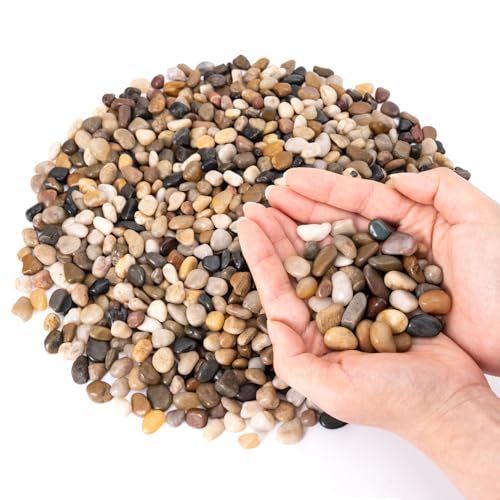
GreatBuddy’s polished pebbles add a shiny, gemstone-like accent to your crayfish tank. Like the Rahato option, these are around 10 mm in size, but they’ve been waxed to enhance their natural color and shine. This makes them ideal for spot decoration rather than a full substrate — place them around a cave entrance or in a feeding zone.
The polishing process does not use dyes or oils, so they remain safe for aquarium use. Crayfish can climb over them easily, and the smooth surface won’t scratch their shells. However, do not expect your crayfish to move these heavy stones around — they’re more of a permanent landscape element.
Some keepers combine these with white or black sand to create a contrasting riverbed look. The 5 lb bag covers a small area, so plan your layout carefully. These pebbles are best used in smaller tanks or as a secondary accent layer rather than a primary burrowing substrate.
Why it’s great
- Polished surface adds unique sparkle
- Safe, non-toxic materials
- Smooth edges won’t scratch crayfish
Good to know
- Too large for burrowing substrate
- Polished surface may feel slippery to you
FAQ
Can crayfish dig through standard aquarium gravel?
Will sharp rocks hurt a crayfish’s shell?
How many hiding caves do crayfish need per tank?
Final Thoughts: The Verdict
For most users, the best aquarium rocks for crayfish winner is the Seachem Fluorite Black Sand because its ultra-fine grain makes burrowing effortless while supporting rooted plants. If you want instant cycling and minimal waiting, grab the Aqua Natural Delta Sand Bio-Substrate. And for the safety of molting crayfish, nothing beats the ALEGI Ceramic Rock Cave Set — eight sturdy hides that turn stress into security.