
Our readers keep the lights on and my morning glass full of iced black tea. As an Amazon Associate, I earn from qualifying purchases.
Specs are compiled from manufacturer listings and verified buyer reviews and can change over time — please confirm the key details on the product page before buying.
A heater hose that blows out in the middle of January doesn’t just spill coolant — it leaves you stranded, waiting for a tow, and facing a repair bill that grows with every frozen mile. The right hose stops that headache before it starts, but the options range from budget silicone spools to name-brand EPDM (ethylene propylene diene monomer rubber, a synthetic material that resists coolant chemicals) that is meant to last a decade. This guide breaks down four real picks for the best automotive heater hose, covering exactly what each material and spec means for your car and your wallet.
I’m Min — the founder and writer behind Gadgets Feed. This guide is built by comparing the manufacturers’ published specifications and the patterns across verified customer reviews, so you get each pick’s real strengths and trade-offs instead of marketing spin.
Whether you are patching a leak on a daily driver, building a custom coolant loop, or just keeping a spare hose in the garage, the difference depends on three things: the material that handles the heat, the pressure rating (the PSI a hose can handle before it bursts) that stops a sudden rupture, and the flexibility that lets the hose snake through tight engine bays without kinking (bending so sharply the hose collapses shut).
Quick Picks
- 5Ft ID 3/4 Heater Hose, Silicone Radiator Hose with 650PSI Rupture Pressure (YGDMD) — Tough Pick
- EVIL ENERGY 3/4″ Heater Hose Coolant Radiator Straight 100PSI SAE 20R3 20FT Black — 20-Foot Spool
- Gates 28492 Safety Stripe Standard Straight Heater Hose-6′ Length, Inner Diameter 3/4″ — Brand Standard
- EVIL ENERGY 5/16″ Silicone Heater Hose Radiator Coolant Hose Straight SAE J20R3 CLASS-A 60PSI 5FT Black — Tiny Diverter
How To Choose The Best Automotive Heater Hose
A heater hose does one simple job — carry hot coolant from the engine to the heater core and back — but the conditions under the hood punish a bad hose fast. Extreme heat, pressure spikes, and constant vibration test every connection. Here is what separates a hose that lasts from one that leaves a puddle on your driveway.
Material: Silicone vs EPDM Rubber
Silicone hoses handle a wider temperature range — the EVIL ENERGY 5/16″ silicone hose, for example, survives from -67°F up to 356°F — and they resist aging from heat and ozone better than standard rubber. EPDM rubber, used by brands like Gates, is more resistant to coolant additives and high system pressures, and it typically costs less. The trade-off: silicone can be less tolerant of engine oil and fuel contact, so you need to avoid running those fluids through it.
Pressure Ratings: Working Pressure vs Burst Pressure
Working pressure is the normal force the hose can handle continuously. The YGDMD 3/4″ hose runs at 250 PSI (pounds per square inch, the unit that measures fluid force inside the hose), while the EVIL ENERGY 5/16″ hose is rated at 60 PSI. Burst pressure is the point where the hose ruptures — the YGDMD hose bursts at 650 PSI, while the EVIL ENERGY 5/16″ hose’s burst point is 246 PSI. A higher burst pressure gives you a bigger safety margin against sudden failure.
Bend Radius
Every hose has a minimum bend radius — the tightest curve it can make without kinking, which cuts off coolant flow. The EVIL ENERGY 5/16″ silicone hose bends to a tight 32mm radius (about 1.25 inches), making it ideal for cramped engine bays. The EVIL ENERGY 3/4″ EPDM hose has a 152mm minimum bend radius (about 6 inches), versus 32mm for the EVIL ENERGY 5/16″ silicone hose, so that hose needs more room to make a turn.
SAE 20R3 Rating
This is the industry standard for heater hose construction and performance. Both the EVIL ENERGY silicone hose (Class A) and the EVIL ENERGY EPDM hose (Class D-2) meet SAE 20R3 requirements, meaning they have passed tests for burst strength, dimensional stability (the hose won’t swell or shrink out of spec), and heat aging. A hose without this rating is a gamble.
Quick Comparison
On smaller screens, swipe sideways to see the full table.
| Model | Best For | Material | Working Pressure | Length | Amazon |
|---|---|---|---|---|---|
| YGDMD 3/4″ Silicone | High-pressure custom builds | Silicone | 250 PSI | 5 ft | $14.99Amazon |
| EVIL ENERGY 3/4″ EPDM | Long-run replacement jobs | EPDM Rubber | 100 PSI | 20 ft | $55.99Amazon |
| Gates 28492 EPDM | OEM-style daily-driver fix | EPDM Rubber | — | 6 ft | $16.35Amazon |
| EVIL ENERGY 5/16″ Silicone | Tight spaces and small-diameter runs | Silicone | 60 PSI | 5 ft | $13.69Amazon |
In‑Depth Reviews
1. 5Ft ID 3/4 Heater Hose, Silicone Radiator Hose with 650PSI Rupture Pressure (YGDMD)
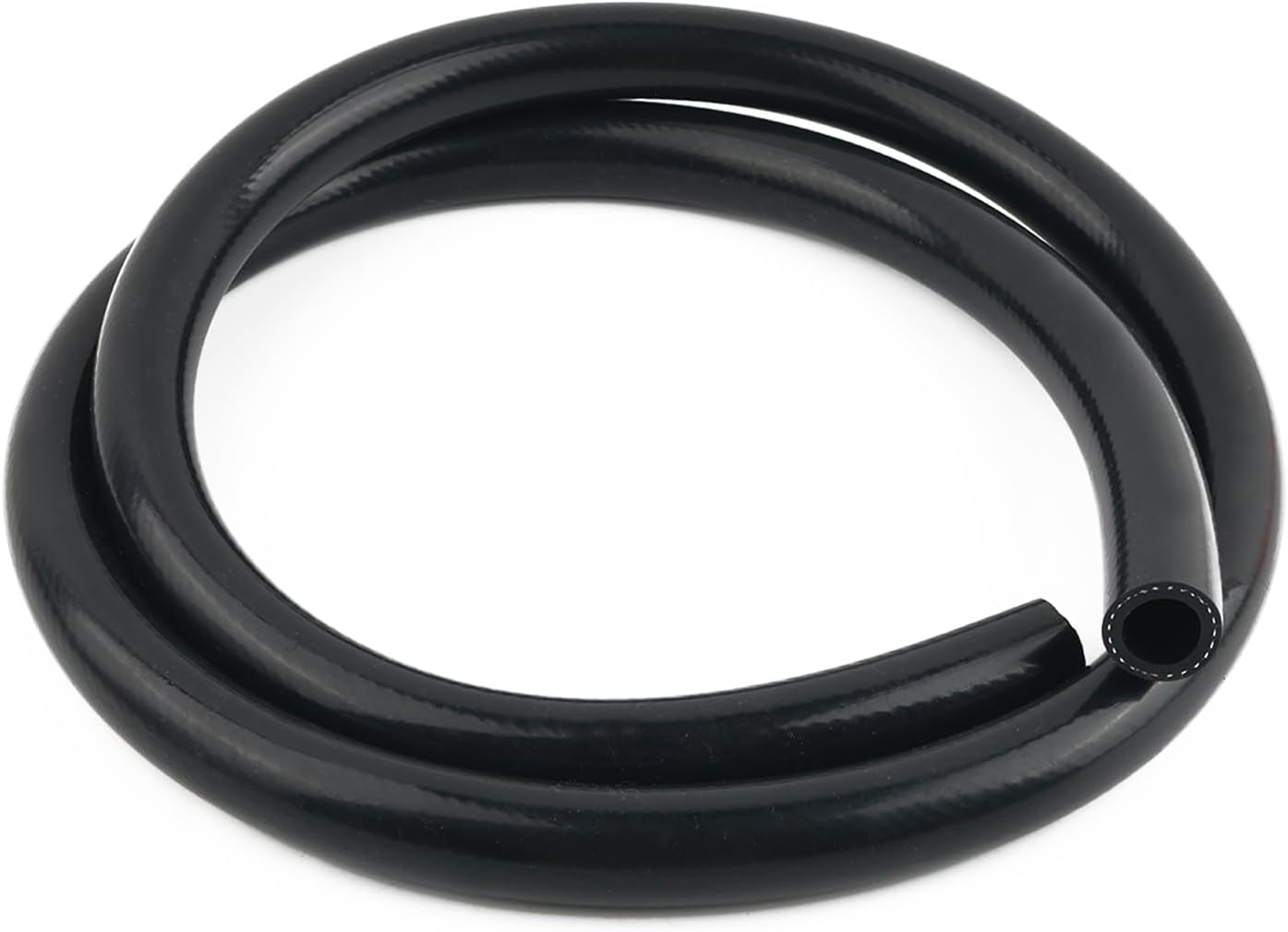
This silicone hose gives you a 650-PSI burst ceiling, versus 246 PSI for the EVIL ENERGY 5/16″ silicone hose, so you get a huge safety cushion before a rupture.
You buy this hose when you want the biggest safety margin under the hood. Where the EVIL ENERGY 5/16″ hose handles 60 PSI, this YGDMD hose has a working pressure of 250 PSI (pounds per square inch, the constant pressure the hose can take without failing). The burst pressure is 650 PSI versus 246 PSI for that smaller EVIL ENERGY hose, so you get a much wider window before a failure happens.
The silicone construction handles temperatures from -58°F to 392°F, so it stays flexible when it is freezing outside and doesn’t go brittle when the engine is hot. Buyers report it is a “perfect fit, great durability, functions well, good value” — one owner used it to replace the OEM (original equipment manufacturer, the part that came with the car from the factory) coolant hoses on a Land Rover and said it saved “a ton of money” vs the factory part. The hose weighs 0.9 pounds, versus 0.18 pounds for the Gates hose, reflecting its thicker wall and the reinforcement that gives it that 650-PSI rupture ceiling.
One real-world note: the ID (inside diameter, the hole through which coolant flows) is 0.74 inches, so measure your fittings before you buy — a mismatch here means leaks or a hose that won’t seat. It is not designed for oil or fuel, only water, gas, and coolant in your vehicle’s cooling system.
What gives it an edge
- 250 PSI working pressure is the highest in this lineup
- 650 PSI burst pressure leaves a huge safety margin
- Temperature range from -58°F to 392°F for extreme conditions
Before you buy
- Only 5 ft long — may need multiple pieces for longer runs
- Weighs 0.9 lbs, noticeably heavier than thinner hoses
- Not rated for oil or fuel contact
Who it fits: The DIY mechanic or custom builder running a high-pressure cooling system who wants a silicone hose with the highest burst rating in this group.
The limitation: At 5 ft you may need to buy two if you are replacing every heater hose on a full-size truck or SUV.
2. EVIL ENERGY 3/4″ Heater Hose Coolant Radiator Straight 100PSI SAE 20R3 20FT Black
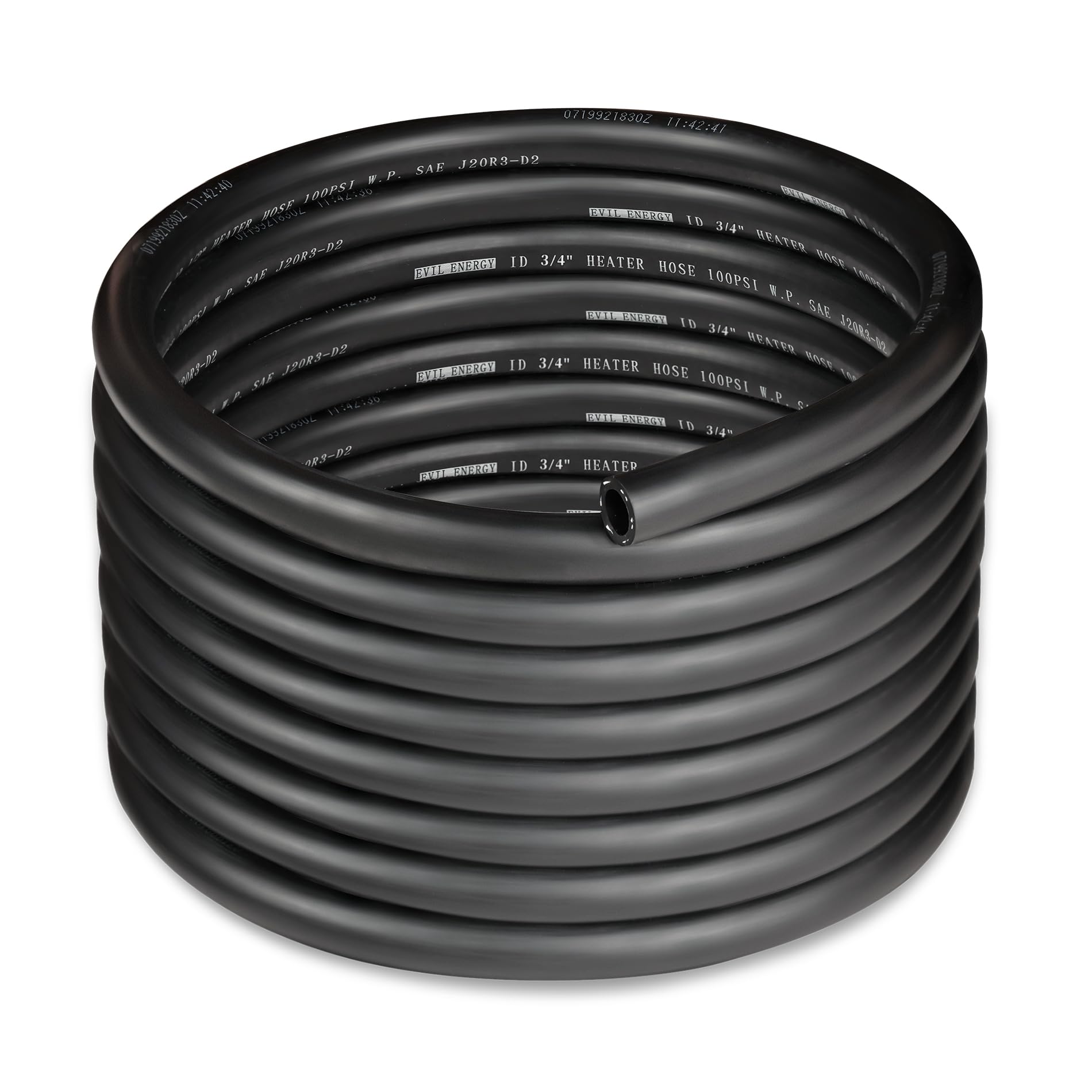
With 20 feet of EPDM rubber, this spool gives you 20 feet versus 5 feet for the EVIL ENERGY 5/16″ hose — enough to replace every heater hose on a full-size truck in one buy.
The defining feature here is the length: 20 feet of 3/4-inch hose, versus 5 feet for the EVIL ENERGY 5/16″ hose. That means you can replace every heater hose on a full-size truck and still have leftovers for the next project. It is made from EPDM rubber (ethylene propylene diene monomer, a synthetic rubber that resists coolant and antifreeze chemicals well), not silicone, so it handles coolant, water, and antifreeze without the same oil-and-fuel restrictions that silicone carries.
The working pressure is 100 PSI with a burst pressure of 300 PSI, and the temperature range runs from -40°F to 257°F. The minimum bend radius of 152mm is the largest in this group — versus the 32mm bend radius of the EVIL ENERGY silicone hose — so you need a straighter path or more space for curves. One buyer put 1,000 miles on a set of these hoses on a 2010 Tahoe and reported “zero leaks and performing as expected.” Another reviewer used it on a tire machine and said it “appears to be durable and well made.”
At 3.43 kilograms (about 7.5 pounds), this is a heavy spool, but that weight reflects the wall thickness of 4.5 millimeters and the EPDM construction that resists degradation from coolant additives over time. It meets SAE 20R3 Class D-2, so it passes the same industry standard as the silicone hoses in this list.
Why you might grab this
- 20 ft of hose covers multiple replacements in one shot
- EPDM rubber resists coolant additives and system pressure
- 1,000 miles on a Tahoe with no leaks, per one buyer
What to know
- 152mm bend radius means it can’t snake through tight spaces
- At about 7.5 lbs, the spool is heavy to handle
- 257°F max temp is lower than silicone alternatives
Best for: Anyone doing a full heater-hose overhaul on a large vehicle or equipment who wants one spool to cover everything.
skip it if: Your engine bay has tight 90-degree turns — the 152mm bend radius will fight you.
3. Gates 28492 Safety Stripe Standard Straight Heater Hose-6′ Length, Inner Diameter 3/4″
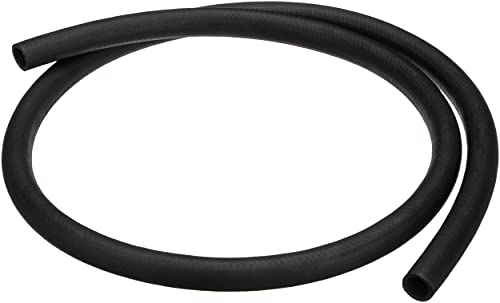
At just 0.18 pounds, this 6-foot Gates EPDM hose weighs 0.18 pounds versus 0.9 pounds for the YGDMD silicone hose, making it the easiest to route and secure in a standard car or light truck.
Gates is among the most recognized names in automotive hoses and belts, and the Safety Stripe line is their standard straight hose for cars and light trucks. It is rated for use with most coolants and non-oil-based additives, and the EPDM construction is meant to hold up against high cooling system pressures over time. Weighing just 0.18 pounds, versus 0.9 pounds for the YGDMD silicone hose, it is easy to route and secure.
The 3/4-inch inner diameter and 0.125-inch nominal wall thickness give it a classic profile that fits most factory heater-core connections. One buyer used it on an LS-swapped G-body and confirmed “great fitment” from the water pump to the heater core. Another owner replaced the molded hoses on a 1997 Nissan Altima with this straight hose and a couple of PEX elbows (cross-linked polyethylene fittings used in plumbing, adapted here for coolant routing), noting that factory molded hoses “would have run at least to replace them all.” The green Safety Stripe is a visual cue for coolant-rated hose, which helps avoid mixing it up with fuel or vacuum lines.
The catch: Gates explicitly states this hose is not recommended for heavy-duty trucks, buses, or off-road construction equipment. If you are working on a vehicle that sees extreme loads or sustained high heat, the Green Stripe heavy-duty line is the correct Gates product. This Safety Stripe hose is the right pick for a standard daily driver or a simple replacement job.
Why it stands out
- Gates brand carries decades of OE-quality reputation
- At 0.18 lbs it is easy to route and secure in tight bays
- Green stripe makes coolant identification obvious
Keep in mind
- Not meant for heavy-duty trucks or off-road equipment
- Only 6 ft long — may not cover a full truck’s worth of hoses
- No burst pressure rating published in the data
Reach for this if: You want a name-brand EPDM hose for a standard car or light truck and don’t need extreme pressure ratings.
Look elsewhere if: You are repairing a heavy-duty diesel, a bus, or construction equipment — this hose is not rated for those loads.
4. EVIL ENERGY 5/16″ Silicone Heater Hose Radiator Coolant Hose Straight SAE J20R3 CLASS-A 60PSI 5FT Black
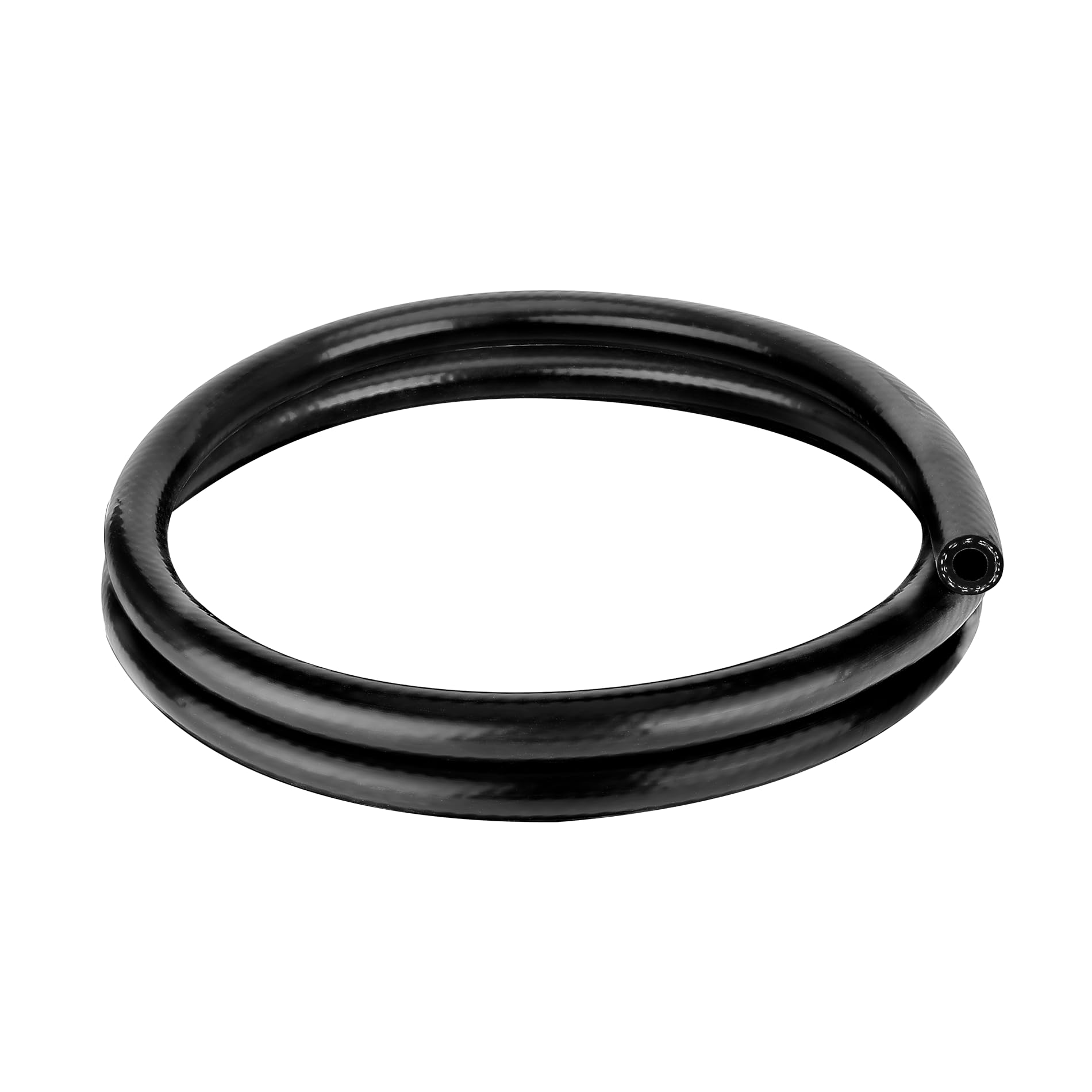
A 32mm minimum bend radius, versus 152mm for the EVIL ENERGY 3/4″ EPDM hose, lets this slim 5/16″ silicone hose snake through the tightest engine-bay gaps without kinking.
With a 5/16-inch inside diameter and a minimum bend radius of just 32mm, this is the hose you reach for when you are routing coolant to a small reservoir, a turbo coolant line, or a heater control valve in a cramped engine compartment. The 32mm bend radius is much tighter than the 152mm radius of the EVIL ENERGY 3/4″ EPDM hose, meaning it can snake around obstacles without kinking.
The silicone construction gives it a temperature range from -67°F to 356°F, so it handles both deep-freeze starts and hot engine bays without getting stiff or softening. Owners mention the hose is “good thickness, good flexibility and kink resistance” and that it “holds pressure well.” At 0.42 pounds and 5 feet long, it is lightweight and easy to trim to the exact length you need. The working pressure is 60 PSI, and the burst pressure is 246 PSI — adequate for most bypass and small-diameter coolant circuits, but well short of the 650-PSI burst rating on the YGDMD silicone hose.
One limitation: the manufacturer warns this silicone hose is not for carrying alcohol, fuel, engine oil, or lubricants. It is made for coolant, water, air, steam, and weak acids and alkalis only. If your application involves oil contact, you need an EPDM hose instead.
Where it shines
- 32mm bend radius is the tightest in the group for tricky routing
- Temperature range from -67°F to 356°F handles extremes
- Light 0.42 lbs and easy to cut to custom lengths
Watch out for
- 60 PSI working pressure is low — not for high-pressure systems
- Not compatible with oil, fuel, or lubricants
- Only 5 ft long and 5/16″ ID — a niche size for most repairs
Who should grab this: The shade-tree mechanic or custom builder who needs a flexible small-diameter hose for a coolant bypass or overflow line in a tight space.
Who should pass: Anyone replacing a main heater hose — 5/16″ is too narrow for a full-flow heater core circuit; stick with 3/4″ or 5/8″ for that job.
Understanding the Specs
Working Pressure vs Burst Pressure
Working pressure is the normal force your cooling system exerts on the hose day to day — the YGDMD silicone hose handles 250 PSI (pounds per square inch), while the EVIL ENERGY 5/16″ hose runs at 60 PSI. Burst pressure is the breaking point: the YGDMD hose ruptures at 650 PSI, and the EVIL ENERGY EPDM hose bursts at 300 PSI. A bigger gap between working pressure and burst pressure means a larger safety margin before a catastrophic leak.
Bend Radius and Routing
Every hose has a minimum bend radius — the tightest curve it can make without kinking and starving the system of coolant flow. The EVIL ENERGY 5/16″ silicone hose bends to a tight 32mm radius, while the EVIL ENERGY 3/4″ EPDM hose needs 152mm of space. If your engine bay is packed, a smaller bend radius is the difference between a clean install and a hose that fights you.
FAQ
Can I use silicone heater hose for oil or fuel?
What is the difference between SAE 20R3 Class A and Class D-2?
How do I know what inside diameter my car needs?
How long does an EPDM heater hose last compared to silicone?
Can I cut an automotive heater hose to a custom length?
What happens if a heater hose has too tight a bend?
Will a 5-foot hose be long enough for my car?
Is the Gates Safety Stripe hose the same as Green Stripe?
Final Thoughts: The Verdict
Across the board, the best automotive heater hose winner is the YGDMD 3/4″ Silicone Hose because its 250 PSI working pressure and 650 PSI burst rating give the highest safety margin at a price that still beats the auto-parts store per foot. If you need a full 20-foot spool to overhaul a large vehicle, grab the EVIL ENERGY 3/4″ EPDM Hose. And for a tight-bay repair where small-diameter flexibility matters most, the EVIL ENERGY 5/16″ Silicone Hose bends where nothing else will.
How We Picked
We do not accept paid placement, and we did not hands-on test every unit. Instead, we match each pick to a real buyer and use-case by comparing the manufacturers’ published specifications against the patterns in verified customer reviews — so you get each pick’s real strengths and trade-offs instead of marketing copy.
Sources & Methodology
Specifications: manufacturer listings and product documentation. Review insights: verified customer reviews, as of July 2026. Pricing: not shown on this page (it changes often); check the current price via the retailer link.
As an Amazon Associate, Gadgets Feed earns from qualifying purchases. This does not affect which products we feature.
Product prices and availability are accurate as of the date/time indicated and are subject to change. Any price and availability information displayed on Amazon at the time of purchase will apply to the purchase of this product. As an Amazon Associate I earn from qualifying purchases.
CERTAIN CONTENT THAT APPEARS ON THIS SITE COMES FROM AMAZON. THIS CONTENT IS PROVIDED "AS IS" AND IS SUBJECT TO CHANGE OR REMOVAL AT ANY TIME.
Amazon and the Amazon logo are trademarks of Amazon.com, Inc. or its affiliates.