
Every parent knows the struggle: you buy a pack of “natural” wipes, only to find them paper-thin, bone-dry, or leaving a sticky film on your baby’s skin. The organic baby wipe aisle is crowded with brands making big promises, but the reality is that most fail at the basics—they tear mid-wipe, don’t hold enough moisture for a proper clean, or still contain hidden preservatives that trigger redness. This guide cuts through the marketing to find the wipes that actually deliver on their organic and water-based claims.
I’m Min — the co-founder and writer behind Gadgets Feed. I’ve spent dozens of hours cross-referencing ingredient lists, analyzing biodegradable certifications, and mapping real user feedback across thousands of reviews to separate the truly gentle wipes from the overpriced ones. This guide is built on that research so you can make a confident pick.
After comparing water content, plant-based materials, thickness, and certifications, these are the top contenders for the title of best baby wipes organic that won’t irritate sensitive newborn skin.
How To Choose The Best Baby Wipes Organic
Organic baby wipes are more than just a label—they are a commitment to avoiding alcohol, parabens, chlorine, and synthetic fragrances that can strip a newborn’s delicate skin. The key is to look beyond the front of the pack and examine the ingredient deck and the wipe’s physical construction.
Water Content & Ingredient Purity
The best organic wipes start with a base of 99% or more purified water. The remaining fraction should be plant-derived extracts like aloe vera, chamomile, or coconut oil, not preservatives like phenoxyethanol or sodium benzoate. Wipes with a high water content are less likely to leave a sticky residue, but they must also have a reliable seal (flip-top or resealable lid) to prevent the pack from drying out between uses.
Wipe Material & Biodegradability
Most organic wipes use plant-based fibers from bamboo, FSC-certified viscose, or wood pulp. Bamboo-based wipes are naturally stronger and softer, but pay attention to the certification—some wipes claim to be biodegradable but require an industrial composting program (like DYPER’s REDYPER) to break down within a reasonable timeframe, while others compost in 21 to 60 days in standard conditions. If plastic-free is a priority, ensure the wipe itself contains no polypropylene or polyester binders.
Thickness, Texture & Dispensing
A wipe that tears during a diaper change is a non-starter. Look for cross-carded or textured wipes that provide grip without being abrasive. The dispensing mechanism matters too—pop-up lids with a single-sheet pull are more convenient than peel-top seals that often cause wipes to stick together, making one-handed grabbing nearly impossible.
Quick Comparison
On smaller screens, swipe sideways to see the full table.
| Model | Category | Best For | Key Spec | Amazon |
|---|---|---|---|---|
| JOONYA Unscented Baby Wipes | Premium | Sensitive & eczema-prone skin | 7.9 x 7.1 inch; FSC 100% viscose | Amazon |
| Aleva Naturals Bamboo Baby Sensitive | Premium | Eco-conscious & compostability | 6.7 x 7.87 inch; Biodegrades in 21 days | Amazon |
| Molly’s Suds Sensitive Clean Baby Wipes | Premium | Bulk value & multi-use | 384 count; 6 flip-top packs | Amazon |
| DYPER Newborn Sensitive Baby Wipes | Mid-Range | Newborns & preemies | 99.9% water; bamboo/viscose blend | Amazon |
| Niki’s Natural Baby Wipes | Mid-Range | Manuka honey & coconut oil fans | Manuka honey + coconut oil formula | Amazon |
| LILLYDOO Baby Wipes with 99% Water | Mid-Range | Plastic-free & rash prevention | 100% plastic-free; almond extract | Amazon |
| Kinder by Nature Water-Based Baby Wipes | Budget | Simple ingredients on a budget | 99% water; 60-day compostable | Amazon |
In‑Depth Reviews
1. JOONYA Unscented Baby Wipes
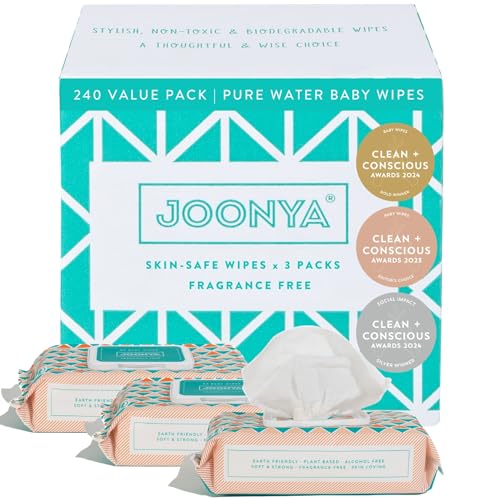
JOONYA hits the sweet spot that many organic wipes miss: thick, textured, and wet enough to handle a full diaper change without needing a second wipe. The 99.7% water base is supplemented with organic aloe vera, chamomile, and jojoba—all ingredients rated low on the EWG Skin Deep scale. At 7.9 x 7.1 inches, these are among the largest wipes tested, giving you more surface area to work with.
The cross-carded texture provides just enough grip to pick up messes without being abrasive, and the FSC 100% certified viscose means the wipe itself is biodegradable. Parents of children with severe eczema consistently report zero flare-ups after months of use, which is the strongest endorsement a sensitive-skin wipe can earn.
The pop-up lid seals well and dispensing is mostly one-handed, though the first wipe can occasionally fail to catch the next sheet. Still, given the ingredient transparency and the “Voted #1 Baby Wipe in the USA” distinction from the I Read Labels For You project, this is the most research-backed pick on the list.
Why it’s great
- Textured surface grips messes without irritation
- Large wipe size reduces per-change usage
- Low EWG ingredient scores across the board
Good to know
- First wipe sometimes doesn’t catch the next sheet
- Premium cost per pack compared to mid-range options
2. Aleva Naturals Bamboo Baby Sensitive Wipes

Aleva Naturals stands out for one specific reason: their bamboo wipes are independently certified to biodegrade in just 21 days under standard composting conditions. That’s three times faster than many competitors that claim “biodegradable” without a specific timeline. The rayon-from-bamboo material is cross-carded, giving it a strength that defies its soft feel.
The ingredient list includes organic shea butter, organic olive oil, aloe vera, and chamomile—a soothing blend that leaves no sticky residue and has zero detectable scent. Multiple reviews from parents of children with reactive skin confirm zero irritation, even after extended use on eczema-prone areas.
The trade-off is that these wipes measure 6.7 x 7.87 inches, which is slightly smaller than the JOONYA option. For heavy diaper messes, you may find yourself reaching for a second or third wipe more often. The individually wrapped 72-count packs also generate more plastic waste than a single bulk package, so consider your disposal preferences.
Why it’s great
- Biodegrades in 21 days—market-leading speed
- Organic shea butter and olive oil soothe without residue
- Cross-carded bamboo fibers are strong yet soft
Good to know
- Slightly smaller wipe size may require more per change
- Individual pack wrappers add plastic waste
3. Molly’s Suds Sensitive Clean Baby Wipes

Molly’s Suds is a trusted name in clean laundry, and their entry into the baby wipe category brings the same ingredient rigor. The formula is 99% water with aloe vera and vitamin E, completely free of alcohol, propylene glycol, synthetic dyes, parabens, and phthalates. The wipes themselves are made from 100% plant-based fibers with no plastic binders.
The 384-count bulk package (six flip-top packs of 64) offers the strongest cost-per-wipe value among the premium-tier options. Users consistently praise the balance of strength and softness—the material doesn’t deform or tear when pulled from the pack, and the moisture level is described as “perfect” without being overly wet.
The only recurring complaint involves dispensing: the wipes do not always catch the next sheet, making one-handed extraction trickier than with some competitors. If you primarily change diapers with both hands free, this is a minor annoyance, but for midnight changes in the dark, it can slow you down.
Why it’s great
- Best per-wipe cost in the premium tier
- 100% plant-based fibers with no plastic
- Trusted brand with clean ingredient philosophy
Good to know
- Wipes don’t always interleave for easy one-hand pull
- Some users report variability in moisture between packs
4. DYPER Newborn Sensitive Baby Wipes
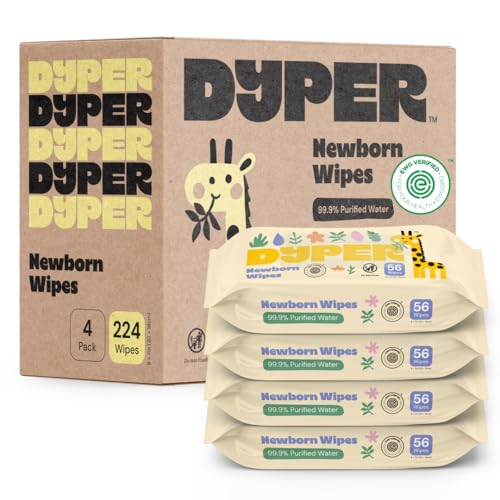
DYPER specifically targets the newborn and preemie demographic, and the formula reflects that focus. With 99.9% water and a short, transparent ingredient list free of alcohol, parabens, chlorine, latex, PVC, TBT, sulphates, and synthetic fragrances, this is one of the purest wipe formulations available. The 100% plant-based bamboo and viscose blend is soft enough for a preemie’s skin.
Users report that this wipe leaves “no redness behind” where other DYPER products (the yellow-pack wipes) sometimes cause irritation. The peel-top access is functional, though not as convenient as a flip-top for one-handed use. The wipe itself is durable and doesn’t tear easily during normal use.
The catch is compostability: DYPER’s wipes are designed to be composted through their proprietary REDYPER program, not through municipal curbside compost bins. If you live in a city with industrial composting (like San Francisco), you still cannot put these in your green bin—they must go to DYPER’s program, which adds a logistical step and potential cost.
Why it’s great
- Highest water content on the list at 99.9%
- Specifically formulated for preemie and newborn skin
- No harsh additives or synthetic binders
Good to know
- Compostable only via REDYPER program, not curbside
- Peel-top seal less convenient than pop-up lids
5. Niki’s Natural Baby Wipes

Niki’s Natural takes a different approach from the 99%-water crowd by using Manuka honey and coconut oil as natural preservatives, allowing them to skip harsh chemical preservatives entirely. The formula is EWG Verified, meaning every ingredient meets their strict health standards. The bamboo-based cloth is biodegradable and soft, with a texture that multiple reviewers describe as “the best wipe they’ve found.”
The biggest differentiator is the scent: while classified as “no added scents,” the Manuka honey and coconut oil combination creates a mild, natural aroma that some parents find pleasant and others find unusually strong at first. The wipes are large and thick, with users reporting one wipe per diaper change in most cases.
The cost per pack is higher than mid-range options, and the four-pack format (62 wipes per pack, 248 total) means less wipe density per dollar than bulk competitors. However, for those specifically seeking the antibacterial and soothing properties of Manuka honey, this is a unique option that no other brand on the list replicates.
Why it’s great
- EWG Verified with unique Manuka honey protection
- Thick, soft, and large—often one wipe per change
- Natural preservatives mean no harsh chemicals
Good to know
- Mild natural honey-coconut scent may not suit all
- Higher cost per wipe than mid-range competitors
6. LILLYDOO Baby Wipes with 99% Water
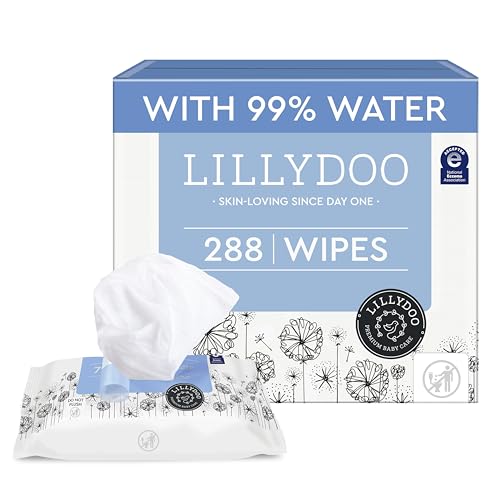
LILLYDOO is the only wipe on this list that is both 100% plastic-free and recognized by the National Eczema Association, a dual certification that matters if your baby has diagnosed eczema or extremely reactive skin. The wipe is made with 99% water and almond extract, and the material is strong enough to tear in half for smaller messes without disintegrating.
Users transitioning from Costco-brand wipes report that LILLYDOO holds up well in comparison, with the added benefit of zero rash development. The resealable lid keeps the 72-count packs moist through the entire use cycle, and the large wipe size means you won’t go through the pack faster than expected.
The main note of caution from longer-term users is that the wipes can stick together when pulling them out—the interleaving isn’t perfect, which makes one-handed extraction a bit of a game. For parents who do the majority of changes on a changing table with two hands, this is negligible, but for diaper bag duty, it’s worth noting.
Why it’s great
- National Eczema Association accepted
- 100% plastic-free wipe material
- Strong fibers won’t tear during normal use
Good to know
- Wipes can stick together; one-hand grab imperfect
- Almond extract means not suitable for nut allergies
7. Kinder by Nature Water-Based Baby Wipes
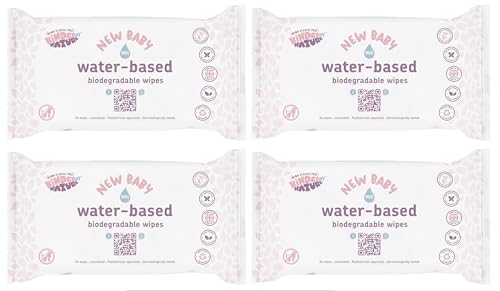
Kinder by Nature delivers a genuine 99% water formula at a budget-friendly entry point, with the remaining 1% made up of plant-derived extracts. The cloth is 100% biodegradable and compostable within 60 days—a slower rate than Aleva’s 21 days but still far better than conventional wet wipes that take decades to break down in landfills. The pack includes four packs of 56 wipes for 224 total.
Users with children on the autism spectrum report no chemical reactions, and the wipes are pediatrician approved. The material is described as thin but durable—it doesn’t tear easily despite feeling lighter than premium competitors. This makes it a solid everyday wipe for parents who prioritize ingredient cleanliness over the thickest possible cloth feel.
The most consistent criticism is that these wipes are not wet enough for heavy diaper messes. Multiple users note that you may need two or three wipes for a cleanup that a wetter wipe would handle in one. The dispensing also suffers from the “sticking together” problem, making one-handed extraction unreliable.
Why it’s great
- Clean 99% water formula at the lowest cost
- 60-day compostable certification
- Pediatrician approved and chemical-free
Good to know
- Drier than average; may need multiple wipes for messy changes
- Wipes frequently stick together, frustrating one-hand use
FAQ
Are “99% water” baby wipes always the safest choice?
How do I know if an organic baby wipe is truly plastic-free?
Why do some organic wipes cause my baby’s skin to feel dry?
Final Thoughts: The Verdict
For most users, the best baby wipes organic winner is the JOONYA Unscented Baby Wipes because it combines the strongest research backing (Voted #1 of 31 brands), the thickest textured wipe, and the cleanest ingredient profile with a large wipe size that reduces per-change usage. If you want the fastest biodegradation and the lightest environmental footprint, grab the Aleva Naturals Bamboo Baby Sensitive Wipes. And for the best cost-per-wipe without sacrificing clean ingredients, nothing beats the Molly’s Suds Sensitive Clean Baby Wipes.