
Biofilms are the invisible fortresses bacteria and yeast build to resist antibiotics, antifungals, and your own immune system. Whether you are dealing with chronic sinus congestion, stubborn SIBO, recurrent UTIs, or systemic Candida, the core problem is often the same: you are fighting the colonies but not the slime matrix that protects them. Without targeted enzymes or herbal disruptors, treatments bounce off the wall while the underlying infection thrives.
I’m Min — the co-founder and writer behind Gadgets Feed. I’ve spent hundreds of hours analyzing the raw enzyme activity, botanical standardization, clinical research, and user-reported outcomes that separate a transient gut cleaner from a true biofilm-busting protocol.
After sorting through seven of the most-discussed formulas on the market, this is the definitive guide to the best biofilm disruptors for anyone ready to target the matrix instead of just the microbe.
How To Choose The Best Biofilm Disruptors
Biofilm disruptors work through two primary mechanisms: enzymatic degradation of the extracellular polymeric substance (EPS) or herbal antagonism of the quorum-sensing signals that hold the biofilm together. The right choice depends on whether you are targeting a gut-specific overgrowth, a systemic Candida issue, or a chronic infection like Lyme. Below are the critical decision points.
Enzyme Potency vs. Herbal Synergy
Enzyme-based formulas like serrapeptase (measured in SPU) and nattokinase (measured in FU) work by digesting the fibrin and glycoprotein matrix of established biofilms. They require an empty stomach and a delayed-release capsule to survive gastric acid. Herbal blends, on the other hand, use standardized essential oils (oregano oil with ≥55% carvacrol, thyme oil with ≥30% thymol) or berberine to interfere with microbial signaling and directly antagonize the colony. A potent herbal formula may cause die-off symptoms faster, while enzymes tend to be more methodical and safer for long-term use.
Phase-1 vs. Phase-2 Biofilm Targeting
Not all biofilms are equal. Early-stage (Phase-1) biofilms are looser and easier to break with broad-spectrum enzymes or essential oils. Advanced (Phase-2) biofilms are denser, more cross-linked, and often require a dedicated formula containing bismuth subnitrate, alpha lipoic acid, or black cumin seed oil. If you have been treating a chronic condition for months with little progress, you likely need a Phase-2 disruptor combined with a prokinetic to flush out the debris.
Delivery Form and Capsule Technology
Enzyme-based disruptors must reach the small intestine intact. Look for enteric-coated or delayed-release capsules that prevent premature release in the acidic stomach. Herbal oil blends benefit from soft-gel encapsulation to mask the intense taste of oregano and clove oils — this also ensures a precise dose per serving. For practitioner-grade formulas, verify that the product is manufactured in a cGMP-certified facility and that each batch is third-party tested for both purity and potency.
Quick Comparison
On smaller screens, swipe sideways to see the full table.
| Model | Category | Best For | Key Spec | Amazon |
|---|---|---|---|---|
| Metagenics CandiBactin‑BR | Berberine Formula | Methane SIBO & Candida | 400 mg Berberine HCl per serving | Amazon |
| Serra-125K Serrapeptase | High Potency Enzyme | Sinus & Scar Tissue | 125,000 SPU per capsule | Amazon |
| Klaire Labs Ther-Biotic InterFase | Multi-Enzyme | Systemic Gut Biofilms | Specialized enzyme blend | Amazon |
| BioMatrix Microb-Defend | Botanical Oil | General Gut Cleanse | ≥80% eugenol from clove | Amazon |
| Biotics Research Dysbiocide | Botanical Synergy | Practitioner-Led Protocols | Proprietary herbal blend | Amazon |
| Priority One Biofilm Phase-2 | Advanced Phase-2 | Stubborn/Advanced Biofilms | Bismuth subnitrate + ALA | Amazon |
| Kirkman Biofilm Defense | Proprietary Enzymes | UTI & Oral Thrush | Lipase, glucoamylase blend | Amazon |
In‑Depth Reviews
1. Metagenics CandiBactin‑BR
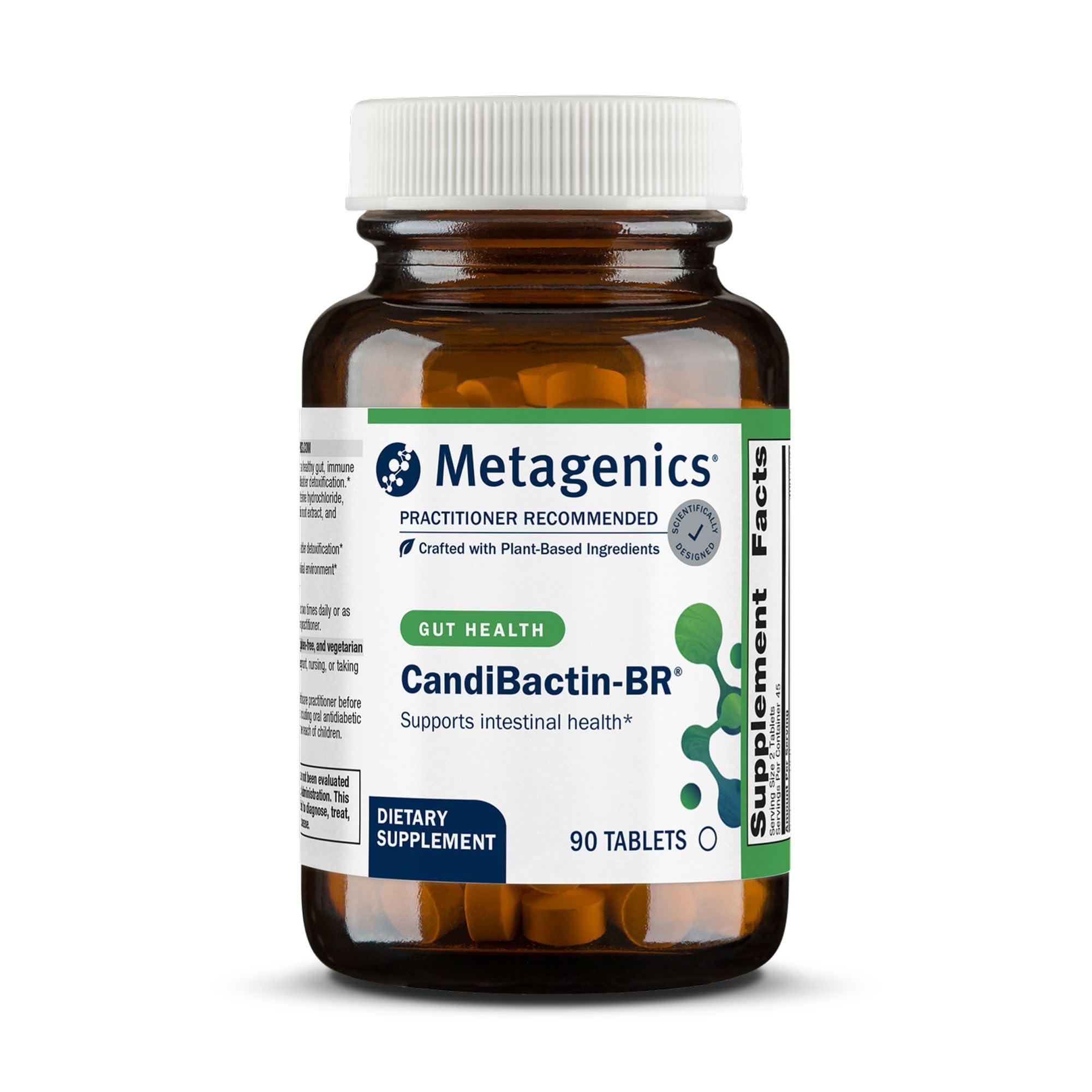
Metagenics CandiBactin‑BR is a practitioner-grade berberine formula that delivers 400 mg of berberine HCl per serving, augmented by Oregon grape and coptis root extracts. Berberine has demonstrated strong anti-biofilm activity in clinical models, particularly against methane-dominant SIBO where it directly inhibits archaea and disrupts the matrix that protects them. The formula also includes skullcap, phellodendron, ginger, licorice, and rhubarb to support detoxification and elimination — a complete gut overhaul in a tablet.
User reports confirm its potency: one reviewer resolved histamine issues and eczema after the initial die-off phase, while another achieved significant SIBO improvement within one week without the gut-flora destruction caused by antibiotics like rifaximin. The die-off reaction — gas, brain fog, and discomfort — is predictable and usually resolves within 12–48 hours. Practitioners often pair it with CandiBactin-AR for hydrogen-dominant cases and recommend a prokinetic afterward to prevent relapse.
The trade-off is the filler profile: the BR formula contains hypromellose and magnesium stearate, which some users with extreme sensitivities prefer to avoid. It is also a premium product, commanding a higher price than basic enzyme formulas. For anyone serious about methane SIBO or systemic Candida, however, the clinical track record of Metagenics — a brand trusted by doctors for over 40 years — justifies the investment.
Why it’s great
- Clinically relevant 400 mg berberine HCl per dose for proven anti-biofilm activity.
- Botanical synergy with Oregon grape and coptis root enhances antimicrobial effect.
- Trusted by healthcare practitioners with 40+ years of research-backed formulations.
Good to know
- Fillers like hypromellose may irritate extremely sensitive GI tracts.
- Premium price point compared to over-the-counter enzyme alternatives.
2. Serra-125K Serrapeptase
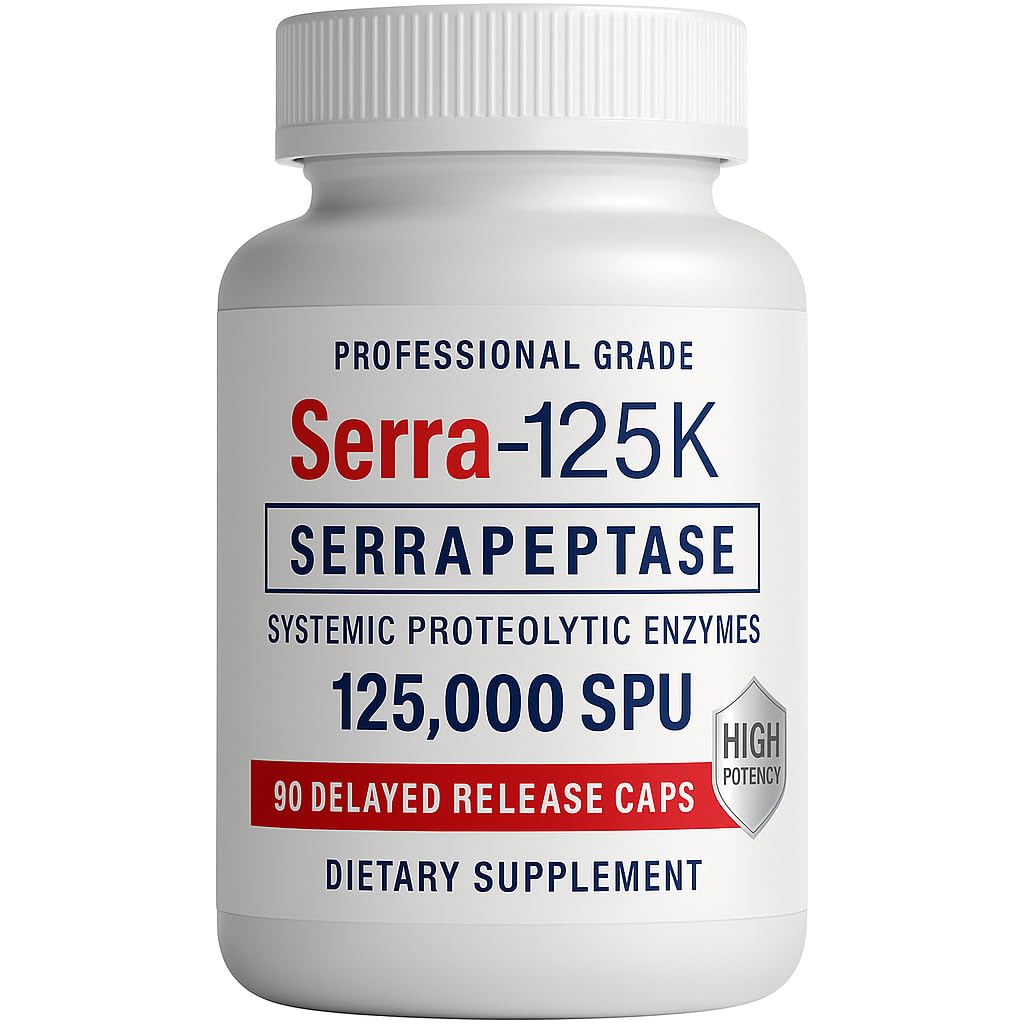
The Serra-125K delivers an industry-leading 125,000 SPU of serrapeptase per capsule — a proteolytic enzyme derived from the silkworm that specifically digests non-living tissue, fibrin, and biofilm scaffolding. The delayed-release capsule ensures the enzyme survives stomach acid and activates in the small intestine, where most biofilms form. For sinus congestion, knee crunching from old injuries, and scar tissue dissolution, this is the most cost-effective high-potency option on the market.
Real-world feedback is consistent: users report reduced chronic sinusitis and snoring over two months, dissolution of scar tissue from old hamstring injuries, and even a reduction in fibroid size (from 10 cm to 8 cm over six months). A key caution — serrapeptase is a potent blood thinner. One reviewer with a history of DVT saw their leg pattern resolve, but another experienced prolonged bleeding from a small cut. Pairing it with nattokinase amplifies the biofilm-busting effect but also increases bleeding risk.
At roughly 90 capsules per bottle, this is a 45- to 90-day supply depending on dosing (one or two capsules daily). The iEnzymes brand manufactures in a certified facility with third-party testing for purity and potency. If your primary goal is dissolving stubborn sinus mucus or old internal scar tissue rather than treating a gut infection, this is the disruptor to start with.
Why it’s great
- Extremely high 125,000 SPU potency for aggressive fibrin digestion.
- Delayed-release technology protects the enzyme through the stomach.
- Affordable per-dose cost for a 90-capsule supply.
Good to know
- Significant blood-thinning effect — use caution with anticoagulants.
- Must be taken on an empty stomach for optimal absorption.
3. Klaire Labs Ther-Biotic InterFase

Klaire Labs Ther-Biotic InterFase is the multi-enzyme formula that defined the modern biofilm disruption category. Developed using in vitro testing, it uses a specialized blend of super-digestive enzymes — including cellulase, hemicellulase, and beta-glucanase — that degrade the sugar and protein matrix of bacterial and yeast biofilms. For Lyme disease patients and those with systemic fungal overgrowth, this is frequently the tool that finally breaks through when single-enzyme approaches fail.
User reports describe intense but productive die-off. One reviewer with breast implant capsular contracture saw complete resolution after weeks of use, while a severe Candida sufferer found that antifungals were useless until InterFase was added. The formula is easy on the stomach for most, though a small subset experiences constipation, particularly those with SIBO who may not need enzyme-based disruption. The regular InterFase version is preferred over the Plus (which contains EDTA) because EDTA can chelate minerals and cause reactions in heavy-metal-sensitive individuals.
The major criticism comes from a SIBO-focused reviewer who argues that the evidence for intestinal biofilm degradation is limited to in vitro lab tests — not human or animal studies. This is a fair point for anyone with SIBO who may be better served by berberine or botanical oils. For Lyme, Candida, and stubborn gut dysbiosis that has resisted other protocols, however, InterFase remains the gold standard among healthcare practitioners.
Why it’s great
- Broad-spectrum enzyme blend targets both sugar and protein biofilm components.
- Long track record of success for Lyme and systemic Candida patients.
- Two versions (regular and Plus) allow EDTA-free usage for mineral-sensitive users.
Good to know
- Some evidence is in vitro only; may not be optimal for SIBO.
- Can cause intense die-off including joint pain and swelling.
4. BioMatrix Microb-Defend
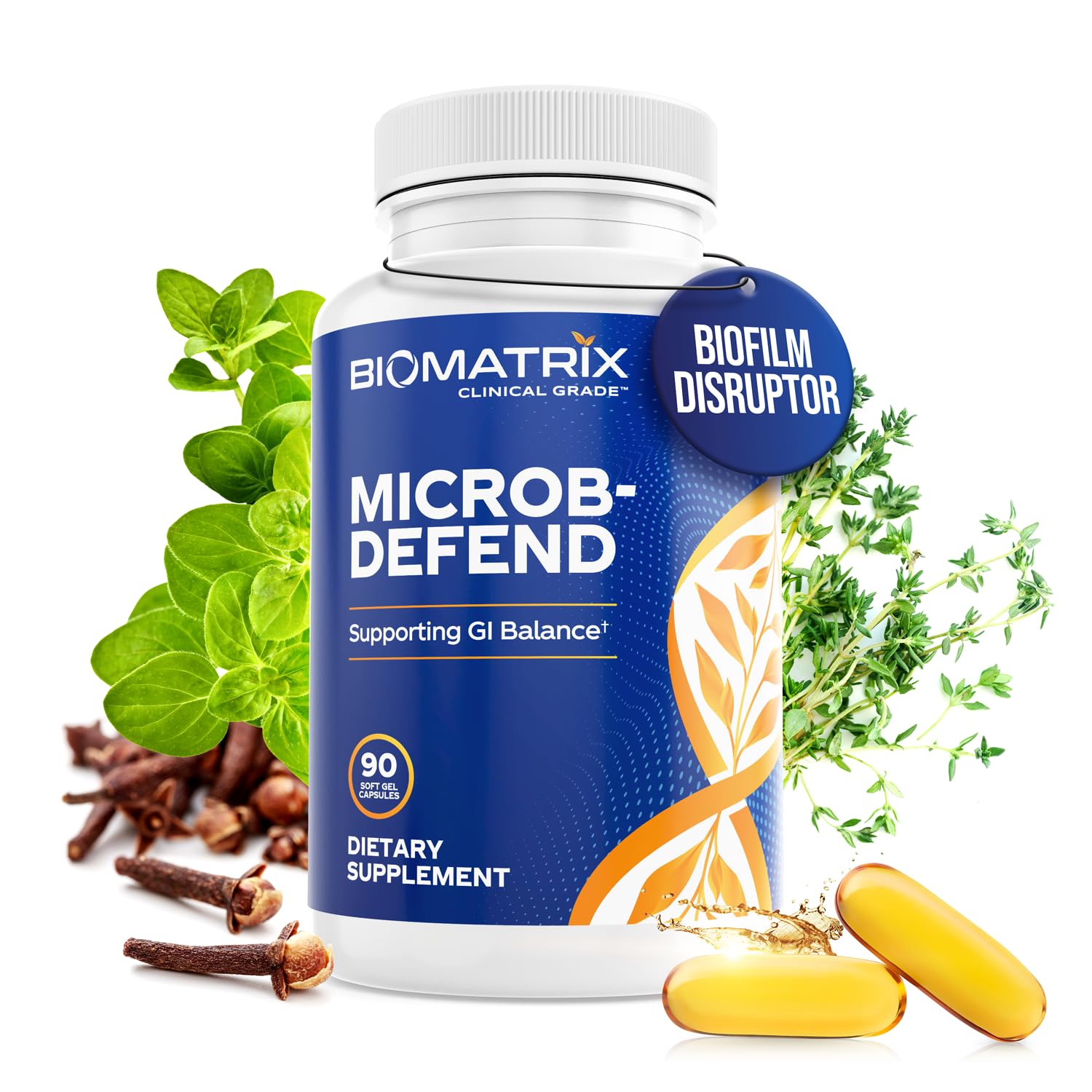
BioMatrix Microb-Defend takes a different approach: instead of digesting the biofilm enzymatically, it uses a standardized trio of essential oils — oregano (≥55% carvacrol), thyme (≥30% thymol), and clove (≥80% eugenol) — to penetrate the matrix and directly antagonize the microbial colonies inside. Each soft-gel delivers clinically relevant levels of these bioactive compounds without the burning sensation of liquid oregano oil.
User feedback highlights its surprising versatility. One reviewer saw deep, persistent acne resolve within one month at three pills per day, with no recurrence after two months. Another reported significant reduction in bloating and normalized bowel movements, plus a notable deodorizing effect on the gut. The die-off reaction is mild — a bit of morning diarrhea that resolves quickly — making it accessible for those who cannot tolerate the herxheimer reaction of enzyme-based formulas.
The main downside is that essential oils can cause nausea in sensitive individuals, especially oregano oil. One reviewer reported feeling slightly sick from the oregano content, though this is less common with the soft-gel format than liquid. For a general gut cleanse, seasonal immune support, or a first foray into biofilm disruption without the intensity of prescription-grade enzymes, Microb-Defend is an excellent entry point.
Why it’s great
- Standardized potencies of carvacrol, thymol, and eugenol for reliable dosing.
- Soft-gel format eliminates the harsh taste of liquid oregano oil.
- Mild die-off reaction suitable for beginners to biofilm protocols.
Good to know
- Oregano oil can cause nausea in sensitive individuals.
- Not as targeted for advanced/biofilm-resistant cases as enzyme blends.
5. Biotics Research Dysbiocide

Biotics Research Dysbiocide is a proprietary herbal blend designed to eradicate non-commensal flora while simultaneously supporting the repair of damaged intestinal tissue. It is most commonly used in practitioner-led protocols — often paired with FC-Cidal — for SIBO and chronic gut dysbiosis. The formula includes berberine-containing herbs, caprylic acid, and plant-derived antimicrobials that work synergistically to dismantle biofilms and suppress regrowth.
User reports are striking: one reviewer resolved month-long diarrhea after multiple doctor visits failed, avoiding a steroid recommendation within four months of starting a Dysbiocide-based protocol. Another with SIBO saw resolution within four days, successfully eating high-FODMAP foods without the gas and bloating that had plagued them after Xifaxan failed. The die-off is real — fatigue, insomnia, brain fog, and sinus issues — but users consistently describe it as productive and temporary.
The only caveat is that Dysbiocide is designed as part of a comprehensive protocol, not as a standalone supplement. Users often combine it with a probiotic like Probiophage and a prokinetic for best results. It also contains wormwood, which some practitioners recommend cycling to avoid long-term use. If you are working with a functional medicine doctor or naturopath, Dysbiocide should be high on your list.
Why it’s great
- Synergistic blend targets multiple antimicrobial pathways for comprehensive coverage.
- Includes tissue-repairing herbs to heal gut lining after dysbiosis.
- Proven effectiveness for antibiotic-resistant SIBO in user reports.
Good to know
- Best results require pairing with FC-Cidal or other protocol elements.
- Contains wormwood which should not be taken indefinitely.
6. Priority One Biofilm Phase-2

Dr. Paul S. Anderson formulated Priority One Biofilm Phase-2 specifically for advanced biofilms — the dense, cross-linked matrices that form after months or years of chronic infection. The formula combines bismuth subnitrate (which binds to the biofilm and creates a toxic environment for microbes), alpha lipoic acid (a potent antioxidant that penetrates biofilm layers), and black cumin seed oil (thymoquinone, which disrupts quorum sensing). This is not a maintenance supplement; it is a tactical strike for Phase-2 resistance.
User reports describe visceral reactions. One reviewer felt a “hugged” sensation through their organs for hours after just four capsules over three days, followed by the expulsion of biofilm layers with castor oil the next morning. Another with autoimmune disease and chronic C. diff reported feeling better than they had in eight years after one week — a result their doctors dismissed as impossible. The intensity is not for everyone: one user warns to limit use to three or four weeks at a time and to pay close attention to your body’s response.
The biggest limitation is that this product is niche. It is expensive and is best suited for patients who have already tried enzyme-based disruptors (like InterFase) without full resolution. If you have a diagnosed advanced biofilm infection — from Lyme, chronic pyelonephritis, or treatment-resistant SIBO — this may be the tool that finally breaks the cycle. For general gut health maintenance, it is overkill.
Why it’s great
- Specifically formulated for tough, Phase-2 biofilms through multiple mechanisms.
- Formulated by a respected physician with deep clinical experience in infection.
- User reports describe dramatic, fast-acting results for chronic cases.
Good to know
- Very intense — not suitable for beginners or long-term maintenance.
- High per-bottle cost for a 30-day supply.
7. Kirkman Biofilm Defense

Kirkman Biofilm Defense stands apart by using a proprietary enzyme blend that includes lipase and glucoamylase alongside cellulase — enzymes that specifically dissolve the sugar and fibrin components of biofilms without the harsh protease that can irritate a sensitive GI tract. This makes it one of the few biofilm disruptors safe for children aged four years and older. It is also free of common allergens: no dairy, eggs, fish, shellfish, tree nuts, peanuts, wheat, soy, or sesame.
User reports highlight its surprising effectiveness for chronic UTIs. One woman who suffered 4–5 UTIs in a single year achieved 82 days infection-free after a two-week course of Biofilm Defense. Another with a bloody UTI reported instant relief — the razor-blade pain stopped within two urinations. For oral thrush, a user with tongue biofilm noticed results within days of taking four capsules daily on an empty stomach. The main caution is that the enzyme blend can cause gastrointestinal burning and mucus discharge if overused; one user advises limiting use to avoid damaging the intestinal lining.
While effective, Kirkman Biofilm Defense is expensive for the quantity — 60 capsules at a mid-range price point. It works best on an empty stomach, and some users experience nausea or vomiting on the first few doses. Despite this, its unique gentle-but-effective enzyme profile makes it the best choice for UTI-prone individuals and for parents looking for a disruptor safe for older children.
Why it’s great
- Gentle enzyme profile (no protease) safe for sensitive GI tracts and children 4+.
- Remarkable user-reported success for chronic and acute UTIs.
- Hypoallergenic — free of the top 8 allergens.
Good to know
- Expensive per-capsule cost compared to enzyme alternatives.
- Can cause nausea, vomiting, or GI burning if not taken correctly.
FAQ
Can I take biofilm disruptors with antibiotics or antifungals?
How do I manage die-off or herxheimer reactions?
Should I take biofilm disruptors on an empty stomach?
Final Thoughts: The Verdict
For most users, the best biofilm disruptors winner is the Serra-125K Serrapeptase because it delivers the highest enzyme potency at the most accessible price point, making it the ideal first-line disruptor for sinus congestion, scar tissue, and general gut biofilm issues. If you want targeted methane SIBO or Candida support, grab the Metagenics CandiBactin‑BR with its clinically proven berberine dose. And for advanced, treatment-resistant biofilms that have frustrated every other protocol, nothing beats the Priority One Biofilm Phase-2 — a heavy hitter best reserved for the toughest cases under practitioner guidance.