
Cold, wet feet after ten minutes in the slush is the fastest way to ruin a winter walk, a day of shoveling, or a weekend trip. The problem isn’t the snow itself — it’s boots that lack real waterproofing, lose their insulation when damp, or skid across ice like hockey pucks.
I’m Min — the co-founder and writer behind Gadgets Feed. I’ve spent years analyzing winter footwear specs, comparing insulation thickness, rubber quality, and sole lug depth across dozens of brands to separate actual cold-weather protection from marketing fluff. (And Homer 🐱 inspected each photo shoot, pawing the rubber treads with cold disdain.)
This guide breaks down seven real-world performers, from neoprene-lined rain-and-mud boots to full-on insulated snow stompers, so you can find a pair that keeps you dry, warm, and stable all season. After careful analysis, this is the definitive list of the best boots for snow for men.
How To Choose The Best Boots For Snow For Men
Not every winter boot is built for actual snow. Many “winter boots” rely on a bit of fleece lining and a thin rubber coating, which is fine for a dry sidewalk but useless after ten minutes in wet snow. The boots that earn their place on this list share three non-negotiable traits: genuine waterproof construction, insulation that works when damp, and a sole that bites into ice and hardpack.
Waterproofing: Rubber vs. Membrane
A fully rubber shell — like the neoprene-and-rubber construction on muck-style boots — is the gold standard for wet snow because there is no membrane to fail. Boots that rely on a waterproof membrane (Omni-Tech, Gore-Tex) are lighter and more flexible, but the upper fabric can saturate if you’re in deep slush for hours. For heavy wet snow or standing water, choose a rubber boot. For dry powder and packed snow, a membrane boot is more comfortable for walking.
Insulation: Weight and Type
Insulation is measured in grams (g) for synthetic fills like 200g or 400g, or in millimeters for neoprene. For casual wear and moderate cold (20°F to freezing), 200g synthetic or 5mm neoprene is sufficient. For sub-zero temperatures (0°F and below), look for 400g+ insulation or thick removable felt liners. Neoprene has a key advantage: it insulates even when wet, while synthetic fills lose warmth if the outer shell leaks.
Traction and Sole Design
A snow boot’s sole is defined by lug depth, rubber compound, and tread pattern. Deep, widely spaced lugs (5mm or more) shed snow and mud so the sole stays clear. Softer rubber compounds provide better grip on ice but wear faster on pavement. Look for branded outsoles like Omni-Grip or Vibram Arctic Grip if you regularly walk on glare ice. Avoid flat, tightly spaced treads — they pack with snow and turn into slicks.
Quick Comparison
On smaller screens, swipe sideways to see the full table.
| Model | Category | Best For | Key Spec | Amazon |
|---|---|---|---|---|
| Columbia Bugaboot III | Insulated Hiking Boot | Deep snow and sub-zero temps | 200g insulation, Omni-Grip outsole | Amazon |
| Columbia Expeditionist Shield | Lightweight Winter Hiker | Daily wear and moderate snow | Omni-Tech membrane, 200g insulation | Amazon |
| Kamik Men’s Forester | Heavy-Duty Felt Liner | Extreme cold and farm work | Removable felt liner, rubber shell | Amazon |
| Trudave Rubber Boots | Neoprene Muck Boot | Wet snow and slush | 6mm neoprene, steel shank | Amazon |
| Kalkal Rubber Boots | Neoprene Rain Boot | Mild snow and muddy trails | 6mm neoprene, slip-resistant sole | Amazon |
| XPETI Crest Thermo | Water-Resistant Hiker | Dry snow and light slush | All-rubber construction | Amazon |
| Men’s Waterproof Rubber Muck Boots | Entry-Level Muck Boot | Yard work and light snow | Neoprene upper, rubber lower | Amazon |
In‑Depth Reviews
1. Columbia Men’s Bugaboot III

The Columbia Bugaboot III is a benchmark for serious winter boots, combining a fully waterproof Omni-Tech membrane with 200g of synthetic insulation that keeps feet warm well below freezing. The Techlite midsole adds hiking-boot-level comfort, and the Omni-Grip outsole with deep, aggressive lugs delivers excellent traction on packed snow and ice. Multiple verified reviews confirm it holds up in sub-zero temps and deep snow, with owners reporting dry feet after hours outside.
A common thread across feedback is that the Bugaboot runs small and narrow in the toe box. Users consistently recommend going up half a size or choosing the wide option, especially if you plan to wear thick wool socks. The lace-up closure provides good ankle support, but a few reviewers note the top lacks lace hooks for a truly snug fit around the calf.
For anyone facing regular snow, freezing rain, or extended time outdoors in winter, the Bugaboot III delivers the full package: reliable waterproofing, genuine insulation, and a sole that doesn’t slip. It’s lightweight for its class and pairs well with both casual wear and outdoor gear.
Why it’s great
- Proven waterproof membrane keeps feet dry in deep snow and slush
- Omni-Grip outsole provides reliable traction on ice and hardpack
- Comfortable Techlite midsole for all-day wear
Good to know
- Runs small; order at least half a size up for thick socks
- Toe box is narrow for wider feet
- Lacks lace hooks at the top for a custom calf fit
2. Columbia Men’s Expeditionist Shield

The Expeditionist Shield is Columbia’s answer for those who want a warm, waterproof boot that feels more like a hiking shoe than a clunky winter boot. It uses an Omni-Tech waterproof membrane and 200g insulation, with a design that prioritizes walking comfort and a natural ground feel. Verified buyers consistently highlight how lightweight it is, with several calling it their “daily driver” for everything from morning commutes to weekend snowy hikes.
Feedback reveals two consistent issues: the boot runs half a size small, so sizing up is mandatory for thicker socks, and the aggressive tread tends to track snow and salt indoors, leaving mess on floors. A few reviewers also note the insole is thin and worth replacing for longer days. On the plus side, users report it stays dry in heavy snow, dries quickly if the exterior gets wet, and breathes well enough to avoid sweaty feet.
This is the best choice for moderate climates or anyone who spends most of their time on packed snow and salted sidewalks rather than deep powder. The weight savings and comfort make it easy to wear all day without fatigue.
Why it’s great
- Lightweight build with excellent walking comfort and ground feel
- Dries quickly after exposure to wet snow
- Breathable membrane reduces sweat build-up inside
Good to know
- Runs half a size small; order up
- Aggressive tread tracks snow and salt indoors
- Thin insole may need replacing for all-day wear
3. Kamik Men’s Forester
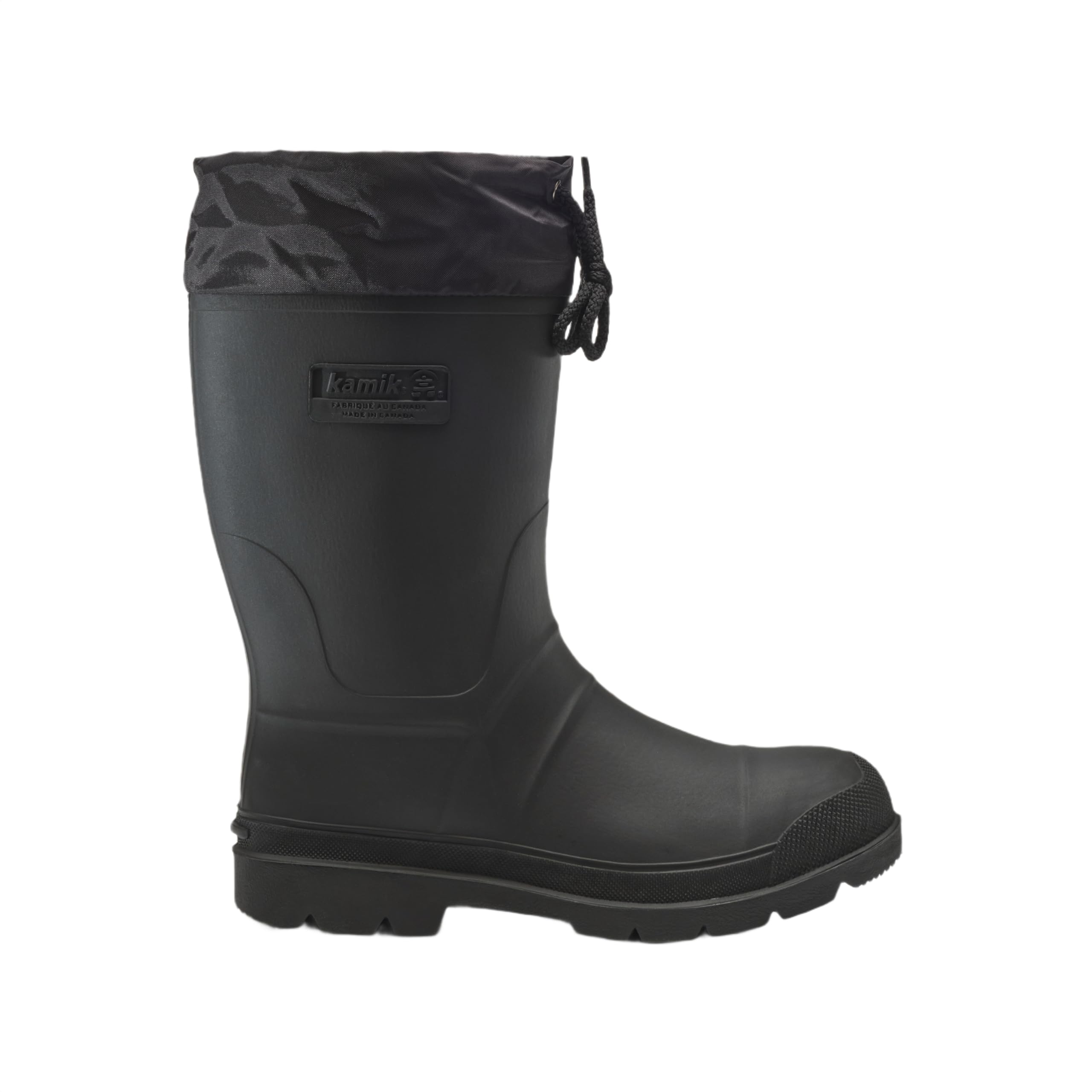
The Kamik Forester is a classic, heavy-duty winter boot built around a thick removable felt liner and a full rubber shell. This construction is unmatched for extreme cold: the felt liner traps air exceptionally well, and the rubber exterior ensures zero water penetration. Verified owners report wearing these boots comfortably in negative temperatures with no need for socks, and many mention they have owned previous pairs for five years or more before replacing them.
The trade-off is weight and initial stiffness. Multiple reviewers note the boots feel heavy compared to modern hiking-style winter boots, and the liner can feel tight or awkward during the first few wears until it conforms to your foot. Additionally, the boots are sized generously for width — one user with 4E width had to size up a full length — and the cinch-top closure is praised for sealing out snow and water effectively.
If your winter involves farm chores, deep snow shoveling, or hours standing in sub-zero conditions, the Kamik Forester is a proven workhorse. The removable liner also lets you dry it out overnight, extending the boot’s lifespan significantly.
Why it’s great
- Thick removable felt liner offers exceptional warmth in sub-zero temps
- Full rubber shell is completely waterproof
- Cinch-top closure prevents snow from entering the boot
Good to know
- Heavier than modern winter hikers
- Liner requires a break-in period for comfort
- Runs large for wide feet; check sizing chart carefully
4. Trudave Rubber Boots for Men & Women
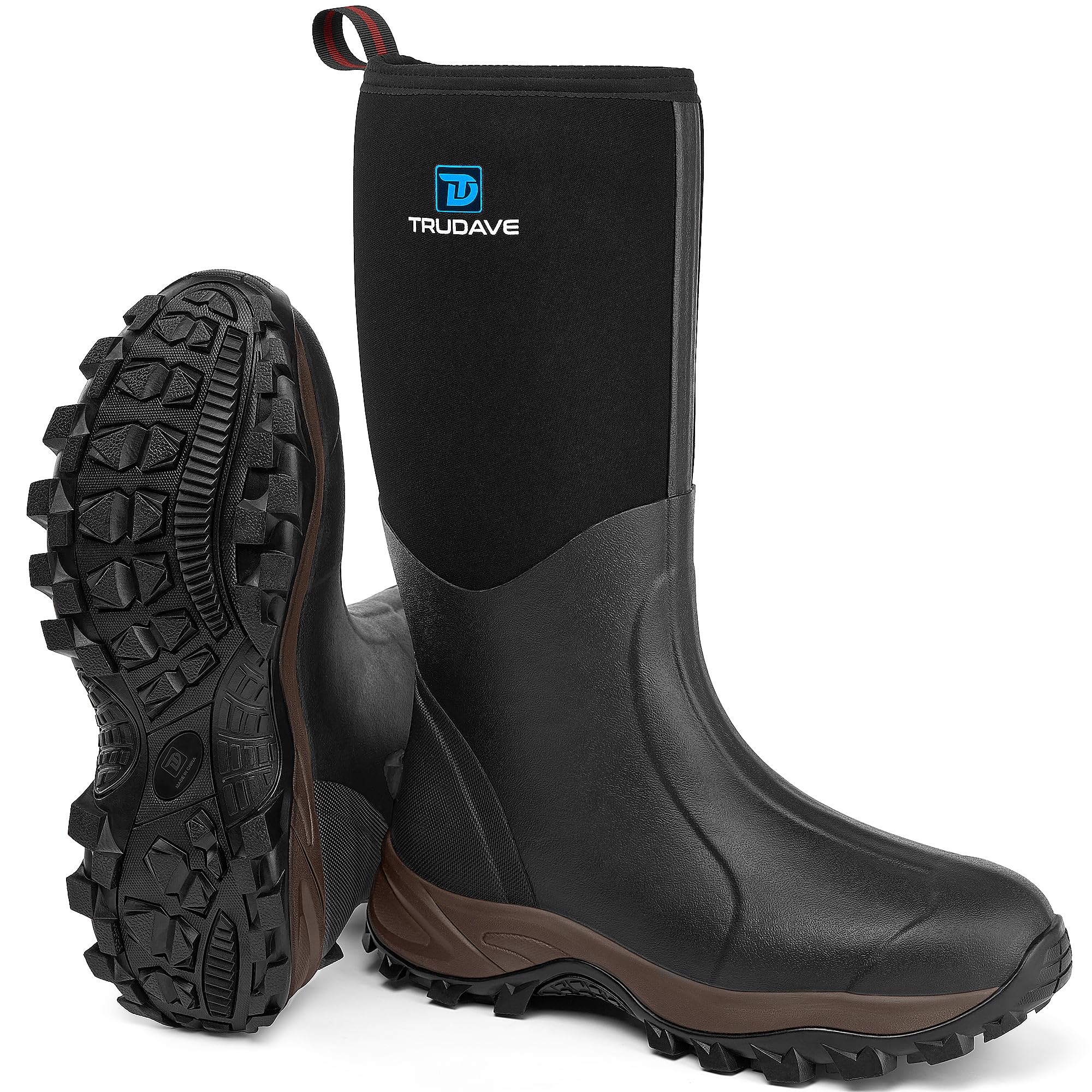
The Trudave boots are a versatile neoprene-and-rubber design that excels in wet snow, mud, and slush. The 6mm neoprene upper provides solid insulation without the bulk of synthetic fills, and the steel shank adds structural support for long days on your feet. Verified reviewers praise the deep tread pattern, which sheds mud and snow effectively and provides confident grip on slick surfaces. One user reported wearing them for 12-14 hour days with no foot pain and dry feet throughout.
Where these boots differ from the Kalkal option is the presence of the steel shank, which makes them better suited for rough terrain and heavy work. However, the insulation is not as warm as a dedicated winter boot like the Kamik or Bugaboot — users in extreme cold (-20°F) report needing thick socks, while others in milder climates find them perfect. A few reviewers mention a mild odor developing after extended use, common with neoprene boots.
For anyone who works outdoors, walks through deep slush, or needs a boot that transitions seamlessly from fall through spring, the Trudave offers a compelling mid-range package with excellent traction and durability.
Why it’s great
- Steel shank provides support for rough terrain and long days
- Deep, self-cleaning tread excels in mud and slush
- 6mm neoprene insulates without overheating in moderate temps
Good to know
- Less insulated than dedicated winter boots; needs thick socks in extreme cold
- Can develop odor with heavy use
- Top edge may feel stiff when folded down
5. Kalkal Rubber Boots for Men
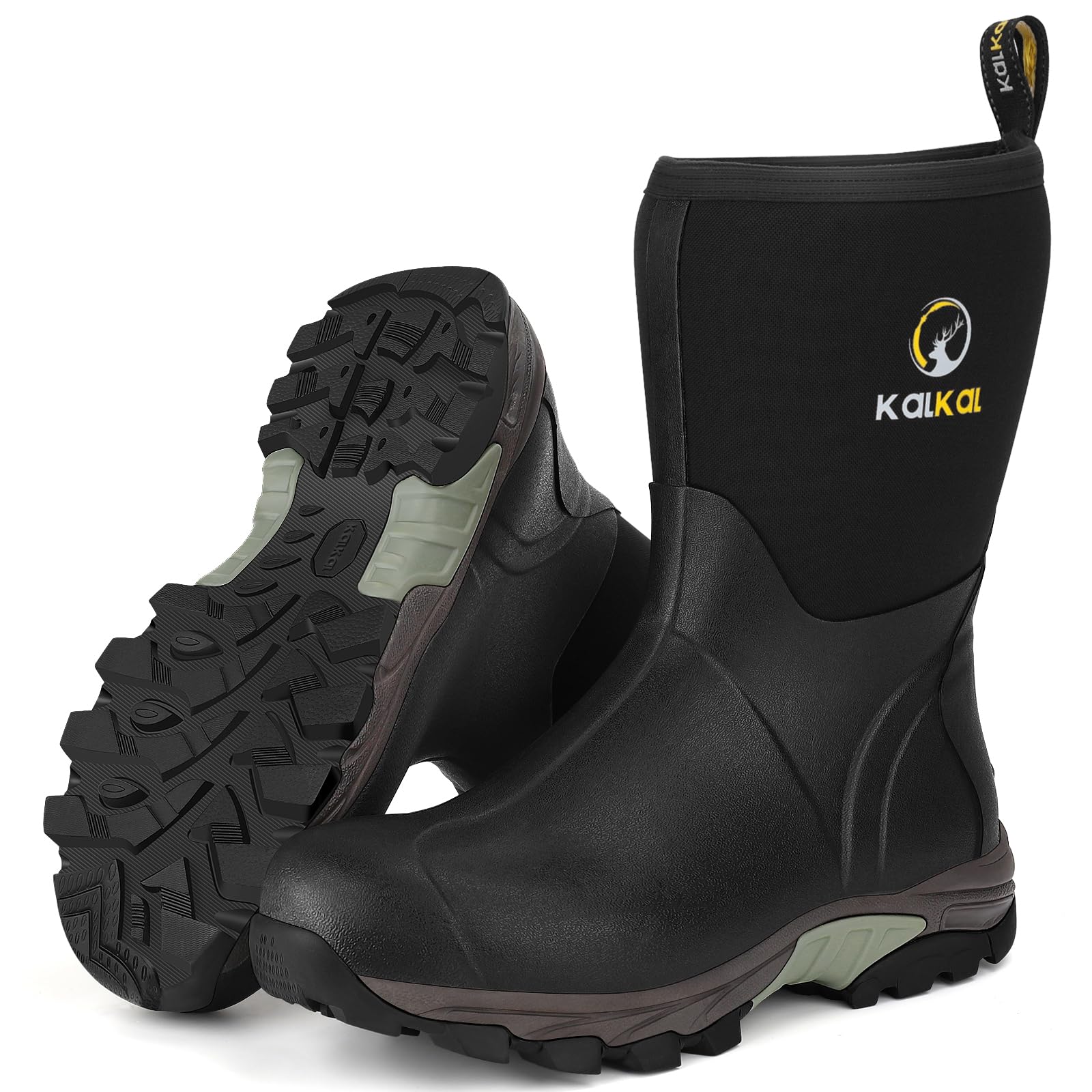
The Kalkal Rubber Boots are a straightforward neoprene-insulated muck boot designed for wet conditions, from rain and mud to light snow. The 6mm neoprene upper provides insulation that works even when damp, and the slip-resistant rubber sole offers dependable traction on slick ground. Verified buyers consistently emphasize the comfort and secure fit, with several users noting the boots are excellent for metal detecting, fishing, and yard work in temps ranging from 25°F to 70°F.
These are not built for extreme cold or deep snow — they are a mid-calf boot with moderate insulation, best suited for slushy sidewalks, muddy trails, and shallow snow. One reviewer with wide feet found them roomy and comfortable, and the sizing advice is to go down slightly if you want a snug fit without thick socks, or buy your exact size for layering. A single point of concern: the insoles wore out after months of heavy use, and replacements are not sold separately.
For the price, the Kalkal delivers reliable waterproofing and comfortable walking feel for anyone who spends time in wet, moderately cold conditions without needing heavy insulation.
Why it’s great
- Comfortable, secure fit with good ankle security
- Slip-resistant sole works well on wet and greasy surfaces
- Neoprene insulates even when damp
Good to know
- Not insulated enough for sub-freezing deep snow
- Insoles may wear out faster than the boot itself
- Mid-calf height limits protection in deep powder
6. XPETI Men’s Crest Thermo High-Top Winter Hiking Boots
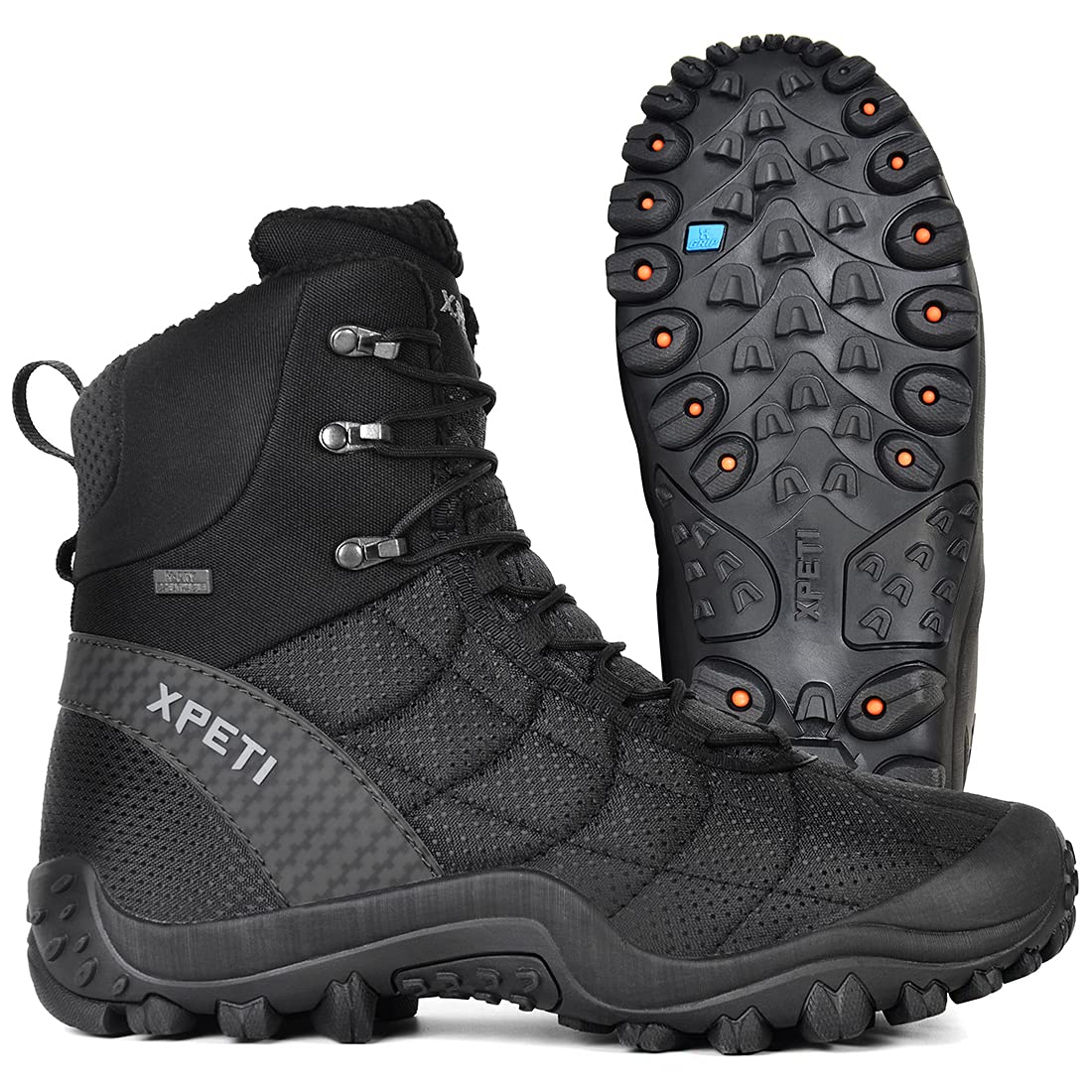
The XPETI Crest Thermo brings a sleek, modern aesthetic to the winter boot category, using all-rubber construction that is flexible, easy to clean, and offers good weather protection. Verified buyers like the comfortable fit with no break-in required, the excellent ankle support, and the solid grip on icy grass and mud. The boots are impressively lightweight for their height, making them a good option for casual winter walks and light outdoor work.
The primary limitation is water resistance rather than full waterproofing. Several reviewers note that while the boots handle dry snow well, moisture can seep through around the lace area after extended exposure to wet snow or slush. One user found that snow melting on the top of the foot eventually soaked through, which makes these a poor choice for heavy wet snow or standing water. Additionally, the bottom lace hook can rub against the ankle bone when bending, causing discomfort over time.
For dry snow, cold weather, and a modern look that works for both daily wear and light trails, the XPETI Crest Thermo offers a solid balance of comfort and style — just keep them away from deep slush.
Why it’s great
- Sleek, modern design that pairs well with casual wear
- Lightweight and comfortable with no break-in needed
- Good ankle support and traction on icy surfaces
Good to know
- Not fully waterproof; moisture can seep through lace area
- Bottom lace hook may rub ankle bone when bending
- Not suitable for deep slush or wet snow
7. Men’s Waterproof Rubber Muck Boots
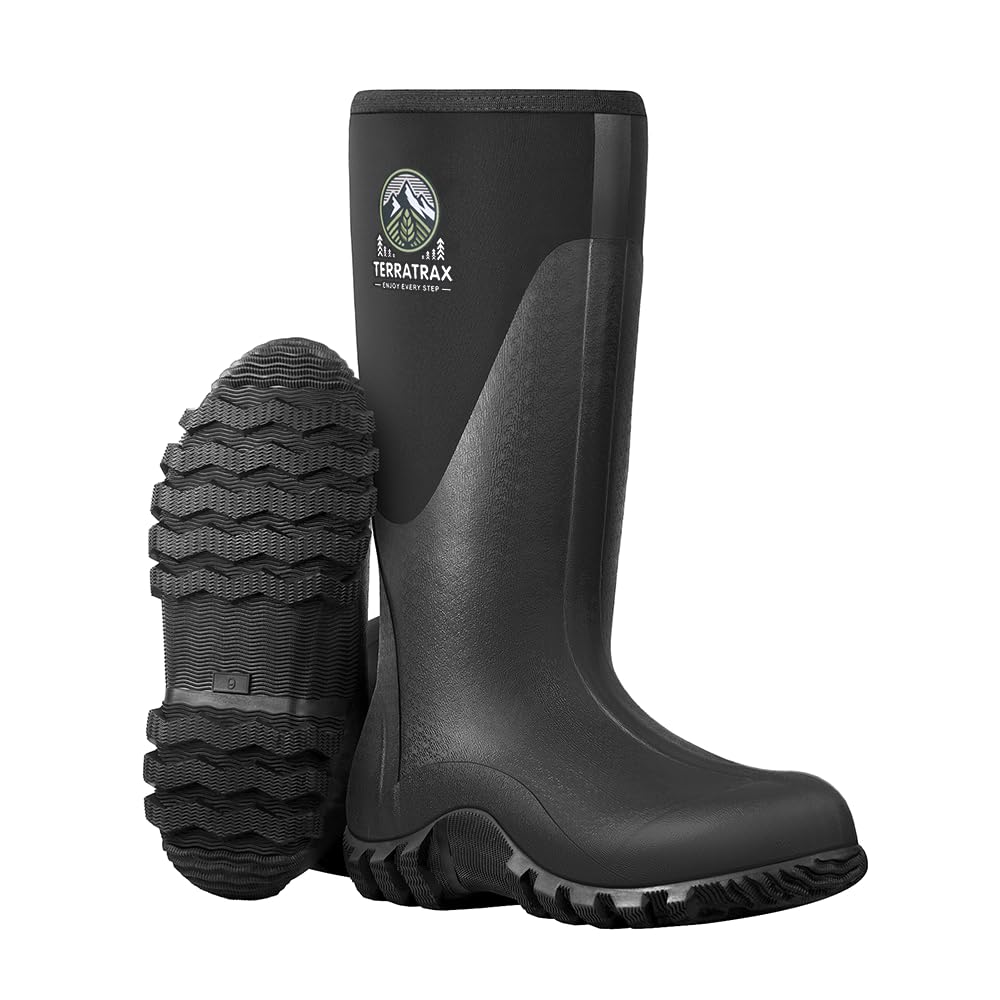
These entry-level muck boots offer a no-frills approach to wet conditions: a neoprene upper for flexibility and insulation, bonded to a rubber lower shell for waterproofing. Verified buyers are largely positive, describing them as comfortable straight out of the box, true to size, and effective at keeping feet dry during yard work, fishing, and light snow. The traction is noted as excellent on wet and muddy surfaces, and the boots are lightweight enough for all-day wear.
The main trade-off is warmth. Multiple reviews state that while the boots keep feet dry, the insulation is thinner than expected, and they do not perform well in cold temperatures. One buyer said “not as warm as I thought they would be,” which is a common refrain. These are best suited for mild winter conditions (above freezing) where wetness is the primary concern, not bitter cold. They also lack the steel shank or heavy-duty features of the Trudave or Kamik options.
For budget-conscious buyers who need a basic waterproof boot for mud, rain, and light snow without expecting sub-zero warmth, this pair delivers reliable dryness at a low investment.
Why it’s great
- Comfortable and true to size right out of the box
- Good traction on wet and muddy surfaces
- Lightweight and easy to clean
Good to know
- Insulation is thin; not suitable for cold temperatures
- Lacks steel shank for rough terrain support
- Best for mild, wet conditions rather than deep winter snow
FAQ
How much insulation do I need for boots used in snow?
Are rubber boots or leather boots better for snow?
Final Thoughts: The Verdict
For most users, the boots for snow for men winner is the Columbia Bugaboot III because it combines reliable waterproofing, genuine 200g insulation, and excellent Omni-Grip traction in a package that works for daily wear and serious snow alike. If you want a lightweight boot for moderate snow and sidewalks, grab the Columbia Expeditionist Shield. And for extreme cold or farm work where deep snow and sub-zero temps are routine, nothing beats the Kamik Forester with its removable felt liner and bombproof rubber shell.