
Shooting apparel for an online store or portfolio presents a specific challenge: the camera must render black fabric as deep black, not muddy gray, and capture the fine weave of linen or the sheen of silk without blowing out the highlights. A camera that falters on texture reproduction or auto white balance will make every garment look flat, costing you sales and forcing hours of post-processing correction.
I’m Min — the co-founder and writer behind Gadgets Feed. For this guide, I analyzed over 30 camera bodies and their real-world performance in color science, dynamic range, and lens ecosystem suitability specifically for clothing photography, comparing technical specifications across the to range to match a camera to the fabric you shoot.
Whether you photograph vintage denim, activewear, or couture, choosing the right tool prevents costly reshoots and editing time. This guide breaks down the best camera for clothing photography by focusing on resolution, autofocus accuracy, and color fidelity that matter most to product and fashion shooters.
How To Choose The Best Camera For Clothing Photography
The best camera for clothing photography delivers accurate color reproduction, high dynamic range to retain fabric fold detail, and a lens system that lets you control depth of field. Here are the specific specs you need to evaluate.
Sensor Size and Resolution
A full-frame sensor (35.6 x 23.8 mm or larger) captures more light per pixel, yielding smoother tonal gradations on solid-color garments like a white dress or black jacket. Resolution above 24 megapixels allows you to crop into stitching or tag details without losing sharpness. Micro Four Thirds sensors offer portability but require precise lighting to avoid noise in shadow areas of dark fabrics.
Color Science and White Balance
Camera brands encode color differently. Canon’s color profile tends to produce warm, pleasing skin tones, beneficial when shooting models. Sony and Nikon offer neutral profiles with high editability, useful when you need consistent brand colors across a catalog. A camera with a custom white balance preset and Kelvin adjustment lets you neutralize studio LED or strobe lighting accurately.
Lens Compatibility and Macro Capability
For clothing photography, a macro lens (60mm or 100mm) lets you capture thread count, zipper teeth, and button textures. A 50mm f/1.8 prime provides a natural field of view for flat lays, while a 24-70mm f/2.8 zoom offers flexibility for mannequin and model shots. Ensure your chosen body has access to a robust native lens lineup or reliable third-party adapter support.
Quick Comparison
On smaller screens, swipe sideways to see the full table.
| Model | Category | Best For | Key Spec | Amazon |
|---|---|---|---|---|
| Canon EOS R5 | Premium Mirrorless | High-res catalog work | 45 MP Full-Frame | Amazon |
| Sony a7 III | Full-Frame Mirrorless | Balanced value & performance | 24.2 MP BSI Full-Frame | Amazon |
| Nikon Z6 III | Full-Frame Mirrorless | Low-light fabric detail | 6K/60p Internal RAW | Amazon |
| Canon EOS 5D Mark IV | DSLR | Reliable studio workhorse | 30.4 MP Full-Frame | Amazon |
| Panasonic LUMIX S9 | Compact Full-Frame | Travel & social media shoots | Full-Frame 24.2 MP | Amazon |
| Nikon D850 | High-Res DSLR | Extreme crop & detail | 45.7 MP BSI Full-Frame | Amazon |
| Canon EOS R6 Mark III | High-Speed Mirrorless | Model & action clothing | 32.5 MP Full-Frame | Amazon |
| Sony a6400 | APS-C Mirrorless | Budget studio setup | 24.2 MP APS-C | Amazon |
| OM SYSTEM OM-3 | Micro Four Thirds | Weather-sealed outdoor shoots | 20 MP Stacked BSI | Amazon |
| Canon EOS R100 | Entry-Level Mirrorless | Beginner clothing flat lays | 24.1 MP APS-C | Amazon |
In‑Depth Reviews
1. Canon EOS R5

The Canon EOS R5 delivers 45 megapixels from a stacked full-frame CMOS sensor, providing enough resolution to crop into a garment’s stitching or label without losing detail. Its Dual Pixel CMOS AF II covers 100% of the frame, locking onto a model’s eye or a mannequin’s edge instantly — critical when you shoot dozens of looks in a single session.
In-body image stabilization (IBIS) lets you shoot handheld at slower shutter speeds in a tight studio without introducing camera shake, preserving the sharpness needed to show fabric weave. The DIGIC X processor handles high-speed continuous shooting at 12 fps with the mechanical shutter, capturing flowing garments like dresses or scarves mid-motion without smearing texture.
The color science renders skin tones naturally while keeping white fabric clean and color-accurate, reducing time spent correcting white balance in post. For e-commerce teams or independent designers who need both high-res stills and 4K video for lookbooks, the R5 is a versatile studio powerhouse.
Why it’s great
- 45 MP allows extreme cropping for detail shots of tags and seams
- Excellent color science reduces post-processing time for catalog work
- Fast and accurate eye/face detection for model shoots
Good to know
- Premium investment compared to entry-level options
- Battery life around 650 shots requires a spare for long studio days
2. Sony a7 III

The Sony a7 III pairs a 24.2 MP back-illuminated full-frame sensor with 15 stops of dynamic range, a spec that matters deeply when photographing a black wool coat against a white backdrop — you retain detail in both the shadow folds and the highlight edges. The 693 phase-detection AF points cover 93% of the image area, ensuring fast focus on moving fabrics or models.
Its 14-bit uncompressed RAW files give you the latitude to adjust exposure and white balance during post-production without introducing banding in gradients, a common issue with cheaper sensors on solid-color garments. The battery life is excellent at roughly 710 shots per charge, meaning fewer interruptions during a full day of studio shooting.
The kit 28-70mm f/3.5-5.6 lens is functional for starting out, but pairing the body with a dedicated macro or portrait prime will unlock the full texture-rendering potential. For budget-conscious studios needing a full-frame sensor without sacrificing color fidelity, this is one of the most balanced options available.
Why it’s great
- 15-stop dynamic range preserves detail in both blacks and whites
- Long battery life supports extended studio sessions
- Excellent low-light performance for shooting in ambient-lit rooms
Good to know
- Kit lens is mediocre; budget for a dedicated prime or macro
- Menu system can feel cluttered compared to newer competition
3. Nikon Z6 III

The Nikon Z6 III offers a 24.5 MP full-frame sensor with an ISO range extending to 204,800, making it a strong choice for studios using minimal artificial light or shooting in natural window light where shadows on dark fabrics can hide grain. Its 5-axis sensor-shift stabilization compensates for handheld micro-movements, crucial when capturing fine knit patterns at close distances.
With 6K/60p internal N-RAW recording, the Z6 III is also a hybrid powerhouse for lookbook video that requires oversampled 4K UHD quality. The autofocus system benefits from deep learning technology, detecting human faces as small as 3% of the frame — useful when the model’s face is partially obscured by a collar or hat.
The 4000-nit electronic viewfinder ensures you see the true exposure of a white shirt or metallic fabric even in bright studio conditions, eliminating guesswork. For photographers who shoot both clothing stills and motion content, this body offers exceptional versatility without compromising on still-image quality.
Why it’s great
- Excellent low-light/high-ISO performance for dark fabric detail
- 6K RAW video for hybrid photo/video catalog workflows
- Bright EVF for accurate exposure preview in studio
Good to know
- Battery life around 2 hours of active use needs monitoring
- Menu system is less intuitive than some competitors
4. Canon EOS 5D Mark IV
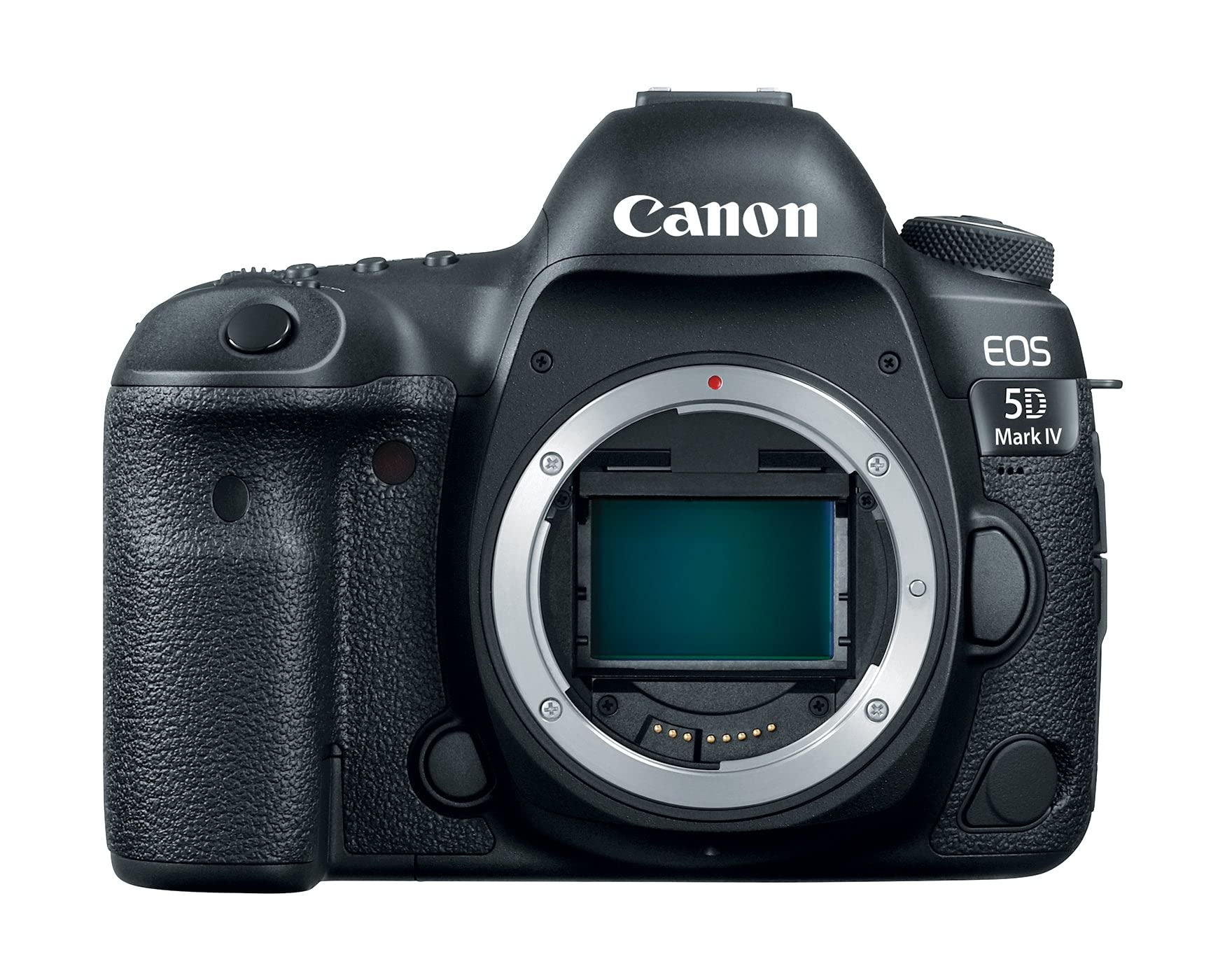
The Canon EOS 5D Mark IV remains a DSLR benchmark for clothing photography thanks to its 30.4 MP full-frame CMOS sensor and the legacy EF lens ecosystem, which includes affordable macro primes like the 100mm f/2.8L IS USM that reveal thread texture and fabric weave at a 1:1 ratio. The DIGIC 6+ processor enables a continuous shooting speed of 7 fps, sufficient for capturing movement in flowing garments.
Its Dual Pixel CMOS AF provides smooth, responsive focus during live view shooting, which is particularly useful for precise manual focus on a garment tag. The built-in Wi-Fi and NFC allow quick file transfer to a tablet or smartphone for immediate client review, streamlining your approval process.
The optical viewfinder offers a natural, lag-free experience for photographers who prefer composing shots without electronic processing. Dynamic range is notably improved over its predecessor, handling high-contrast scenes like a sequined dress under spotlight without clipping highlights. For a dedicated DSLR studio kit, this remains a reliable and proven choice.
Why it’s great
- Vast EF lens selection includes dedicated macro options for texture
- Optical viewfinder with zero lag for fast studio composition
- Built-in Wi-Fi enables quick client previews on mobile devices
Good to know
- Missing fold-out screen for overhead flat lays
- 4K video is cropped and motion JPEG, limiting video flexibility
5. Panasonic LUMIX S9
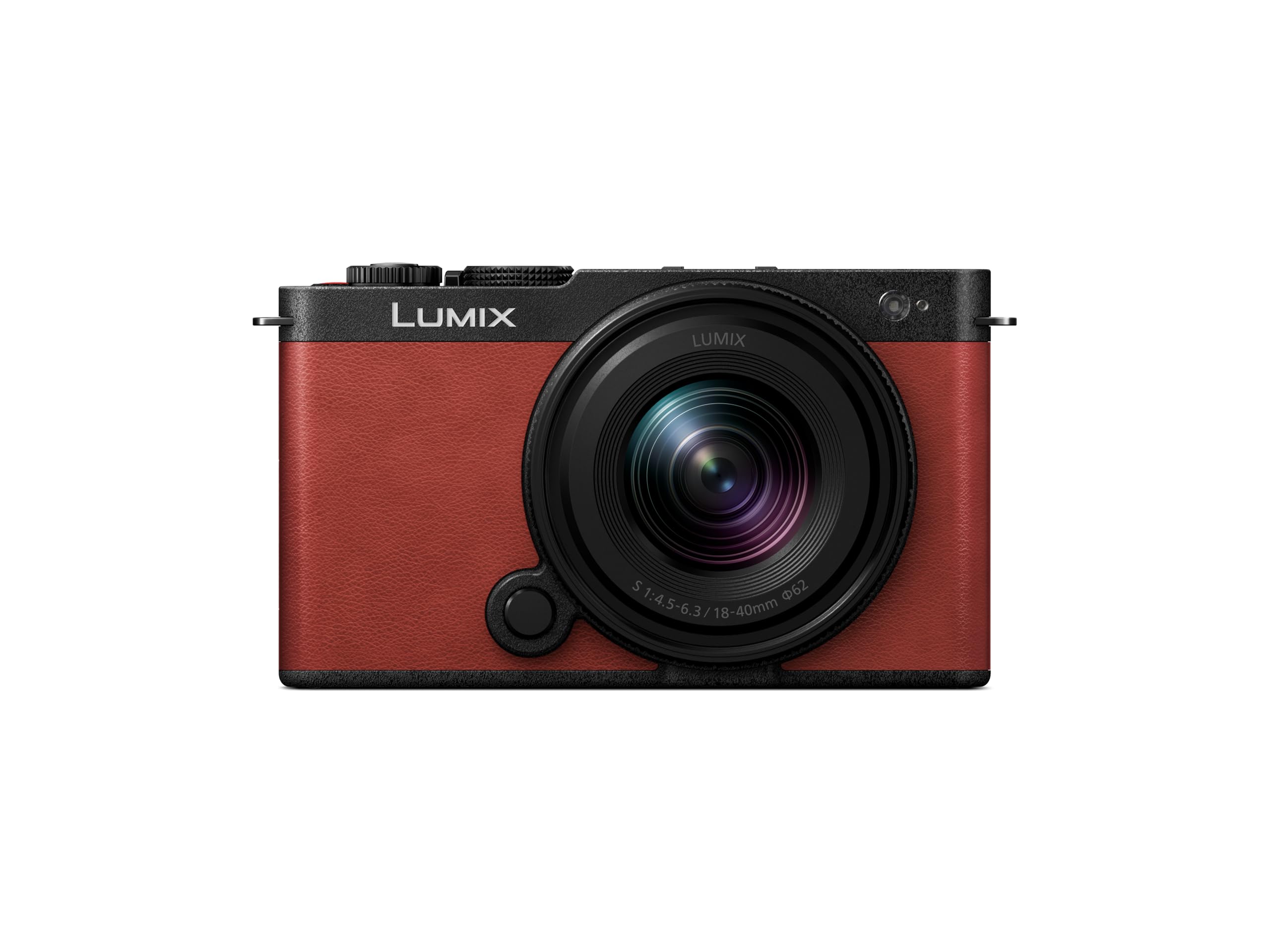
The Panasonic LUMIX S9 houses a full-frame sensor in a body that is among the smallest and lightest in its class, making it ideal for boutique owners or traveling fashion photographers who need to shoot clothing on location. The included S 18-40mm F4.5-6.3 lens offers a versatile wide-to-normal range suitable for flat lays and small studio spaces.
A standout feature is the Real-Time LUT functionality, which lets you apply custom color profiles directly in-camera. For clothing brands with a signature color palette, this means you can output final-style JPEGs optimized for social media without any post-processing. The LUMIX Lab app integrates seamlessly for quick wireless transfer.
The camera lacks a built-in flash and a hotshoe for external flash, limiting its use in traditional studio strobe setups. The grip is minimal, so an aftermarket grip accessory improves handling during longer shoots. For on-the-go clothing documentation where portability trumps studio rigidity, this is a creative tool that delivers impressive image quality in a compact package.
Why it’s great
- Extremely portable for location and travel clothing shoots
- Real-time LUT feature for brand-specific color profiles in-camera
- Fast wireless transfer through LUMIX Lab app
Good to know
- No hotshoe limits traditional flash/strobe compatibility
- Small grip makes extended handheld shooting tiring without add-on
6. Nikon D850

The Nikon D850 is a high-resolution DSLR with a 45.7 MP back-illuminated full-frame sensor and no optical low-pass filter, meaning every stitched seam and woven pattern is recorded at maximum sharpness. Its 153-point autofocus system with 99 cross-type sensors ensures reliable focus even on fine details like lace or embroidery.
Its tilting touchscreen is a practical asset for overhead flat lay shots of folded shirts or laid-out accessories, allowing you to frame and focus without climbing on a stool. The focus shift shooting mode is useful for combining multiple images into a single macro shot with extreme depth of field, ideal for product detail pages that require every part of a garment to be sharp.
For photographers who also shoot video, the D850 offers 4K UHD time-lapse movies directly in-camera. The body is heavier than modern mirrorless alternatives, but its robust build feels reassuring in a permanent studio setup. This camera delivers the highest resolution in this guide, making it the definitive choice for large catalog prints or extreme cropping needs.
Why it’s great
- 45.7 MP sensor allows massive crops for fine detail extraction
- Focus shift mode automates macro stitching for depth of field
- Tilting touchscreen simplifies overhead flat lay composition
Good to know
- Heavy DSLR body less suited for extended handheld use
- Video autofocus is dated compared to mirrorless rivals
7. Canon EOS R6 Mark III
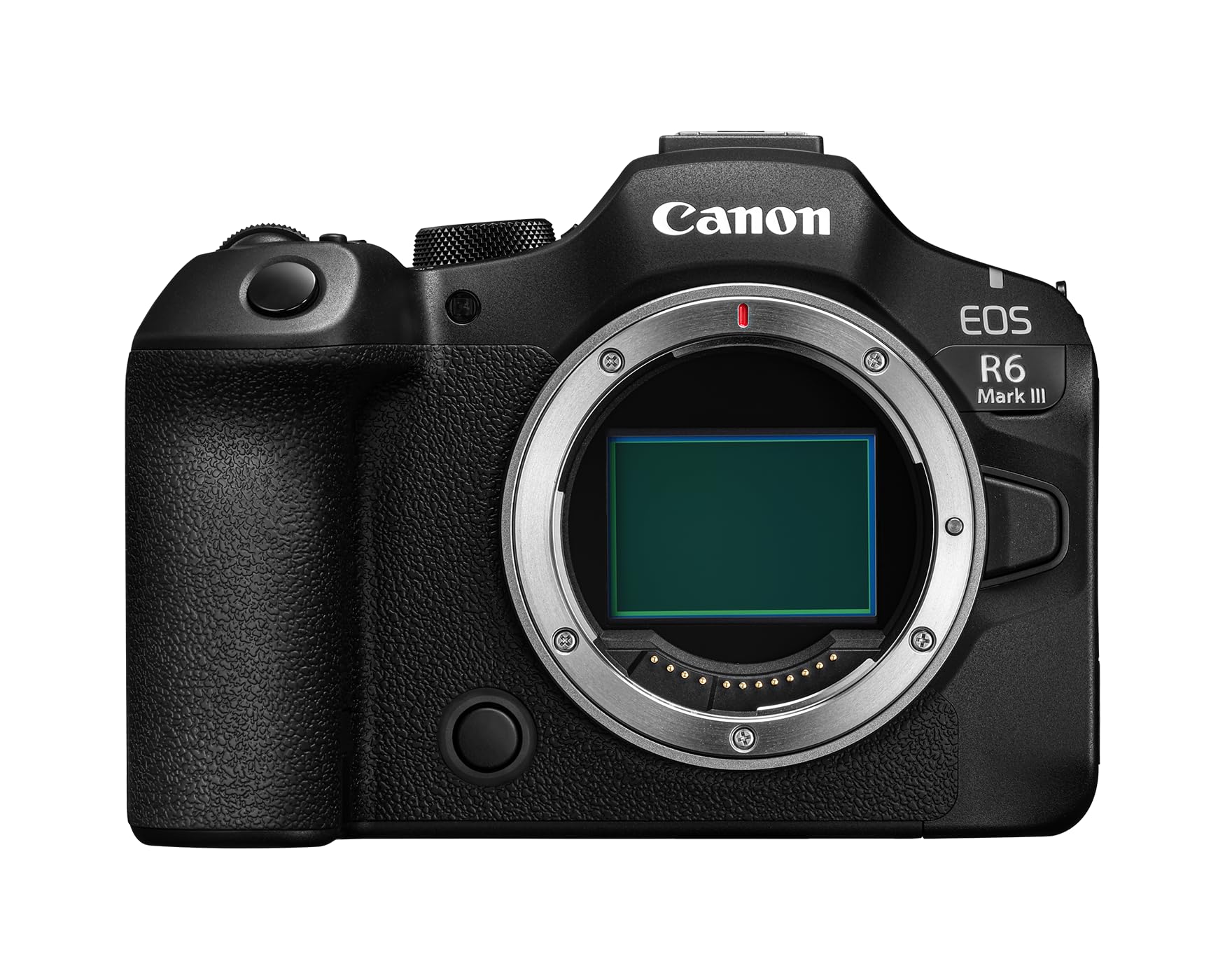
The Canon EOS R6 Mark III combines a 32.5 MP full-frame sensor with a DIGIC X processor capable of up to 40 fps continuous shooting with pre-capture, making it the premier choice for clothing lines that involve movement — think flowing skirts, models walking, or activewear demonstrations. The pre-capture buffer ensures you never miss the perfect fabric movement.
Its IBIS provides up to 8.5 stops of coordinated shake correction, allowing sharp handheld shots in dimly lit boutique settings at surprisingly slow shutter speeds. The Dual Pixel CMOS AF II system includes registerable people priority, which can be programmed to prioritize the model over competing subjects in busy frames.
The dual card slots (one CFexpress Type B, one UHS-II SD) offer flexible storage for the high burst rates. Low-light performance is exceptional, with clean files at ISO 3200 and beyond. For clothing photographers who also shoot editorial or campaign imagery that requires capturing fabric in motion, the R6 Mark III’s speed is a decisive advantage.
Why it’s great
- 40 fps burst with pre-capture excels at fabric motion photography
- Excellent low-light performance for natural-light boutique shoots
- Advanced IBIS for sharp handheld shots in tight spaces
Good to know
- Overheating can still be a factor in extended 4K recording
- Premium pricing near the top of the mid-range bracket
8. Sony a6400 Deluxe Bundle

The Sony a6400 uses a 24.2 MP APS-C sensor with BIONZ X processing and Sony’s Real-time Eye AF and Real-time Tracking, bringing professional-level autofocus to an entry-level body. The 425 phase-detection AF points ensure that even a model turning quickly or a garment with complex patterns stays in sharp focus. It records 4K UHD video using full pixel readout without binning, making it capable of high-quality lookbook clips.
The deluxe bundle on Amazon includes a SanDisk 64GB Extreme PRO memory card, a spare battery and charger, and Movavi editing software — essential starter gear for someone building a clothing photography kit from scratch. The 16-50mm power zoom lens is compact but versatile for flat lays and mannequin shots.
The APS-C sensor has a 1.5x crop factor, meaning a 50mm lens behaves like a 75mm lens, which can be an advantage for achieving a tighter framing in small studio spaces. While the kit accessories improve the out-of-box experience, serious photographers should plan to upgrade to a dedicated prime or macro lens for detail work.
Why it’s great
- Professional-grade autofocus for less than full-frame bodies
- Deluxe bundle provides memory, battery, and editing software
- Excellent 4K video quality from full pixel readout
Good to know
- APS-C crop factor requires understanding of field-of-view changes
- Some bundle accessories are cheaply made (lens hood, extra lenses)
9. OM SYSTEM OM-3

The OM SYSTEM OM-3 (formerly Olympus) uses a 20 MP stacked BSI Live MOS Micro Four Thirds sensor and carries an IP53 dustproof, splashproof, and freezeproof rating. This makes it the only camera in the guide designed to withstand rain, dust, and cold conditions — ideal for outdoor location shoots like activewear campaigns in nature or street style photography.
Its 5-axis image stabilization is among the best in the industry, allowing sharp images at shutter speeds several stops slower than normal. The TruePic X processor enables fast autofocus with phase detection, and the computational features include a GND filter simulation for balancing bright skies with shadowed subjects in outdoor clothing shoots.
The Micro Four Thirds system is lighter and the lenses are smaller than full-frame alternatives, reducing fatigue during all-day outdoor shoots. The 20 MP sensor produces nimble file sizes that are fast to edit, though the smaller sensor means less separation between subject and background at equivalent apertures. For location photographers who prioritize durability and portability over absolute resolution, the OM-3 is a compelling option.
Why it’s great
- IP53 weather sealing for any-weather outdoor clothing shoots
- Best-in-class IBIS for rock-solid stabilization at slow shutter speeds
- Lightweight system reduces carrying fatigue over long shoots
Good to know
- 20 MP resolution limits cropping for detail extraction
- MFT sensor produces less background separation vs full-frame
10. Canon EOS R100

The Canon EOS R100 is the lightest and smallest body in the EOS R series, featuring a 24.1 MP APS-C CMOS sensor and the DIGIC 8 processor. Its compact size makes it easy to set up in small home studios for flat lay shirt photography or basic mannequin shots. The RF-S 18-45mm lens kit covers wide to normal perspectives suitable for product table work.
Dual Pixel CMOS AF provides 143 zones with human face and eye detection, making it surprisingly capable for entry-level model photography at the price point. The camera supports 4K video at 24 fps and HD slow-motion up to 120 fps, allowing basic lookbook clips. Wireless connectivity via Wi-Fi and Bluetooth enables quick image transfer to a phone for social media posting.
The sensor is comparable to the Canon G7X series but in an interchangeable-lens system, giving you a clear upgrade path for sharper lenses. The battery life supports a heavy day of use, though no charger is included in the box — you charge via USB. For someone starting a small resale or vintage clothing business with a tight budget, the R100 offers the core features needed without overwhelming complexity.
Why it’s great
- Smallest and lightest EOS R body for easy studio placement
- Dual Pixel AF with face detection for entry-level model work
- Interchangeable lens system for future upgrades
Good to know
- 4K video limited to 24 fps with noticeable crop
- No charger included; relies solely on USB charging
FAQ
Is full-frame necessary for clothing photography or is APS-C sufficient?
What lens is best for capturing fabric texture and stitching detail?
How many megapixels do I actually need for e-commerce clothing photos?
Final Thoughts: The Verdict
For most users, the best camera for clothing photography winner is the Canon EOS R5 because its 45 MP sensor and excellent color science produce catalog-ready images with minimal post-processing, and its advanced autofocus streamlines model and mannequin shooting. If you want exceptional value with full-frame performance, grab the Sony a7 III for its 15-stop dynamic range and long battery life. And for extreme resolution and cropping capability, nothing beats the Nikon D850 with its 45.7 MP sensor and focus shift macro capabilities.