
You don’t find a professional video camera—you find the sensor, the codec, and the workflow that matches your production pipeline. The gap between a great camera and a time-sink is defined by specs that don’t live on the spec sheet: internal ND filtration, 10-bit 4:2:2 recording without an external recorder, dual card slots, and a cooling fan that keeps you rolling through a 90-minute interview. The wrong choice adds hours to post and fails you on the first high-contrast scene.
I’m Min — the co-founder and writer behind Gadgets Feed.
This guide breaks down the critical specs, compares the top options, and delivers a clear verdict on the best camera for professional videography across multiple budgets and shooting scenarios.
How To Choose The Best Camera For Professional Videography
Selecting a professional video camera is a decision about your entire production chain, not just image quality. The wrong sensor size or recording format can add hours of grading and transcoding time. The right camera fits your lens ecosystem, your audio needs, and your post-production pipeline without forcing expensive workarounds.
Sensor Size and Dynamic Range
The sensor determines your depth of field control, low-light performance, and dynamic range. Full-frame sensors (like those in the Sony FX3 or Nikon Z 9) offer the shallowest depth of field and best high-ISO performance, but Super 35 sensors (found in the Blackmagic Pocket Cinema Camera 6K G2 or Canon C70) provide a more traditional cinema look with a wider lens selection. Dynamic range above 13 stops is non-negotiable for preserving highlight and shadow detail in high-contrast scenes.
Recording Codecs and Bit Depth
Internal 10-bit 4:2:2 recording in ProRes, BRAW, or XF-AVC eliminates the need for an external recorder and saves you significant money. 10-bit color depth prevents banding in skies and skin tones, while codecs like BRAW and ProRes offer efficient file sizes without sacrificing editability. Avoid cameras that only record 8-bit internally—the color information is too limited for professional grading.
Audio Input and Monitoring
Professional productions require XLR inputs with phantom power for boom and lavalier microphones. Cameras with detachable handle XLR modules (like the Sony FX3 and Canon XA60) give you clean, pre-amped audio without an external mixer. Headphone jacks with independent volume control and a waveform monitor for audio are essential for monitoring levels in noisy environments.
Cooling System and Recording Limits
Long-form recording demands a camera that does not overheat. Cameras with active cooling systems (internal fans), like the Sony FX3 and FX6, can record continuously without thermal shutdown. Cameras relying on passive cooling, like most mirrorless hybrids, may overheat during 4K 60p or 4K 120p recording in warm conditions. Always check for unlimited recording time if you shoot interviews, events, or documentaries.
Quick Comparison
On smaller screens, swipe sideways to see the full table.
| Model | Category | Best For | Key Spec | Amazon |
|---|---|---|---|---|
| Sony FX3 | Full-Frame Cinema | Low-light event filmmaking | 15+ stops dynamic range | Amazon |
| Canon EOS C70 | Super 35 Cinema | Netflix-approved production | 16+ stops DGO sensor | Amazon |
| Nikon Z 9 | Hybrid Stills/Video | 8K internal recording | 8K 30p ProRes 422 HQ | Amazon |
| Sony ILME-FX6 | Full-Frame Cinema | Documentary & corporate | Variable internal ND (1/4-1/128) | Amazon |
| Blackmagic URSA Mini Pro G2 | Broadcast Cinema | High-end digital film | 15 stops dynamic range | Amazon |
| Canon XF605 | Pro Camcorder | News & run-and-gun | 15x optical zoom 4K | Amazon |
| Sony FX30 | APS-C Cinema | Budget cinema pipeline | 6K oversampled 4K 60p | Amazon |
| Panasonic HC-X2 | Pro Camcorder | Events & live production | 20x optical zoom 4K | Amazon |
| Canon XA70 | Compact Camcorder | Solo operator fieldwork | 1-inch sensor 15x zoom | Amazon |
| Blackmagic 6K G2 | Super 35 Cinema | Indie narrative filmmaking | 6K BRAW 12-bit | Amazon |
| Canon XA60 | Compact Camcorder | Multi-day event coverage | 4-hour battery life | Amazon |
| Sony Alpha 6700 | Hybrid APS-C | Vlogging & hybrid shoots | 4K 120p high frame rate | Amazon |
| Blackmagic Pocket 4K | MFT Cinema | Entry-level cinema workflow | 13 stops dynamic range | Amazon |
In‑Depth Reviews
1. Sony Alpha FX3 Full-Frame Cinema Line Camera Bundle

The Sony FX3 is the most complete full-frame cinema camera for the solo videographer who needs reliability and low-light performance in a compact body. Its 10.2MP Exmor R sensor delivers 15+ stops of dynamic range and a native ISO of 12,800 that produces clean footage even in dimly lit churches and reception halls. The active cooling fan means you can record 4K 60p 10-bit 4:2:2 internally without a single thermal shutdown—a critical feature for event and documentary shooters who cannot afford lost takes.
The top handle integrates two XLR inputs with phantom power, eliminating the need for an external audio mixer. The 5-axis IBIS works well for handheld gimbal work, and the 16-bit RAW output via HDMI opens the door for high-end post-production when paired with an external recorder. The bundle includes a 128GB UHS-II SD card and an extra NP-FZ100 battery with a USB-C charging port, so you’re ready to shoot immediately.
Compared to the FX30, the FX3’s full-frame sensor provides noticeably shallower depth of field and superior low-light performance. The trade-off is a higher investment in lenses, but the image quality and reliability justify the premium for professionals who need a camera that works every time, in every condition.
Why it’s great
- No overheating even in continuous 4K recording
- Internal XLR handle with phantom power
Good to know
- No built-in EVF; relies on monitor or external viewfinder
- Menu system is complex for those new to Sony cinema line
2. Canon EOS C70 Cinema Camera
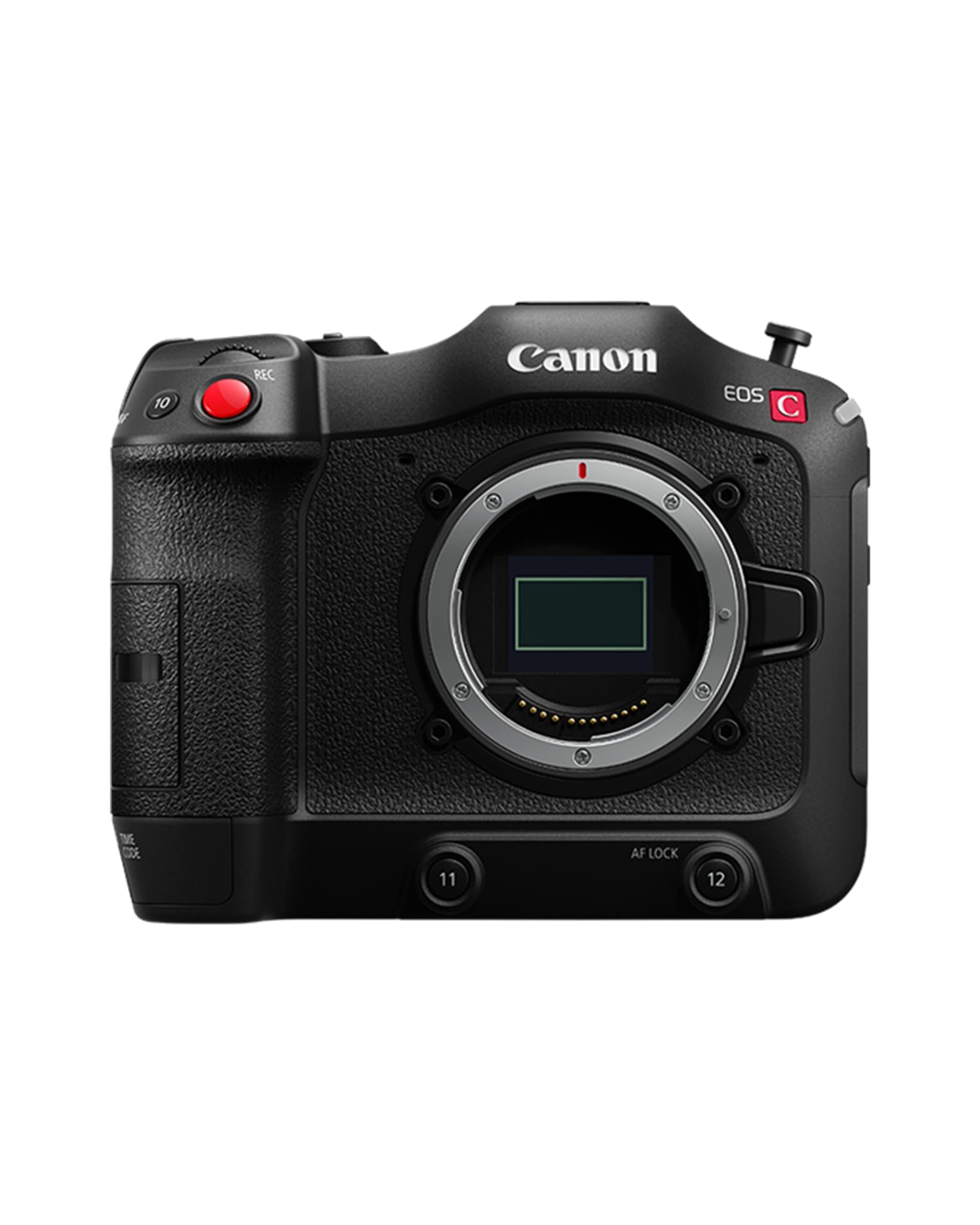
The Canon C70 brings Netflix-approved imaging to a Super 35 body that is smaller than most mirrorless cameras. Its secret weapon is the Dual Gain Output (DGO) sensor, which reads each pixel at two gain levels simultaneously to deliver 16+ stops of dynamic range with virtually no noise in the shadows. This makes it ideal for narrative work where you need to retain detail in both highlights and deep shadows without adding noise in post.
The RF mount gives direct access to Canon’s latest lenses, and the included EF-EOS R 0.71x speed booster adapter lets you use EF glass while gaining a full-stop aperture advantage. The built-in electronic ND filter allows you to adjust exposure in 9 steps without stacking external filters. It records 4K 120p in 10-bit XF-AVC internally, and the dual SD card slots support simultaneous relay recording for uninterrupted takes.
Some users report that the LCD monitor hinge feels loose over time, and the electronic IS is not as effective as optical stabilization. However, the C70’s color science and dynamic range are best-in-class at this price point, making it a favorite for indie films and commercial work where color grading matters most.
Why it’s great
- 16+ stops dynamic range with DGO sensor
- Internal 9-stop ND filter
Good to know
- LCD monitor hinge reports durability concerns
- No EVF; relies fully on external monitor setup
3. Nikon Z 9
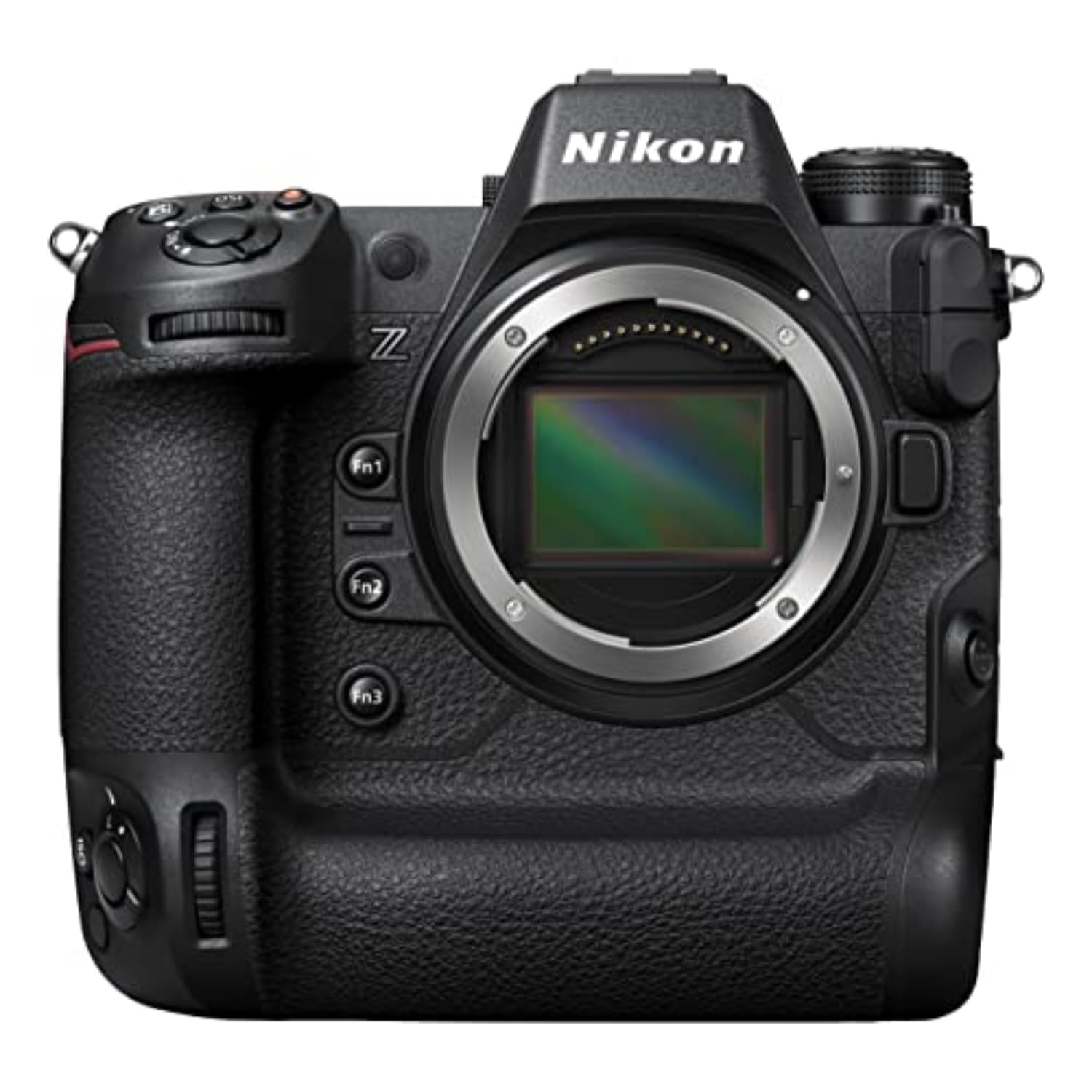
The Nikon Z 9 is the most capable hybrid camera for videographers who also need high-resolution stills. It records 8K 30p internally in 10-bit ProRes 422 HQ or H.265, and you can record over two hours continuously thanks to its advanced thermal management. The 4K 120p slow-motion mode is oversampled from 8K, delivering exceptional detail and sharpness that rivals dedicated cinema cameras.
The deep learning AF system tracks subjects without menu changes, and the blackout-free EVF makes it a pleasure to shoot fast-moving action. The camera’s high-efficiency RAW format produces files one-third the size of uncompressed RAW while retaining the same dynamic range, saving storage space without sacrificing quality. The weather-sealed magnesium alloy body is built to handle professional use in demanding conditions.
For videographers, the Z 9’s main limitation is its reliance on the Z mount lens ecosystem, which is smaller than Sony E or Canon RF. The internal 10-bit N-RAW is outstanding, but you will need CFexpress Type B or SSD storage to handle the data rates. For those who need a single camera for high-end video and 45.7MP stills, the Z 9 is unmatched.
Why it’s great
- Internal 8K 30p in ProRes 422 HQ
- Unlimited recording time with robust thermal design
Good to know
- Z mount lens selection still expanding
- Requires CFexpress Type B for 8K recording
4. Sony ILME-FX6 Cinema Line Full-Frame Camera

The Sony FX6 is the go-to choice for documentary and corporate videographers who need a full-frame cinema camera with an integrated variable ND filter and professional I/O. The electronically controlled optical variable ND (1/4 to 1/128) lets you adjust exposure on the fly without changing aperture or shutter speed, saving critical time on fast-paced shoots. Its 10.2MP Exmor R sensor delivers 15+ stops of dynamic range and a native ISO up to 409,600.
The FX6 records 4K 120p in 10-bit 4:2:2 internally, and the 627-point autofocus system with Eye-AF tracking ensures sharp focus even when subjects move erratically. The XLR audio module on the top handle provides two channels with phantom power, and the timecode input/output makes multi-camera syncing seamless. The body is designed for shoulder-mounted operation with excellent weight balance.
The main complaint is the lack of a 3.5mm audio jack on the body—you must use the XLR handle or a separate adapter. The menu system is also less intuitive than the A7S III, though it becomes manageable with practice. For owner-operators who need a reliable full-frame production camera, the FX6 is an exceptional tool.
Why it’s great
- Built-in variable ND filter for quick exposure control
- Timecode sync for multi-camera workflows
Good to know
- No 3.5mm audio jack on body
- Menu system has a learning curve
5. Blackmagic Design URSA Mini Pro 4.6K G2
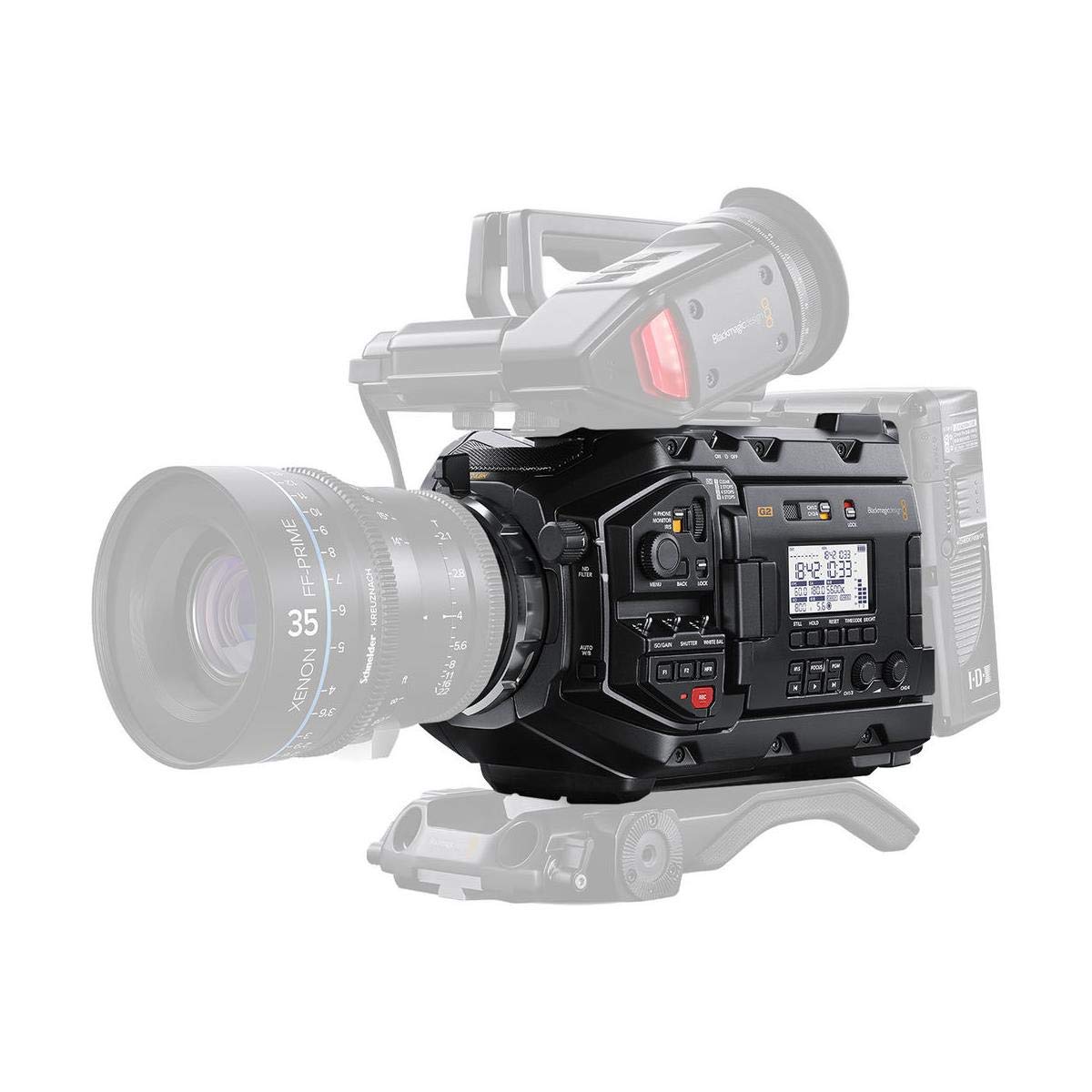
The URSA Mini Pro G2 is a purpose-built cinema camera for digital filmmaking and broadcast production. Its Super 35 4.6K sensor delivers 15 stops of dynamic range with Blackmagic’s renowned color science. The EF mount is included, and you can swap in PL, B4, or F mounts to adapt to any lens ecosystem. This camera is designed for crew-based work—it has tally lights, a built-in waveform monitor, and professional SDI outputs.
The camera records 4.6K at 120 fps and 1080p at 300 fps in ProRes or BRAW, giving you incredible slow-motion flexibility. The dual CFast 2.0 and dual SD card slots allow for seamless relay recording, and the USB-C port supports direct SSD recording. The internal NDs (2, 4, 6 stops) are built in, saving your filter kit for other uses.
Users consistently mention the intuitive menu system and the fact that the camera ships with a DaVinci Resolve Studio license. The main downside is the lack of a battery included in the box—you will need to budget for a V-mount battery system. The body is heavier than mirrorless alternatives, but it feels solid and professional on a tripod or shoulder rig.
Why it’s great
- Interchangeable lens mounts (EF, PL, B4, F)
- 15 stops DR with Blackmagic color science
Good to know
- Battery not included; requires V-mount purchase
- Heavier than mirrorless cinema cameras
6. Canon XF605 4K UHD Pro Camcorder

The Canon XF605 is a broadcast-style camcorder with a 1-inch CMOS sensor and a 15x optical zoom lens that covers a wide 25.5mm equivalent to 382mm. It records 4K 59.94p in 4:2:2 10-bit XF-AVC and MP4 simultaneously, giving you a high-quality master copy and a quick-edit proxy without any transcoding workflow. The independent 3-density ND filter (1/4, 1/16, 1/64) is physically separate from the optical system, ensuring consistent color across stops.
The 5-axis optical image stabilization eliminates the need for a gimbal in many walk-and-shoot scenarios. Dual SD card slots support simultaneous and relay recording, and the detachable handle unit includes two XLR terminals with phantom power. The camera also supports UVC live streaming via USB-C for direct PC/Mac connection without a capture card.
Some users note that the autofocus can be inconsistent in low-light conditions, and the camera’s feature depth may overwhelm beginners. However, for news, documentary, and corporate videography, the XF605 delivers a complete, ready-to-shoot package with professional I/O and excellent image quality out of the box.
Why it’s great
- 15x optical zoom with 5-axis IS
- Dual XLR inputs on detachable handle
Good to know
- Autofocus can struggle in low light
- Complex menu for new users
7. Sony Cinema Line FX30

The Sony FX30 brings Cinema Line features to a budget-friendly APS-C body, making it the best entry point for videographers building a professional workflow on a tight budget. Its 20.1MP Exmor R sensor delivers 14+ stops of dynamic range and dual base ISO (800 and 2500) for clean images in both well-lit and dim scenes. The 6K oversampled 4K 60p recording is sharp, and S-Cinetone gives you a cinematic look straight out of the camera without extensive grading.
The FX30 includes Cine EI Log modes that mirror the workflow of high-end Sony cinema cameras like the Venice. You can apply user LUTs to the LCD and HDMI output, preview your grade in real time. The active cooling system ensures continuous recording without overheating, and the dual SD card slots support simultaneous or relay recording. The autofocus is lightning-fast with reliable eye and subject tracking.
The primary trade-off is the APS-C sensor, which limits depth of field compared to full-frame cameras and has a crop factor that affects wide-angle lens choices. Battery life is sufficient for most shoots, but heavy users will want a battery pack. For the price, the FX30 delivers a genuine cinema pipeline in a compact form factor that punches well above its class.
Why it’s great
- S-Cinetone and Cine EI Log modes
- Active cooling for unlimited recording
Good to know
- APS-C sensor limits depth of field vs full-frame
- Battery life is decent but not exceptional
8. Panasonic HC-X2 Professional 4K Camcorder

The Panasonic HC-X2 is a professional camcorder built for news, events, and corporate videography. Its 1-inch 15MP MOS sensor records 4K 60p in 10-bit 4:2:2 HEVC codec, and the 24.5mm wide-angle lens with 20x optical zoom gives you tremendous flexibility without changing lenses. The i.ZOOM feature extends to 32x in FHD and 24x in 4K while maintaining image quality through sensor cropping.
The 4K High Precision AF with face detection keeps subjects sharp, and the 5-axis HYBRID O.I.S. + delivers steady footage even when walking. The camera supports simultaneous SDI and HDMI output, Ethernet connection for live streaming, and Wi-Fi control. The triple manual ring (focus, zoom, iris) gives you tactile control, and the built-in V-Log and HLG gamma modes enable HDR production.
Users love the ergonomics and build quality, though some note that the auto white balance can darken the image in very bright conditions (easily fixed in manual mode). The camera requires fast SDXC cards for 10-bit recording. For run-and-gun production where changing lenses is not an option, the HC-X2 is a reliable workhorse.
Why it’s great
- 20x optical zoom with 32x i.ZOOM in FHD
- Simultaneous SDI/HDMI output
Good to know
- Requires fast SDXC cards for 10-bit
- Auto white balance may need manual override in certain lighting
9. Canon XA70 Pro Camcorder

The Canon XA70 is a compact professional camcorder that shares many features with the XF605 but in a smaller, lighter body at a lower price. The 1-inch CMOS sensor with DIGIC DV6 processor delivers excellent 4K UHD images, and the 15x optical zoom lens covers a wide 24.5mm to 367mm equivalent range, perfect for handheld run-and-gun work. It records 4K 30p in 160Mbps and allows simultaneous dual SD card recording in relay mode.
The detachable handle unit includes two XLR inputs with phantom power and 4-channel linear PCM audio, providing professional audio without an external mixer. The USB-C output via UVC supports HD live streaming directly to your computer without a capture card. The optical and infrared image stabilization works well for walk-and-shoot scenarios, and the 3.5-inch touchscreen OLED EVF gives you flexible monitoring options.
Some users note that the built-in monitor resolution is low, making it hard to judge focus accuracy on the LCD—you will still want an external monitor for critical work. The camera also lacks internal raw recording, but the XF-AVC and MP4 options are sufficient for most professional deliveries. For a compact camcorder that balances portability with pro features, the XA70 is a strong mid-range pick.
Why it’s great
- Dual XLR inputs with phantom power on detachable handle
- Compact, travel-friendly body
Good to know
- Built-in LCD monitor has low resolution
- No internal raw recording
10. Blackmagic Design Pocket Cinema Camera 6K G2

The Blackmagic Pocket Cinema Camera 6K G2 is a Super 35 sensor camera that records 6K BRAW 12-bit internally—giving you incredible latitude for color grading at a price point that undercuts most cinema cameras. Its 13 stops of dynamic range and dual native ISO up to 25,600 ensure clean images in most lighting conditions. The active EF lens mount lets you use Canon EF and Sigma lenses without an adapter, saving you money and complexity.
The 5-inch tilting LCD is bright and responsive, and the built-in mini XLR input with phantom power allows for professional audio capture. The camera records to SD/UHS-II, CFast 2.0, or USB-C SSDs, giving you flexible, affordable storage options. It ships with a full DaVinci Resolve Studio license, so you have a complete post-production pipeline the moment you unbox the camera.
Battery life is the camera’s weakest point—the included NP-F570 battery lasts about 60 minutes of recording. Most users invest in a V-lock battery plate for extended shoots. The camera also lacks in-body stabilization, so tripod or gimbal use is recommended. For indie narrative and commercial work where post-production color grading is a priority, the 6K G2 is unmatched at this price.
Why it’s great
- 12-bit BRAW internal recording with 6K resolution
- Mini XLR input with phantom power
Good to know
- Battery life is approximately 60 minutes of recording
- No in-body stabilization; requires tripod or gimbal
11. Canon XA60 Professional UHD 4K Camcorder

The Canon XA60 is a compact, affordable pro camcorder with a 4-hour battery life and 20x optical zoom, making it an excellent choice for multi-day event coverage where charging opportunities are limited. Its 1/2.3-inch CMOS sensor with DIGIC DV6 processor produces clean 4K UHD footage, and the dual SD card slots support relay recording for uninterrupted capture. The built-in infrared and optical image stabilization keeps footage steady even when shooting handheld at the long end of the zoom.
The detachable handle includes two XLR terminals with phantom power and 4-channel linear PCM audio, giving you professional sound without an external mixer. The 3.5-inch touchscreen LCD and tiltable OLED EVF provide flexible monitoring options. The camera also supports USB-C UVC live streaming, making it suitable for hybrid event and webinar production.
Some users report that the sensor’s small size can introduce grain in low-light environments, and the autofocus is not as fast as Sony’s hybrid systems. The lack of raw recording is expected at this price point, but the XF-AVC and MP4 options are more than adequate for most professional deliveries. For budget-conscious videographers who need long battery life and a built-in zoom lens, the XA60 is a solid choice.
Why it’s great
- 4-hour battery life for all-day shooting
- 20x optical zoom with optical IS
Good to know
- Smaller 1/2.3-inch sensor can show grain in low light
- Autofocus is slower than hybrid mirrorless systems
12. Sony Alpha 6700

The Sony Alpha 6700 is a compact APS-C mirrorless camera with impressive 4K video capabilities, including 4K 120p recording and 6K oversampled 4K 60p in 10-bit 4:2:2. Its 26MP Exmor R sensor and BIONZ XR processor deliver sharp, detailed footage with excellent dynamic range. The dedicated AI processor enables real-time subject recognition and tracking, making autofocus one of the best in its class.
For videographers, the A6700 provides S-Log3 and S-Cinetone color profiles for flexible grading, and the 5-axis IBIS helps steady handheld footage. The compact size makes it ideal for gimbal work and travel, and the large E-mount lens selection means you can adapt lenses for almost any shooting scenario. The 759-point phase-detection AF with eye tracking is a standout feature for solo operators who need reliable focus on moving subjects.
The main limitations are the APS-C sensor’s low-light performance compared to full-frame cameras, and the lack of a full-size HDMI port (micro HDMI). The camera also does not have a built-in cooling fan, so 4K 120p recording may be limited to short bursts before overheating. For hybrid shooters who prioritize portability and need high-quality 4K footage with reliable autofocus, the A6700 is a capable compact option.
Why it’s great
- Exceptional AI-powered autofocus with eye tracking
- 4K 120p recording in a compact body
Good to know
- No active cooling; may overheat in high frame rate recording
- Micro HDMI output instead of full-size HDMI
13. Blackmagic Design Pocket Cinema Camera 4K

The Blackmagic Pocket Cinema Camera 4K is the most affordable entry into genuine cinema recording, pairing a 4/3-inch sensor with 13 stops of dynamic range and dual native ISO up to 25,600. It records 4K DCI in ProRes HQ or 12-bit BRAW internally, giving you a professional-grade codec that grades beautifully in DaVinci Resolve. The active MFT mount supports a wide range of lenses, including vintage and adapted glass that adds character to your images.
The camera features a 5-inch LCD monitor, mini XLR input with phantom power, and UHS-II SD card slots alongside CFast 2.0 and USB-C SSD support. It includes a DaVinci Resolve Studio activation key, providing a complete post-production solution. The carbon fiber polycarbonate body is lightweight and durable, and the control layout is intuitive for manual operation.
Battery life is notoriously short (around 30 minutes per LP-E6 battery), and the LCD screen is difficult to see in bright sunlight without a hood. The camera lacks autofocus and IBIS, making it best suited for narrative, interview, and controlled shoots where you have a tripod or gimbal. For filmmakers on a tight budget who refuse to compromise on codec quality and dynamic range, the BMPCC 4K remains a compelling choice.
Why it’s great
- 12-bit BRAW and ProRes internal recording
- Comes with DaVinci Resolve Studio license
Good to know
- Approximately 30-minute battery life
- No autofocus or in-body stabilization
FAQ
Do I need a full-frame sensor for professional video?
Is internal 10-bit 4:2:2 recording necessary?
What is the advantage of an internal ND filter?
Why do some cameras overheat and others do not?
Final Thoughts: The Verdict
For most users, the best camera for professional videography winner is the Sony FX3 because it combines full-frame dynamic range, internal XLR audio, active cooling, and 15+ stops of latitude in a compact body that fits any production scenario. If you want the most dynamic range for narrative color grading, grab the Canon EOS C70 with its DGO sensor. And for a complete broadcast-style solution with 4-hour battery life and a built-in zoom lens, nothing beats the Canon XA60.