
Freezing a game-winning goal or a last-second three-pointer from the bleachers demands a camera that locks focus before you can blink and fires off frames faster than the action. Any lag, any blur, any missed moment, and that perfect shot is gone forever. Every parent and coach at the sideline knows the pain of a sequence that just didn’t land.
I’m Min — the co-founder and writer behind Gadgets Feed. I have spent hours analyzing burst rates, autofocus point coverage, and tracking algorithms to pinpoint exactly which hardware delivers consistent frame-filling results for fast-moving youth sports.
If you are looking for a dedicated camera that can reliably track a kid sprinting downfield, anticipate the play, and deliver sharp frames without constant manual adjustment, this is your guide to the best camera for youth sports. I break down the autofocus systems, continuous shooting speeds, and lens options that truly make a difference in capturing the action.
How To Choose The Best Camera For Youth Sports
Selecting a sports camera is different from choosing one for landscapes or portraits. The core demands — tracking speed, burst endurance, and lens reach — revolve around capturing unpredictable, fast-moving subjects in often challenging outdoor or gym lighting. Ignoring these priorities means missing the decisive moment.
Autofocus And Subject Tracking
The single most important feature for youth sports is an autofocus system that can lock onto a player and stay locked, even as they change direction or cross a crowded frame. Cameras with dedicated AI processors and a high density of phase-detection points (covering a large percentage of the sensor) will track faces, eyes, and bodies with the least drop-off. Look for real-time eye AF for humans and animal detection for sports like soccer or football.
Continuous Shooting Speed And Buffer
Burst rate, measured in frames per second (fps), determines how many frames you capture in a split second. For youth sports, 10 to 15 fps is a solid baseline, while top-tier models hit 30 fps with an electronic shutter. But speed alone isn’t enough: the buffer depth tells you how many frames the camera can record before it slows down. A deep buffer means you can hold the shutter down for the entire play, not just the first second.
Lens Reach And Aperture
Because you are typically positioned on the sideline or in the bleachers, a lens with substantial telephoto reach (200mm equivalent or more) is essential to fill the frame with the action. A wide aperture (f/2.8 or f/4) helps in two ways — it lets in more light for faster shutter speeds in dim gyms or evening games, and it creates background blur that isolates the player from distractions. Interchangeable-lens cameras offer the most flexibility here.
Quick Comparison
On smaller screens, swipe sideways to see the full table.
| Model | Category | Best For | Key Spec | Amazon |
|---|---|---|---|---|
| Sony Alpha a6400 | Mirrorless | Fast Autofocus & Value | 0.02 sec AF with 425 phase-detection points | Amazon |
| Canon EOS R7 | Mirrorless | High-Speed APS-C | 30 fps electronic shutter with 1/2-sec pre-shooting | Amazon |
| Canon EOS R6 Mark II | Mirrorless | Full-Frame Speed & Low Light | 40 fps electronic shutter with subject detection | Amazon |
| Sony Alpha 6700 | Mirrorless | AI Tracking & Hybrid | 759 AF points with dedicated AI processor | Amazon |
| Nikon Z50 II (Two-Lens Kit) | Mirrorless | Versatile Kit Lens Reach | 20.9 MP sensor with 16-50mm & 50-250mm lenses | Amazon |
| Panasonic LUMIX G85 | Mirrorless | IBIS & Budget-Friendly | 5-axis Dual I.S. with 12-60mm Power O.I.S. lens | Amazon |
| Nikon COOLPIX P1000 | Bridge | Extreme Telephoto Reach | 125x optical zoom (24-3000mm equivalent) | Amazon |
| XbotGo Falcon | AI Action Cam | Hands-Free Auto Tracking | Dual-lens AI tracking with 6 TOPS processor | Amazon |
| Veo Cam 3 5G | Sports Camera | Team Game Recording | AI auto-tracking with weather-proof design | Amazon |
| GoPro Mission 1 PRO | Action Camera | Compact Cinematic POV | 1″ sensor, 8K60 video, HyperSmooth stabilization | Amazon |
| Insta360 Ace Pro 2 Bundle | Action Camera | Low-Light Action & Prints | 1/1.3″ 8K sensor with Leica co-engineering | Amazon |
In‑Depth Reviews
1. Canon EOS R6 Mark II Mirrorless Camera

The full-frame 24.2MP sensor combined with the DIGIC X processor delivers the combination of burst speed and autofocus intelligence that youth sports demand. The 40 fps electronic shutter with pre-capture means you can press the shutter release after the action begins and still have frames from the half-second before — a massive advantage for catching the exact peak of a jump shot or a slide tackle. The Dual Pixel CMOS AF II system detects and tracks human subjects across virtually the entire frame with a reliability that reduces missed frames to near zero.
In-body stabilization rated at up to 8 stops makes handheld telephoto shooting practical even at slower shutter speeds, and the 6K oversampled 4K60p video output gives you a secondary broadcast-quality recording option. The camera handles continuous shooting bursts with a deep buffer that keeps firing long enough to cover a full possession or a 40-yard sprint.
The vari-angle touchscreen and high refresh rate OLED viewfinder make it easy to frame low-angle shots from the sideline. Video features include C-Log 3 and 10-bit internal recording, ensuring that highlight reels maintain dynamic range in mixed lighting conditions.
Why it’s great
- 40 fps burst with half-second pre-capture erases timing guesswork
- Dual Pixel CMOS AF II locks onto eyes and faces instantly
- 8-stop IBIS enables sharp handheld shots with long glass
- Robust weather-sealed build for outdoor games
Good to know
- Body-only — budget extra for RF telephoto glass
- Full-frame sensor means lens weight is higher than APS-C
- No built-in pop-up flash
2. Sony Alpha 6700

The dedicated AI processing unit in the Alpha 6700 represents a significant leap in subject tracking for the APS-C format. It uses human pose estimation to track not just the face and eye but the entire body, maintaining lock even when the player turns away from the camera. The 26MP back-illuminated sensor paired with the BIONZ XR processor delivers clean images up to ISO 6400, which matters for dusk soccer games and dim gymnasiums.
High frame rate 4K 120p recording from a 6K oversampled readout gives you slow-motion capability that is extremely useful for analyzing form and technique. The 11 fps mechanical burst is adequate for most sports sequences, though the buffer is not as deep as the Canon R7 or R6 Mark II for extended RAW bursts.
Build quality remains compact and weather-resistant, making it a comfortable choice for extended sideline sessions. The 759 phase-detection points cover nearly the entire sensor area, meaning a player darting into the corner won’t escape the AF system’s grip.
Why it’s great
- AI processor tracks human subjects with pose estimation
- 6K oversampled 4K 120p for smooth slow-motion video
- 759 AF points provide near-full frame coverage
- Compact and lightweight for all-day capture
Good to know
- No built-in flash
- Menu system remains complex
- In-body stabilization is decent but not gimbal-level
3. Canon EOS R7 Mirrorless Camera

The 32.5MP APS-C sensor gives you the resolution to crop in tight on a distant player and still retain usable detail — a practical advantage when you are stuck in the stands with limited reach. The 30 fps electronic shutter mode, combined with the half-second RAW Burst pre-shooting, captures fast-breaking transitions with zero compromise. The 1/2-second pre-cache means you can react to a scored goal and still have the frame from the instant the ball left the foot.
Dual Pixel CMOS AF with 651 zones provides essentially full sensor coverage, and subject detection works reliably for humans and animals. The 5-axis in-body stabilization coordinates with stabilized RF lenses for smooth tripod-free shooting at moderate telephoto lengths. For video, the R7 shoots 4K60p oversampled from 7K, providing a high-quality archive for coaching review.
Build quality is solid with a deep grip that balances well with longer telephoto lenses. The UHS-II card slot writes fast enough to keep the buffer clearing at a usable pace during extended bursts. This is one of the most feature-dense APS-C bodies available for sports.
Why it’s great
- 30 fps with pre-shooting captures the exact start of the action
- 32.5 MP allows aggressive cropping without loss of quality
- 651 AF zones cover almost 100% of the sensor width and height
- IBIS works exceptionally well with RF and adapted EF lenses
Good to know
- Body-only — no kit lens included
- Small native RF-S lens selection currently available
- Electronic shutter may cause rolling shutter on fast panning
4. Sony Alpha a6400 Mirrorless Camera

The a6400 remains a benchmark in its class for autofocus speed. The 425 phase-detection and 425 contrast-detection points covering 84% of the sensor, combined with the BIONZ X processor, yield a 0.02-second acquisition time that rivals cameras costing significantly more. Real-time Eye AF for humans and animals ensures that a player’s eye stays in focus even during rapid direction changes, producing crisp results frame after frame.
The 24.2MP APS-C sensor delivers good dynamic range for the price point, and 11 fps continuous shooting with AF tracking is enough to capture decisive moments in soccer, basketball, or football without filling a memory card in seconds. The 180-degree flip-up touchscreen makes self-framing easy for coaches who also want to record their own technique instruction.
While the 4K video recording does not have a time limit, the contrast-based AF during 4K can be less decisive than the phase-detect system used for stills. It is a fantastic entry into Sony’s E-mount ecosystem with access to compact third-party lenses like the Tamron 17-70mm f/2.8.
Why it’s great
- Industry-leading AF speed in the sub- range
- Real-time Eye AF for human subjects is incredibly reliable
- Compact, lightweight body ideal for walk-around use
- Large selection of affordable E-mount lenses available
Good to know
- No in-body image stabilization
- Touchscreen functionality is limited to focus point selection
- Rolling shutter is noticeable in 4K video
5. Nikon Z50 II with Two Lenses

The Z50 II stands out because it ships with two image-stabilized zoom lenses that cover 16-50mm and 50-250mm, giving you a field-proven focal range from group huddles to close-up sideline action without spending extra on glass. The 20.9MP DX sensor produces lifelike colors and retains detail well up to ISO 3200, which handles overcast afternoons on the soccer field.
Hybrid autofocus with 231 points may seem modest compared to Sony and Canon competition, but subject detection for people, dogs, cats, birds, and vehicles works reliably. The camera’s 11 fps burst is competitive for the price range, though the buffer depth is average for extended sequences. The 4K UHD 60p video output is sharp and benefits from the built-in electronic VR.
The Nikon SnapBridge app transfers photos to your phone quickly, making it easy to post game shots to team pages during halftime. The 31 built-in Picture Control presets allow you to achieve a consistent look directly out of camera, reducing the need for post-processing.
Why it’s great
- Two-lens kit provides versatile range for sports
- VR image stabilization in both kit lenses
- Excellent color science straight out of camera
- Fast wireless photo sharing via SnapBridge
Good to know
- Only 231 AF points — less dense coverage than competitors
- Buffer fills quickly with RAW bursts
- Limited native DX Z-mount lens options
6. Panasonic LUMIX G85 with 12-60mm Lens

The G85 packs class-leading in-body 5-axis dual image stabilization into a body-and-lens kit that costs a fraction of premium sports cameras. The Dual I.S. 2 combines the lens optical stabilization with the sensor-shift IBIS, producing smooth handheld telephoto footage that eliminates micro-jitters common in sideline shooting. For parents who don’t want to carry a tripod, this is a major practical advantage.
The 16MP Micro Four Thirds sensor with no low-pass filter resolves fine detail well for its resolution class. While 16MP limits cropping potential compared to higher-count sensors, the 4K Photo mode lets you extract 8MP still frames from 30 fps 4K video, effectively giving you a continuous recording you can comb through after the game. The 4K Post-Focus feature allows you to shift the focus point after taking a photo — useful for isolating a single player in a crowd.
Magnesium alloy body with weather sealing and a large grip make it comfortable for long games. The electronic viewfinder is clear, and the tilt-and-touch LCD articulates for various angles. Autofocus is contrast-based and can lag in low light, especially when tracking fast motion, but the stabilization and overall value are hard to beat.
Why it’s great
- 5-axis Dual I.S. virtually eliminates handheld shake
- 4K Photo mode lets you pull frames from 30 fps video
- Weather-sealed body and lens for outdoor play
- Excellent ergonomics with a deep, comfortable grip
Good to know
- 16 MP sensor limits cropping and fine detail
- Contrast-detect AF is slow in low light
- Battery life is below average for mirrorless
7. Nikon COOLPIX P1000 Superzoom Digital Camera
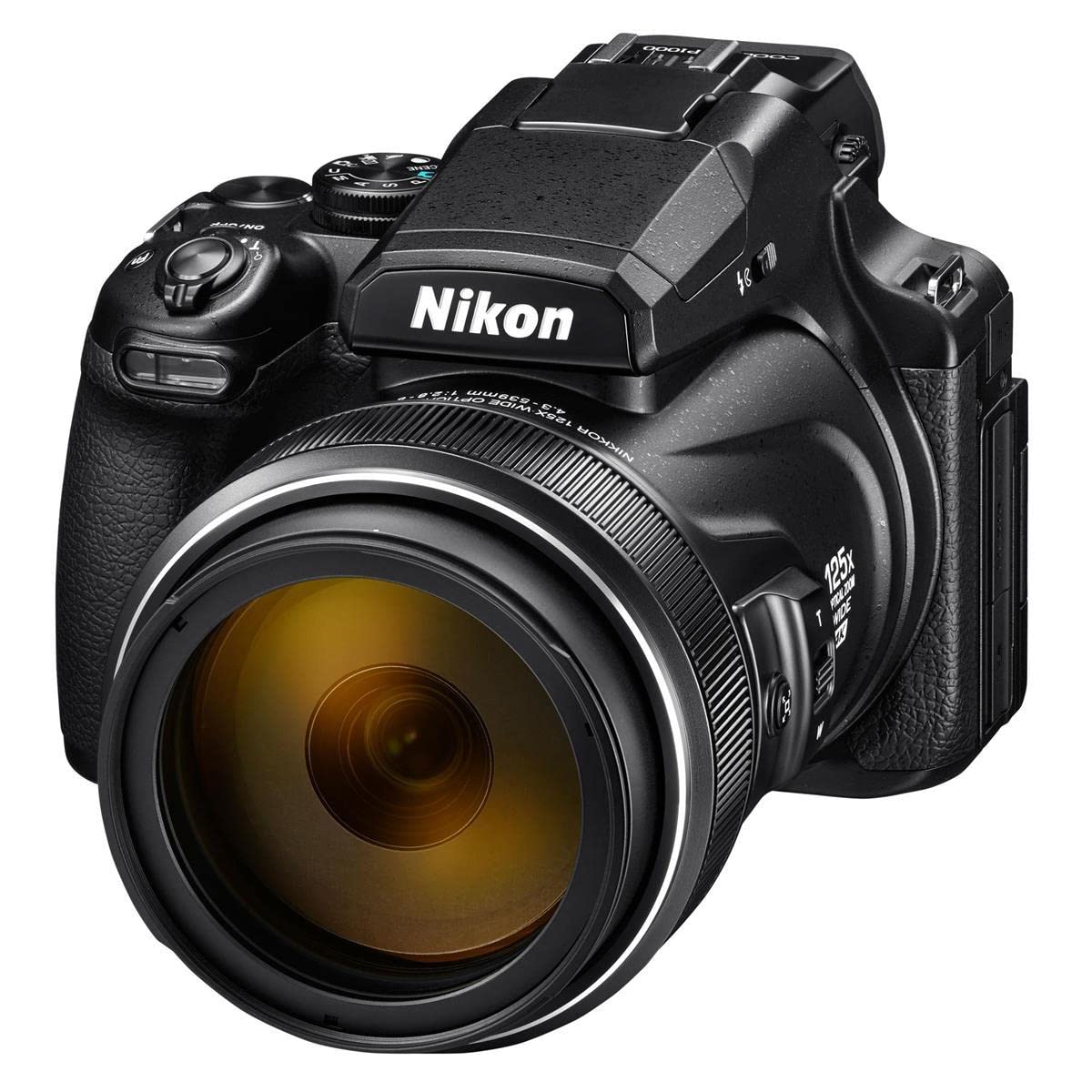
The P1000 is the undisputed king of optical reach with a 24-3000mm equivalent lens that pulls distant players into frame when you’re in the top row of the bleachers or far from the field. The dual-detect optical vibration reduction keeps handheld shots usable at extreme zoom lengths up to around 1500mm, though a monopod or tripod is recommended for the full 3000mm reach. The 16MP 1/2.3-inch sensor is the main trade-off — noise is noticeable above ISO 800, and dynamic range cannot match larger APS-C or full-frame sensors.
For daytime outdoor games, the P1000 produces images that are sharp enough for social media sharing and team prints. The 4K UHD video output is useful for recording game footage with the ability to zoom in on specific plays without physically moving. RAW format capture gives you some latitude for correcting exposure in post-processing.
The camera is large and heavy, roughly the size of a full-frame DSLR with a super-telephoto lens attached. It offers full manual controls and a hot shoe for an external microphone, making it a capable one-stop solution for parents who want extreme zoom without carrying multiple lenses or swapping bodies.
Why it’s great
- 3000mm equivalent zoom can capture faces on the far sideline
- Dual-detect VR keeps long shots steady
- All-in-one design — no lens swapping required
- RAW capture allows exposure correction in post
Good to know
- Small sensor struggles at dusk or in indoor lighting
- Very heavy and bulky to carry for extended periods
- Autofocus hunts at extreme zoom distances
8. XbotGo Falcon AI Action Camera
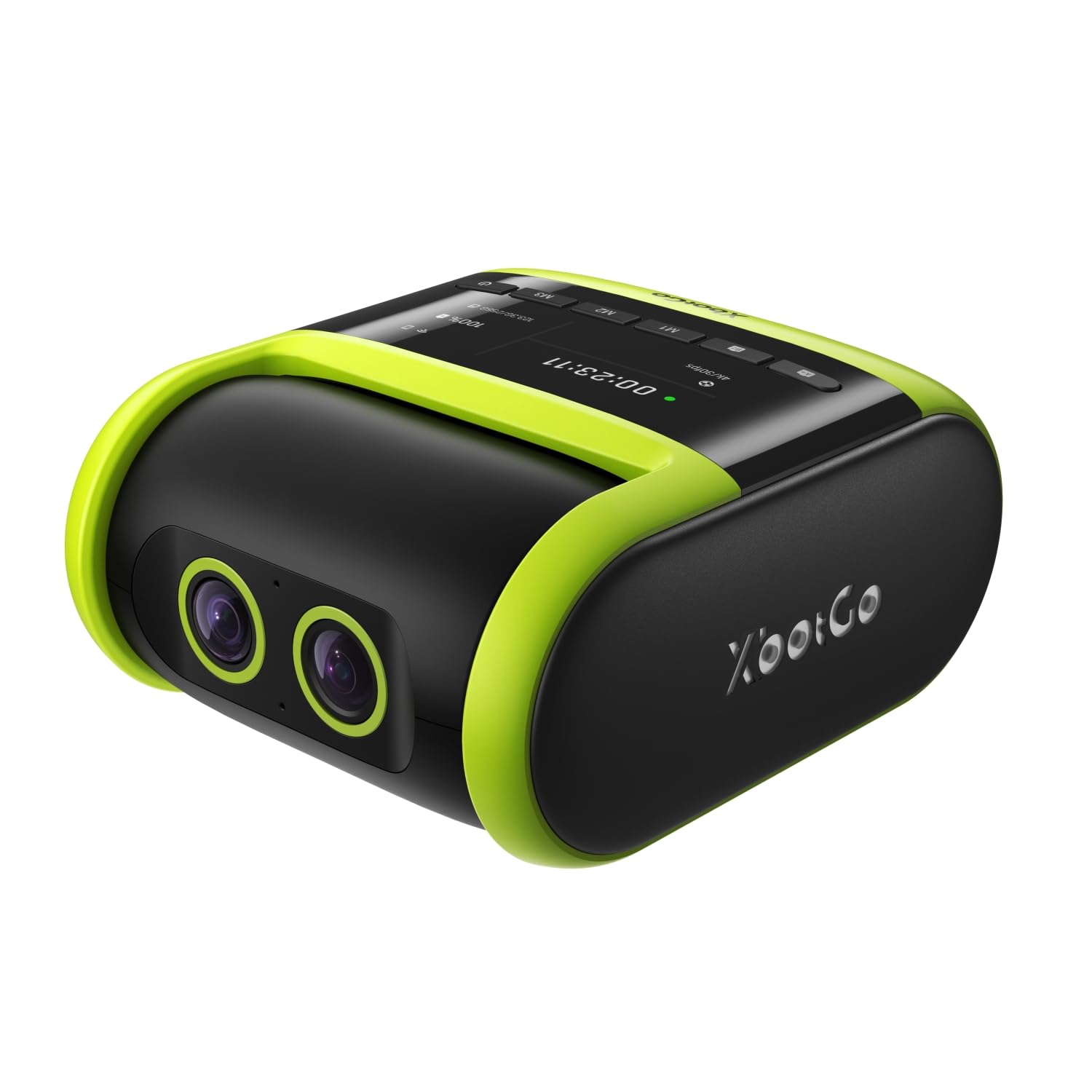
The Falcon is purpose-built for sports recording, integrating a 4K recording lens with a dedicated AI-assisted lens that processes 6 TOPS of neural compute to track players and the ball automatically. Once set up on a tripod, it functions as an autonomous camera operator — panning and tilting to keep the action centered without anyone touching the controls. This is a major win for coaches who want to record practices and games without assigning a person to operate the camera.
The IPX5 weather resistance means it can handle light rain and dust, common on outdoor fields. Video output is 4K at 30 fps, and the built-in 1.6x digital zoom gives some reach but at the cost of resolution. The design is all-in-one with no gimbal required, simplifying setup significantly.
Live streaming via built-in Wi-Fi works well in a controlled bandwidth environment, but some users have reported pixelation during higher-motion sports on congested wireless networks. It supports standard 1/4-inch tripod mounts. No subscription is required for the tracking or recording functions, which adds to the long-term value for team budgets.
Why it’s great
- Completely hands-free tracking once positioned on a tripod
- No monthly subscription for core features
- IPX5 weather resistance handles outdoor conditions
- Easy to set up and mount on standard tripod threads
Good to know
- Only 4K 30 fps — no high frame rate option
- Live streaming quality drops on congested Wi-Fi
- Requires a sturdy tripod for stable panning
9. Veo Cam 3 5G Sports Camera
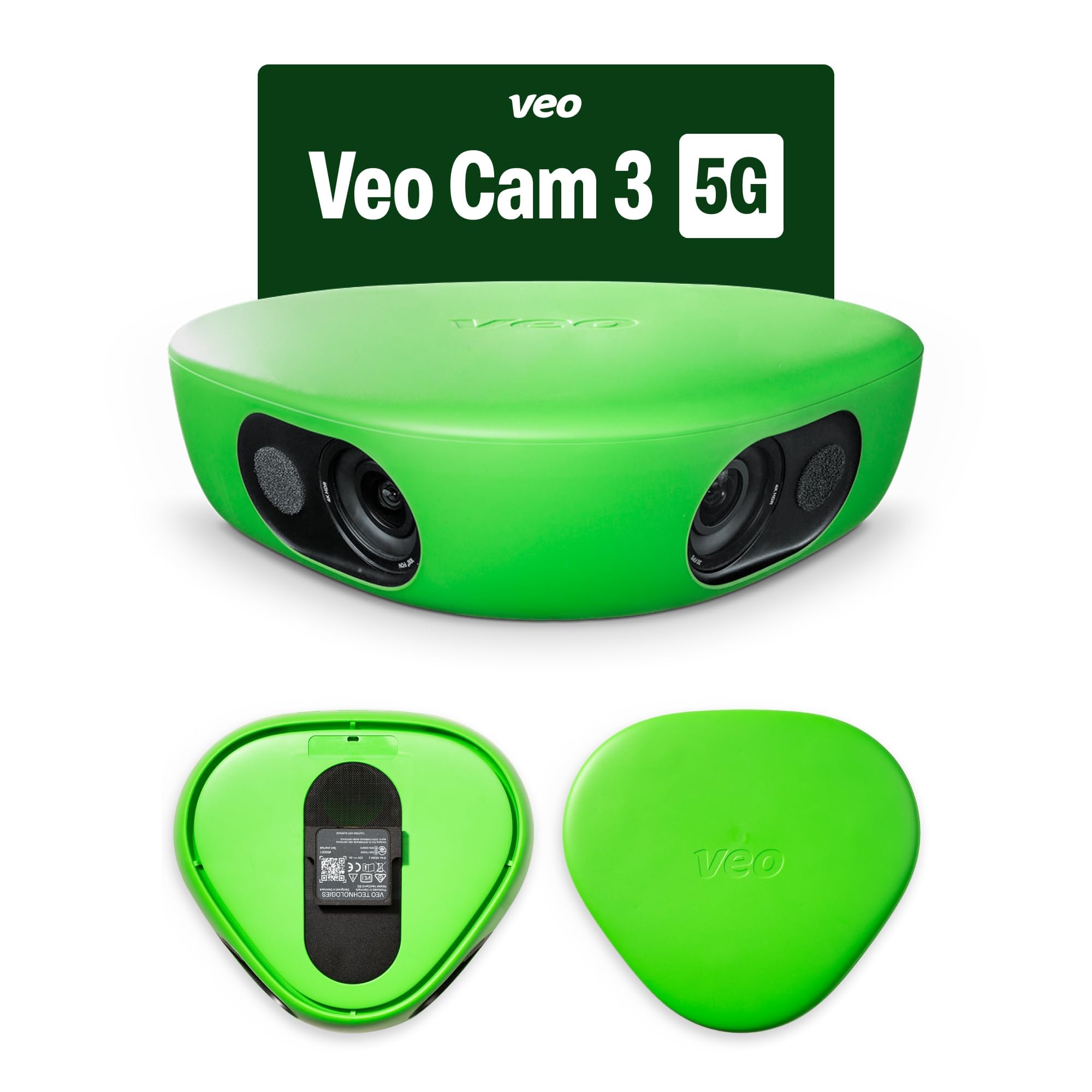
The Veo Cam 3 is designed for coaches and teams who need broadcast-quality game film without a camera operator. The AI auto-tracking system follows the flow of play across the field automatically, recording 1080HD video that is well-suited for game analysis, training review, and recruitment footage. The camera is weather-proof, operating in temperatures from -10°C to 45°C, and handles rain or snow without issue.
Cloud storage is included with the subscription service, which allows you to upload, store, and share game film with players and other coaches without managing SD cards or local hard drives. The setup is straightforward: mount the camera, open the companion app, and begin recording. It captures all major team sports including football, soccer, basketball, rugby, and lacrosse.
The primary limitation is the 1080HD resolution — while good enough for coaching review, it does not provide the fine detail necessary for large prints or high-quality highlight reels. The subscription requirement is a recurring cost that teams need to factor into their budget from the start.
Why it’s great
- Automated recording removes the need for a dedicated operator
- Weather-proof design is built for sideline conditions
- Cloud storage and sharing simplifies team collaboration
- Extreme temperature tolerance covers most outdoor seasons
Good to know
- 1080HD resolution limits print and broadcast use
- Subscription required for full functionality
- Initial setup and pairing can be finicky
10. GoPro Mission 1 PRO Action Camera
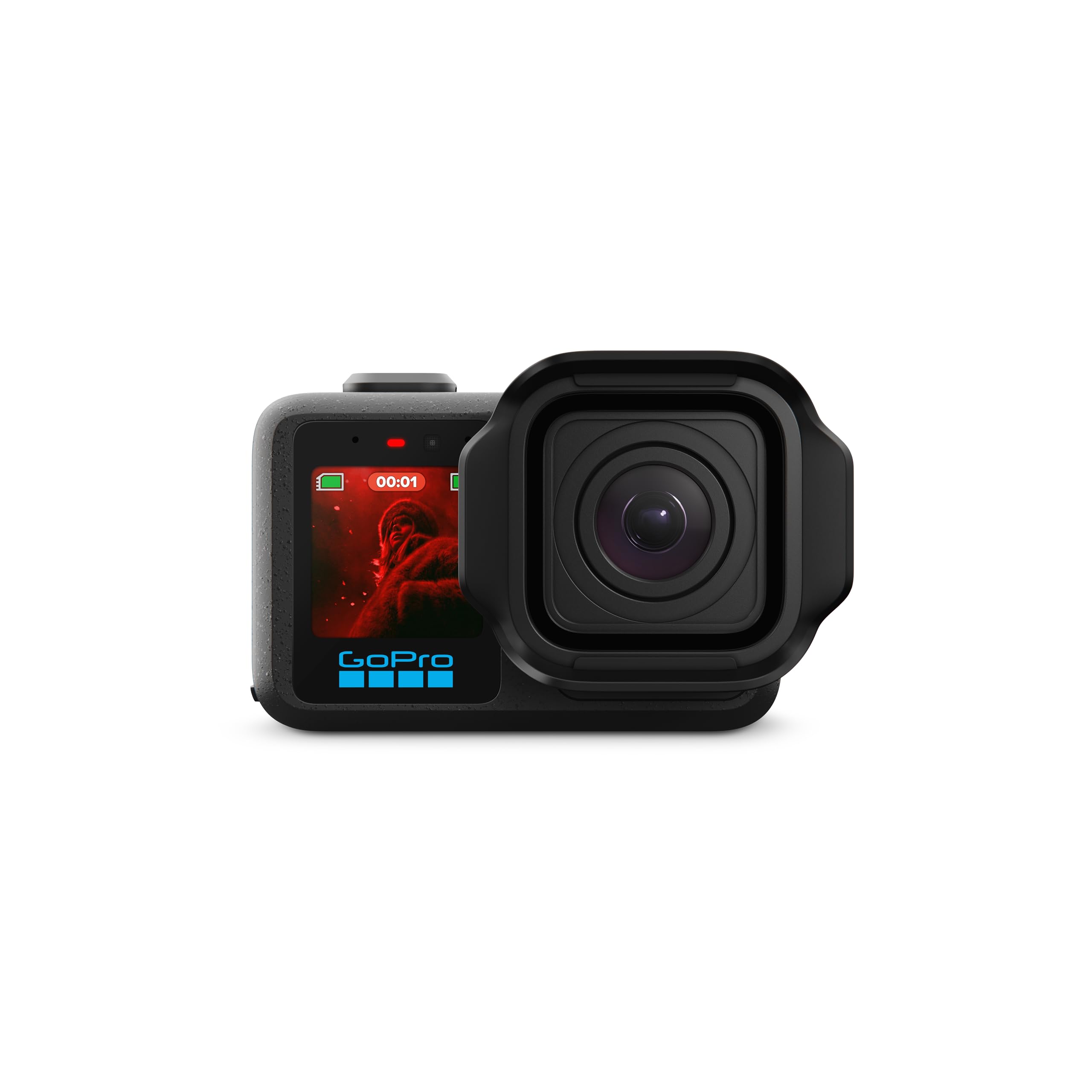
The 1-inch sensor in the Mission 1 PRO is a significant upgrade over smaller action-cam sensors, delivering dramatically better low-light performance and subject separation — a critical factor when shooting indoor sports or evening practices. The 8K Open Gate video mode uses the full sensor area, providing maximum flexibility for cropping and reframing in post-production, which is useful for extracting different angles from a single sideline mount.
HyperSmooth stabilization remains the gold standard for action cameras, meaning you can mount this to a sideline pole or even a parent wearing a chest harness and get smooth, watchable footage. The 2150mAh Enduro 2 battery provides over three hours of continuous 4K30 recording, covering an entire game without needing to swap batteries. The 50MP photo mode and 44MP frame grabs from 8K video give you high-resolution stills to share.
This camera is best suited for first-person or near-rail POV shots where the player is close to the lens. It cannot replace a telephoto lens camera for distant sideline shots, but as a secondary angle or for capturing the pace of play up close, it is unmatched in its form factor. The included lens hood and mounting accessories get you started immediately.
Why it’s great
- 1″ sensor provides substantially better low-light footage
- Over 3 hours of 4K recording covers entire games
- HyperSmooth stabilization yields silky sideline footage
- 8K video allows heavy cropping for multiple viewing angles
Good to know
- No built-in zoom — limited to wide-angle field of view
- Lacks optical telephoto reach for distant players
- Requires fast, large-capacity microSD card for 8K recording
11. Insta360 Ace Pro 2 Flash Print Bundle
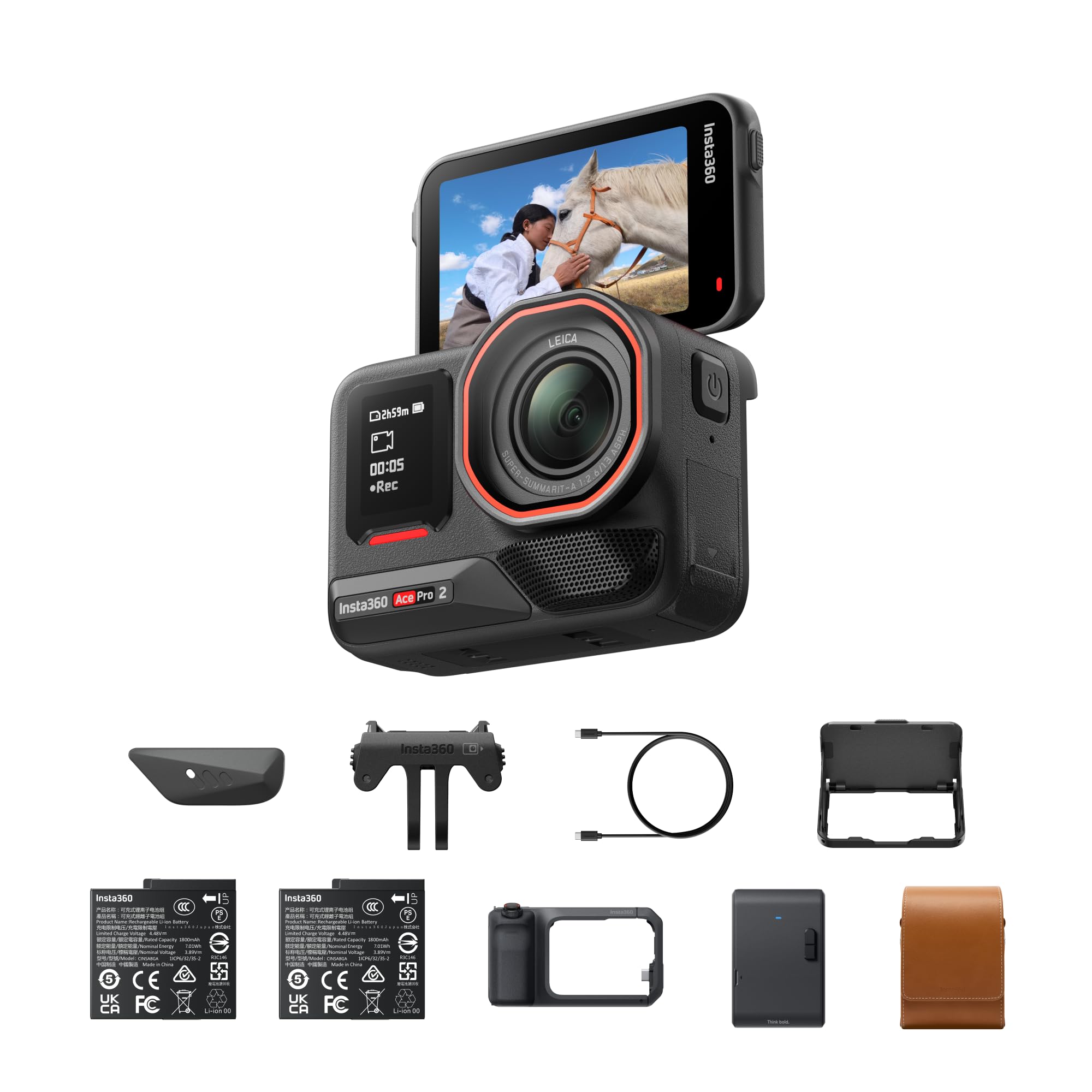
The Ace Pro 2 combines a 1/1.3-inch 8K sensor co-engineered with Leica with a dual AI chipset that delivers exceptional low-light footage — one of the biggest pain points for action cameras used at dusk games. The 4K Lossless Slide Zoom via the Xplorer Grip Pro Kit provides a 1-2x lossless zoom range that gets you closer to the action without resolution loss, a feature that is surprisingly useful for sideline recording.
The bundle includes a Pocket Printer that prints 2×3-inch photos directly from the camera via Bluetooth, which is a fun way to give printed game photos to teammates immediately after the match. The Xplorer Grip Pro Kit adds a 2010mAh extended battery and physical controls for zoom and exposure, significantly improving stability during long recording sessions.
Leica color profiles and film filters give the video a distinct aesthetic without post-processing. The 8K30fps and 4K60fps with Active HDR modes are top-tier for an action camera. This is a great companion camera for close-range or field-level shooting, but cannot replace a telephoto lens camera for distance shots. The bundle extras add genuine value for team events.
Why it’s great
- Low-light performance is best-in-class for an action cam
- 4K lossless zoom gives useful reach without quality loss
- Pocket printer creates instant team photos on the spot
- Xplorer Grip extends recording time and adds manual control
Good to know
- Not a replacement for a camera with optical telephoto lens
- Pocket printer paper consumes quickly with heavy use
- Firmware and app updates are required for full bundle functionality
FAQ
What burst rate do I need to capture youth sports action?
Is a full-frame camera necessary for youth sports photography?
Can I use a superzoom bridge camera for sports instead of an interchangeable-lens camera?
Final Thoughts: The Verdict
For most users, the camera for youth sports winner is the Canon EOS R6 Mark II because its 40 fps burst with pre-shooting, flawless Dual Pixel AF, and 8-stop IBIS deliver raws-ready frames in any condition, from sunny fields to dim gyms. If you want a lighter, more budget-friendly body with outstanding autofocus, grab the Sony Alpha a6400. And for a no-compromise telephoto reach that puts you right on the distant player, nothing beats the Nikon COOLPIX P1000.