
That hollow, fluttery echo in your home studio or living room isn’t just annoying—it ruins recordings, muddies dialogue, and makes movies sound thin. The right acoustic panels don’t just dampen noise; they absorb specific frequencies to give you a clean, controlled soundstage.
I’m Min — the co-founder and writer behind Gadgets Feed. I’ve spent hundreds of hours cross-referencing Noise Reduction Coefficient (NRC) ratings, material densities, and real user room treatments to separate the panels that actually perform from those that just look the part.
This guide breaks down the best options by actual acoustic performance, from professional mineral-wool broadband absorbers to budget-friendly foam kits. Whether you’re treating a studio or a noisy apartment, you need the right sound absorbing acoustic panels to kill reverb and clarify your sound.
How To Choose The Best Sound Absorbing Acoustic Panels
Choosing the wrong panel means spending money on a product that does little more than decorate your wall. The three factors below separate effective acoustic treatment from decorative foam that only catches dust.
NRC Rating: The One Number That Matters
The Noise Reduction Coefficient (NRC) is a single-number rating between 0 and 1 that represents the average sound absorption across four key frequencies (250, 500, 1000, and 2000 Hz). An NRC of 1.0 means the panel absorbs 100% of the sound that hits it. Most budget foam panels sit around 0.50 to 0.70, while professional mineral-wool panels can hit 0.95 or higher. For serious vocal recording or critical listening, aim for panels with an NRC of at least 0.85.
Material Density and Thickness
Thickness directly influences low-frequency absorption. A 1-inch panel will absorb high frequencies (sibilance, cymbal crashes) but let bass frequencies pass through almost untouched. To control low-end buildup and standing waves, you need at least 2-inch thick panels, ideally with a dense mineral-wool core. Foam panels, especially thin ones, are poor at absorbing frequencies below 500 Hz. For a broadband absorber that works across the full range, look for panels with a density of at least 6 pounds per cubic foot (pcf).
Installation Method and Room Placement
Self-adhesive panels are convenient for rented spaces, but strong adhesives can peel paint and leave residue. Clips, Z-clamps, or French cleats are better for permanent installations, especially with heavier mineral-wool panels. Placement matters more than coverage—treating the first reflection points on the side walls and the ceiling above the listening position yields far better results than covering an entire wall with thin foam. A single 2-inch thick panel at the correct reflection point outperforms a dozen 0.4-inch foam tiles scattered randomly.
Quick Comparison
On smaller screens, swipe sideways to see the full table.
| Model | Category | Best For | Key Spec | Amazon |
|---|---|---|---|---|
| ATS Acoustics 24″x48″x2″ | Mineral Wool | Professional sound treatment | NRC 1.0 / 2-inch thick | Amazon |
| AudioSilk Room Kit 4 Pack | PET Fiber | Eco-friendly studio treatment | NRC 0.91 / 0.4-inch thick | Amazon |
| TONOR Dual-Layer Thickened | Polyester Fiber | Large-area coverage | 0.72-inch thick / 4-pack | Amazon |
| 96 Pack Acoustic Foam Wedges | Polyurethane Foam | Budget room taming | 1-inch thick / 96-pack | Amazon |
| NeatiEase Wood Slat 96″x12.6″ | MDF + PET Fiber | Aesthetic room acoustics | 4-panel / 33 sq.ft. coverage | Amazon |
| Yuzzy Wood Slat 108″x11″ | MDF + PET Fiber | High-end decor absorption | 4-panel / 30.67 sq.ft. | Amazon |
| Amantech 12 Pack Hexagon | Polyester Fiber | Entry-level echo reduction | 0.4-inch thick / 12-pack | Amazon |
In‑Depth Reviews
1. ATS Acoustics Sound Absorbing Acoustic Panel 24″ x 48″ x 2″ Beveled Edge (Ivory)
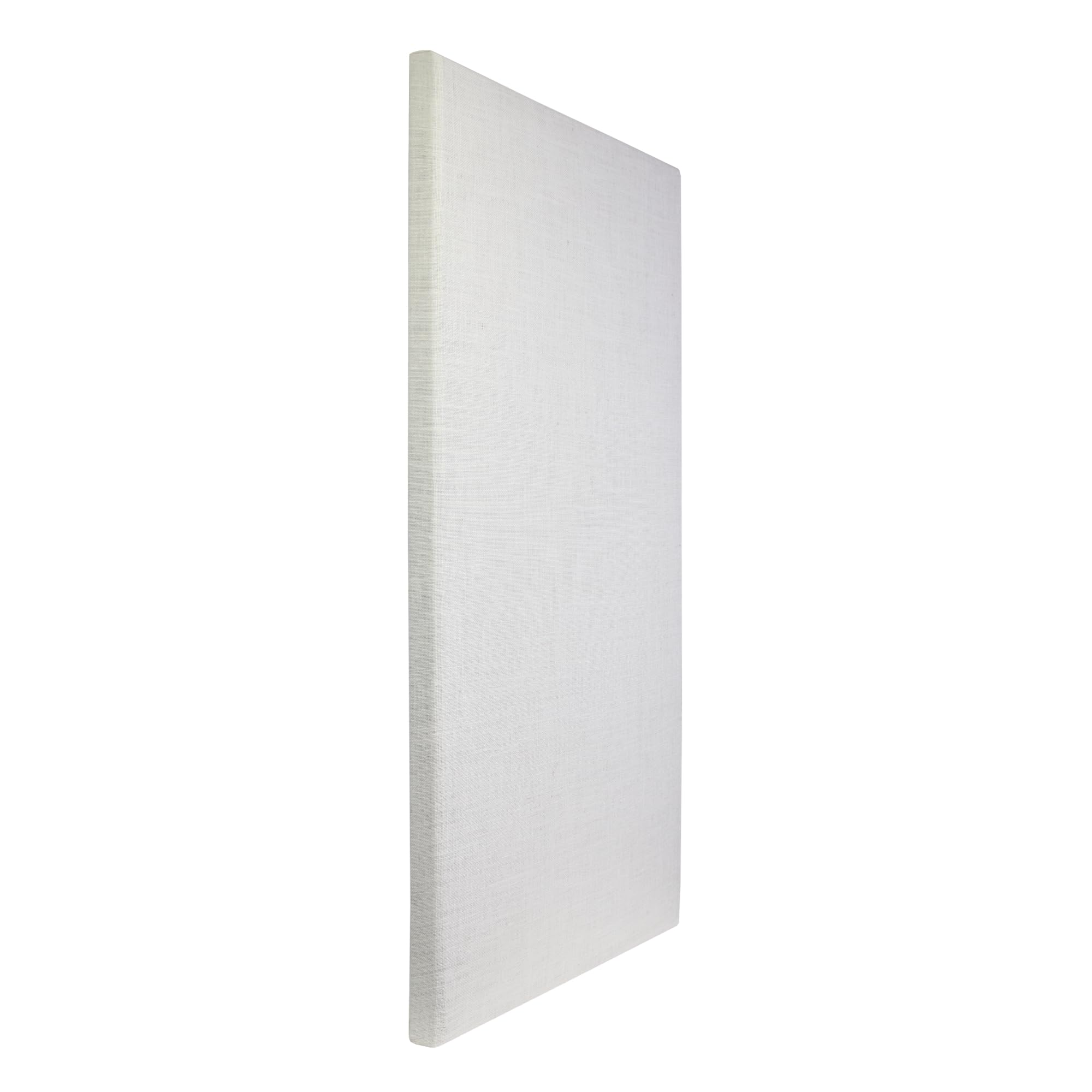
The ATS Acoustics panel achieves the maximum NRC rating of 1.0, meaning it absorbs virtually all sound energy across the critical 250-2000 Hz range. The 2-inch thick mineral wool core provides genuine broadband absorption, effectively taming low-frequency buildup and flutter echo that thin foam panels cannot touch. The solid wood internal frame and full wood back make installation secure and prevent the sagging that plagues all-foam alternatives over time.
At 8.25 pounds per panel, this is a heavy-duty unit designed for permanent installation in control rooms, home theaters, and worship spaces. The 100% jute burlap fabric cover is acoustically transparent and feels sturdy, though the texture appears slightly rough from close viewing angles—a common trade-off for optimal sound transparency. The included mounting template and Z-clamps simplify wall installation, though ceiling mounting requires additional hardware like D-rings and ceiling anchor hooks.
Users consistently report that two of these panels reduce room echo by roughly 50% in medium-sized recording studios. The beveled edge design gives a professional framed look that integrates better than exposed foam edges. If your goal is to eliminate early reflections and control standing waves for mixing or critical listening, this panel delivers professional-grade results at a price that undercuts most dedicated acoustic treatment brands.
Why it’s great
- Perfect NRC 1.0 absorption rating for full-spectrum sound control
- 2-inch mineral wool core handles low frequencies foam cannot
- Solid wood frame with mounting hardware for secure permanent installation
Good to know
- Heavy at 8.25 lbs; ceiling install requires custom hardware
- Cloth cover feels less refined up close than panel photos suggest
- Limited color options compared to PET fiber panels
2. Acoustic Panels, 4 Pack ROOM KIT, Large, 46″ x 23″, Natural

The AudioSilk Room Kit delivers an impressive NRC of 0.91 from a panel only 0.4 inches thick—performance that directly challenges the assumption that thick foam is required for good absorption. The secret is the high-density post-consumer recycled PET fiber, which offers significantly more absorption per inch than open-cell polyurethane foam. Each panel measures 45.7 x 22.8 inches, giving you generous coverage from a four-pack kit that covers roughly 29 square feet.
Because these panels are made from compressed PET fiber, they have no chemical smell, no shrinkage over time, and they won’t peel or sag like adhesive-backed foam. The lightweight construction (10.43 pounds for all four panels) makes installation straightforward with 3M Command strips for renters or spray contact adhesive for permanent mounting. The modern colors blend into home decor better than black wedge foam, solving the aesthetic objection that often prevents people from treating their rooms properly.
Home studio users report that these panels effectively reduce harsh reflections and shorten reverb tails without killing the natural character of the room. The thin profile means you lose less wall space compared to 2-inch absorbers, but the trade-off is reduced low-frequency absorption below 250 Hz. For podcasting, voiceover, and home theater dialogue clarity, this kit offers the best performance-to-thickness ratio in its price range.
Why it’s great
- NRC 0.91 from a mere 0.4-inch thickness outperforms most 1-inch foam
- Eco-friendly recycled PET with zero chemical odor
- Renter-friendly installation with removable adhesive strips
Good to know
- Minimal low-frequency absorption below 250 Hz
- Adhesive strips sold separately, adding to the total cost
- Not as effective as 2-inch mineral wool for critical mixing environments
3. TONOR Dual-Layer Thickened Acoustic Wall Panels, 4 Pack 47.2″x23.6″x0.72″

The TONOR panels use a dual-layer construction that sandwiches two absorption layers together, reaching a total thickness of 0.72 inches. This is nearly double the thickness of typical self-adhesive panels, giving it noticeably better mid-frequency absorption. Each panel covers 47.2 x 23.6 inches, and the four-pack provides 31 square feet of coverage—enough to treat a significant portion of a bedroom studio or home theater wall.
The self-adhesive backing uses a strong peel-and-stick adhesive that bonds securely to drywall, but removal may damage paint so plan your placement carefully. The classic vertical stripe pattern offers more visual appeal than bare foam wedges, making these a viable choice for living areas where you don’t want the space to look like a recording booth. The 100% high-density polyester fiber material is safe for contact and produces no VOCs, unlike some budget foam panels that off-gas during the first weeks.
Apartment dwellers report that installing these panels on shared walls reduces neighbor noise transmission by roughly half, though it’s important to note this is sound absorption reducing resonance in your room—not true soundproofing. For recording purposes, users achieve clean vocal takes with gain staging that previously picked up background noise. The included reinforced corner packaging prevents damage during shipping, a common complaint with thinner foam panels.
Why it’s great
- Dual-layer 0.72-inch construction beats single-layer foam absorption
- Large panel size covers 31 sq. ft. per four-pack
- Strong self-adhesive backing with no additional glue needed
Good to know
- Adhesive residue may damage wall paint upon removal
- Stripe pattern may show uneven vertical seams if not perfectly aligned
- Not effective for sub-200 Hz low-frequency absorption
4. 96 Pack Sound Proof Foam Panels, 1 x 12 x 12 Inches Acoustic Foam Wedges
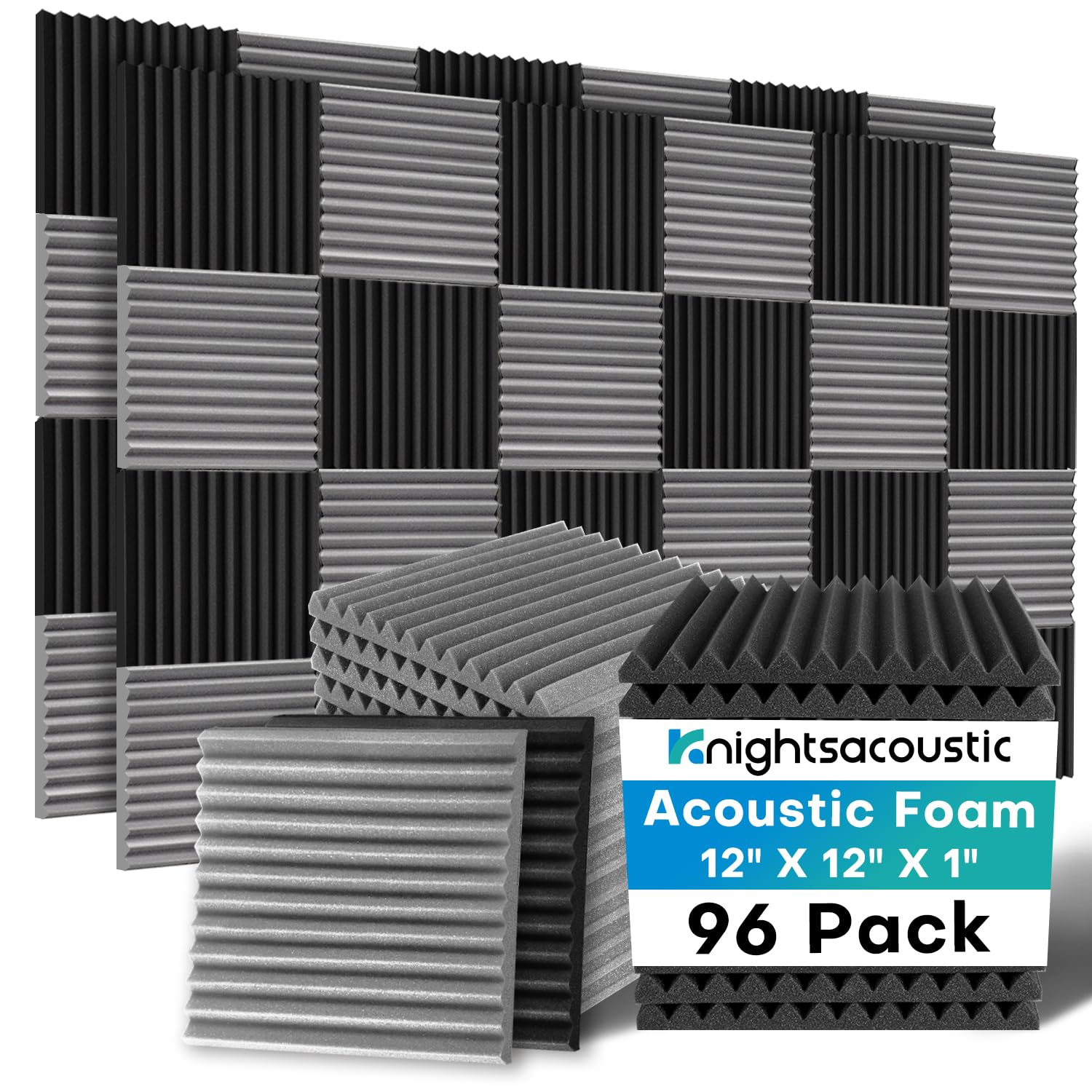
This 96-pack of 12×12 inch wedge foam panels provides the raw square footage needed to cover an entire wall at a cost that undercuts most panel kits. The 1-inch thick polyurethane foam wedges are designed to break up standing waves and reduce flutter echo, making them a solid entry-level choice for vocal booths, game rooms, or podcast setups on a tight budget. Note that this product does not include adhesive—you’ll need to purchase adhesive dots or spray separately.
The foam arrives compressed in the package and requires 3-5 hours of airing out to fully expand. Some users report that soaking the panels in water and wringing them out accelerates expansion and removes any residual manufacturing odor, though this step is optional. The 96-pack covers 8 square feet per set when arranged edge-to-edge, enough to treat the reflection points and ceiling cloud in a small room.
Acoustic performance is typical of 1-inch polyurethane foam—effective at absorbing high frequencies (above 2000 Hz) but largely transparent to bass and lower mids. This makes the panels useful for reducing sibilance and room ring in spoken-word recordings but inadequate for mixing music or controlling subwoofer resonance. The wedge shape provides slightly more surface area than flat foam, but the NRC rating is estimated around 0.50-0.60. For the price, the volume of panels allows aggressive coverage that can make a measurable difference in room clarity.
Why it’s great
- 96 panels offer massive coverage for the price
- Effective at reducing high-frequency flutter echo
- Lightweight and easy to cut for custom layouts
Good to know
- No adhesive included—must be purchased separately
- 1-inch foam offers minimal low-frequency absorption
- May require washing to remove odor and flatten panels
5. NeatiEase Wood Panels for Wall, 4-Piece 96″ x 12.6″ Soundproof Wood Slat

The NeatiEase wood slat panels solve the biggest objection to acoustic treatment: they look like high-end interior wall paneling rather than studio foam. Each panel measures 96 inches long by 12.6 inches wide, and the four-pack covers 33 square feet. The teak veneer MDF slats are separated by PET fiber felt strips that provide the actual sound absorption, creating a modern linear design that works in living rooms, conference rooms, and home offices.
Installation is straightforward with screws directly into drywall or construction adhesive for solid walls. The PET felt backing is thick at roughly 0.5 inches, providing genuine mid-frequency absorption that noticeably reduces echo and room ring. Users report that a full wall installation of these panels transformed the acoustics of home gyms and open-plan living areas, cutting reverb time significantly. The MDF slats add structural rigidity that foam alone cannot match, and the panels accommodate uneven walls without bowing.
The teak veneer is realistic enough to look expensive from a few feet away, though close inspection reveals it is a printed finish rather than solid wood. Cutting the panels for outlets or custom widths requires an oscillating tool or fine-tooth saw blade to prevent veneer chipping. At roughly 44 pounds for the four-pack, these are heavy panels that require secure anchoring to the wall studs for safety.
Why it’s great
- Premium wood-slat aesthetic blends into decor seamlessly
- Thick PET felt backing provides genuine mid-frequency absorption
- Covers 33 sq. ft. per pack—generous for large accent walls
Good to know
- Heavy at 44 lbs for the four-pack; requires stud anchoring
- Veneer is printed finish, not solid wood
- Cutting near staples may cause slat detachment without retacking
6. Yuzzy Wood Panels for Wall and Ceiling, 108 x 11 Inch Wood Slat Acoustic Panels 4 PCS

The Yuzzy wood slat panels stand out with their 9-foot length (108 inches), allowing uninterrupted wall coverage from floor to ceiling without visible horizontal seams. Each of the four panels is 11 inches wide, giving a total coverage of 30.67 square feet per pack. The rustic black oak finish offers a darker, more dramatic aesthetic than typical pine or teak alternatives, creating the high-end hotel or boutique office look that has become popular in modern acoustic design.
Like the NeatiEase panels, these use MDF slats with a PET fiber felt backing for sound absorption. The felt backing provides effective echo reduction in the mid and high frequencies, though like all slat panels, the absorption is limited by the ratio of felt to wood surface area. The materials are low-VOC and environmentally certified, making them safe for enclosed spaces. The wood veneer has a realistic grain pattern that looks convincing from arm’s length, though the edges reveal the MDF core beneath.
Installers report that these panels cut cleanly with a jigsaw or miter saw, but cuts near the staples that attach the slats to the felt require careful retacking to prevent the slats from separating. The panels work well horizontally or vertically, and the longer length reduces the number of butt joints that can break the visual flow. For large living rooms, office lobbies, or media rooms where acoustics and aesthetics both matter, the Yuzzy panels deliver a two-in-one solution that avoids the clinical look of foam panels.
Why it’s great
- Extra-long 9-foot panels eliminate horizontal seams
- Dark rustic black oak finish suits modern interiors
- Low-VOC materials safe for occupied rooms
Good to know
- Slat spacing is slightly wider than some competitors, leaving more bare wall
- Cuts near staples risk slat detachment if not retacked
- Absorption limited to mid/high frequencies only
7. Amantech 12 Pack Acoustic Panels Self Adhesive, Hexagon, 12×10.23×0.4 Inch

The Amantech hexagon panels are the thinnest options in this lineup at just 0.4 inches, placing them firmly in the entry-level decorative category. The hexagon honeycomb shape allows for creative wall arrangements that look like modern geometric art, which is the primary selling point. Made from 100% polyester fiber, the panels are odorless, non-toxic, and safe for bedrooms or children’s spaces where you want a visual treatment with some acoustic benefit.
The self-adhesive backing makes installation as simple as peeling and sticking to any clean, smooth wall surface. However, the 0.4-inch thickness means the acoustic performance is limited to reducing high-frequency reflections—the kind of metallic ring in a tiled room or the echo in a hallway. Multiple users note that a single 12-pack is insufficient to make a noticeable difference in a standard room; you would need at least 3-4 sets for meaningful echo reduction, which quickly erodes the value proposition.
The beige color option integrates reasonably well into neutral wall schemes, but the adhesive leaves residue if you attempt to reposition or remove the panels. For the price, these panels work best as a supplementary treatment—placed at first reflection points behind a desk setup or as a design accent behind a sofa. If your primary goal is acoustic performance rather than wall decor, skip these and invest in thicker panels that actually absorb meaningful energy across the frequency spectrum.
Why it’s great
- Hexagon shape allows creative geometric wall designs
- Easy peel-and-stick installation with no tools needed
- Safe, odorless polyester fiber material
Good to know
- Only 0.4 inches thick—minimal acoustic absorption
- Adhesive residue may damage paint when removed
- Need multiple sets for noticeable echo reduction
FAQ
What NRC rating do I need for a home recording studio?
Can acoustic panels block noise from my neighbors?
How many acoustic panels do I need for a 12×12 foot room?
What’s the difference between wedge foam and mineral wool panels?
Do wood slat acoustic panels actually work or are they just decorative?
Final Thoughts: The Verdict
For most users, the sound absorbing acoustic panels winner is the ATS Acoustics 24x48x2 because its NRC 1.0 rating and 2-inch mineral wool core provide genuine broadband absorption that thin foam simply cannot match. If you want a thinner, eco-friendly option that still delivers strong performance, grab the AudioSilk Room Kit 4 Pack. And for a room that needs acoustic treatment without looking like a studio, nothing beats the NeatiEase Wood Slat Panels.